
The Feria de Nîmes isn’t like any other festival I’ve seen. Right in southern France, Nîmes explodes with energy during Pentecost and September—Roman games, bullfights (you really don’t have to go if you don’t want to), wild street parades, music everywhere, and food that’s hard to resist.
If you crave a mashup of ancient tradition and high-octane partying, this is the one festival you’ve got to try.
As soon as I arrived, the city’s vibe pulled me in. One minute, I watched a Roman legion march past, the next I grabbed Spanish tapas and listened to Flamenco dancers lighting up the streets.
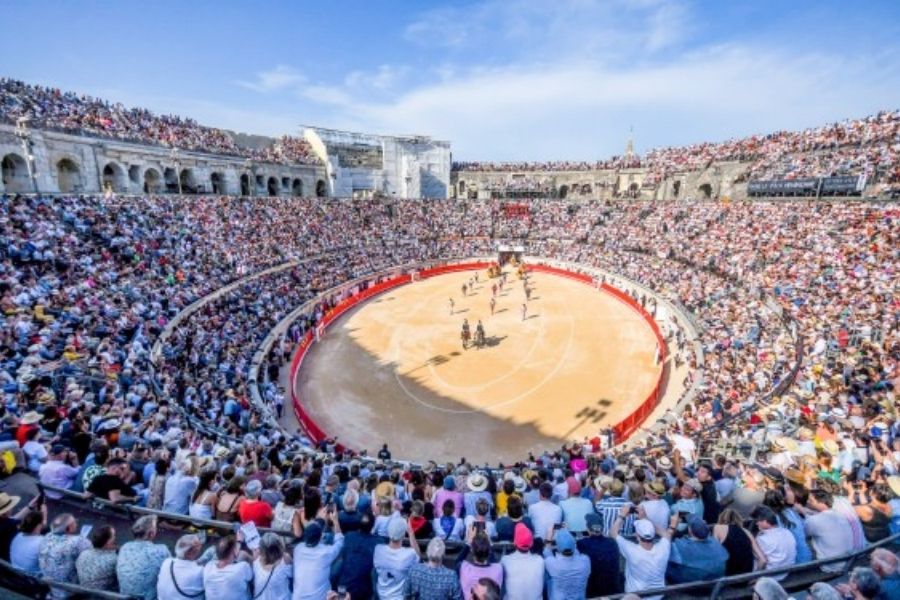
It’s tough not to feel swept up in something bigger when crowds cheer and families gather from early morning to midnight.
Whether you’re a history buff, curious about bullfighting, or just want to soak up the party, Feria de Nîmes has something for you.
First Impressions: Arriving at the Feria de Nîmes
When I got to Nîmes during Feria, the buzz was everywhere. The whole city seemed to pulse with a mix of celebration, tradition, and anticipation.
Atmosphere and City Transformation
Nîmes changes completely during Feria. Banners and flags hang across old Roman streets, and music pours out from every corner.
In the main squares, stages pop up for live bands, flamenco, and even orchestras.
The mix of old and new caught my eye. One moment, a Spanish brass band paraded by; the next, DJs blasted dance beats near the Roman arena.
People wore everything from crisp white with red scarves—a nod to festival tradition—to comfy summer clothes.
Restaurants spilled out onto the sidewalks, with vendors tempting me with tapas, paella, and icy drinks. The smells of grilled meat and spices made it nearly impossible to just walk by.
Navigating Crowds and Festive Streets
Getting around Nîmes during Feria means joining the crowds. Streets close to traffic and turn into massive pedestrian zones filled with festivalgoers.
I squeezed through with families, groups of friends, and locals who seemed to know every shortcut.
Big signs pointed the way to main events, like bullfights at the arena or the daily running of the bulls. I kept a map handy since parades and performances blocked some streets.
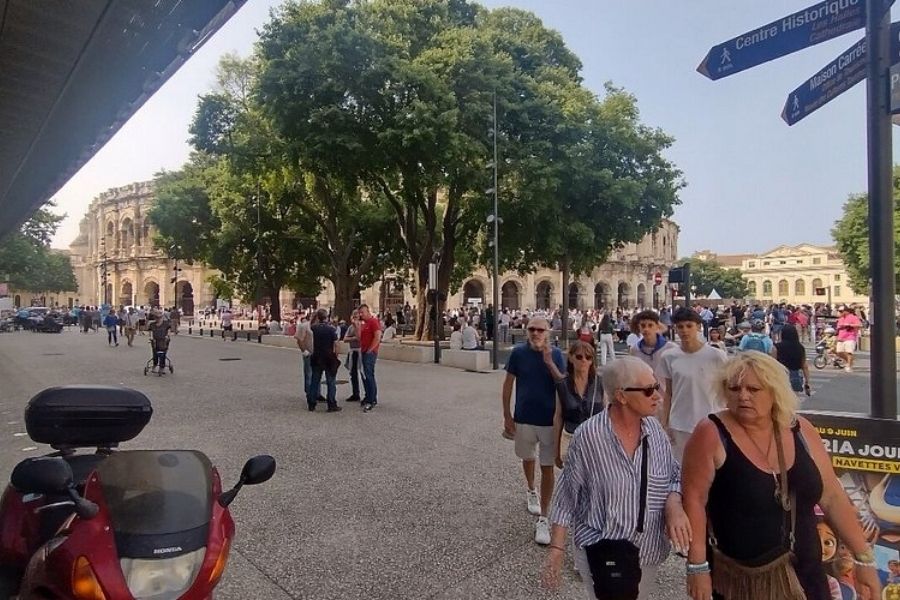
Noise never really faded. Drums, laughter, and chatter echoed well past midnight.
With so much happening, every corner held a surprise—maybe a pop-up concert, a food stall, or a spontaneous street dance.
Roman Heritage Unfolds: Reenactments and Gladiator Games
Walking into the Arena of Nîmes felt like time travel straight to ancient Rome. Performers brought history roaring back to life, and the whole thing felt more like a living celebration than a lesson.
Spectacle in the Arena
As soon as I stepped inside, excitement buzzed everywhere. Reenactors in Roman armor marched in, forming lines while dramatic music played.
Locals and tourists packed the stands, all eager for the show.
The Great Roman Games were the main event. Gladiators clashed with swords, horses thundered past with chariots just inches away, and javelin contests showed off athletic skills from another era.
The details were wild—every fight told a story, and commentators explained the roles and rules. Banners waved and a costumed emperor’s roar made everything feel real.
I couldn’t help cheering and gasping with everyone else, totally caught up in it.
Historical Context and Authenticity
Organizers really care about getting things right. Every piece of armor, shield, and weapon matches what Roman soldiers and gladiators actually used.
They even follow the historical order of events.
Before the show, I wandered by artisans showing off crafts—mosaic-making, ancient cooking, you name it. The smell of spiced bread baking pulled me closer.
Signs and costumed guides explained what I saw, making it easy to pick up bits of history as I went.
Reenactors chatted about why these games mattered and how each character—from gladiators to senators—fit into Roman life. It wasn’t just about the costumes; they shared stories and facts in a way that made the past feel real and fun.
Family-Friendly Learning Experiences
Families flocked to the arena, and the vibe felt welcoming for everyone. Kids joined hands-on workshops, learning how Romans wrote, building aqueduct models, or even trying on mini gladiator gear.
Interactive booths turned learning into play. For example:
- Gladiator School: Staff taught kids basic sword moves using foam swords.
- Coin-Making Booth: Children stamped “Roman” coins to take home.
- History Scavenger Hunt: Families solved clues and found facts around the arena.
Everything was clear, engaging, and bilingual. Everyone, young or old, got a real taste of ancient Rome in a way that was fun and safe.
I saw plenty of smiles and overheard a few kids saying they wanted to be gladiators someday.
Bullfights: Tradition, Controversy, and Personal Choice
Bullfights are a huge part of Feria in Nîmes—some folks see them as tradition, others as controversy. My time here let me see the excitement, the nerves, and all the conversations swirling around these famous “corridas.”
Understanding the Tradition
Bullfighting, or corrida, runs deep in southern France, especially in Nîmes. The tradition came over from Spain ages ago, and it’s been part of Feria for generations.
Every year, top toreros (bullfighters) show up to compete. The event usually features six bulls and three matadors, each facing two bulls.
Everything is ritualized, from the outfits to the music.
For a lot of people, attending a bullfight feels like stepping into living history. The crowd buzzes. I saw people of all ages—some cheering, others just watching.
Even if you skip the fight, the energy outside the arena is impossible to miss. The plaza overflows with friends, families, and food stalls.
Whether you’re drawn by curiosity or tradition, it’s easy to get swept up in the atmosphere.
Personal Reflections on Bullfighting
Before I visited, bullfights felt distant, almost like a legend. Standing at the arena gates, I felt both curious and uneasy.
Locals encouraged me to try it, while others suggested sticking to the music and parades.
I decided to go in. The pageantry, music, and skill of both bull and matador were striking.
Still, I felt torn. Some moments were thrilling, others made me uncomfortable.
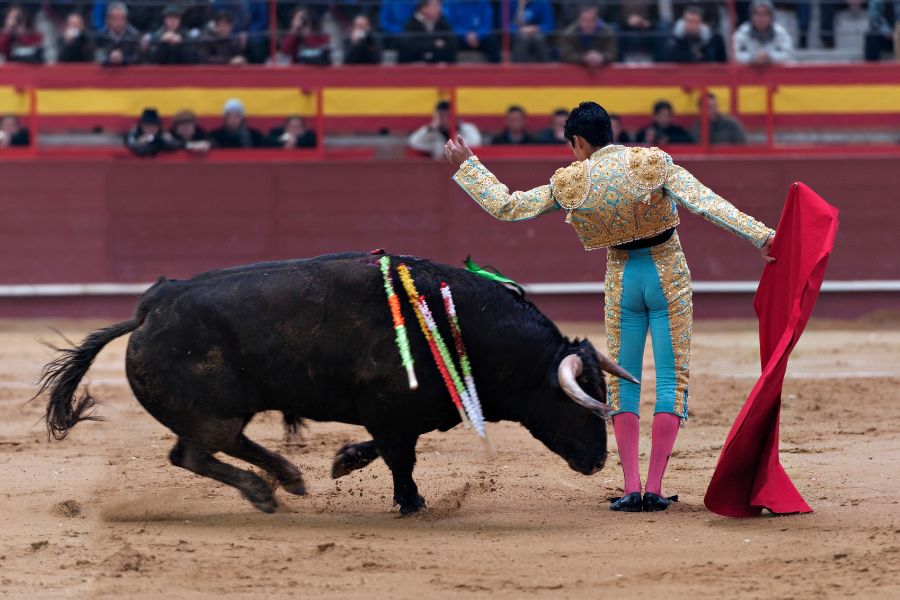
Not everyone will want to see a bullfight—and honestly, that’s fine. You can skip it and still have a blast at the parades and Roman games.
Ethical Perspectives from Locals
During Feria, I heard strong opinions everywhere. Some locals see bullfighting as key to their cultural identity. Families share stories about trips to the arena and favorite toreros.
For them, the tradition ties into the city’s rhythm.
Others see bullfights as cruel and outdated. Animal rights groups protest during Feria, and some residents skip the fights but still love the music and street parties.
A few people found a middle ground—hanging out with friends outside the arena or at cafés, but not going in. These choices are more common now, and everyone seems to respect them.
Embracing the Festive Spirit: Parades, Costumes, and Nightlife
Every corner of Nîmes lights up during Feria. I got swept along by cheering crowds, swirling dancers, and music that lasted all night.
It’s impossible not to get caught up—whether you’re watching, joining in, or just wandering with friends.
Vibrant Parades and Local Music
At the heart of Feria de Nîmes are the street parades. Every day, crowds gathered as brass bands, folk musicians, and floats rolled by, tossing confetti everywhere.
Local drums and guitars mixed with laughter, setting the mood instantly.
Kids and adults followed the processions down cobbled streets. Banners waved overhead, and I snapped photos of every colorful moment.
Popular songs and rhythms unique to southern France filled the air. The city felt like one big performance.
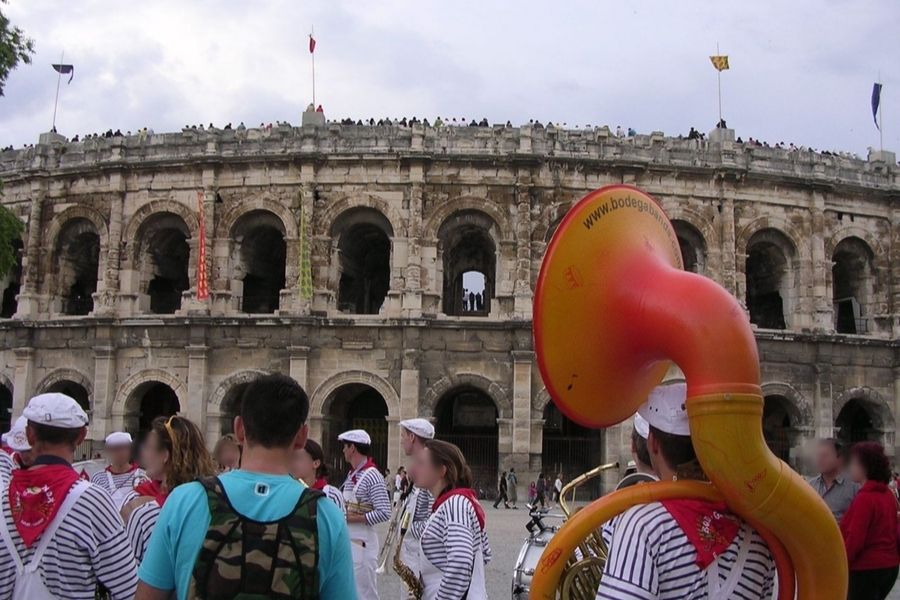
I stumbled on peñas—roving musical groups who played in the squares and started dance circles. Their energy was infectious, making even the shyest folks tap their toes.
After sunset, the music just got louder and more joyful.
Dressing Up: Fashion and Flamenco
Costumes are a big part of the fun. Locals and visitors alike wore colorful outfits with Spanish and Provençal touches.
Flamenco dresses, polka-dot scarves, and wide-brimmed hats were everywhere.
I tried on a faja—a bright sash—and suddenly felt like I belonged. Shops and vendors sold flower crowns, shawls, and fans, so anyone could join in.
People of all ages mixed modern clothes with festival flair.
Flamenco dancers in ruffled skirts and bold jewelry moved through the crowds, turning the streets into their stage. Sometimes they’d stop and perform, earning cheers and applause.
Dressing up helped everyone connect, even if we didn’t speak the same language.
Dancing and Evening Celebrations
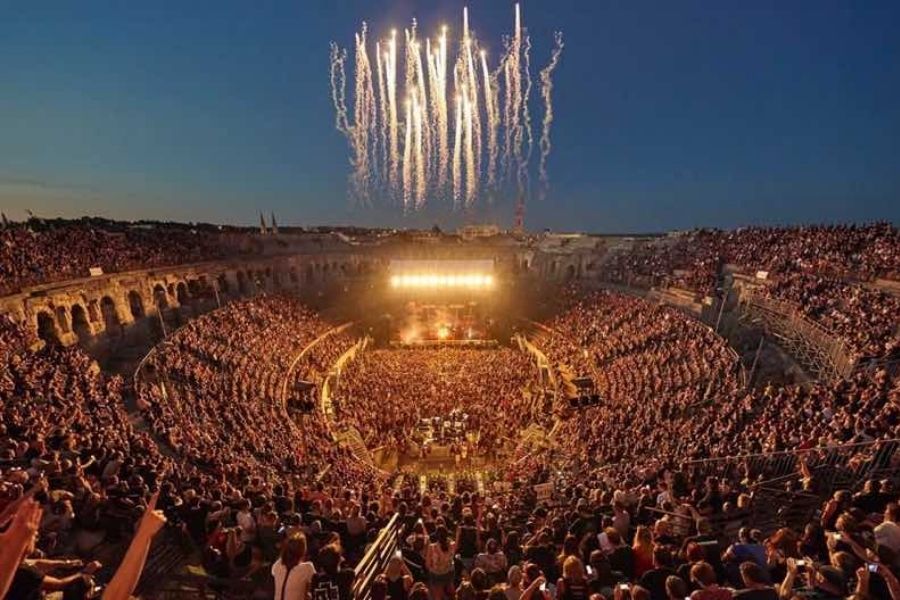
At night, Feria changed again. Plazas filled for open-air concerts, DJ sets, and more flamenco.
Dancing spilled out of arenas into every alley, bar, and square.
I joined the crowds, clapping along and picking up steps from the people around me.
Circles of dancers, laughter, and quick friendships formed over shared jugs of sangria.
Small stages dotted the squares, hosting everything from salsa lessons to Sevillanas.
The atmosphere was friendly—no one cared if you were an expert or a total beginner.
The nightlife pulsed until dawn. Tapas stands kept us fueled, and music and cheers echoed down every street.
By midnight, it felt like Nîmes belonged to anyone willing to dive into the party.
Local Flavors and Gastronomy During Feria
Food sits right at the heart of Feria de Nîmes, shaping the festival’s energy and traditions. As I wandered the city, I found regional dishes, lively food markets, and local spots where Nîmes’ spirit shines through its cuisine.
Sampling Regional Cuisine
Everywhere I walked, the smells of food pulled me in—restaurants, pop-up kitchens, you name it. Nîmes is famous for brandade de morue (a creamy salt cod purée) and gardiane de taureau (bull stew), both cooked Provençal-style.
These hearty dishes go perfectly with local wines from the Costières de Nîmes region.
Many spots serve tapas inspired by Spain, like grilled chorizo, tortilla, or paëlla. Platters of olives, fresh bread, and goat cheese were everywhere.
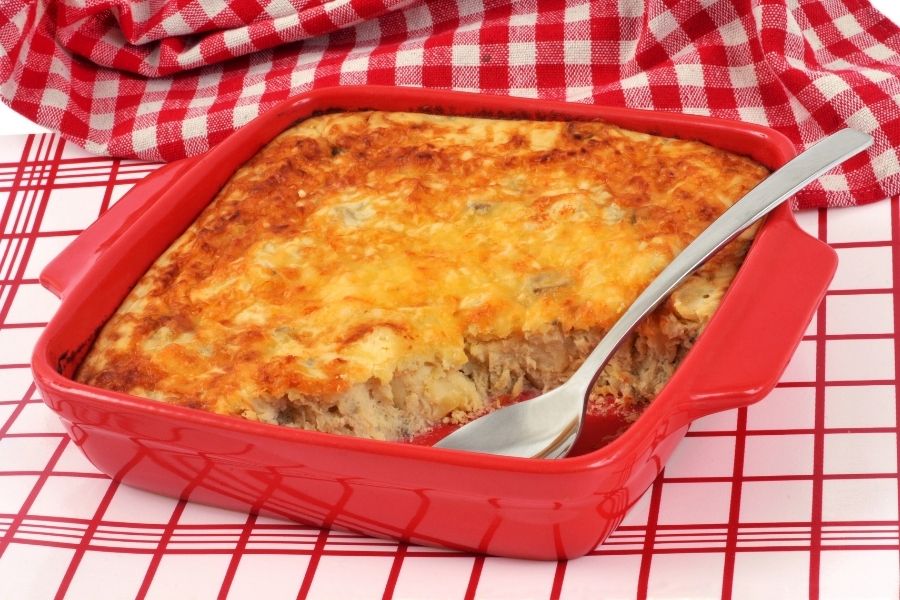
Tasting all this helped me get why locals are so proud of their food. Every meal felt like part of the celebration.
Where to Eat and Drink
I stumbled across a mix of cozy bistros, lively brasseries, and open-air cafés near the city center and around the ancient arena.
When I wanted a full meal, I’d hunt down small family-run restaurants in the old town. Their menus usually highlight whatever’s in season, which I really appreciate.
Most places pour local wines by the glass. I liked how easy it was to try something new.
In the evenings, bars and wine shops spill out onto the streets. People gather before or after the events, and the buzz is contagious.
If you’re visiting during the Feria, you’ll want to make reservations—restaurants fill up fast.
For a quick snack, several bakeries and pâtisseries serve up easy bites. Perfect for grabbing something between festival activities.
Food Stalls and Street Vendors
Street food takes over during the Feria. I couldn’t resist the smell of grilled meats, sizzling sausages, and fresh crêpes.
Rows of stalls pop up, offering simple, flavorful food you can eat while walking. Here are a few favorites:
- Grilled bull kebabs
- Pan bagnat (stuffed bread sandwiches)
- Churros with chocolate
- Roasted almonds
I’d suggest sampling a few different treats as you wander the festival streets. The lines look long, but they move fast.
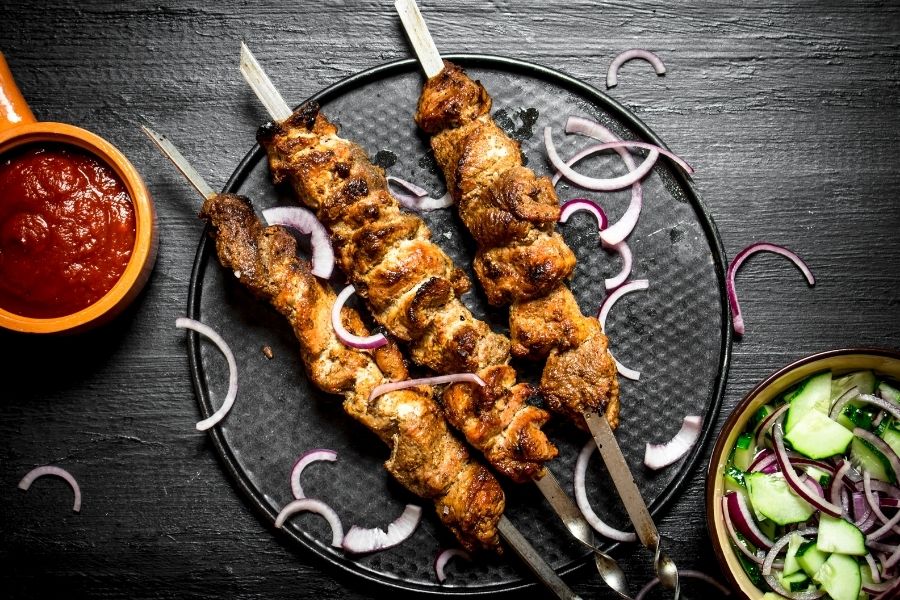
Chatting with vendors often led to tips about other specialties I wouldn’t have found otherwise.
Eating outdoors, surrounded by music and crowds, made the whole thing unforgettable.
Tips for Future Visitors: Planning the Perfect Feria Adventure
The Feria de Nîmes is all about history, street life, and the unique energy of southern France. A little planning helped me a lot, especially with timing and finding the right place to stay.
Best Times to Visit (Pentecost vs. September)
Feria de Nîmes happens twice a year—once during Pentecost (late May or early June), and again in September.
Each celebration has its own charm.
I have to say, the Pentecost Feria feels bigger and more famous, with huge parades, concerts, and bullfights. The whole city buzzes with excitement. If you like a lively, bustling scene, Pentecost is probably your best bet.
September’s Feria is a bit smaller, but still lively. The crowds thin out, and the weather stays warm—perfect for wandering the historic streets.
I noticed locals seemed more relaxed, and it felt easier to get close to the action. That’s a plus for families or anyone who wants things a bit calmer.
| Month | Crowds | Events | Atmosphere |
|---|---|---|---|
| Pentecost | High | More, grander | Lively, energetic |
| September | Moderate | Still diverse | Relaxed, intimate |
Accommodation and Transport
Book your place to stay early—the city fills up quickly during both Ferias.
I liked staying within walking distance of the Roman arena, since most of the main events happen nearby. It saved me time and kept me close to the action all day and night.
If you’re on a budget, guesthouses and smaller hotels just outside the city center can be a good choice.
Public transport works well, but honestly, Nîmes is super walkable, especially when festival streets close to cars.
Trains run often to nearby cities like Avignon and Montpellier, which makes day trips easy.
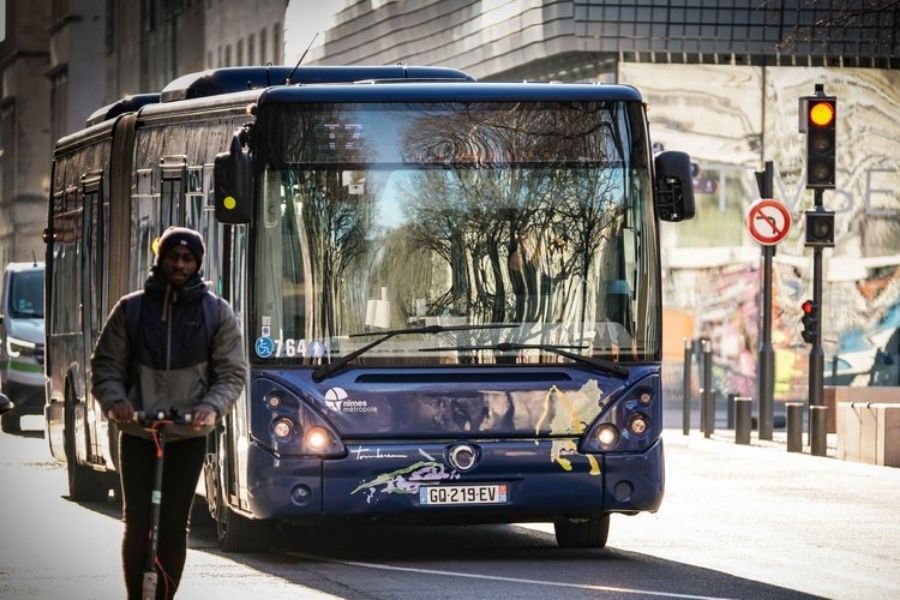
Parking isn’t great. If you’re driving, look for park-and-ride (“P+R”) lots on the edge of town.
I parked outside the main center and either walked in or hopped on a shuttle bus. Way less stressful than trying to drive through festival traffic.
Insider Advice for a Memorable Experience
You’ll get the most out of Feria if you mix the big, planned events with those little, unexpected moments. I always grabbed a printed schedule when I arrived, but honestly, some of my favorite memories came from just wandering the side streets and stumbling onto music, dancers, or food stalls I’d never have found otherwise.
Definitely wear comfortable shoes. I spent hours on my feet, and there’s so much happening beyond the main plaza.
I carried a small bag with sunscreen, water, and earplugs—trust me, the bullfight arena gets really loud.
Trying local food at the pop-up stalls is part of the fun. Paella, churros, and even “brandade de Nîmes” (a traditional cod spread) totally surprised me.
I skipped the bullfights, but there’s honestly something for everyone. Roman games, concerts, and parades for families fill the streets.
If you want a great spot for parades or concerts, show up early. Don’t be shy—chat with the locals.
I got some fantastic recommendations, and at one point, someone even invited me to a private street party. The real spirit of the Feria is just joining in and celebrating together, wherever you end up.