
Perched on the famous White Cliffs of Kent, I recently wandered through Dover Castle—arguably one of the UK’s most significant fortresses. This place is packed with history, from its ancient Roman lighthouse to medieval ramparts and those secret World War II tunnels. You can almost feel England’s military history woven into every stone. Dover Castle’s layers of defense really show how it guarded England’s shores for nearly a thousand years.
As I made my way through echoing halls and winding underground passages, I noticed how carefully English Heritage has preserved the site. Every room seemed to whisper stories—some shaped by battles, others by clever engineering or sheer survival.
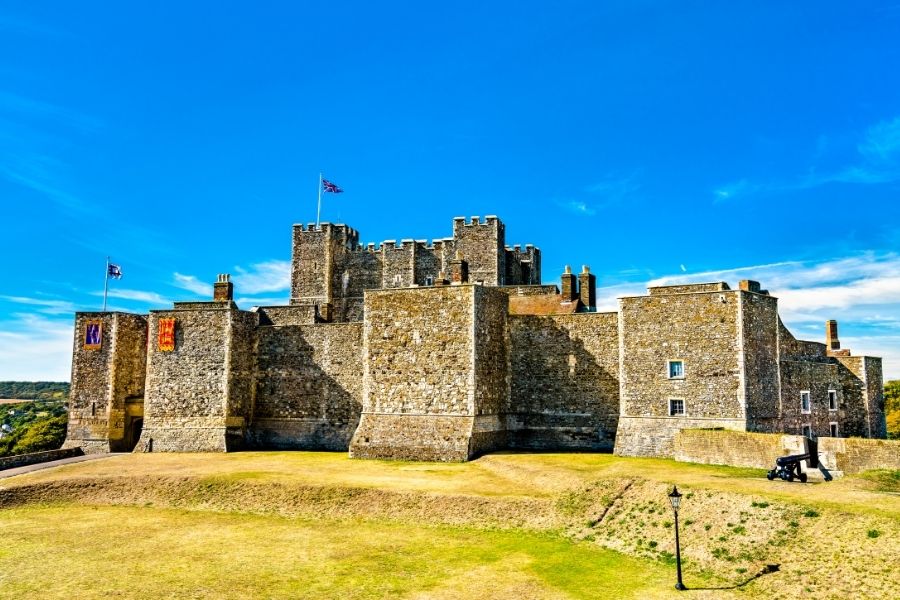
The journey took me from the imposing Great Tower, built for kings, to hidden corners that once buzzed with wartime command and the urgency of field hospitals.
Every step brought me closer to the castle’s complex past. No wonder people call it the “Key to England.”
Origins of Dover Castle: From Iron Age Roots to Roman Lighthouses
Dover Castle stands watch over the narrowest part of the Strait of Dover. People have used this land for defense for thousands of years. The layers go way back—from Iron Age earthworks to Roman, Saxon, and Anglo-Saxon fortifications.
Early Defenses and Iron Age Hillfort
Long before anyone built those famous stone walls, Iron Age communities set up defenses here. Archaeologists uncovered traces of a sprawling hillfort that once claimed this high ground.
They picked this spot for its commanding view over the sea and the busy crossing to continental Europe. The earthworks—massive banks and ditches—made up the backbone of their defenses.
Instead of stone, they used earth and timber. It’s wild to think this hilltop mattered so much, even before the Romans or Saxons showed up.
Roman Lighthouse: Ancient Beacon on the White Cliffs
Near the top, I stumbled across the remains of a Roman lighthouse—one of Britain’s oldest standing structures. After invading, the Romans didn’t just build one but two tall stone lighthouses on these cliffs.
The main Roman lighthouse, or pharos, still sits next to the later church buildings. Its thick, tapering walls once supported a beacon, guiding Roman ships across the tricky strait.
This was the closest point between Britain and France, so safe navigation mattered. Only three Roman-era lighthouses survive in Europe, making this one a rare gem.
Dover’s lighthouse plugged the town straight into the Roman web of trade and military routes.
Saxon and Anglo-Saxon Developments
After the Romans left around 410 AD, new rulers moved in. The site became a fortified Saxon town—a burh. Saxon settlers reused Roman ruins and earthworks to build their own defenses.
I found it fascinating that the old Roman lighthouse later became a belltower for the Anglo-Saxon church of St Mary in Castro. That church, right beside the ancient lighthouse, really blends Roman and Saxon heritage.
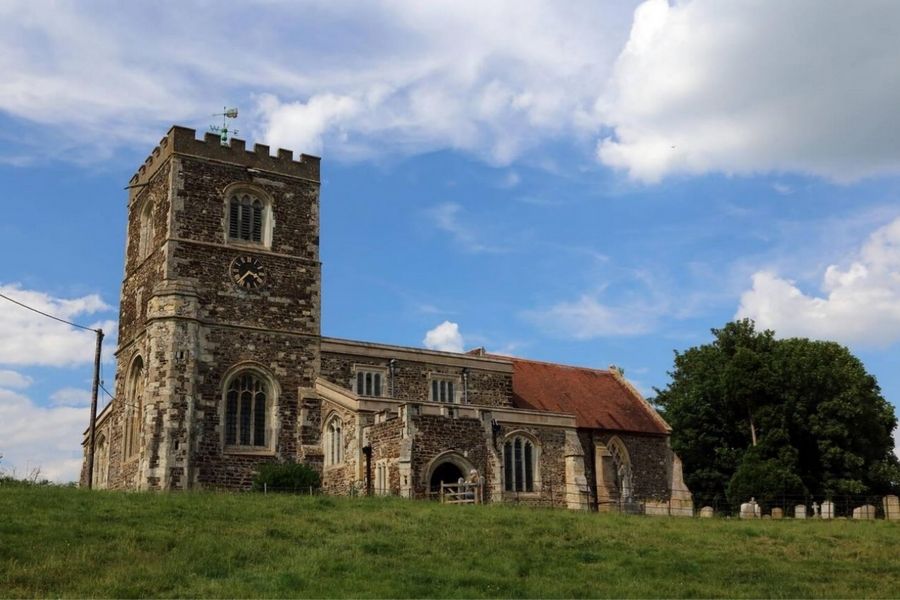
Inside, the thick stone walls hint at recycled Roman materials. The place evolved as new people arrived, each adding their own twist to defending the cliffs and the vital Dover crossing.
Medieval Power and Architecture: Castles, Kings, and Sieges
Dover Castle has seen its share of power struggles. Its walls and towers sheltered kings, soldiers, and townsfolk. The design kept shifting with each threat and every ruler.
Norman Conquest and Early Fortifications
After the Norman conquest in 1066, William the Conqueror realized he needed to control the English coast. He wasted no time—he ordered strong fortifications at Dover, building on its Roman history.
The first structure was mostly earth and timber, quickly thrown up to secure the route from coast to London. Early defenses included a ditch and wooden palisades, giving defenders a real edge against surprise attacks.
Over time, stone replaced wood. The defenses grew more complex and permanent. Castles like Dover helped the Normans keep control, acting as both symbols of power and command centers during invasions.
From high on the cliffs, Dover Castle watched over the channel and the main roads.
The Great Tower and Royal Residence of Henry II
In the late 1100s, King Henry II decided Dover needed something special. He ordered the Great Tower, which still dominates the castle today.
This wasn’t just a fortress—it was a royal residence designed to impress. Some walls are over 20 feet thick, and the rooms were decorated to show off Henry’s wealth and power.
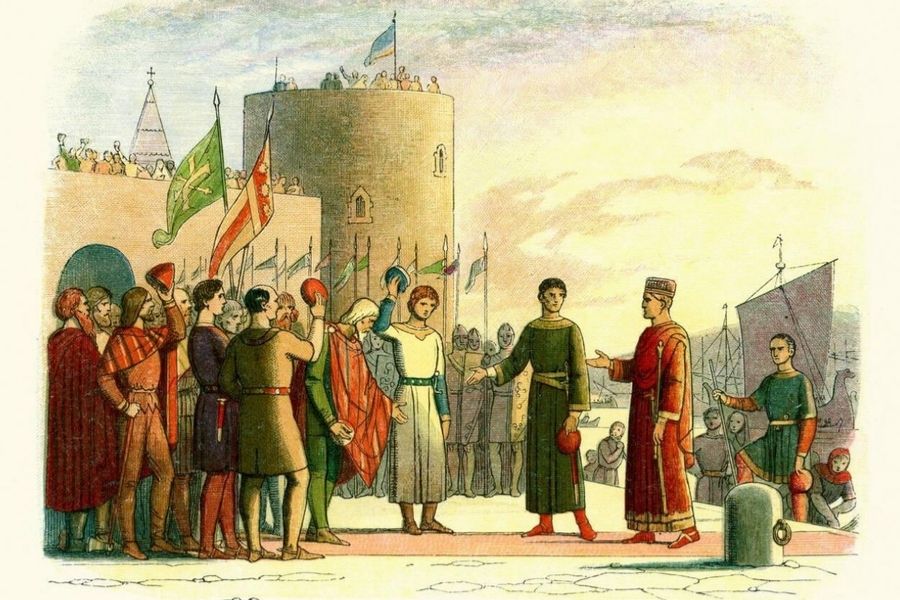
Inside, I wandered through grand halls and cozy chambers meant for the king. Guards, servants, and nobles all had their own spaces. It’s a strange mix: part military HQ, part luxurious home.
Medieval Walls and Military Innovations
Medieval builders kept updating Dover Castle’s defenses. New walls wrapped around the Great Tower and inner bailey, creating extra layers of protection. Arrow slits and sturdy gatehouses let defenders watch and shoot from above.
The castle’s concentric layout—several walls inside each other—meant that even if attackers broke through one, more defenses waited behind. Towers along the walls gave archers a 360-degree view.
Here’s a quick table of important features:
| Feature | Purpose |
|---|---|
| Great Tower | Royal residence and last defense point |
| Inner & Outer Walls | Multiple barriers for attackers |
| Arrow Slits | Safe spots for archers |
| Gatehouse Complex | Controlled and defended entry points |
It’s honestly hard to imagine how anyone could capture Dover by force.
Turbulent Times: Sieges and the First Barons’ War
The early 1200s threw England into civil war. King John’s clashes with his barons led to rebellion, and they even invited Prince Louis of France to claim the throne. Dover Castle quickly became a main target.
In 1216, Louis led French troops to besiege the castle. Hubert de Burgh, trusted by King John, took charge of the defenses. Dover’s thick walls and layered defenses helped the garrison withstand several attacks.
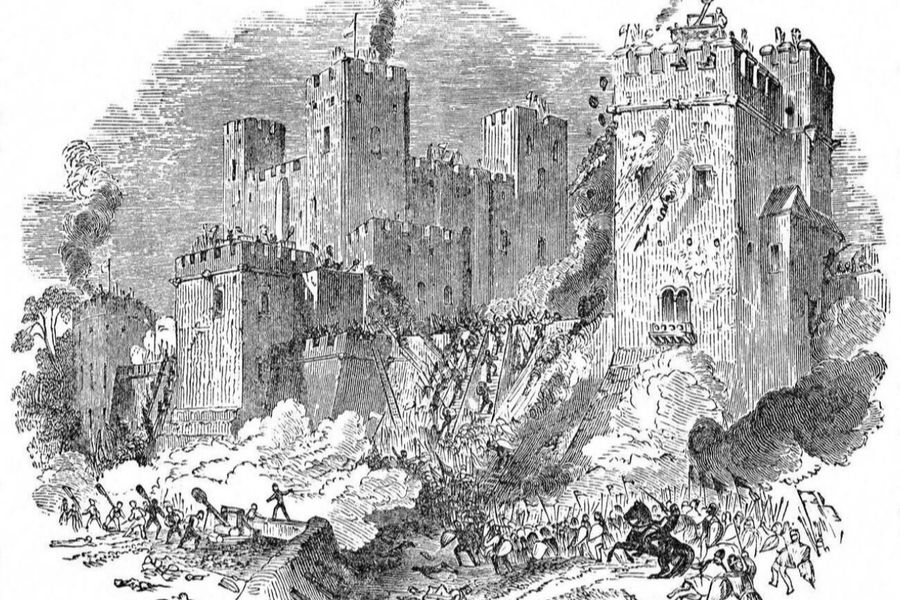
Attackers tried mining under the walls and battering the gates, but the castle held. The siege dragged on for months, proving that medieval fortifications, sharp planning, and loyal defenders could shape a kingdom’s fate.
Walking those same walls, I felt the tension of that old struggle.
Defending the Realm: From Tudor Artillery to Napoleonic Threats
Dover Castle has stood guard for centuries. As I explored, I noticed how the place kept evolving to face new threats—cannons, artillery, and even Napoleon.
Tudor Fortifications and the Role of Henry VIII
Henry VIII realized old defenses wouldn’t cut it anymore. Cannons could smash through walls that had stood for ages. He ordered new artillery forts along the south coast, including Dover.
He added earthworks and placed large cannons on the ramparts. In 1522, Holy Roman Emperor Charles V visited and met Henry at the castle—a reminder of Dover’s importance, even in peacetime.
Elizabeth I kept using Dover’s defenses. Her court sometimes stayed here. The castle remained a symbol of strength, and everyone understood the need for safe coastal forts as European threats kept simmering.
Napoleonic Era: New Tunnels and Barracks
Down in the tunnels, I found out they were expanded during the Napoleonic Wars. With the threat of a French invasion, these underground passages became crucial. Soldiers and officers moved through them, stored supplies, and ran military operations away from prying eyes.
New barracks went up, cramming hundreds of troops into the chalk cliffs. The rooms felt tight but built for purpose. Engineers reinforced the cliffs and added extra earthworks, making the whole place even tougher to crack.

The tunnels let defenders gather, plan, and move without being seen. They also protected people from bombardment and kept military secrets away from the enemy.
Artillery Forts and Military Operations
Artillery completely changed castle defense. Dover’s heavy guns scanned the Channel, ready to fire on enemy ships long before they got close.
Bastions and towers were widened to fit the new cannons. Defenses became lower and thicker, built to shrug off cannonballs. The South-East Coast, with forts like Deal and Walmer, formed a chain of protection.
The tunnels sped up military operations. Messages zipped through the underground passages. Defenders kept watch from high towers, scanning the horizon for sails. Dover Castle, with its updated artillery and clever planning, kept England safe as war tactics evolved.
Dover’s Secret Wartime Tunnels: World War II and Beyond
Stepping into Dover Castle’s tunnels, I felt the weight of history underground. These passages weren’t just clever—they were lifelines during some of Britain’s darkest hours.
Operation Dynamo and the Evacuation of Dunkirk
One of the most incredible moments in the tunnels’ story happened during World War II. In 1940, Operation Dynamo was planned and run from these underground rooms.
The British military used the tunnels as their HQ to organize the frantic evacuation of Allied troops from Dunkirk’s beaches. Dover’s cliffside perch made it the perfect spot for overseeing the Channel.
Messages from the front poured into the Port War Signal Station deep inside. Royal Navy officers and staff coordinated thousands of boat movements, guiding both military and civilian vessels across dangerous waters.
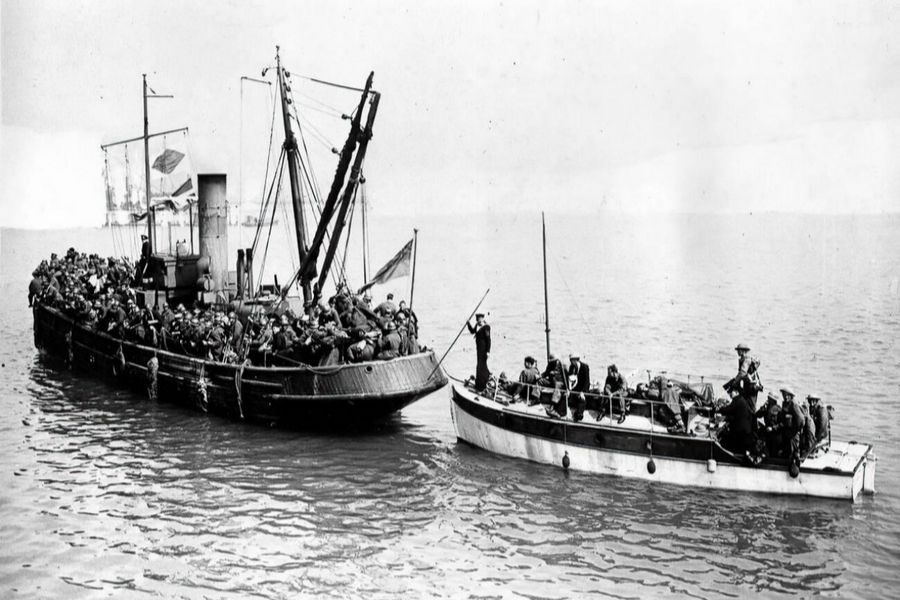
Operation Dynamo rescued over 330,000 soldiers. The tunnels’ secret paths and thick chalk walls kept the staff safe from bombings, letting them work nonstop. The focus and teamwork here still echo in the tunnels.
Command Centre and Underground Hospital
The tunnels weren’t just for planning. When bombs fell above, the rooms below became Dover’s nerve center. Maps, radios, and phones covered every surface as officers tracked battles and issued orders.
One stretch of tunnel turned into an underground hospital. Doctors and nurses treated wounded soldiers and civilians brought in from the coast. Thick blast doors and hidden passageways shielded everyone from shelling and air raids.
Working with limited tools and dim lighting, the staff still managed to save lives. Seeing these spaces today, I can’t help but respect the grit and determination it took to keep going.
Espionage and Military Planning
The tunnels had a quieter, secretive side too. Intelligence teams set up here, using codebooks and secret radios to intercept enemy messages.
Narrow offshoots became safe rooms for confidential documents and hush-hush meetings. Everywhere I looked, security was tight—thick doors, guarded passages, constant vigilance.
The underground setting gave Britain an edge in planning and secrecy. Walking through those rooms, I could sense how critical these tunnels were for keeping plans and people safe.
Cold War Transformation and Regional Government Seat
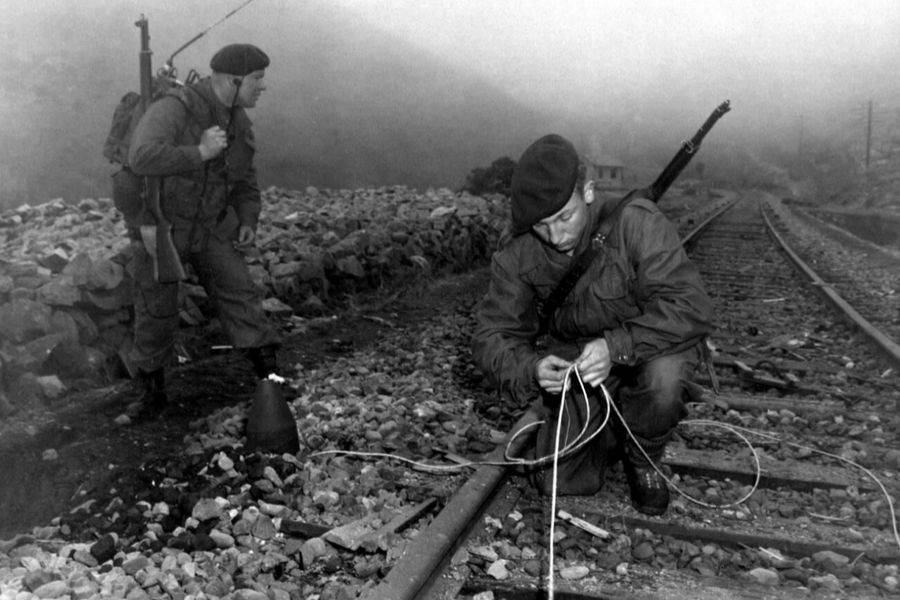
After World War II, the tunnels didn’t just fade into history. As the Cold War heated up, the British government adapted part of the tunnels into a Regional Seat of Government.
They stocked emergency supplies, set up bunk beds, and installed communications gear. The idea? If London was hit by a nuclear attack, officials could still run the country from down here.
Lists of supplies and coded maps lined the walls. The transformation from wartime HQ to Cold War bunker really showed me how adaptable these underground defenses could be.
Dover Castle’s tunnels stood ready for whatever challenge came next, always evolving with the times.
Exploring Dover Castle Today: Visitor Experiences and Panoramic Views
Dover Castle really blends hands-on history with those sweeping views you just can’t forget. It’s surprisingly easy to get around, whether you’re traveling solo or wrangling a family. I spent a day there and honestly, I didn’t expect history and modern access to fit together so well, but they do.
Interactive Exhibits and Historical Tours
The interactive exhibits? Absolutely worth your time. Inside the Great Tower, guides in medieval costumes told stories that pulled me right in. I tried on heavy armor and fiddled with old artifacts—it’s a little silly, but it makes the past feel close.
The guided tours wind through the secret wartime tunnels under the castle. Walking those chilly, echoing passages, I learned how soldiers and officers once planned in those very rooms during World War II. The tour used sound effects, old videos, and objects to make the place come alive.
I also wandered over to the Roman lighthouse and the St Mary in Castro church. Both spots had signs with just enough detail to spark your curiosity. It’s wild to see how the whole site keeps changing through the centuries.
Panoramic Viewpoints on the White Cliffs
You can’t beat the castle’s perch above the English Channel. Standing on the battlements, I watched ferries glide into the busy Port of Dover and tried to spot the white cliffs everyone talks about.
I followed the walls for a bit, stopping wherever the visitor map marked a lookout point. Some spots had telescopes or benches, so I could just sit, breathe, and take in the view.
Those wide-open vistas really show why people built the castle here in the first place. On a clear day, you might even catch a glimpse of France across the water—it’s such a strange, wonderful feeling to stand where so much history has unfolded.
Access and Practical Information
Getting to Dover Castle turned out to be pretty straightforward. If you’re using GPS, just plug in Dover Castle, Castle Hill, Dover, Kent, CT16 1HU, England.
I found parking right near the entrance, which saved some time. You’ll also spot buses heading over from Dover town center on a regular basis.
English Heritage runs the site, and you can grab tickets online before you go. Most of the main areas have paved paths and ramps, so guests with mobility needs can explore quite a bit.
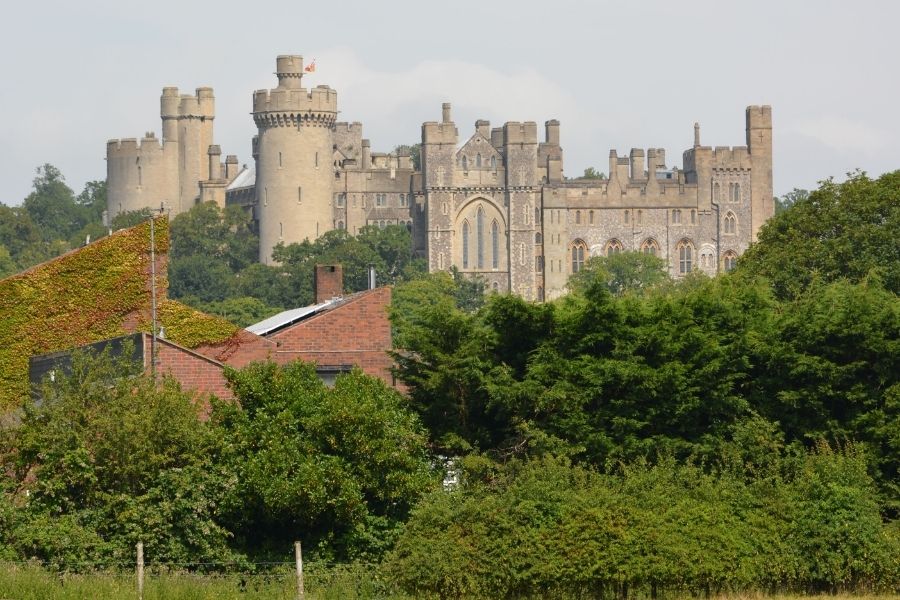
You’ll find restrooms, a café, picnic spots, and a gift shop on site. There’s plenty of room for families to spread out, and staff were happy to point me in the right direction or answer questions.
