
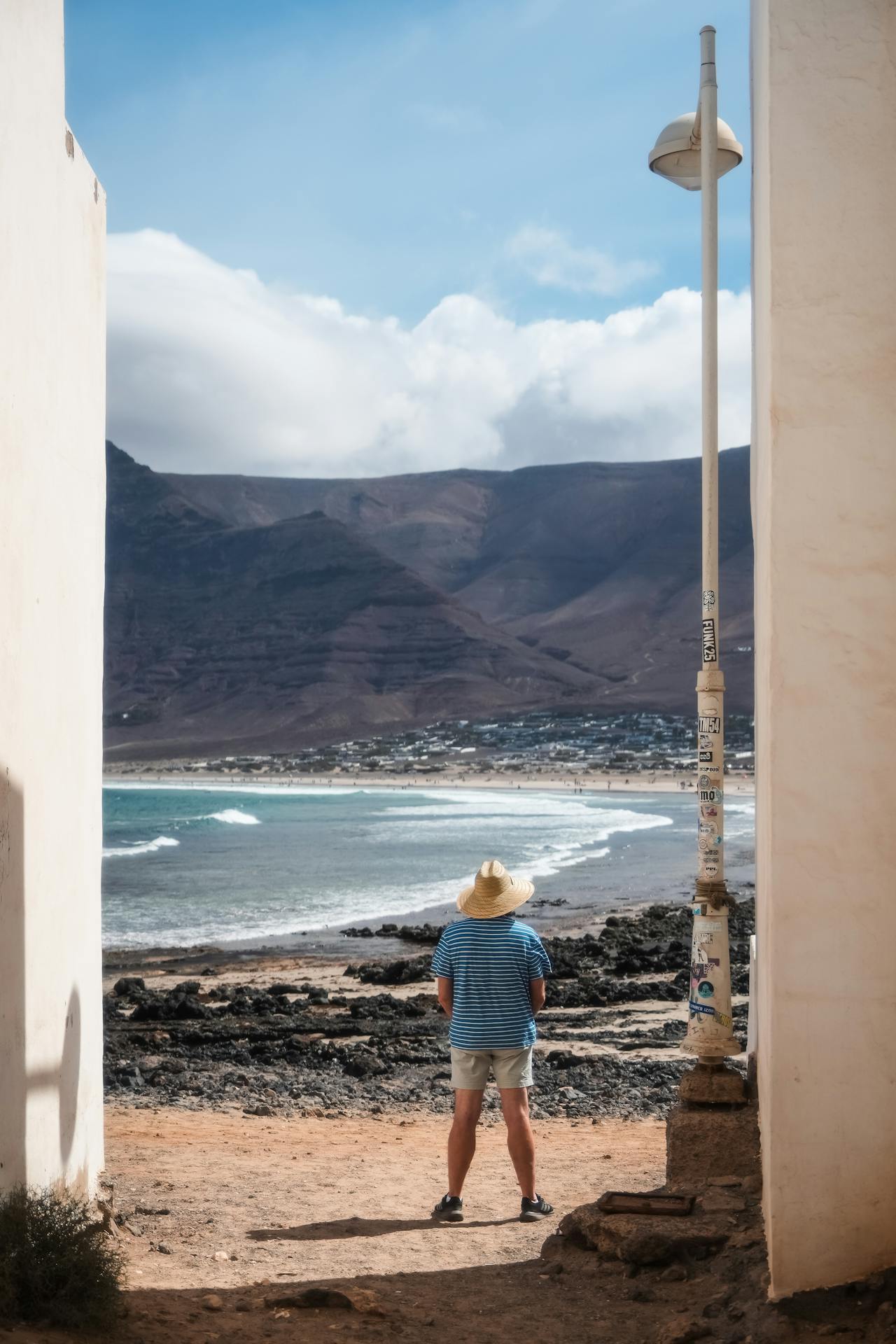
I’ve watched surfers carve through rolling waves beneath those crazy volcanic cliffs at Famara Beach, and honestly, this six-kilometer run of golden sand sums up everything wild and beautiful about Lanzarote’s northwest coast. The Atlantic winds never really let up, so you’ll see surfers, windsurfers, and kitesurfers out there almost every day, with those dramatic 600-meter Famara Cliffs looming overhead—there’s nothing else quite like it in the Canary Islands.
Famara Beach has world-class surfing conditions all year. Reliable Atlantic swells and steady winds draw everyone from total beginners to seasoned surfers chasing powerful breaks. It sits inside the Chinijo Archipelago Natural Park, so you get raw beauty and pretty decent facilities in the little fishing village of Caleta de Famara.
What really sets Famara apart? It’s how the wild Atlantic shapes every single moment. The ocean breeze cuts the Canarian heat, and the tides swing so much that you’ll find huge sandy flats for walking. I’ll share everything you need to know—where to surf, what to watch out for, and how to squeeze the most out of a visit to one of Europe’s best surf beaches.

Famara Beach Location and Natural Setting
Famara Beach sprawls along Lanzarote’s northwest coast for six kilometers, with those epic 600-meter cliffs as a backdrop. The beach stretches between the fishing village of Caleta de Famara and the Risco de Famara massif.
Geographic Position within Lanzarote
You’ll find Famara Beach on Lanzarote’s northwest coast, in the Teguise municipality. The sand runs for six kilometers beside the Atlantic.
Key Location Details:
- Municipality: Teguise
- Coast: Northwest, Atlantic-facing
- Length: 6 kilometers
- Sand type: Pale golden
This whole area belongs to the Chinijo Archipelago Natural Park. The park includes a bunch of rocks and islets just north of Lanzarote. On clear days, you can spot La Graciosa island across the water.
Because the park protects it, Famara keeps its wild edge. There’s hardly any development compared to other Lanzarote beaches. That’s probably why it feels so untamed.
Caleta de Famara and Village Atmosphere
Caleta de Famara hugs one end of the beach. The minute you arrive, you’ll notice the laid-back vibe.
The village covers the basics—surf shops rent out boards and boogie gear, and a handful of surf schools teach visitors how to catch their first Atlantic wave.
Village Amenities:
- Surf equipment rental
- Surf schools and lessons
- Local bars and restaurants
- Parking near the beach
After a session in the water, I usually wander into the village for a drink or some tapas. It’s slow-paced, way quieter than the busier resort towns.
Caleta de Famara feels genuinely Canarian. The old-school buildings and the surf scene blend together, so you get a cool mix of tradition and beach culture.

Cliffs and Backdrop of Risco de Famara
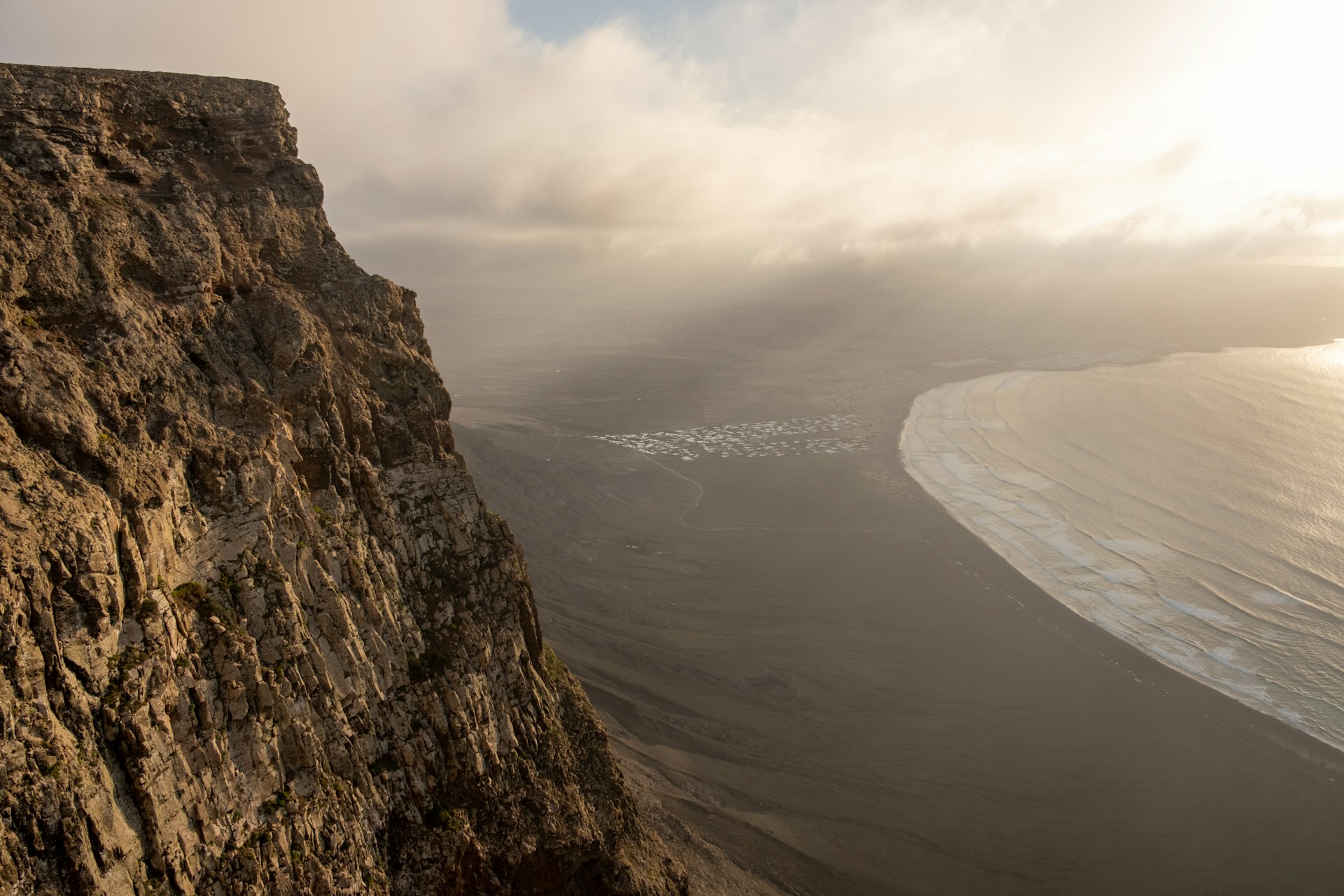
Those Risco de Famara cliffs are just jaw-dropping. They shoot up 600 meters from the beach, forming a wild, natural wall.
Walking along the beach, the cliffs shift in perspective. You’ll see layers of volcanic rock that look like they’ve been stacked up by giants.
Cliff Characteristics:
- Height: 600 meters (almost 2,000 feet)
- Length: Runs the length of the beach
- Composition: Volcanic rock layers
- Formation: Old volcanic eruptions
The cliffs block the wind in some spots. People have even built little stone shelters at the bottom for extra protection on gusty days.
Standing there, you can’t help but feel tiny against all that nature. The contrast between the pale sand and black rock is a dream for photographers.
The Wild Atlantic Wind: Climate and Landscape
Famara Beach sits right in the path of the Atlantic trade winds, and they really do shape everything here. These winds whip up the sand, change the landscape, and make the place feel alive—especially with those 600-meter cliffs looming overhead.
Predominant Trade Winds and Their Impact
The trade winds come barreling in from the northeast most of the year. I’ve noticed they’re strongest in winter, sometimes howling so much you have to lean into them.
These winds are a gift for surfers. They help build waves up to four meters high in winter. Kite surfers and windsurfers love the steady breeze too.
Every day, the wind sculpts the beach. Sand dunes shift and reshape behind the main stretch. If the wind gets too wild, you can duck behind stone shelters for a break.
On rare calm days, the whole beach feels different—almost peaceful. But most of the time, you’ll get the full Atlantic blast.

Sand, Tidal Changes, and Beach Formation
Famara’s three-kilometer sweep of sand never looks the same twice. The wind and tides move everything around, so sometimes you’ll find tiny bays or pools that weren’t there the day before.
Key sand features:
- Deep sand patches—don’t try to drive on them!
- Dunes shifting behind the beach
- Little coves that come and go
- Sand banks that change with the tide
The tides here are no joke. At high tide, the water can creep right up to the rocks. Sometimes, whole sections of the beach vanish under the Atlantic.
The wind keeps pushing sand into new shapes. I swear, every visit feels different.
Dramatic Scenery at Low Tide
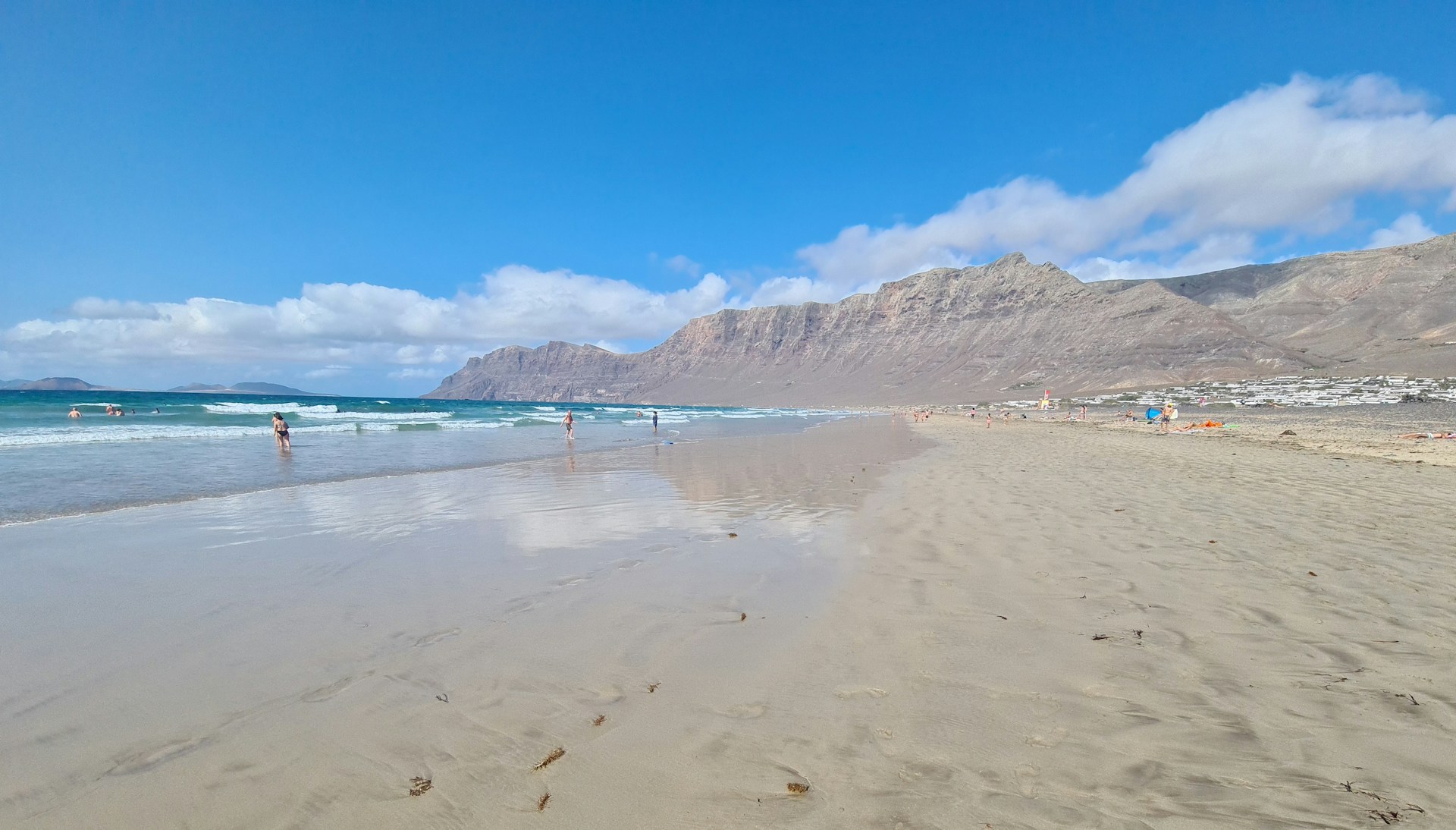
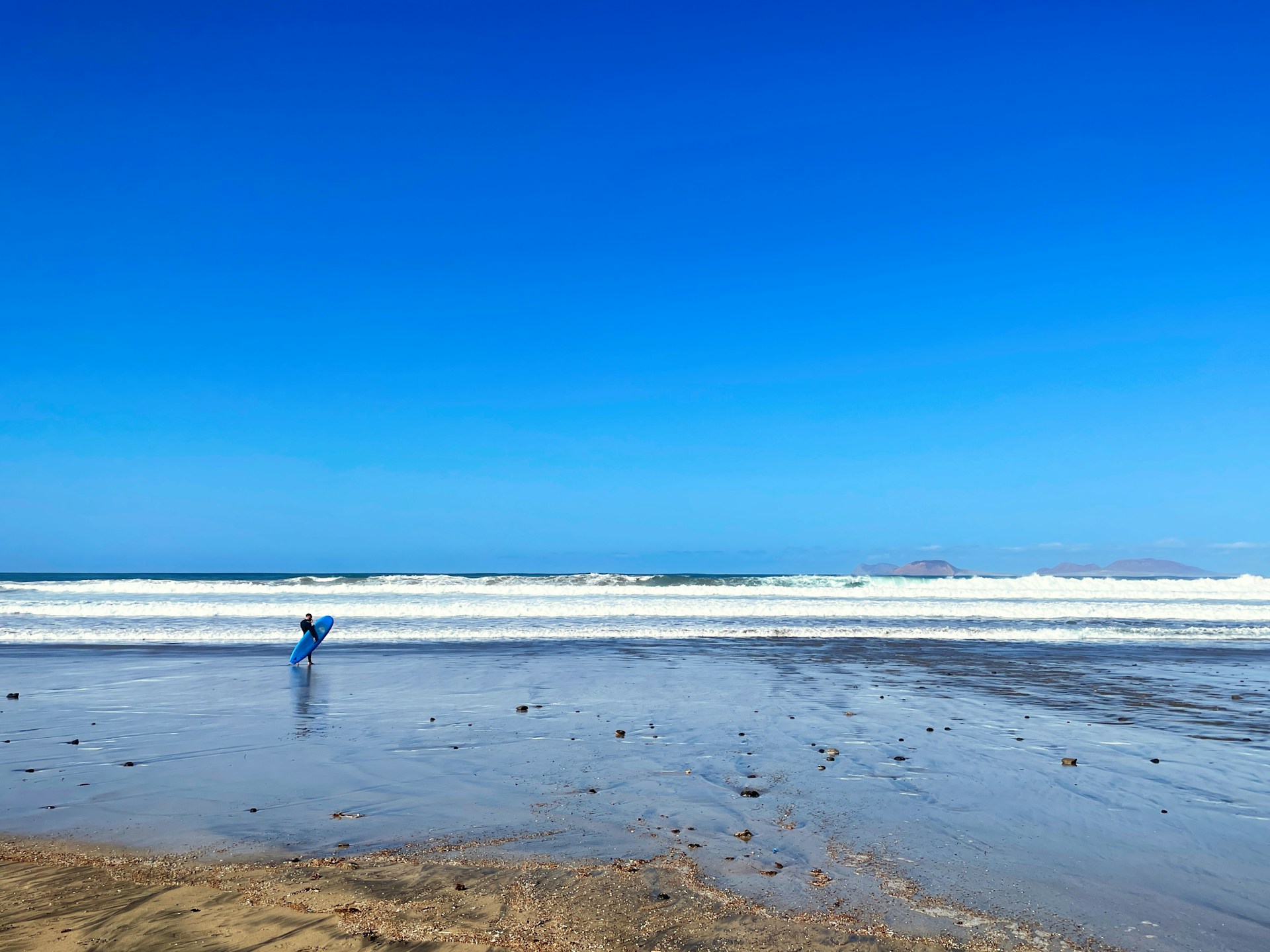
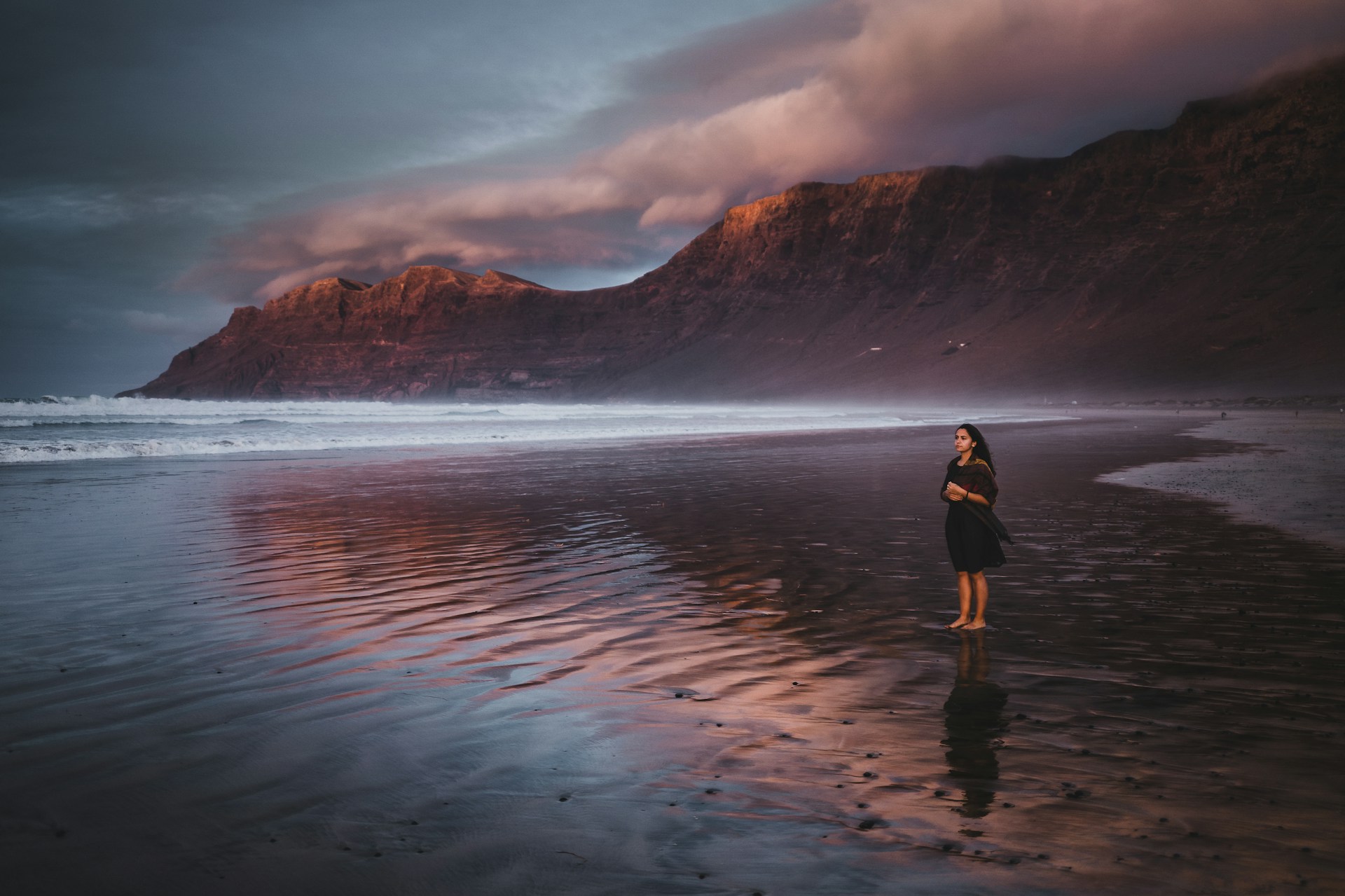
Low tide is when Famara really shows off. The ocean pulls back and suddenly there’s a huge mirror of wet sand reflecting those cliffs.
Rocks poke out, forming natural pools and odd shapes along the shore. You can walk for ages across the flats.
Low tide highlights:
- Hidden rock pools with sea creatures
- Smooth sand flats for epic walks
- Reflection pools under the cliffs
- Access to spots usually underwater
The cliffs seem even taller from the expanded beach. The mix of dark rock and pale sand is just unreal.
Views of Chinijo Archipelago and La Graciosa
From the shore, you get a clear view of the Chinijo Archipelago. La Graciosa, the biggest island, sits just a couple kilometers away.
Even from here, you can spot La Graciosa’s white beaches. The smaller islands dot the horizon and make the view pop, especially on clear days.
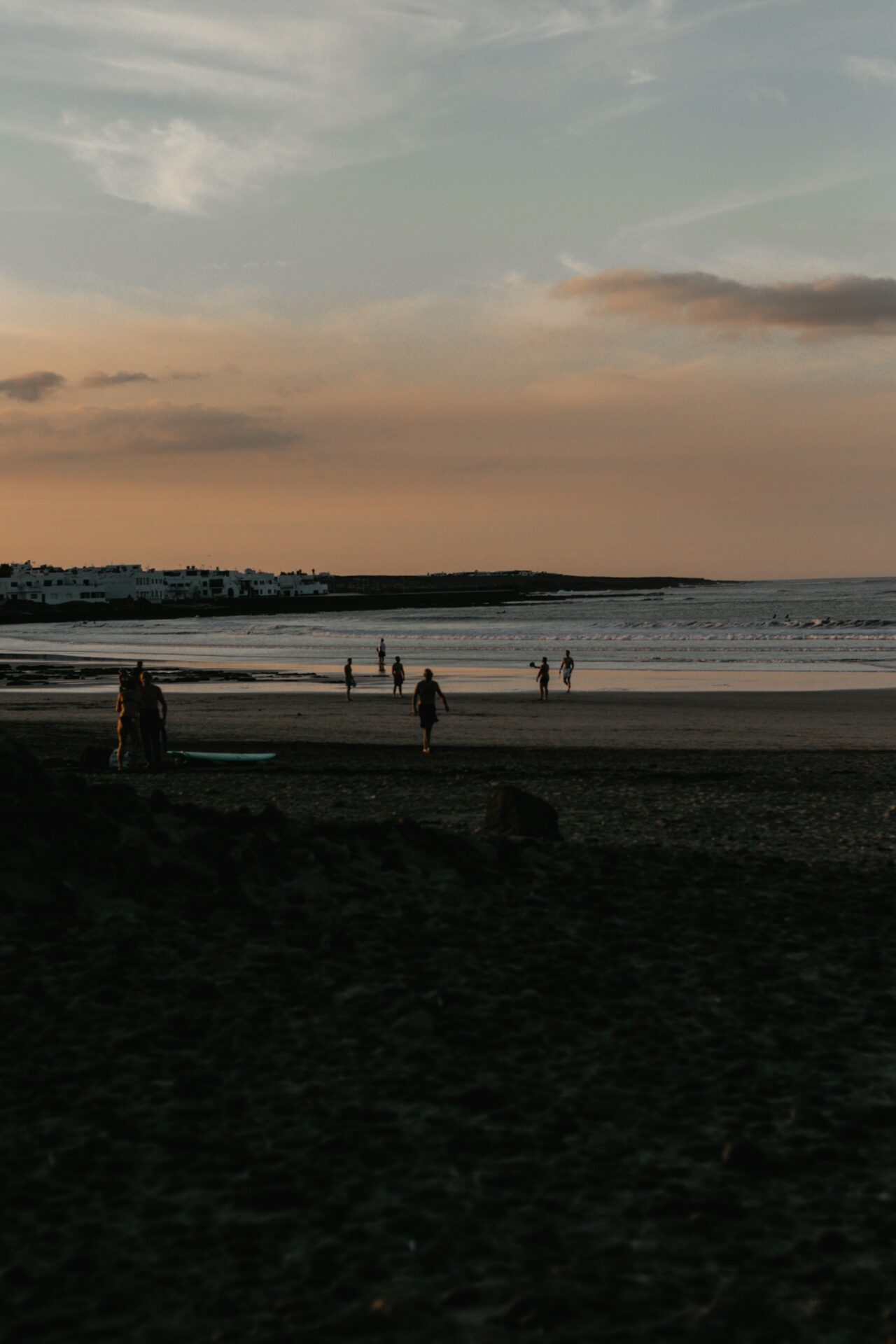
When the wind clears the air, the islands look almost close enough to swim to. If you love photography, you’ll want to stick around for sunset.
What you’ll see:
- La Graciosa’s sandy coastline
- Tiny islets scattered nearby
- Fishing boats heading out
- Sunsets that light up the sky
Depending on the time of day, the islands shift from gold in the morning to bold silhouettes at dusk.

Surf, Waves, and the Dance Beneath the Cliffs
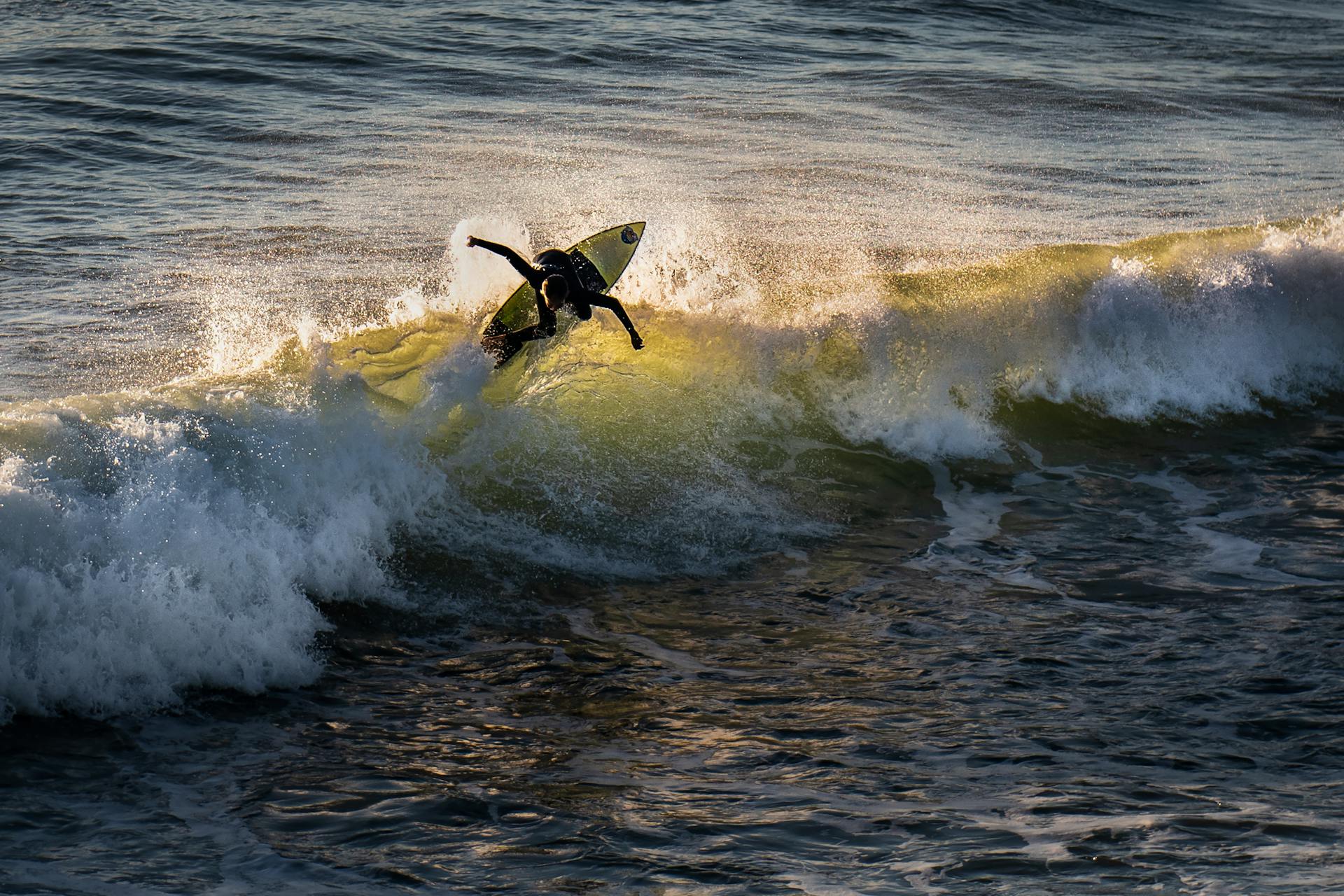
Famara Beach has some of the most reliable surfing in the Canaries. The waves suit everyone, and the cliffs make the whole scene feel dramatic—especially when you’re watching surfers ride those Atlantic swells.
Year-Round Surfing Conditions
Famara delivers solid surf all year. The northwest exposure means it catches Atlantic swells nearly nonstop.
In winter, the waves get big. From November to March, I’ve seen six to eight footers rolling in. The water sits around 18°C, so you’ll want a wetsuit, but it’s not freezing.
Summer is mellower, with smaller and cleaner waves—perfect for learning. June to September brings two to four footers and warmer water, maybe 22°C.
The best winds blow from the southeast, making the waves cleaner. Northeast winds give some shelter, but sometimes things get choppy.
Both groundswells and windswells work here. North-northwest swells bring the most consistent waves along the five-kilometer beach.
Waves and Swells: What to Expect
The wide, sandy beach breaks in lots of places, so you get both lefts and rights. Because it’s a beach break, the waves shift around, giving options for all levels.
If you’re just starting out, the inside sections are gentle. The sandy bottom means you won’t get scraped up, and the waves break in shallow water.
More experienced surfers paddle out to the outer breaks. These spots offer longer rides and more power—especially when the Atlantic storms roll in.
About 65% of the time, the wind can blow out the surf. Still, I usually find a good wave somewhere along the beach. Early mornings are your best bet before the wind kicks up.
Tides matter a lot here. Mid-tide usually brings the best waves, while high tide can make things mushy.
Watching Surfers and Popular Surfing Spots
Several surf spots dot Famara Beach, each with its own vibe. El Codito sits up by the cliffs and gets a bit more shelter, plus longer rides.
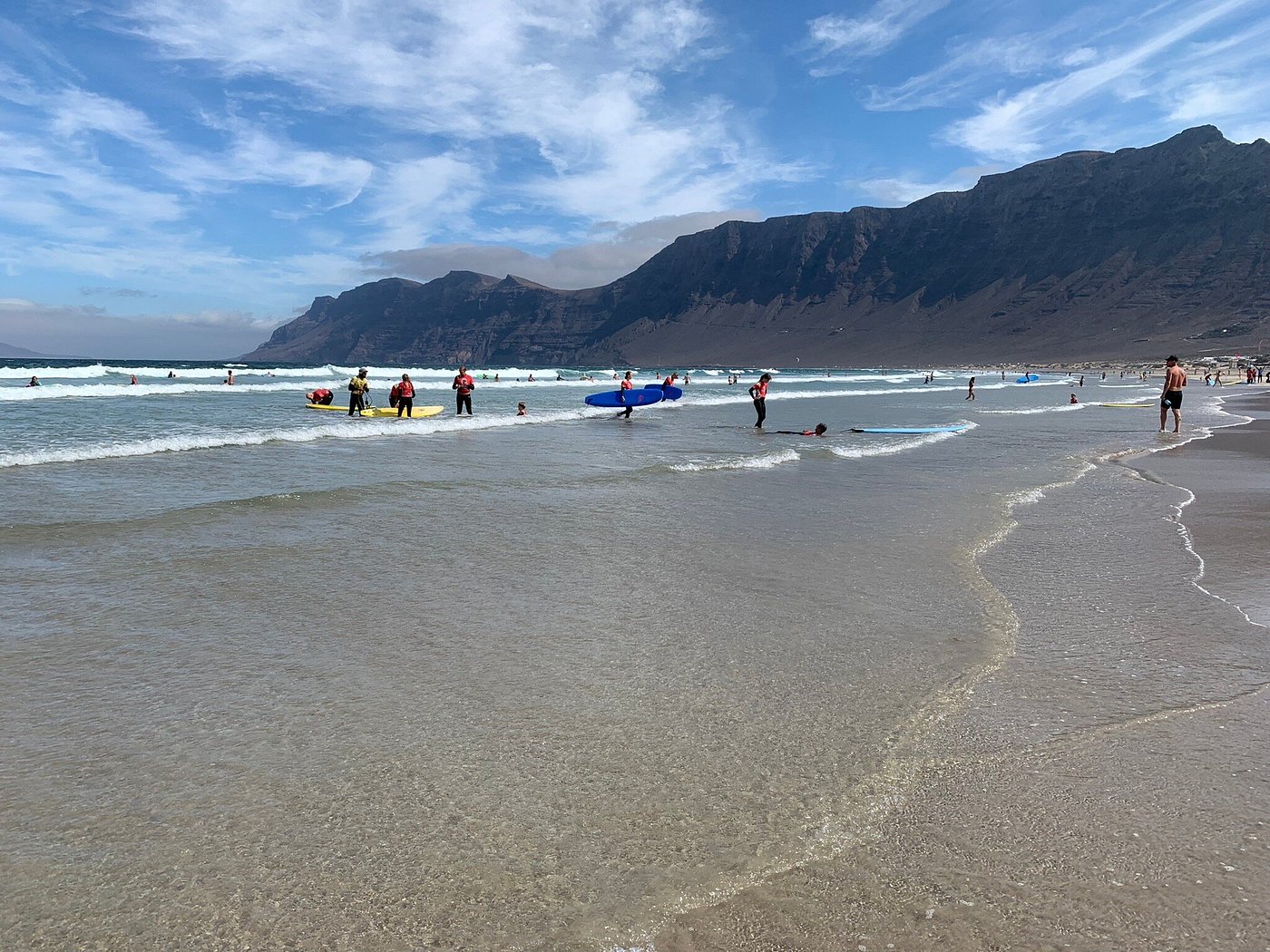
The Flag is the go-to spot for surf schools. This central stretch has gentle, steady waves and easy access, so you’ll see lots of beginners.
The Bunker is a landmark break that comes alive during big swells. Locals and advanced surfers head here when the rest of the beach gets tricky.
Papalios is a less crowded spot that locals love. It’s quieter but still gets great waves.
From up on the cliffs, you can watch surfers gliding across the water. The contrast of white foam against black rock is something else. There’s so much beach that it never feels packed, making it a chill place for both locals and visitors.

Water Sports and Beach Activities
Famara Beach is a magnet for water sports. The steady Atlantic swells and winds make it perfect for surfing, kitesurfing, and more, all year round. With six kilometers of sand, there’s space for everyone to do their thing.
Kite Surfing and Wing Foiling Hotspots
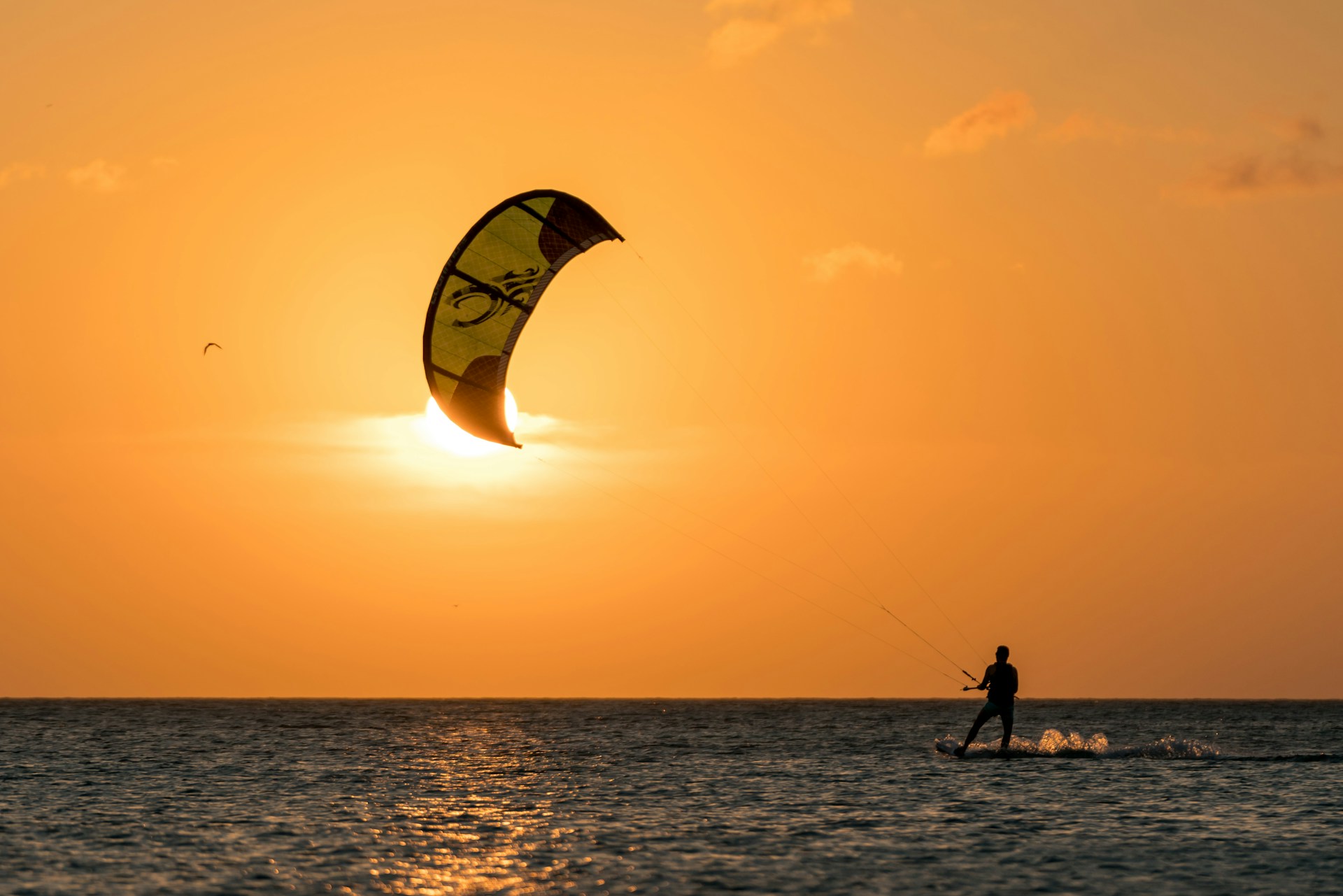
The trade winds here are a dream for kite surfers. I’ve found the afternoons are usually best, with winds picking up strength.
The Flag area is the sweet spot for consistent wind. It’s about two kilometers down the dirt track from the main beach.
Wing foiling has taken off lately. The wide beach means beginners can practice without bumping into other riders.
Best wind conditions:
- Wind speed: 15–25 knots most days
- Peak season: May to September
- Ideal time: 2 PM–6 PM
When you need a break, those stone shelters along the beach are lifesavers. They block the wind so you can chill and warm up between sessions.
Surf Schools and Equipment Rentals
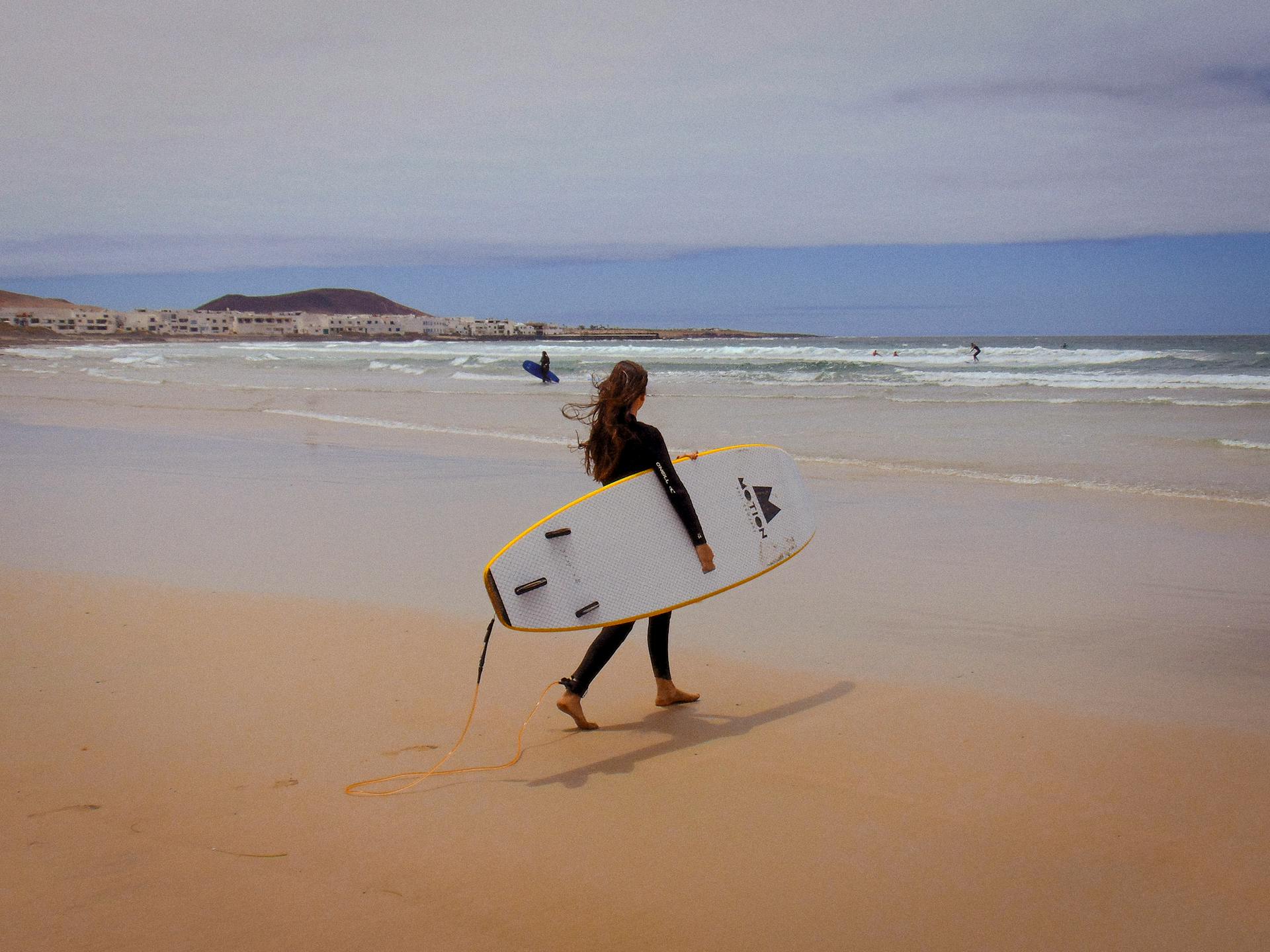
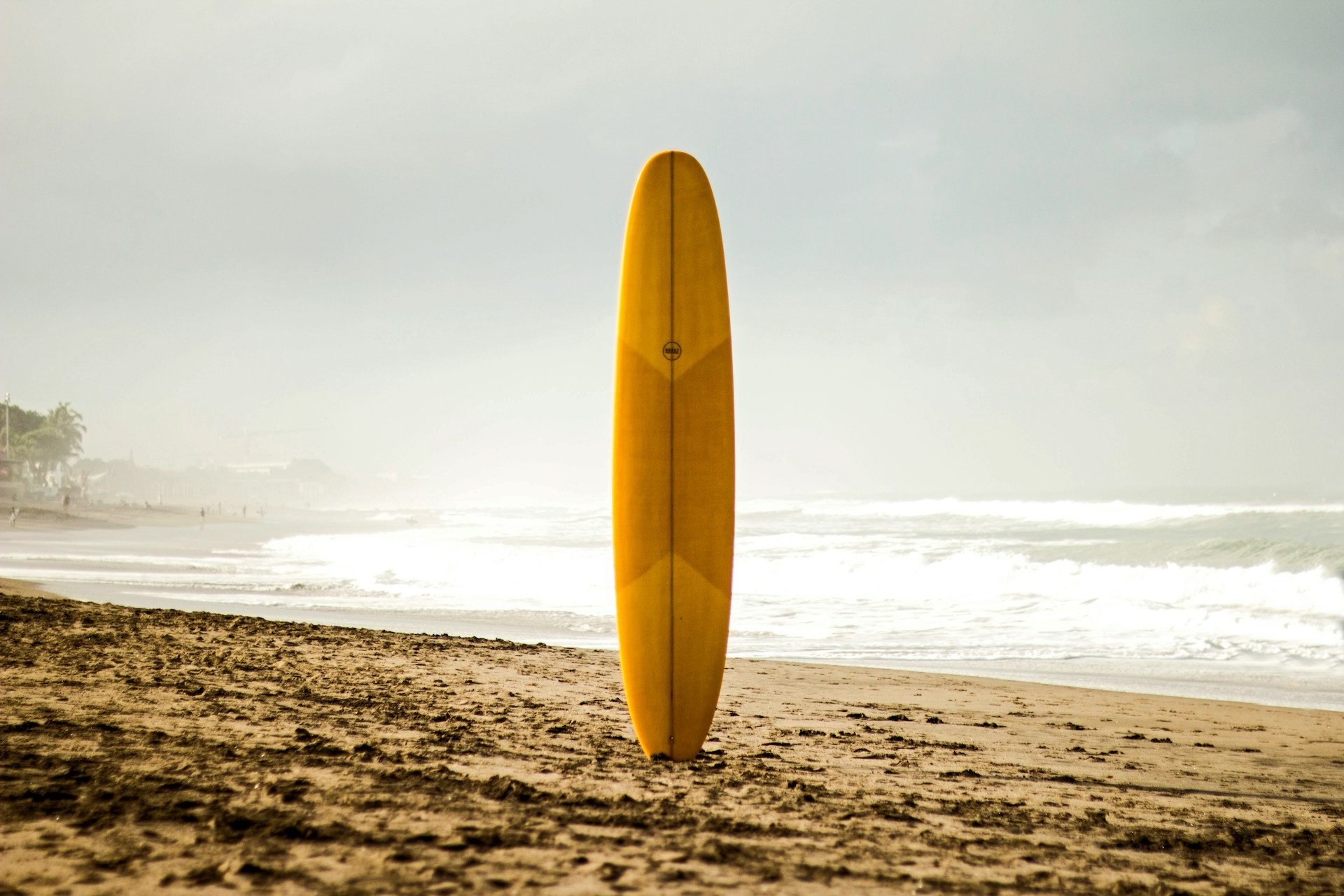
Caleta de Famara has quite a few surf schools, and you’ll spot their signs all over town. They teach everyone—from people who’ve never touched a board to those chasing that next level.
Most lessons come with all the gear you need. So that’s surfboards, wetsuits, and hands-on help from instructors who actually know what they’re doing.
Popular rental options:
- Surfboards: €15-20 per day
- Boogie boards: €8-12 per day
- Wetsuits: €5-8 per day
- Wing foiling gear: €25-30 per day
It’s smart to book ahead during the busy summer stretch. The main beach, especially near the lifeguard station, buzzes with beginners and surf schools most mornings.
Rental shops line the main drag in Caleta de Famara. They’ve got boards for different wave types and whatever skill level you’re at.
Boogie Boarding and Other Popular Activities
Boogie boarding works especially well at the gentler sections of Famara, particularly near El Codito. That little curve just outside town gets smaller, friendlier waves—ideal for body boarding.
The main beach is where beginners feel safest. Lifeguards keep an eye out during daylight, and the waves usually behave themselves.
Safety considerations:
- Stick to waist-deep water if you’re unsure
- Watch out for shifting rip currents
- Waves can suddenly jump from waist to head height
Walking along the beach at sunset? It’s a must. With six kilometers of sand, you can wander for ages without bumping into a crowd.
Swimming is possible here, but you’ve got to be careful. The Atlantic can surprise you, with fast-moving waves and quick drops in depth.

Beach Safety, Access, and Facilities
Famara Beach stuns with its wild Atlantic swells and wide-open views, but the power of the ocean here isn’t something to mess with. You’ll find organized access and basic facilities, but don’t expect much in the way of shelter—this coast is pretty raw.
Navigating Ocean Currents and Waves
Before I head out, I always check the flag at Famara Beach. Most days, that red flag flaps in the breeze, warning about dangerous currents and waves that could pull you out to sea.
Strong rip currents churn up the water beyond the main swimming zone. Even confident swimmers need to stay alert—those currents don’t play favorites.
Safe swimming spots cluster near the village end, where surf schools gather. The waves here mellow out, so beginners get a fair shot.
I stick to the lifeguarded zones and skip the water when things look rough. Honestly, the Atlantic swell makes this beach a dream for surfers, but not so much for casual swimmers.
If you’re not experienced, or you’ve got kids with you, always get professional supervision before heading into the water.

Lifeguard Services and the Lifeguard Hut
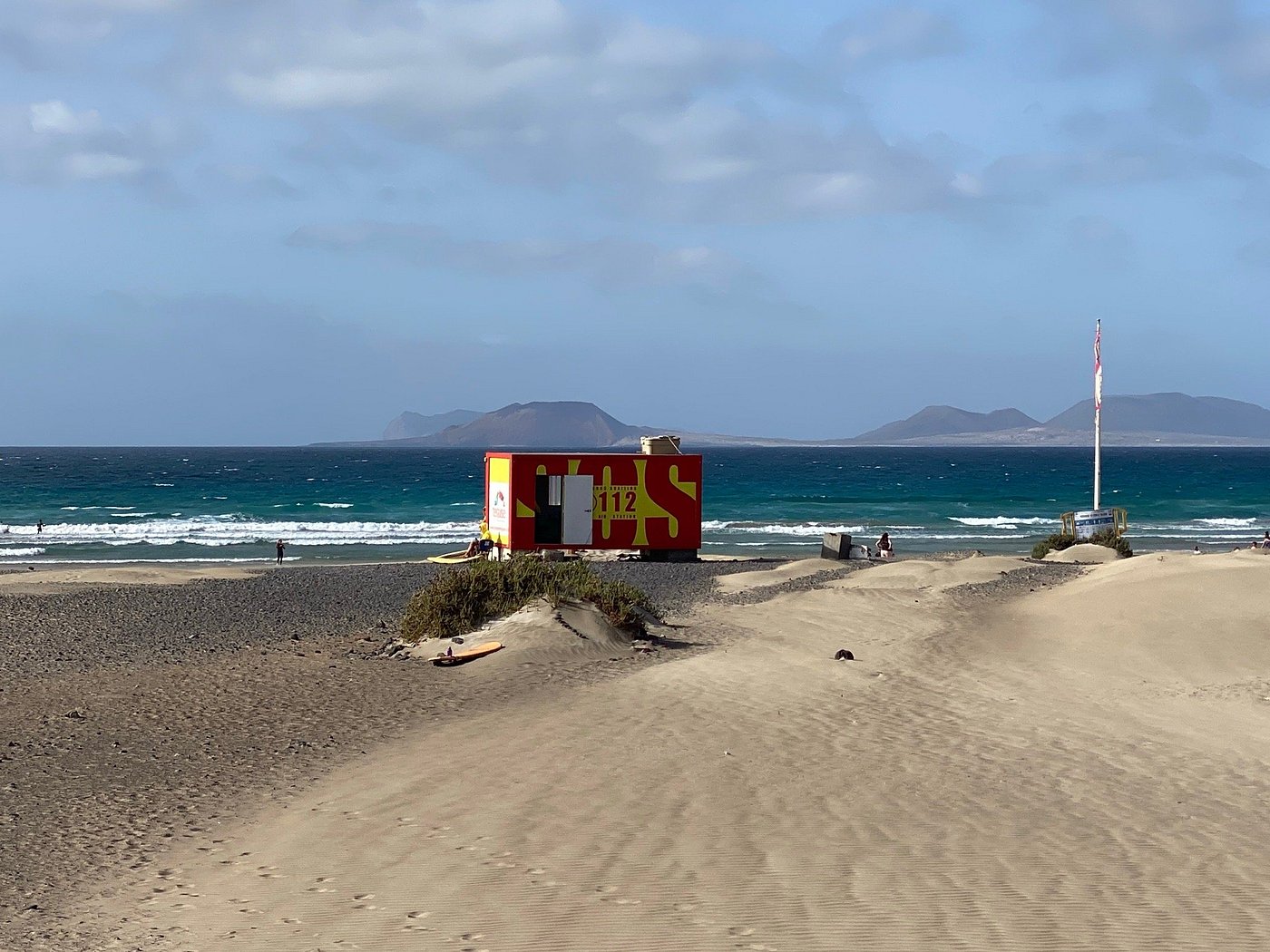
Lifeguards watch over Famara Beach every day, 10:00 to 18:00, all year round. Teguise Town Hall runs the service, so there’s always someone keeping tabs.
In summer, three or four lifeguards patrol the sand. They’ve got jet skis and work with Civil Protection for emergencies.
The lifeguard hut is the heart of things—if you want the latest safety info, just walk up and ask. They’re used to it.
Rescues happen more often than you’d think. One July, lifeguards pulled off 12 rescues in just 22 days and handled a bunch of medical issues too.
The team brings in extra gear and staff during summer to handle the crowds.
Parking, Access Points, and Walking Routes
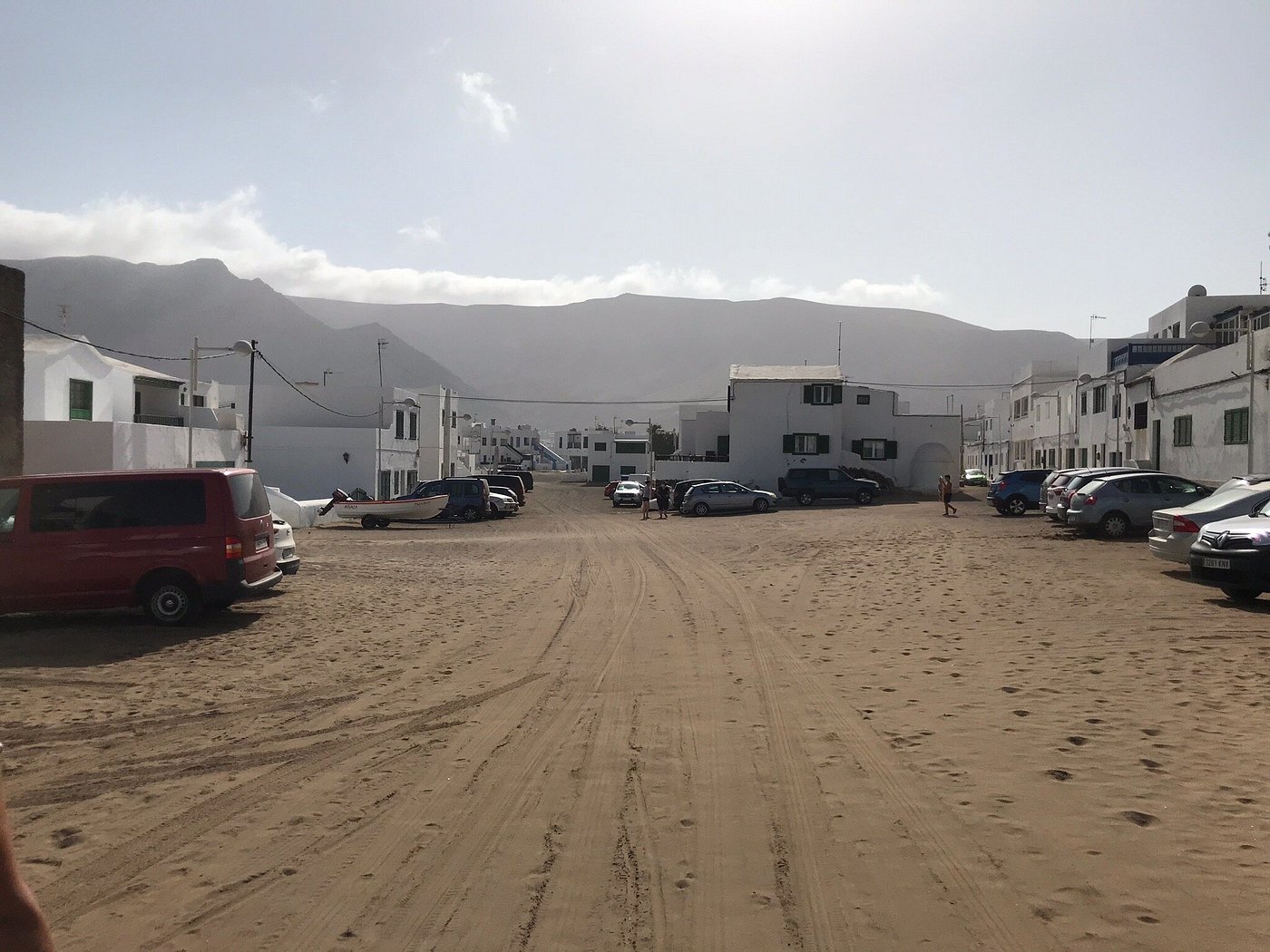
You’ll find designated parking along the road at the top of the beach. I try to get there early in peak season—by midday, it’s packed.
The main path drops right down to the beach from the parking lot. No need to pay; Famara Beach stays free and open.
When the tide’s low, you can walk the whole six kilometers without breaking a sweat. The sand’s firm, so it’s easy on your feet.
Walking trails run under the cliffs and give you a different angle on the coast. They’re also a good bet if the wind picks up.
Desert paths snake through the volcanic landscape behind the village. I wander these to find hidden coves and poke around the dunes.
Shelters, The Bunker, and Stone Windbreaks
Natural stone windbreaks dot the beach, offering a little relief from the wind. They’re just rough volcanic rocks, but sometimes that’s all you need.
The bunker—a squat concrete structure—stands out as a landmark. It’s not much for comfort, but people use it as a meeting spot or last-ditch shelter from the Atlantic gusts.
Famara’s northwest exposure means wind is almost a given. I usually bring my own windbreak or duck into the village if it gets too wild.
Don’t expect fancy facilities here—no umbrellas, no cabanas. But Caleta de Famara itself has restaurants and shops if you need supplies.
In some places, rocky outcrops carve out natural alcoves that block the sea breeze just enough to make things pleasant.
Distinct Zones and Notable Beach Sections
Famara Beach stretches for three kilometers, splitting into five unique zones. Each part brings something different, from the lively main access to remote stretches you’ll only reach by dirt track.
Some areas near town are perfect for beginners, while the far ends draw experienced surfers chasing the best waves.
El Codito: The Little Elbow
El Codito hugs the edge of Caleta de Famara. Its name comes from the way the shoreline bends like an elbow.
Waves here stay smaller than the rest of the beach. That makes it a top pick for beginners or anyone craving calmer water.
Key Features:
- Smaller, easygoing waves
- Quick access to town
- Sandy entry and safe swimming
- Steps from restaurants and surf shops
I like this spot when the main beach gets a bit wild. Everything you need—food, gear, shade—is just a short walk away.
You don’t have to lug your stuff far, and the curve of the bay means there’s usually less wind.
The Main Beach Access
The main stretch runs right alongside the access road, which explains why it’s always the busiest.
The lifeguard station anchors this section, making it the safest place to swim. Surf schools set up shop here daily.
What You’ll Find:
- Lifeguards on duty
- Parking right by the sand (don’t risk the soft stuff)
- Stone windbreaks
- Surf lesson zones
- Most crowded part of the beach
Those stone shelters help, but you’ll still feel the wind. I try to arrive early because parking disappears fast as the day goes on.
This area suits families or anyone new to Famara. With lifeguards close by, help’s never far off.
The Track and The Flag Area
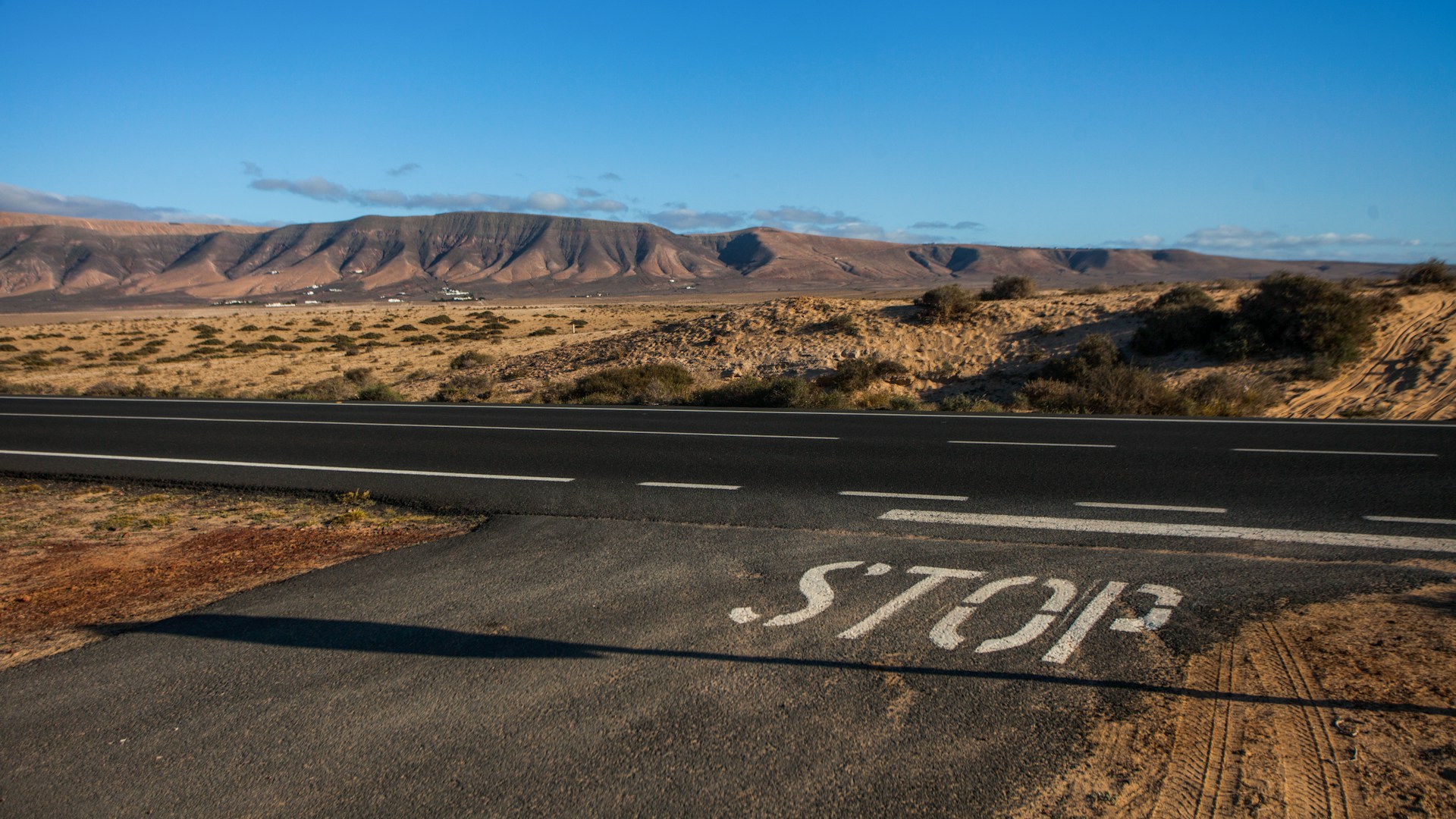
If you’re up for a little adventure, drive past the bungalows and hang a left onto the dirt track. It runs for two kilometers parallel to the beach, with parking spots scattered along the way.
The Flag marks the first spot where the track meets the sand again. Surfers swear this is where Famara’s best waves break.
Access Details:
- Drive up the right side of the houses
- Left at the top onto the dirt track
- Plenty of parking along the way
- Short walk from car to water
The Flag zone draws the hardcore surfers and kite surfers. The waves here almost always beat the main beach for quality.
I usually cruise further down the track and pick a spot that looks good. Park up, grab your board, and you’re set.
Stone windbreaks are everywhere, and they actually work. The sand shifts with the wind, so every visit feels a little different—sometimes you’ll find new bays or swimming holes that weren’t there before.
Papalios and Secluded Ends
Papalios sits at the very end of the dirt track. You’ll spot a small parking area that marks the last spot you can reach on Famara Beach.
The waves here? They hit harder and break sharper than anywhere else along the shore. Surfers who crave a real challenge usually head straight to Papalios.
Papalios Characteristics:
- Tucked away at the far end of the track
- Waves with some serious punch
- Probably the most secluded beach section you’ll find
- Sand that forms wild, beautiful shapes
- Ideal for long, peaceful beach walks
Because it’s so remote, you won’t see many people around. But honestly, that also means there’s not much in the way of lifeguards or safety patrols.
Rip currents here can be sneaky. They shift around, so you really need to know what you’re doing in the water.
I always find the scenery at Papalios breathtaking. The sand seems to sculpt itself into new patterns every time the tide comes in.
This spot really works best for ocean lovers who know their way around waves and currents. The solitude feels magical, but I always remind myself to stay alert.
