
Traveling through Greece, I stumbled into something way deeper than ordinary hospitality. Philoxenia, which means “friend to the stranger,” didn’t just upgrade my vacation—it pulled me right into the heart of Greek culture and its people.
This ancient tradition of welcoming strangers isn’t just about manners. Greeks have made it a way of life for thousands of years, and you can feel it everywhere.
Right off the plane, I could sense that Greeks treat visitors in a way I hadn’t seen anywhere else. Villagers would show up at my door with tomatoes still warm from the sun.
Strangers on the street didn’t just give me directions—they’d invite me for coffee and swap stories. The thing is, it never felt like a show for tourists. This was genuine care, and it’s rooted in a centuries-old belief: treat strangers like friends, because they just might be.
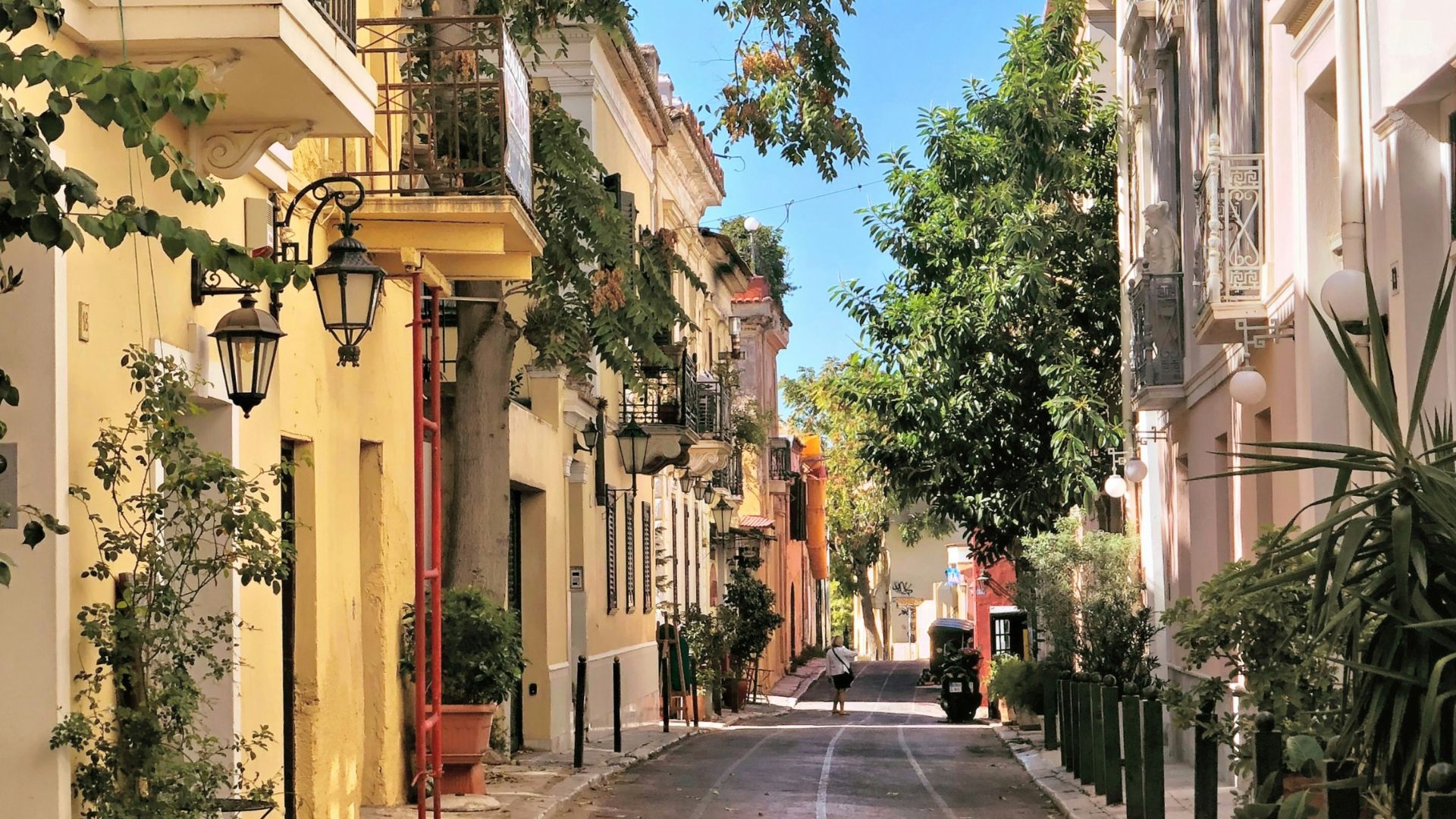
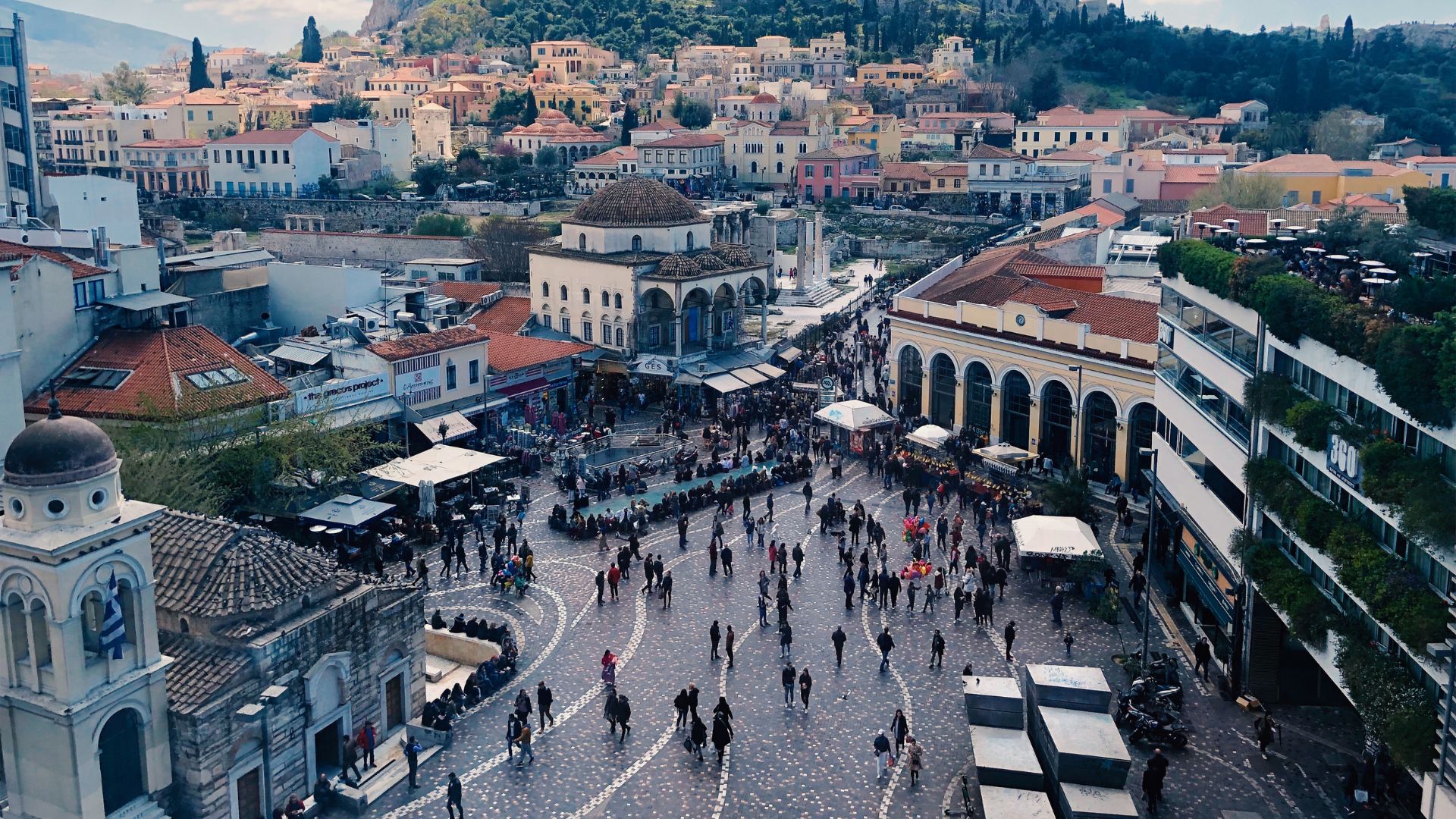
I wandered from the busy streets of Athens to quiet island villages. Philoxenia kept popping up in ways that surprised me.
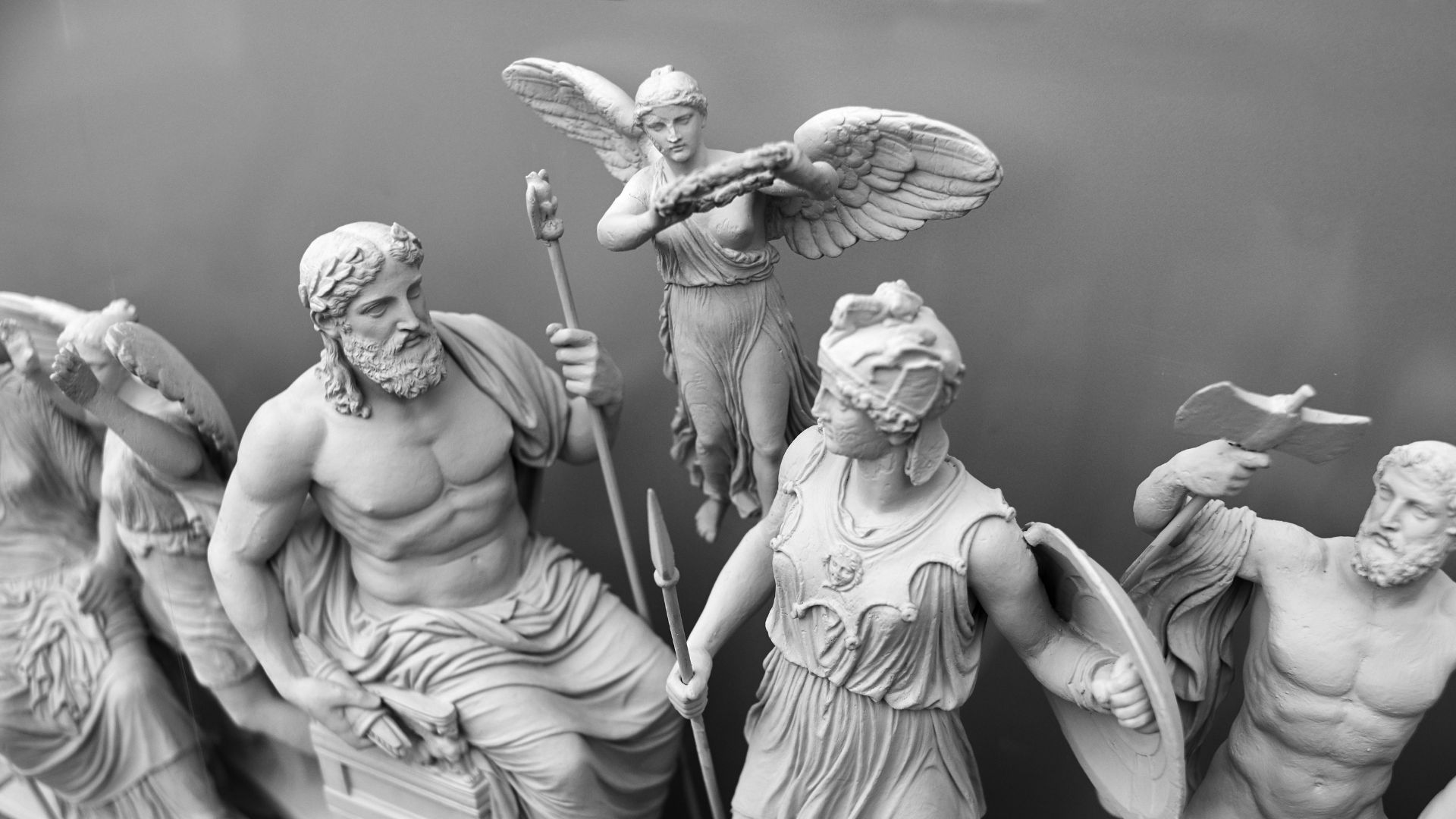
The tradition stretches back to ancient Greece, when Zeus himself supposedly watched over travelers. Hospitality wasn’t just nice—it was sacred.
That realization made every kind gesture feel even more meaningful. There’s a depth to it that’s hard to explain, but you feel it in every smile and every shared meal.
Philoxenia: The Heart of Greek Hospitality
Philoxenia literally means “friend to a stranger.” It’s the bedrock of Greek hospitality.
This idea has deep roots in religion and culture, and it still shapes how Greeks open their doors today.
Understanding the Meaning of Philoxenia
Philoxenia really isn’t just about hospitality. The word itself blends “philos” (friend) and “xenos” (stranger).
Greeks treat it like an unwritten rule. Show real kindness to people you don’t know—simple as that.
Every day on the road, I saw philoxenia in action. Villagers would knock and hand me tomatoes. If I looked lost, someone would stop and help.
Modern philoxenia looks like:
- Helping out stranded travelers
- Sharing meals with anyone who drops by
- Welcoming guests into their homes
- Giving directions with a smile
This isn’t just politeness. Greeks believe strangers deserve respect and care, no strings attached.
They don’t expect anything back. They just want you to feel safe and at home.

Origins and Etymology of Philoxenia
Philoxenia goes way back, deep into ancient Greek religion and mythology. Zeus, known as “Zeus Xenios,” protected travelers.
People believed the gods might show up disguised as strangers. If you turned someone away, you risked their wrath.
Remember the myth of Baucis and Philemon? An old couple welcomed Zeus and Hermes, not knowing they were gods. They shared what little they had.
Zeus rewarded them by turning their cottage into a temple. The couple got to watch over it forever.
Why did ancient Greeks care so much?
- No hotels or inns back then
- Travel could be dangerous
- Welcoming strangers was a religious duty
- It was a way to gain honor in the community
Even the Trojan War started because someone broke the rules of hospitality. Paris took Helen while staying as a guest in Menelaus’s home.
Hospitality wasn’t just a nicety—it was serious business.
Hospitality in Ancient Greece
Ancient Greek hospitality revolved around xenia, a sacred code. Greeks had to welcome strangers with food, shelter, and protection.
Zeus and Hermes kept a close eye on these rules, sometimes showing up in disguise to test mortals.
The Code of Xenia and Its Rituals
Xenia wasn’t just being nice. It was a duty every Greek household followed.
The rules? Pretty straightforward. Hosts served food and drink first—no questions asked. They gave guests a safe place to sleep and sent them off with gifts.
Guests had their own role. They took what was offered, didn’t overstay, and never harmed their hosts.
Most homes, even the humblest, had a special xenona—a guest room. That’s how seriously they took it.
The ritual always began with a handshake, then washing up. Only after food and wine did anyone ask who you were or why you’d come.
Zeus, Hermes, and Divine Hospitality
Zeus earned the nickname “Zeus Xenios” because he watched over strangers. Greeks believed he saw every act of hospitality.
Bad hosts risked his anger.
There’s that famous story of Zeus and Hermes knocking on doors disguised as beggars. Only Baucis and Philemon let them in.
They served simple food and wine. As Baucis poured, the wine never ran out—she realized her guests were gods.
The couple even offered their only goose. Zeus turned their home into a temple and let them become trees, standing together forever.
The lesson? Any stranger could be a god. Turn them away and you might regret it.
Experiencing Generosity and Kindness Across Modern Greece
Greek hospitality isn’t just in the stories. It lives on in everyday life—especially around the family table and in the hum of local tavernas.
The warmth stretches from private homes to neighborhood tavernas where everyone, locals and newcomers, gathers.
Welcomes in Homes and Family Gatherings
Greek homes open up with barely a second thought. Friends of friends (and even strangers) invited me to meals as if it were the most natural thing in the world.
Every visit followed a ritual. A glass of cold water, maybe some homemade treats, then coffee and fresh pastries.
I never left empty-handed. My hosts packed up leftovers, shared recipes, or pressed little gifts into my hands.
Family gatherings are the heartbeat of Greek life. During festivals, I watched as neighbors and strangers squeezed around the table. There’s always room for one more.
Kids pick up these habits early, just by watching their parents.
The Role of Tavernas and Cafés in Social Life
Tavernas feel like an extension of home. Owners treat you like family, not just another customer.
Sometimes, I’d get extra dishes “on the house.” Staff would bring out appetizers or desserts, eager to share their favorites.
Meals stretched out for hours. Greeks love to linger, and I learned to slow down and savor the moment.
Cafés buzz with the rhythm of daily life. Regulars swap stories, owners remember your coffee order, and everyone seems to know a little about everyone else.
These spots make it easy to connect. I found myself returning to the same places, building friendships that lasted beyond my trip.
Local Encounters: Building Connections Beyond Athens
Getting out of Athens, I found the real magic of philoxenia in Greece’s smaller communities. Villagers welcomed me with open arms and stories, leaving me with memories that stick.
Village Traditions and Everyday Acts of Openness
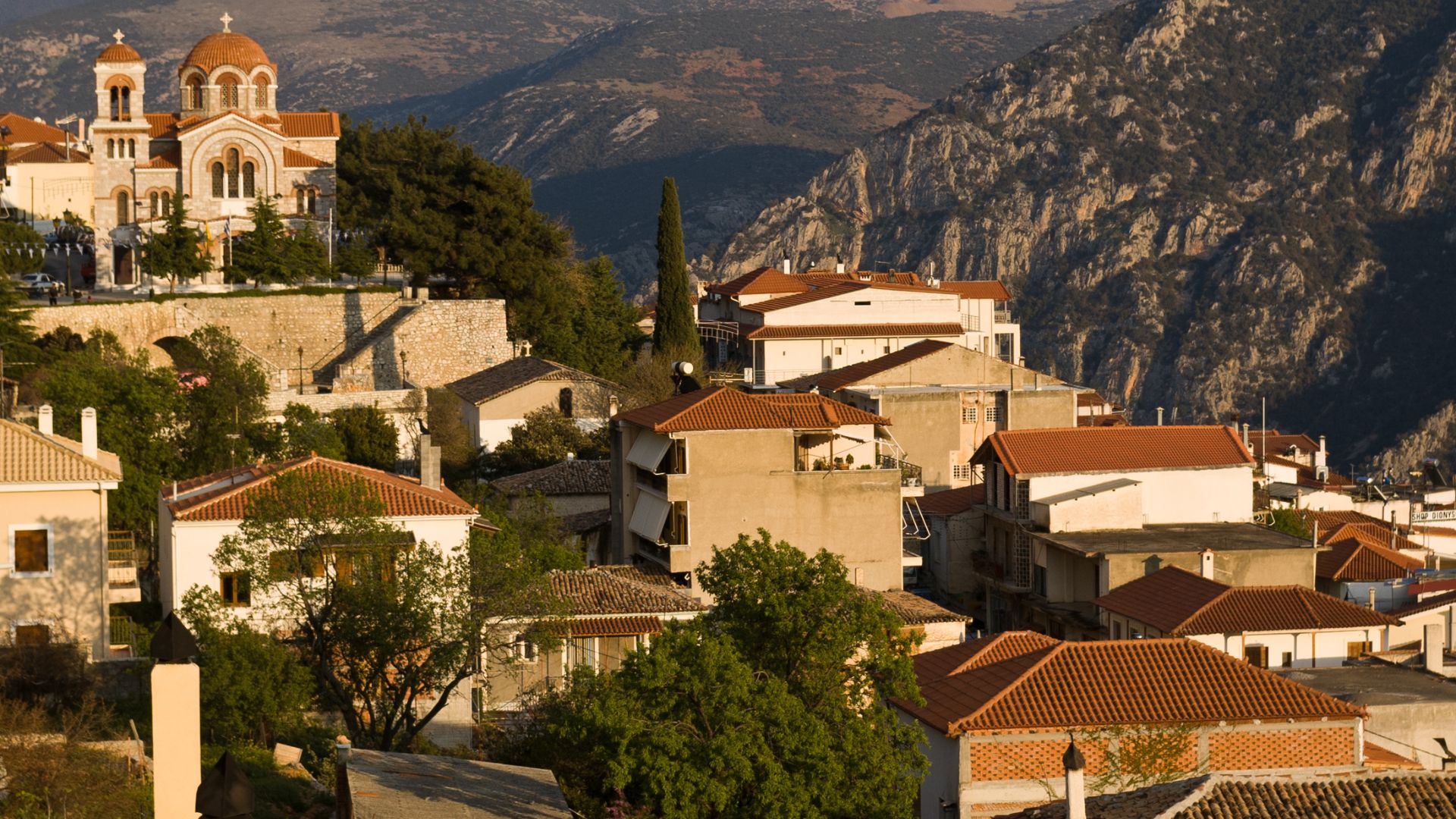
My first brush with pure philoxenia happened in a mountain village near Delphi. An elderly woman spotted me squinting at a map and waved me inside.
Suddenly, I was at her kitchen table, eating bread with local honey. She barely spoke English, but her kindness needed no translation.
Similar moments popped up everywhere. In Crete, a farmer handed me tomatoes straight from his garden. On Naxos, a shopkeeper closed early just to show me the best spot for sunset.
None of this was staged for tourists. These were honest gestures—sharing food, offering help, inviting me for coffee—that turned ordinary days into something special.
Meaningful Conversations and Shared Stories
The real soul of philoxenia came out in conversations. A taverna owner in Meteora spent hours sharing his grandfather’s recipes.
His pride in family tradition was contagious.
In Nafplio, a retired teacher explained how she brought philoxenia into her classroom—treating every new student like a guest of honor.
People opened up about family, struggles, dreams. They were curious about my life, too.
One fisherman in Paros told me his father taught him that every stranger might carry important news. That’s why he greeted newcomers with curiosity, not suspicion.
Philoxenia’s Enduring Legacy in Greek Culture
Philoxenia isn’t just a relic—it still shapes Greek society today. You feel it in the way Greece approaches tourism and in the connections people make across cultures.
Impact on Modern Tourism and Travel
Greek tourism thrives on philoxenia. The tradition turns basic travel into meaningful cultural exchange.
Hotel owners in small towns still live this practice. They’ll share stories, offer tips, and treat you like a friend.
How philoxenia shapes travel today:
- Family-run places give personal touches
- Restaurant owners bring out complimentary dishes
- Locals don’t just give directions—they might walk you there
- Village festivals welcome everyone, no matter where you’re from
This approach sets Greece apart. Visitors come back for the warmth, then tell their friends about it.
Tour operators have caught on. They highlight philoxenia as a reason to visit, not just the ruins or beaches.
Philoxenia as a Universal Lesson
Greek hospitality taught me that kindness to strangers matters. Philoxenia shows us that small gestures can make someone’s day—or their whole trip.
Big takeaways from philoxenia:
- Generosity builds trust between cultures
- Respect for visitors boosts a community’s reputation
- Kindness leaves an impression that lasts
Greeks make hospitality an active choice. They show real interest in your experience, not just polite words.
It’s proof that warmth and respect can cross any language barrier. Philoxenia brings people together, no matter where they’re from.
Frequently Asked Questions
Philoxenia has ancient roots and real-world impact. Here are some questions that come up about Greek hospitality and what it means for travelers.
How does philoxenia shape the experience of travelers in Greece?
Philoxenia turns a trip into a genuine cultural exchange. Greeks don’t just answer questions—they might walk you to your destination or share their favorite hidden spots.
Food plays a huge role. Restaurant owners often bring out extra dishes or invite you to join family meals.
Family-run hotels give the most authentic experiences. Owners treat guests as part of the family.
If you want the deepest connection, visit rural villages. Their traditions of hospitality run strong, and you’ll get a real taste of local life.
What are the historical roots of philoxenia in Greek culture?
The ancient Greeks treated hospitality like a sacred duty. They genuinely believed that gods might wander the earth in disguise, just looking for a place to stay.
Zeus himself, under the name Zeus Xenios, protected guests and strangers. That divine connection turned hospitality into something more than just a social rule—it became a spiritual calling.
You see it all over Homer’s Odyssey. The epic’s heroes welcome travelers with food, shelter, and safety—sometimes even before they know who’s at their door.
Back then, you couldn’t just book a room. There weren’t many inns or hotels, so travelers depended on the kindness of private citizens for even the basics.
This tradition built a web of mutual support across Greek lands. If you knew a friend of a friend, you’d probably get a warm meal and a safe bed, no questions asked.
How does the concept of xenia differ from philoxenia in the context of Greek hospitality?
Xenia, in ancient Greece, meant more than just being nice to guests. It described a formal bond—almost a contract—between host and visitor, with clear duties on both sides.
Philoxenia, on the other hand, literally means “love of strangers.” It’s a wider, warmer idea that goes beyond obligation.
Families sometimes formed xenia relationships that lasted for generations. If you hosted someone, their family might host you in return years later.
Philoxenia doesn’t need that kind of arrangement. It’s about showing kindness and generosity to anyone, right now, no strings attached.
Both ideas trace back to Zeus Xenios, but philoxenia captures the heartfelt spirit behind the hospitality. It’s not just about following rules—it’s about genuine warmth.
In what ways did Greek hospitality manifest in ancient times compared to today?
Back in the day, hospitality came with rituals. Hosts would offer baths and feasts before even asking a guest’s name or purpose.
Today, philoxenia pops up in little moments—like helping with directions or sharing local tips. Greeks often go out of their way to guide visitors personally.
Ancient hospitality focused on survival. Travelers faced tough conditions, so hosts provided the basics: food, shelter, and safety.
Now, the focus has shifted. Greeks still share food, but it’s more about connecting, swapping stories, and building friendships.
Religion used to drive these actions, with people hoping to please the gods. These days, philoxenia feels rooted in cultural pride and personal values—almost like a national trademark. You’ll see it in responsible tourism initiatives too.
How does the Greek tradition of philoxenia influence local attitudes towards visitors?
Greeks see visitors as a chance to show what their culture is really about. Hospitality isn’t just a habit—it’s a matter of personal and communal honor.
There’s a real sense of pride in making guests feel at home. Locals want travelers to remember Greece for its warmth, not just its scenery.
Business owners don’t just stick to the basics. Restaurants might surprise you with a free dessert, and shopkeepers love explaining the stories behind their goods.
When visitors run into trouble, communities often step up. You’ll notice people coming together to help—it’s philoxenia in action, not just talk.
Festivals are another highlight. Locals invite strangers to join in, dance, and celebrate as if they’ve always belonged. That’s philoxenia: making everyone feel part of the story, even if it’s just for a day.
What role does philoxenia play in Greek social and cultural practices?
Philoxenia isn’t just a word in Greece—it’s a living, breathing part of everyday life. People lean on these hospitality values to strengthen their communities, and honestly, it’s hard not to notice how neighbors just look out for each other.
There’s this unspoken rule that you treat guests well, and everyone seems to know it. Folks in Greece build their reputation by showing consistent warmth and generosity, not just ticking some box.
Family gatherings can turn into something much bigger in a heartbeat. It’s not unusual for friends, distant cousins, or even a neighbor you just met to show up, and nobody bats an eye.
I’ve seen doors left open, literally and figuratively, because welcoming others isn’t just a nice gesture—it’s a point of pride. That open-door policy runs deep.
When things go sideways, like during a natural disaster or tough economic times, philoxenia really comes alive. People jump in to help, often before anyone even asks.
This spirit of generosity shapes Greek cultural identity in a big way. Philoxenia sets Greece apart from places where relationships feel more transactional—here, it’s about genuine connection.
