
When I wandered among the ancient stone circles of South West England, a sense of wonder hit me that’s honestly tough to describe. There’s just something about places like Stonehenge and Avebury—where stones have stood for thousands of years—that makes history feel close and alive.
Each step tugged me deeper into the legends and mysteries that shaped this part of Britain.
I found more than just impressive stones or old myths as I explored these sites. The wild landscapes, the tales of King Arthur, and the rugged prehistoric coastline all turned my trip into a blend of legend and reality.
South West England hides corners where history, myth, and nature collide in the best possible way.
If you’ve ever wanted to brush up against the past or see the roots of England’s most famous legends, this region delivers a travel experience you won’t find anywhere else.
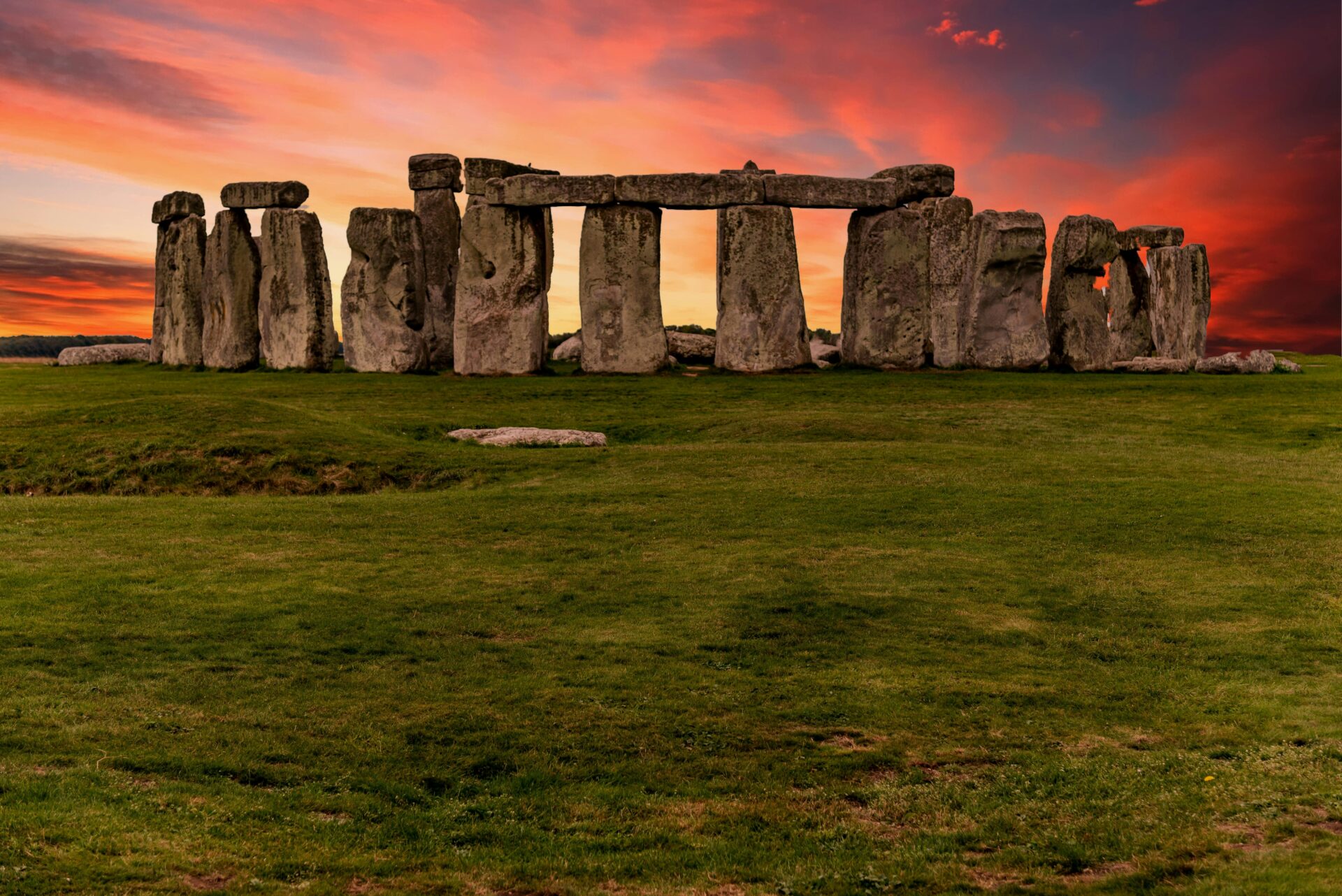
Tracing the Footsteps of King Arthur and Arthurian Legends
As I traveled through South West England, I kept running into ancient stories, legends, and real history tangled together in the landscape. From brave knights to the Holy Grail, every stop seemed to offer its own mix of truth and wonder.
King Arthur’s Legacy Across South West England
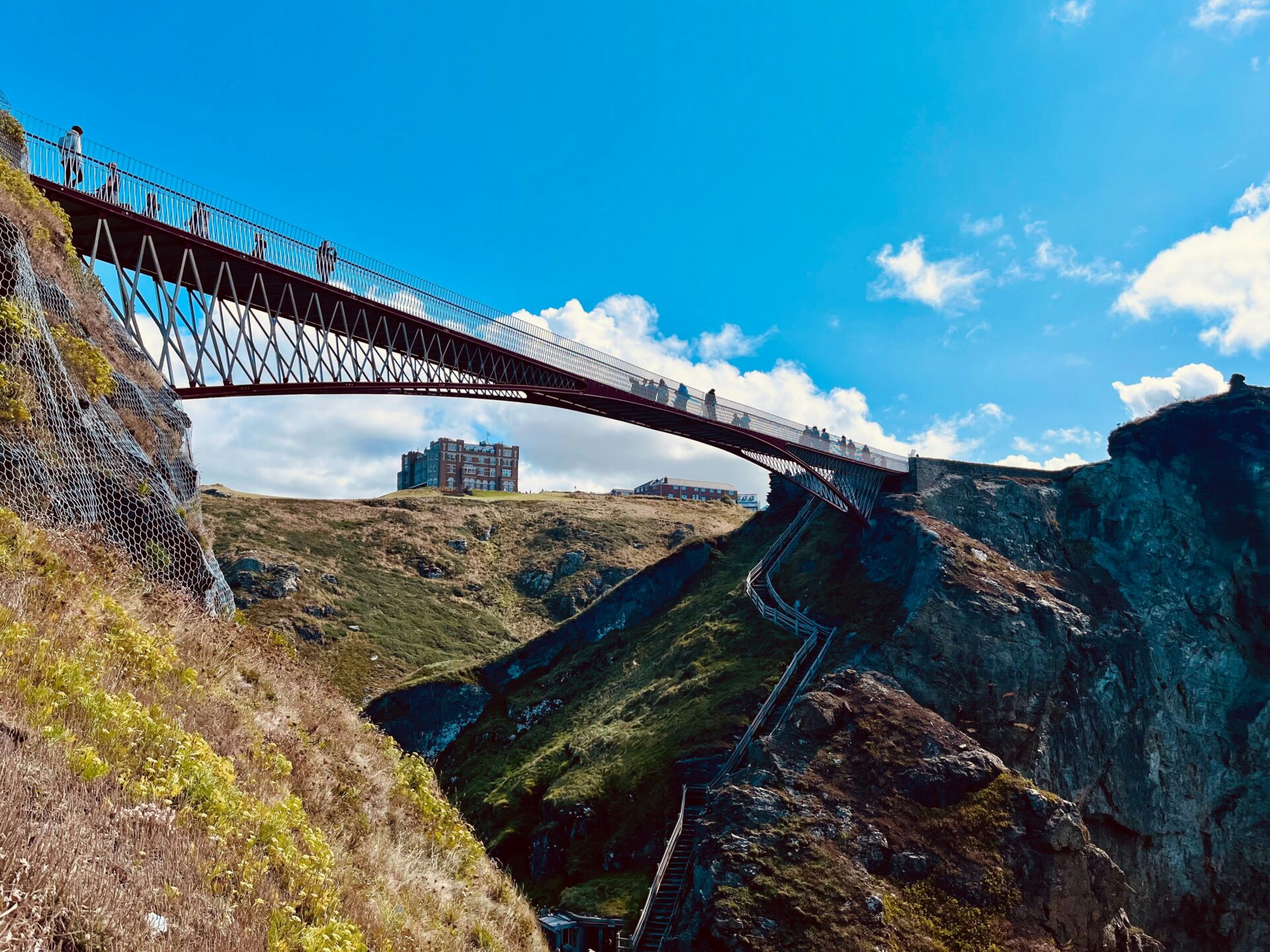
I saw King Arthur’s name everywhere—on signs, in pub names, and in stories locals told. In Tintagel, castle ruins cling to cliffs, and people here say Arthur was born right here. Standing among the carved stones and breathing in the sea air, I understood why this place sparked so many tales.
I noticed traces of Arthur’s world in other spots, too. Geoffrey of Monmouth’s old writings blur the line between history and legend, and suddenly, the Southwest turns into a stage for Arthurian drama.
Some travelers, like me, show up for the views but leave with stories about knights, epic battles, and enchanted swords.
Even the art and souvenirs reflect Arthur’s grip on the place. Tapestries hang in shop windows, and statues of Excalibur pop up in unexpected corners.
Exploring these sites adds a bit of magic to any road trip or walk.
Journeys to Glastonbury and the Holy Grail
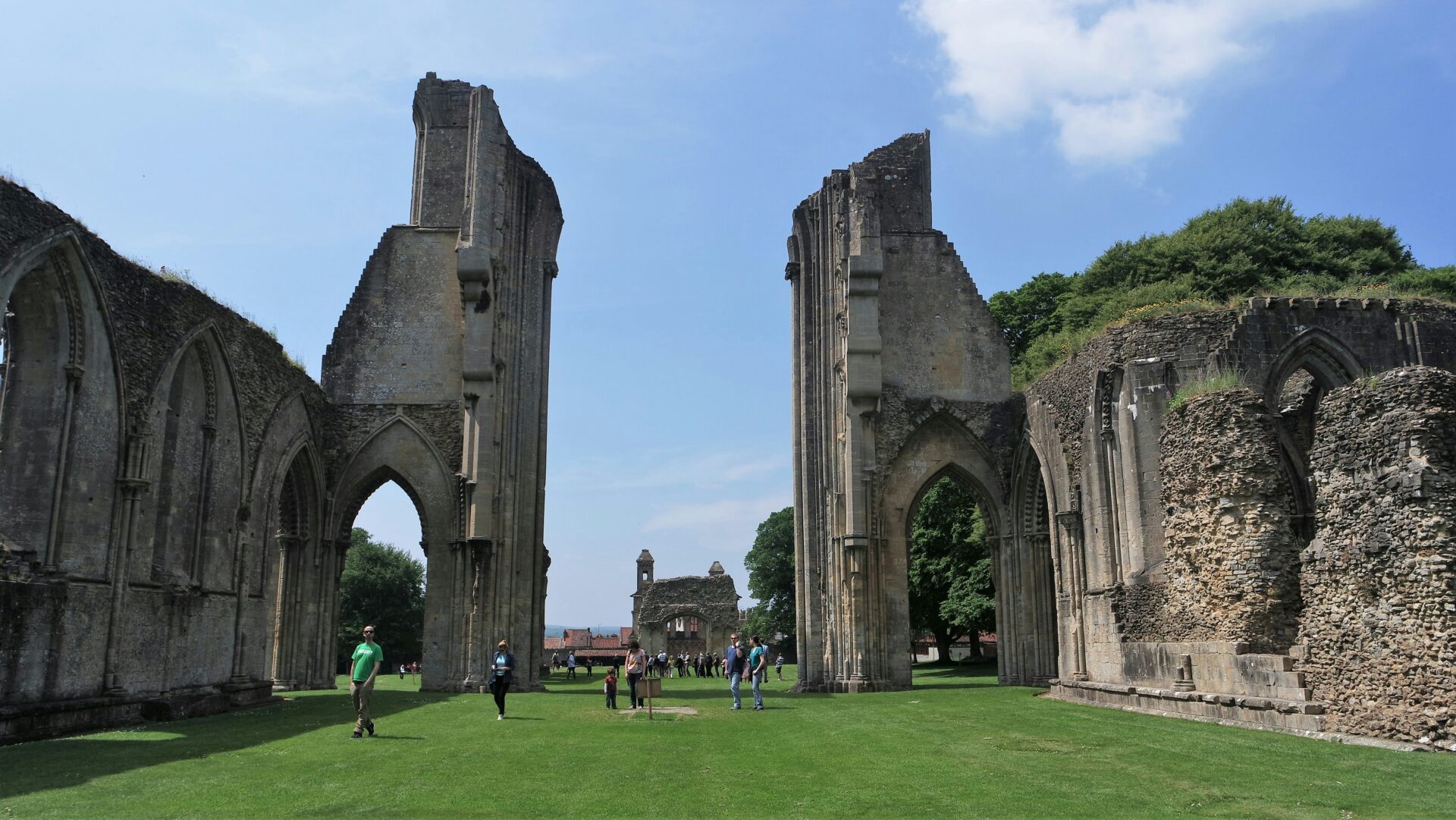
Glastonbury stands out—a town packed with legends, mystics, and shops that sell everything from crystals to cloaks. When I wandered through Glastonbury Abbey’s ruins, I found the ancient grave marked as King Arthur’s, covered in offerings. Even after all these years, folks still wonder if Arthur lies here.
Pilgrims come chasing stories of the Holy Grail. The Chalice Well, with its rusty red water, supposedly holds mystical powers. Locals claim the Grail was hidden here, and I watched travelers touch the water, hoping for something spiritual.
The myths shape everything, from walking paths to local festivals.
There’s even a map at the tourist center showing the “quest” for the Grail—each site marked with clues from folklore or old texts.
If you’re into history or spirituality, Glastonbury offers endless ways to dig into both.
Knights, Chivalry, and the Enchantment of Folklore
Arthurian legends aren’t only about kings—they’re about chivalry and the wild adventures of knights. I heard stories of Lancelot, Gawain, and the Round Table almost everywhere. Local storytellers keep these tales alive during festivals or on guided walks.
Villages celebrate chivalry with knightly tournaments and medieval fairs. You might catch sword fighting, falconry, or people parading in armor. These events make the legends feel real, not just something out of an old book.
Folklore weaves through daily life. Arthurian themes show up on pottery, in paintings, and even on café menus—one place sold “Round Table” cakes.
My trip made it clear: in South West England, the magic of knights and quests isn’t just history—it’s part of everyday culture.

Mystical Stone Circles: Ancient Monuments and Sacred Sites
South West England is dotted with mysterious places built thousands of years ago. When I explored these stone circles, stories of ritual, spirituality, and ancient peoples started to feel real.
Stonehenge and the Mystery of Standing Stones
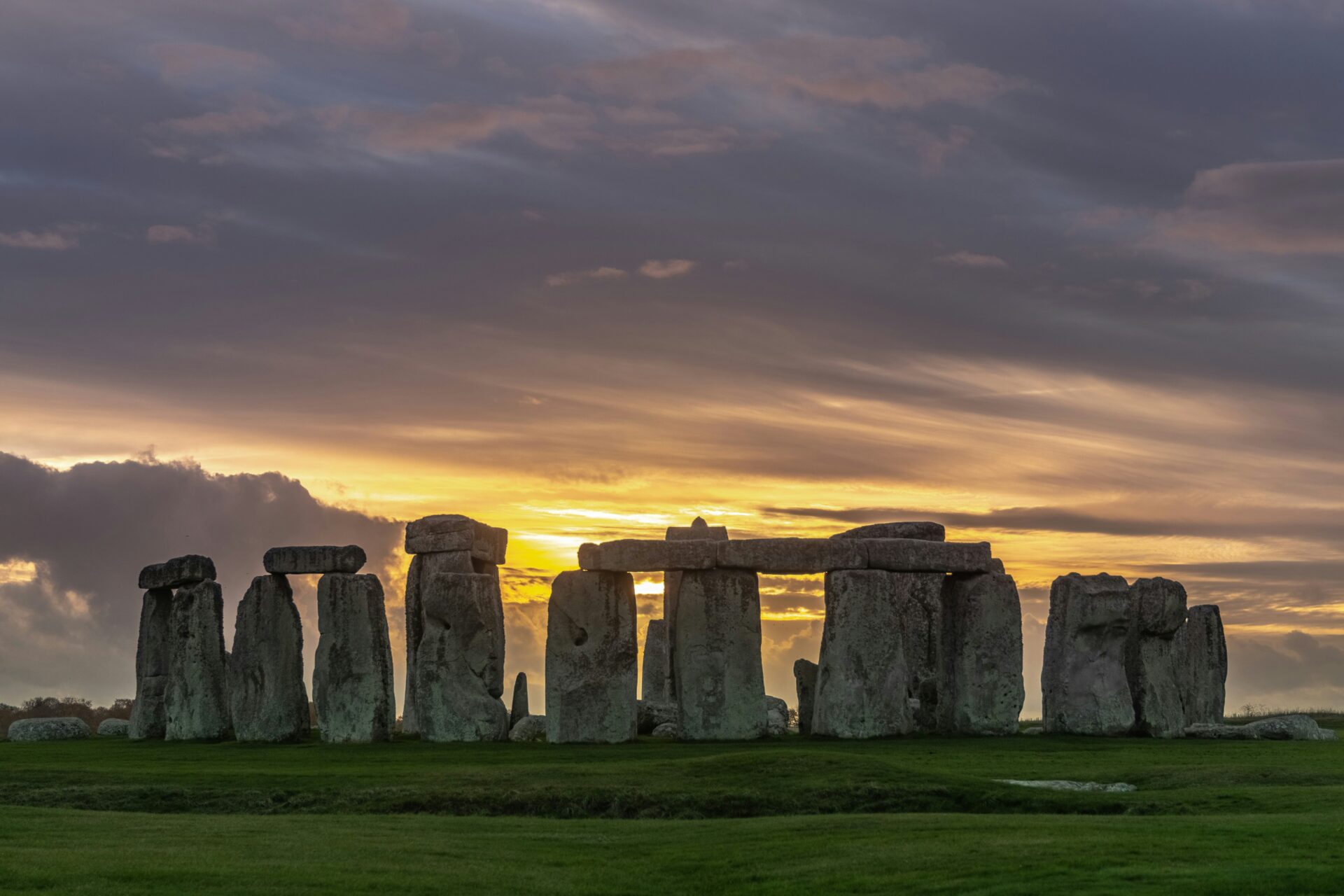
Stonehenge stands alone on Salisbury Plain, its massive stones forming a circle that’s puzzled people for ages. I felt the weight of history and the sense that this was once a truly important sacred site.
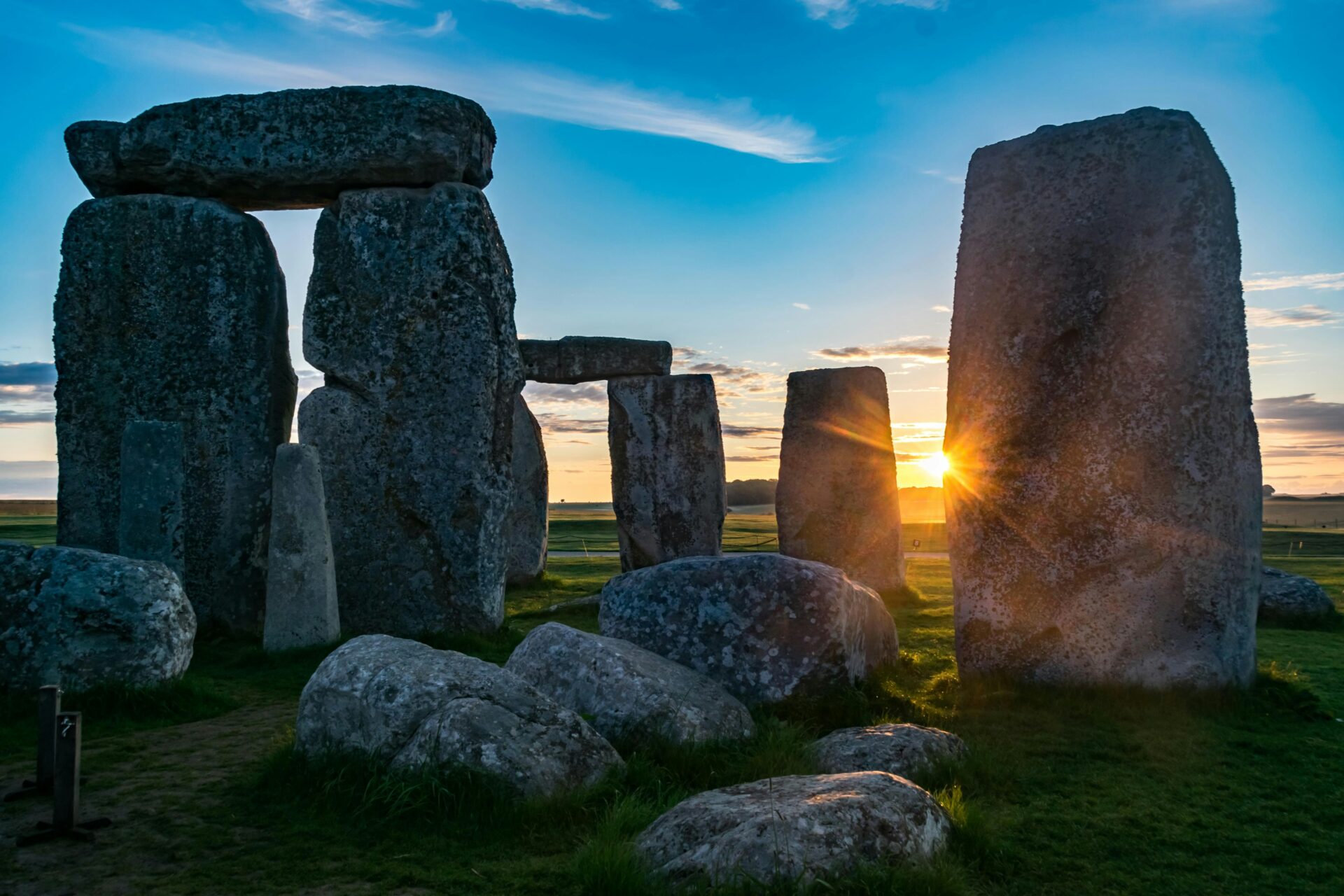
Historians say Stonehenge dates back to around 2500 BC, during the late Neolithic and early Bronze Age. It’s not just huge—it’s carefully designed, with stones lining up to the sunrise on the summer solstice and the sunset on the winter solstice.
Crowds gather at dawn and dusk, hoping to catch the sun’s light shining through the stones. Some visitors bring flowers or meditate, searching for a spiritual experience.
Local guides love to talk about the legend of the Druids, though researchers say those ancient priests arrived long after Stonehenge was built.
Quick Facts Table:
| Fact | Detail |
|---|---|
| Age | ~4,500 years old |
| Main Material | Sarsen & Bluestone |
| Alignment | Solstices |
| Entry | Requires ticket |
Exploring Avebury and Lesser-Known Stone Rings
Stonehenge gets all the fame, but Avebury won me over with its bigger, more open layout. About 19 miles north of Stonehenge, Avebury lets you walk right among the stones—no big crowds or fences in the way. The main ring is part of one of Britain’s biggest henges, and the place feels both huge and peaceful.
Smaller stone circles and rings scatter the countryside, sometimes hidden in sheep fields or down quiet lanes. Each one seems to have its own quirks and stories.
I visited Long Meg and Her Daughters in Cumbria and saw locals still leaving offerings or walking the circle for luck.
These lesser-known sites are perfect for escaping the crowds and finding a little quiet wonder.
Travel Tip:
Wear sturdy shoes, since many circles sit in muddy fields or grassy meadows.

Druids, Ley-Lines, and Sacred Space
I kept hearing about ley-lines—those supposed lines connecting ancient monuments across England. Some people believe these lines mark earth energy that mattered to Bronze Age and Iron Age cultures. Whether that’s true or not, standing on these sites felt different, like stepping into an old story.
Druid legends add another layer to the mystery. While many picture Druids as the builders of the stone circles, most evidence suggests they came later. Still, modern groups sometimes gather at these sites, practicing ceremonies or celebrating the solstices.
I watched one gathering where people in white robes chanted, which was honestly fascinating. These ancient sites still inspire spiritual practices and even bits of modern witchcraft.
What I Noticed:
- Quiet moments felt oddly charged.
- Locals shared stories of ritual and pilgrimage.
- Some visitors meditated or left offerings for luck.
Bronze Age and Iron Age Spirituality
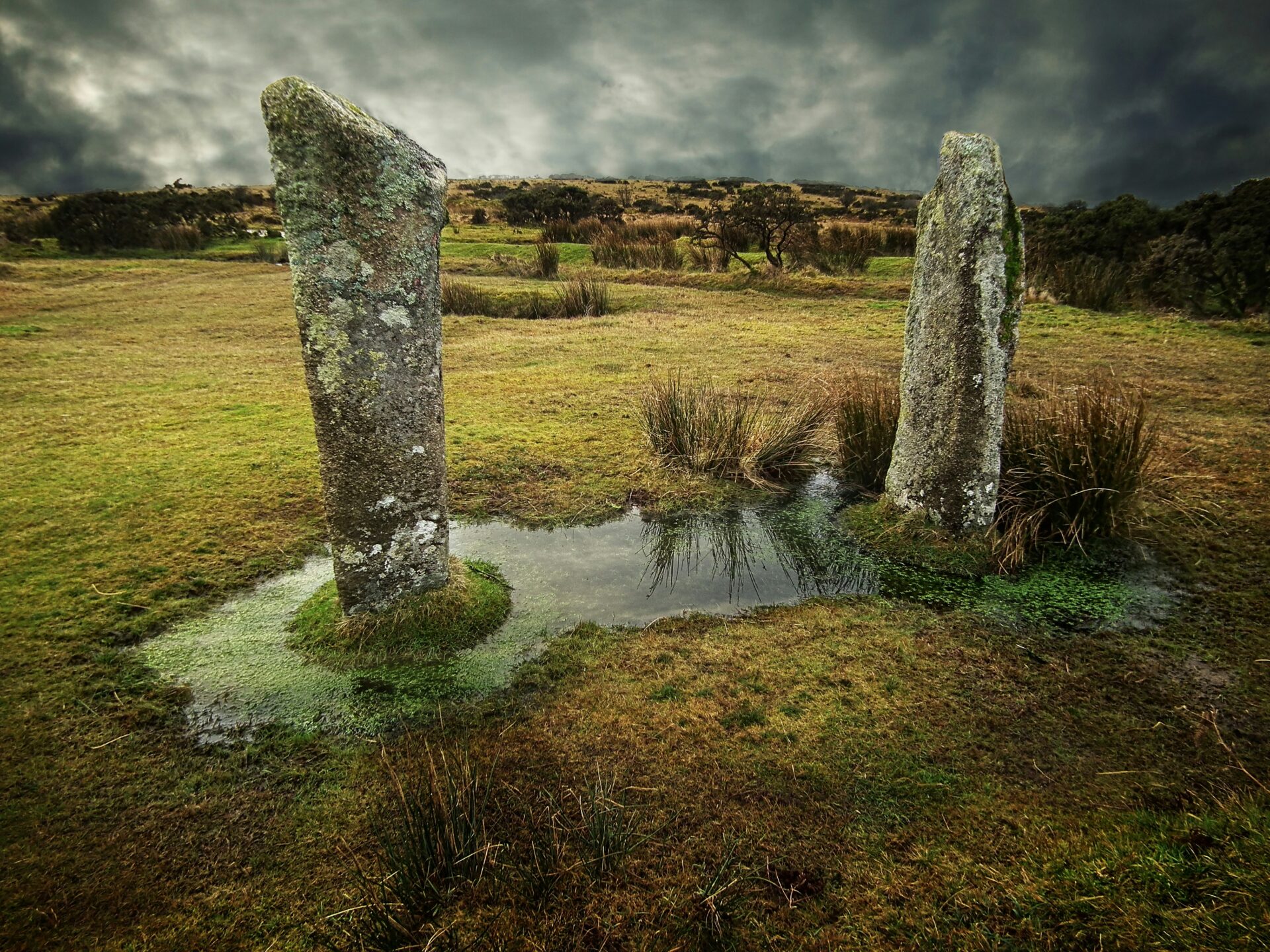
Visiting these stone circles, I started to see how important spirituality and sacred places were to Bronze Age and Iron Age people. Archaeologists think circles like Stonehenge and Avebury weren’t just for show—they brought people together for ceremony, trade, and maybe even big decisions.
Burials and offerings found near many sites hint that people believed in an afterlife or spirits tied to the land. The use of huge stones and careful alignment with the stars shows a surprisingly complex understanding of nature and the seasons.
It’s no wonder these sites became tangled up with legends, magic, and even later beliefs about witchcraft. Standing inside a stone circle at sunset, I could almost picture ancient communities gathering, telling stories, and honoring their gods.
Artifacts people often find at sacred sites:
- Pottery shards
- Animal bones
- Bronze tools
- Charcoal from ritual fires
Prehistoric Coasts and the Natural World
Rocky cliffs and old forests crash into the restless sea in South West England. Exploring these coasts brought me face-to-face with myth, wild scenery, and the unpredictable elements.
My Coastal Adventures: From Brittany to Helston
I started out in Brittany, where granite cliffs drop into deep blue water. The coastline feels raw, shaped by storms and tides. Walking the paths above the Atlantic, I felt tiny but oddly connected to everything around me.
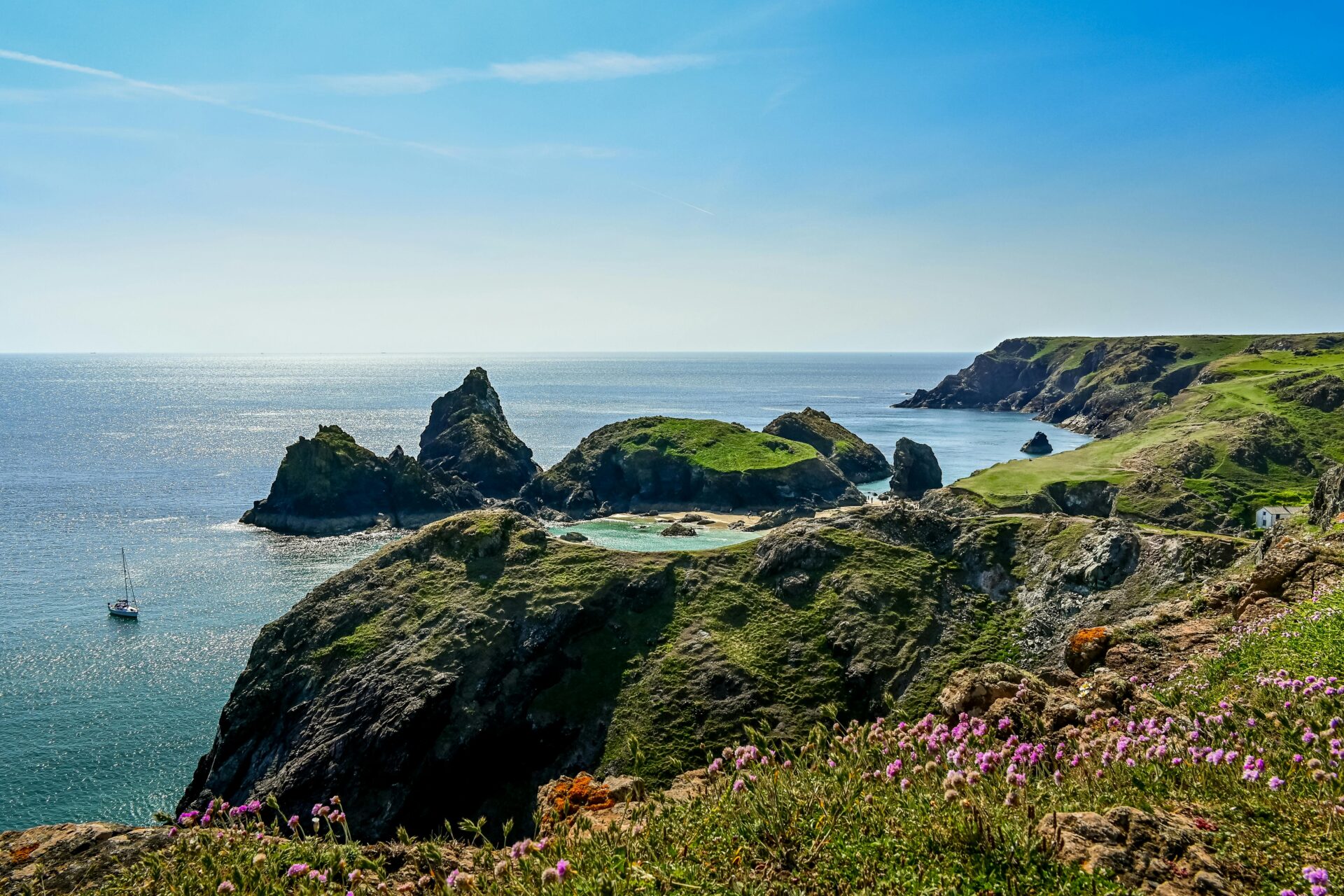
In Helston, I found sandy coves and rugged headlands. Sometimes, bits of prehistoric forest peeked out where land meets sea. Oak and beech trees cling to the cliffs, their roots gripping rock and earth.
Seals sometimes watched from the water’s edge, and seabirds circled overhead, calling to each other.
Must-see coastal spots:
| Place | Highlight | Notes |
|---|---|---|
| Brittany | Cliffs & Stones | Wild, ancient |
| Helston | Coves & Forests | Quiet, magical |
| Lizard | Dramatic views | Cornwall’s tip |
Every stop along the coast showed me something different—some places gentle and green, others rough and stormy.

Tales of Giants, Dragons, and the Shaping of the Landscape
Legends pop up everywhere along these shores. In Cornwall and Brittany, locals tell stories of giants who built stone circles and shaped hills with their footsteps. In Helston, people talk about dragons weaving through forests or sleeping under rocky outcrops, especially when the fog rolls in.
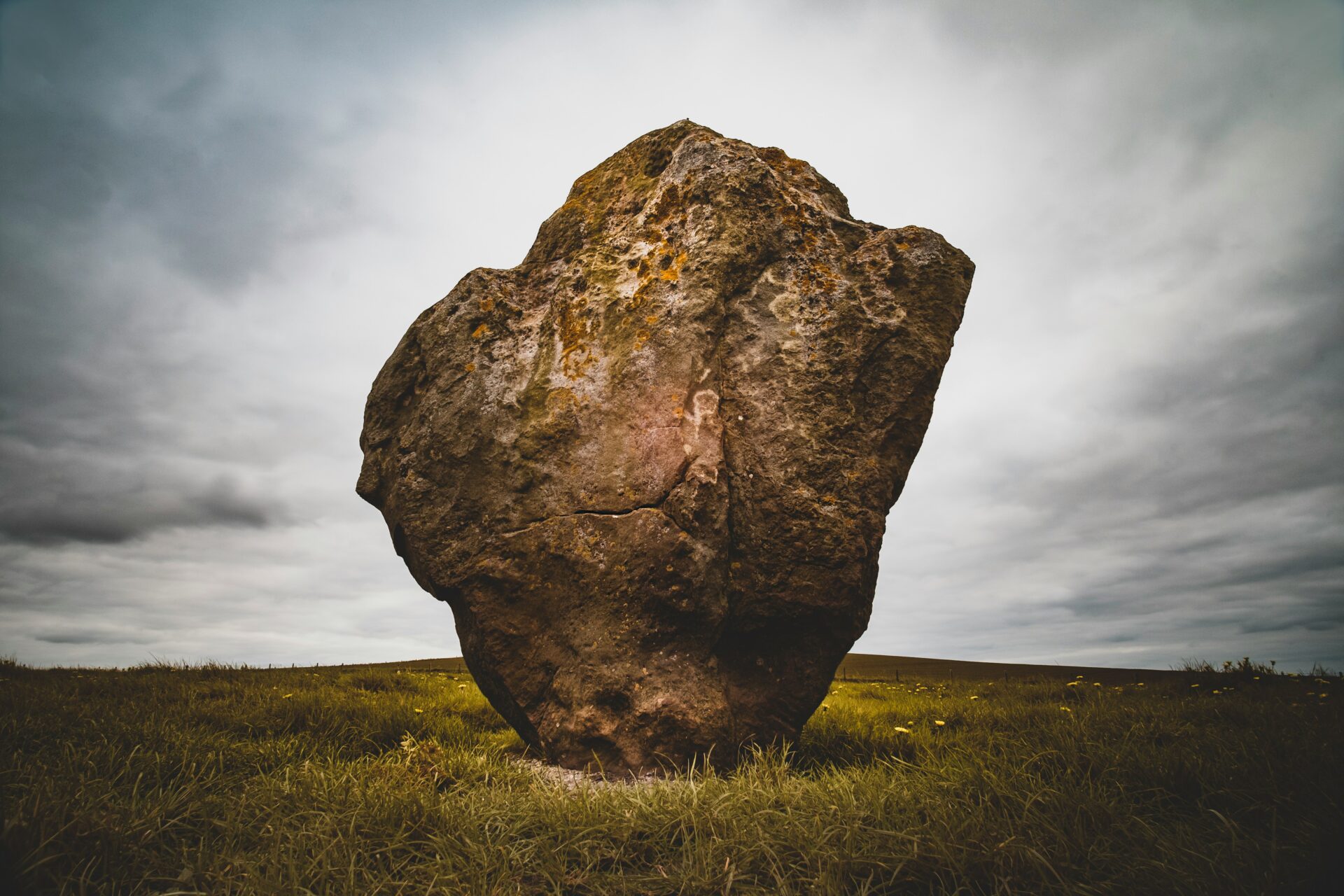
Maps label rocks with names like “Giant’s Quoit” or “Dragon’s Head.” These aren’t just made-up titles—the big, mossy boulders and strange land shapes really do look otherworldly.
It’s easy to imagine ancient creatures roaming the shore during stormy nights.
When I listened to these stories, the landscape felt different. Every turn in the path was like flipping a page in a storybook.
Tip: Ask local guides about these myths—they add a bit of magic to any coastal walk.

Seasonal Changes and the Power of Nature
The coast’s mood shifts with the seasons. In summer, sunlight glitters on the water and oak leaves shine bright green. Walking by the sea, a warm breeze made even the wildest cliffs feel welcoming.
Foxgloves bloomed right up to the edge, and butterflies drifted above patches of heather.
By autumn, those same paths turned moody and dramatic. Fog crept in from the ocean at dawn. Storm clouds rolled overhead, battering the cliffs with wind and rain. Forest trails got slick with fallen leaves, painting the ground red and gold.
Nature’s power felt strongest then—there’s a pull to take shelter and listen as the wild world moves outside.
Standing under ancient oaks or watching a storm slam the coast, I started to see why these places inspired so many legends. It’s the power and change of nature that shape not just the land, but the stories we take home.
Spiritual Sites and Local Traditions
Walking through the sacred landscapes of South West England, I stumbled on stories blending history, legend, and lively modern traditions. From old hills to living rituals, every place offered a new way to connect with the past.
Glastonbury Tor and St Michael’s Tower Pilgrimage
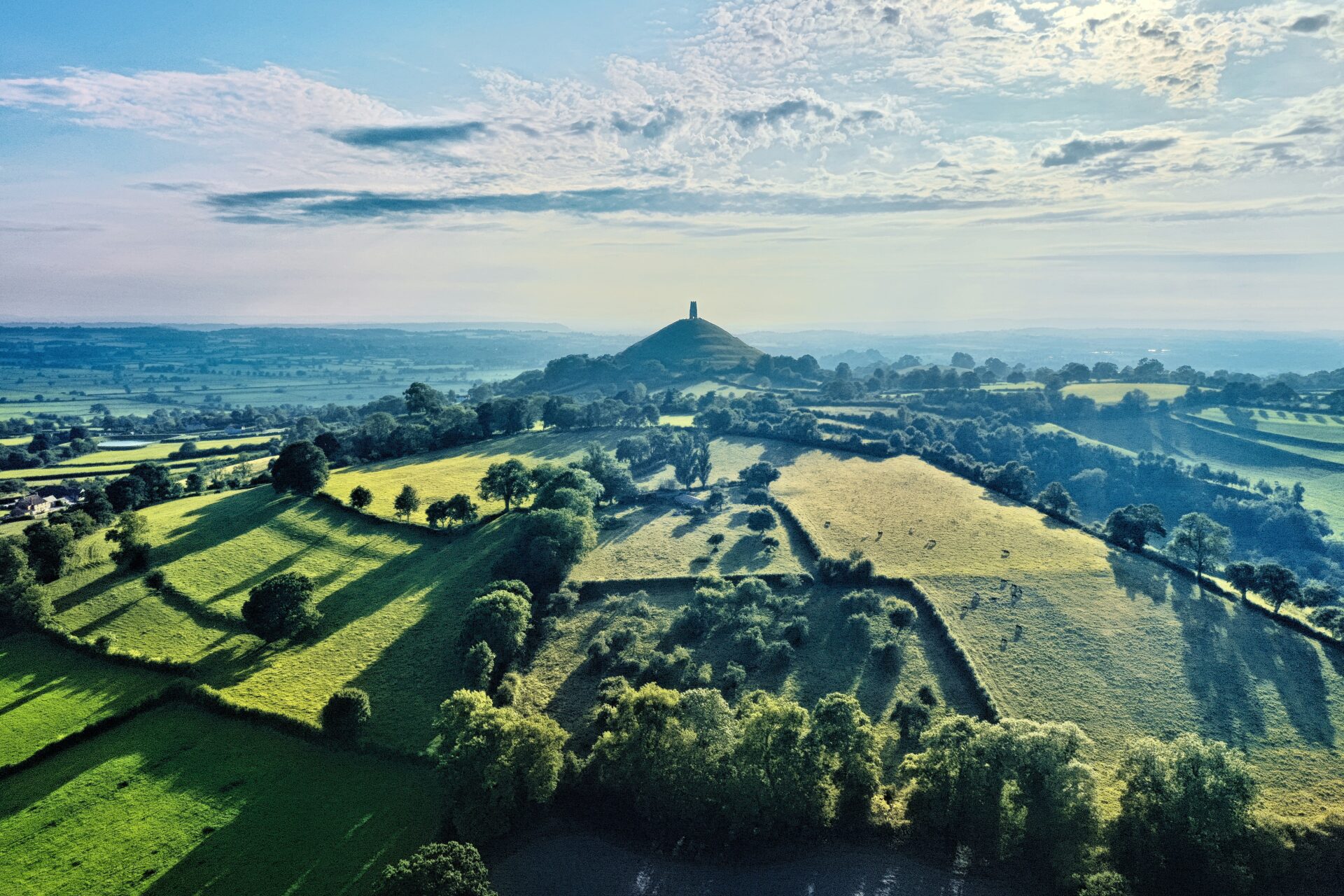
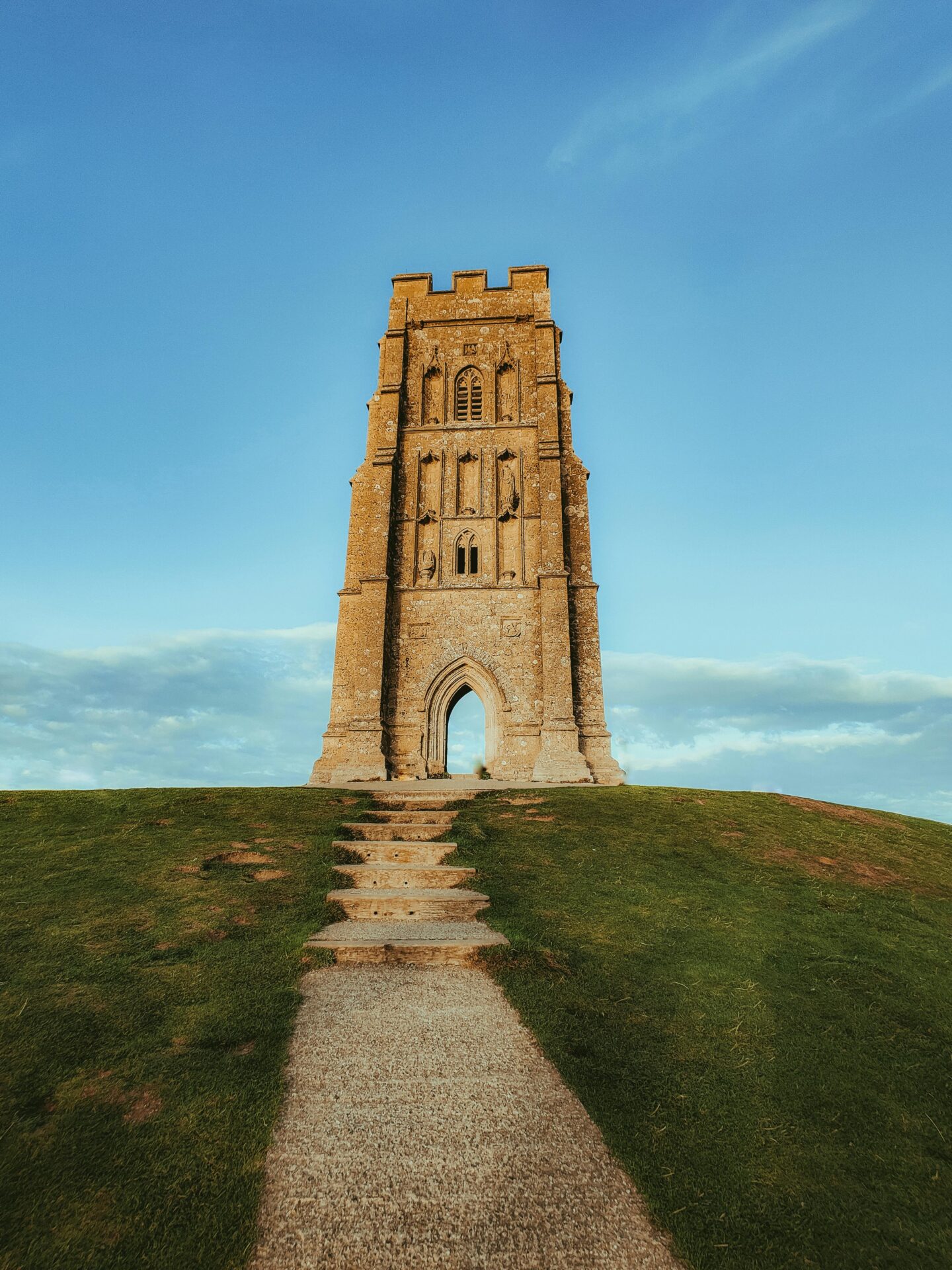
Climbing Glastonbury Tor remains one of my favorite memories. The path winds up the hill through wildflowers and quiet fields, leading to the ruins of St Michael’s Tower at the top.
Some believe this hill is the gateway to Avalon, the mystical isle from Arthurian legend.
Pilgrims and travelers come for all kinds of reasons. Some seek the Christian story of Joseph of Arimathea, while others chase the older energy of the land itself.
The spot is famous for its ley lines—those supposed energy pathways linking sacred sites across England. At sunrise or dusk, the silence feels electric. It’s really no wonder this place inspires spiritual experiences.
Tip:
- Wear sturdy shoes for the steep climb
- Go early in the morning for fewer crowds and a peaceful vibe
Celtic Traditions, Superstitions, and Astrology
The South West brims with traces of Celtic traditions. Locals still mark festivals like Beltane in the spring—bonfires, music, and a bit of old magic in the air.
Old superstitions stick around too. People tell stories about hidden faeries, ancient wells with healing powers, and trees dressed in ribbons—“clooties”—as offerings.
Astrology weaves into these traditions as well. Stone circles in this region line up with points on the horizon where the sun rises or sets on special days. That ties them to both timekeeping and spiritual rituals.
At places like Avebury or Stonehenge, folks gather at solstice to celebrate. I felt a kind of awe standing in these ancient sites, caught between earth, sky, and a sense of human wonder.
Highlight:
- Keep an eye out for local festivals or talks if you want to learn more about folk beliefs
Goddess Worship and the Role of Art in Mythology
In Glastonbury and beyond, modern goddess worship feels right at home. Shops sell images of the earth mother, and local artists draw inspiration from ancient myths.
I wandered through tiny galleries filled with paintings and sculptures that reflect stories from Celtic lore—usually showing goddesses tied to fertility, nature, and rebirth.
Art here does more than just decorate. It keeps old myths alive and sparks new forms of worship. Community events might include storytelling, singing, or shared rituals focused on the goddess.
One afternoon, I joined a circle dance. Even as an outsider, I could tell we were sharing something ancient.
Experiences to Try:
- Drop into local art galleries for myth-inspired pieces
- Try a community workshop or open-air art event if you spot one
Language, Legends, and Living History
Language and legends shape the South West’s identity almost as much as the landscape itself. From old Cornish words to tales still swapped around kitchen tables, I found history alive in daily life and random conversation.
Cornish Language, Philology, and Regional Storytelling
In small villages, I’d hear Cornish in shop windows and see it on street signs in Cornwall. The Cornish language nearly vanished by the 19th century, but local schools and community groups now work hard to keep it alive.
Cornish philology fascinates anyone who loves European languages. Many words come straight from old Celtic roots.
I listened to locals swap stories, flipping between English and Cornish. That’s when I realized language passes down more than facts—it carries emotion too.
Local legends—giant stones moving at midnight, or Arthur’s knights rising with the mist—get shared in both English and Cornish. The stories shift a bit depending on the language, and that makes each telling feel fresh.
A good regional tale never feels out of place, whether you’re in a seaside pub or up on a wind-swept hill.
Education, Tutors, and the Preservation of Oral Traditions
Storytelling isn’t just for the fireside. Local schools invite storytellers and tutors to keep oral traditions alive.
I went to a village event where kids learned folk tales from their own grandparents. Those family stories seemed just as important as any history lesson or eBook.
Tutors specializing in Cornwall’s oral history run workshops on folktales and local games—like whist, a card game once taught by visiting teachers from York or beyond.
Words and traditions passed on in these classes connect students with their roots. Education here isn’t just about textbooks; it’s about memory, voice, and learning how to keep a story alive long after the lesson ends.
From Ancient Rome and Greece to Modern Folk Practices
As I wandered the cliffs facing the sea, I often wondered how far stories can travel. Some Cornish tales echo myths from Ancient Rome and Greece.
Fishermen’s legends share themes with old Greek epics—heroes, strange creatures, and mysterious stones, but always with a local twist.
Locals still use bits of folk-lore that came from those ancient worlds. Amulets for luck, certain coastal rituals, and names of winds felt both timeless and somehow new.
Some of these beliefs arrived with Roman travelers or were inspired by ancient texts—now tucked away as eBooks or in small local libraries.
Old customs and modern traditions mix here. As I explored, I realized the region’s living history is held together by language, learning, and legends passed down from far-off empires to the shores of Cornwall.
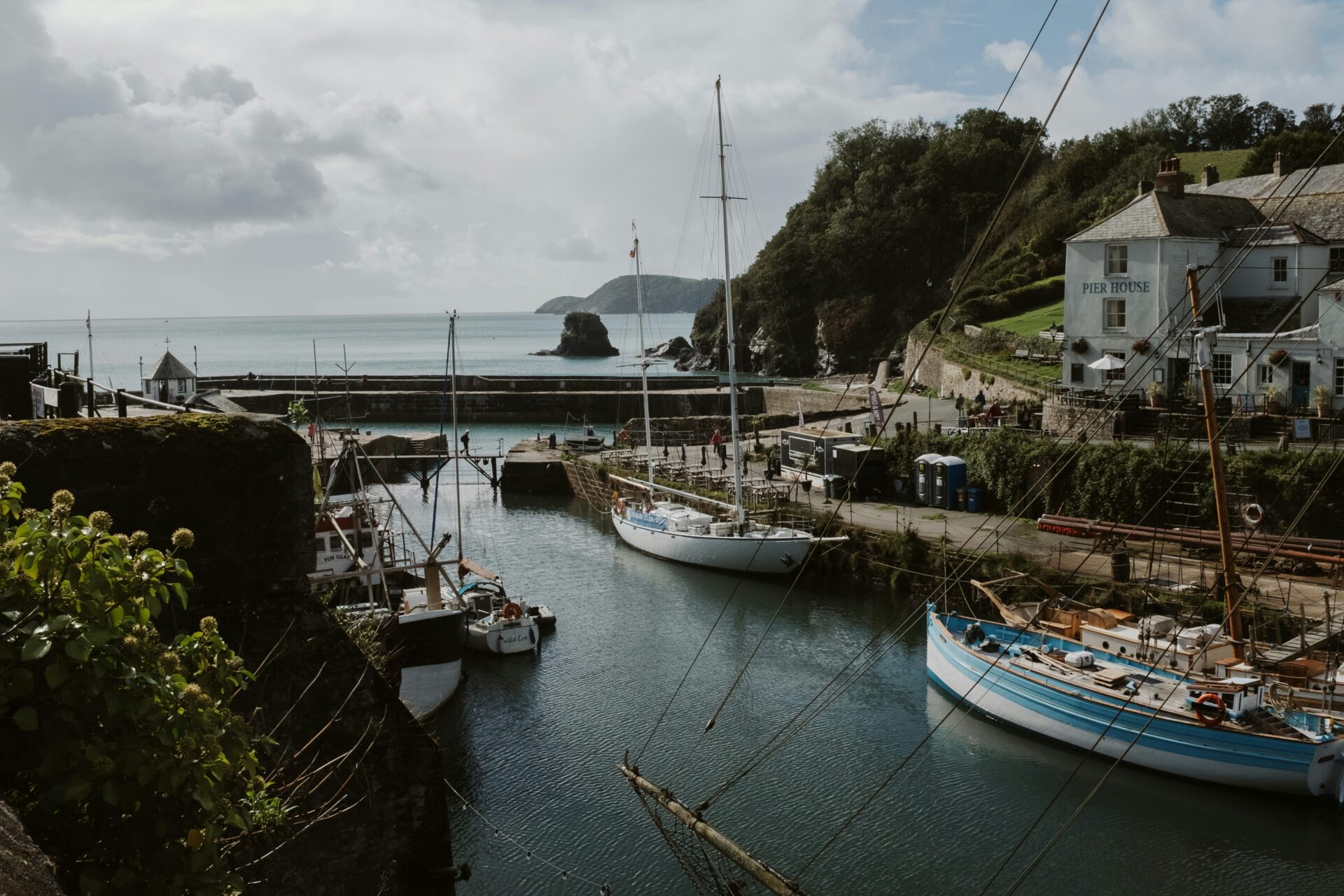
Architectural Marvels and the Lasting Memory of the Past
Walking through South West England, I found myself surrounded by structures that reveal layers of ancient and artistic history. Each site offers lessons in craftsmanship and a sense of place.
Landscapes and stories shape both art and architecture here.
South West England’s Unique Architecture and Artistry
South West England is full of stone circles, medieval ruins, and coastal churches. At Stanton Drew, giant standing stones create patterns that feel intentional and mysterious.
People shaped these ancient sites long before modern machines, using local stone and pure human strength.
I spent time inside King Arthur’s Hall, a rectangular enclosure from at least 3000 BCE. Its earth banks and granite slabs carried the weight of the past.
Unlike tourist-packed Stonehenge, these places feel quieter and more reachable, especially early in the morning or just before sunset.
Artists around here often borrow inspiration from these old shapes and shadows. Sunlight moves across carved lintels or broken abbey walls, changing the mood every day.
I tried to catch that in my photographs. The way solid stone contrasts with soft river mist made me appreciate the skill and vision of those early builders.

Preserving Memory Through Sacred Spaces
As I wandered among stone circles and ancient churches, I realized these places are more than just historical markers. They’re living reminders of memory and meaning.
People once gathered here for ceremonies, music, and storytelling. Today, those echoes linger in the silence.
Some sites have simple signs and low fences to protect fragile earthworks and carvings. Local volunteers share stories, helping visitors understand the purpose behind the monuments.
Their efforts keep the sites—and the legends—alive.
Sacred spaces offer a place to pause. I found myself sitting on a cool stone in a ruined chapel, thinking about past lives and old beliefs.
The quiet felt peaceful, and I left a small pebble—my way of joining the memory held by the land.

The Influence of Light, River, and Landscape on Local Artists
The light in South West England—honestly, it changes all the time. Artists here find themselves chasing inspiration from the moment the sun rises.
At dawn, rivers shimmer while fog rolls in, making everything feel softer somehow. By midday, sunlight hits every crack and color on old carved stones or painted walls.
My sketchbook filled up with moments shaped by this place. I’d spot artists setting up their easels along the riverbanks, and you could see how the shifting clouds or long shadows across the meadows shaped what they did.
Sculptors grab driftwood, beach pebbles, or even bits of slate the tide leaves behind. Local galleries tend to show off pieces that blend ancient shapes with modern ideas.
The link between the wild landscape and creativity feels pretty strong here. For me, every river bend or sudden flash of sunlight turned into a small adventure—just another reminder that art and memory never really sit still.
