
I love exploring the Canary Islands, but I never thought I’d spend a sunny afternoon surrounded by a thick haze of sand and dust. The notorious calima—a dust storm blowing in from the Sahara—can turn those clear blue skies an eerie yellow, making the air heavy and gritty.
If you’re planning a visit, it’s worth knowing how calima affects travel, health, and daily life. It can really save you a lot of hassle.
The air changes completely during a calima. My eyes and throat noticed it almost instantly, and the usual stunning views of the Atlantic just vanished behind a wall of dust.
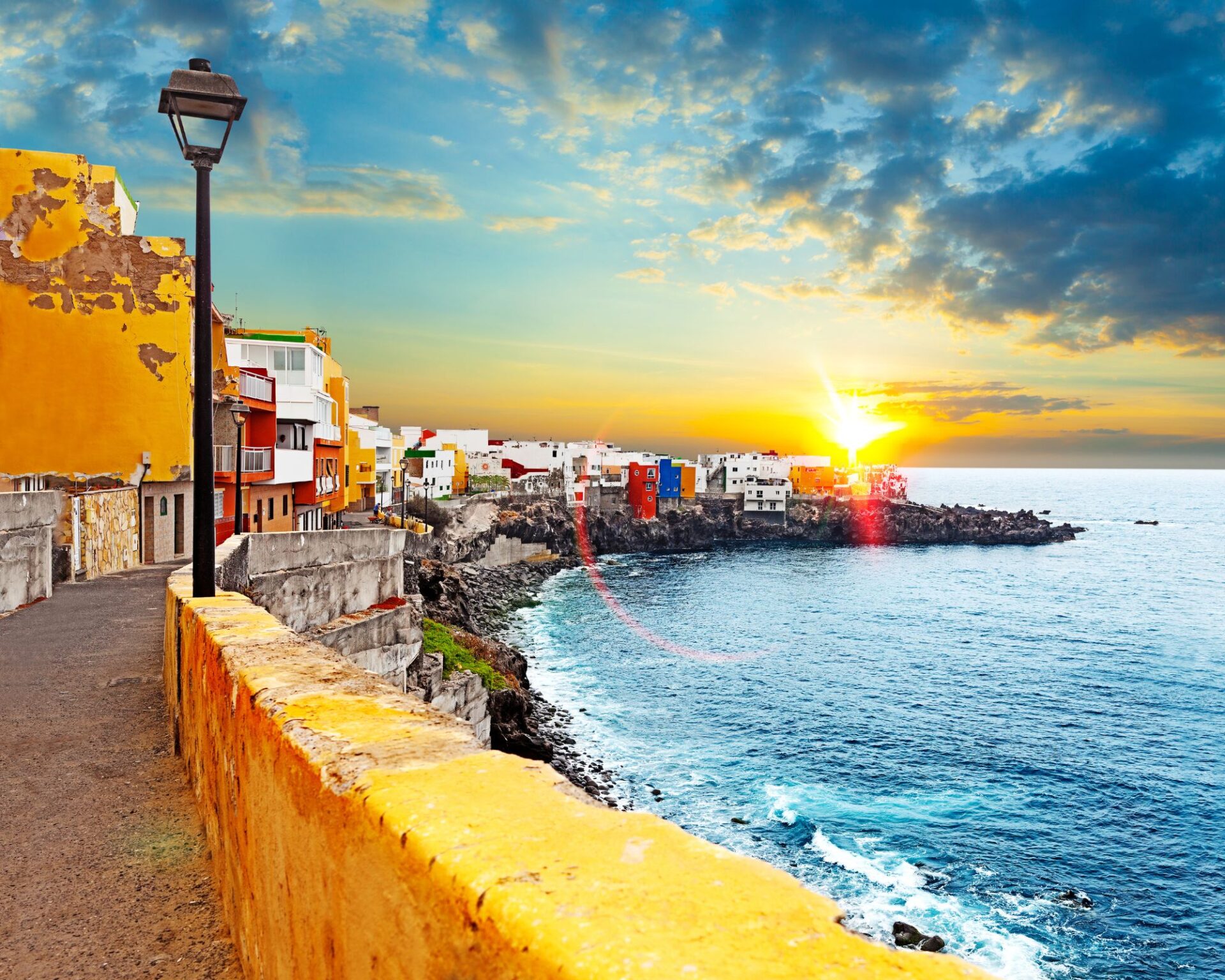
Locals and travelers shared stories about flight delays and staying indoors. I quickly realized this is something everyone should know about.
Maybe you’ve only read about calima, or maybe you’re packing your bags already. Either way, I’m sharing my experiences and the practical tips I picked up.
Knowing what to expect helps you stay safe, travel smart, and still enjoy those unique Canary Island moments—even when the Saharan breeze blows in.
What Is the Calima? Atmospheric Origins of the Saharan Breeze
The Calima is a dry, dusty wind that blows straight from the Sahara Desert to the Canary Islands. It fills the air with a yellowish haze and covers everything with fine sand.
These dust storms happen because of unique air movements and regional weather patterns. The Atlantic Ocean, nearby continents, and other global forces all play a role in shaping the Calima.
How Saharan Dust Travels to the Canaries
The Calima’s journey starts deep in the Sahara. I remember being genuinely surprised at how far and fast the dust could travel.
Strong winds pick up loose sand and dust, sending it thousands of kilometers west. The particles are so fine that, even weeks after the wind stops, I could still spot dust on the ground and hanging in the air.
The Canary Islands sit right in the path of these dry, gusty winds.
Trade winds, blowing from east to west, act like a bridge, carrying Saharan dust over the Atlantic. During Calima, I watch visibility drop and the sky shift to an orange or reddish tint—almost like someone put a giant filter over everything.
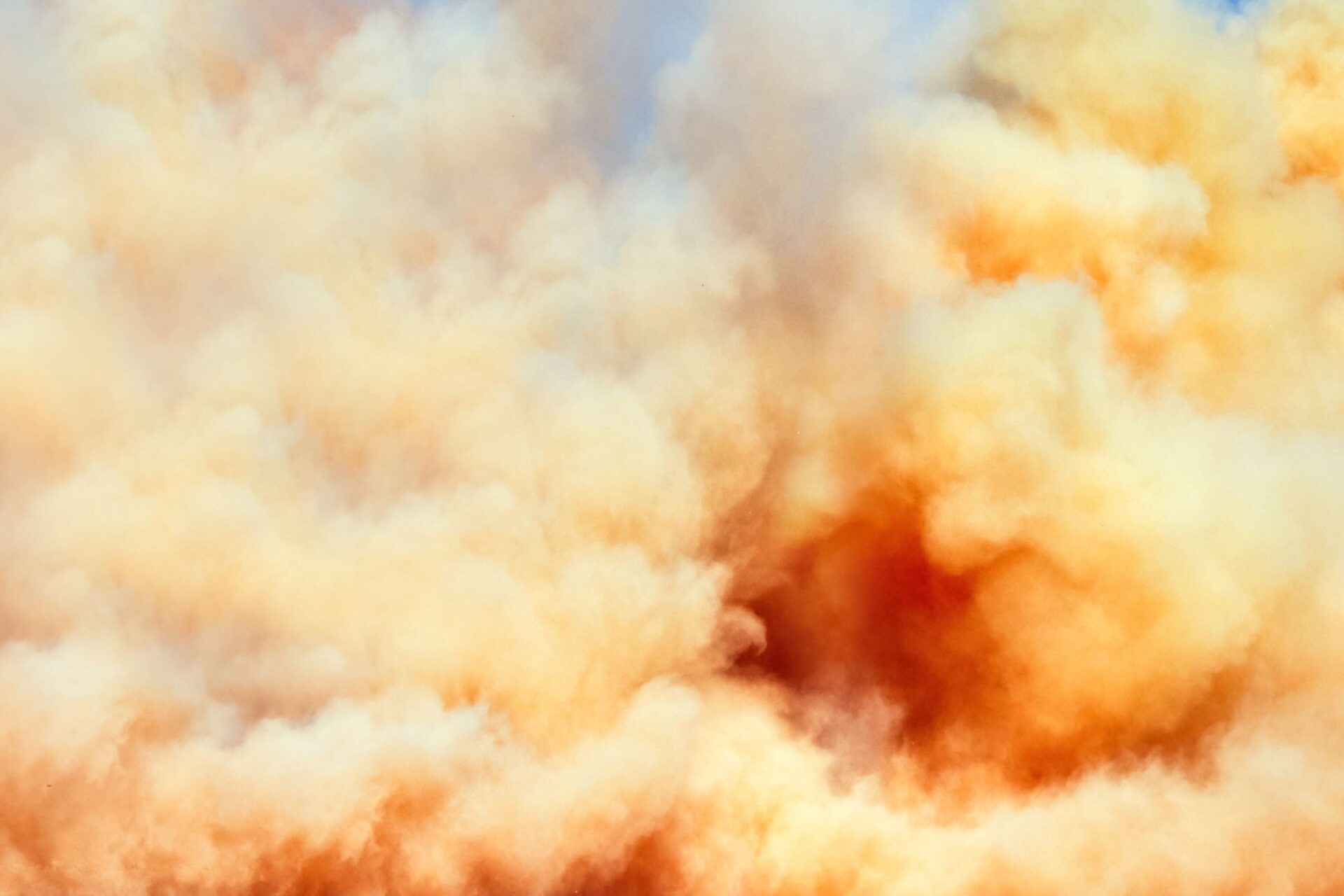
Local weather stations and satellite images often show thick clouds of dust moving from Africa over the Canaries. Some years, these clouds even keep drifting toward South America and the Caribbean, leaving a trail across the ocean.
Atmospheric Circulation and Weather Patterns
Large-scale atmospheric circulation ties directly into Calima events. These global wind patterns shape the route the dust takes from the Sahara to the Canaries.
When high pressure builds over North Africa and lower pressure sits over the Atlantic, strong winds form between them. This changes the usual flow and pushes waves of Saharan air right toward the islands.
- Trade winds: Constant, east-to-west winds that guide the dust.
- Pressure differences: High pressure over the Sahara meets lower pressure over the ocean.
- Seasonal changes: The Calima is more common from late spring through summer.
Some years, weather patterns linked to the tropical Pacific or influences from the Americas shift the usual routes, causing more intense dust storms. I’ve noticed that a strong Calima can last for days, changing daily life, travel, and even my plans to get outside.
The Role of the Atlantic and Surrounding Regions
The Atlantic Ocean really shapes how the Calima behaves. When dry Saharan air meets the cooler, moist air over the Atlantic, it creates a blend that settles over the Canary Islands.
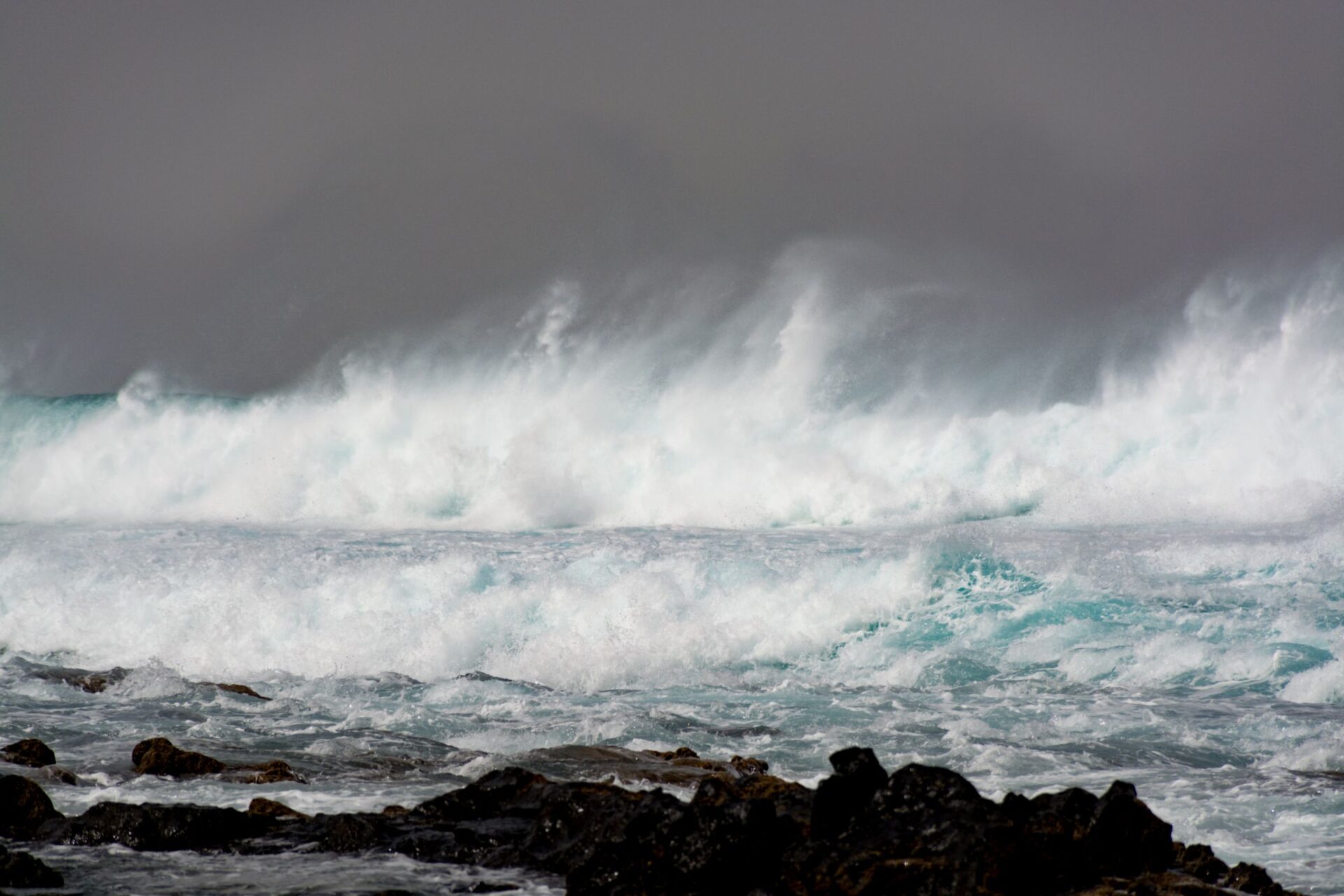
Humidity drops fast while these winds blow. The temperature usually rises by several degrees during a strong Calima, and it feels almost desert-like—even with the ocean all around.
Influences from nearby regions:
| Region | Effect on Calima |
|---|---|
| Sahara Desert | Source of the dust and sand |
| Atlantic Ocean | Cools and mixes with air mass |
| Canary Islands | Main area affected |
| Americas | Rarely, dust drifts this far |
Sometimes, winds carry the dust much farther, sometimes all the way to the Americas or the Caribbean. As the dust crosses the Atlantic, it can affect air quality in places far from its origin.
Living in the Canaries, I see the strange blend of desert and ocean weather every time. Each Calima reminds me how connected distant places really are.
Experiencing Calima: Firsthand Impressions and Local Life
Calima storms sweep dust from the Sahara right to the Canary Islands. Blue skies turn into a fog of ochre. It’s a powerful experience that shapes daily life and inspires unique community traditions, especially around casa, vita, and even music.
The Sights, Sounds, and Feel of a Dust Storm
One morning, I woke to a strange orange glow pushing through my curtains. Looking outside, everything seemed hazy and muted, like an old photo.
Buildings, cars, and even plants wore a fine layer of tan dust.
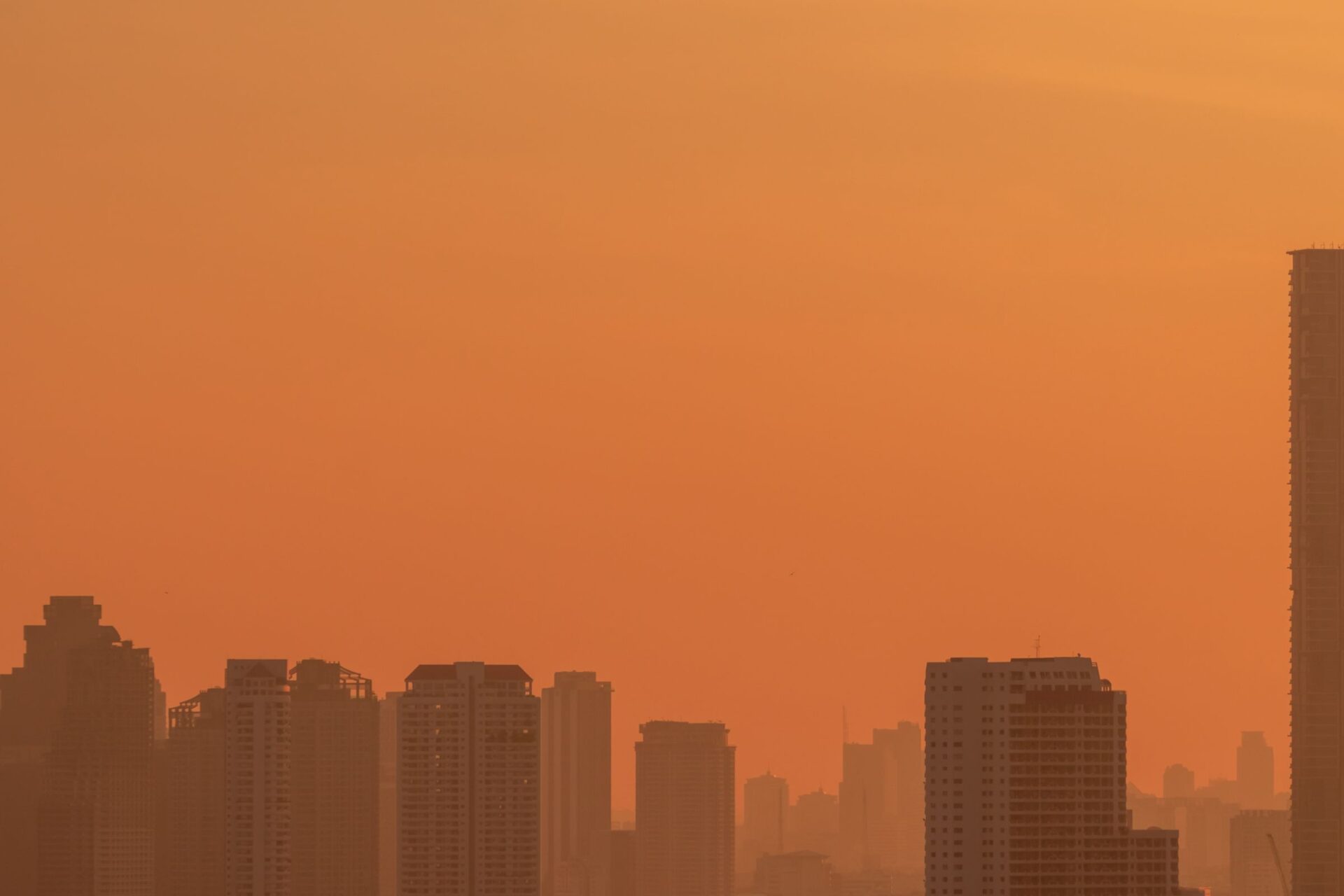
The air felt warm and dry, carrying a gritty taste. My skin prickled, and sometimes I’d get a little static shock just from touching a doorknob.
Sounds felt muffled, as if the dust wrapped the island in a quiet blanket.
Locals cover windows and doors tightly. Sunglasses and scarves become everyday gear—not just for fashion or sun, but for protection.
Even a simple walk to grab fresh cibo or meet amici feels different—everyone moves a bit slower.
- Tip: Keep electronics and musical instruments inside. The dust clogs and damages them fast.
- Dolce and homemade treats often come out, giving everyone a boost when going out isn’t much fun.
Living in the Canary Islands During Calima
Staying at home (casa) feels different during Calima. I find myself grateful for a safe, cool house while the storm rages outside.
People check in on each other, sharing photos and updates in group chats with amici.
Daily routines change. Hanging laundry outside? Forget it—dust settles on everything.
Cooking takes center stage, with new recipes or simple comfort food shared with family or housemates. Even music feels different—maybe a guitar played indoors or soft tunes in the background while waiting for the dust to clear.
Shops and cafes often adjust their hours. Outdoor activities slow to a crawl.
The vita of the islands shifts indoors, but the sense of community and adaptability stands out. There’s a sweetness in sharing coffee, dolce, or a good meal together.
Image Source: Tripadvisor
Community Responses and Local Culture
Living through Calima isn’t just about waiting out bad weather—it’s part of local culture. Neighbors swap tips for keeping homes dust-free and share gratitude for small comforts like working air purifiers.
Community groups check on elders and people living alone, making sure they’ve got enough food or medicine. Radio and social media buzz with updates and music to lift the mood.
Island traditions around Calima pop up, from storytelling to cooking special cibo that remind everyone of home and resilience. The shared experience brings people together.
When the air finally clears, it feels like a tiny celebration. Everyone’s ready to greet the blue sky and breathe easy again.
Health, Safety, and Travel Tips for Navigating Calima Events
Staying safe during Calima means getting prepared and understanding how Saharan dust can affect your health, breathing, and travel plans. I’ve found that small steps really make a difference, especially if you know what to watch for and what to bring.
Understanding Health Risks and Air Quality
During my first Calima on the Canary Islands, I noticed the air thickened and visibility dropped fast. The dust isn’t just annoying—it brings tiny particles that can cause breathing problems, especially for people with asthma or allergies.
Health authorities advise everyone to stay indoors when the dust is heavy. Dry eyes, sore throats, and coughing are common.
I found myself closing windows, wearing a face mask, and drinking more water than usual.
Weather and air quality apps helped me plan my day. Some even give real-time dust alerts.
If you’re doing fieldwork—maybe as an anthropologist tracking local patterns or gathering GPS data—these updates are crucial. Poor air quality can mess with your focus and overall safety outside.
Essential Packing and Precautionary Measures
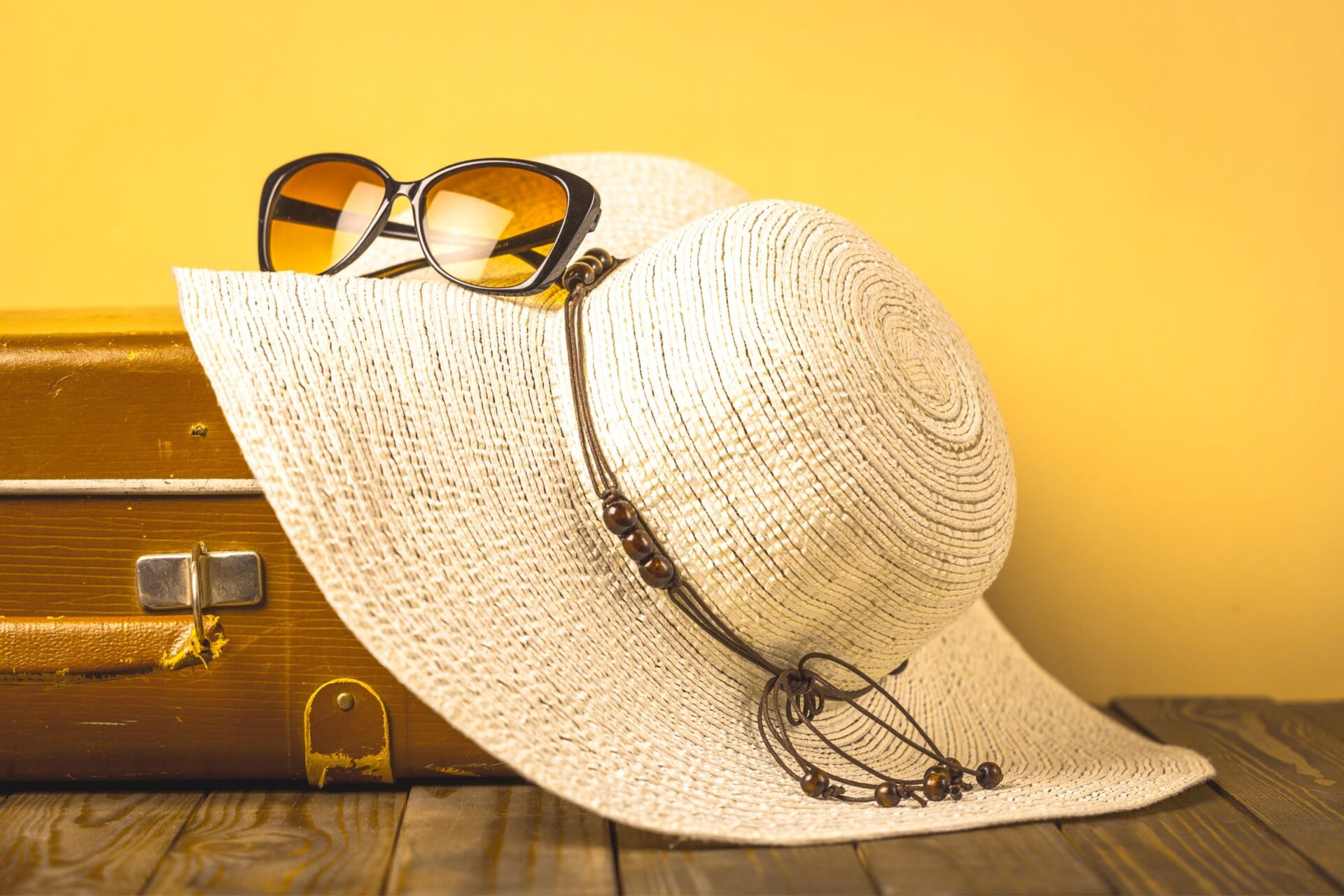
Packing the right gear saved me a lot of discomfort. Here’s what I always bring:
- Filtered masks: Protects your lungs from the dust.
- Sunglasses: Shields your eyes from dust and the glaring sun.
- Light scarf or bandana: Easy to pull over your mouth and nose outside.
- Plenty of water: Staying hydrated feels way more important.
- Moisturizer and lip balm: The dry air can irritate skin and lips fast.
I keep sunscreen and goggles in my bag, too. For outdoor activities or fieldwork, protecting electronics and notes from dust is a must.
Waterproof bags or ziplock pouches work great for my GPS and field notes when I’m mapping or recording observations.
It’s smart to check local travel updates. Roads or flights sometimes get delayed due to poor visibility.
Expecting these disruptions made my trips smoother and less stressful.
The Science Behind the Storm: Climate Connections and Geology
When the sky in the Canary Islands turns a hazy gold and dust coats every surface, it’s not just random. There’s a mix of geology, climate science, and history at work. I’ll try to break down what’s really going on beneath the Calima’s dusty veil.
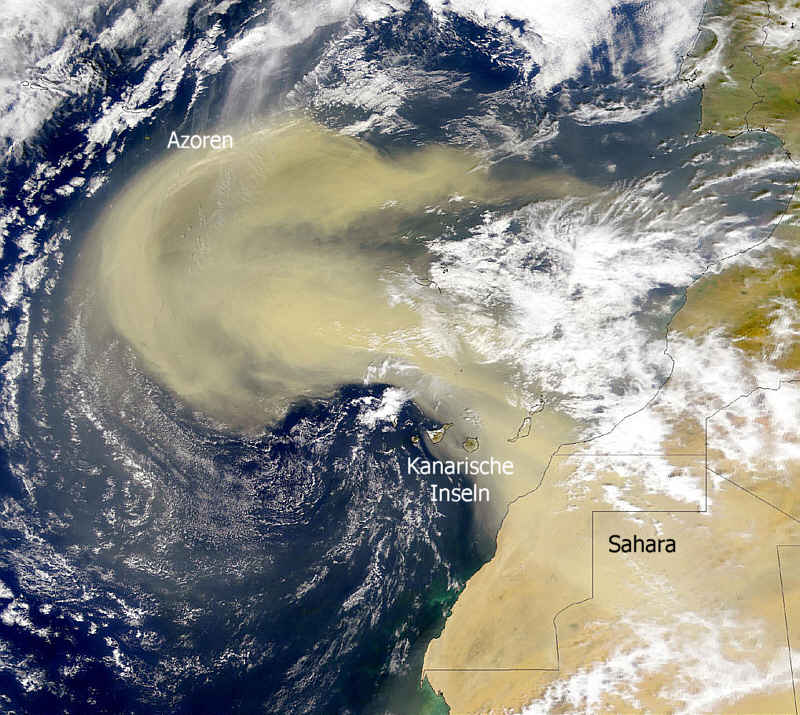
Image Source: Wikimedia Commons
Volcanic Activity and the Canary Islands
Volcanoes created the Canary Islands millions of years ago. Their dramatic mountains shape the weather, too.
The islands sit near the edge of the African Plate, close to the oceanic crust of the Atlantic.
The Nazca and Caribbean Plates don’t directly cause Calima, but the lithosphere here is active. Volcanic rock influences soil moisture and even how dust settles.
Magnetic anomalies, caused by old volcanic flows, sometimes show up in geology studies. On windy days, I’ve noticed dust clings to volcanic stones more than to other surfaces.
It’s a small thing, but it hints at a deep natural connection.
Geological Features of the Atlantic Basin
The Atlantic Basin’s giant abyssal plain stretches between Africa and the Canaries. It acts as a highway for dusty winds.
Tectonic activity carved out this seabed, shaping the flow of air and dust across the ocean.
Structures beneath the basin, especially in the oceanic crust, act like invisible fences. They help guide the wind currents that carry Saharan dust from Africa, through the basin, and into the Canary Islands.
It amazes me that this dust can travel thousands of kilometers. The dust, loaded with tiny minerals, sometimes falls into the Atlantic, feeding tiny sea life before it lands on my window ledge.
It’s a chain reaction, connecting geology and everyday life.
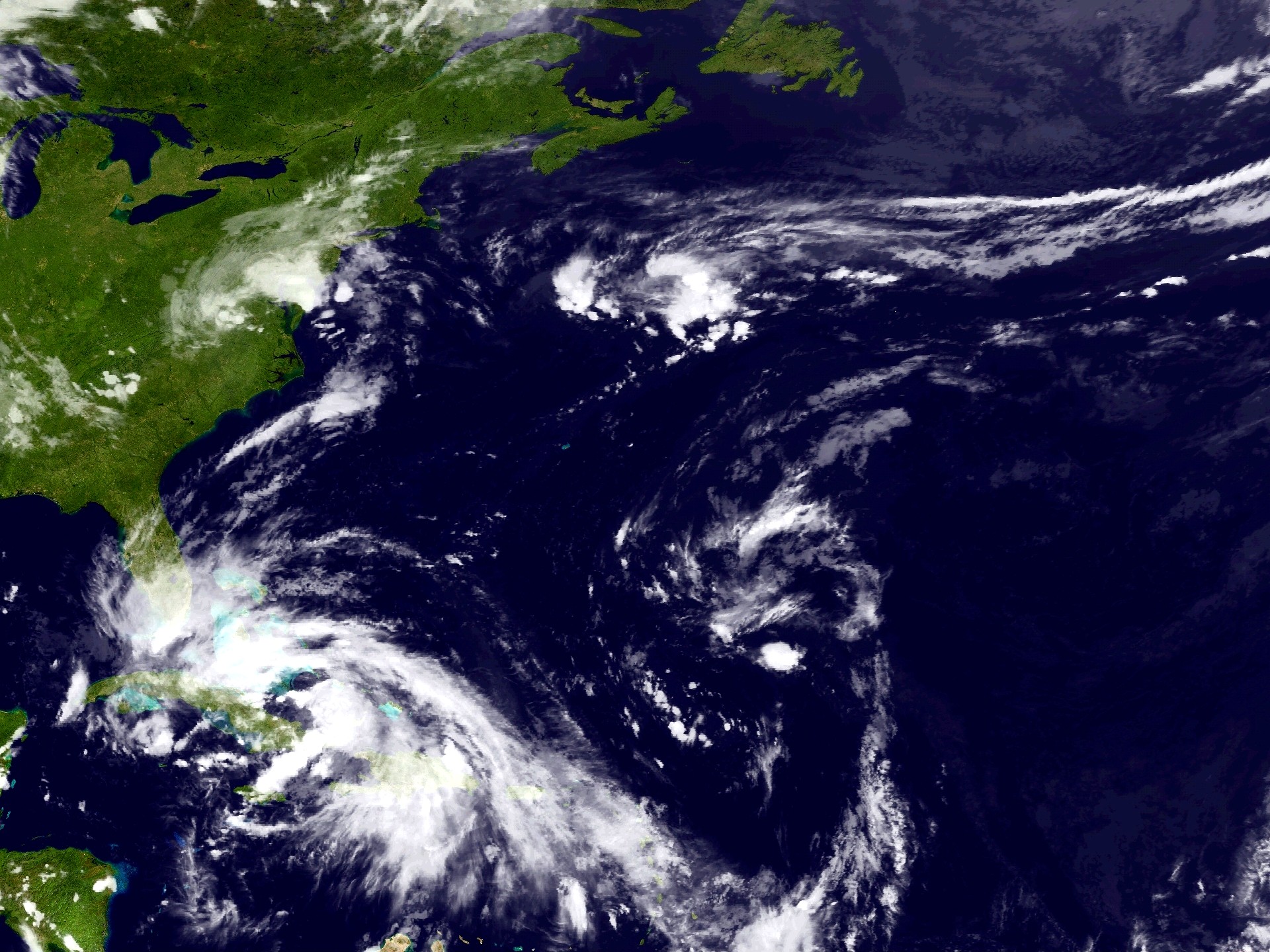
Image Source: Flickr
Modern Climate Models and Predicting Calima
Climate scientists use advanced models to predict Calima events. These models measure things like soil moisture, geopotential height, and air pressure.
I’ve read that the empirical orthogonal function technique helps spot climate patterns, including dust transport linked to the ENSO-mode (El Niño–Southern Oscillation).
Weather apps I use now track dust clouds in real time with satellite data. It’s handy when I’m planning hikes or outdoor photography.
The forecasts aren’t perfect, but they give travelers like me a helpful heads up before the sky turns orange.
Knowing when a Calima might hit helps locals and visitors plan their days and avoid breathing in too much dust.
Historical and Cultural Perspectives on Calima in the Canary Islands
Traveling through the Canary Islands, I quickly realized how deeply the Calima weaves into both the landscape and the lives of those who call these islands home. This Saharan dust wind isn’t just a weather event—it’s a force that has shaped traditions, trade, and even the stories passed down through generations.
From Ancient Encounters to Modern Understanding
People in the Canary Islands have known about the Calima for centuries. Ancient Canarian communities learned to read the warning signs and adjusted their routines during the dense, dusty days.
Old diaries and local legends often mention sudden shifts in the wind, painting the sky orange and bringing a strange, dry heat.
Villagers closed windows and hung wet cloths at doorways to trap dust. Children stayed indoors. Farmers became experts at predicting the winds, knowing that crops could be damaged and livestock needed shelter.
Today, meteorologists predict the Calima days ahead, but this connection with the Sahara’s dust hasn’t really faded. Islanders still share folk tales and practical tips, blending old wisdom with new science every time the orange haze rolls in.
Alexander von Humboldt and Travels to the Equinoctial Regions
The well-known explorer Alexander von Humboldt landed in the Canary Islands back in 1799. He spent a lot of time writing about his experiences with the Calima while he stayed on Tenerife.
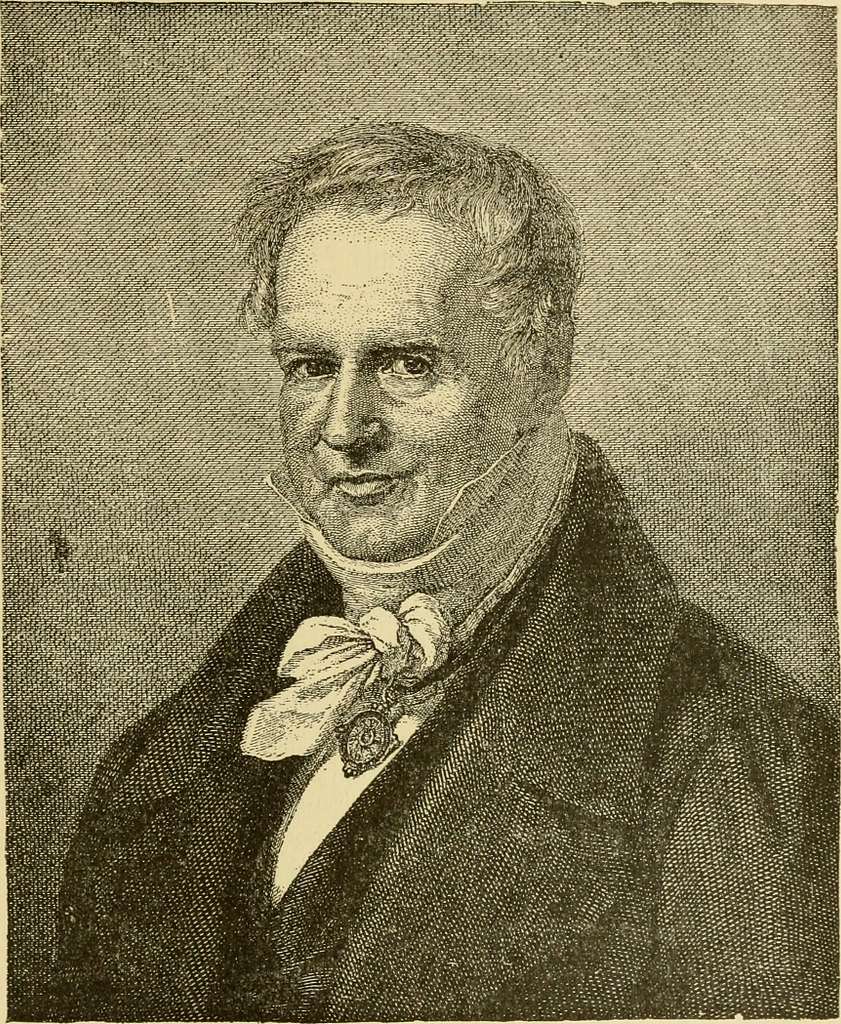
In his Travels to the Equinoctial Regions of the New Continent, Humboldt described the dust-laden winds in vivid detail. His notes actually count among the first scientific observations of these winds.
He measured air quality and temperature himself. He also paid attention to how locals reacted to the Calima.
Humboldt traced the dust storms back to the Sahara. He explained how the winds sweep from Africa and reach the Canary Islands, crossing the Atlantic.
Later on, in his Political Essay on the Island of Cuba, Humboldt talked about the bigger picture. He wondered how these winds might shape external trade or even daily routines.
Honestly, I find it pretty inspiring how Humboldt mixed local stories, his own curiosity, and scientific thinking. He left a mark that still matters to travelers and researchers today.
The Calima’s Impact on Trade, Agriculture, and Society
Calima events have shaped more than just the weather in the Canaries. They’ve changed the economy and the daily rhythm of life across the islands.
Trade ships from Africa and Europe often changed their routes or waited out the storms. When the dust rolled in, ports filled up with a haze so thick you could barely see the docks. Commerce sometimes stalled, and important shipments sat in limbo while merchants watched the sky for any sign of a break.
Agriculture took a big hit. Fine Saharan dust blanketed crops, making it tough for farmers to work during the worst Calima days. Orchards, grape vines, and bananas—these are the crops many families depend on—could suffer from the gritty air and bone-dry winds.
Farmers would gather, swapping stories and advice, leaning on knowledge their grandparents handed down. They kept an eye on the weather, always hoping the dust would lift before it ruined a harvest.
Society itself had to adapt. People changed their routines, sometimes staying indoors or covering their faces with scarves. The Calima worked its way into family histories, old songs, and even local art.
Somehow, the dust storms managed to tie the present to the past. Stories and traditions survived, passed along like treasures found in the heart of the storm.

