
There’s just something about crossing the Guadalquivir River into Triana as the sun sets over Seville. Each step across the bridge builds anticipation, hinting at a night packed with flavor and discovery in one of Andalusia’s most iconic neighborhoods.
Triana is where I stumbled onto some of the most authentic tapas experiences—local bars dishing up everything from grilled pork loin to mushrooms piled high with garlic.
Wandering these lively streets, I saw every bar had its own personality, shaped by years of tradition. The chatter of locals, clinking glasses, and the scent of sizzling food turned my search for the best tapas into a real adventure.
The most memorable places? They’re often tiny and easy to miss, but those hidden spots usually hold the real spirit of Seville.
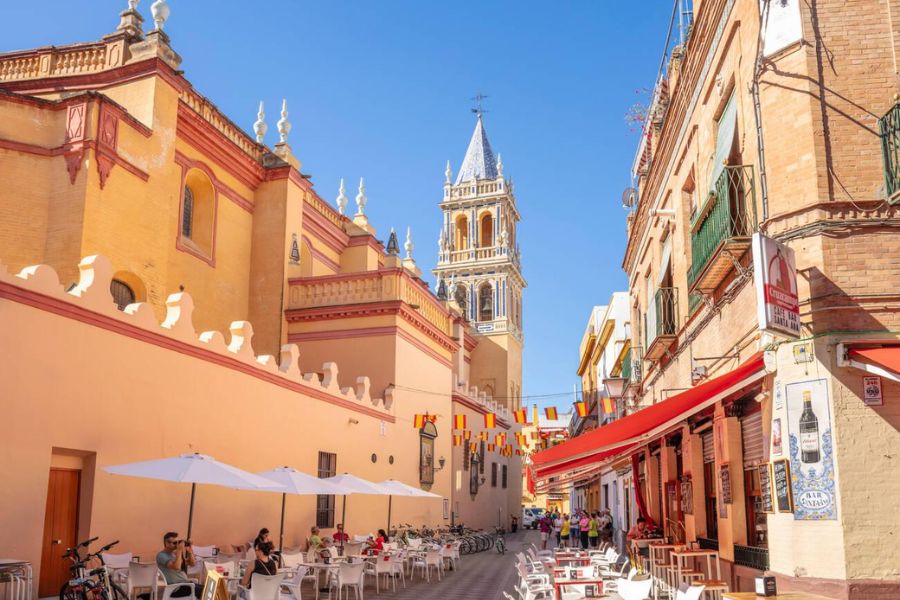
If you want to taste genuine Andalusian flavors, Triana should be your first stop. On this side of the city, it’s not just about the food—it’s a peek into daily life, where every tapa has a backstory and every meal feels like a party.
Why Triana Is Synonymous With Authentic Tapas
Stepping into Triana feels like diving right into Seville’s food culture. Old family-run bars and bustling markets show off flavors steeped in tradition and pride for Andalusian cuisine.
Each street brings something new to taste, all rooted in local history and ways of living.
Triana’s Rich Culinary Heritage
Triana’s kitchens mix memories and family recipes. The neighborhood’s close ties to the Guadalquivir River bring in fresh fish and other ingredients right from the docks.
With its working-class roots, the food here isn’t fancy, but it’s always honest and bursting with flavor.
Classic tapas bars serve up espinacas con garbanzos (spinach with chickpeas) and montaditos (little sandwiches). Simple tile floors and old photos on the walls show the pride locals feel for their food.
I found the vibe relaxed and welcoming, with groups laughing over sherry and plates of shared tapas.
Many Triana chefs learned their skills from grandparents in home kitchens. That’s probably why every plate seemed to tell a story.
Tapas in Triana aren’t just a meal—they’re a way to connect with the neighborhood’s past.
Comparison With Other Seville Neighborhoods
Triana feels all about locals, unlike the tourist-heavy Barrio Santa Cruz. Sure, tourists wander through, but not in the same crowds you’ll see elsewhere in Seville.
That makes it easier to find down-to-earth bars where regulars gather every night.
Santa Cruz bars sometimes look more polished and cater to out-of-towners. In Triana, tables might not match, and menus are often handwritten in Spanish.
Honestly, I prefer it this way—there’s less pressure to rush, and even if your Spanish isn’t perfect, you’ll still get a friendly welcome.
Triana’s tapas bars focus on serving the people who live nearby, not just visitors. This keeps the food traditional and the prices fair.
For real Andalusian flavors, skipping the city center for a night in Triana ended up as my favorite move.
Southern Spain’s Influence on Tapas Culture
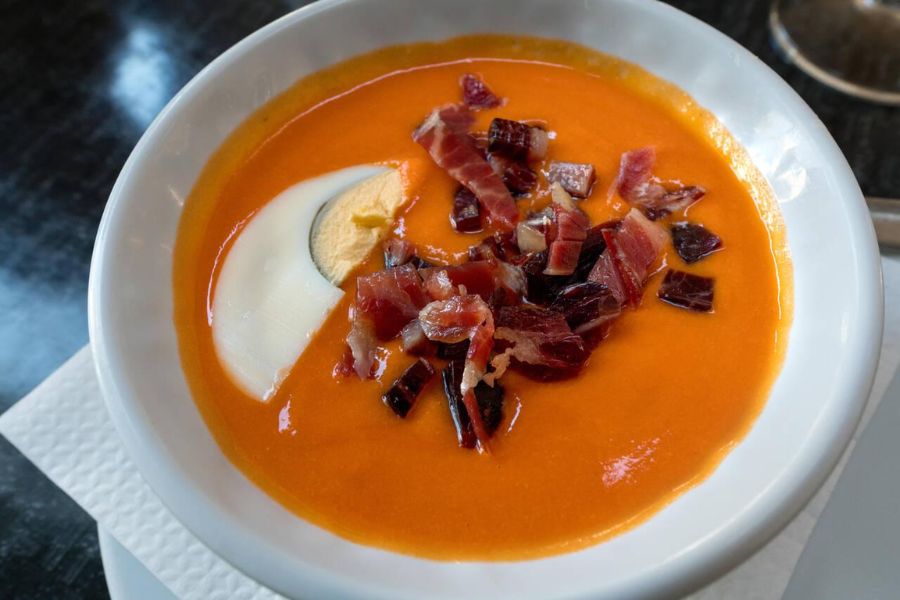
Triana’s tapas really capture the heart of southern Spain. Dishes like salmorejo (a thick tomato dip) and bacalao (salted cod) pop up on menus everywhere.
Ingredients come straight from Andalusian farms and rivers, so everything tastes fresh and true to the region.
I could pick up Moorish influences in some dishes—cumin and sweet paprika sneak in, along with plenty of olive oil, garlic, and fresh herbs.
Eating tapas in Triana made it clear: southern Spain loves sharing food, swapping stories, and stretching out the evening.
Locals work hard to preserve old traditions, blending them with what’s in season around Seville.
Every trip to Triana gave me a better sense of why southern Spain is so famous for its communal, authentic way of eating.
Crossing The Bridge: A Nighttime Stroll Into Local Flavor
Walking from Seville’s center to Triana at night feels like a whole new world. The sights, sounds, and smells of the river and bridge set the scene for some of the city’s best tapas.
The Significance of Puente de Triana
The Puente de Triana (Triana Bridge) isn’t just a crossing over the Guadalquivir—it’s woven into Seville’s story.
Built in the 19th century, this iron bridge links the bustling city center with Triana’s historic streets. Locals often use it as a meeting spot.
Crossing the bridge, I felt everything shift—from the city’s busy pace to the relaxed streets where tiny tapas bars line every corner.
At night, the bridge glows under streetlights, footsteps echo, and street performers play nearby while friends gather and laugh.
The bridge has deep roots in local culture. Generations have crossed it for festivals, flamenco, or just a night out with good food and conversation.
If you’re chasing authentic tapas, the walk over the Puente de Triana is where the real adventure begins.
Scenic Riverside Views and Atmosphere
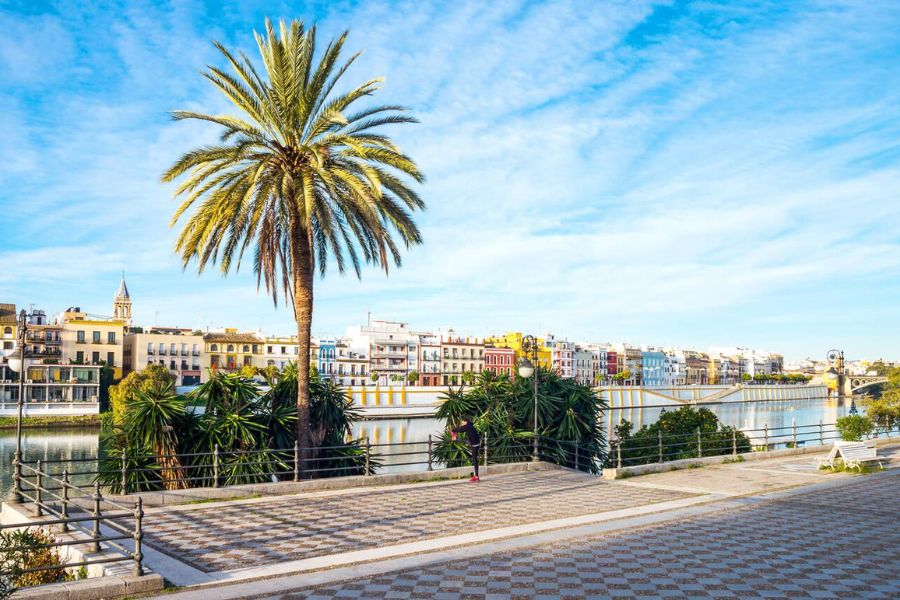
From the bridge, the Guadalquivir River sparkles with the reflection of Seville’s orange streetlights. The view always grabs me.
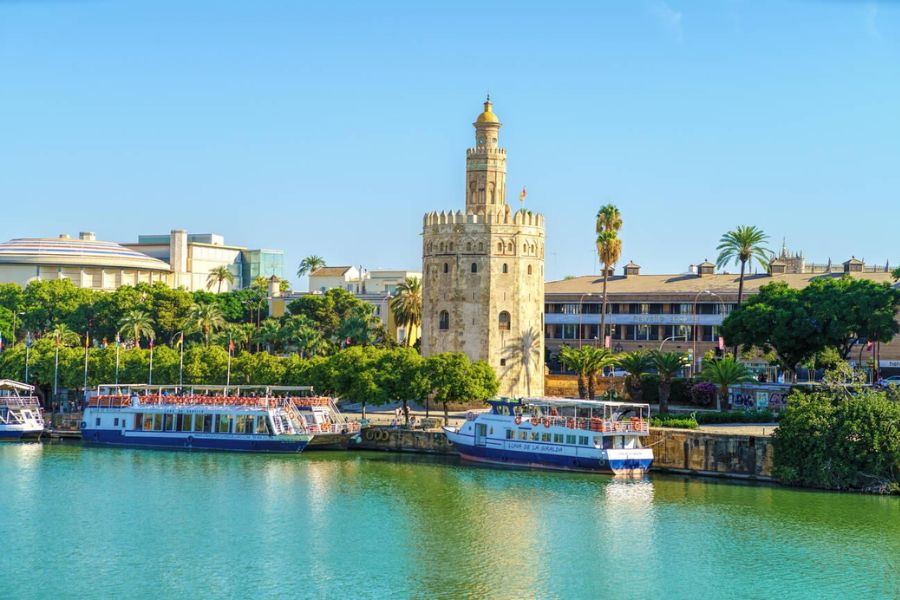
On one side, the Torre del Oro stands out against the night sky. Along the riverbanks, couples stroll, friends laugh on benches, and families enjoy the evening air.
Walking beside the river, I felt grounded in the moment. The smell of grilling seafood and garlic drifts up from open windows and restaurants.
The energy here feels different—less rushed, more open and real.
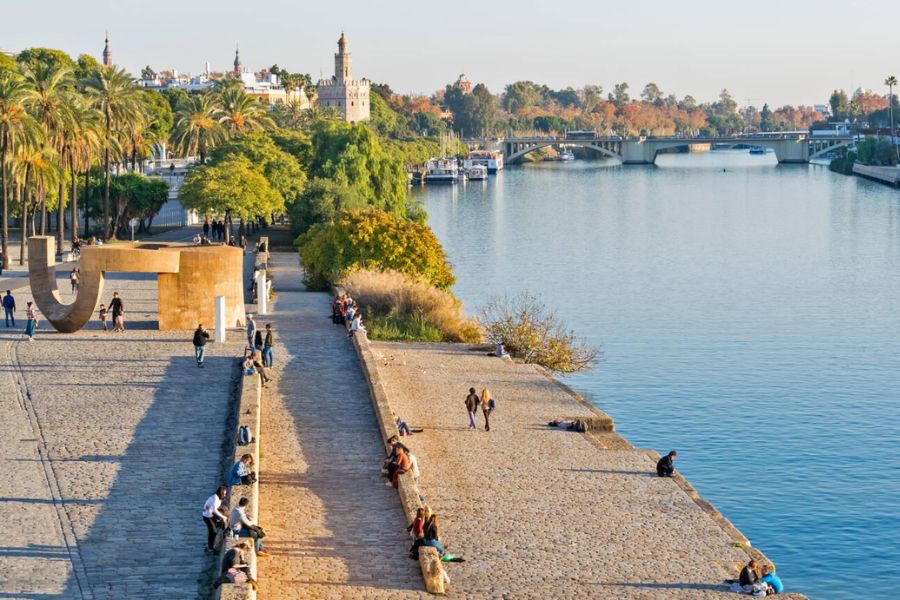
Outdoor terraces invite you to sit, sip something cold, and watch boats float by. Street musicians sometimes play gentle Spanish guitar, adding to the laid-back vibe.
It’s obvious why locals finish their day here, trading stories over tapas with that view in the background.
Tip: I always pause on the bridge to snap a photo or just take it all in before heading into Triana’s nightlife. It’s a spot that reminds me—eating out in Seville is about the senses and the setting, not just the food.
Hidden Gems: Where Locals Really Eat Tapas in Triana
Far from Seville’s crowded center, Triana opens up a world of family-run tapas bars, seasonal flavors, and true Andalusian charm.
Every place tells its own story, from handwritten menus to bars packed with locals who know exactly what to order and when to show up.
Uncovering Family-Owned Tapas Bars
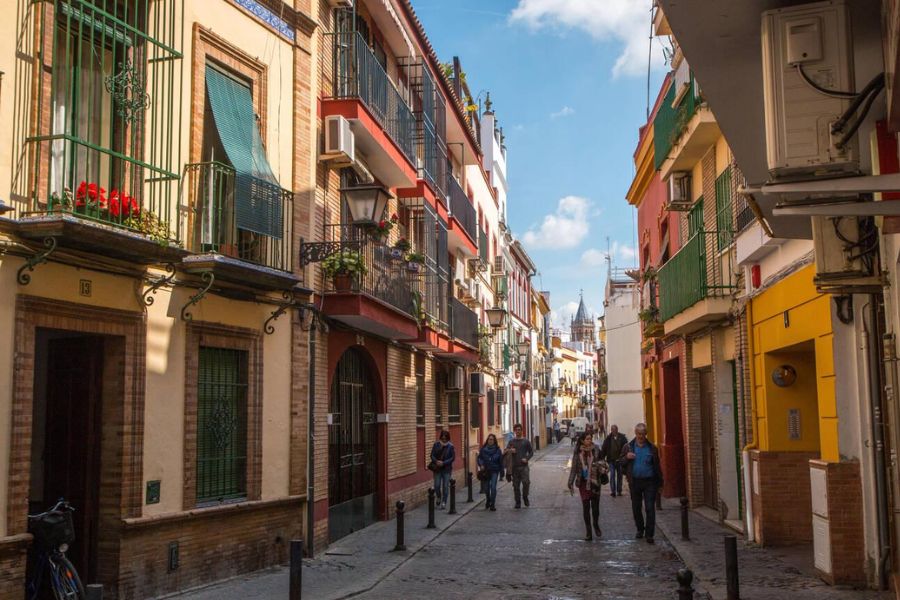
As I wandered Triana’s narrow streets, I quickly realized that locals skip the trendier, touristy places. They pack into the smaller family-owned bars tucked in corners or hidden behind bright tiles.
Places like Casa Cuesta, with its old wooden bar and vintage photos, just ooze Seville spirit.
Here, recipes often pass down through generations. I chatted with owners who still cook their mother’s slow-stewed pork cheek or slice jamón by hand.
Service can be quick, but it’s always warm—a sure sign you’ve found a local favorite, not a spot just for visitors.
Here’s what I look for in a true tapas haunt:
- Handwritten chalkboard menus
- Locals crowding the bar, usually standing
- Classic Andalusian tiles and old-school decor
- Seasonal specials scribbled up for the day
Best Seasonal Tapas Dishes to Try
Menus in Triana change with the seasons. In spring, I found grilled artichokes with olive oil and tiny fried anchovies.
Summer brings out fresh tomatoes and cold salmorejo—a chilled tomato and bread soup topped with egg and jamón.
When the weather cools, it’s time for heartier dishes like slow-cooked pork cheek (carrillada de cerdo) or stews with chickpeas, spinach, and local spices.
Sometimes, bartenders suggested I try a tapas sampler so I could taste a bit of everything. Many places set up a table or chalkboard with their seasonal picks:
| Season | Recommended Tapas |
|---|---|
| Spring | Grilled Artichokes, Fried Fish |
| Summer | Salmorejo, Tomato Salads |
| Fall/Winter | Pork Cheek Stew, Spinach & Chickpeas |
Navigating Crowds: Timing Your Visit
Scoring a spot in a real local bar is all about timing. Most places open at 8:00 p.m., but locals don’t show up until closer to 8:30.
If I got there just before the rush, I usually grabbed a cozy seat at the bar.
Weekdays are quieter than weekends. Fridays and Saturdays? The lines can snake out the door by nine.
Lots of bars don’t bother with reservations, so standing and sharing space with strangers is just part of the fun.
Early weekdays are best for a more relaxed vibe and a chance to chat with the bartender.
Here’s my quick tip list for timing:
- Arrive before 8:30 p.m. for the best seats
- Weekdays mean fewer crowds
- Be ready to stand and mingle in smaller spots
With a little planning, eating my way through Triana’s hidden tapas bars became one of my top Seville memories.
Ordering Tapas Like a Local: Tips and Etiquette
Walking into a tapas bar in Triana felt both exciting and a bit daunting. Andalusian dining has its own rhythm and rules, so I watched the locals closely to see what made the experience so lively and real.
Local Customs at Tapas Bars
The first thing I picked up on? The casual, buzzing atmosphere. Most people stand at the bar, chatting with friends or even strangers, while bartenders shout orders over the noise.
It’s normal to start with a simple “Buenas tardes” and order drinks first, then take your time checking out the chalkboard menu for food specials.
Locals don’t order everything at once. They pick a couple of dishes, then order more as they go. This keeps things relaxed and lets everyone follow their cravings.
Sharing is expected, and sampling different plates with your group means you get to taste more without committing to just one thing.
No need to rush—tapear in Andalusia is as much about hanging out as it is about eating. When I wanted to pay, I just caught the bartender’s eye and settled up at the end. Keeping an open tab until you’re finished is totally normal.
Tipping isn’t required, but a few coins on the plate is always appreciated.
Pairing Tapas With Andalusian Drinks
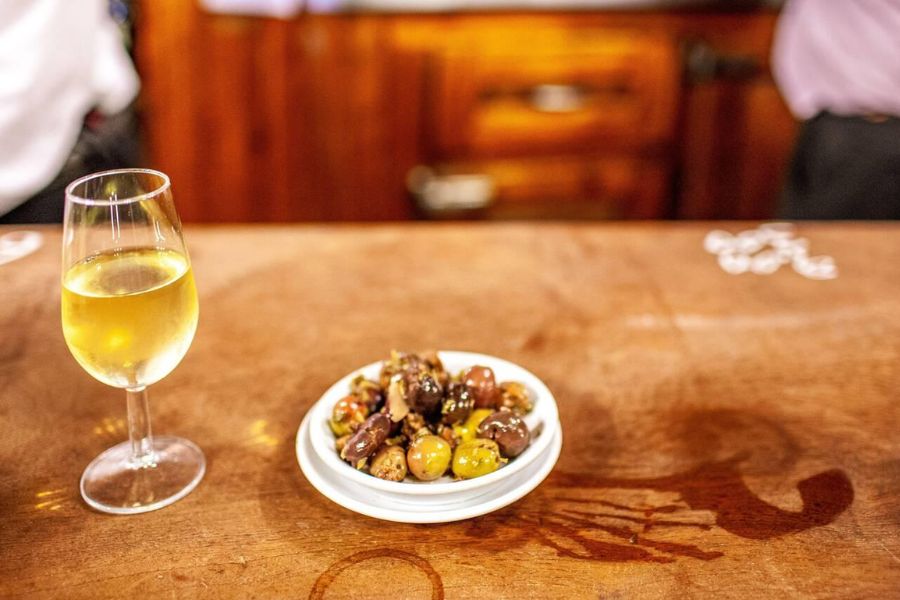
The right drink can really make the food shine. In Triana, I saw locals sipping fino sherry, manzanilla, or a cold draft beer called “caña.”
Wine is popular too, especially local reds and dry whites that go well with all sorts of tapas.
I picked up a few classic pairings. Tortilla española or croquetas taste even better with a crisp white wine.
Salty jamón ibérico pairs beautifully with dry sherry. Lots of people start the evening with a sweet or semi-sweet local vermouth over ice and a slice of orange.
Here’s a quick table I made from my night out:
| Tapas Dish | Drink Pairing |
|---|---|
| Gambas al ajillo | Fino sherry |
| Salmorejo | Dry white wine |
| Chorizo al vino | Red wine |
| Cheese & olives | Manzanilla sherry |
| Fried fish | Refreshing caña |
Mixing and matching is encouraged, so I tried out different combos. Each one gave me a new glimpse into Seville’s lively food culture.
Triana’s Broader Role in Andalusian and European Tapas Culture
Strolling through Triana, I realized the neighborhood’s food scene isn’t just about Seville. It connects deeply with the history and traditions of all Andalusia.
The tapas here offer a taste of southern Spain’s rich influences, and you can spot echoes of similar dining styles in other cities and even across Europe.
Connections With Cordoba and Granada
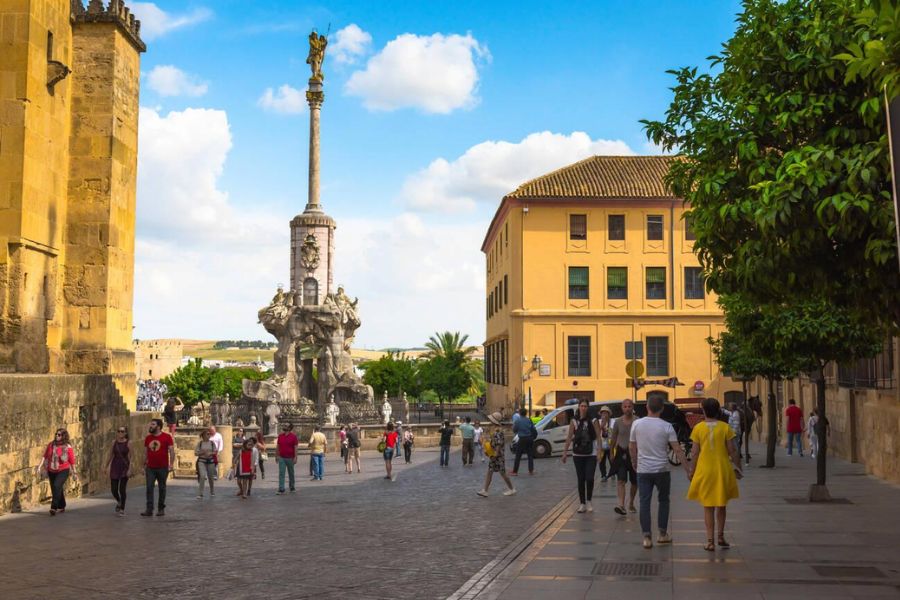
Triana’s tapas bars instantly take me back to the lively food scenes in Cordoba and Granada. Every city in Andalusia seems to have its own favorite dishes, but there’s this shared obsession with small plates and communal meals.
In Cordoba, I usually order salmorejo—a thick, cold tomato soup—served up with slices of jamón. Triana’s bars put their own spin on it, playing with traditional flavors and tossing in a few modern twists.
Granada keeps the tradition of handing out free tapas with drinks alive. Triana does the same, and I’ve noticed the generosity feels familiar, even if the dishes change from place to place.
In Triana, slow-cooked pork cheeks and croquetas show up a lot. Over in Granada, you’re more likely to get fried fish or some local cheese.
Honestly, walking into a bar in Triana feels like a shortcut into the heart of Andalusian tapas culture. Everything’s simple, packed with flavor, and all about sharing—just the way southern Spain seems to love it.
How Triana’s Tapas Compare Across European Countries
After wandering through Triana and tasting its tapas, I couldn’t help but think about similar small-plate traditions in other parts of Europe. Spanish tapas definitely carry their own Andalusian twist, but you’ll spot cousins of the idea elsewhere—like Venice’s “cicchetti” or the Greek “meze.”
Triana’s tapas really shine because locals use whatever’s fresh and in season. You’ll find grilled pork loin, marinated olives, and all sorts of seafood—these dishes feel like they belong to the neighborhood.
People crowd into bars, swapping stories and laughter. That kind of open, lively vibe? It’s honestly tough to find anywhere else.
Sure, France has its apéritif culture with little bites, but in Andalusia, folks wander from bar to bar, sharing snacks and making friends. Triana keeps that spirit alive, mixing Spanish, Moorish, and Roma influences in every plate.
If you want a real taste of southern Spain, I’d say Triana should be at the top of your list.
