
Tucked into the hills of northern Greece, Veria quietly guards some of the most breathtaking Byzantine art in the country.
Each church hides its own masterpiece—faded frescoes, golden mosaics, and painted icons that have survived for centuries.
Veria is a must-see for art lovers craving the heart of Byzantine tradition up close, far from the bustle of Athens or Thessaloniki.
My journey through Veria’s churches honestly felt like a real pilgrimage.
I wandered narrow streets, ducked into old stone chapels, and stumbled upon treasures most tourists never find.
This city offers a special kind of quiet wonder.
Anyone searching for authentic beauty, history, and spiritual meaning will find them all woven together here.
If you’re planning an art-focused trip to Greece, I can’t recommend Veria enough.
The mix of local life, ancient history, and hidden masterpieces makes every step feel rewarding.
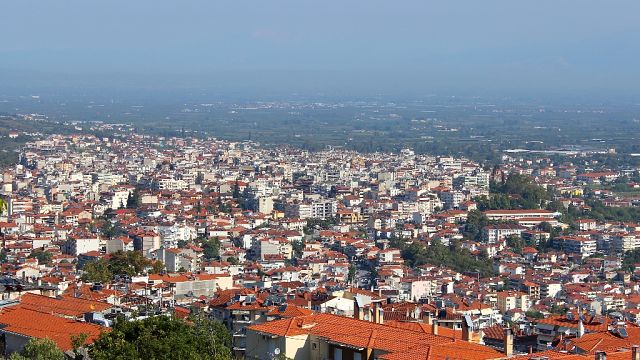
The Allure of Veria: A Byzantine Haven
Veria’s streets pulse with stories from the past.
The city’s churches connect visitors to centuries-old faith, artistry, and regional pride.
Historical Roots of Veria’s Byzantine Churches
As I walked through Veria, I found more than 40 Byzantine and post-Byzantine churches, some tucked down quiet alleys.
Many date back to the 10th and 11th centuries, built during Byzantium’s peak in northern Greece.
Veria served as an administrative center for the Byzantine Empire in Macedonia.
This brought in wealth and skilled artisans, who filled church interiors with vivid icons, frescoes, and mosaics.
Some churches—like the Church of Christ or St. Paul’s—still display their original wall paintings after hundreds of years, which is honestly amazing.
Each church shares a different part of Veria’s long story.
Sometimes I wandered into a chapel still used for daily worship, where flickering candles and the scent of incense made ancient history feel close and real.
UNESCO Recognition and Cultural Heritage
Veria’s Byzantine heritage gets international recognition.
Several churches are part of the UNESCO World Heritage “Paleochristian and Byzantine Monuments of Thessaloniki” listing, which highlights their cultural value well beyond Greece.
UNESCO status helps protect these masterpieces from neglect and the creep of modern development.
Local and regional administrations work hard to fund conservation.
At many sites, I spotted detailed plaques in both Greek and English—super helpful for internationals like me.
These churches aren’t just relics.
They’re active cultural landmarks.
Every visit supports ongoing efforts to safeguard Veria’s unique role in global Byzantine history and lets future generations experience the same wonder I did.
Byzantine Studies in the Modern Era
Today, scholars, artists, and travelers keep exploring Veria’s legacy.
International conferences and university partnerships focus on Byzantine art and history here.
Art historians often visit Veria to research, drawn by the quality and variety of its icons.
Modern technology reveals hidden frescoes and helps study building techniques without causing damage.
Guided walking tours show how Veria’s churches blend local Macedonian traditions with broader Byzantine trends.
Each visit honestly feels like a mini art history lesson.
Tips
- Ask local guides about restoration projects—they’re usually eager to share stories about new discoveries.
- Many churches are open for free or with a small donation, so exploring is easy on the travel budget.
Stepping Into Sacred Space: Veria’s Hidden Masterpieces
Every corner of Veria seems to hold a church with secrets waiting to be discovered.
Byzantine art comes alive through intricate iconography, colorful embroidery, and centuries-old eikon.
I could feel the stories of saints and artisans in the glow of candlelight and the lines of every inscription.
Notable Churches Beyond the Tourist Path
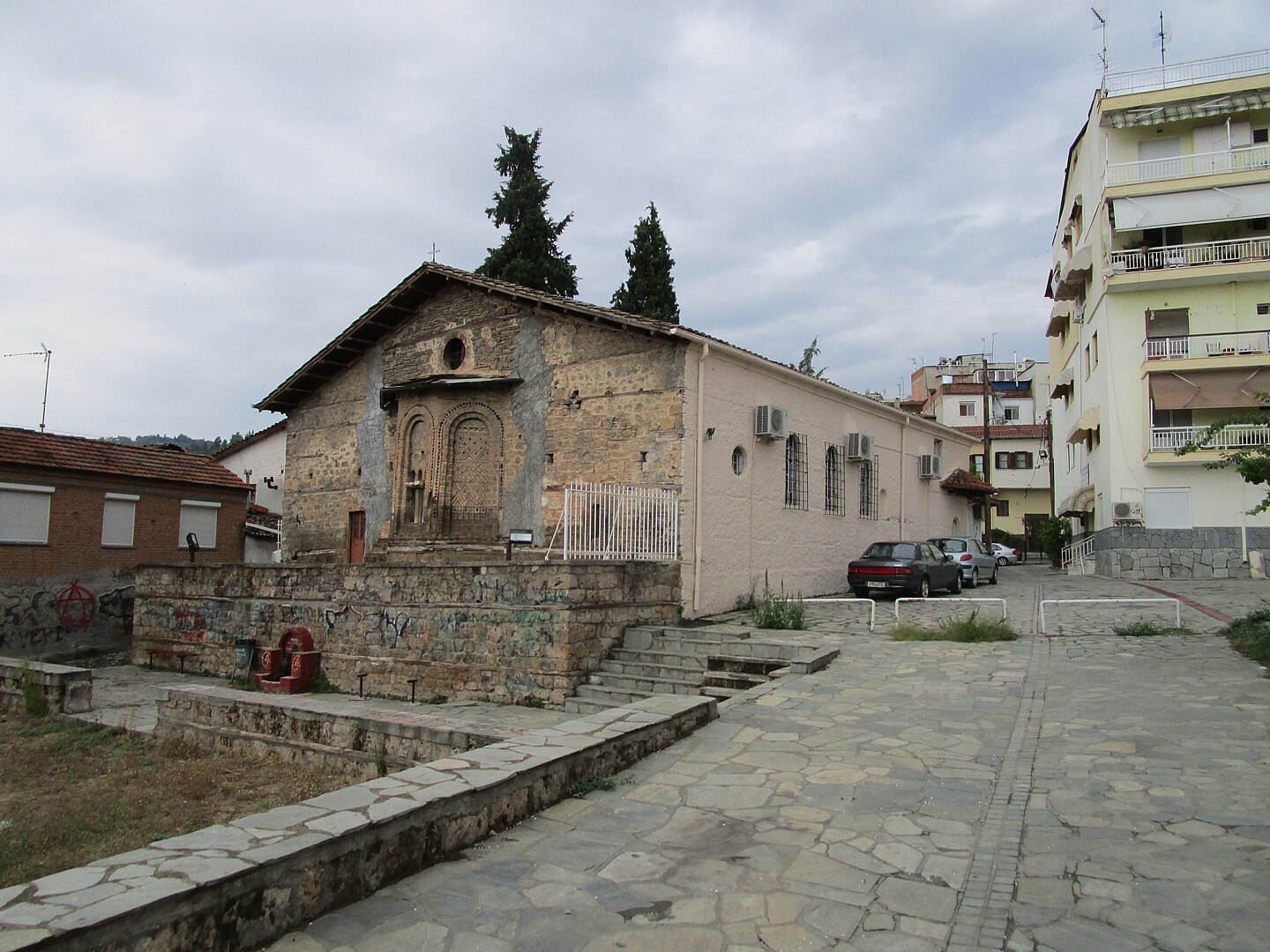
Leaving the main square, I explored churches only a few visitors ever find.
Osios Patapios Church stood quiet, with faded frescoes showing daily life and miracles.
At Panagia Dovra, domed ceilings were covered in centuries-old iconography—each saint’s face painted with stunning detail.
Churches like Agios Antonios and Agios Nikolaos were even less known.
Sometimes I spotted a Byzantine inscription carved into a stone wall or a painted cross half-hidden behind a pillar.
The silence in these spaces made every brushstroke and mosaic shimmer with meaning.
Here’s a quick list of standout details I noticed:
- Faded warrior saints drawn in the apse.
- Hand-stitched altar cloths with gold thread.
- Ancient wooden icon screens gleaming with polish.
Warrior Saints and Rich Iconography
The walls in Veria’s old churches burst with images of warrior saints.
Saint George and Saint Demetrios appear again and again, always armored and full of movement.
These icons aren’t just pictures—they remind people of courage and faith.
The colors in the iconography still pop after centuries.
Red and gold catch the eye first.
The saints’ faces look serious and brave.
I often noticed swords and spears painted with fine detail, and sometimes, a Greek inscription beside each name told their stories.
These scenes shaped the prayers of people past and present.
They made me pause and look closer, learning to see not just the art, but the purpose behind every stroke of paint.
Eikon, Embroidery, and Artisanal Details
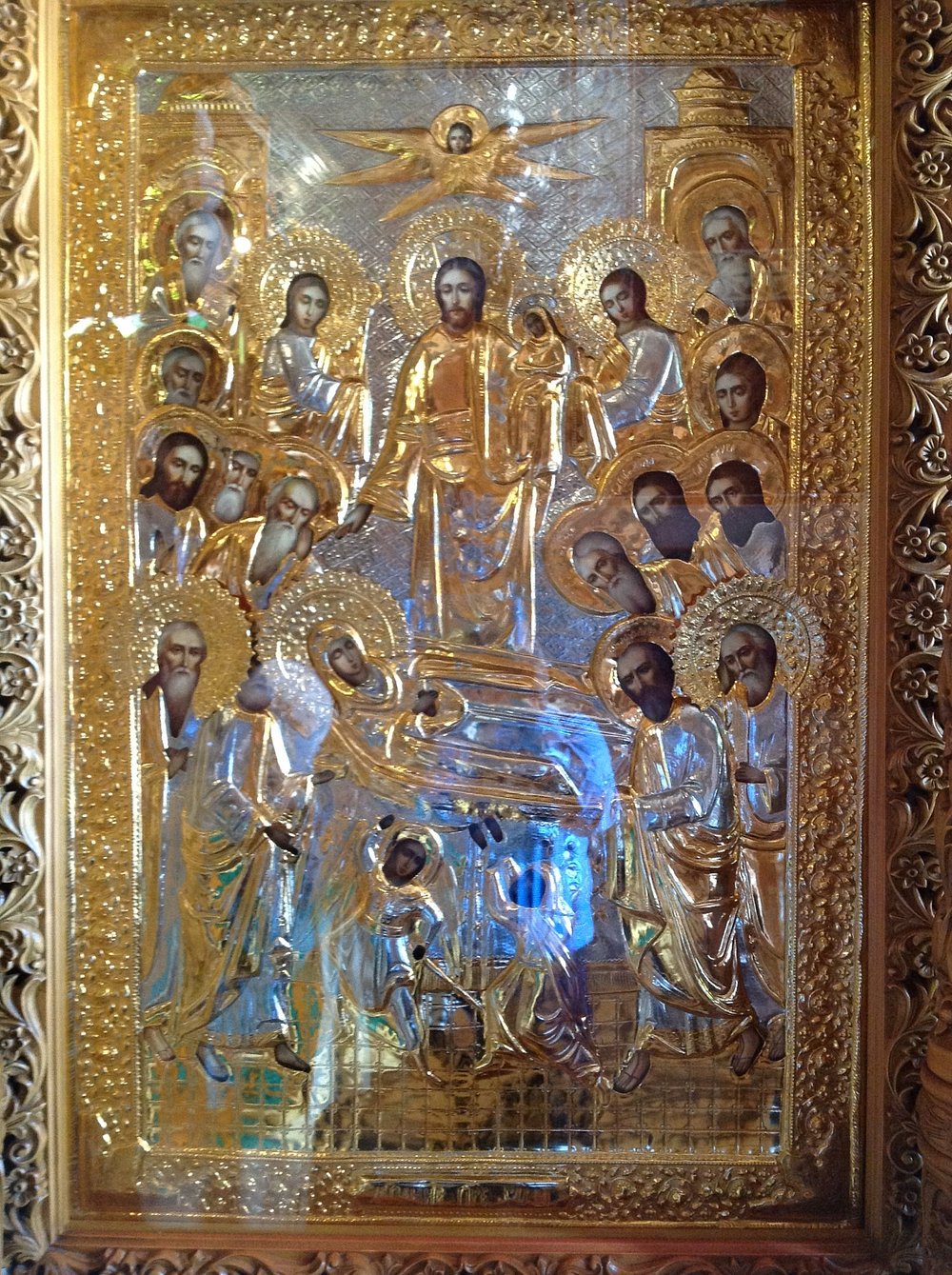
One of my favorite discoveries: small eikon set in silver frames, each one made by local hands.
Some icons were painted on wood, others embroidered right onto cloth.
As I stood in front of each, I traced the tiny beads and golden thread shining in the dim light.
The embroidery wasn’t just decoration.
Patterns of flowers and stars told their own stories.
Sometimes, a church’s altar wore a velvet cloth covered in crosses, stitched by hand.
In another, an old bishop’s robe hung near the nave, its edges sparkling with Byzantine designs.
What stuck with me most was the sense of craft.
In Veria, art lives in the details—every stitch, every brushstroke.
Even the oldest pieces kept their color, pride, and meaning close.
Art and Architecture: Experiencing the Wonder of Byzantine Design
Walking into Veria’s historic churches, I stepped into a world shaped by centuries of careful craft and reverence.
Every detail, from carved marble columns to glowing mosaics, shows the skill and faith of those who built and prayed here.
A closer look reveals how materials, ancient influences, and evolving history all come together in these buildings.
From Marble Columns to Mosaic Marvels
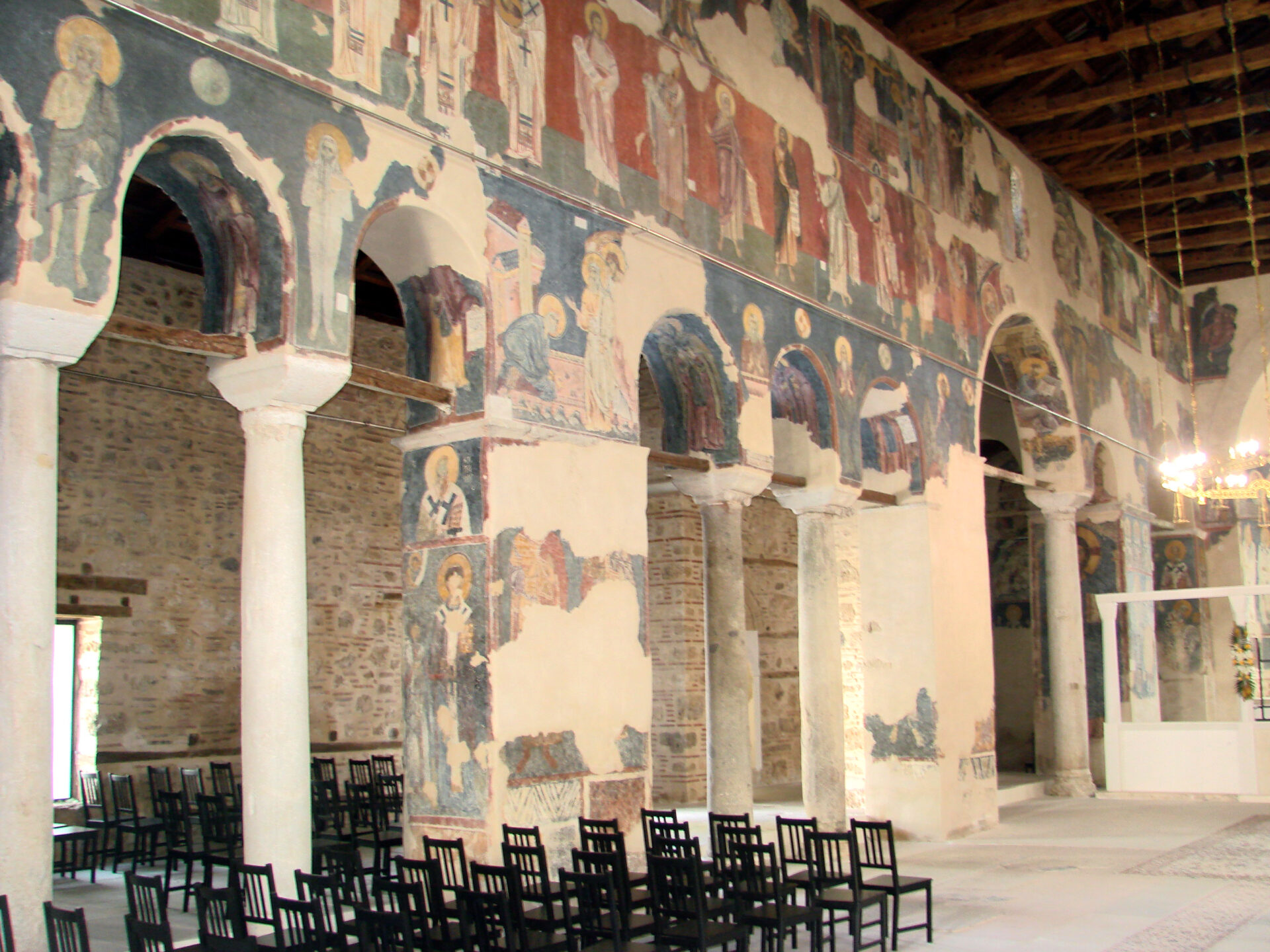
Inside these churches, my eyes always drifted to the columns lined up along the nave.
Their smooth marble, often salvaged from older Roman buildings, stands firm beneath soaring arches.
Each capital—sometimes simple, sometimes swirling with carved patterns—tells stories in stone.
But the true showstoppers? The mosaics.
They cover domes, apses, and walls, shimmering with tiny glass and gold tiles.
These scenes show saints, stories from scripture, and symbols of belief.
The mosaics don’t just decorate the churches—they shape the mood inside, bringing light and color even on the grayest days.
In some corners, I found crumbling frescoes layered behind the glittering tiles.
All these elements together create a visual tapestry that draws you in and makes each visit unforgettable.
Materials, Adaptation, and Preservation
Veria’s Byzantine churches use a practical mix of materials.
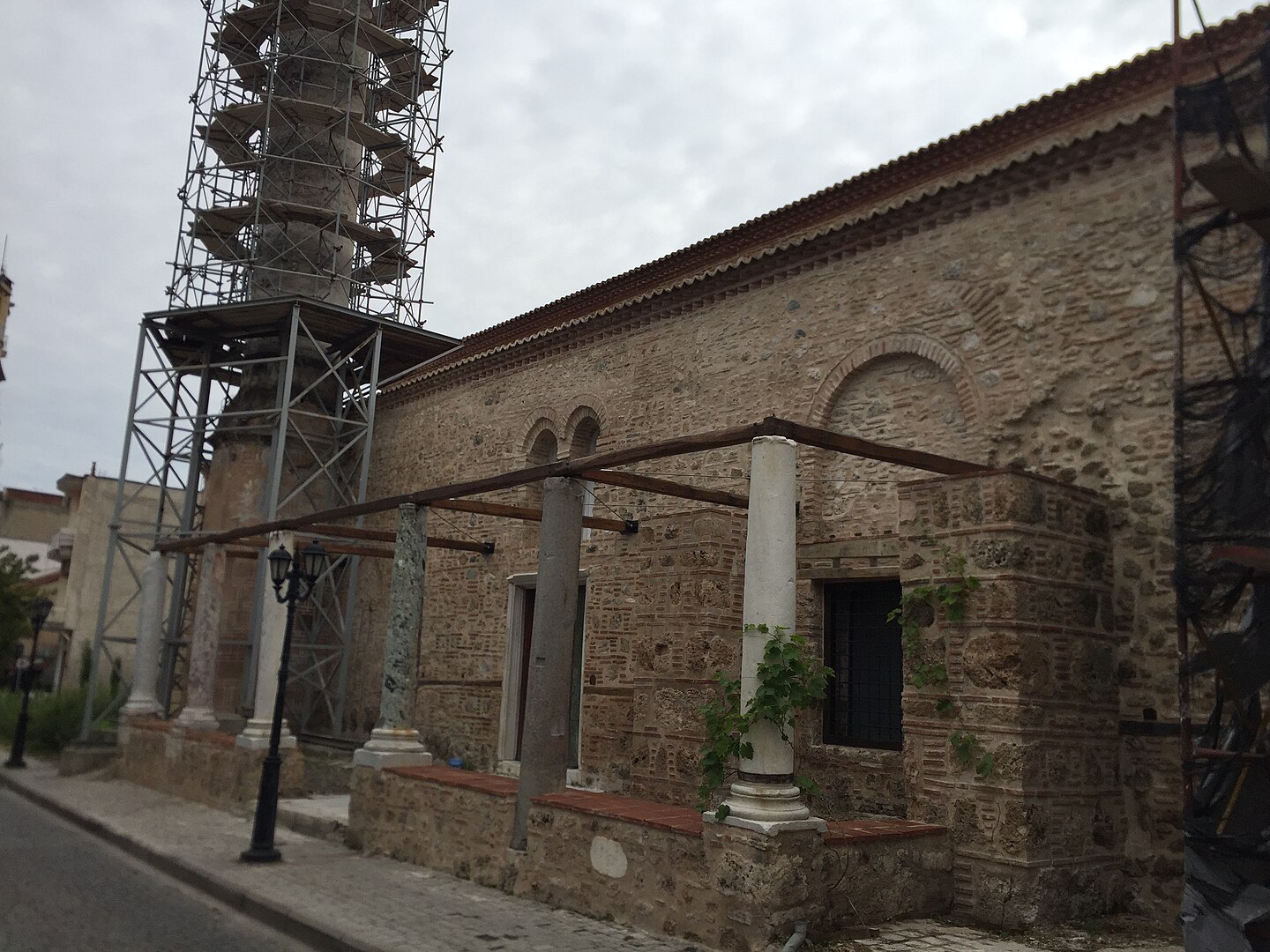
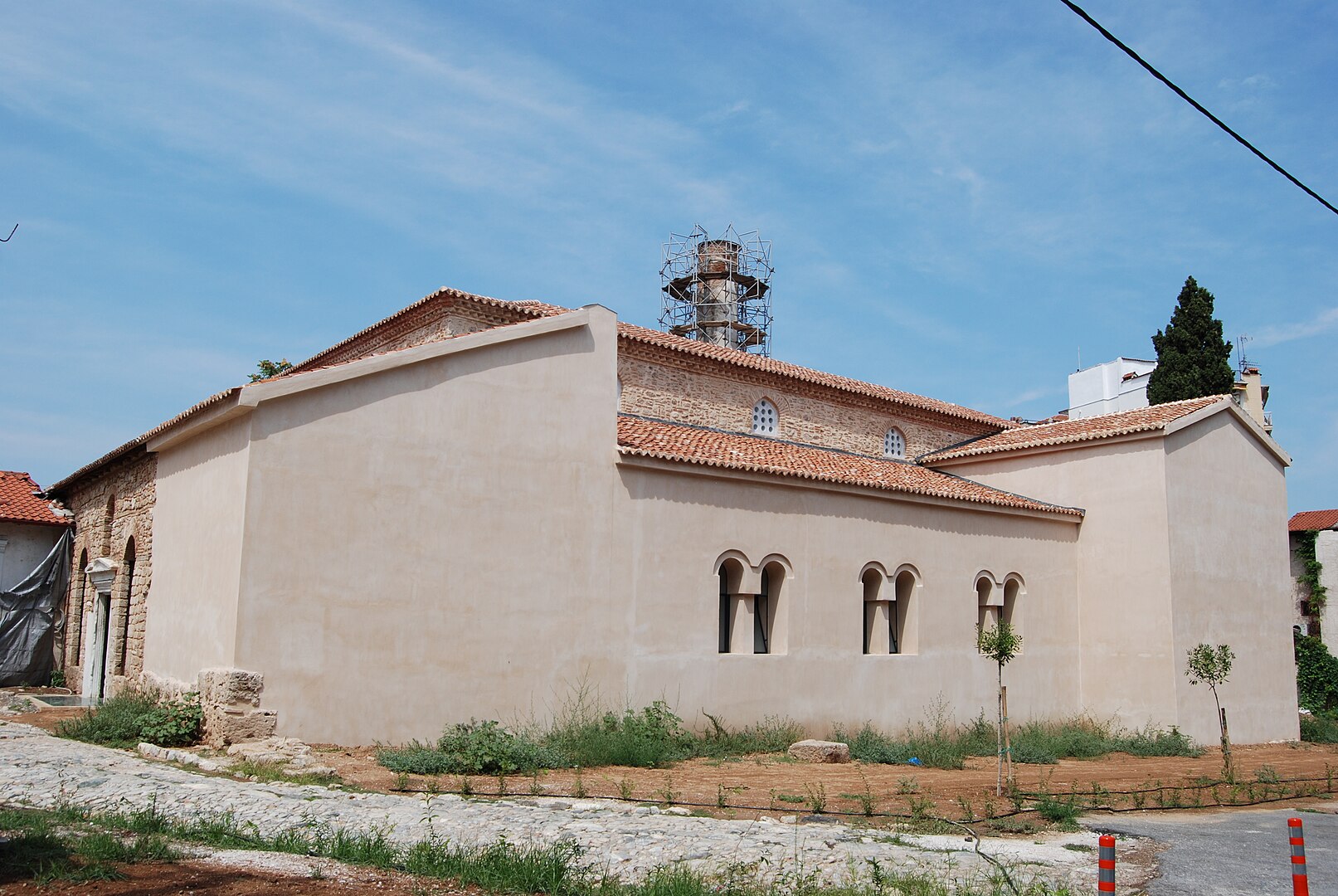
Builders worked with local stone, red brick, reused marble, and terracotta tiles.
This blend made every exterior unique but always sturdy against time and weather.
Walking through town, I noticed how these churches sometimes squeeze into odd shapes to fit narrow city blocks.
Builders adapted their designs, turning square rooms into cross-shaped spaces or adding small domes when space allowed.
This flexibility gave each church its own rhythm and quirks.
Preserving these sites now takes skill.
I often saw scaffolding and teams working to repair tile roofs, shore up crumbling stone, or clean centuries-old art.
Thanks to careful restoration, visitors like me can keep discovering new details every time we step inside.
Late Antique Influences and Architectural History
Veria’s churches share much with early Christian architecture from the late antique period.
Many structures reused older Roman columns and capitals—I could spot them on nearly every visit.
This continuity ties the churches to ancient times and helps them stand out from later buildings in Greece.
The typical floor plan sticks to the cross-in-square model, with a central dome and smaller side chapels.
I noticed how some details, like the use of light from small windows and high domes, came from earlier basilicas and Roman baths.
Learning about the architectural history made my visits richer.
It helped me see not just the beauty of the art but also the evolution of religious life and urban design over hundreds of years.

Planning the Perfect Art Lover’s Pilgrimage Through Veria
Exploring Veria’s Byzantine art treasures means more than just peeking inside old churches.
I had to figure out how to get around, where to rest each night, and how to soak in local culture along the way.
Guided Tours, Day Trips, and Access Tips
I learned quickly that many of Veria’s best-hidden frescoes and mosaics sit inside tiny churches along winding streets, not always open to the public.
Guided tours offer inside knowledge; local guides often have keys to locked chapels or know when the doors will open.
I booked a half-day walking tour, and my guide revealed the secrets behind crumbling icons and rare gold mosaics.
Ecotourism options pop up often.
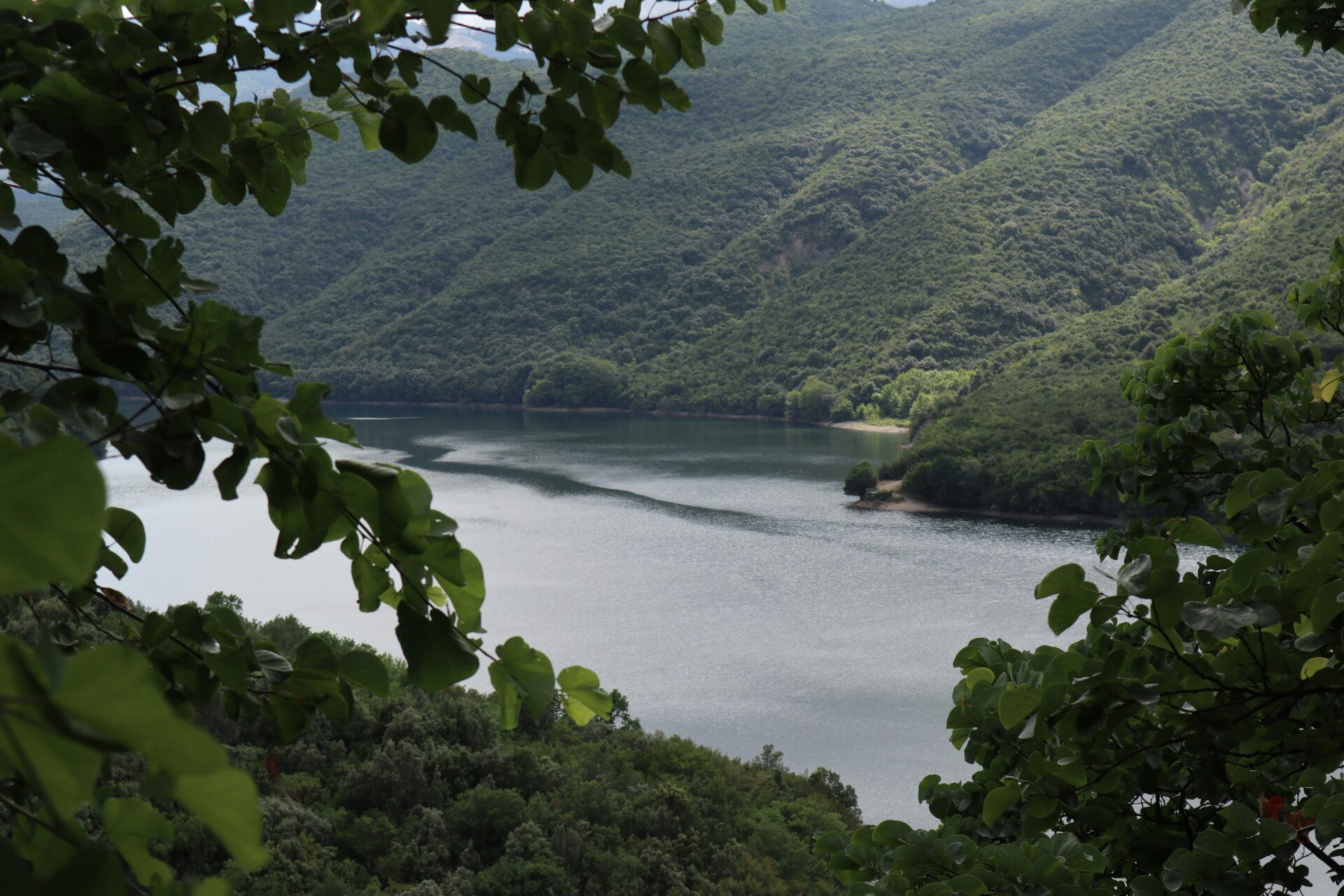
I joined a group hike in the hills above Veria, where olive groves and wildflowers led me to centuries-old monasteries.
For travelers who prefer freedom, renting a car makes day trips out to small mountain towns possible—just double-check open times before you go.
Key tips:
- Churches may close during siesta hours (usually 2–5pm)
- Dress modestly—covered shoulders and knees are a must for entering churches
- Ask locals or your hotel about small, family-run tours for more personal stories

Where to Stay: Hotels in Small Towns
I skipped big-city hotels and found Veria’s small-town charm way more restful.
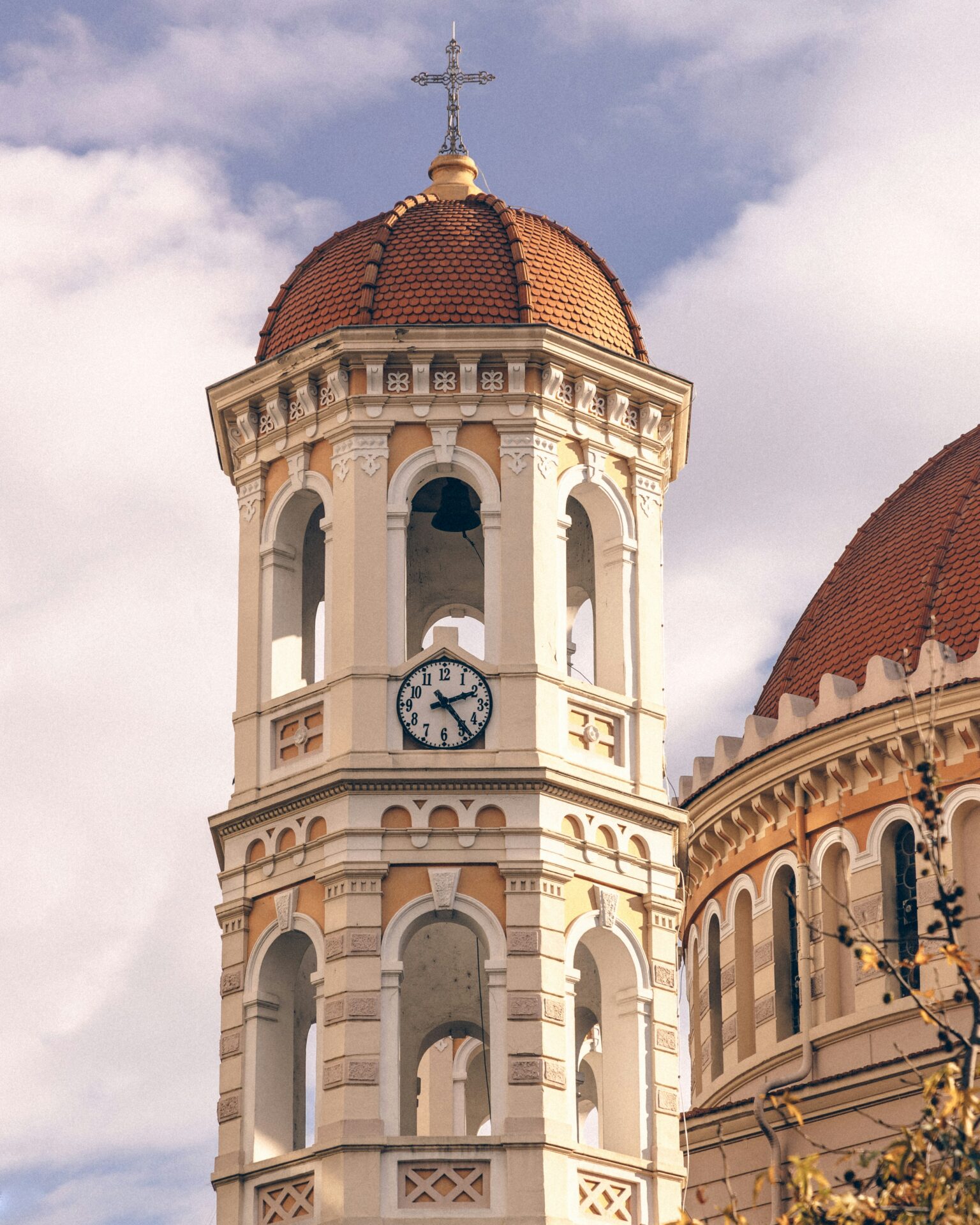
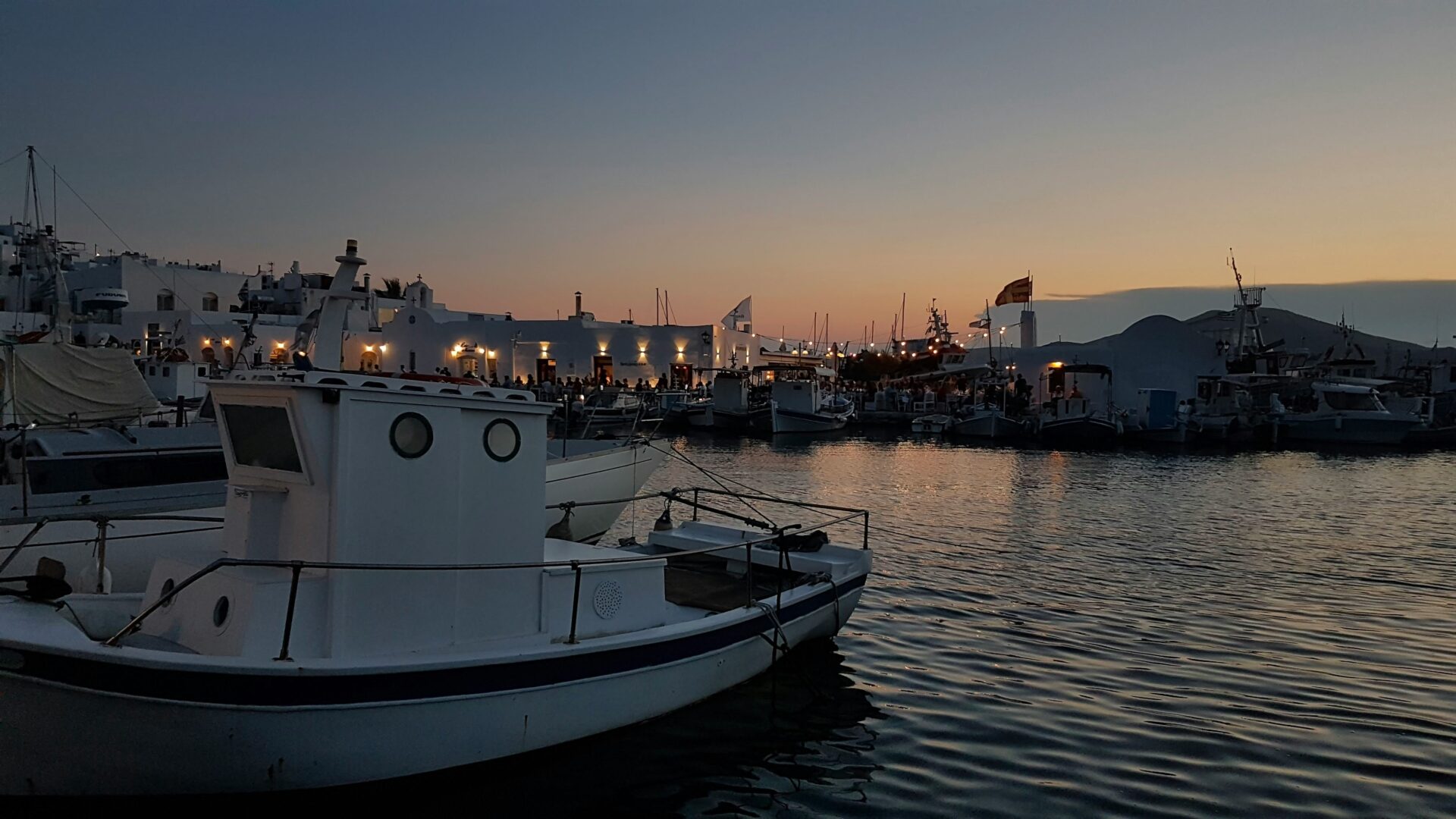
Family-run guesthouses in Veria’s old quarter or nearby villages like Vergina or Naousa often have rooms with views of Byzantine bell towers.
The prices were usually better than larger hotels, and breakfast with homemade honey and bread was a daily treat.
If you want an eco-friendly stay, some boutique hotels use solar power and offer locally sourced meals, which kept my footprint low.
Some even organized evening walks to nearby chapels at sunset.
Accommodation checklist:
- Central location for easy church-hopping
- Option for late check-in, since churches and markets open early
- Breakfast included—this saved me time and money
- Ask about shuttle service to hillside monasteries
Markets, Mediterranean Cuisine, and Local Festivals
My favorite afternoons happened at Veria’s lively markets.
Stalls overflowed with olives, figs, and cheese.
Sampling local Mediterranean cuisine quickly became a daily quest.
I tried bougatsa (a rich custard pastry) and fresh trout from the Aliakmon River.
Street vendors and small bakeries lined the main square.
Each Sunday, a farmers’ market filled the air with the scent of wild herbs and grilled lamb.
I discovered food festivals dedicated to local wine and cherries, which turned the town into a celebration of taste.
Seasonally, I found Byzantine-themed festivals with folk music and dance, giving me a glimpse of living traditions.
If you time your visit right, these events make the art pilgrimage feel both communal and personal.
Living Legacy: The Ongoing Influence of the Byzantine Spirit
Byzantine culture is alive in Veria—not just as ancient art, but as something woven into daily routines, beliefs, and creative work.
The city bursts with vivid reminders, from the way people worship to how they learn about their own roots.
Modern Devotion and Christian Faith Practices
I could feel the devotion echoing through Veria’s churches. Incense and icons still shape the heart of worship here.
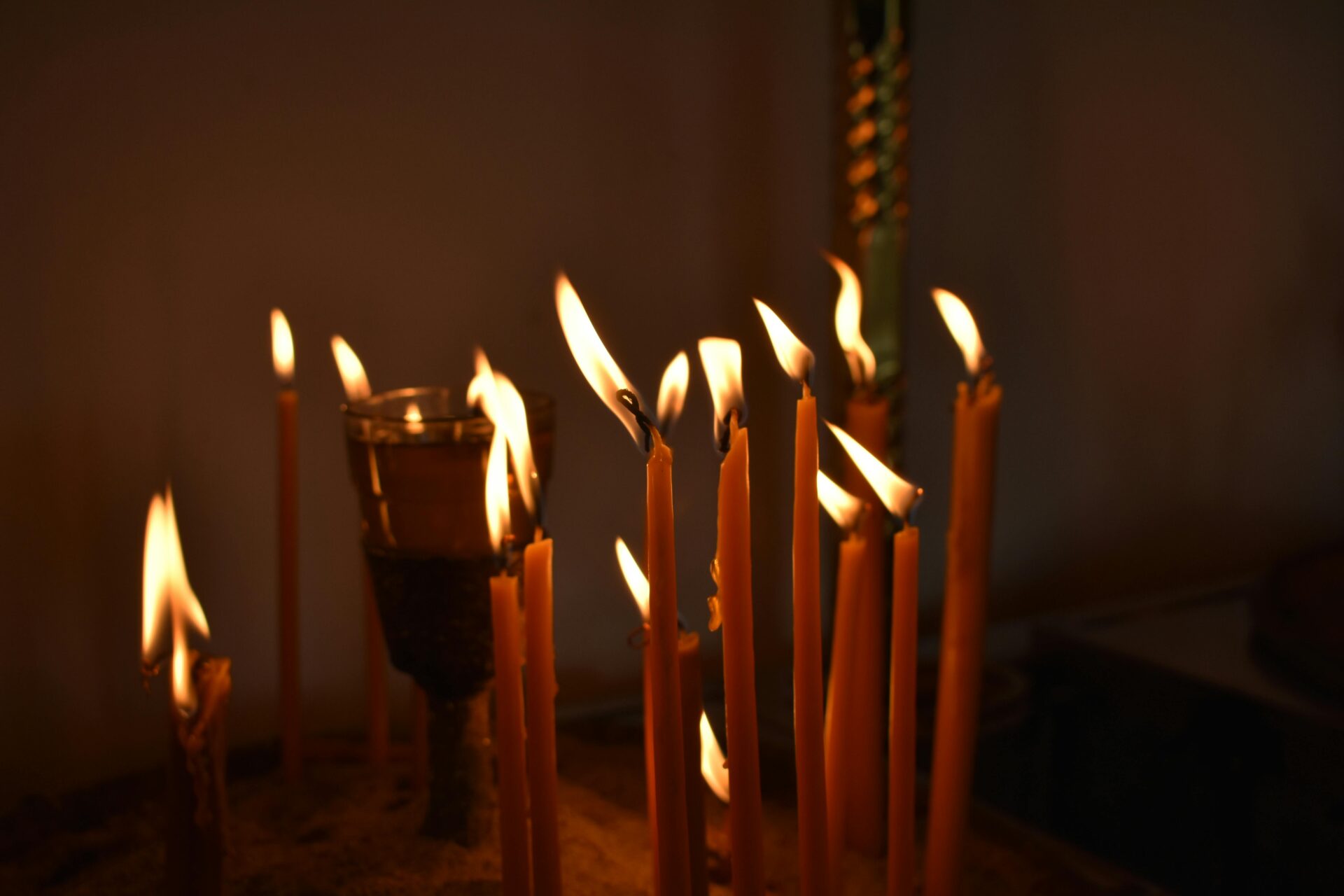
Traditions like candle-lighting, chanting, and processions haven’t changed since Byzantine times. It’s honestly a little surreal—almost like you’re stepping back in time.
Locals show up for services that mix ancient prayers with their daily routines. Many folks keep the fast during Lent and honor saints with nameday celebrations.
People still turn to Byzantine-era hymns and poetry for comfort. That connection to the past feels pretty strong.
Veria’s religious festivals fill the city calendar. During Easter, crowds gather for midnight Mass, candles in hand, just like generations before.
Even as a visitor, I could join those traditions. There’s something timeless about it.
Art, Museums, and Educational Endeavors
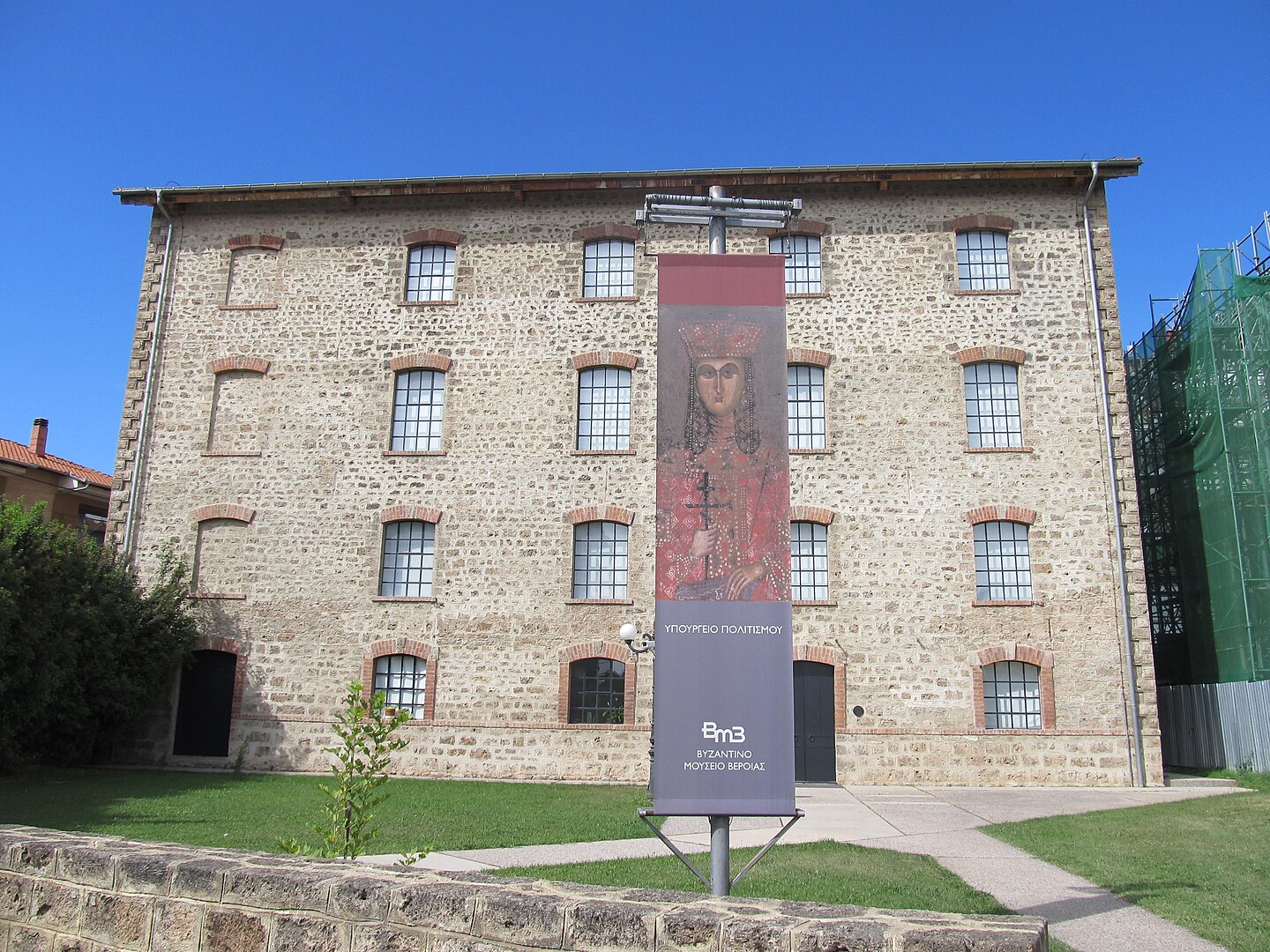
The museums in Veria connect the past and present in a way that’s hard to miss. The Byzantine Museum, for example, displays mosaics, silverwork (argentia), and artifacts that add context to every church visit.
Interactive exhibits invite school groups and travelers to get involved. They make visual culture feel personal.
Byzantine art isn’t stuck behind glass. Local workshops and galleries keep old techniques alive and kicking.
I watched artisans restore frescoes or recreate church dome patterns. That hands-on skill is impressive.
Local universities teach Byzantine poetry and literature. Anyone curious can sign up and learn by doing.
Schools and cultural groups run “living history” days. Students might reenact sermons or processions—sometimes in medieval robes, reciting ancient prayers.
Watching teenagers step into those roles, I realized this isn’t just history here. It’s something people actually live.
Translations, Adaptation, and Community Life
I’m not a Greek speaker, so I really rely on translations. In Veria, I noticed that museums, guidebooks, and even church bulletins offer signs in several languages—English and Ukrainian included. That’s probably because more and more people are interested in Ukrainian studies lately.
Modern scholars take on the challenge of translating Byzantine literature and poetry. Thanks to them, we can actually get a sense of the ideas that shape local πολιτισμός (culture) and κοινωνία (community).
Storytellers and poets don’t just stick to the old stuff. They adapt ancient texts and bring saints’ lives or epic tales into bookstores and classrooms, sometimes through new writing, sometimes by performing them. It’s honestly pretty impressive.
At community events, I’ve heard people of all ages share these stories. They mix their own words with translated lines from classic Byzantine hymns. Somehow, these connections help keep the city’s spirit open and welcoming, wherever you’re from.