
Wandering through the ruins of Mystras, I felt like I’d stumbled into a living museum. This old Byzantine town sits on a Greek hillside, packed with churches and ancient buildings that still cling to the remains of stunning frescoes.
Finding hidden frescoes in Mystras is like unlocking pieces of a forgotten world, where centuries-old art and faith blend together on crumbling stone walls.
Byzantine art’s visual culture really comes alive here, whether you’re at the grand Metropolis Cathedral or exploring one of those quiet, lesser-known chapels hidden lower down the hill.
Each fresco, even the faded ones, tells its own story with bold colors and sacred scenes. I got a little thrill every time I spotted one hiding behind a broken wall or high above a doorway.
I started to look past the obvious, searching for details and artwork that most tourists walk right by. The whole thing felt like a treasure hunt, connecting me to the artists and believers who once filled Mystras with beauty and meaning.

Stepping Into Mystras: Byzantine Masterpiece Unveiled
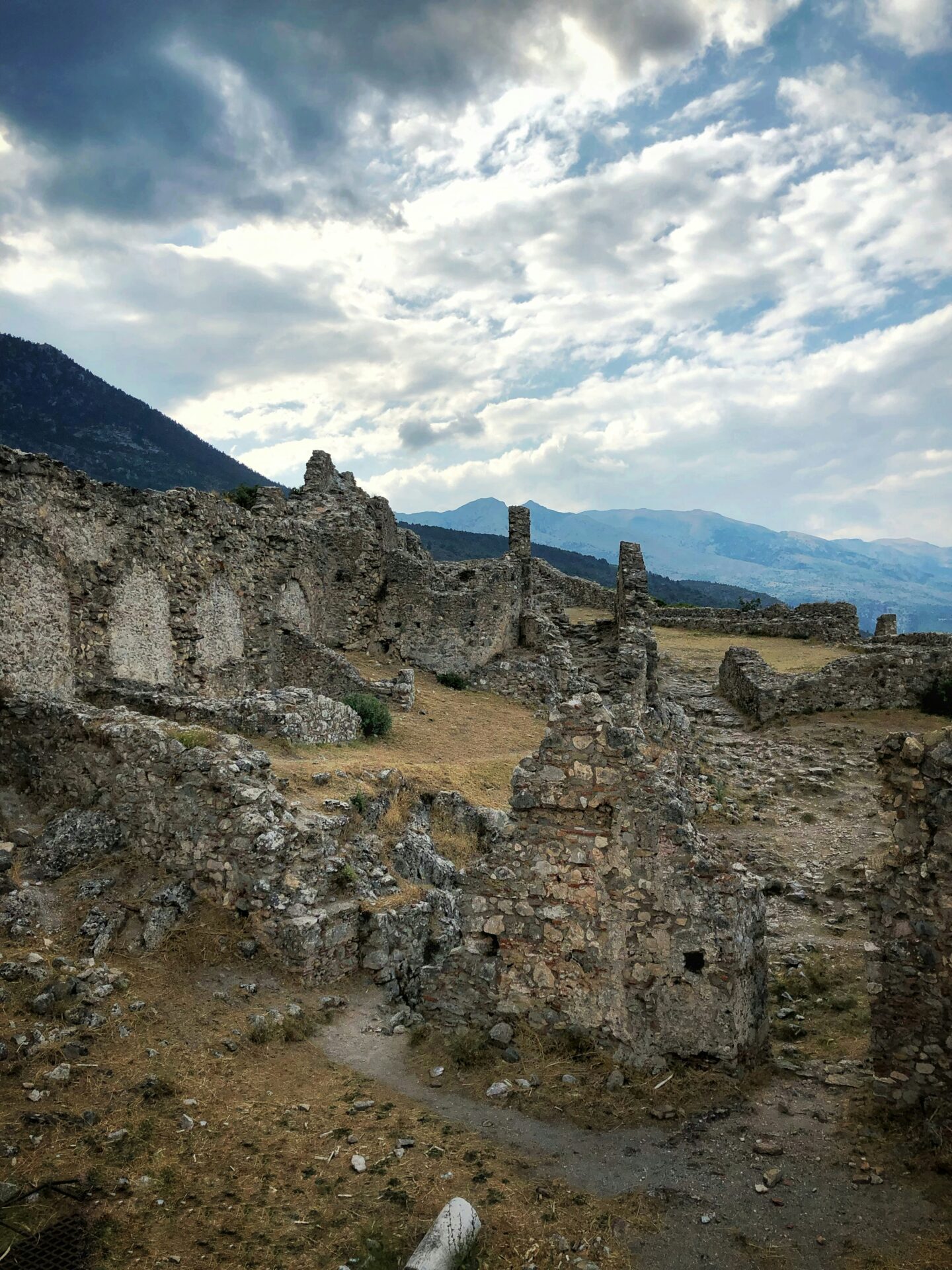
Mystras rises up the hillside, all grand stone ruins, painted churches, and winding medieval streets.
Every step into this UNESCO World Heritage Site brings ancient palaces, arches, and mosaics back to life. You can almost hear the echoes.
Navigating Mystras’ Labyrinthine Streets
Walking into Mystras, I immediately sensed the maze-like energy of its old layout. The streets twist and climb steeply, sometimes narrowing into rocky paths tangled with vines or wildflowers.
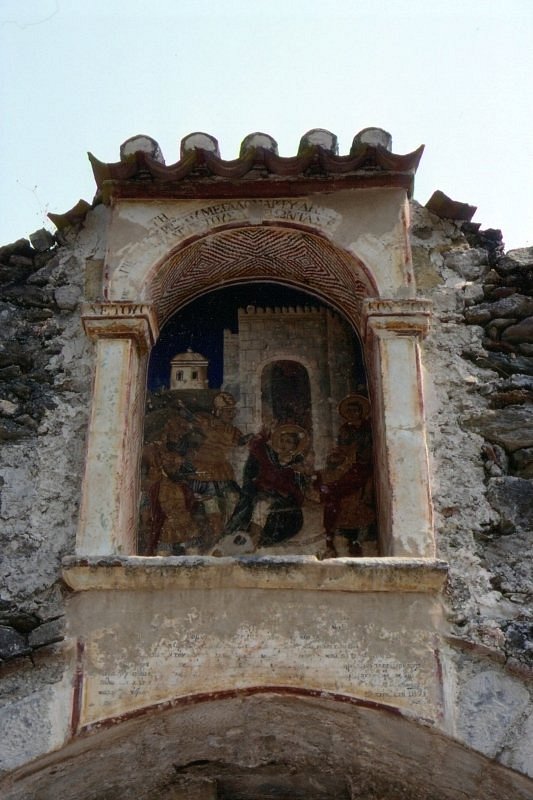
Every turn seems to reveal another archway or set of stairs, sometimes a weathered doorway—occasionally decorated with remnants of frescoes or worn engravings.
You really have to watch your step here and remember to look up, too. Some of the best sights are above eye level: faded paintings under archways, stone patterns at the tops of gates, or bells chiming from hidden church towers.
I loved stumbling into small courtyards where locals must have gathered centuries ago. Tip: Wear sturdy shoes and bring water—some slopes are steep, and the sun can be relentless.
Getting lost just happens. But honestly, each “wrong” turn often led me to a quiet spot, sometimes a church with glowing wall art or an overgrown garden that hints at old grandeur.

The Allure of Byzantine Architecture
Mystras is shaped by Byzantine architecture—it’s elegant, but also practical.
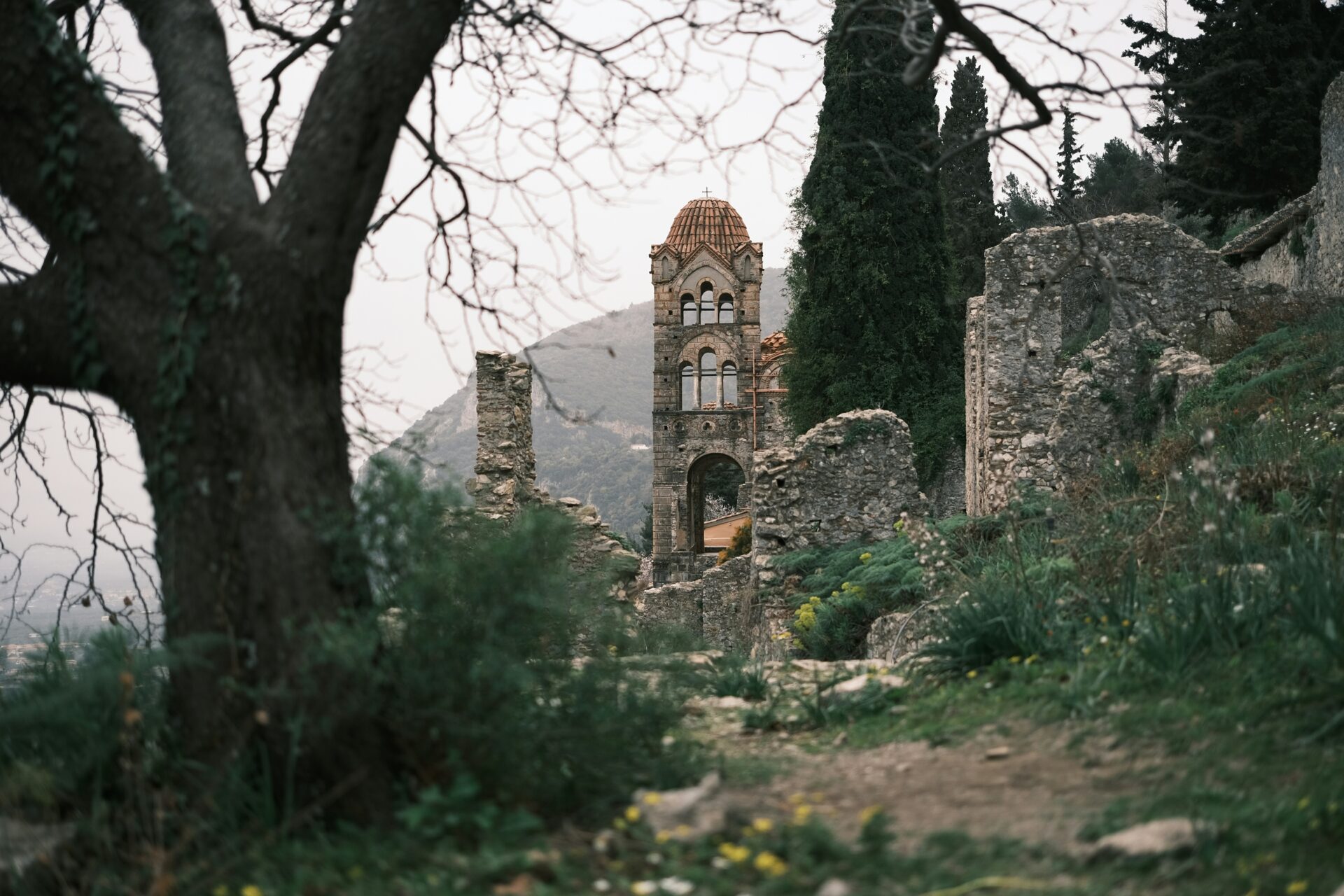
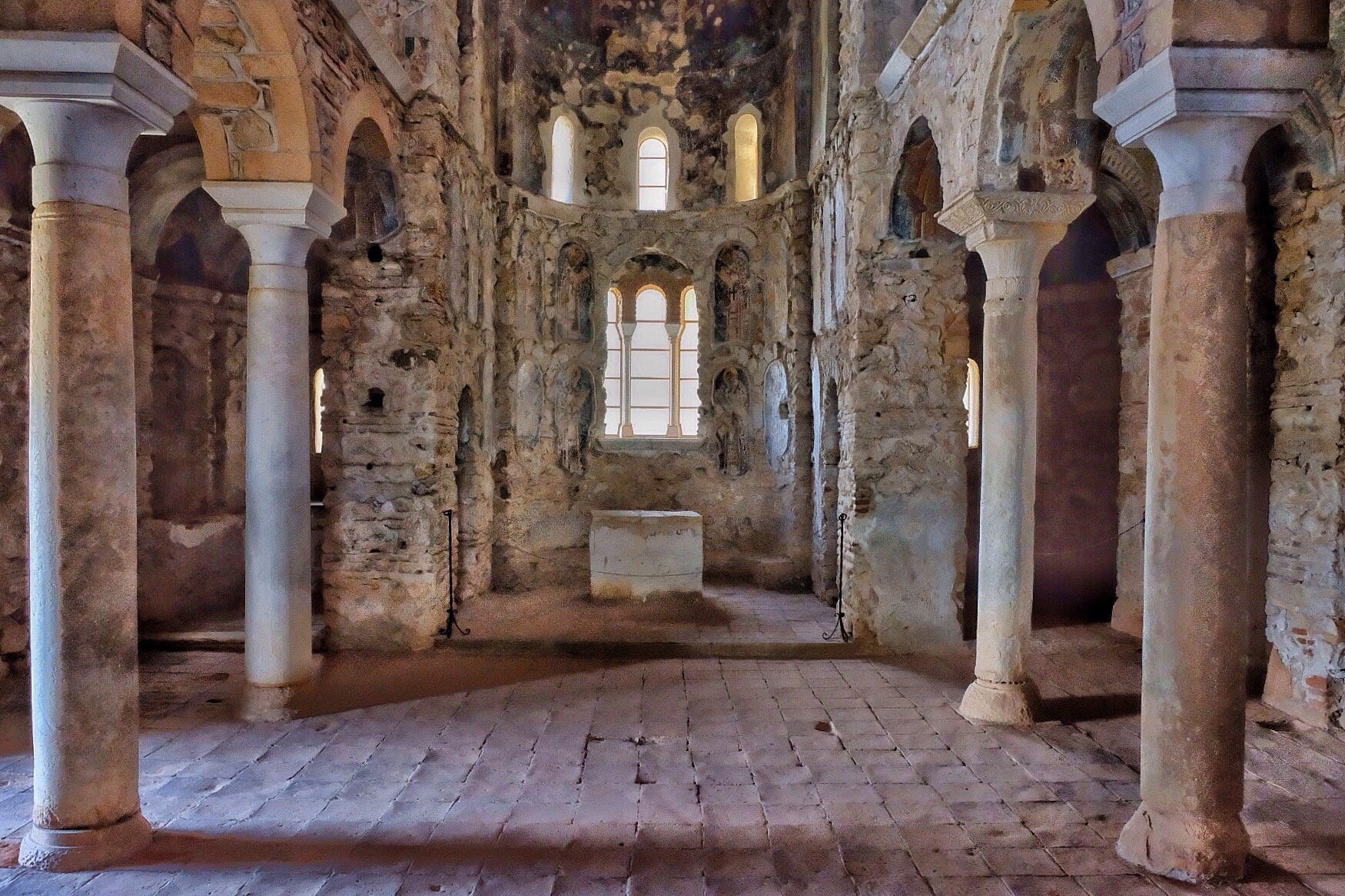
The churches and buildings stand out with their rounded arches, domes, and thick stone walls. I couldn’t help but admire how these structures combine beauty and strength, holding up through centuries of earthquakes, wars, and just plain time.
Inside the churches, I saw iconic religious architecture: mosaics that shimmer with gold, frescoes of saints, and vaulted ceilings that pull your eyes upward.
Sometimes I’d pause to admire a spiral column or a carved doorway catching the last rays of sun. Certain design features—like cross-in-square plans or rows of marble columns—really show off Byzantium’s influence.
It’s easy to imagine monks or nobles walking these same halls, surrounded by bright murals and candlelight. There’s something magical about that.
Historic Layers: From Byzantium to Ottoman Rule
Mystras’ history really unfolds in layers. The Byzantines founded it in the mid-13th century, and the city quickly grew into a major cultural and religious center during the late Middle Ages.
As I wandered past ruined palaces, I could almost sense the bustling life that once filled these stones. Mystras wasn’t always just Byzantine, though.
When the Ottoman Empire took control in 1460, Mystras changed again, but much of its Byzantine character stuck around. The new rulers added their own touches to the city, blending with what came before rather than erasing it.
Religious buildings, once filled with Christian frescoes, sometimes got minor changes in decor. But the cultural heritage endures.
Mystras stands as a living museum—each street and building layered with centuries of faith, power, and creativity.
Discovering Hidden Frescoes: A Personal Treasure Hunt
Exploring Mystras felt like flipping through the pages of a living illuminated manuscript. Every step pulled me deeper into Byzantine history, from sacred spaces covered in faded artwork to secret alcoves hiding relics and stories waiting to be found.
Following Clues in Ancient Monasteries
Walking through Mystras, I honestly felt like a detective in a lost world. The old stone paths wound past ancient monasteries, and clues to hidden frescoes often hid right in plain sight.
Some walls looked plain at first, but a closer look revealed faint outlines beneath centuries of dust. I started with the Monastery of Pantanassa.
The guidebook mentioned its 14th-century frescoes, but a local caretaker pointed me to a side chapel hardly anyone visits.
Here, a glint of color peeked out from behind a crumbling arch. I realized that monks, acting as both artists and preservers, sometimes hid frescos themselves during invasions.
I checked faded inscriptions and patchy plaster, and it hit me how pilgrimage routes often determined which artworks survived. Monasteries like Perivleptos, tucked away from busy roads, held fragile treasures missed by most visitors.

Inside the Walls: The Search for Secret Artworks
Inside these thick stone walls, the air turned cooler and filled with a kind of mystery. My flashlight revealed brushstrokes buried under whitewash, left there as protective camouflage when times got rough.
Careful steps and gentle brushing brought out tiny details—fragments of saints’ robes and halos, bits of color peeking through. Each room told its own story.
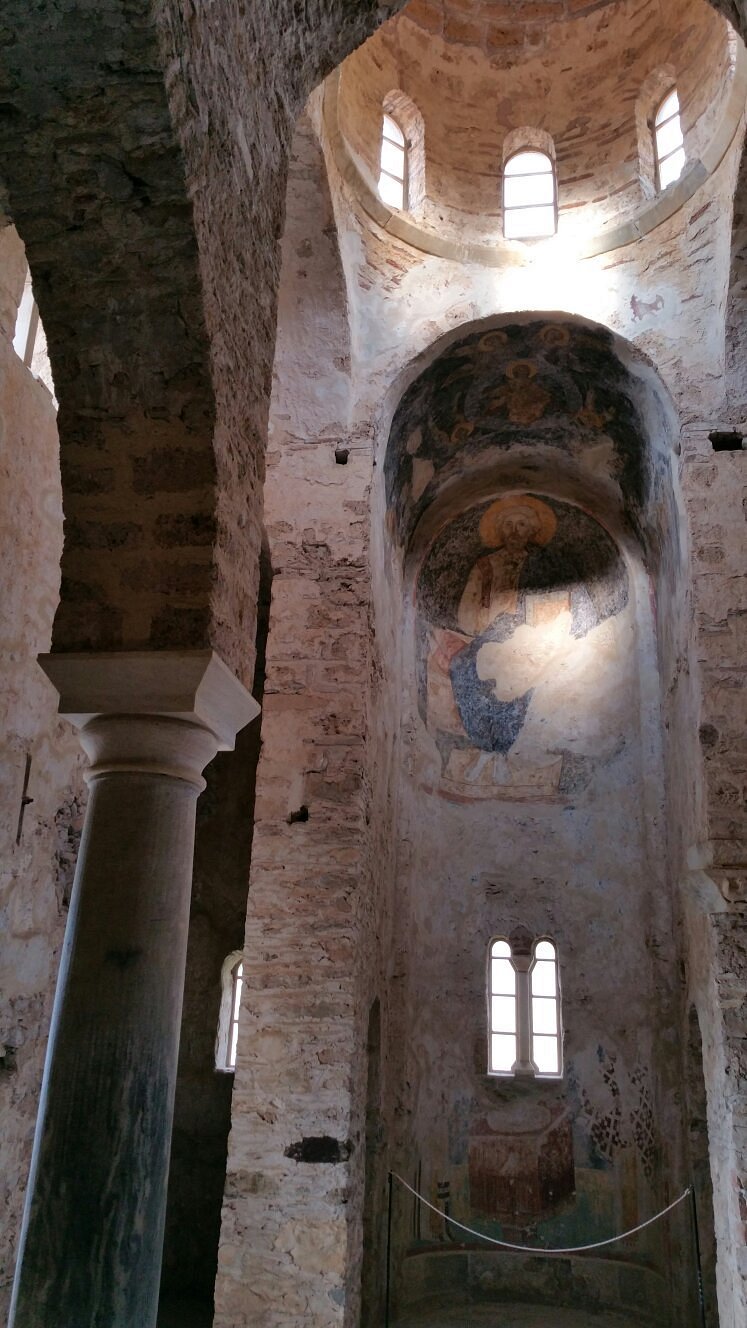
In one cell, I found a hidden archway leading to a small apse. Tiny bits of blue and gold fresco still clung to the curved ceiling.
These monumental paintings, once meant for everyone to see, now waited in silence for someone to rediscover them. I noticed icons placed in shadowy alcoves, silently watching over empty rooms.
Archaeology in Mystras is surprisingly hands-on for a traveler. I brought a notepad, sketched outlines, and jotted down symbols to compare with old texts and museum displays.
That cross-referencing made the hunt feel even more rewarding.
Moments of Awe: Unveiling Colors After Centuries
Nothing really prepares you for seeing a burst of bright pigment after all that gray stone and dust. When I brushed away some loose plaster, blue and red paint suddenly glowed back at me.
These Byzantine frescoes almost felt electric in the dim light. I stopped and just stared—someone put that color there more than 600 years ago, and maybe I was the first to see it in decades.
Many colors came from crushed stone or plants, giving each church its own signature shade. Gold leaf lit up the folds in Christ’s and the saints’ robes, bringing movement and life to still images.
These colors, faded but stubborn, turned each wall into a sacred space. I started to get why pilgrims once traveled so far.
To see these vibrant scenes was more than just art—it was meant to inspire and bring people closer to the divine.

Unexpected Finds: Relics, Icons, and Stories
Some discoveries weren’t frescoes at all but added extra layers to the story. Behind a loose stone, I spotted a tiny bronze cross—maybe carried by a monk or left by a visitor centuries ago.
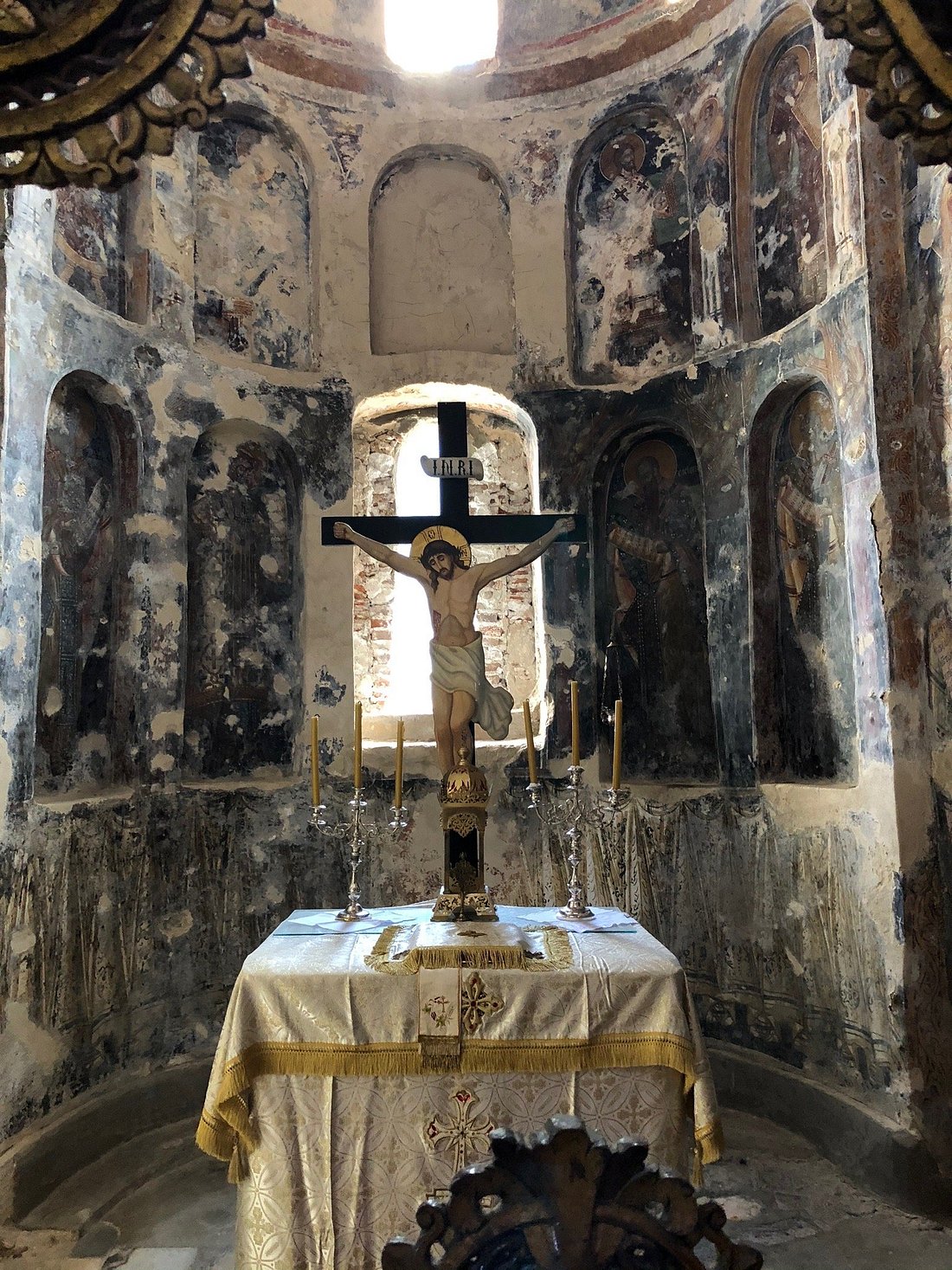
I found small icons tucked behind altar stones—simple, hand-painted images on wood or even stone, hidden during troubled times.
Several chapels held old manuscript fragments, sometimes barely readable. Seeing Greek letters inked by hand made the monks’ world feel real.
I snapped photos of each find to research later, using museum displays and digital archives as guides. The stories from caretakers were just as precious.
One woman told me her grandfather remembered secret processions on feast days, moving between chapels by candlelight and singing hymns under the very ceilings I was now admiring.
That living connection made the frescoes feel less like museum pieces and more like echoes of real lives and faith.

Byzantine Artistry: Techniques, Themes, and Treasures
Byzantine art in Mystras struck me as both familiar and mysterious. It blends practical skills with rich meaning, filling the churches not only with stunning images but also with deep spiritual stories and beautiful objects.
Techniques Behind Frescoes and Mosaics
Stepping into a church in Mystras, I could almost feel the centuries-old brushstrokes. Artists painted frescoes on wet lime plaster, so the colors soaked right into the wall.
This buon fresco method helped the images survive, even after decades of weather and neglect. Mosaics are everywhere, too.
Tiny glass and stone tiles—tesserae—got set into damp mortar, forming halos, robes, and backgrounds that glow in the shifting light.
I noticed how artists often put gold leaf beneath transparent glass, giving icons and Christ Pantocrator figures a kind of surreal shine.
Byzantine artists didn’t just paint or arrange stones. They sculpted floral patterns into marble, created icons that last for centuries, and shaped ceramics for both sacred and daily use.
Symbolism and Storytelling in Painting
The frescoes in Mystras aren’t just pretty pictures. Every figure, gesture, and color means something.
Saints hold their classic symbols (like scrolls or crosses), so even visitors like me can figure out who’s who. Blue and gold backgrounds hint at heaven and the divine.
Scenes unfold like stories. I found myself following Biblical episodes across the walls, each one tied to teaching or devotion.
Large-scale, monumental paintings made these lessons accessible to everyone, even to those who couldn’t read.
Sometimes I’d spot a symbol at the edge of a painting—a palm, a fish, a pair of angels—that hinted at deeper beliefs or a moment in history. That made the experience feel interactive and layered.
From Ceramics to Liturgical Objects
It wasn’t just painting and mosaics that wowed me. Byzantine treasure includes ceramics, stone sculpture, jewelry, and even reliquaries for saints’ bones.
Each object tells its own story. Gold chalices, enameled crosses, and silver lamps are among the liturgical objects found in Mystras and other centers.
These treasures were made for worship or grand processions. Many are decorated with religious images, turning even simple vessels into works of art.
While exploring showcases and chapels, I noticed certain pieces—like hanging lamps or jeweled icons—play both a practical and spiritual role.
They light the space and draw worshipers’ eyes, turning the whole church into a living gallery of Byzantine creativity.
Living Heritage: Experience, Reflection, and Travel Tips
Visiting Mystras isn’t just about seeing ancient ruins and beautiful frescoes. The town is a living reminder of Byzantine culture, where history, faith, and local life still mix together.
Participating in Local Rituals and Devotions
Mystras remains an active site for Greek Orthodox rituals and small pilgrimages. When I visited, I saw candles flickering in front of ancient icons and heard prayers echoing in dark chapels.
Travelers can quietly join in by attending a local liturgy or lighting a candle. Even as an outsider, I felt welcomed just observing moments of prayer or chatting with nuns who care for the churches.
If you join in, remember to dress modestly. Shoulders and knees should be covered, especially inside churches and monasteries.
Being patient and respectful goes a long way. These moments helped me see that Mystras is not just a set of ruins—it’s still a spiritual place for many.

Supporting Preservation and Responsible Tourism
Mystras depends on tourism, so every visitor helps protect its cultural heritage.
Ticket sales at the entrance support restoration, and signs from the Greek government show which areas are fragile or off-limits.
I always try to support local shops by buying handmade souvenirs like icons or honey, instead of mass-produced stuff. That helps families who still live nearby and keeps traditional crafts alive.
Visitors can make a difference by following Leave No Trace guidelines:
- Don’t touch or lean on frescoes.
- Stay on marked paths.
- Avoid using flashes when taking photos of artwork.
Small choices like these help preserve Mystras for the next wave of travelers and pilgrims.

Practical Travel Advice for Exploring Mystras
Visiting Mystras takes a bit of planning—and honestly, some patience too. The hill’s pretty steep, and those narrow stone steps get slippery if it’s rained recently.
I grabbed sturdy shoes for the climb and threw water, a hat, and sunscreen in my bag. There’s not much shade, so you’ll want to be ready for the sun.
Getting there early in the morning really helped me dodge the crowds. It felt peaceful, almost like I had the place to myself.
I found a travel guide or even a local guidebook handy for spotting those hidden frescoes tucked away in the smaller chapels. Sometimes you just don’t notice them unless you know where to look.
You’ll want to double-check official info before you go, since a lot of sites close on Greek national holidays. That caught me off guard once.
Public buses do run from Sparta, but I ended up renting a car instead. It just gave me more freedom to wander.
With a little preparation, Mystras turned into something special for me—not just another box to tick off.

