
I love Paris, but honestly, nothing tests my patience quite like the crowds inside the famous Louvre Museum. The attractions are incredible, but trying to enjoy masterpieces while squeezed shoulder-to-shoulder? That can get overwhelming fast.
Over the years, I’ve tracked down a few quiet corners in the Louvre where I can actually admire the art in peace and take a deep breath away from the rush.
Not everyone finds these calm spots—like tucked-away entrances or overlooked galleries—so they really make a difference when I want to slow down and truly experience the museum.
Discovering Napoleon’s apartments, wandering the old fortress foundations, or stepping into rooms with lesser-known artwork always gives me a completely different view of the Louvre.
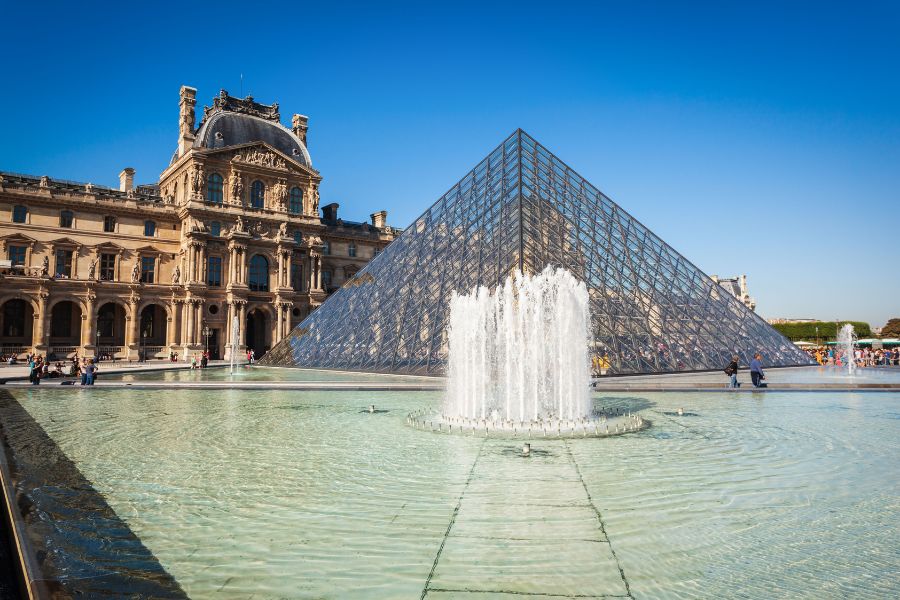
If you dream of exploring Parisian art without feeling lost in the crowd, these secret places might change how you see the Louvre, too.
Why Search for Quiet Corners in the Louvre?
When I visit the Louvre, I want more than checklists and crowds. Finding peaceful spaces lets me see the art in a deeper way.
I get to soak up French culture without distractions.
The Allure of Escaping the Crowds
The Louvre is famous for its busy halls, especially around the Mona Lisa and the Winged Victory of Samothrace. I used to think fighting through clusters of tourists was just part of the experience.
But escaping the crowds opens up a whole new side of the museum. Watching tour groups rush by as I slip into a hidden corner gives me a rare sense of calm.
It’s so much easier to appreciate masterpieces when I’m not elbow to elbow with strangers. Sometimes, I stand alone in a gallery—a true traveler’s choice moment that feels almost private.
A few quieter wings, like parts of the Richelieu wing, feel almost serene compared to the main hotspots. These hushed areas invite me to slow down.
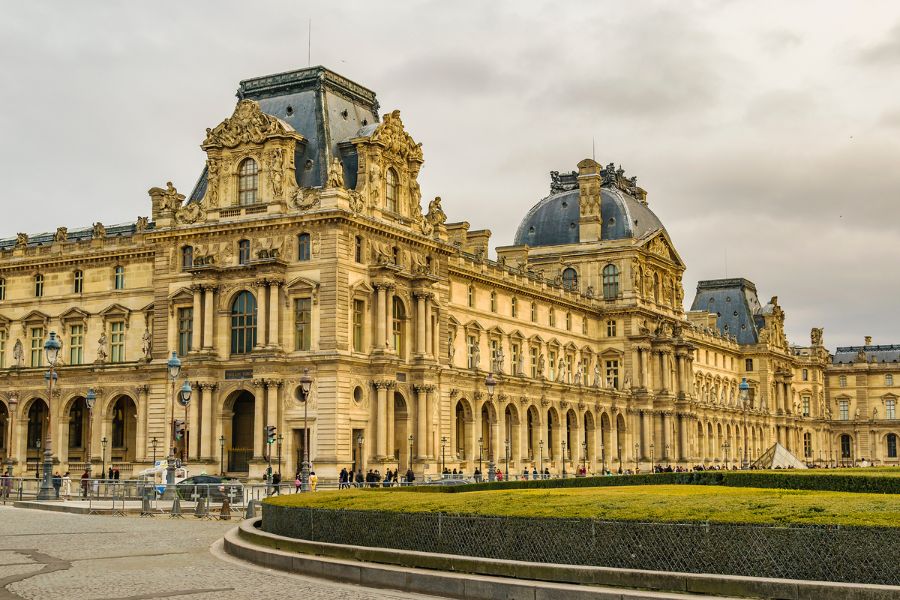
Here, I can pause, breathe, and connect with centuries-old art in ways that packed, noisy rooms just don’t allow.
Artistic Expression and Contemplation
Great works of fine arts deserve more than a quick glance, don’t they? In a quiet corner, I can stop and really study the brushstrokes or delicate details in a sculpture.
The silence gives me space to reflect on what the artist wanted to share.
Sometimes, lingering in front of a single painting, I notice things I’d never spot during a rushed visit. Shadows, hidden figures, and even the emotions in the faces become clearer.
If I’m with a friend, these quiet spots also make it possible to talk about the art without raising my voice. We can share thoughts and impressions, building a richer travel memory together.
A quiet gallery can really turn a quick stop into a meaningful experience.
Embracing French Culture and Fine Arts
The Louvre isn’t just a museum—it’s a symbol of French culture and history. Finding a peaceful spot inside helps me soak up more than just the paintings.
I begin to sense the building’s centuries of creative energy and the passion of past French artists.
When the world slows down in a small room or a hidden hallway, I can listen to my own thoughts. I start to imagine how visitors from different eras might have explored the same corridors.
Standing there, I feel close to the artistic soul of France.
That’s what keeps drawing me back. The quiet corners let me step into the fine arts tradition that has made the Louvre a travelers’ choice for generations.
Even in a busy museum, those hush-filled spaces let French culture speak in its own voice.
Hidden Gems: My Favorite Peaceful Galleries
Most visitors hurry to the busy halls and famous paintings, but I find the Louvre’s quieter galleries perfect for slow, thoughtful looking.
Some of the museum’s most beautiful art—and best moments—happen away from the crowds.
The Masterpieces Beyond the Mona Lisa
Whenever I want to escape the packed area around the Mona Lisa, I take the stairs just past the gallery and step into rooms filled with incredible French art from the 19th and early 20th centuries.
Here, you’ll find romanticism and realism side by side, spotlighting both big moments of history and daily life.
I especially love the smaller galleries showing late impressionism, post-impressionism, and the early days of modernism.
Works by artists like Claude Monet, Henri Matisse, and Maurice Denis often hang quietly on these walls. Nearby, cubist and fauvist pioneers like Georges Braque—and even touches of Marcel Duchamp’s abstraction—offer fresh perspectives.
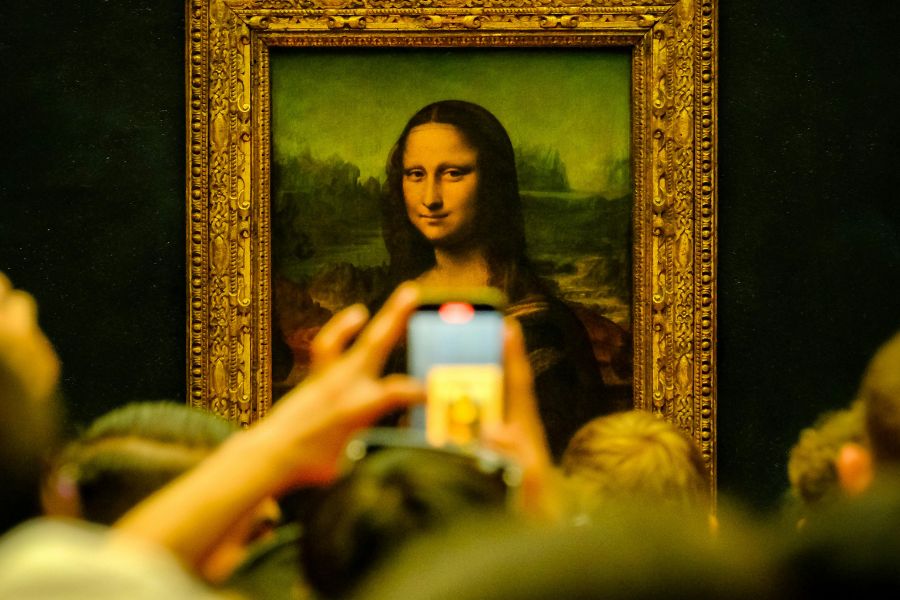
If you bring a list, add these to it:
- Paintings in the Sully Wing, Level 2: Post-impressionist and modern art collection
- Denis Room: Gentle, colorful scenes
- Quiet corner with Matisse’s bold work
It’s not just peaceful—these rooms let you actually stand and absorb the human stories and creative risks.
The pace feels so much more relaxing here.
Sculpture Courts and Serene Spaces
If I need a change of scene, I wander to the Louvre’s stunning sculpture courts. The Cour Marly and Cour Puget feel like hidden gardens.
Sunlight streams through the glass ceiling, and the marble statues—kings, warriors, horses—sit calm and untouched by noise.
I notice visitors here sit with a book or sketchpad, and it’s easy to see why. These spaces create a sense of openness that’s rare in an old museum.
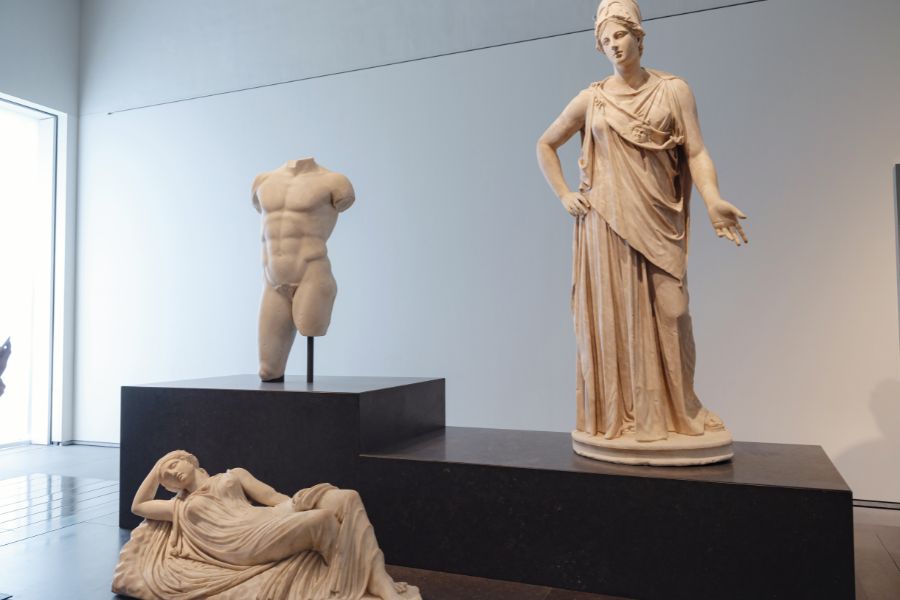
I walk among French neoclassical sculptures and spot the subtle details—faces shaped by humanist ideals or heroic poses from a different age.
For real peace, I lean against the railing and look up at the soft filtered light. Even when the museum is crowded, I can breathe deeply and take in the art, rather than rush past it.
For anyone who wants a thoughtful break or a quiet conversation about art, this is the place.
Secret Spots for True Art Appreciation
The Louvre can feel overwhelming, but I’ve found several peaceful spaces where the genius of artists and architects truly shines.
Each hidden area lets me slow down and take in the artistic expression on display without the crowds.
Secluded Viewpoints for Paintings
One of my favorite discoveries at the Louvre is that not every painting is surrounded by people with cameras. For example, the galleries in the Richelieu wing, especially on the second floor, are often quiet.
Here, I can stand alone before large works by Dutch and Flemish masters, like Vermeer and Rembrandt.
I also like to visit the Salle des États late in the day. While the Mona Lisa is usually crowded, the walls nearby hold lesser-known Italian paintings that are easy to admire up close.
If I need a real break, I search for rooms with benches facing large, dramatic canvases. These seats let me soak in every detail—from brushstroke to color—without interruption.
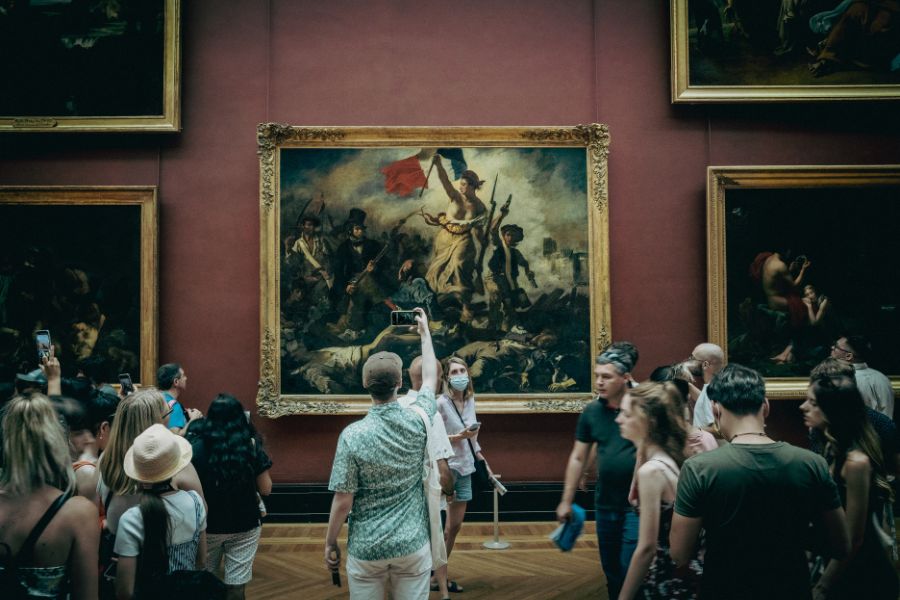
Whenever I want to focus, I avoid the main routes. Instead, I look for small side galleries that twist away from the central corridors.
The calm lets me appreciate art like a local, and sometimes, I feel like I have the room all to myself.
Niches for Admiring Architecture
The Louvre isn’t just about what’s hanging on the walls. Sometimes, the building itself is the masterpiece.
I always pause in the Sully wing’s medieval section, where ancient stone walls and vaulted ceilings tell their own story.
The remains of the old fortress are down in the basement, and wandering through the original moat feels like stepping back in time.
The Cour Carrée is another spot I recommend. It’s a large square courtyard surrounded by beautiful classical facades and quiet arcades.
Here, I can stand under the arches in the shade, take in the symmetry, and admire the sculpted details above each door.
For a table of my top architecture tips:
| Location | Feature | My Favorite Detail |
|---|---|---|
| Medieval Underground | Fortress walls, vaulted ceilings | Echoes of history |
| Cour Carrée | Classical facades | Sculpted doorframes |
| Sully Staircases | Grand spiral stairs | Ornate iron railings |
Underrated Corners for Sculpture Lovers
Sculpture halls can be surprisingly peaceful, even when the Louvre is busy. The Cour Marly is my go-to spot.
Natural light spills onto gleaming white statues, and I can walk among the works or sit quietly on a bench.
The space is open but serene, making it easy to see the genius in every curve and gesture.
The Cour Puget, nearby, is just as calm. Here, French sculptures are presented with plenty of room to admire from all sides.
I love getting close to study the details and then stepping back to see how the figures interact with the space.
Sometimes, I find small side rooms tucked off the main sculpture galleries. In these niches, I often discover overlooked busts or fragments.
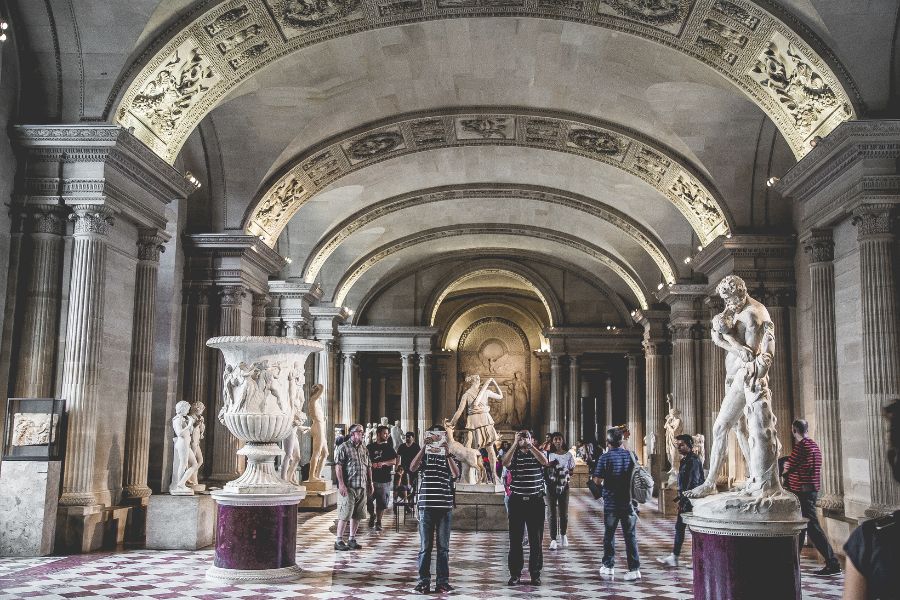
These little finds give me a window into past lives and artistic expression. The best views often come with a little wandering and a lot of curiosity.
Navigating the Louvre with Ease
Getting around the Louvre doesn’t have to be overwhelming. With some thoughtful planning—like how you enter, who guides you, and how you move through the museum—you can spend more time soaking in the art and less time feeling lost or stuck in line.
Tips for Skip the Line and Priority Access
On my first visit, I learned fast that the main entrance through the glass pyramid is always packed. If you want to skip the longest lines, I suggest using one of the lesser-known entrances, like the Porte des Lions or Carrousel du Louvre.
These can save you a lot of waiting time.
Buying tickets online before you go is a must. When I pre-booked my ticket, I could use priority access lanes.
Here’s a quick table for reference:
| Entrance | Priority Access | Notes |
|---|---|---|
| Pyramid | Yes | Main entrance, busiest |
| Porte des Lions | Sometimes | Near Denon Wing, less busy |
| Carrousel du Louvre | Yes | Underground, near the mall |
Morning visits right when the museum opens or late in the afternoon are quieter. Don’t forget that priority access isn’t the same as skipping security—you’ll still pass through bag checks, but the wait is much shorter.
Using Guided Tours and Tour Guides
Guided tours have saved me when I didn’t want to wander in circles. Official Louvre tours or hiring an independent guide both let you see highlights like the Mona Lisa fast, often using special group entrances.
Guides know shortcuts and how to avoid crowded sections, which really matters when searching for peaceful spots.
Many tours are offered in English, and some guides even share lesser-known stories about the art, which helps keep things interesting.
Small-group tours mean I’m not lost in a crowd, and private guides can personalize the route—even taking requests if there’s a painting I really want to linger over.
If you’re on your own, the museum’s audio guide is available for rent and works well for self-paced exploring.
Remember, tours must be booked ahead for guaranteed spots, especially in busy seasons.
Accessibility for All Travelers
As someone who often travels with friends, I appreciate that the Louvre is wheelchair and stroller accessible. Elevators are available to reach most floors, and accessible entrances like the Carrousel du Louvre make things easier for visitors with mobility concerns.
Wheelchairs can be borrowed at the museum, and service animals are welcome. There are accessible restrooms and wide passageways, including some quieter corridors that I found great for escaping crowds.
Public transportation options like the Paris Metro stop right at the Palais Royal – Musée du Louvre station, where elevators and ramps are available.
Even with the museum’s size, getting around is manageable for everyone with a bit of planning.
Savoring More Than Art: Rest, Food, and Nearby Attractions
Exploring the Louvre isn’t just about wandering from one gallery to another. It’s also about enjoying a break, grabbing a bite, and making the most of your time in Paris—whether that means lounging by the water or heading out for a memorable day trip.
Best Onsite Restaurants and Cafés
Taking a break inside the Louvre? It’s easier than you’d think, with a handful of convenient spots tucked right into the museum.
When my feet started to ache, I wandered into Café Richelieu. Their pastries hit the spot, and the view over Cour Napoléon made me linger longer than I’d planned.
Le Café Marly has become another place I keep coming back to. The terrace faces that iconic glass pyramid, and honestly, just sitting there makes you feel like you’re part of Paris’ rhythm. The food’s not cheap, but sometimes the vibe is worth it.
If you’re in a hurry, Le Comptoir du Louvre serves up sandwiches, salads, and snacks. It’s perfect for a quick bite when you want to keep exploring. I’ve noticed tables fill up fast at lunch, so I usually swing by at odd hours.
| Name | What I Love | Tip |
|---|---|---|
| Café Richelieu | Cakes, view | Go early for window seats |
| Le Café Marly | Terrace | Try the hot chocolate |
| Comptoir du Louvre | Grab-and-go | Good for a quick bite |
Relaxing by the Fountain or Seine River
After all that walking, sometimes I just want to slow down and watch Paris go by.
The fountains in the Louvre’s Cour Napoléon always draw me in. I usually perch on the edge, just watching the swirl of tourists and locals. On a sunny afternoon, it’s one of my favorite ways to recharge.
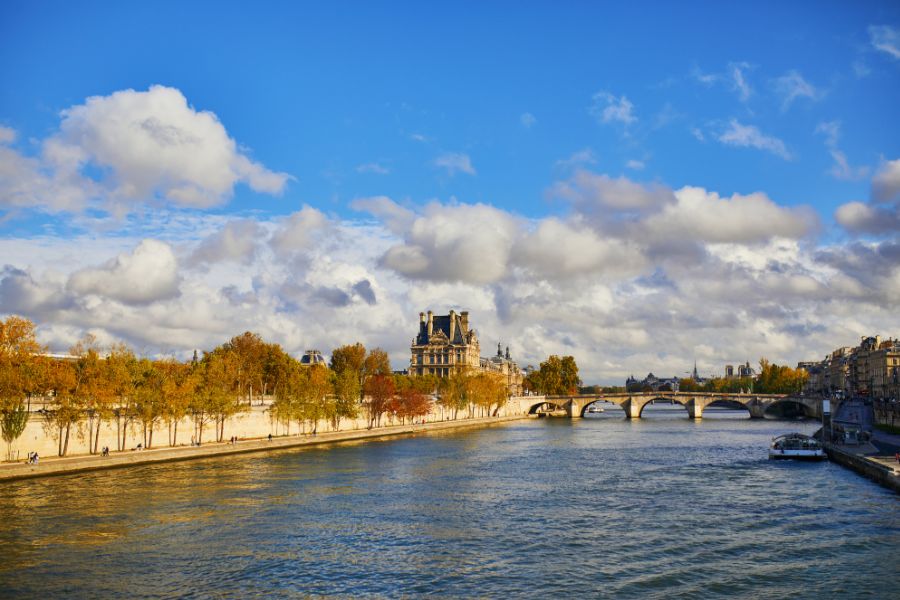
The Seine River sits only a few steps from the museum. A short walk brings me to the water’s edge, where benches and a calm view of boats drifting past make it easy to unwind. I’ve joined picnicking visitors with a baguette and some cheese—no regrets there. If you catch the sunset over the Eiffel Tower from the riverbank, you’ll see why I always mention it.
Day Trips to Versailles and Giverny
Every now and then, getting out of the city helps me come back with new energy and ideas.
Versailles isn’t far—just a quick train ride, really—but stepping off at the palace feels like entering another world. I love wandering the palace gardens early before the crowds descend. Some tours make things easy with hotel pickup and flexible refunds, which I’ve found useful during busy times.
Giverny, where Claude Monet lived, has its own magic. The gardens burst with color from spring to early fall, and walking there feels like moving through a painting. I always book ahead; tickets disappear fast, especially on weekends.
Both spots are close enough for a day trip. After a busy Louvre visit, nothing beats fresh air and a change of scenery in these classic French escapes.
Inspired Reflections: Artistic, Literary, and Memoir Connections
Finding hidden spaces in the Louvre isn’t just about escaping crowds. For me, it’s a chance to see the museum through the eyes of writers, artists, and all the people who’ve wandered here before.
Certain rooms let me tune into the echoes of history and the quiet thoughts left behind by past visitors.
French Literature and Memoirs of the Louvre
As I walk through the Louvre, scenes from old French novels pop into my mind. Writers like Balzac and Hugo saw the museum as more than a palace—they thought of it as a symbol of Paris itself, always changing.
Back in the 19th century, the Louvre sparked debates about enlightenment and individuality. I’ve read French memoirs where authors search for quiet corners, just like I do. They describe small galleries where time seems to slow down.
Even on TripAdvisor, people mention those rare peaceful moments—proof that everyone’s looking for a little escape now and then.
Standing in those hallways, I sometimes wonder about all the poets, philosophers, and art lovers who’ve passed through. Each one added something to the museum’s story, and honestly, it’s hard not to feel a bit inspired by that.
Engraving History and Personal Stories
Some of my favorite moments actually happen near the lesser-known engraving collections.
These rooms usually sit empty, so I get to linger beside works by artists like Dürer or Callot.
Their engravings whisper about old Paris and how the museum took shape over time.
The cool hush and deep shadows let my thoughts wander wherever they want.
Each print pulls me into stories that are centuries old.
Sometimes, when I stand in front of a glass case, it almost feels like I’m stepping into someone’s memoir—the artists’ marks keep their stories alive, maybe just as clearly as any page of literature.
I scribble notes in my travel journal, trying to capture not just the art, but also the peacefulness that seems to wrap around me in these forgotten corners.
Here, history, literature, and my own quiet moments all come together, showing me a side of the Louvre that feels quieter and, honestly, a lot richer.
