
Stepping into the Louvre can be a lot. Crowds gather around the Mona Lisa and the Venus de Milo, and it’s easy to feel lost in the shuffle.
After a few visits, I realized you don’t have to push through packed galleries to find a little peace. The Louvre actually has several quiet corners where you can pause, escape the crowds, and get close to the art.
I’ve wandered through hidden hallways, empty staircases, and even slipped in through tucked-away entrances like the Porte des Lions. This spot often stays quiet, especially on certain days.
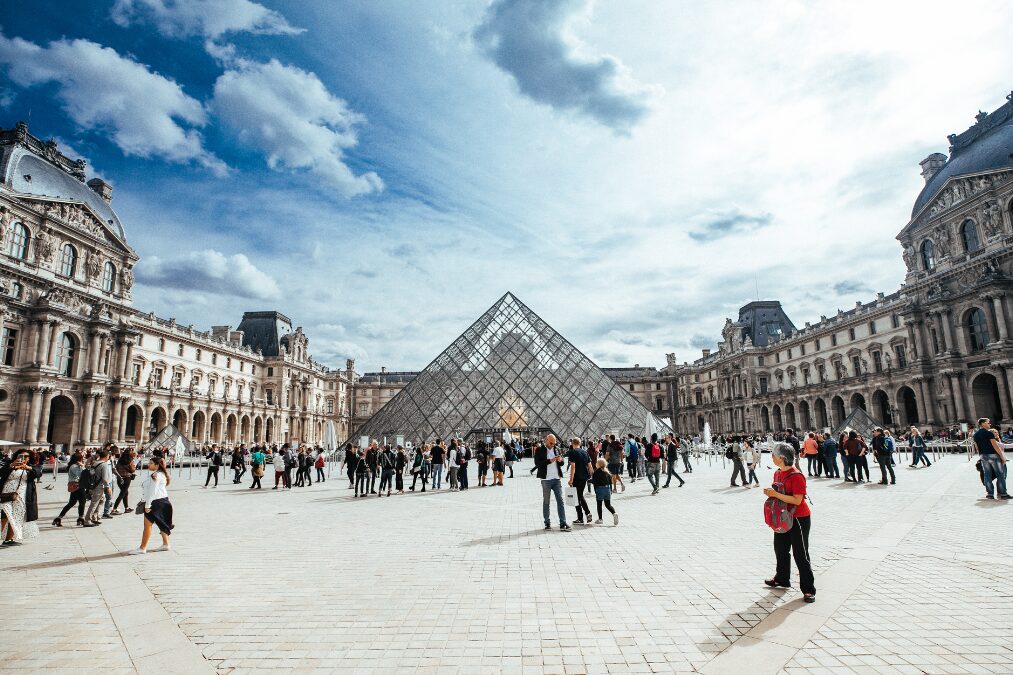
Napoleon’s apartments and the fortress foundations beneath the museum are favorites of mine—so much silence down there. If you want to feel a true connection with the art, not just with other tourists, these secret areas are your best bet for a calmer Louvre visit.
Mastering the Louvre: How to Navigate and Outsmart the Crowds
You can find peace in the Louvre with a little planning. Over time, I’ve learned that timing, access, and knowing your options make all the difference.
Essential Timing: Best Hours to Visit
Timing really matters at the Louvre. I stay away from weekends and school breaks—they’re just too busy.
Weekdays are better, especially Wednesdays and Fridays when the museum stays open late, until 9:45 p.m. Early mornings work well too. I try to arrive about 15 minutes before opening and head straight to the farthest wings.
Late evenings can be just as peaceful, and I get more time to soak in the art. If you want to dodge school groups, visit in the mid-afternoon or later. Most tours clear out by 3 p.m., and that’s when those quiet corners start to open up.
Priority Access and Skip-the-Line Secrets
Priority access really changes the game at the Louvre. I always book an online entrance ticket in advance, which lets me walk right into the Carrousel du Louvre entrance. This spot is way less crowded than the glass pyramid.
Skip-the-line tours or priority access guided tours on sites like Tripadvisor can make things even easier. These tours often come with a tour guide who handles the details, so I just focus on the art.
Some tours offer hotel pickup, easy cancellations, and “Travelers’ Choice” badges. That helps me book with peace of mind.

Here’s a quick guide:
| Option | Entrance Used | Benefits |
|---|---|---|
| Standard Ticket | Pyramid | Longer lines |
| Online Advance Ticket | Carrousel du Louvre | Shorter, faster entry |
| Guided Tour | Priority Access Entrances | Fastest, added insights |
Accessibility Tips for Every Traveler
The Louvre makes things easy for wheelchairs and strollers. Elevators, ramps, and accessible bathrooms are everywhere.
I always check the museum’s website for the accessibility map before I go. When I bring friends or family who need help, staff step in and assist right away.
If mobility is an issue, you can ask for a complimentary wheelchair at the entrance. The Palais Royal–Musée du Louvre Metro stop sits right below the museum, so public transport is simple.
Guided tours often include accessible routes and extra support if you need it. With a little planning, everyone can enjoy the museum at their own pace.
Hidden Masterpieces: My Favorite Quiet Spaces to Admire Art
Finding places in the Louvre where art and silence meet feels like a win. Some galleries invite you to look closely and enjoy peaceful moments, far from the crowds.
The Galerie d’Apollon’s Golden Glow
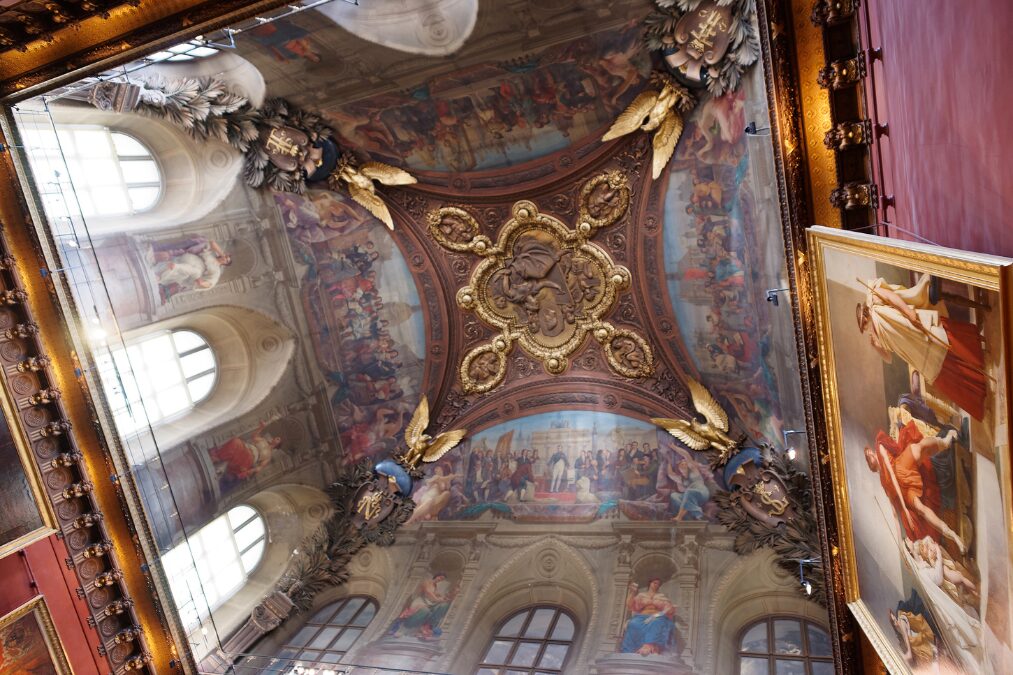
The Galerie d’Apollon is a real treat for anyone who loves architecture and fine arts. Golden light streams in from painted ceilings and tall windows—it almost feels like you’re inside a jewelry box.
Most people miss the treasures along the walls and in the glass cases. The gallery displays some of the Louvre’s oldest French paintings, royal crowns, and sparkling gems.
Since the room is long and off the main path, it usually stays quiet. That calm atmosphere encourages slow, careful looking.
I can spend several minutes just staring up at Eugène Delacroix’s ceiling mural, Apollo Slays the Serpent Python. The bold colors and wild shapes tell epic stories.
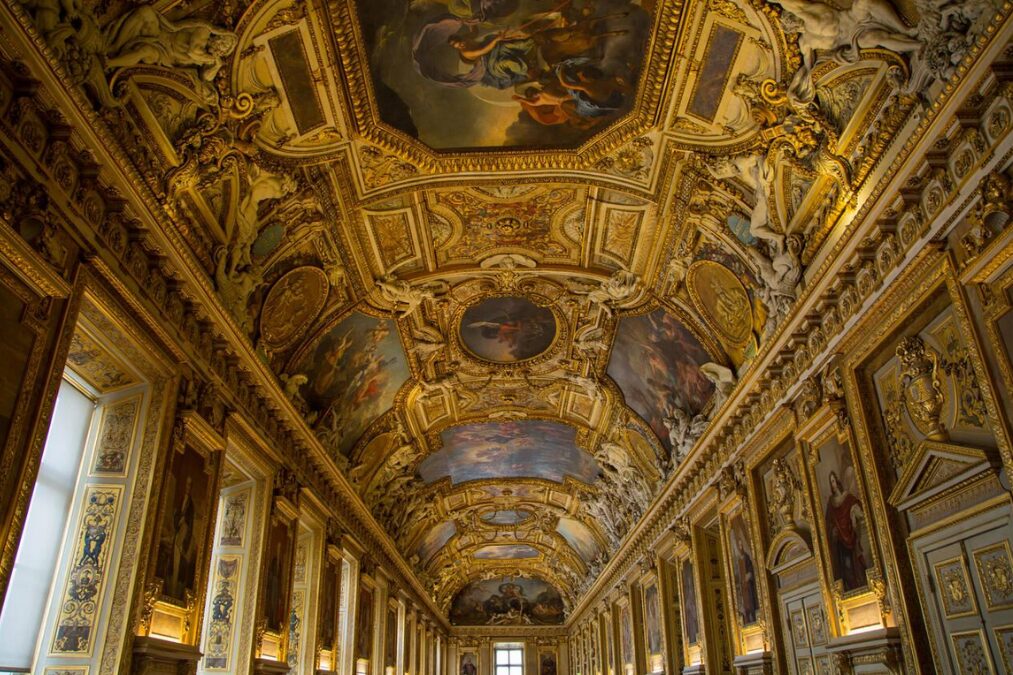
Whether it’s the art or the sense of history, this is where I go for a golden moment of peace.
The Peaceful Sculpture Courtyards
The Denon Wing holds two big sculpture courtyards: the Cour Marly and Cour Puget. Glass roofs let in daylight, filling the halls with a gentle, natural glow.
Rows of marble and stone sculptures rest on wide platforms. I’ve admired the movement of Marly Horses and the calm power of neoclassical statues.
Soft footsteps echo, adding to the relaxed mood—perfect for anyone who wants to sketch or study the details.
A few highlights:
- Marly Horses (French sculpture)
- Heroic Greek and Roman figures
- Views of the courtyard architecture
Sitting on a bench, I get lost in the play of light and shadow. These courtyards feel like living showcases of artistic expression from centuries past.
Forgotten Wings: French Painting Treasures
The big names draw the crowds, but I find the quieter corners of the French painting collections just as rewarding. The Richelieu and Sully wings have rooms full of works by less famous painters—perfect for fans of realism and impressionism.
One section shows intimate portraits and scenes of daily life from the 17th and 18th centuries. I notice the careful brushwork and quiet emotions that make French art unique.
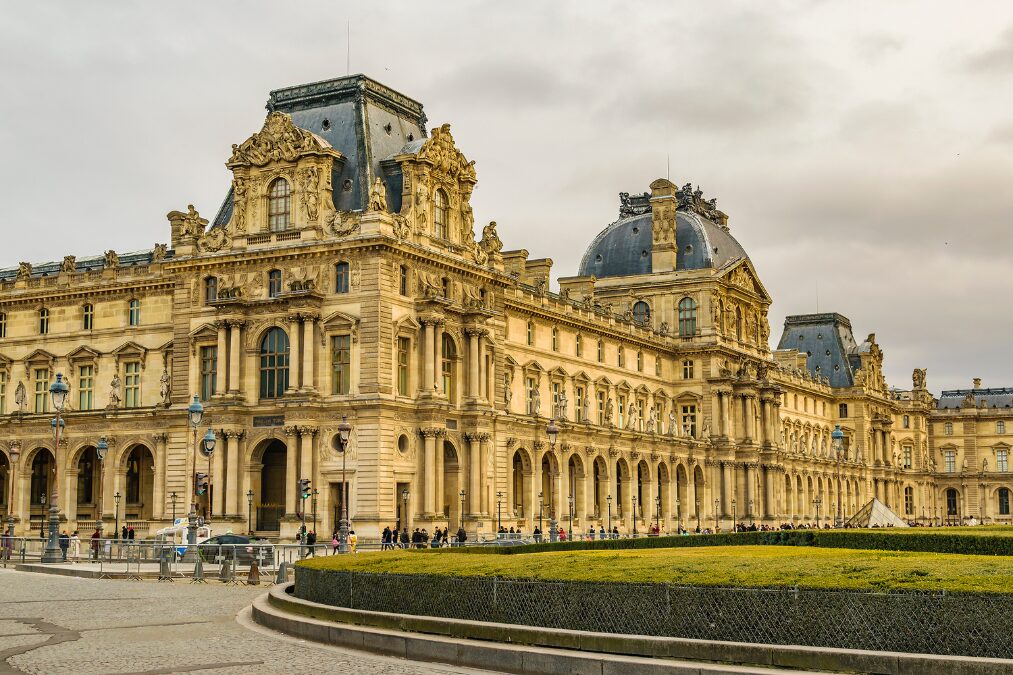
Sometimes, I spot a few other art lovers here, but it’s never crowded.
Quick tips:
- Try rooms with closed doors—they’re almost always quieter.
- Look for post-impressionist works that most tourists miss.
- Use the benches to sit and compare painting styles.
Wandering these halls has taught me more about French art than any textbook ever could.
Serenity in the Near Eastern Antiquities
Not many people make it to the Near Eastern Antiquities galleries. Tucked away from the main entrances, this area shows art from ancient Mesopotamia, Persia, and the Levant.
Massive stone bulls and the Lamassu guardians line the halls. Up close, they’re awe-inspiring.
In these shadowy rooms, I feel the quiet power of ancient art. I pause at displays of cuneiform tablets and intricate jewelry, marveling at the details made thousands of years ago.
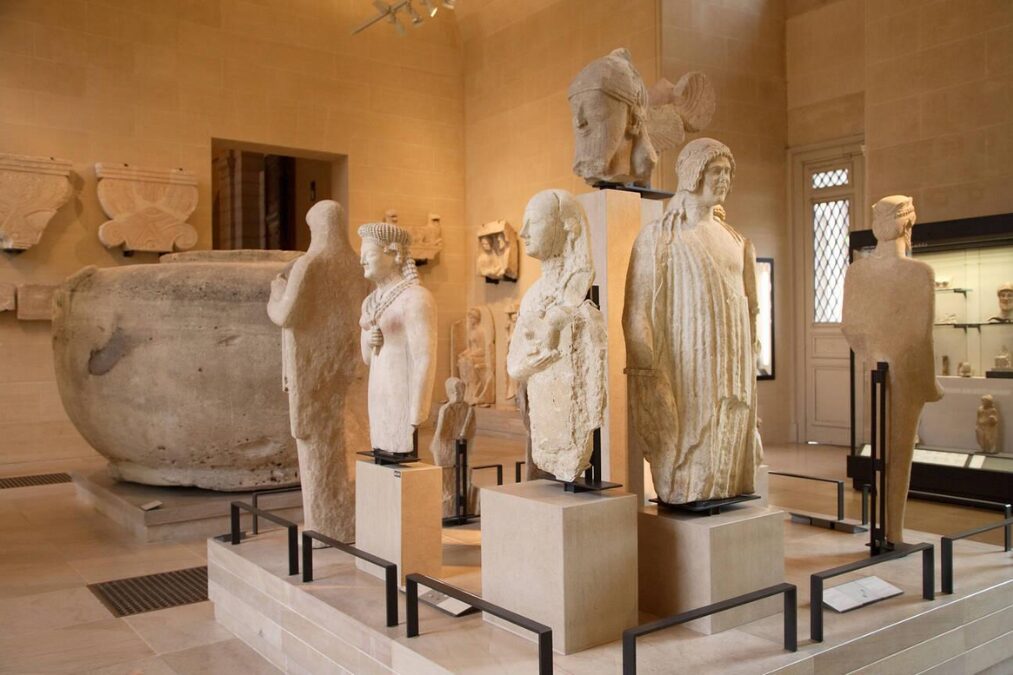
These spaces let me travel through history in near silence. I find a deep appreciation for the civilizations that shaped the Louvre’s collection.
Escaping the Mona Lisa Mayhem: Lesser-Known Gems Worth Your Attention
The Mona Lisa draws huge crowds all day. It’s tough to get close or really enjoy her mysterious smile.
But beyond the tourist rush, the Louvre hides peaceful galleries and remarkable art that let me connect more deeply with genius and history.
Renaissance Rooms That Stay Quiet
Not far from the Mona Lisa, I found Renaissance galleries that most people skip. These rooms show works by less famous artists, and the crowds thin out quickly.
Painters like Correggio, Andrea del Sarto, and Parmigianino fill the walls. I get to linger and study the details up close.
The mood here is different—soft light, benches facing lovely altarpieces, and sometimes just one or two other visitors. It’s easy to spend five or ten minutes with a single painting.
This quiet makes the art feel personal. I can almost imagine stepping back into the mindset of Renaissance individualism and romanticism.
My favorite find was an intimate portrait by Bronzino—the realism and emotion stand out. If you need a break from the crowds, wander into these less-traveled spaces.
Intimate Encounters with Cubism and Abstraction
On an upper floor, the Louvre’s modernism and abstraction collection stays surprisingly empty. Compared to the main Italian wing, it’s a whole different world.
You’ll find works that show the evolution of art—where genius takes bold, new shapes. My favorite corners hold paintings by Fernand Léger and Georges Braque, big names in cubism.
Their fragmented shapes and daring colors really stand out against the classical art. It’s a bit of a shock to the system, in a good way.
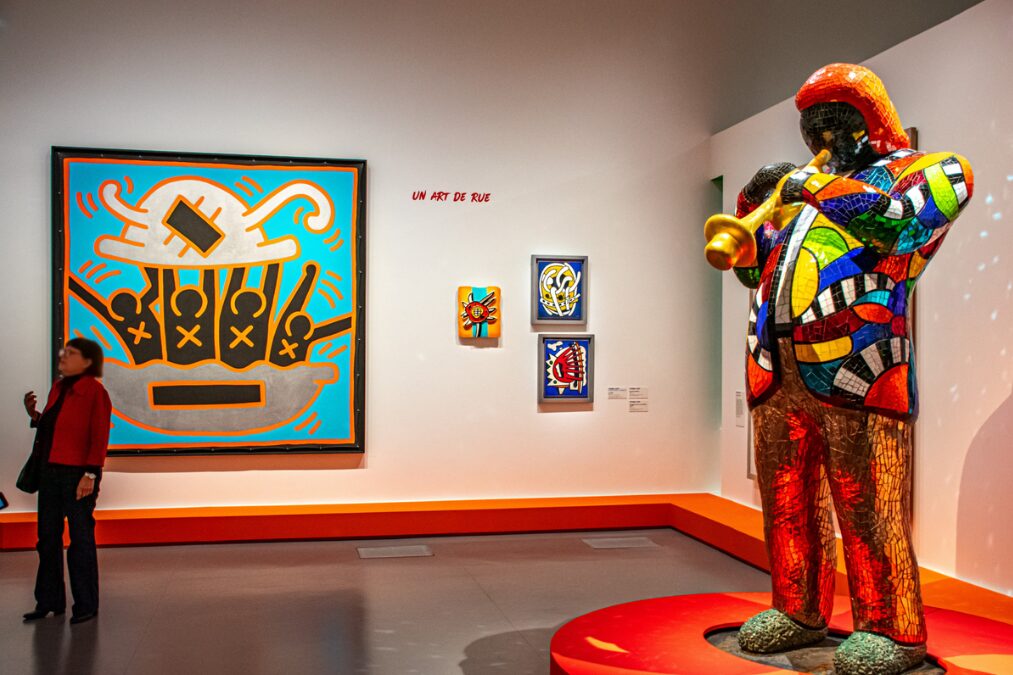
Sitting here, I can slow down and let the abstraction settle in. The quiet gives space for personal interpretation, and I usually leave with a fresh appreciation for how the search for meaning and individuality stretches across centuries at the Louvre.
A Personal Journey: How Literature, French Culture, and Memoirs Shape My Louvre Experience
French literature, memoirs, and culture color the way I see each gallery. Exploring these stories over the years has changed how I interact with the art and the mood in the museum’s quieter corners.
French Enlightenment and Humanism in the Galleries
Walking through the Louvre, I often think about the French Enlightenment. The museum feels like a living classroom, full of humanist ideas.
Paintings by artists like Jacques-Louis David show the power of reason and human dignity. Reading Candide by Voltaire gave me a new way to see the art in these wings.
I start thinking about individual freedom and hope—big Enlightenment themes. The murals and sculptures spark questions about knowledge, progress, and what it means to be human.
In the quieter halls, I sometimes bring a notebook and jot down how certain works connect with writings from this era. This turns the visit into a personal conversation with history.
Artistic Encounters: Memoirs from the Corridors
I’ve learned a lot about the Louvre from memoirs by curators and art historians. Michel Laclotte’s stories, for example, make the vast museum feel less intimidating.
Following these insiders, I found rooms rarely mentioned in guidebooks. There’s a peaceful spot near the French sculptures where I can pause and let the details sink in.
Memoirs help me create my own tiny adventures. Sometimes I visit the same spot again, always noticing something new thanks to their stories.
French Literature’s Influence on Art Appreciation
French literature gives me new ways to enjoy art. Reading Marguerite Yourcenar’s novels or Jean Giono’s essays, I see how words and images talk to each other.
Sometimes a line from a book matches the mood of a painting or sculpture I stumble upon. That connection turns art viewing into something personal.
It adds a layer of story that goes beyond just looking.
Tips for Visitors:
- Bring a favorite French novel or memoir and read a few pages in a quiet corner.
- Use prompts or questions inspired by literature to guide your attention to details in the art.
- Compare what you read to what you see—notice feelings or ideas that cross over between text and canvas.
Nearby Oases: Secluded Spots and Cafés to Recharge Beyond the Louvre
After wandering the grand halls, I sometimes need a break from the Louvre’s energy. Paris has a surprising number of peaceful retreats just steps away—quiet riverside corners, cozy art cafés, and hidden gardens.
Secret Corners Along the Seine River
When I step out of the Louvre, I usually head straight for the Seine River. Instead of joining the crowds near Pont des Arts, I wander east toward Square du Vert-Galant at the tip of Île de la Cité.
Here, willows dip into the water. Benches invite you to pause for a moment.
Early afternoons feel especially peaceful. You might find students quietly sketching or reading, lost in their own worlds.
I love sitting here, just watching the tourist boats drift by. They’re far enough away that I can actually hear the water lapping at the banks.
A short stroll along the riverside pathway uncovers more solitude. You’ll spot the Eiffel Tower peeking through the trees, and artists selling sketches from little stands along the quai.
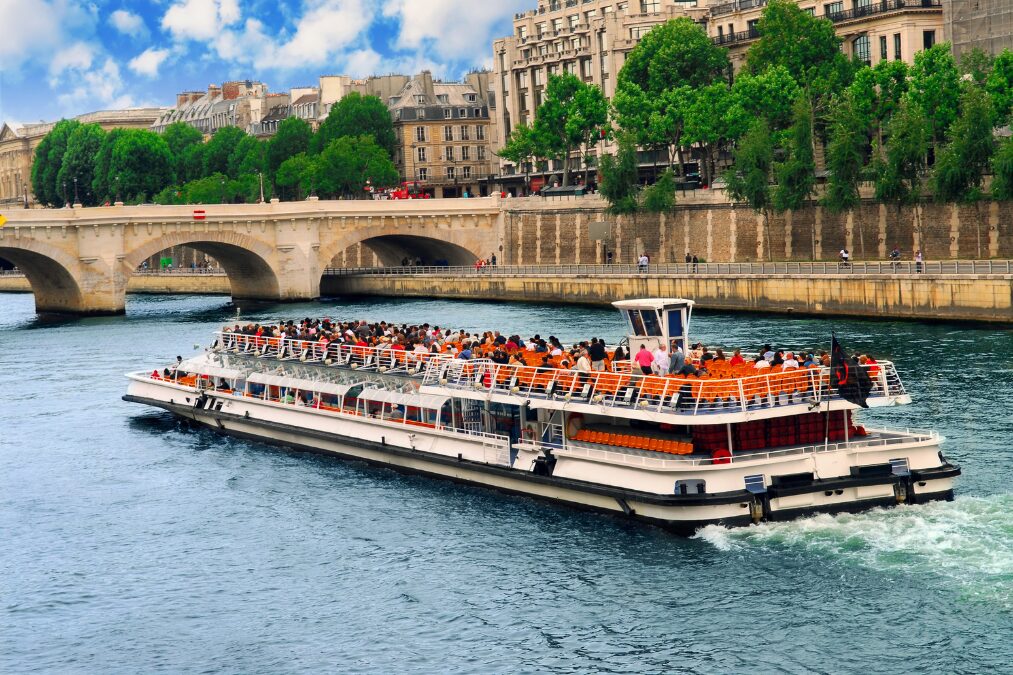
If you’re hungry or just want a drink, try one of the péniche boat cafés tied along the riverbank. They aren’t touristy at all, and they serve simple drinks with a unique view.
This stretch near the Louvre rarely gets hectic. Come outside of rush hour, and it feels like your own secret city escape.
Art-Inspired Cafés for a Quiet Break
When I’m ready for a real break but not a full meal, I go searching for an art-inspired café. Le Café Marly hides under the Louvre’s arches, offering a view of the glass pyramid.
It’s not the cheapest spot, but if you visit between lunch and dinner, it’s surprisingly peaceful. I’ll linger over an espresso, scribbling in my notebook and people-watching.
Nearby, Café Richelieu-Angelina inside the Louvre serves hot chocolate that’s thick and not too sweet. Sitting by the window, I find it easy to unwind after hours of art.
If I want something less grand, I stroll up Rue de l’Amiral de Coligny. Local bakeries there serve fresh pastries all afternoon.
Don’t need indoor seating? The tiny terraces along Rue de Rivoli often have tables open mid-afternoon. These outdoor spots let you people-watch in comfort, just steps from the Louvre but somehow a world away from the noise.
Gardens and Fountains for Reflection
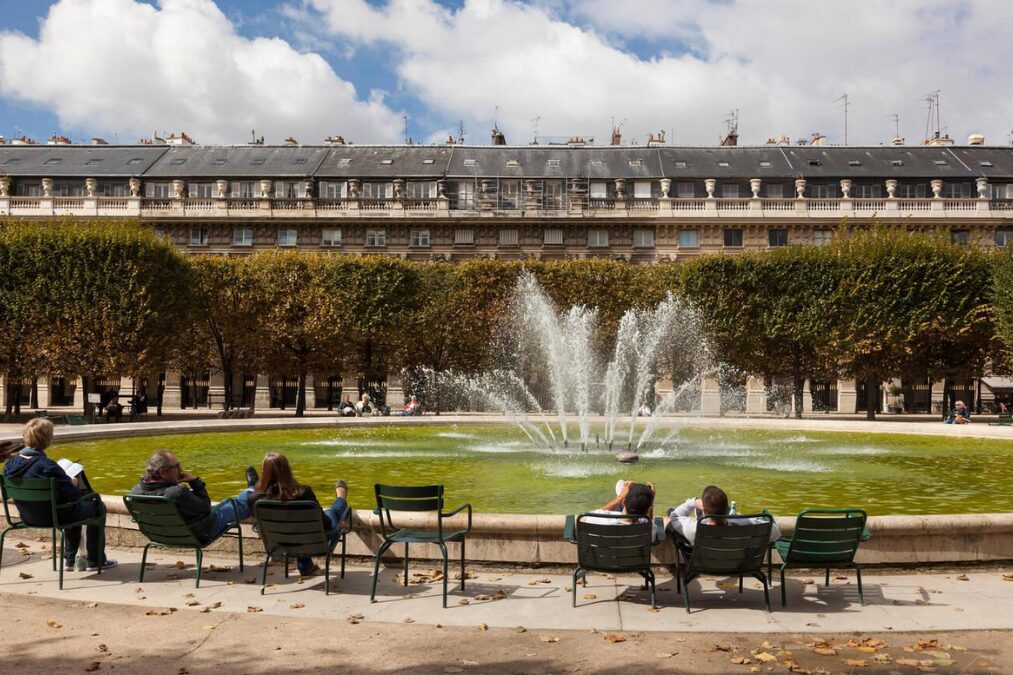
Nothing helps me recharge like escaping to a garden. Just beyond the Louvre, the Jardin du Palais Royal never feels too busy.
I wander under its tree-lined paths and always stop at the central fountain. The gentle splash of water drowns out the city sounds.
The geometric gardens here have quiet nooks perfect for reading or daydreaming. Occasionally, I spot a few artists painting or locals enjoying a picnic lunch.
The polished Buren columns offer striking scenery if I’m in the mood for a unique photo. They always catch my eye.
If I’m willing to walk a little farther, the Tuileries Garden opens up with wide lawns and plenty of seating beside elegant fountains. The farther I go from the main entrances, the fewer crowds I see.
It’s a welcome break, with Versailles-style landscaping right in the heart of Paris.
Modern and Contemporary French Art: Intimate Rooms Beyond the Classics
Inside the Louvre, I find quiet galleries filled with modern and contemporary works. These spaces offer a welcome change after the busy rooms around the Mona Lisa.
Impressionism and the Legacy of Claude Monet
A peaceful corner of the Louvre holds treasures from the Impressionist period. Claude Monet’s light-filled brushwork always draws me in, especially his studies of water and gardens.
His art helped launch Impressionism, a movement that broke away from stiff traditions. Instead of painting detailed scenes, these artists captured the feeling of a moment—bright, alive, a little wild.
Most Impressionist masterpieces live at the Musée d’Orsay, but the Louvre keeps a few select pieces that show how Monet’s vision influenced later painters. The airy, sunlit Monet paintings on display seem to quiet the room.
I love that there are benches close by, usually empty. I can take a real pause and admire the layers of color.
Many people miss these galleries. They’re perfect for anyone wanting to admire Impressionism without crowds pressing in.
I linger in front of a Monet and trace the quick flicks of paint that changed art forever. It’s a quiet thrill.
Fauvism through Henri Matisse
Another inviting wing holds Fauvist paintings, where Henri Matisse leads the charge with bold color and energy. Fauvism shocked the Paris art world with its wild tones and freedom.
Here, color does more than describe—it creates mood and movement. Matisse’s works glow on the walls, vibrant reds, greens, and blues pulsing under the careful museum lights.
Standing a few feet away, I’m struck by how intimate these galleries feel. The rooms are small, calm, and almost hidden compared to the big halls filled with older art.
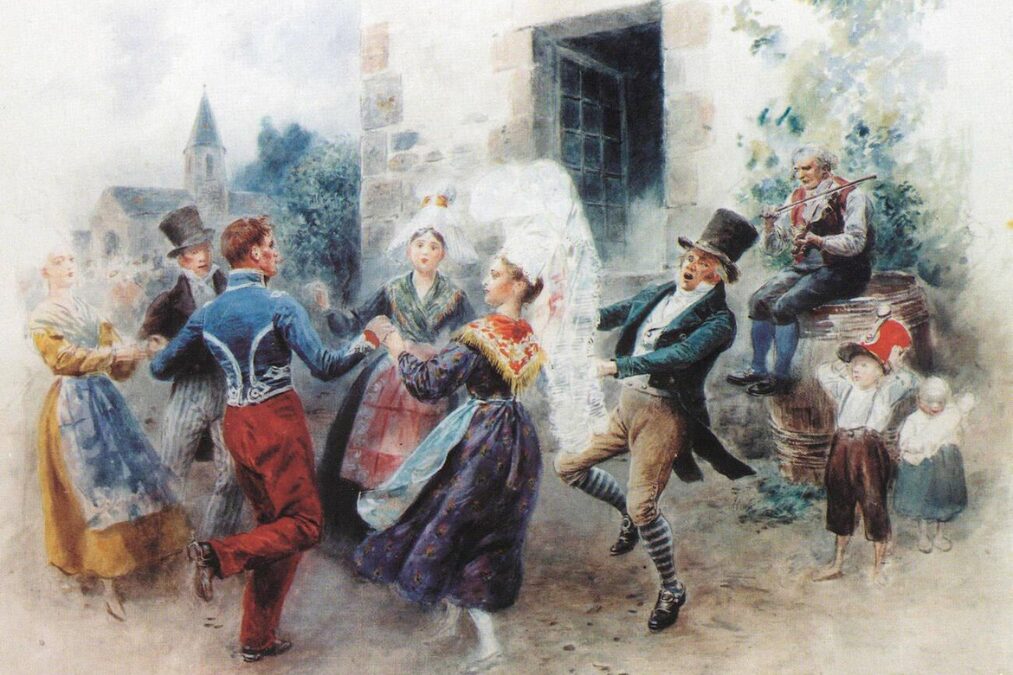
These Fauvist pieces let you see innovation up close. Every brushstroke challenges the eye, inviting visitors to see familiar scenes in new, electric ways.
This section is a perfect break from the main Louvre route. Hardly anyone finds their way in, which suits me just fine.
Innovators: Braque, Duchamp, and Denis
Deeper inside the Louvre’s modern wing, I find quieter rooms that introduce a few other pioneers. Georges Braque co-founded Cubism, slicing forms into layered shapes that almost force me to look from every angle at once.
Marcel Duchamp shakes up tradition with his thought-provoking pieces. He takes everyday objects and turns them into something playful—or sometimes just plain odd.
Maurice Denis really stands out in the world of Post-Impressionism. His work dives into emotion and mysticism, sometimes capturing moments of agony, sometimes just quiet reflection.
I love how his soft colors and flowing lines pull me into his world, far away from all the noise outside. It’s easy to get lost in those paintings for a while.
These lesser-known galleries have tables with artist info and empty reading chairs scattered around. If you want a quiet spot to sit and just absorb the art, this is the place.
I’ve found myself spending extra time here, recharging before heading back out into the busy museum halls.
