
The salty air in St Ives blows in from the Atlantic, promising warm scones, thick clotted cream, and sweet strawberry jam. There’s something magical—maybe even a bit nostalgic—about sitting down for a cream tea in Cornwall, especially with the cobbled streets and surf buzzing all around.
These moments just take me back. I slow down and savor every bite, letting the world outside fade away for a while.
In my search for the best Cornish cream tea in St Ives, I quickly realized everyone has their favorite spot. The debate over the perfect cream-to-jam ratio? Oh, it gets lively. From cozy places like Scoff Troff and Olive’s Café to beachside stops along the market place, each spot added its own twist to the classic treat.
Trying each cream tea felt like a little peek into local history. I mixed tradition with the warm, welcoming energy that makes Cornwall feel special. Picking the “best” is honestly impossible, but my scone-hopping adventure gave me clear favorites—and a few fun surprises.
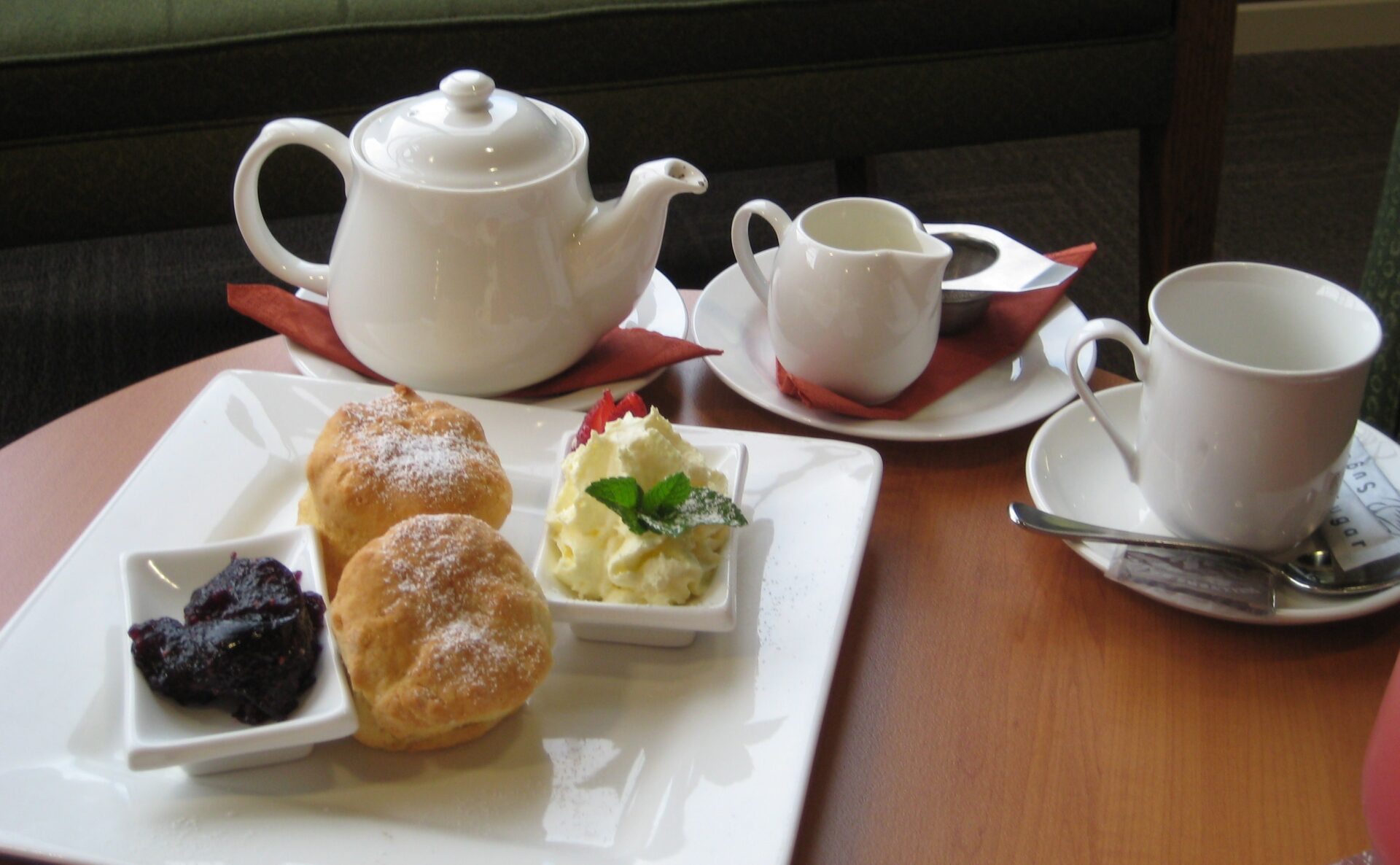
What Makes Cornish Cream Tea Unique?
Cornish cream tea isn’t just a sweet snack—it’s a ritual, tied tight to Cornwall’s culture and wild landscape. Its history, the long-running debates, and those signature ingredients make it stand out from any other cream tea I’ve ever tried.
Origins and Traditions
Cornish cream tea goes back to at least the 17th century, maybe earlier. Some say monks once served bread with clotted cream and jam in medieval abbeys, giving travelers a treat to remember. Local folklore even hints at connections to King Arthur, which adds a hint of magic and mystery.
As I wandered St Ives, every tearoom felt like a step back in time. Many cafés display recipes and stories passed down through families. Locals treat cream tea as more than food—it’s woven into daily life and shared identity.
This sense of place and history makes every bite feel a little more special.
Debates: Jam First or Cream First?
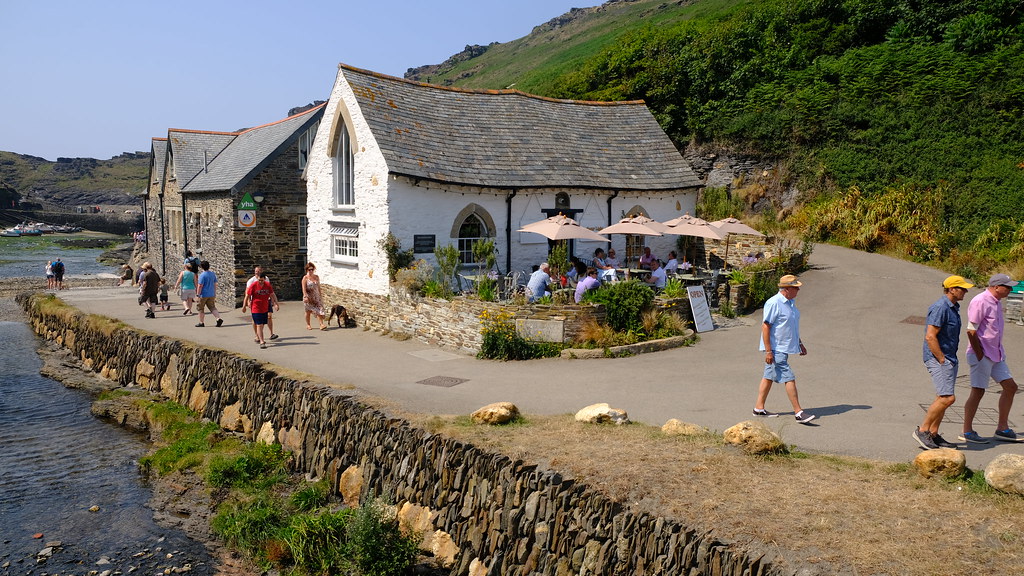
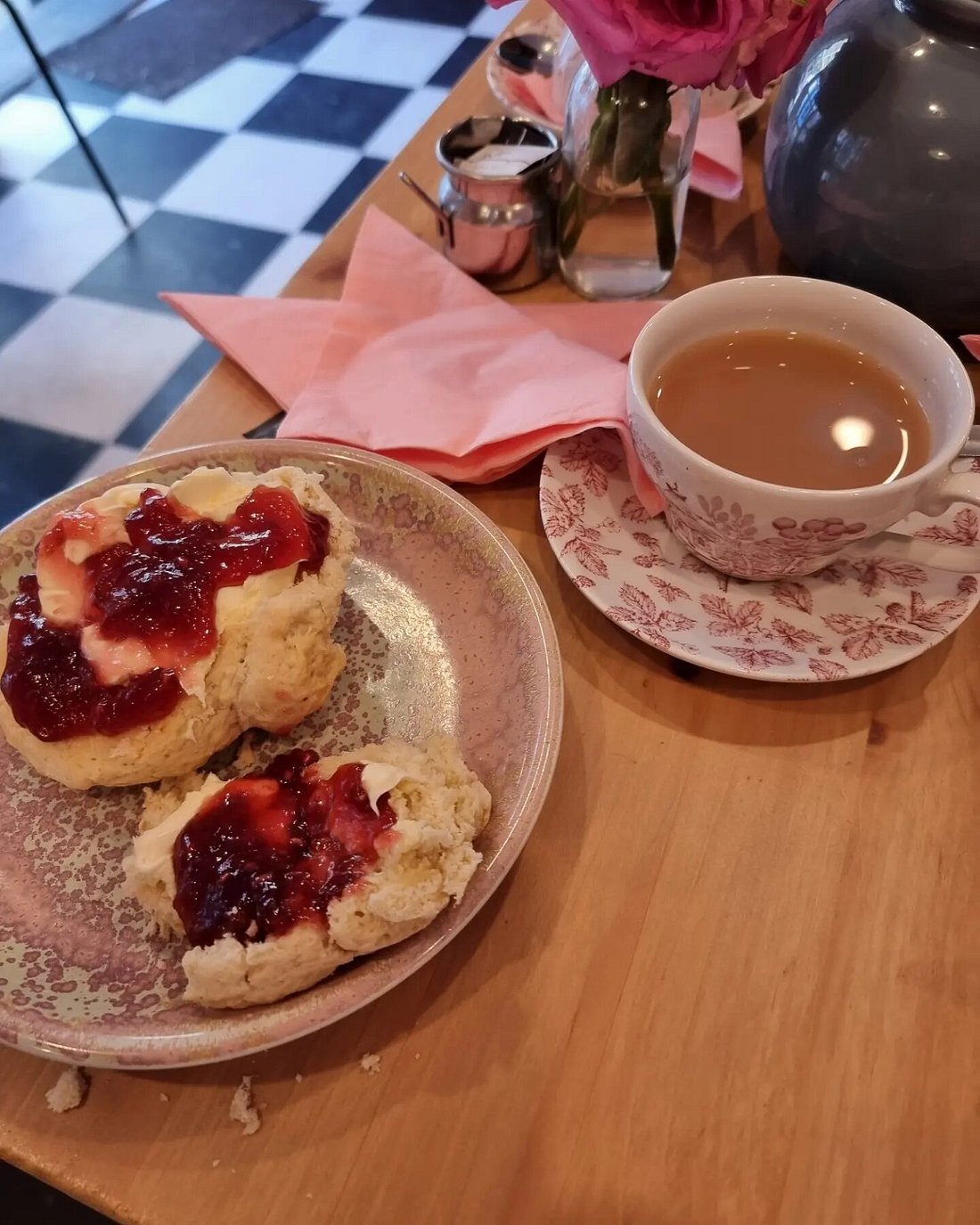
The rivalry between Cornwall and Devon over the “right” way to build a cream tea is alive and well. In Cornwall, you always spread jam first, then pile on the clotted cream. In Devon, it’s the other way around—cream first, then jam.
Locals in St Ives will defend this rule with passion. I’ve landed in more than one friendly debate with bakers and travelers about which way tastes best. In Cornwall, there’s no wiggle room: jam first, always.
It’s a small detail, but it sparks conversations and gives Cornish cream tea a pride and personality you just can’t fake.
The Essential Ingredients
A real Cornish cream tea comes down to three essentials:
| Ingredient | Notes | |
|---|---|---|
| 1 | Fresh Scones | Baked daily, often served warm. |
| 2 | Strawberry Jam | Local and fruity is best. |
| 3 | Clotted Cream | Thick, golden, and rich. |
The clotted cream makes it special. Cornish clotted cream is thick and rich, with a buttery crust on top. Scones are crumbly, not too sweet, and always fresh from the oven.
Even the tea matters. Most places serve a strong Cornish blend or classic English breakfast tea, making every bite and sip a real treat.
St Ives: The Perfect Backdrop for Cream Tea Adventures
St Ives turns every cream tea into something memorable. The town’s natural beauty and artistic soul shape every experience here. With golden beaches, wild Atlantic storms, and a creative buzz that pulls in artists and celebrities, even a snack feels like an event.
Iconic Landscapes and Beach Views
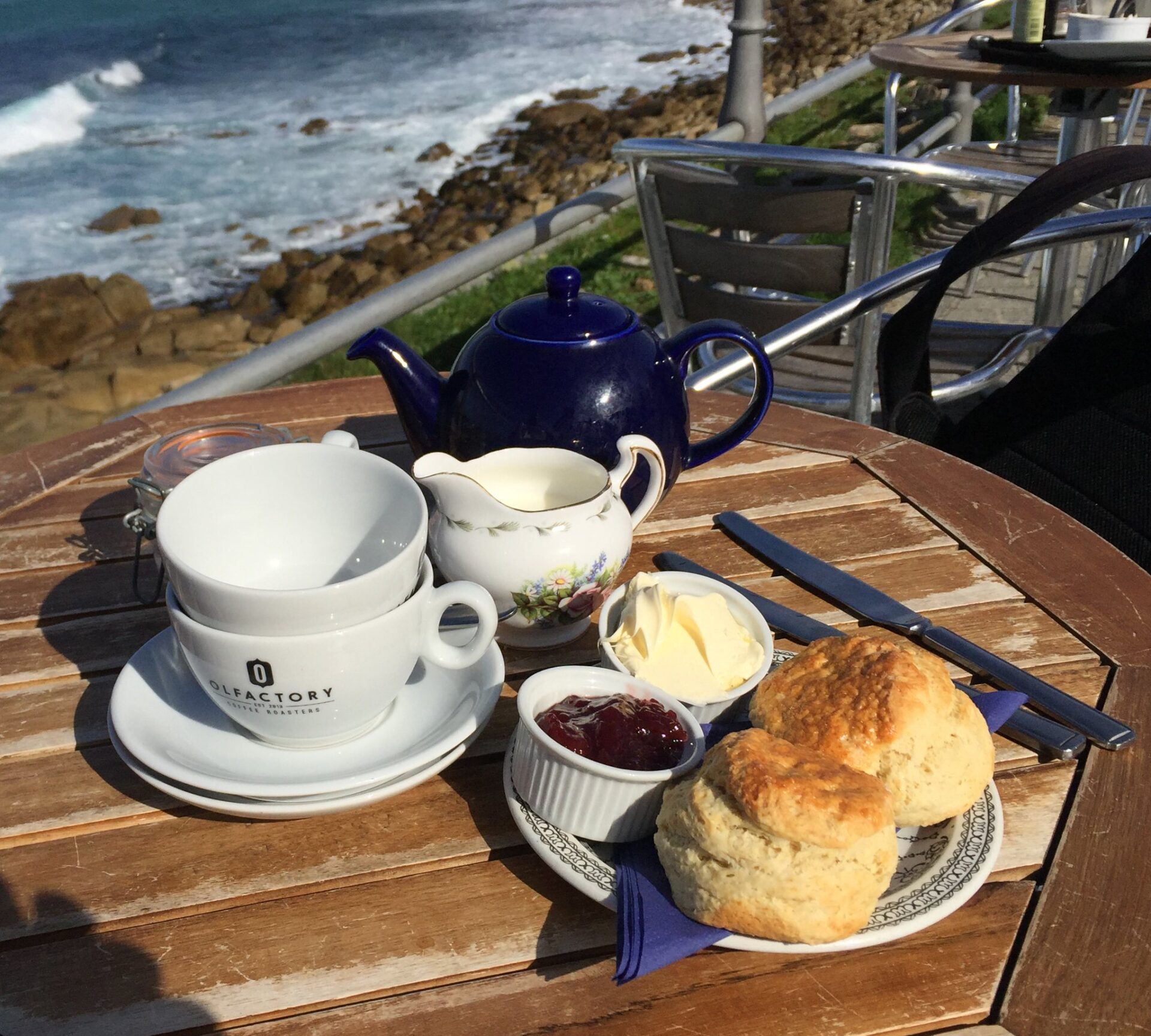
Few places in England let you enjoy a fresh scone while watching waves crash on sandy shores. St Ives sits right on the Atlantic, and its beaches—like Porthmeor and Porthminster—always feel alive.
When I grab a seat on a seaside terrace, I can’t help but stare at the mix of smooth rocks, seaweed, and rolling surf. The light here is crisp, sometimes dramatic, and every scene looks like it belongs in a painting.
Locals often remind me that this landscape has inspired artists for generations.
During my walks, I notice the tide leaving patterns in the sand. People gather for photos. Families picnic on grassy bluffs, and surfers try their luck below.
It’s the sort of place where every cream tea comes with a view you won’t forget.

Artistic Legacy and Local Culture
Art is everywhere in St Ives. I’ve wandered into galleries packed with paintings of the wild coast and shifting sky. The Tate St Ives museum showcases both famous and new artists, and I’ve lost hours among the sculptures and photos.
Artists set up on the pier, sketching boats and brewing storms. Exhibitions change all the time, and sometimes I spot celebrities at openings or just wandering the lanes with a sketchbook.
Shops show off ceramics, jewelry, and hand-printed seaweed designs. The St Ives Society of Artists plays a big role in the town’s story, keeping traditions alive while inviting new ideas.
Each visit brings a mix of nostalgia and excitement for what’s next.
Weathering Storms and Seaside Memories
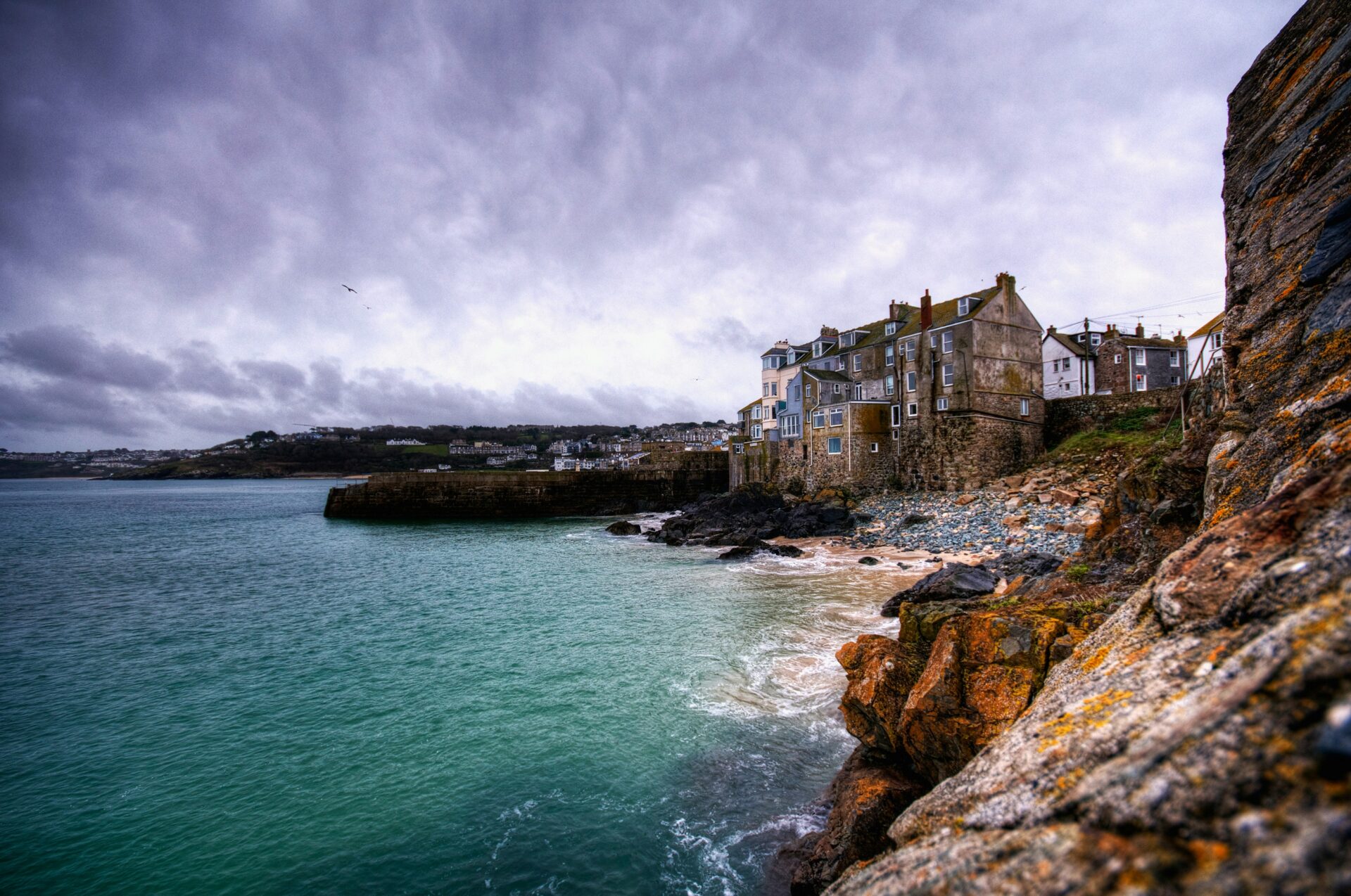
St Ives gets its share of wild weather. Storms roll in from the Atlantic, leaving salty spray on the windows and making the sea roar. On those blustery days, cream tea feels like a warm refuge.
Inside, locals swap stories about winters past. Old photos line the walls. The wind outside mixes with laughter and the clink of teacups.
Even as rain lashes the rocks, those moments stick with me and make me feel connected to everyone who’s ever watched a storm pass here.
Looking out over the harbor, I can almost sense the generations who found comfort in the same spot. For a few minutes, even the wildest weather feels like part of the charm.

The Most Beloved Cafés and Tea Rooms in St Ives
Every spot in St Ives brings something unique to the Cornish cream tea tradition. From airy harbor cafés to tiny hideaways and historic gems, I found plenty of variety in both style and taste.
Harbor-Front Favorites
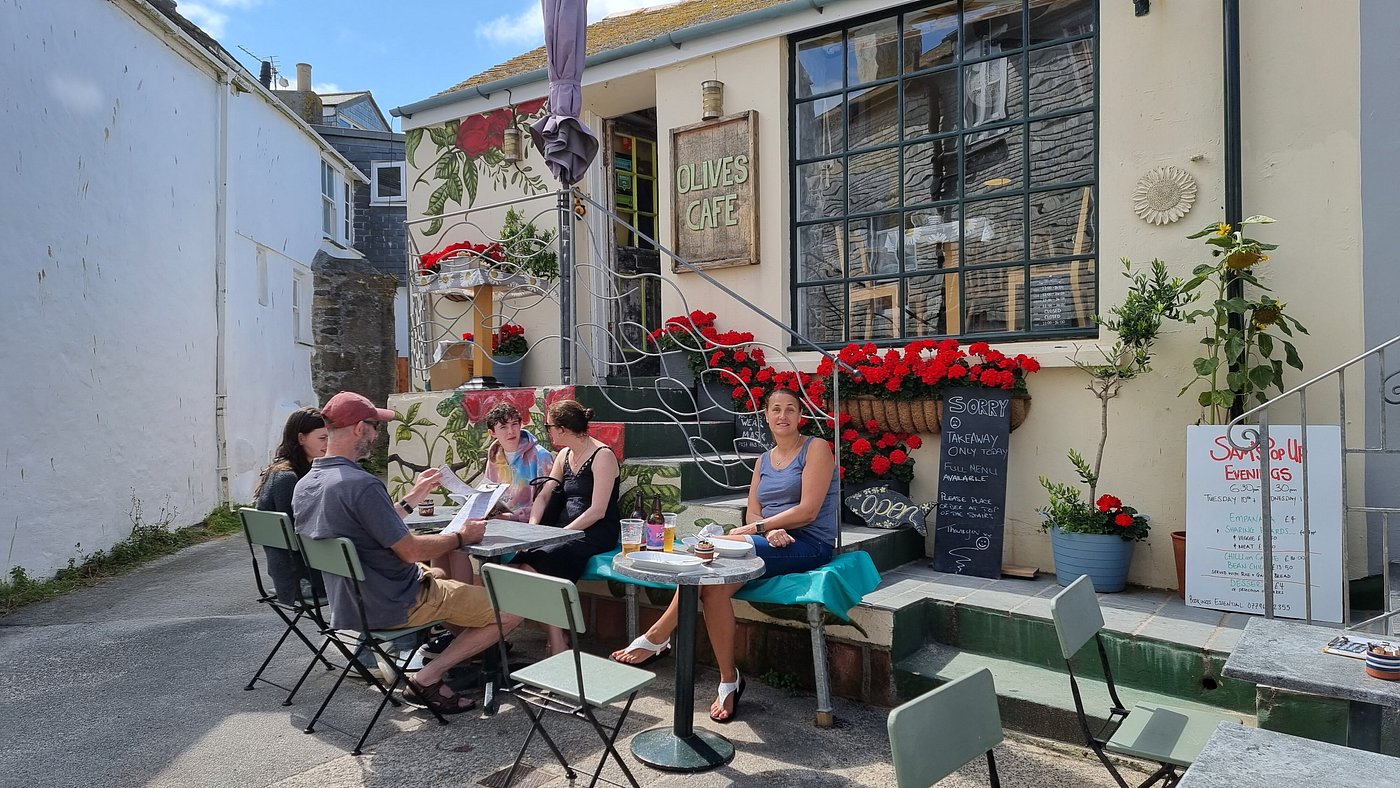
The heart of St Ives is its lively harbor, where the salty breeze and clatter of fishing boats set the mood for a traditional scone. I stopped by Olives Café, which many call “the best Cornish cream tea ever.” Their scones came out warm, the clotted cream was thick, and the homemade jam packed a tart punch.
At a window table, I watched the tide roll in and out, sipping tea from a sturdy mug.
Market Place Tea Rooms is another gem above the busy streets. The clink of glass teapots and neighborly chatter made me lose track of time. Their cakes are tempting, but the cream tea—served on vintage china—steals the spotlight.
If I wanted something quick, Scoff Troff offered cream tea with fresh sandwiches, perfect for a lighter meal and a view of the boats.
Top Picks for Harbor Scones:
| Café | Known for | View |
|---|---|---|
| Olives Café | Homemade cream teas | Harbor |
| Market Place Tea Rooms | Vintage china, cakes | Town center |
| Scoff Troff | Variety, casual vibe | Harbor side |
Hidden Garden Retreats
St Ives hides a few garden cafés and tearooms behind stone walls and leafy lanes. The peace in these tucked-away spots is a welcome break from the crowds.
At Coasters Tea Shop, just off the main streets, I sat among blooming pots and quirky ceramics, listening to the soft buzz of locals. Their cream tea was rustic, with crumbly scones and thick, golden clotted cream.
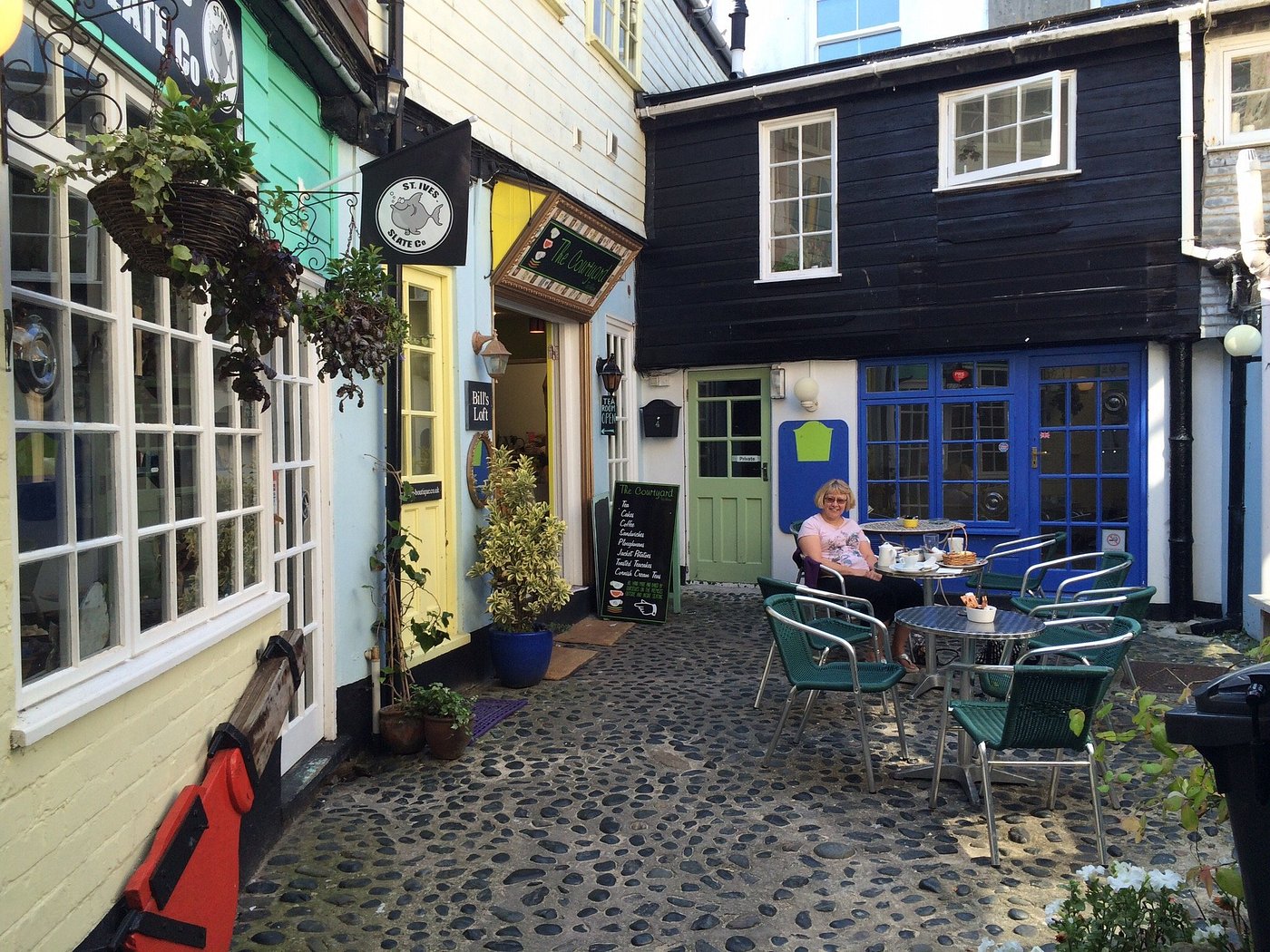
The Courtyard Tea Rooms gave me another sunny escape. In their garden, I tasted homemade strawberry jam that paired perfectly with a buttery scone.
National Trust property gardens sometimes host pop-up tearooms, where history stands alongside pastries. I love how these green pockets let me slow down, sip tea, and browse regional art gifts in cozy corners.
Standout Features:
- Quiet gardens and parks
- Artisanal glass and ceramics for sale
- Friendly staff and homemade treats
National Trust and Historical Spots
Some of the best cream teas in St Ives show up in National Trust sites or historic tearooms. On the edge of town, I found a National Trust café inside an old building with slate floors and thick stone walls.
Here, the scones were just sweet enough, the cream was perfectly chilled, and shelves overflowed with locally made ceramics and unique gifts.
The Victorian Tearooms made me feel like I’d stepped back in time. Their menu included not just scones, but local crab sandwiches—a nice bonus if you’re curious about Cornish specialties.
These places, filled with artifacts and glass displays, had a cozy, museum-like vibe.
What stood out:
- Historic settings and preserved buildings
- Handcrafted mugs and plates
- Options beyond cream tea, like crab sandwiches and seasonal cakes
Quirky Cream Tea Experiences
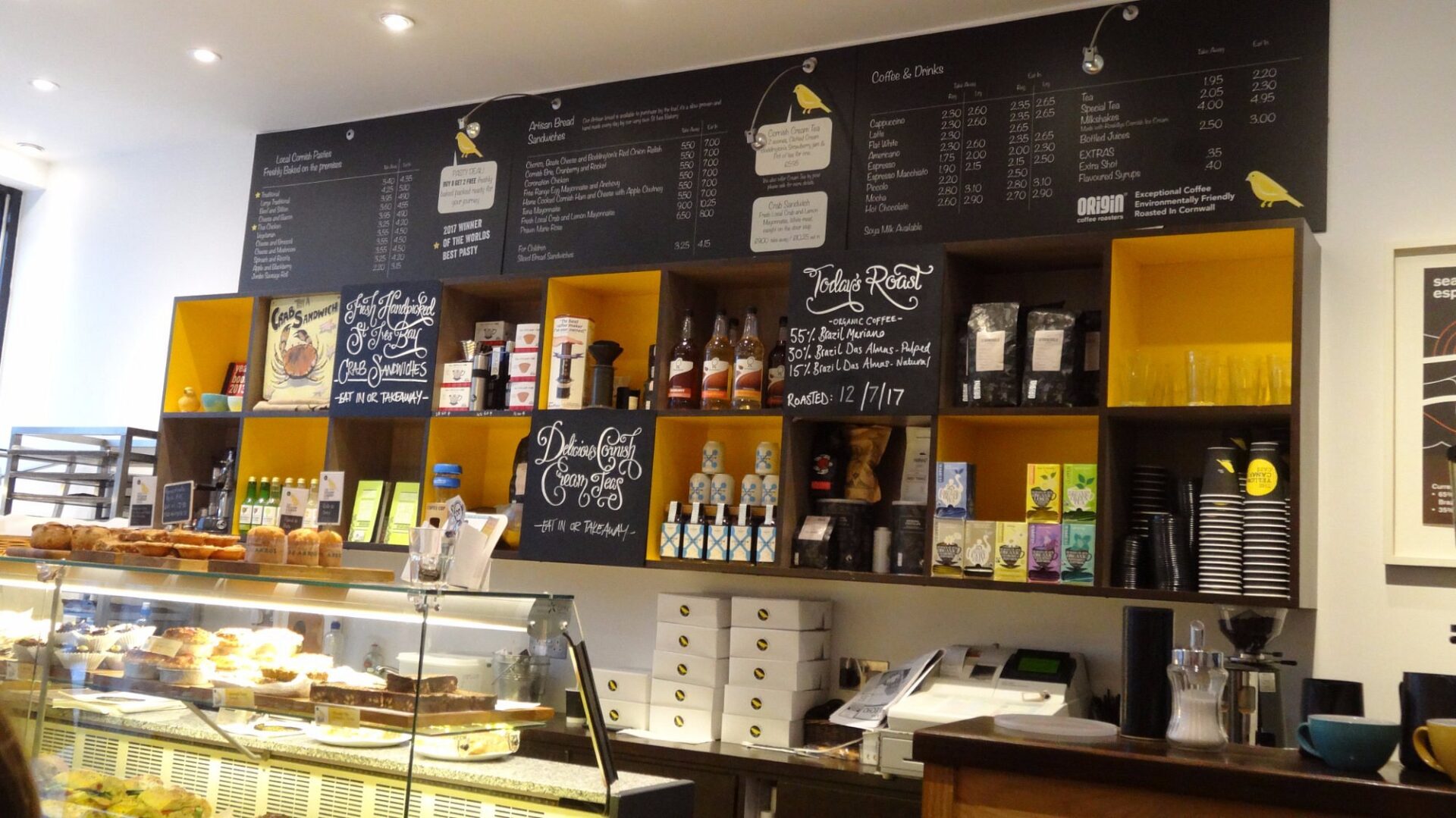
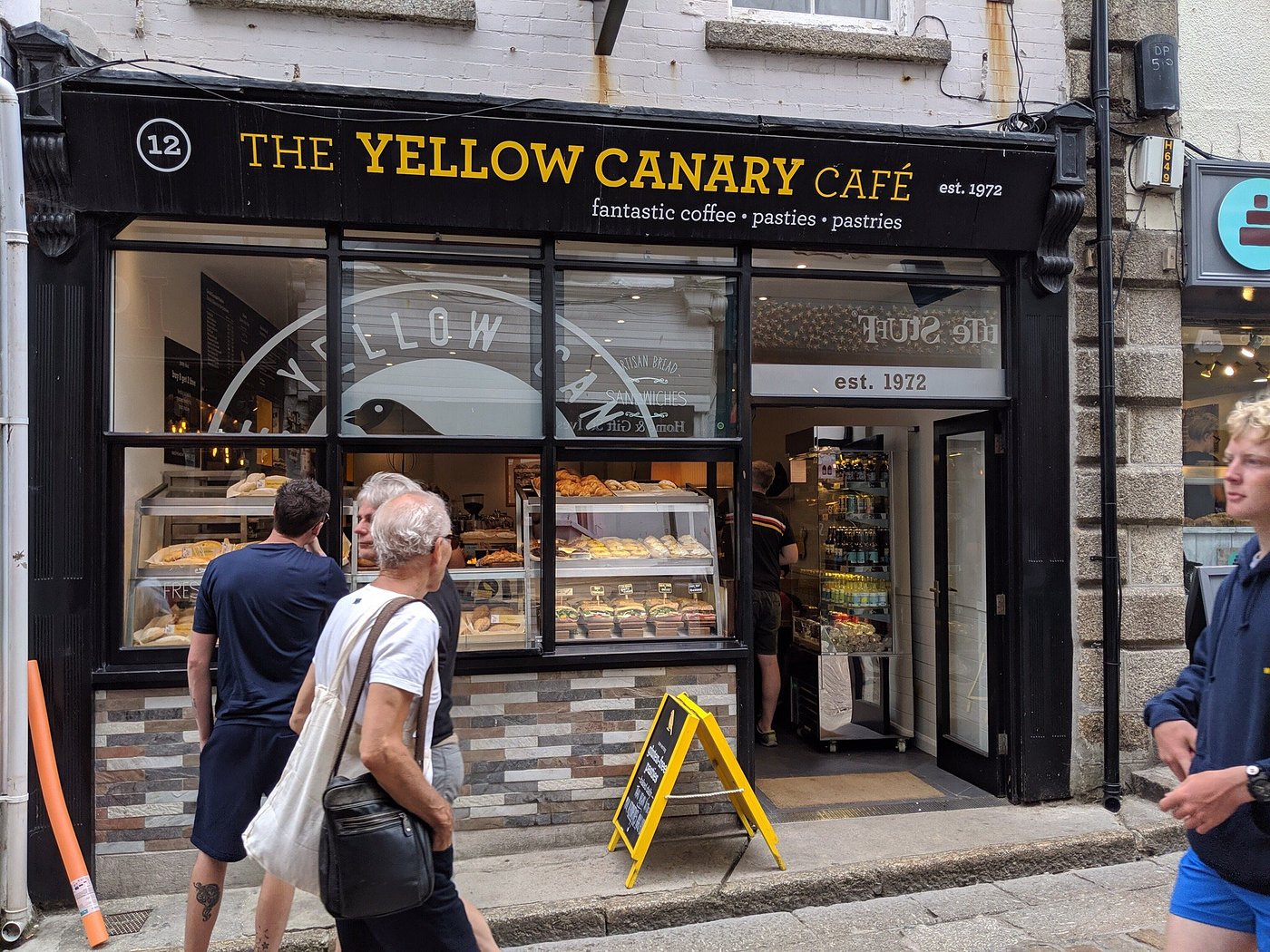
Not every cream tea in St Ives sticks to the rules, and honestly, I love that. The Yellow Canary Café caught my eye with its bright décor and bustling atmosphere. Scones here came with playful twists—sometimes flavored, sometimes vegan, always loaded with jam and cream.
The staff loved chatting about local history and the best beach walks to try after your treat.
One rainy afternoon, I ducked into The Digey Food Room. They serve unique herbal teas and even offer gluten-free scones, which isn’t always easy to find around here.
Tables showed off art glass and colorful ceramics, tempting me to pick up a small gift. I felt like part of the creative, bohemian community that makes St Ives so famous.
- Highlights:
- Menu options for different diets
- Modern glass and handmade ceramics as both décor and take-home gifts
- Welcoming, creative atmosphere
My Tasting Tour: Scones, Cream, and Big Debates
Every stop in St Ives felt like stepping into a new slice of Cornwall’s cream tea story. From the first bite of scone to the last sip of tea, I found surprises, strong opinions, and a bit of friendly competition.
Scone Quality and Freshness
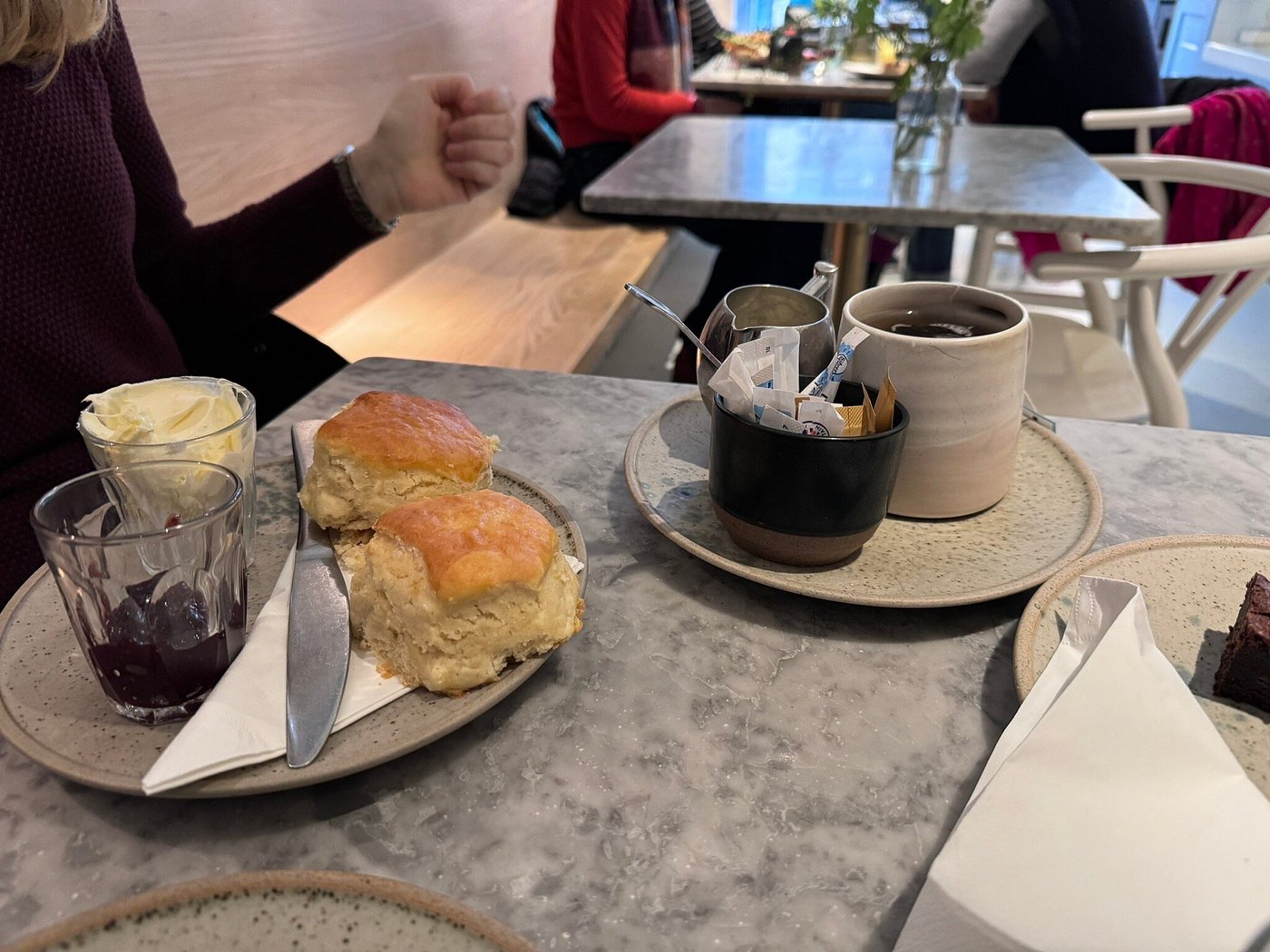
Freshness made the best places stand out. When I visited bakeries baking scones each morning, I could tell right away. Crumbly outside, soft inside, and just warm enough—homemade scones tasted miles better.
Some cafés used recipes handed down for generations, and a few shared stories in diaries and memoirs about their baking. Locals pointed me toward hidden gems, while others swore by “the best ever” scones off the main streets.
Presentation mattered, too. Cafés took pride in perfectly round scones with golden tops, served with no hint of dryness.
Any spot that used pre-made scones got gentle criticism from me and other guests comparing notes over tea.
Clotted Cream and Jam Showdowns
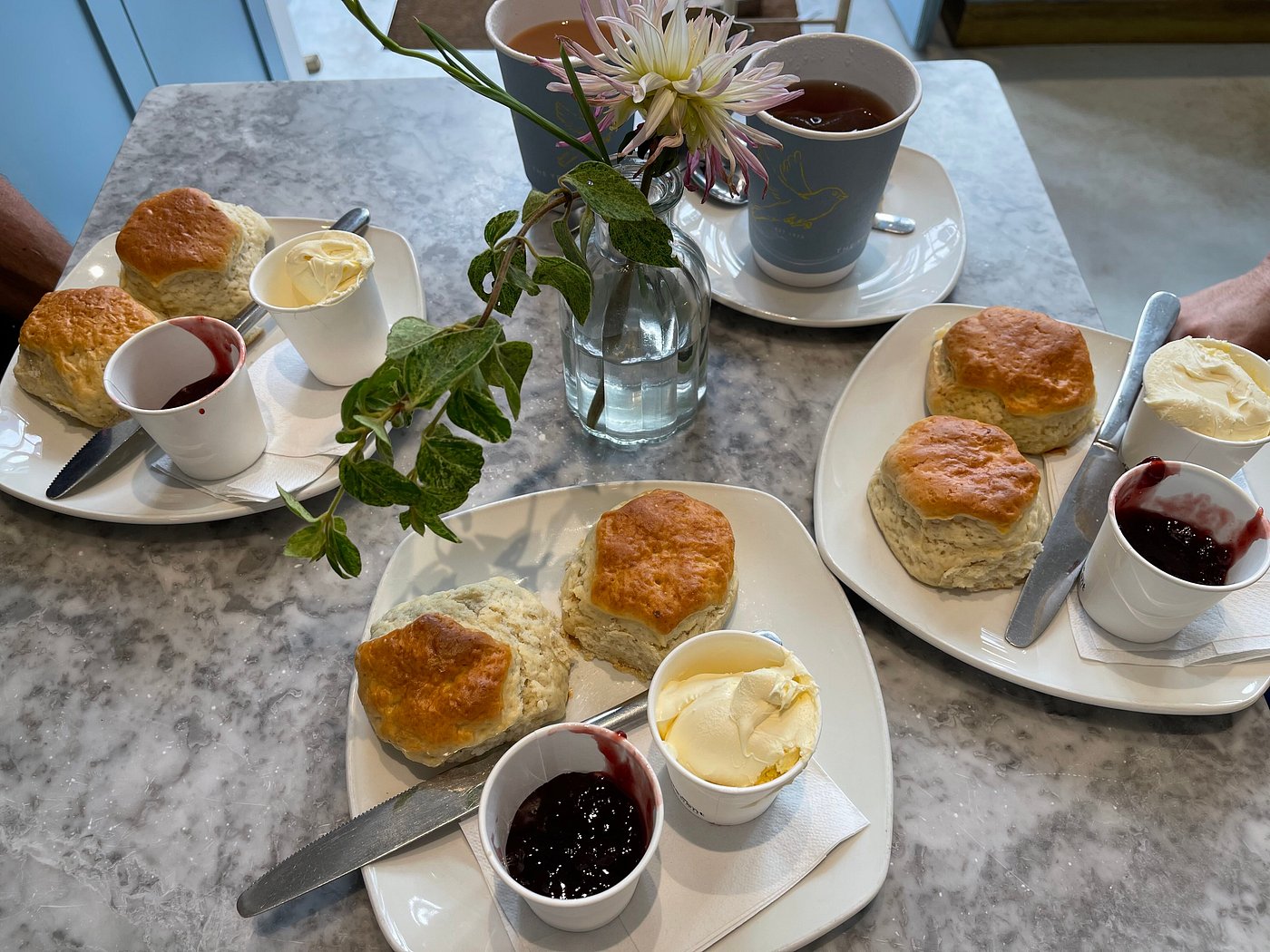
The biggest debate in Cornwall? It’s always jam or cream first—and everyone has an opinion. At different tearooms, I saw signs and menus proudly stating “Jam first, cream on top,” sticking to the Cornish way.
A quick checklist for what matters most:
- Thickness: Cornish clotted cream is dense and silky, never runny.
- Flavor: The best cream tasted rich and balanced the sweet, fruity jam.
- Order: Friendly disagreements often popped up, adding to the fun.
A few tearooms even offered a “cream tea showdown,” letting guests rate their favorites and sparking playful rivalry between regulars. Each spot put its own spin on strawberry jam—some homemade, others from local producers—showing off another layer of local pride.
Atmosphere, Service, and Setting
The setting honestly shaped the whole adventure for me. One moment, I’d find myself in cozy tearooms with sea views, and the next, I’d be tucked into a quiet corner filled with family photos.
It felt like flipping through chapters of St Ives’ history, each place with its own story. Staff would often share little anecdotes from visitors’ diaries or sometimes their own memories, which made everything feel more personal and warm.
Quick, friendly service really caught my attention, especially when staff jumped in to explain the Cream Tea debate to visitors who were new to Cornwall. I appreciated how some tearooms nudged guests to slow down a bit, turning each cup of tea into its own small ritual.
The atmosphere and location together made every stop feel unique. Eating a scone while waves crashed outside the window—well, that’s something I won’t forget. Sure, some people grumbled about crowding or noise, but staff usually softened things with a smile or maybe an extra pot of tea.
Beyond the Scone: The Stories, Legends, and Surprises of St Ives
A good cream tea is only one part of St Ives’ charm. The town’s tales, its creative buzz, and that constant sense of surprise kept pulling me in every time I wandered away from the main streets.
Cornish Legends and Local Folklore
As I wandered through St Ives, I kept hearing whispers of old legends—sometimes around corners, sometimes in those cozy tearooms. One story that really stuck with me was about the goddess Diana, who’s said to watch over the coast.
Locals talk about her like she’s a protector, especially for children and fishermen, her bow always ready for any trouble. The story says an archer in Diana’s service once saved a group of lost sailors during a wild storm, and Diana blessed the whole town after that.
The town’s past is packed with stories about friendship, mysterious skulls found in the cliffs, and the occasional scandal. There’s a local favorite about a humble baker who started a charity fundraiser just to give every child in St Ives a taste of fresh scones.
These stories run through the town like a heartbeat, quietly passed from one tea table to another.
Creative Communities and Ongoing Traditions
Art galleries spill down the hillside, winding among the old fishermen’s cottages. St Ives seems to draw artists and makers from everywhere, and honestly, it’s easy to jump into a painting group or pottery class, even if you’re just visiting.
I ended up chatting with an artist about how creative circles here stick together, but they always welcome new people. The town really takes pride in its traditions, too.
Every spring, locals and travelers show up for fundraisers that support everything from the RNLI to kids’ art camps. Cream teas usually steal the show—sliced scones, thick clotted cream, homemade jam, all laid out at every charity event.
Sometimes you’ll even spot a celebrity quietly helping out, maybe auctioning off artwork or spending time with local children’s groups.
Unexpected Encounters and Hidden Gems
St Ives is full of surprises. Just past the popular bakeries, I wandered into winding alleys that led me to hidden gardens, cozy bookshops, and quirky little museums.
One afternoon, I ducked into a tucked-away courtyard. A cheerful local group waved me over and asked if I wanted to join their “secret scone club”—basically a friendly get-together where people share charity bakes and gossip about whatever’s happening in town.
You never really know what you’ll run into. Sometimes a festival just appears out of nowhere.
I once stumbled across a tiny parade, with kids dressed as Cornish legends marching beside an artist lugging a papier-mâché skull. Moments like these remind me how the town’s old stories and traditions keep things feeling new.
Even a simple walk can sweep you up in something unexpected. Isn’t that half the fun?

