
Every July 4th, I see something wild unfold across America. Millions of people come together for this huge, coast-to-coast celebration of freedom and independence.
The Fourth of July basically turns the entire country into one giant party. We mark the day in 1776 when the Declaration of Independence was adopted, and America stepped out on its own. Small towns and big cities alike—fireworks blast across the sky, parades take over main streets, and families fire up the backyard grill.
It’s honestly amazing how this one day pulls together folks from every background, all celebrating the same historic moment that changed everything. The holiday isn’t just a date—it’s about liberty and unity, the stuff that makes the American spirit what it is.
What started as the signing of a document? It’s now the country’s biggest patriotic bash.
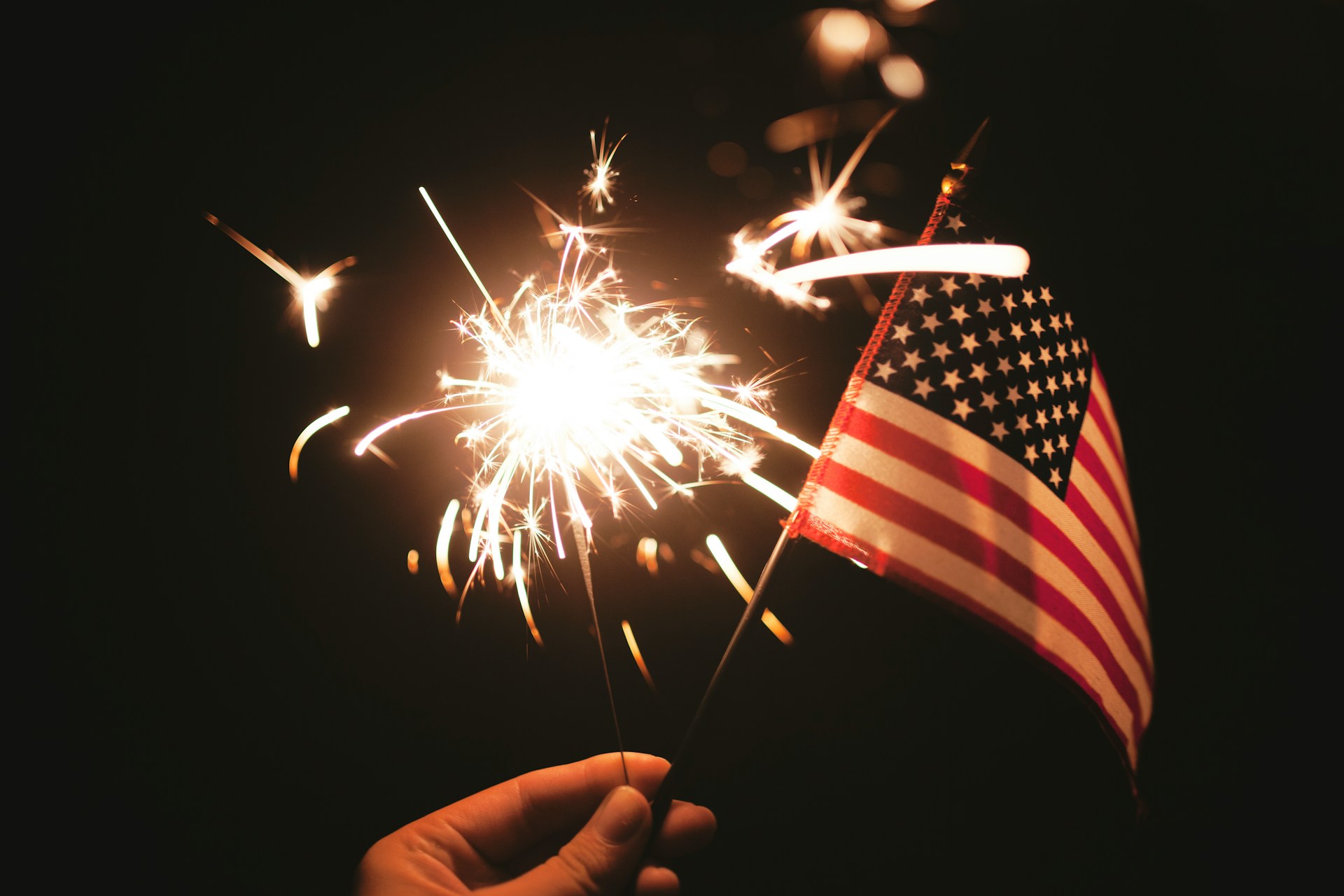
The Meaning of Fourth of July Freedom
The Fourth of July runs deep in America’s DNA. It stands for individual liberty and self-governance—ideas that took root back in 1776.
Over time, this freedom has stretched beyond its colonial beginnings. Now, it includes broader ideas of equality and justice for everyone.
Defining American Freedom on Independence Day
When you dig into the Fourth of July, it’s really about the Declaration of Independence and its bold claim that everyone’s got unalienable rights. That document didn’t just break the colonies free from British rule on July 4, 1776—it started something huge.
Here’s what this freedom means:
- Self-governance—the right to pick our leaders
- Individual liberty—protection from government overreach
- Equal opportunity—the chance to chase your own happiness
- Religious freedom—worshipping how you want, no fear
The founding fathers put together a system designed to keep government power in check. They figured this would best protect individual rights.
Independence Day celebrates kicking out the monarchy. It’s about believing people can run their own show through democracy.
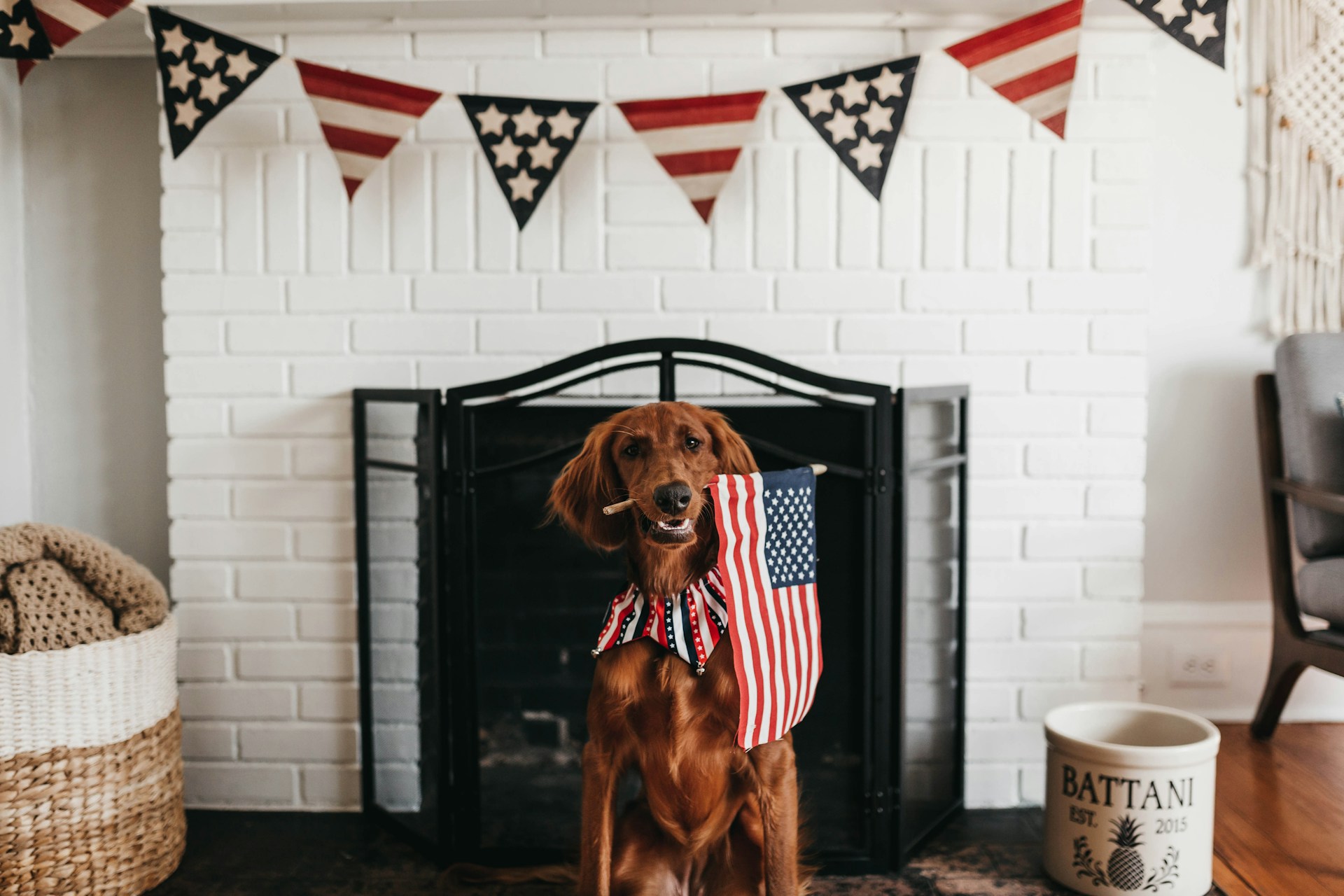
National Identity and Founding Principles
America built its identity on a few big ideas, and you see them all over our founding documents.
Core founding principles:
| Principle | Meaning |
|---|---|
| Life, Liberty, Pursuit of Happiness | Basic human rights |
| Consent of the Governed | People choose their government |
| Separation of Powers | No single branch controls everything |
| Individual Rights | Personal freedoms protected by law |
These ideas set America apart from the start. The founders wanted to make sure nobody could rule over everyone else the way Britain did.
The Fourth of July is a reminder that America began as a wild experiment in freedom. It takes all of us to keep that experiment going.
The Evolving Significance of July 4th
Fourth of July freedom has changed shape since 1776. It started as independence from Britain, but now it’s about equality and justice, too.
Frederick Douglass called out this shift in 1852. He insisted real freedom had to include everyone, not just a select group.
How the meaning has changed:
- 1776: Freedom from British rule
- 1865: Freedom from slavery
- 1920: Women win the right to vote
- 1960s: Civil rights for all
These days, the Fourth is both a party and a reality check. We celebrate progress, but we also know there’s more work to do.
Veterans and military families often feel the day differently. For them, freedom is tied to real sacrifice and service.
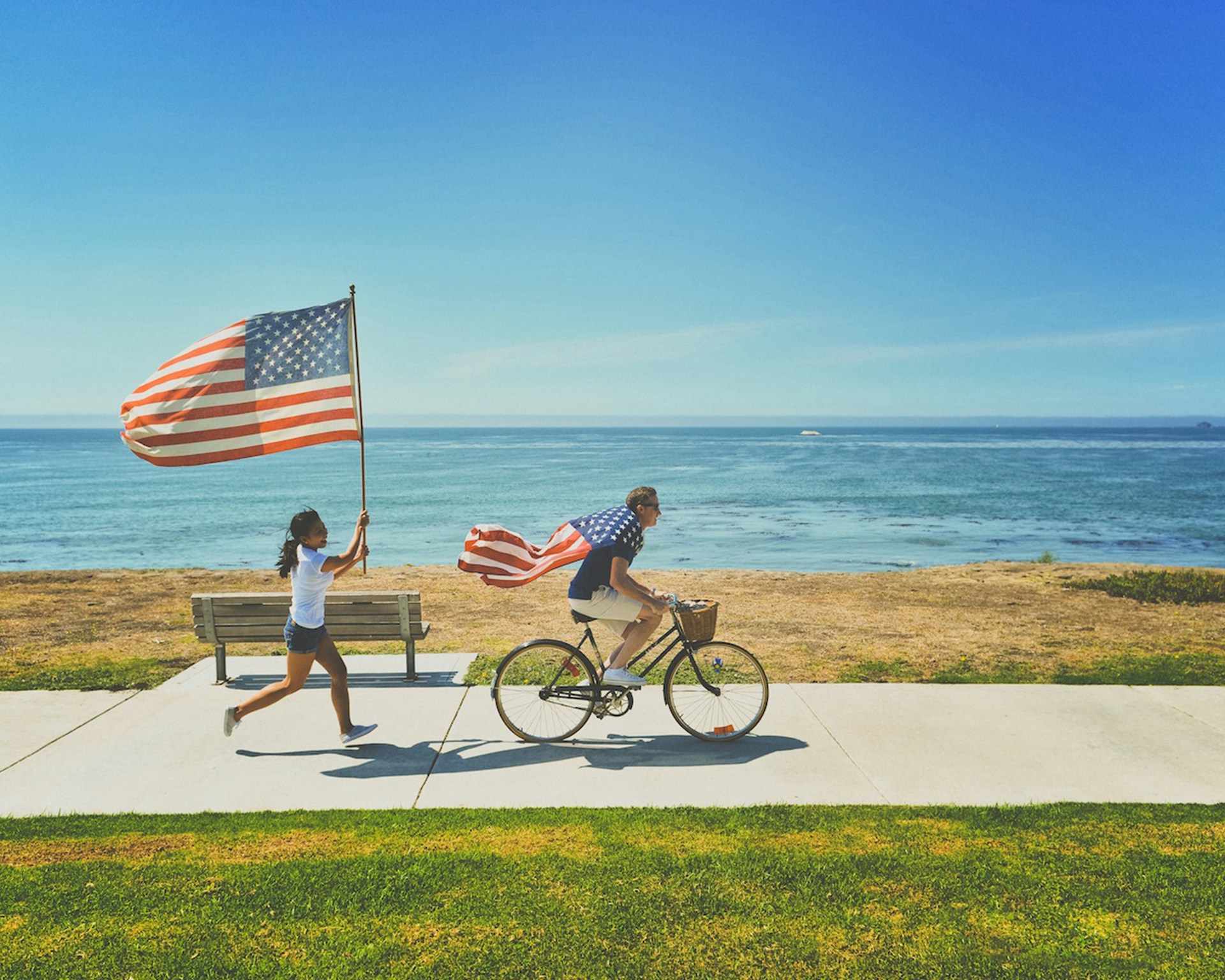
Historic Origins: How Independence Was Won
The road to independence wasn’t easy. Tensions between the colonies and Britain kept building over taxes and rights. Leaders like Thomas Jefferson and John Adams pushed the Continental Congress to finally declare independence on July 4, 1776.
Colonial Tensions and British Rule
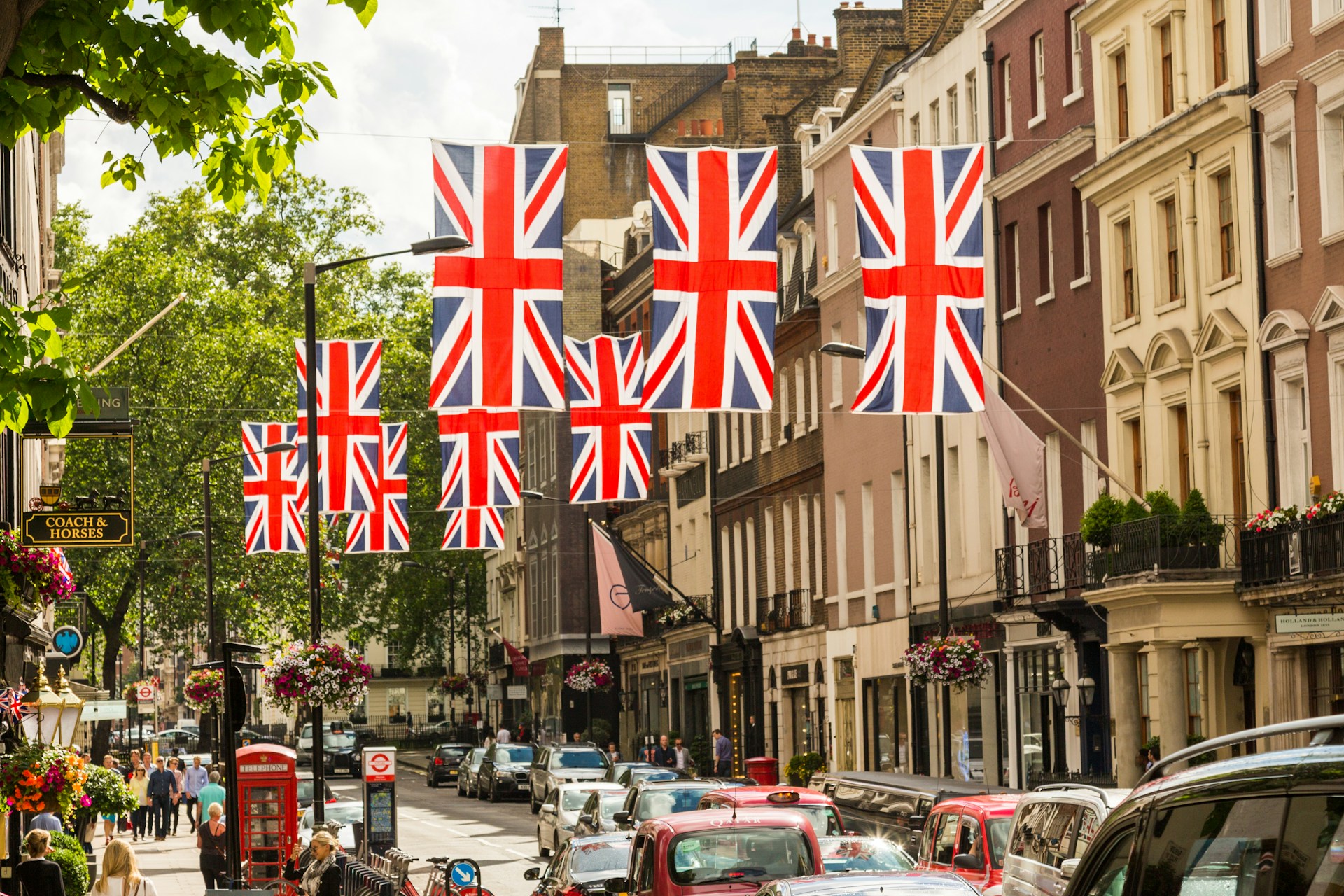
For over 150 years, the colonies lived under British rule. Britain controlled trade, laws, and taxes everywhere.
The big issue? Taxation without representation. Britain rolled out taxes like the Stamp Act and Tea Act, but colonists had zero say in Parliament.
Things boiled over after the Boston Tea Party in 1773. Britain hit back with tough new laws—the Intolerable Acts.
Fighting broke out at Lexington and Concord in 1775. Colonists and British soldiers fired shots, and the revolution was officially on.
Key Figures and the Continental Congress
The Continental Congress came together in 1774 so the colonies could coordinate. Each colony sent reps to talk through their issues with Britain.
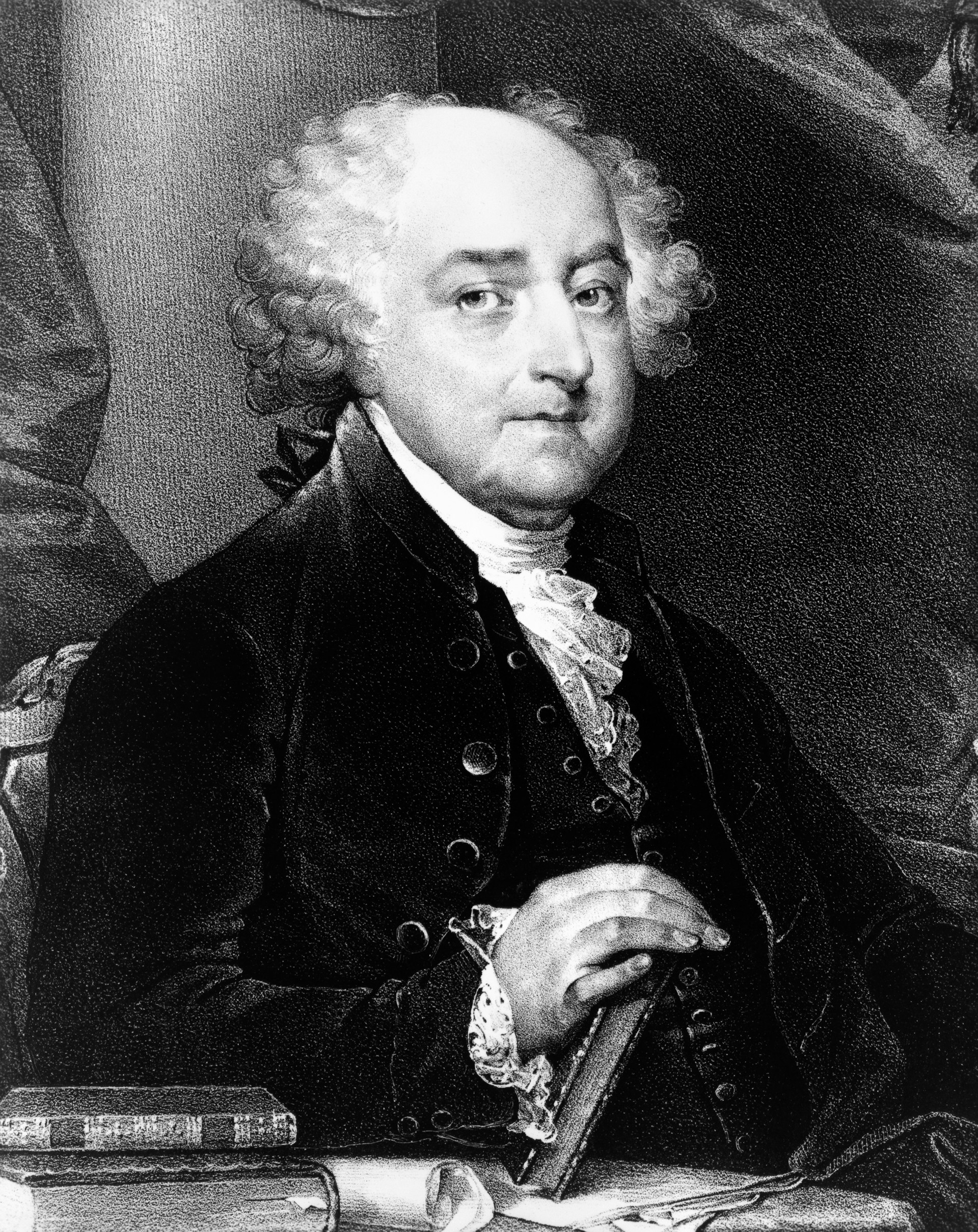
John Adams pushed hard for independence, giving fiery speeches and rallying others to the cause.
Benjamin Franklin brought experience and a world view from his time in Europe.
Thomas Jefferson wrote the main draft of the Declaration. He was only 33, but his way with words made him the obvious pick.
Richard Henry Lee from Virginia made the first official motion for independence, calling for the colonies to become “free and independent states.”
The Declaration of Independence
On July 2nd, 1776, the Continental Congress voted for independence. John Adams actually thought that would be America’s birthday.
But the group finalized the Declaration of Independence on July 4, 1776—so that’s the date we celebrate.
Jefferson wrote most of it, but he had help from a committee: Roger Sherman, Robert Livingston, Adams, and Franklin all pitched in.
The Declaration spelled out three big things:
- Everyone has natural rights: life, liberty, happiness
- Governments get their power from the people
- If a government’s bad, people can change or replace it
They also listed 27 specific complaints against King George III.

The Role of the American Revolution
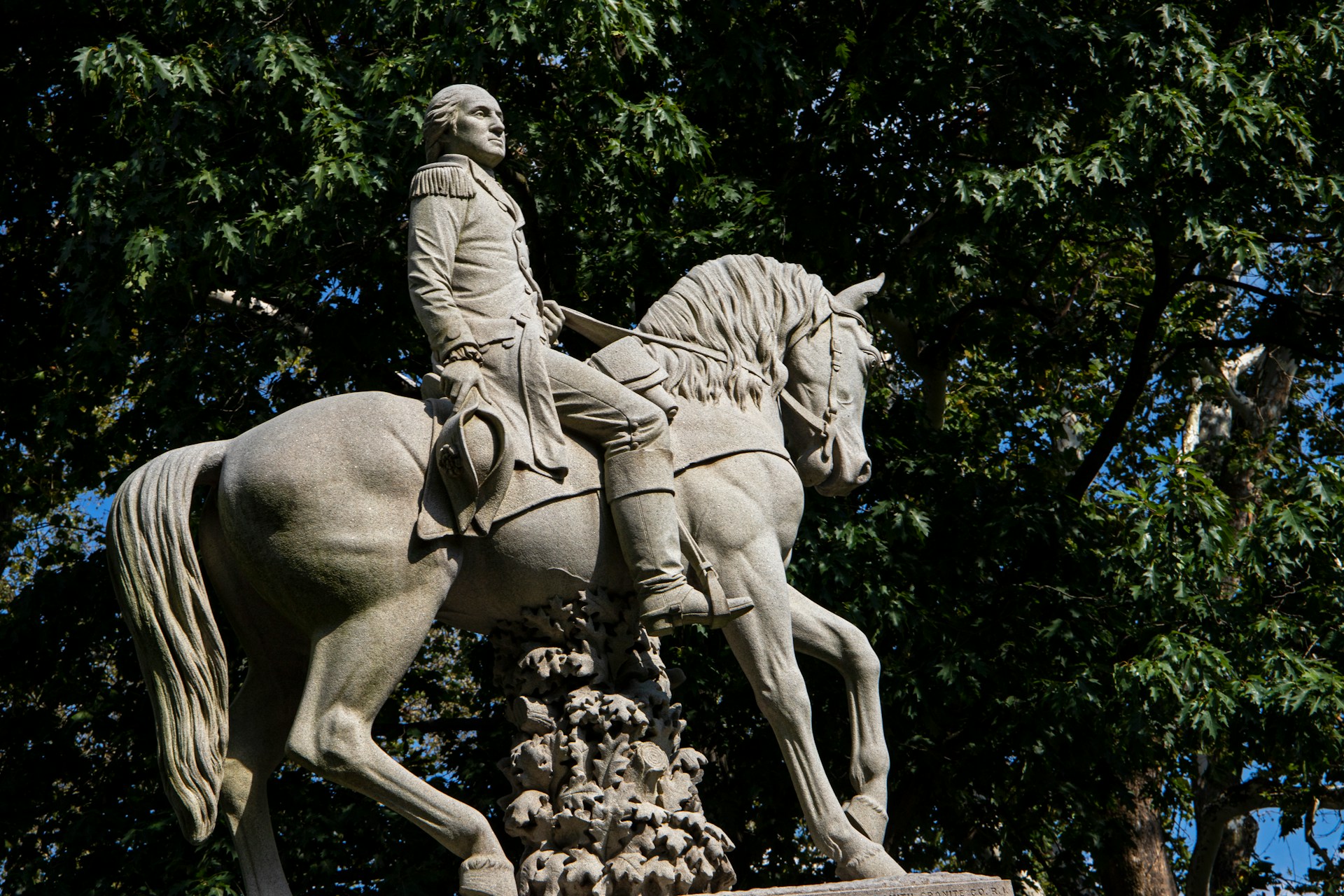
The American Revolution was already underway when the Declaration got signed. George Washington led the Continental Army starting in 1775.
The war dragged on for eight years, from 1775 to 1783. Colonists faced a much bigger, better-trained British military.
Washington somehow kept his army together through brutal winters and shortages.
The Declaration gave everyone a clear reason to keep fighting. It wasn’t just about taxes anymore—it was about freedom.
France eventually jumped in to help, sending money, ships, and soldiers. Without their help, the colonists might not have won.
The Birth of Independence Day Traditions
Fourth of July celebrations kicked off right after the Declaration was adopted. People held public readings, fired cannons, and gathered for festivities.
These traditions quickly grew from simple gatherings into full-blown community events. Eventually, the holiday became a federal celebration.
Early Celebratory Customs and Public Readings
The first Independence Day traditions started in 1776 with public readings of the Declaration. Communities would gather to hear the news.
Colonists even held mock funerals for King George III, symbolizing the end of monarchy’s grip on America.
Some early customs:
- Public readings of the Declaration
- Mock funerals for the king
- Bells ringing everywhere
- Speeches from local leaders
- Community gatherings and processions
George Washington gave his soldiers double rum rations in 1778 to mark the day. Even in wartime, people found ways to celebrate.
Parades, Bonfires, and the Liberty Bell
Philadelphia threw the first big Independence Day bash on July 4, 1777. The city fired off a 13-gun salute, one for each colony.
That night, fireworks and bonfires lit up the city. The Pennsylvania Evening Post called it a “beautiful illumination.”
Classic celebration elements:
- Parades through the streets
- Bonfires and community gatherings
- Cannons and muskets firing
- Concerts and music
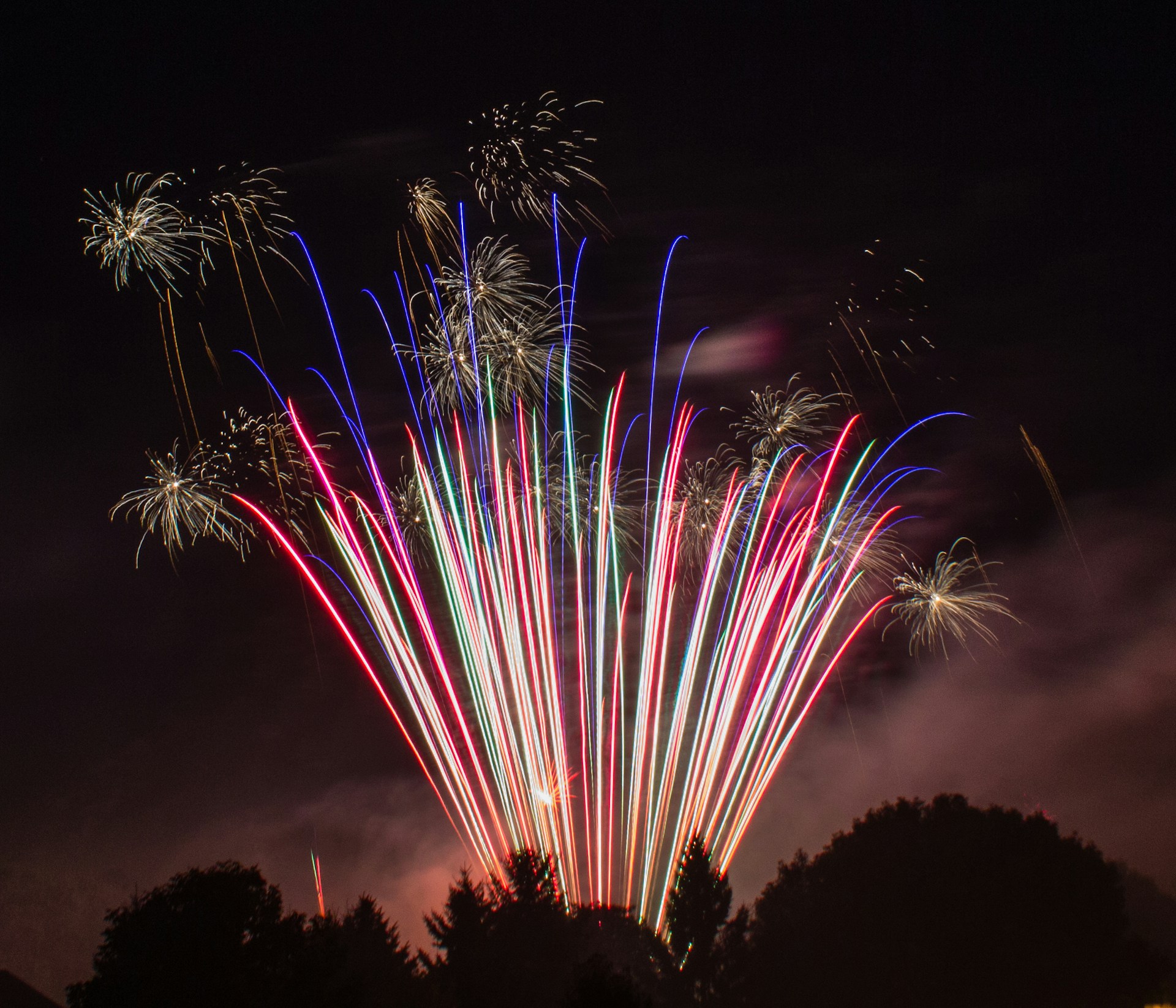
- Fireworks over public squares
The Liberty Bell rang out in Philadelphia and inspired communities across the country to do the same.
Massachusetts made July 4th an official state holiday in 1781. That happened even before the final victory at Yorktown.
The Evolution into a Federal Holiday
After the War of 1812, the holiday picked up steam. America had faced Britain again, and patriotism soared.
By the 1790s, political parties started holding their own July 4th events. The Federalists and the Democratic-Republicans each threw separate parties, using the holiday to rally supporters.
Timeline for becoming a federal holiday:
- 1870: Congress made July 4th a federal holiday
- 1941: All federal employees got a paid day off
- Now: It’s one of the country’s most beloved holidays
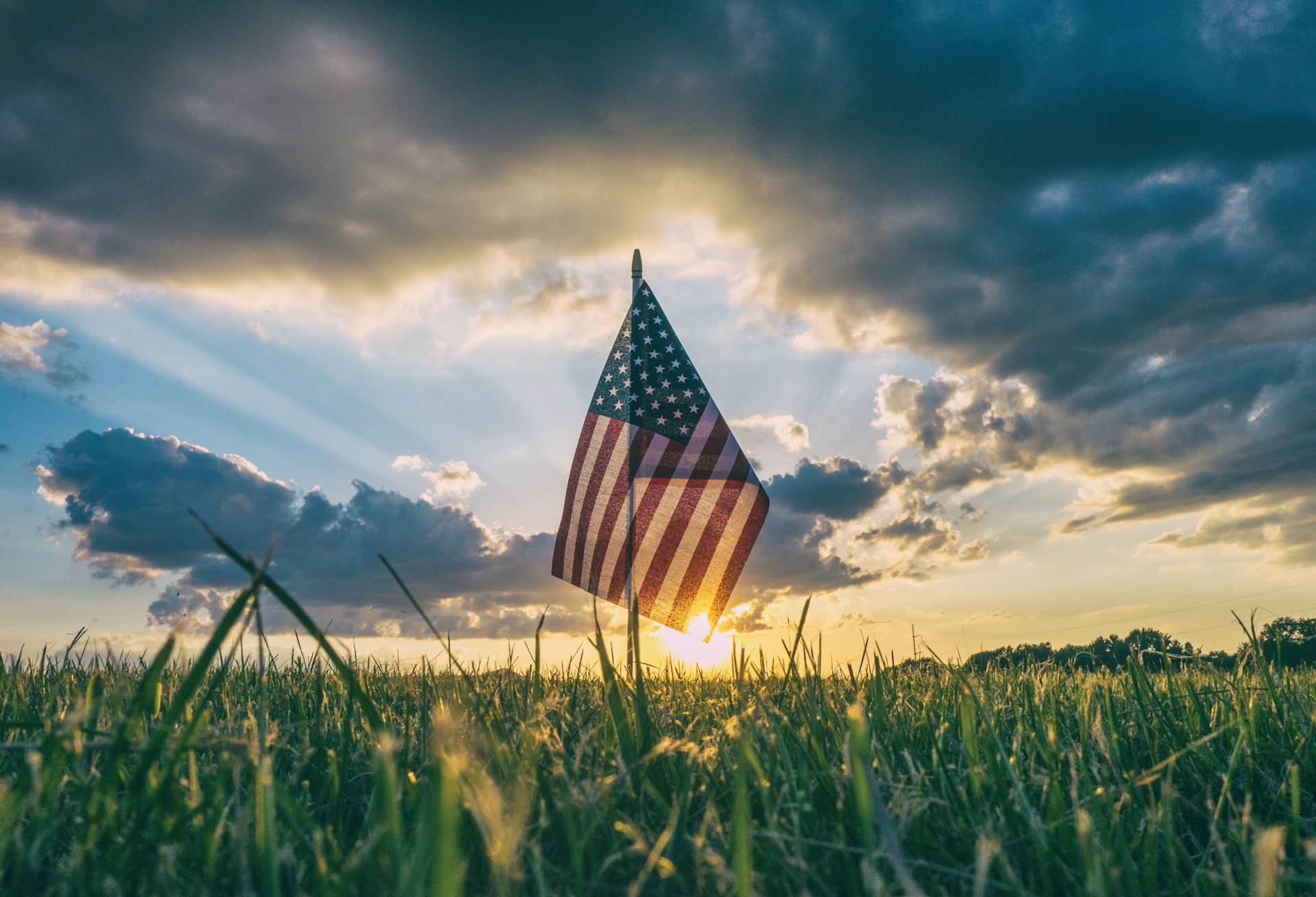
Over time, the politics faded, but Independence Day stuck as a symbol of American pride. By the late 1800s, it was all about family gatherings, summer barbecues, and fireworks.
Philadelphia’s influence on these traditions? Still huge. The city set the standard for how America celebrates its birthday.
Fourth of July Celebrations Across America
Americans know how to throw a party on Independence Day. Fireworks shows draw massive crowds, parades fill the streets, and backyard barbecues bring families together.
You’ll find these traditions everywhere, from tiny towns to massive cities.
Iconic Fireworks Displays and Concerts
The National Mall in Washington D.C. puts on one of the country’s most famous Fourth of July shows. Hundreds of thousands gather to watch fireworks explode behind the Washington Monument.
Other big fireworks displays:
- Boston Pops Orchestra with fireworks over the Charles River
- Macy’s Fourth of July Fireworks in New York City
- Navy Pier fireworks in Chicago
Addison, Texas? It goes from a town of 17,000 to a party of half a million. There’s an air show, skydiving, and fireworks that get top marks from the American Pyrotechnics Association.
Many cities mix live music with their fireworks. Local bands and patriotic tunes set the mood before the main event lights up the sky.
Patriotic Parades and Community Gatherings
Parades are everywhere on July 4th. Each one feels a little different, reflecting the local flavor.
Cody, Wyoming runs three parades plus a special one for kids. The whole town gets into the spirit for four days, complete with rodeos.
Some unique parade features:
- Pet parades in Bend, Oregon (since 1924)
- Classic car shows in Pennsylvania
- Veterans and military groups
- High school marching bands
Community gatherings often start early. Independence, California kicks things off with a sunrise flag-raising. Bar Harbor, Maine hosts pancake breakfasts before its parade.
These events pull neighbors together. Local organizations, schools, and businesses all get involved.
Barbecues, Picnics, and Summer Festivities
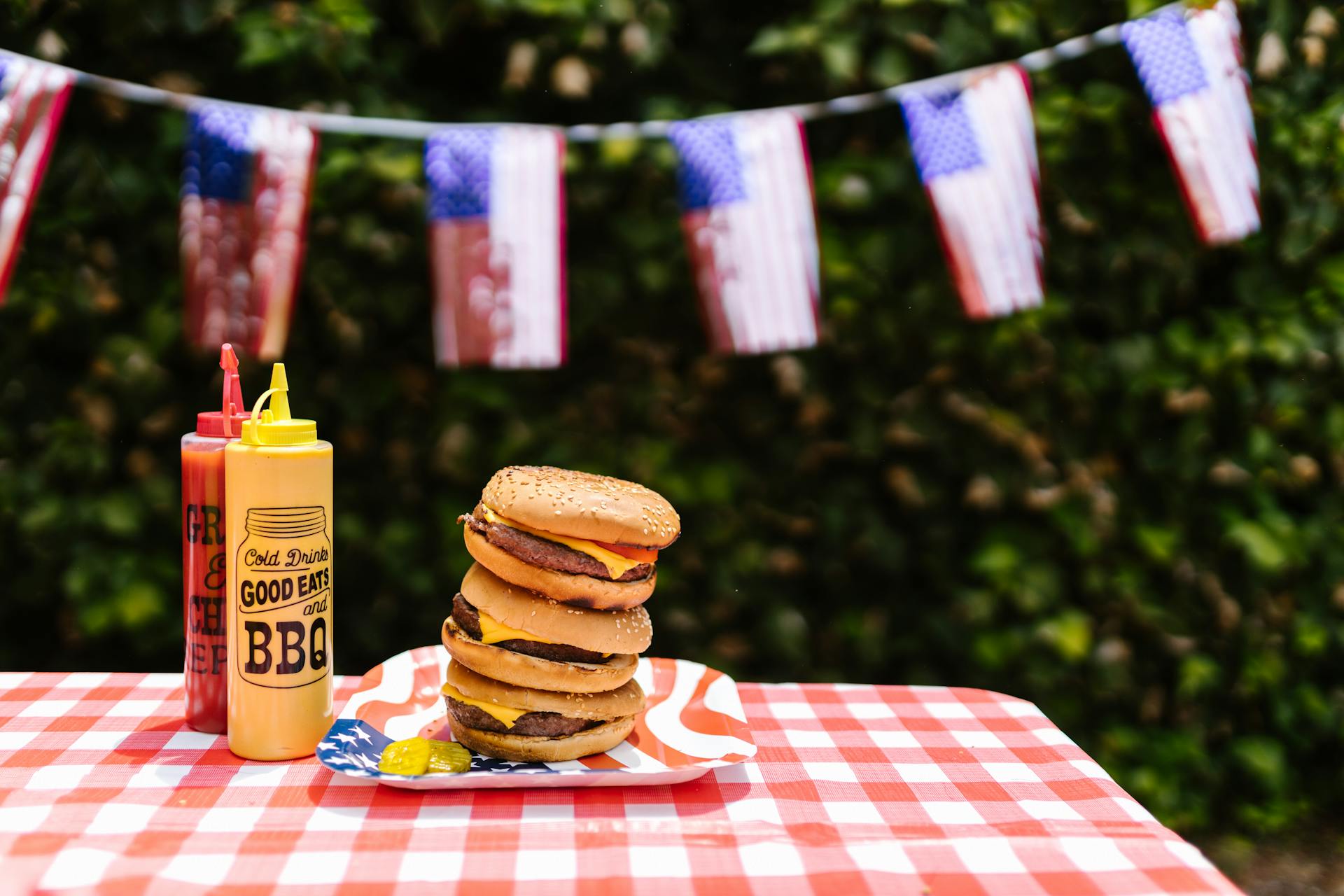
Backyard barbecues, honestly, feel like the heart of every Fourth of July. You can count on families and friends coming together, firing up the grill, and sharing laughs over burgers and hot dogs.
Corn on the cob, potato salad, and watermelon always seem to make the cut. Some folks even plan their whole menu around red, white, and blue—because why not?
Common picnic activities:
- Outdoor games like cornhole and volleyball
- Swimming and water activities
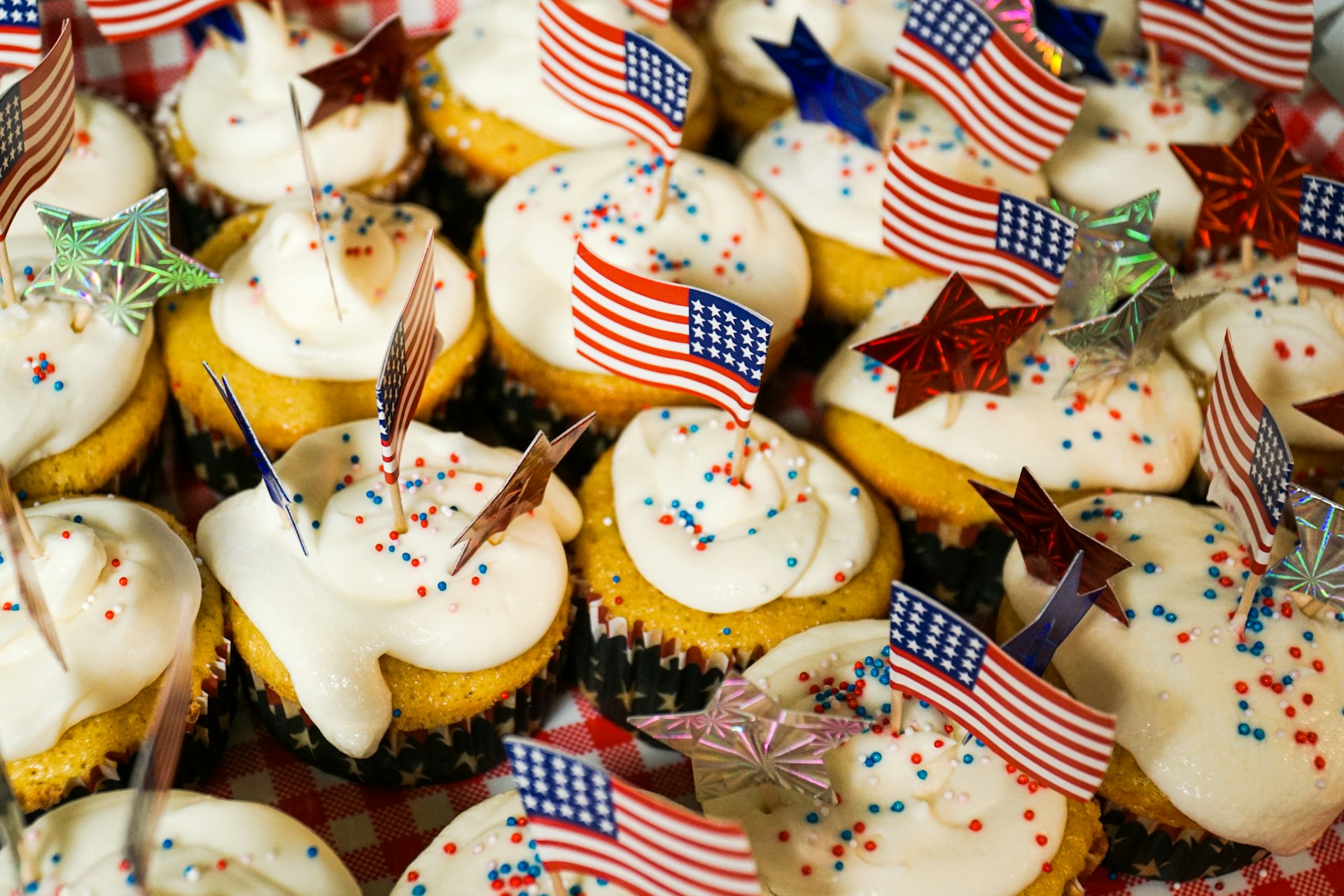
You’ll spot flag-themed decorations everywhere. Patriotic desserts? Oh, they’re a must.
Some towns take it up a notch and host massive public picnics in local parks. Picture live music, craft fairs, and food trucks all in one place.
Hannibal, Missouri gets creative and pairs their picnic with a fence-painting contest to honor Mark Twain. That’s small-town charm at its best.
The timing couldn’t be better—summer weather just begs for outdoor fun. Most of the celebrating happens during the day, and then everyone gears up for fireworks once the sun goes down.
American Cuisine and Traditions Associated with July 4th
July 4th food traditions, in my experience, really show off America’s cultural heritage. Dishes brought by immigrants have turned into national favorites over time.
The holiday brings together iconic grilled foods, festive presentation, and regional specialties that change depending on where you are in the country.
Classic Foods: Hot Dogs, Barbecue, and Watermelon
Hot dogs just scream July 4th in the U.S. German immigrants introduced frankfurters and wieners back in the 1800s, but Americans made them their own by serving them in buns.
Honestly, hot dogs are perfect for outdoor parties. They cook fast, feed a crowd, and you’ll find them everywhere from backyard grills to Coney Island.
Barbecue, though, digs even deeper into Independence Day traditions. The Arawak people of Haiti first used “barbakoa” to describe slow-cooked meat over smoky fires, and early Americans ran with it for big gatherings.
Popular BBQ choices include:
- Hamburgers (thanks, Hamburg)
- Ribs and brisket
- Grilled chicken
- Corn on the cob
Nothing beats cold watermelon on a blazing July day. European explorers brought it over in the 1500s, and even Thomas Jefferson grew them at Monticello.
It’s refreshing, hydrating, and honestly, you don’t even have to do much prep. That’s a win for any picnic.

Patriotic Decor and the American Flag
The American flag pops up everywhere on July 4th, and food isn’t an exception. Red, white, and blue colors show up all over holiday menus, often without any fake dyes.
Summer berries do most of the heavy lifting here. Strawberries and blueberries bring the color, and whipped cream or vanilla ice cream adds the white.
Common patriotic food presentations:
- Berry-topped desserts with whipped cream
- Red, white, and blue layered Jell-O
- Bomb Pops and Firecracker popsicles
- Flag-themed cakes and cookies
I’ve noticed that themed popsicles like Bomb Pops really took off after 1955. That classic missile shape just screams summer nostalgia. Popsicle brand jumped on board in 1989 with their Firecracker version.
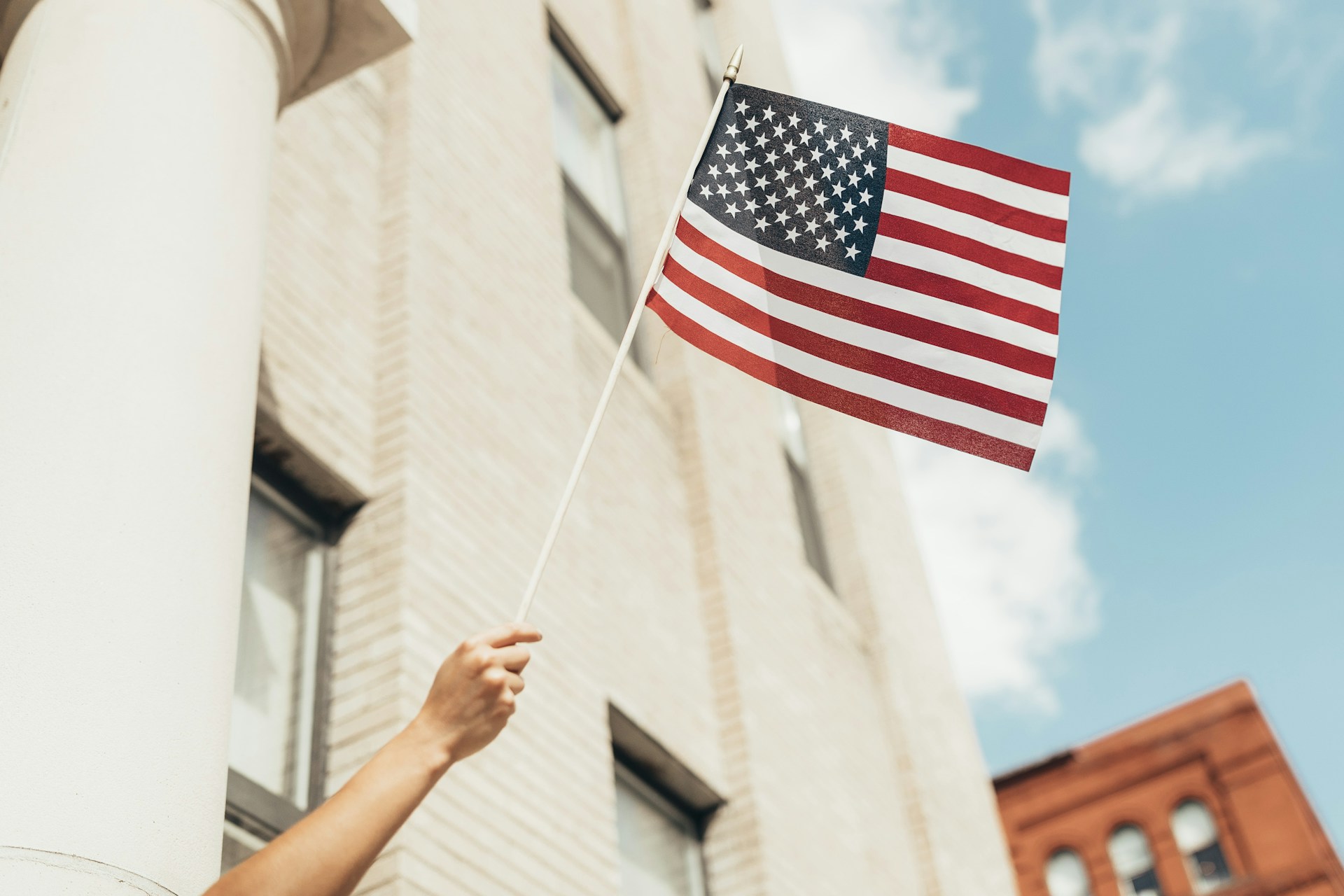
Flag decorations don’t stop at food—they cover tables, chairs, and even napkins. All of it adds to that festive, all-American vibe.
Modern Twists and Regional Variations
Regional food traditions can totally change how you experience July 4th. Southern barbecue feels worlds apart from a New England clam bake, and every region adds its own spin.
These days, people love to get creative with fusion dishes. I’ve seen Korean BBQ tacos, fancy hot dogs, and craft beer pairings steal the show at modern parties.
Regional specialties include:
- South: Pulled pork, baked beans, sweet tea
- Southwest: Elotes (Mexican street corn), grilled peppers
- Northeast: Lobster rolls, clam bakes, blueberry pie
- Midwest: Bratwurst, potato salad, corn dishes
Technology changed the backyard scene, too. Gas grills now outnumber charcoal ones, and grocery store sides sometimes replace homemade classics.
Food trucks and catering companies have started serving up July 4th favorites at big public events. It makes things easier for everyone, especially in bigger cities.
And let’s be honest, social media changed the game. Instagram-worthy flag cakes and fancy berry platters are everywhere now.

Fourth of July’s Global Impact and Cultural Influence
The Fourth of July isn’t just an American thing—it’s inspired independence movements and democracy around the world. Countries like Denmark even throw their own celebrations, and people everywhere reflect on those big ideas of liberty and self-rule.
International Celebrations and Comparisons
It’s kind of wild how other countries join in on the July 4th fun. Denmark stands out with its Rebild Festival, drawing thousands to celebrate both Danish-American friendship and democracy.
The Philippines used to celebrate July 4th as their own independence day until 1962. When the U.S. granted them independence on July 4, 1946, it created a unique historical tie.
Countries that recognize July 4th:
- Liberia – Founded by freed American slaves, celebrates July 4th as Independence Day
- Palau – Marks the date through its Compact of Free Association with the U.S.
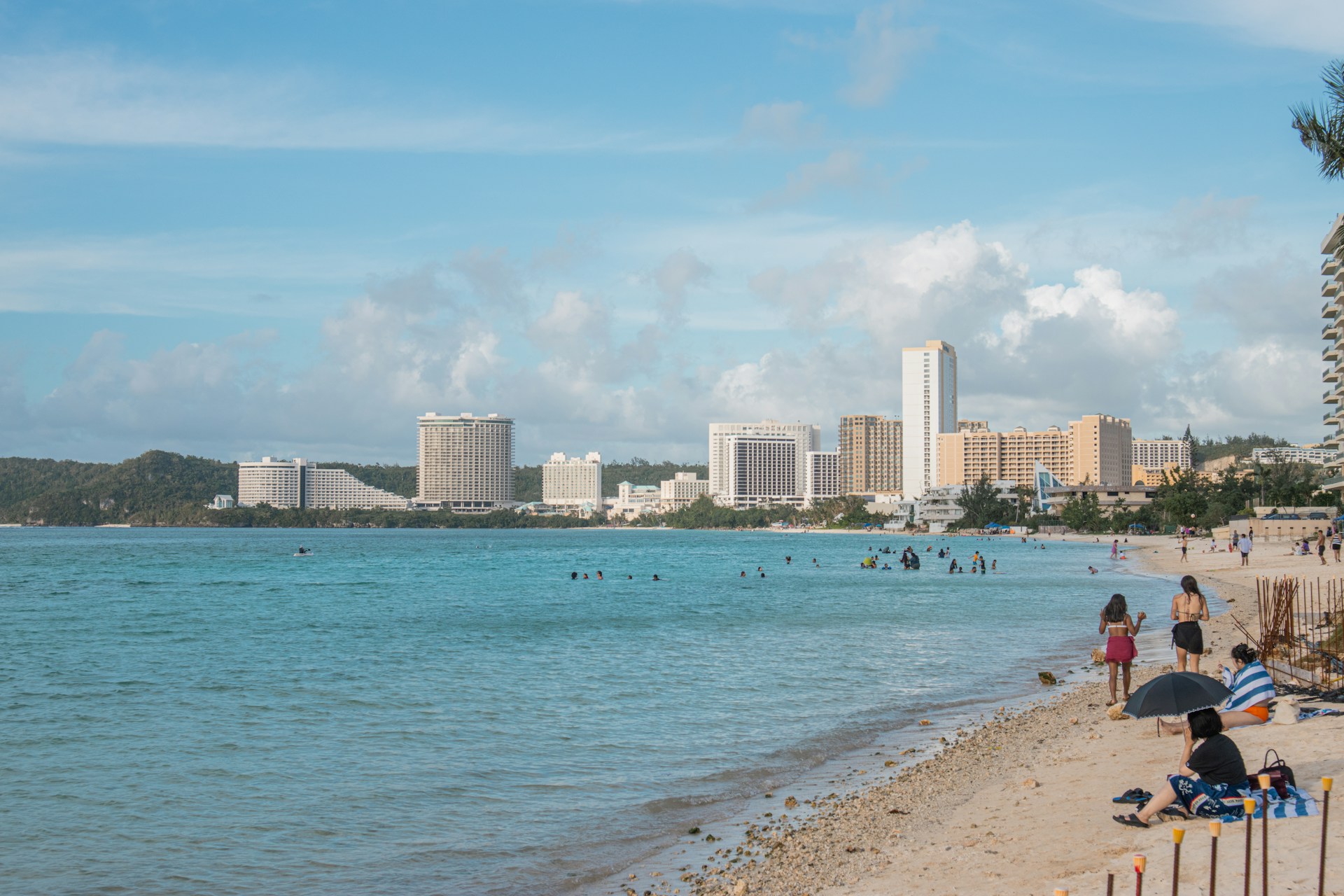
- Guam – Observes July 4th as a U.S. territory
France uses July 4th as a chance to reflect on historic ties between the two nations. French embassies sometimes host special events that highlight shared revolutionary values.
In the Caribbean, you’ll see parades and fireworks in places with American connections. These parties blend local flavor with American-style festivities.
Symbolism of Self-Governance Worldwide
America’s Declaration of Independence has inspired people fighting for freedom for over 200 years. Its ideas about self-rule spread way beyond the original thirteen colonies.
During the 1800s, Latin American countries looked to American ideals while fighting for their own independence. Places like Mexico and Brazil borrowed revolutionary concepts to break away from colonial rule.
Key principles that spread globally:
- Natural rights and individual liberty
- Government by consent of the governed
- Right to revolution against tyranny
In the 20th century, African leaders studied American democratic ideals as they fought colonialism. The Declaration of Independence became a kind of blueprint for their own struggles.
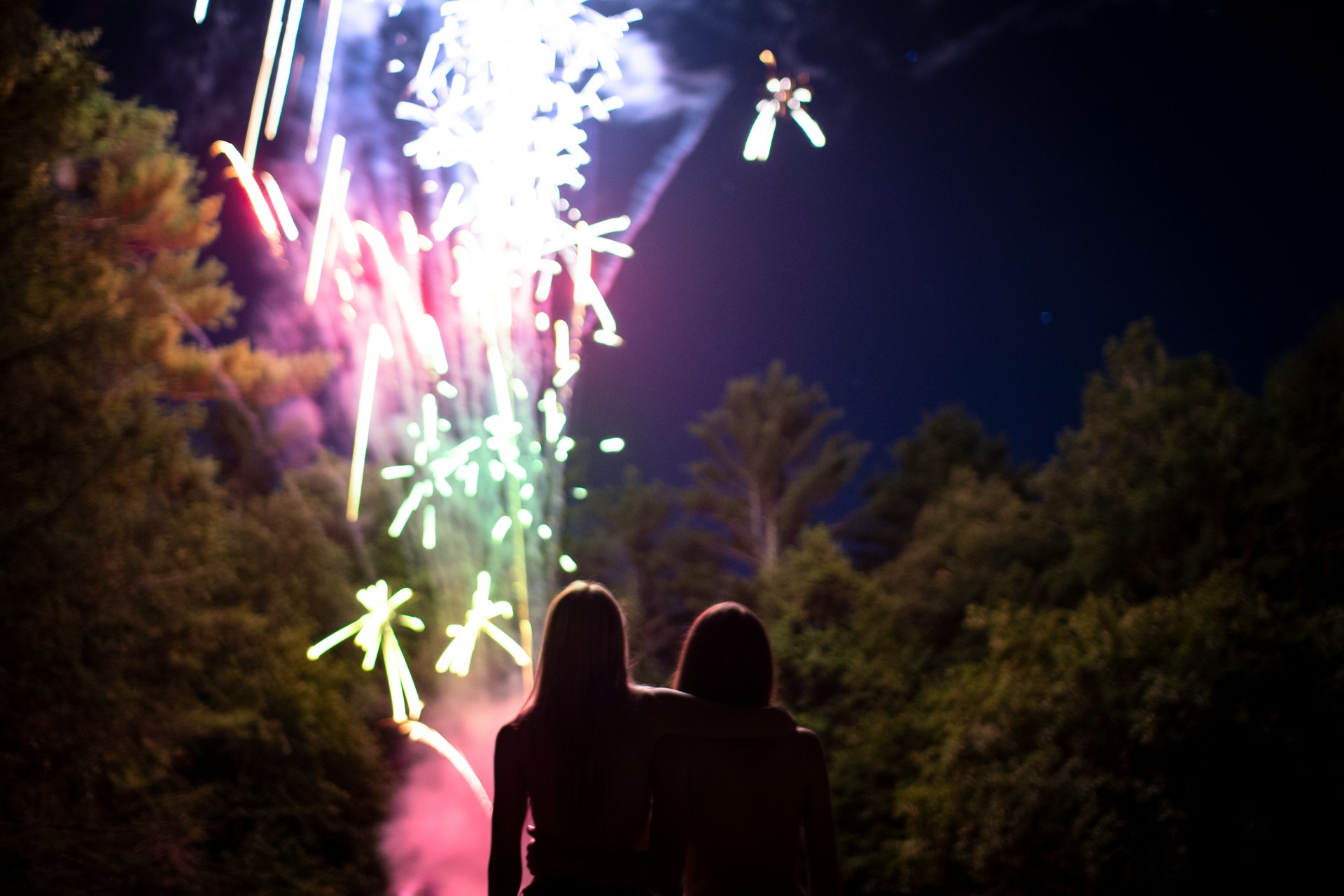
“Life, liberty, and the pursuit of happiness”—those words turned into a rallying cry for freedom fighters everywhere.
Reflections on Liberty and Democracy
Every July 4th, I find myself thinking about how this holiday sparks conversations around the world. It’s wild how one country’s celebration can nudge people everywhere to talk about freedom, representation, and those basic human rights we all want.
I’ve noticed that schools in different countries take July 4th as a chance to dig into what democracy really means. Students don’t just memorize dates—they actually look at how American independence shaped their own countries’ stories.
In some places, folks organize symposiums on July 4th. They’ll gather to debate what liberty means and swap ideas about how different countries handle self-governance. It’s not just about history; it’s about figuring out what works now.
Global democratic impact:
- Countries around the globe borrowed pieces of the American constitution when writing their own
- Many bills of rights echo the language from the Declaration of Independence
- The idea of splitting up government power? That’s become pretty standard everywhere
But July 4th isn’t all parades and fireworks—there’s a serious side too. People use the day to think about democracy’s tough spots. International observers take a hard look at America’s wins and the places where equality still needs work.
Even today, independence movements across the world point back to 1776 for inspiration. The Fourth of July keeps showing up as a symbol that self-determination is possible, especially for countries dreaming of their own fresh start.