
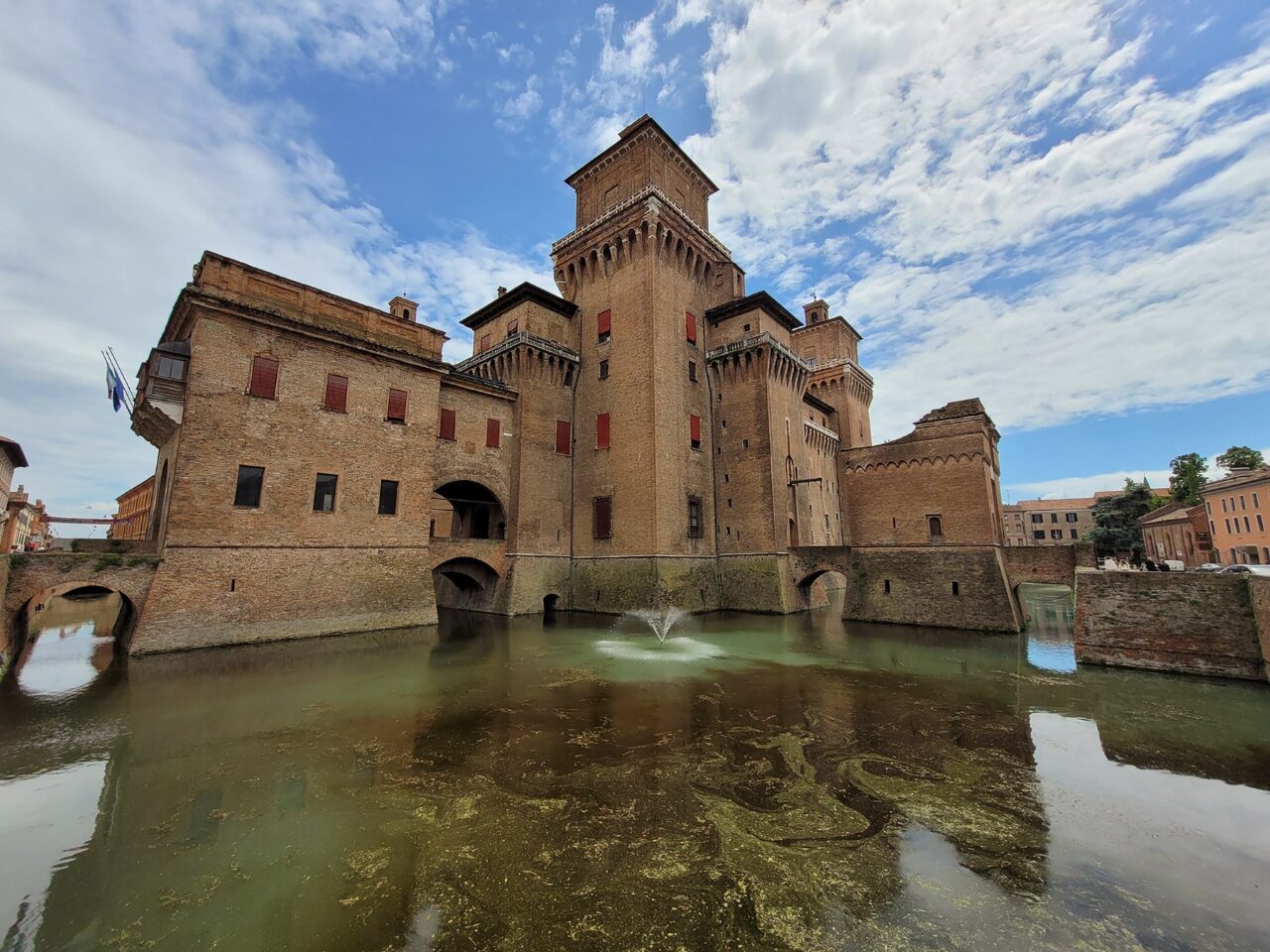
Standing before Ferrara’s Castello Estense, I’m struck by how this massive structure tells the story of a city’s transformation. This Italian fortress began as a purely military stronghold, but over time evolved into something much more refined and elegant. The Castello Estense perfectly captures the dramatic shift from medieval defense to Renaissance palace, showing how the powerful Este family adapted their home as times changed.
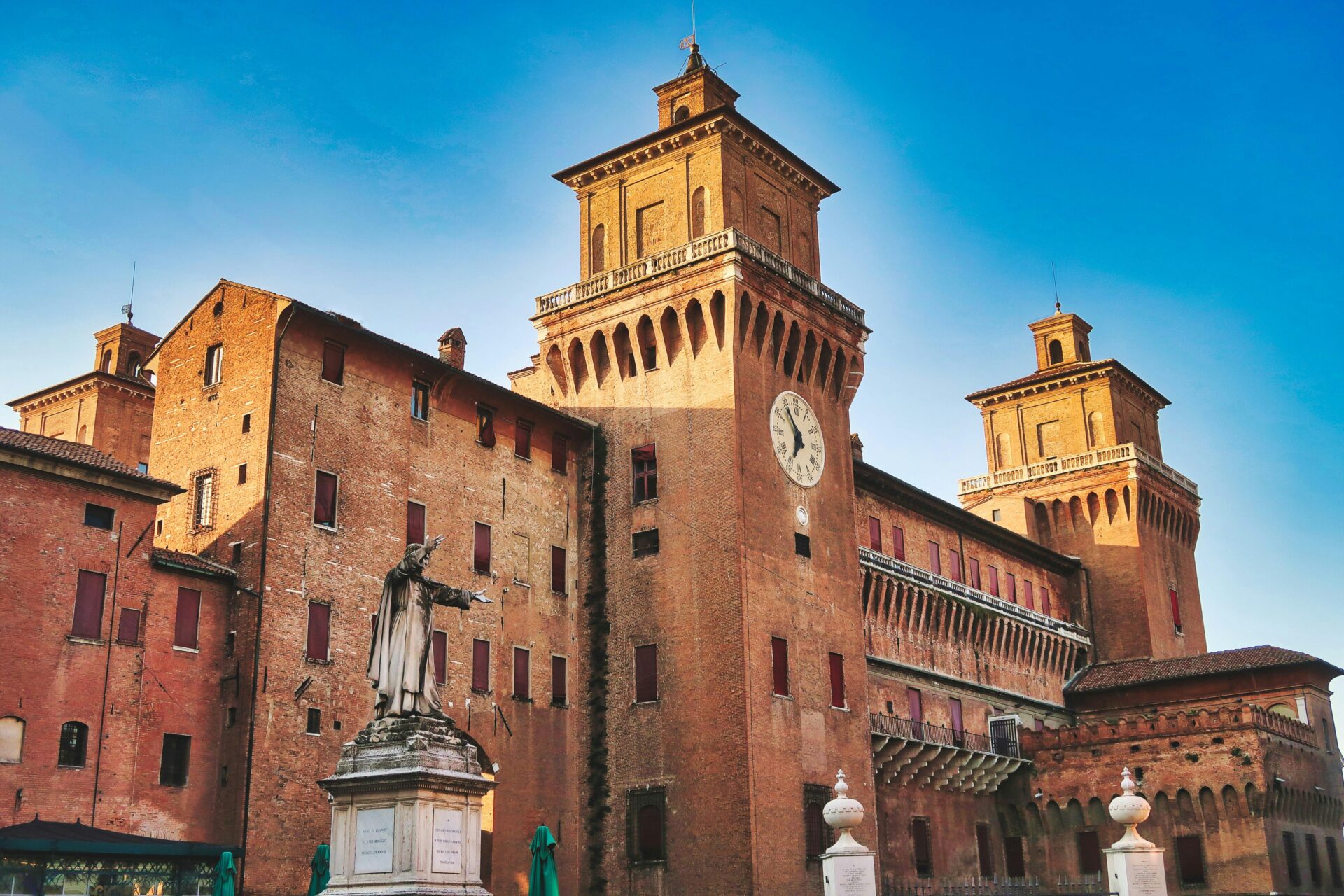
Walking around the moated castle in the heart of Ferrara, I can see both its imposing medieval features and its more sophisticated Renaissance elements. The journey began around 1450, when Marquis Borso d’Este first started using some rooms as living quarters rather than just for military purposes. This marks the beginning of the castle’s evolution from a place of defense to a place of culture and refinement.

The transformation reflects broader changes happening across Italy during this time. As I climb the 120 steps that lead through the castle, I’m literally walking through history – from the medieval tower defenses built to protect against revolting citizens to the elegant Renaissance palace that hosted some of Italy’s most important cultural figures. The castle stands as a perfect starting point for exploring the hidden Renaissance treasures of Ferrara.
The Este Dynasty and Ferrara’s Origins
The powerful Este family transformed Ferrara from a medieval fortress town into one of Italy’s most splendid Renaissance cities. Their rule, spanning from 1240 to 1597, shaped the city’s identity and left an enduring architectural legacy.
Duke Nicolò II d’Este and the Birth of the Fortress
Walking through Ferrara today, I’m always struck by the imposing Castello Estense dominating the city center. This magnificent structure was commissioned by Nicolò II d’Este in the late 14th century, following a dangerous tax revolt that threatened the family’s rule.
The castle began as a defensive fortress, complete with a moat and drawbridges. It was originally known as Castello di San Michele (St. Michael’s Castle) and served primarily as a military stronghold.
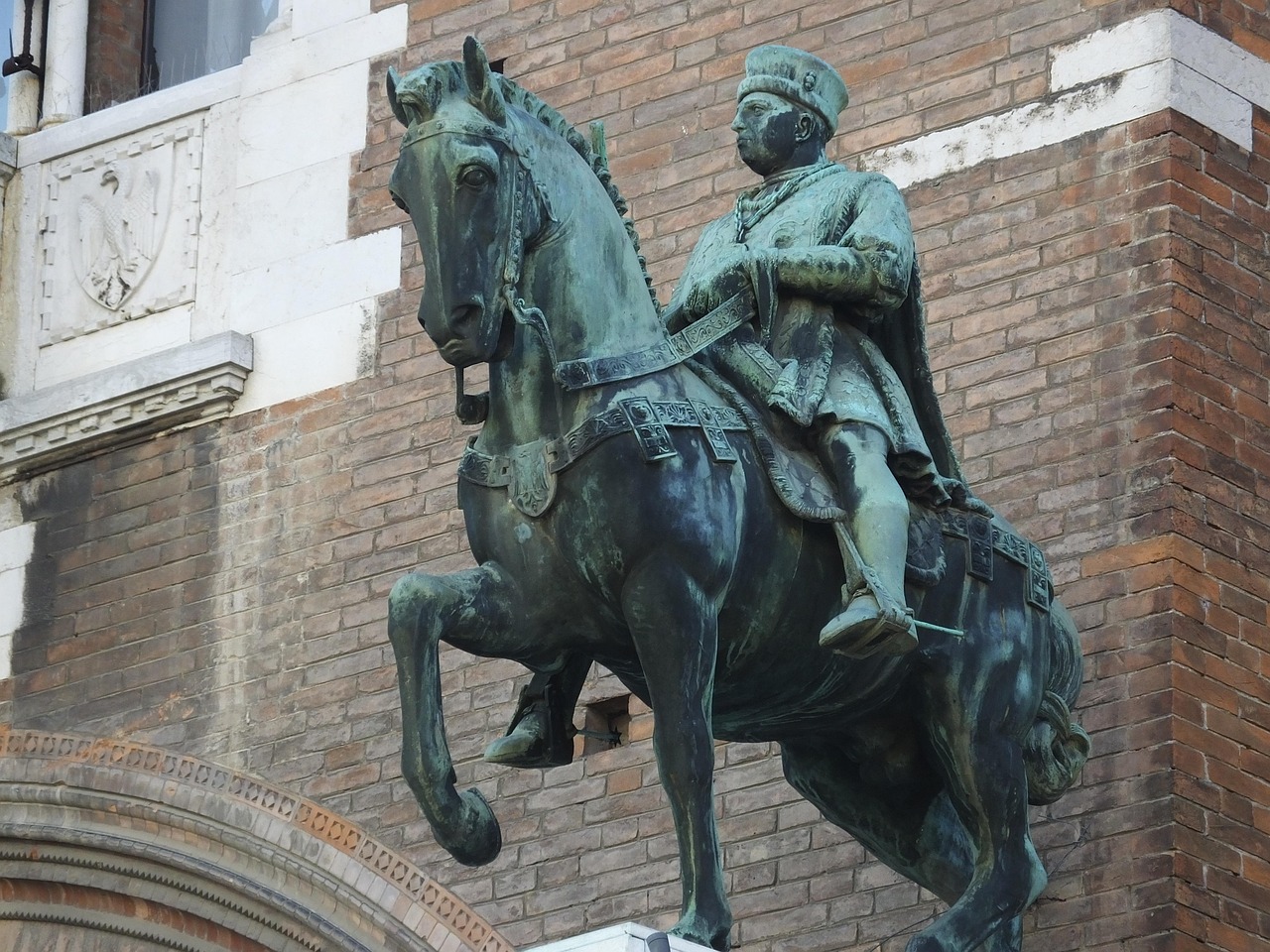
When I explore its massive towers and thick walls, I can still sense the medieval origins beneath the Renaissance refinements. The castle represents the Este family’s determination to maintain control over Ferrara, which had previously enjoyed status as a free city before falling under their influence.
Ferrara’s Rise to Ducal Residence
Over time, I’ve learned how the castle evolved from a purely defensive structure into the elegant ducal residence we see today. This transformation mirrored Ferrara’s own evolution under Este leadership.
The family gradually elevated Ferrara’s status, eventually gaining the title of Dukes from the Pope. This new prestige demanded a residence befitting their noble status.
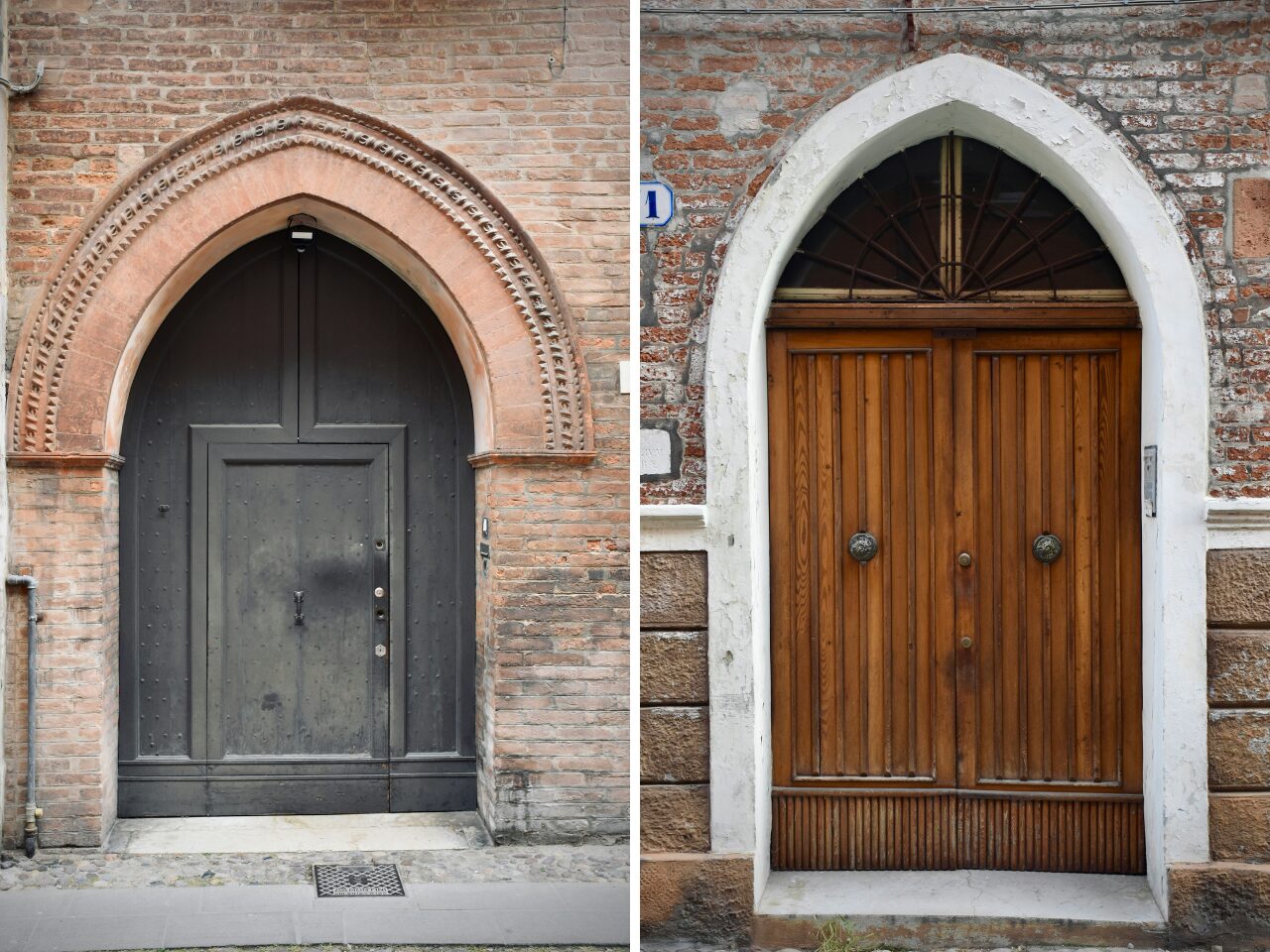
The fortress’s interior spaces were remodeled with grand halls, luxurious apartments, and artistic decorations. Walking through these rooms today, I can imagine the lavish court life that once filled these spaces.
Under Este patronage, Ferrara became a Renaissance cultural center rivaling Florence and Venice. Their support of artists, poets, and scholars created an intellectual atmosphere that attracted talent from across Italy.
From Medieval Stronghold to Este Castle
The Castello Estense stands as a remarkable testament to the evolution of medieval architecture into Renaissance grandeur. This iconic structure transformed from a purely military fortress into one of the most significant noble residences in northern Italy.
The Architectural Evolution of Castello Estense
The castle’s story begins in 1385 when the powerful Este family commissioned its construction. Originally known as Castello di San Michele (St. Michael’s Castle), it was primarily built for defense, complete with a protective moat that still surrounds it today.
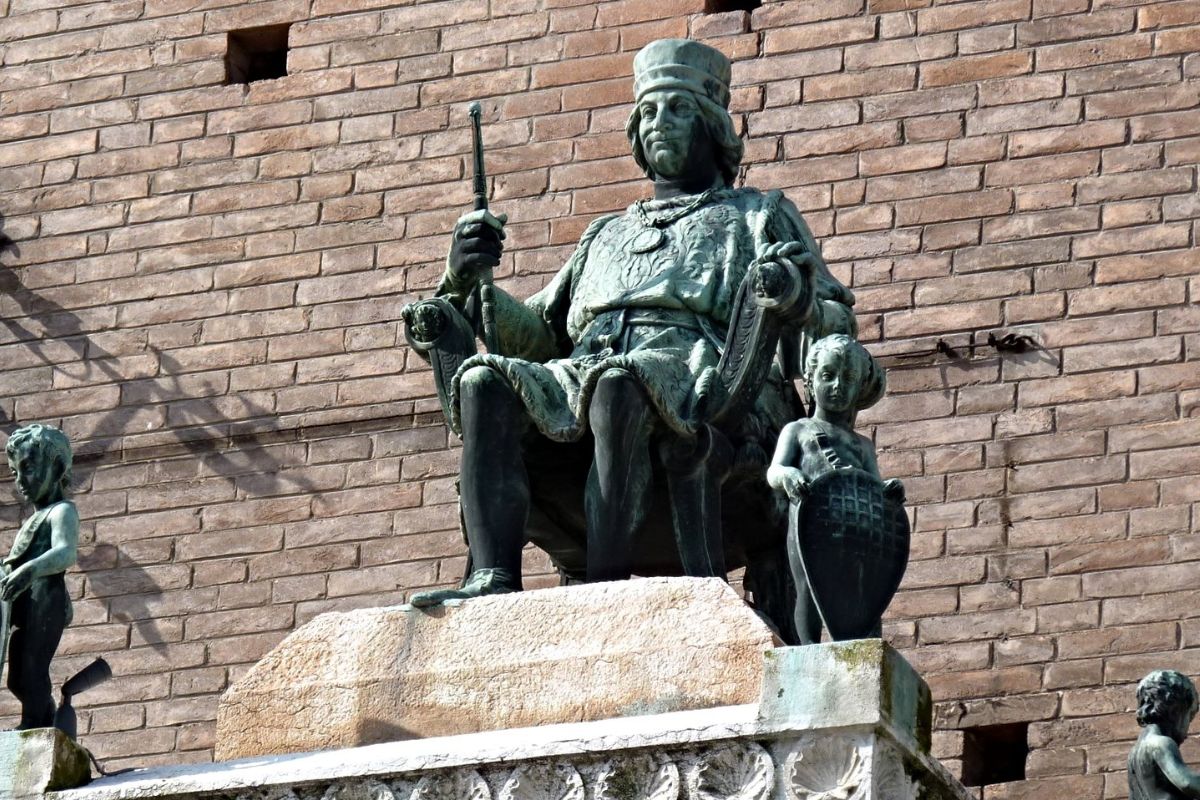
The early structure focused on military functionality with its imposing towers and strategic position at the center of Ferrara. I was fascinated by how the original medieval towers were incorporated into later designs, preserving the castle’s defensive character.
Walking around the moat, you can clearly see the transition from medieval fortress to noble residence. It’s amazing to think that these thick walls once served purely as protection against enemies before becoming the framework for a sophisticated palace.
The Herculean Addition and the Renaissance Transformation
Around 1450, under Marquis Borso d’Este, the castle began its remarkable transformation. Several rooms were converted from military spaces into elegant living quarters, marking the beginning of its evolution into a Renaissance palace.
The most significant change came during what’s known as the “Herculean Addition” (Addizione Erculea), named after Duke Ercole d’Este. This ambitious urban expansion project incorporated the castle into a grander vision for Ferrara.
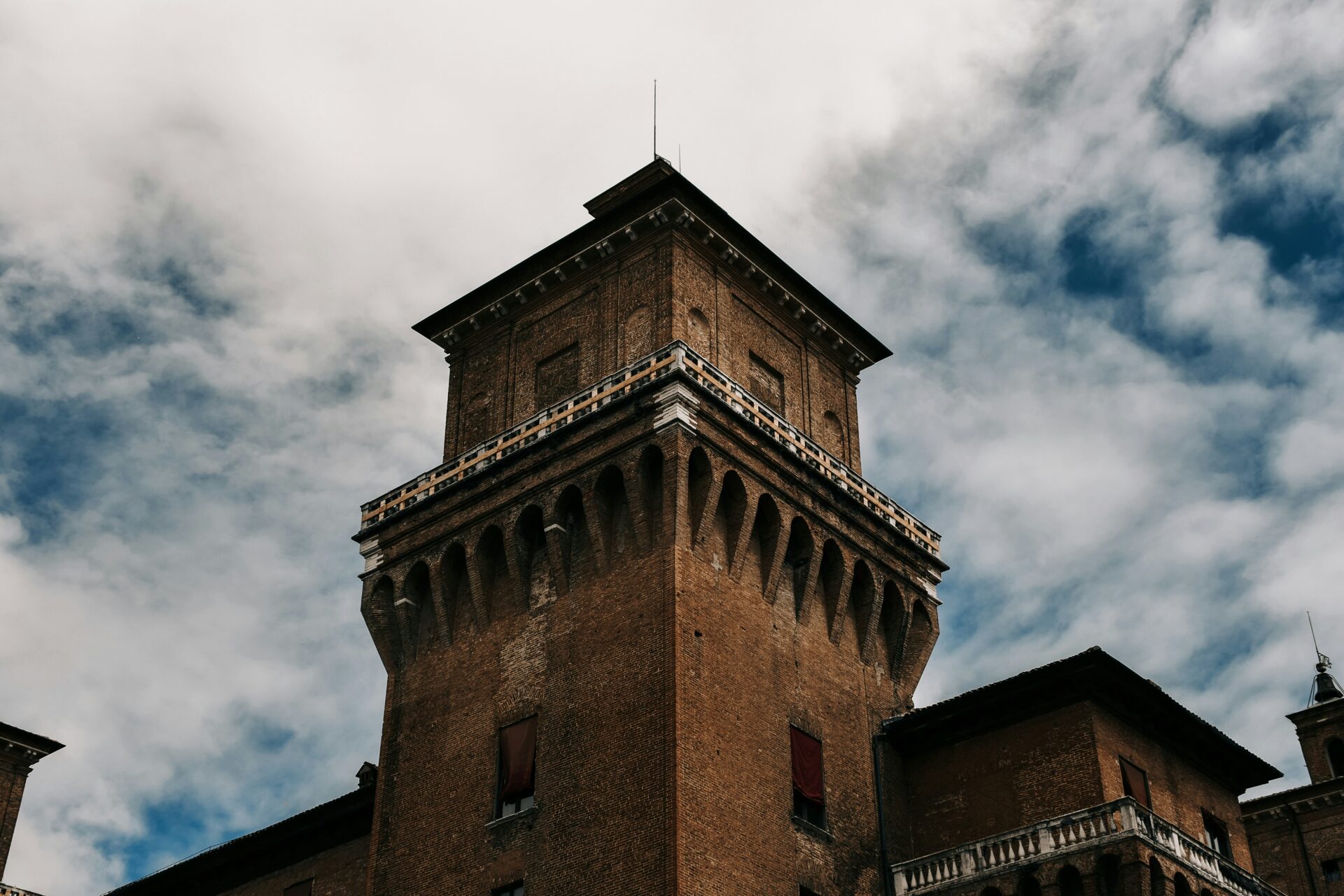
I recommend climbing the 120 steps to the upper levels to fully appreciate how the Este family transformed this medieval stronghold. The interior spaces reveal beautiful Renaissance details that contrast wonderfully with the military exterior.
The castle’s evolution perfectly captures the transition from medieval defensive thinking to Renaissance ideals of beauty and comfort. You can see how military practicality gradually gave way to aristocratic luxury, creating the stunning landmark we admire today.
Artistic Flourishes and the Este Legacy
The Este family transformed Ferrara’s castle from a military fortress into a vibrant center of Renaissance culture. Their patronage attracted brilliant artists who filled the castle with masterpieces that still amaze visitors today.
Frescoes and the Art Collection of Este
Walking through the castle today, I’m always struck by the magnificent frescoes that adorn the walls. The Este family assembled one of the most impressive art collections of the Renaissance period. They commissioned elaborate ceiling paintings and wall decorations that turned ordinary rooms into spectacular showcases of wealth and culture.
The family’s collection included works from the greatest masters of their time. Unlike the Medici of Florence, who displayed their art more publicly, the Este preferred to keep their treasures within their private chambers.
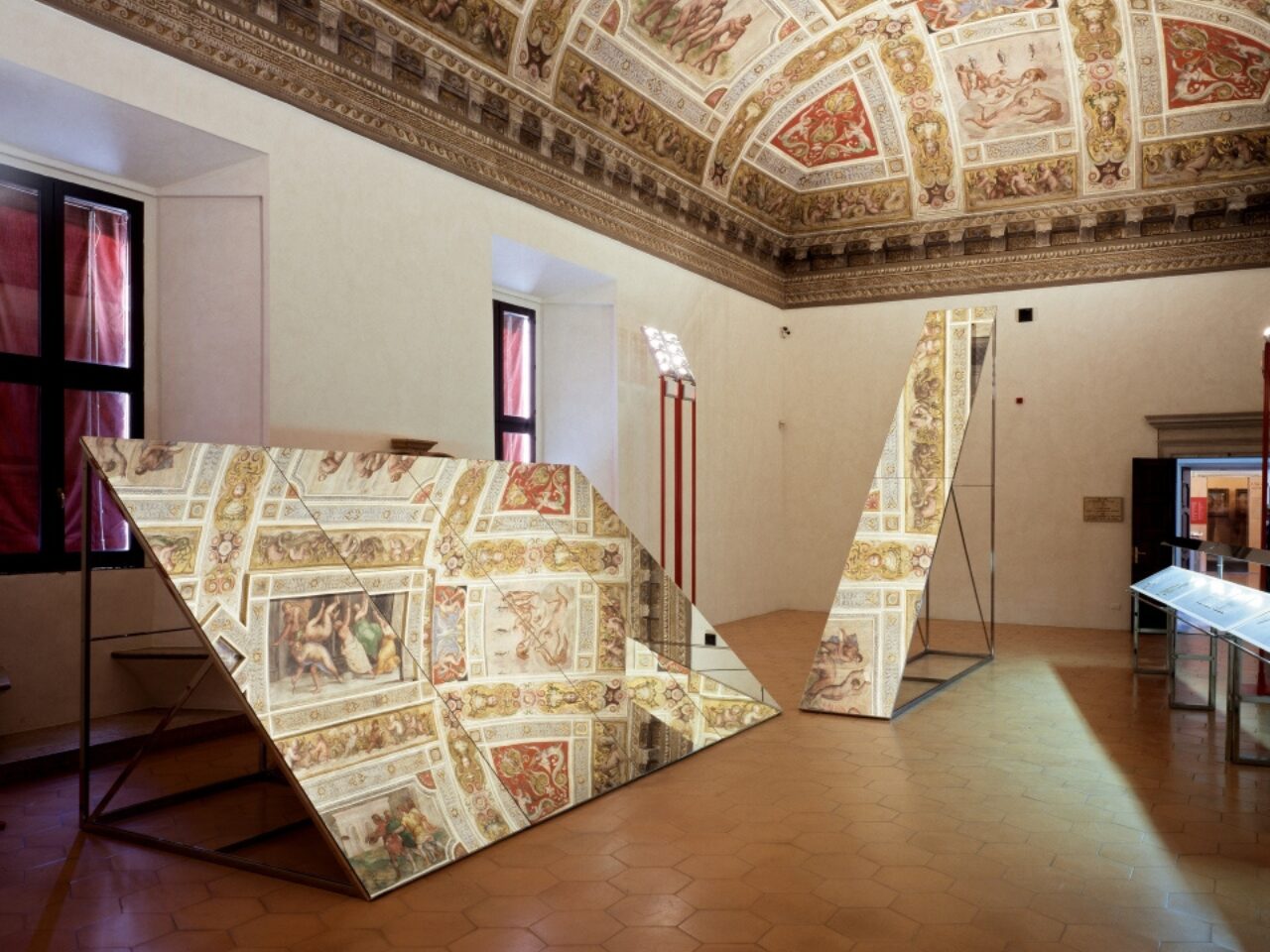
In the Hall of Games, I’ve spent hours admiring the detailed frescoes depicting courtly pastimes. The Cabinet of Marbles features stunning marble inlays that show the family’s sophisticated taste.
Influential Artists: Leonardo da Vinci to Girolamo da Carpi
The Este court attracted remarkable artistic talent. Leonardo da Vinci visited Ferrara in 1516, bringing his genius to the city. Though he didn’t stay long, his influence on local artists was profound.
Girolamo da Carpi became one of the most important artists working for the Este family. His elegant style blended influences from Raphael and Michelangelo with local traditions. I’ve often found myself lost in contemplation before his works in the castle.
The Este weren’t shy about competing with other great patrons like the Medici. They lured artists with generous commissions and the promise of steady work.
Pisanello, another favorite artist of the family, created beautiful medals for Lionello d’Este that showcase the family’s commitment to preserving their legacy through art.
The Castello Today: A Window to History
Today, Este Castle stands as a magnificent monument to Italy’s past, welcoming visitors to explore its rich heritage. Within its ancient walls, you can discover both fascinating museum exhibits and authentic regional cuisine.
Embracing the Castle as a Museum
I love how the Castello Estense has transformed from a fortress into one of Ferrara’s most important museums. Walking through its halls, I’m always struck by how the medieval military structure now showcases the cultural heritage of Emilia-Romagna.
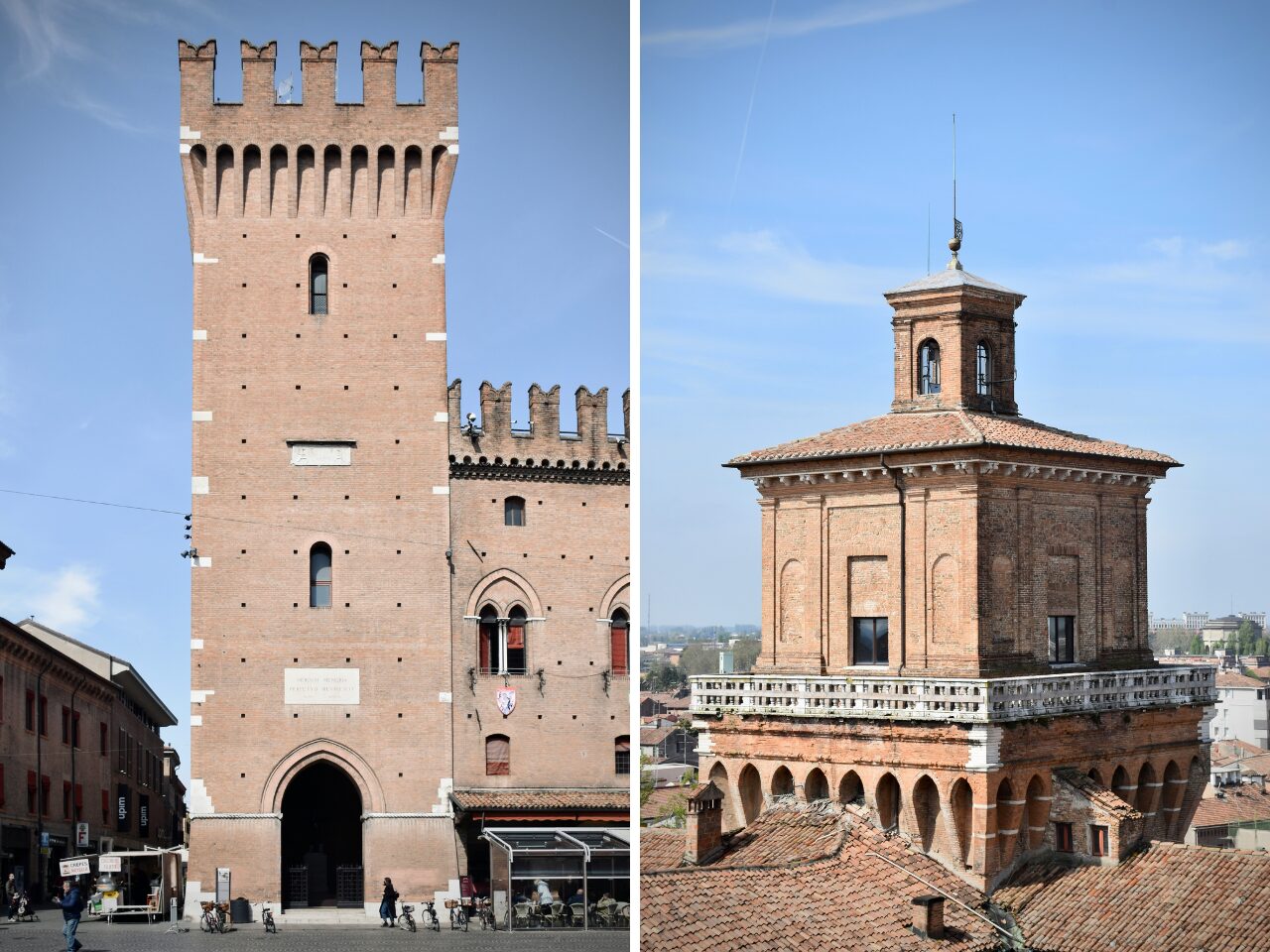
The rooms that once housed the Este family are now filled with Renaissance art and historical artifacts. You can climb the castle’s tower for breathtaking panoramic views of Ferrara – it’s definitely worth the stairs!
What makes this museum special is how it preserves both the defensive elements of the original fortress and the lavish decorations added when it became a ducal residence. The transition from military stronghold to palace is visible in every stone.
Culinary Journeys: Exploring Regional Cuisine Within the Castle Walls
I’ve found that some of my most memorable experiences at Este Castle involve food. The castle occasionally hosts food festivals and culinary events that celebrate Emilia-Romagna’s famous cuisine.
Inside and around the castle grounds, you can sample local specialties that the Este dukes might have enjoyed centuries ago. Think rich pasta dishes, aged Parmigiano-Reggiano, and traditional balsamic vinegar from nearby Modena.
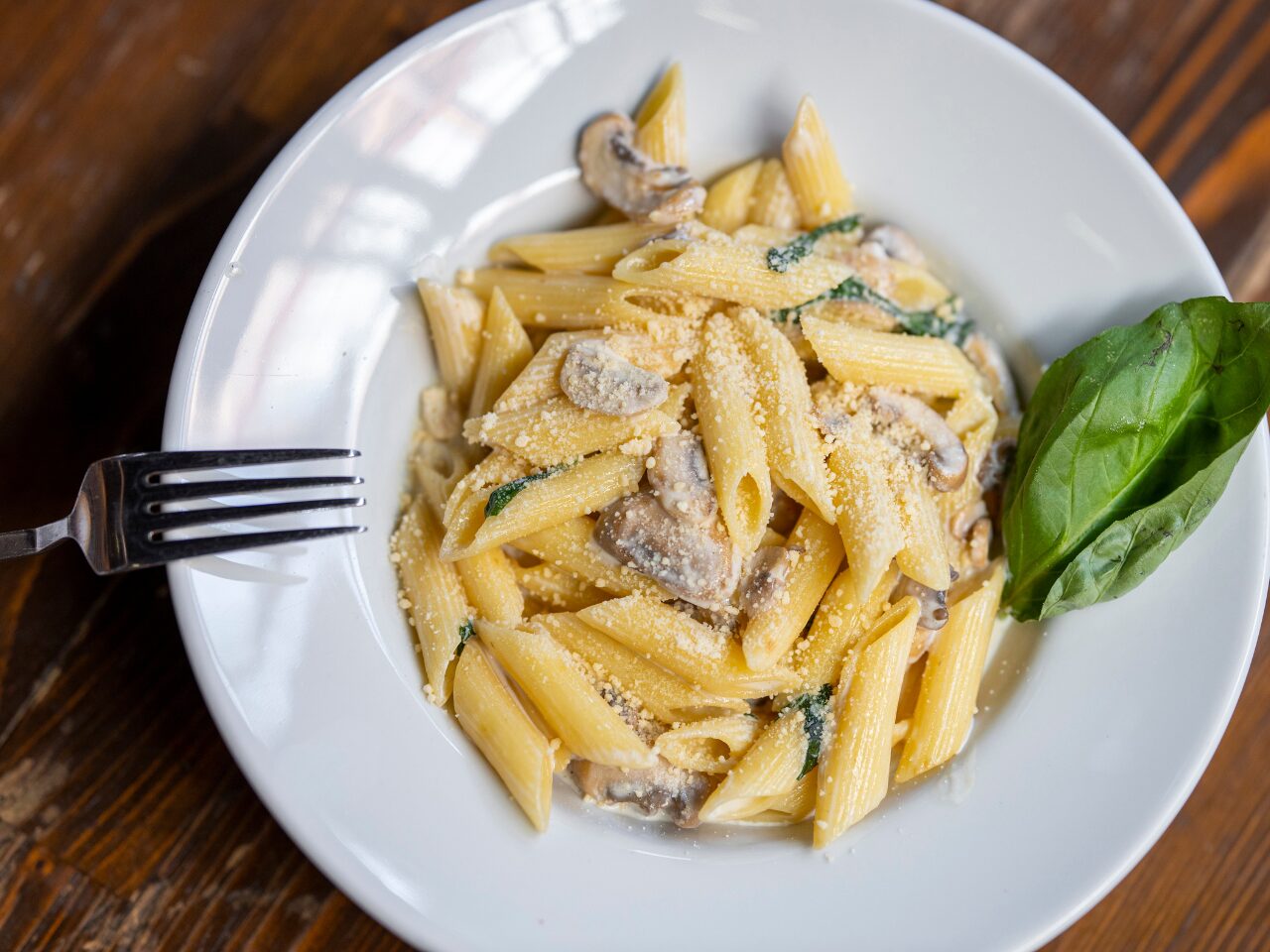
What surprises many visitors is learning how the Este family influenced regional cuisine. The ducal courts were known for elaborate feasts that helped shape food traditions that continue today.
After exploring the museum exhibits, I recommend stopping at one of the castle’s cafés where you can enjoy a coffee with a view of the moat – a perfect blend of history and gastronomy.
Ferrara’s Urban Fabric: Renaissance Influence
Ferrara stands as a perfect example of Renaissance urban planning, where innovative design transformed the medieval city. The city’s layout reflects a harmonious blend of old and new, creating an urban fabric that would influence city planning for centuries to come.
The Addizione Erculea and Its Impact on Urban Planning
I was amazed to discover how Duke Ercole I d’Este’s ambitious expansion project, the Addizione Erculea, revolutionized Ferrara’s urban landscape in the late 15th century. This masterpiece of urban design by architect Biagio Rossetti doubled the city’s size while seamlessly connecting medieval streets with new Renaissance thoroughfares.
Walking through Ferrara today, it’s easy to see why UNESCO recognizes it as the “first example of Italian Renaissance town planning.” The wide, straight avenues intersect at carefully planned points with the older, winding medieval streets.
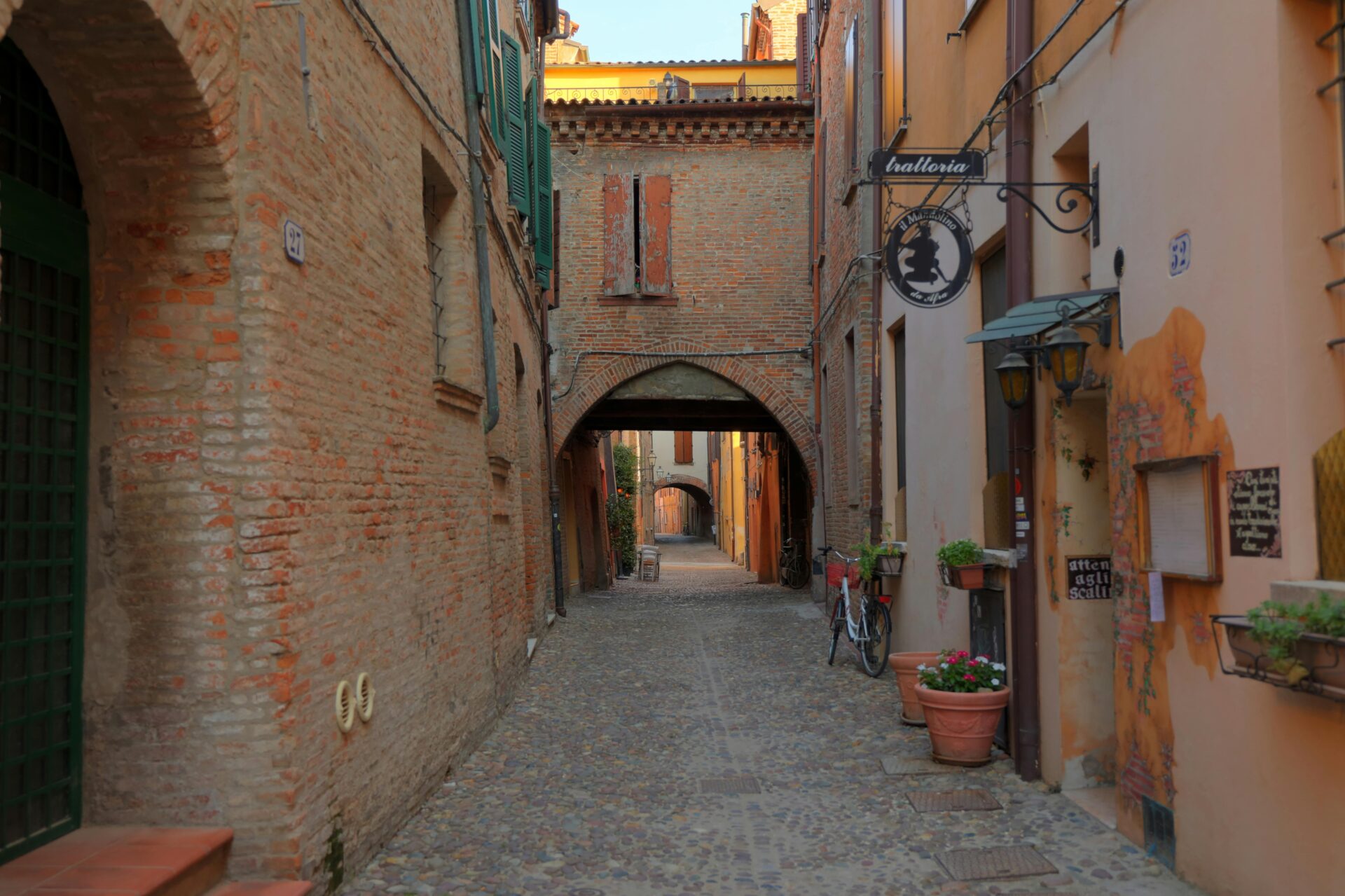
What struck me most was how the design emphasized harmony rather than contrast. This thoughtful integration created a city that flows naturally between different historical periods.
Comparative Renaissance Jewels: Palazzo dei Diamanti and Beyond
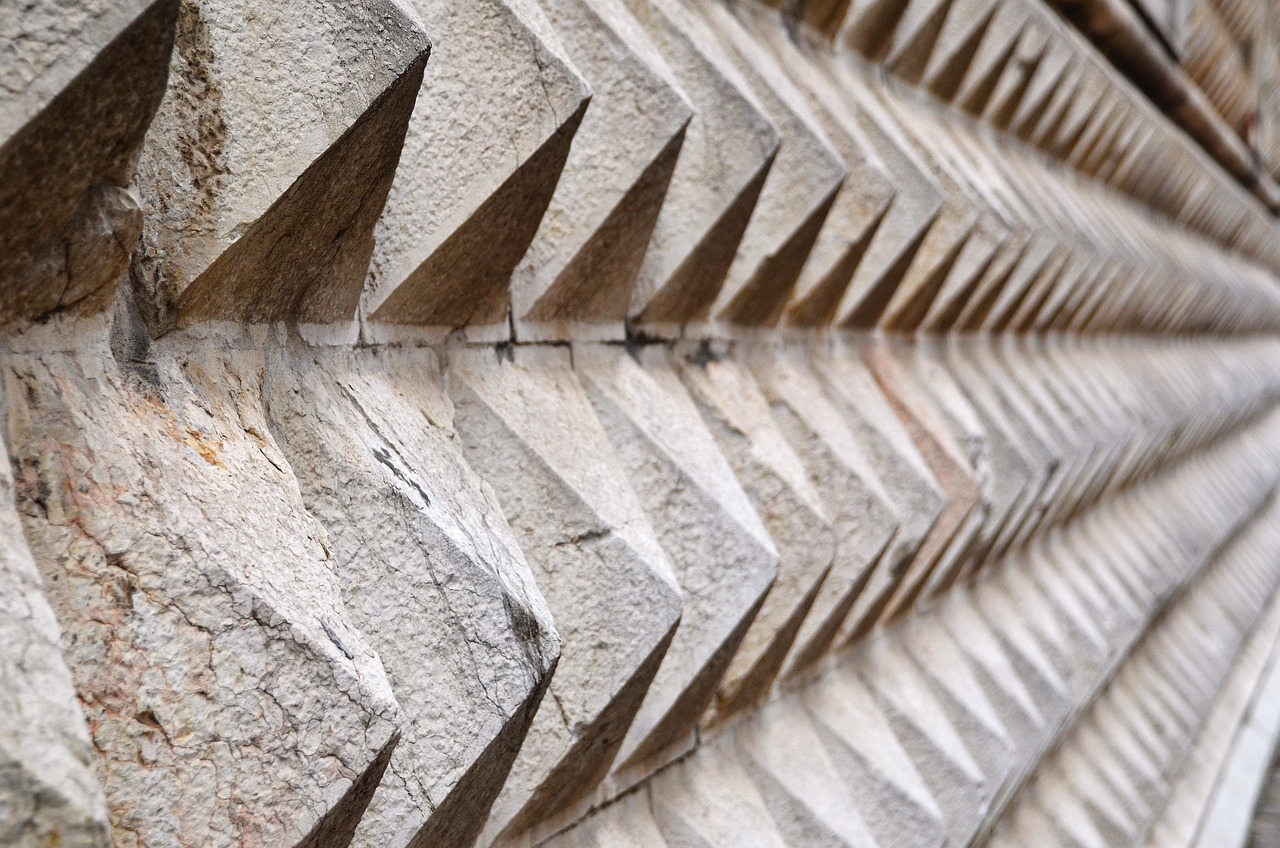
The crown jewel of Ferrara’s Renaissance transformation has to be the magnificent Palazzo dei Diamanti. Its distinctive diamond-pointed marble blocks catch the light differently throughout the day. This creates a constantly changing façade that I couldn’t stop photographing.
Unlike the more ornate Palazzo Ducale in Urbino or Palazzo Te in Mantua, Ferrara’s Renaissance buildings showcase elegant restraint. The Palazzo Schifanoia’s frescoed walls tell stories of court life while maintaining architectural balance.
Ferrara Cathedral bridges medieval and Renaissance styles beautifully. Its pink and white marble façade serves as a reminder that the city embraced transition rather than replacement.
Ferrara is unique among Italian Renaissance cities because the entire urban fabric works together as a cohesive whole. This is unlike other cities where buildings are isolated architectural showpieces.
