
Brandenburg, Germany, swept me up with its blend of culture and nature. One day, I wandered through grand Prussian palaces; the next, I found myself canoeing along quiet streams in biosphere reserves.
Not many places blend natural beauty and fascinating history quite like Brandenburg.
What really stood out? I could step from manicured palace gardens straight into untouched forests or winding rivers. With its forests, farmland, and famous spots like the Spreewald Biosphere Reserve, every landscape told its own story.
The variety in scenery here kept my curiosity alive. Every setting, from historic sites to peaceful parks, added its own twist to my trip.
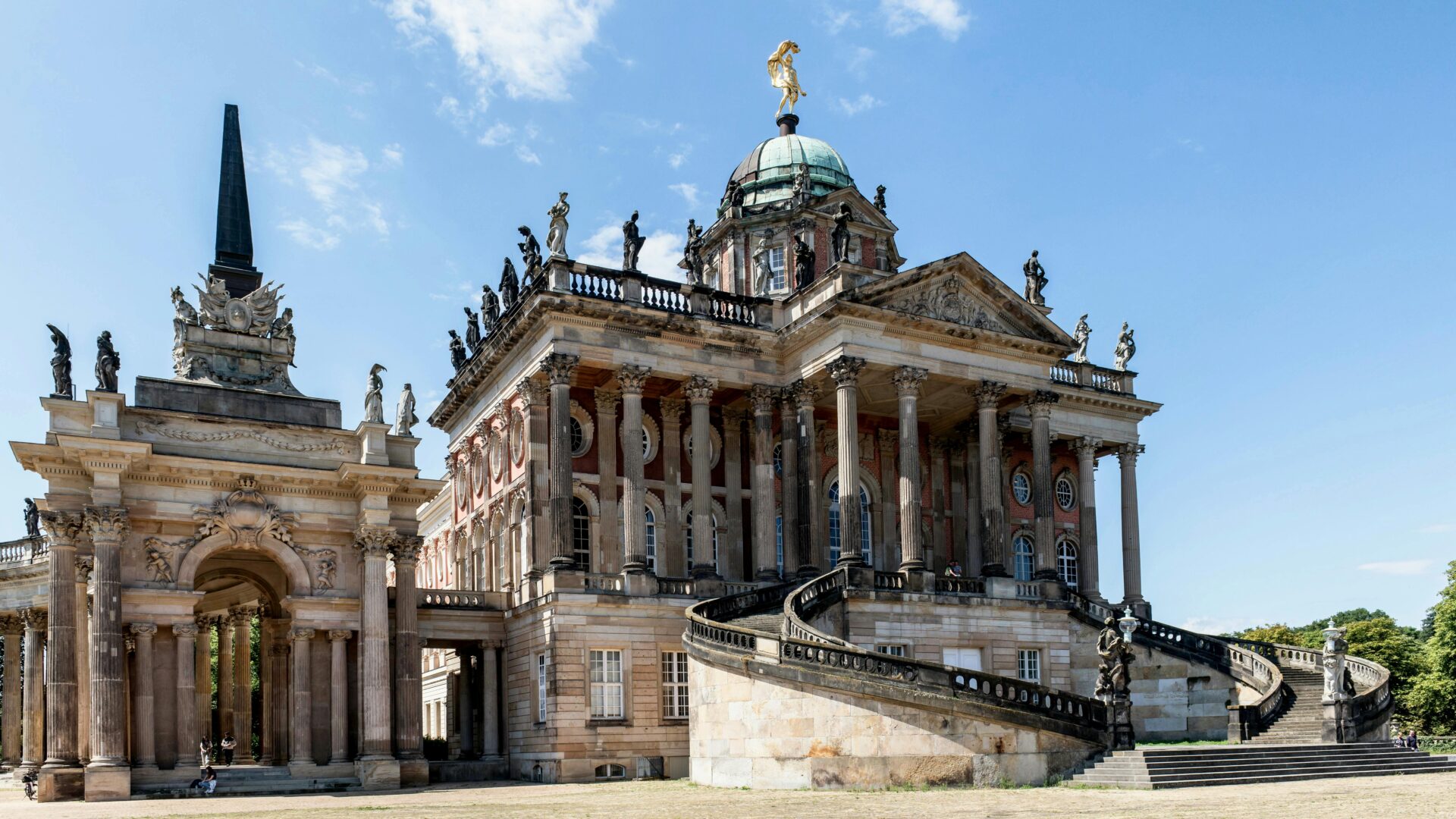
The Majesty of Prussian Palaces and Historic Sites
Brandenburg’s palaces and historic places pulled me right into the past. I explored grand halls, peaceful gardens, and fortresses that reveal the region’s royal and cultural roots.
Sanssouci Palace: UNESCO World Heritage Marvel
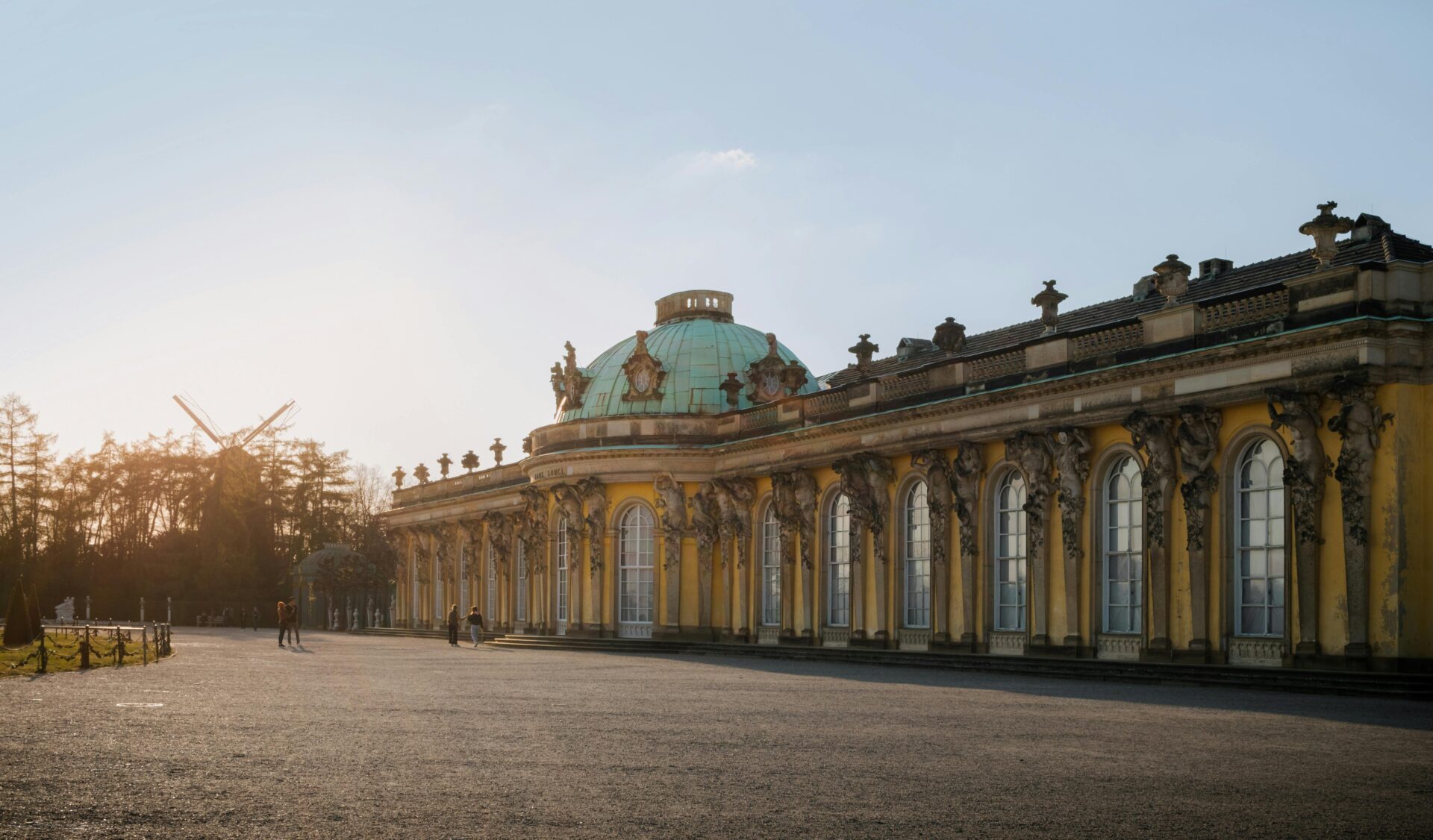
Sanssouci Palace gets called the “Versailles of Potsdam” for good reason. After wandering its grounds, I totally get the hype.
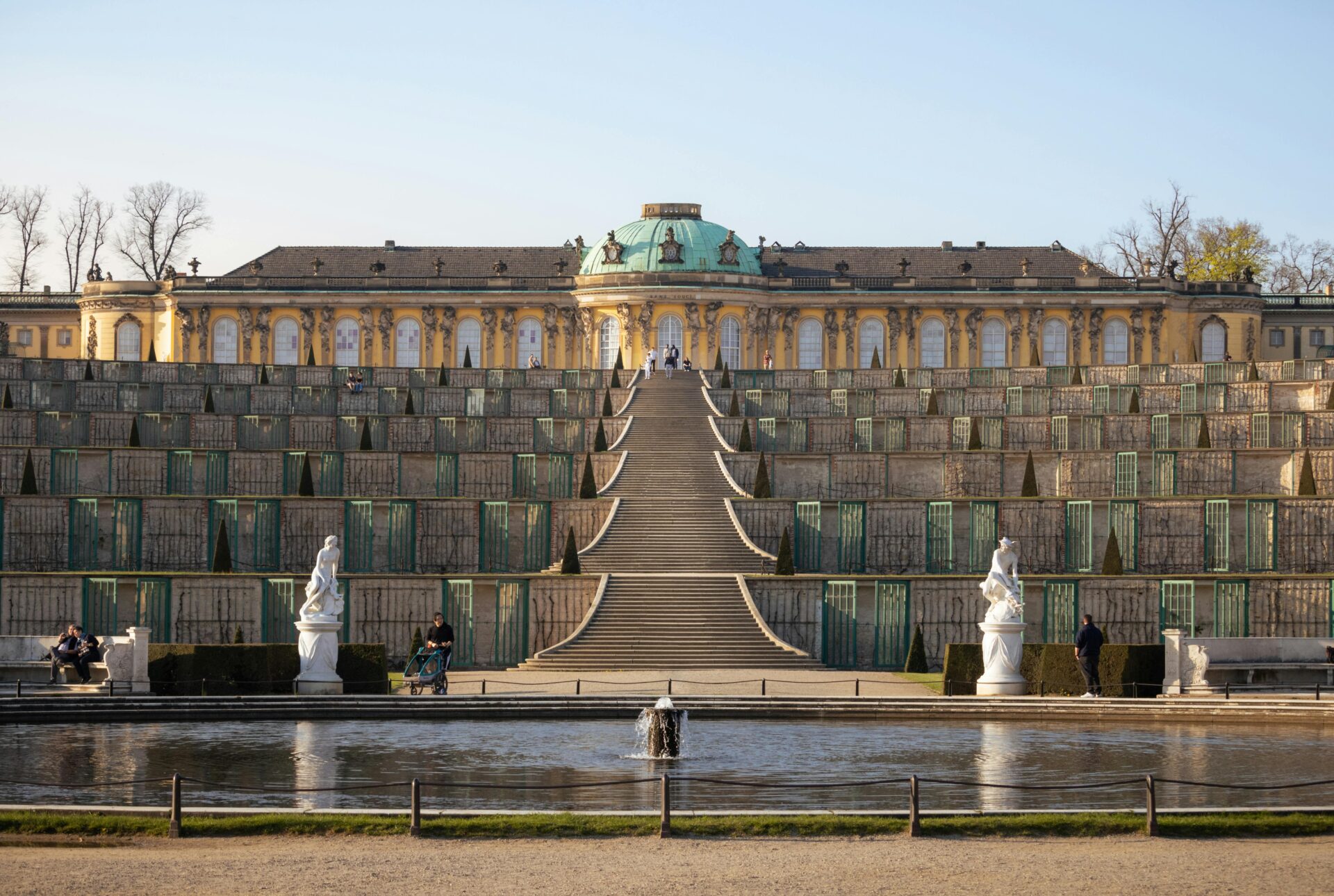
Frederick the Great built this place in the 18th century, blending Rococo architecture with terraced vineyards. The palace and gardens are part of a UNESCO World Heritage Site, and honestly, you can feel the history in the air.
Inside, decorative halls show off Prussian luxury—gilded ceilings, rare paintings, and all the details you’d expect from royalty. I strolled through the Marble Hall and peeked into the Voltaire Room, both packed with intricate touches.
The gardens seem endless, with fountains, classical statues, and orangeries making it feel like a secret retreat right in Potsdam.
Guided tours let visitors dive into royal stories and see rooms once reserved for kings. Even the Neues Palais nearby adds another layer, showing off centuries of European style and innovation.

Discovering Castles and Palaces in Potsdam
Potsdam isn’t just about Sanssouci. The city hides several other castles and palaces, each with its own vibe.
The Neues Palais stands out with over 200 rooms and a grand marble hall. That red-brick façade and huge dome really caught my eye.
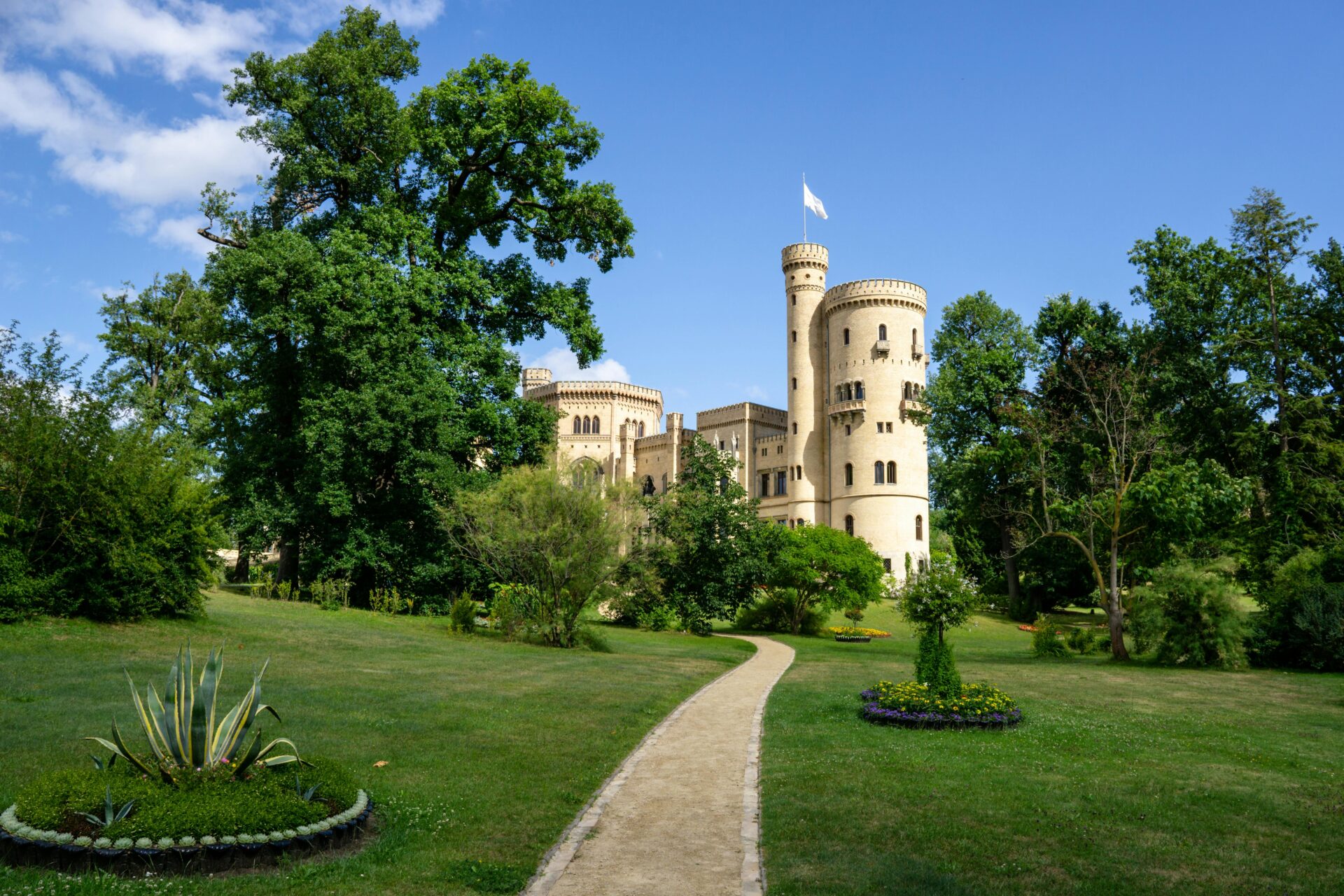
Not far away, Babelsberg Palace sits by the Havel River, showing off Gothic-style architecture. Its park is a dream for lakeside walks. The Dutch Quarter adds a quirky twist—brick buildings and narrow streets that feel straight out of the Netherlands.
These palaces have witnessed major European events. Diplomats, artists, and rulers have all passed through. Today, they’re open for tours, concerts, and exhibitions, and they’re a big part of Germany’s cultural heritage.
Exploring Burgs and Historical Treasures
There’s more than just royal palaces. I also checked out medieval burgs—fortified castles built to protect towns centuries ago.
Burg Brandenburg an der Havel is one of the oldest, dating back to the Middle Ages. Its stone towers and thick walls hint at the region’s strategic importance.
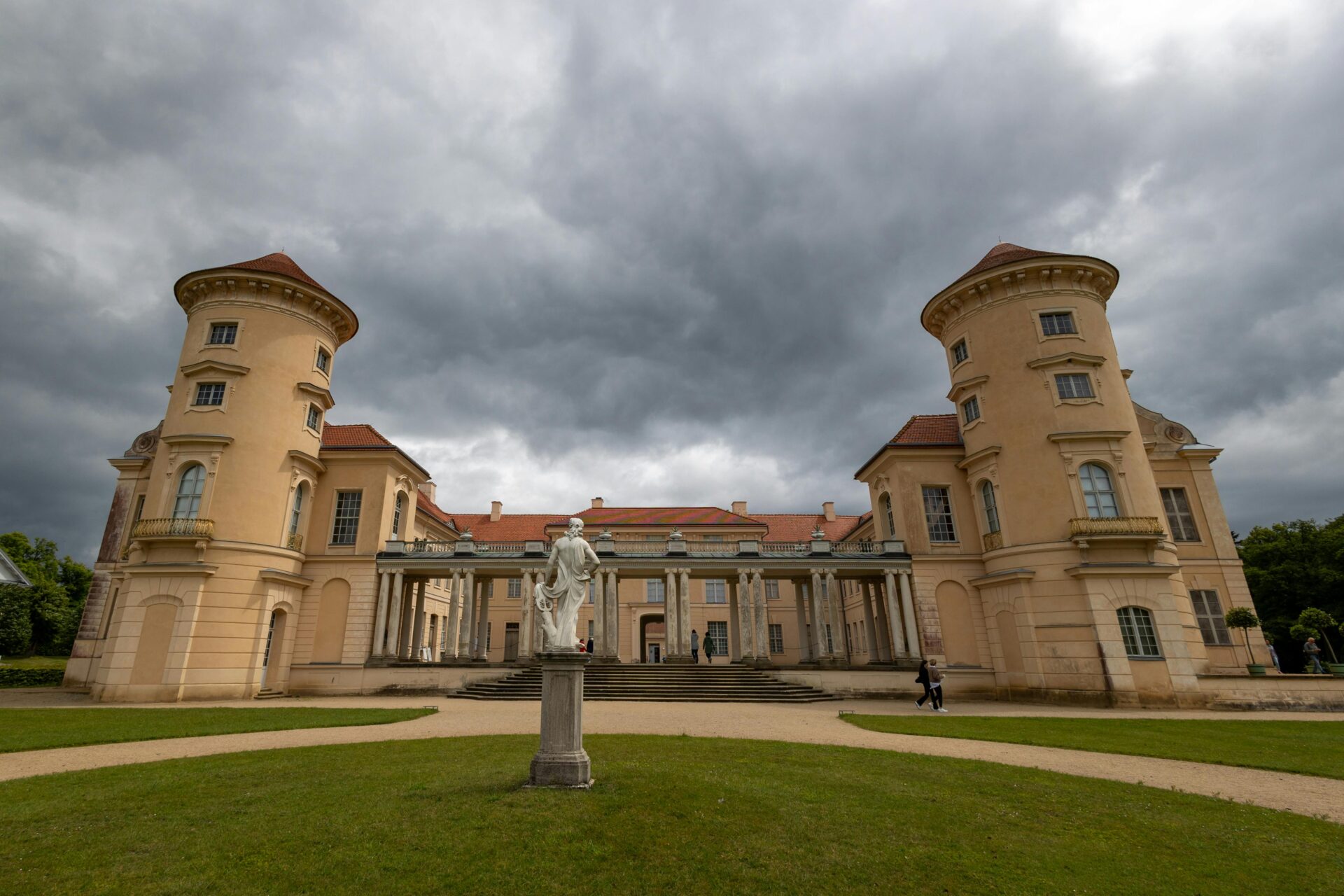
Rheinsberg Palace grabbed my attention with its lakeside setting and elegant courtyards. Frederick the Great actually lived here before moving to Sanssouci, which gives it a special place in Prussian history.
Local museums show off finds from these sites—old armor, religious relics, and more. These treasures tell the story of Brandenburg’s rulers, citizens, and shifting borders. Exhibitions help visitors see how the past shaped the landscape.
UNESCO Biosphere Reserves and Natural Wonders
Brandenburg is packed with protected areas that show off both natural beauty and rich cultural history. My journey took me through waterways, forests, and open spaces that reveal the region’s ecological and human diversity.
Spreewald Biosphere Reserve: Waterways and Sorbian Culture
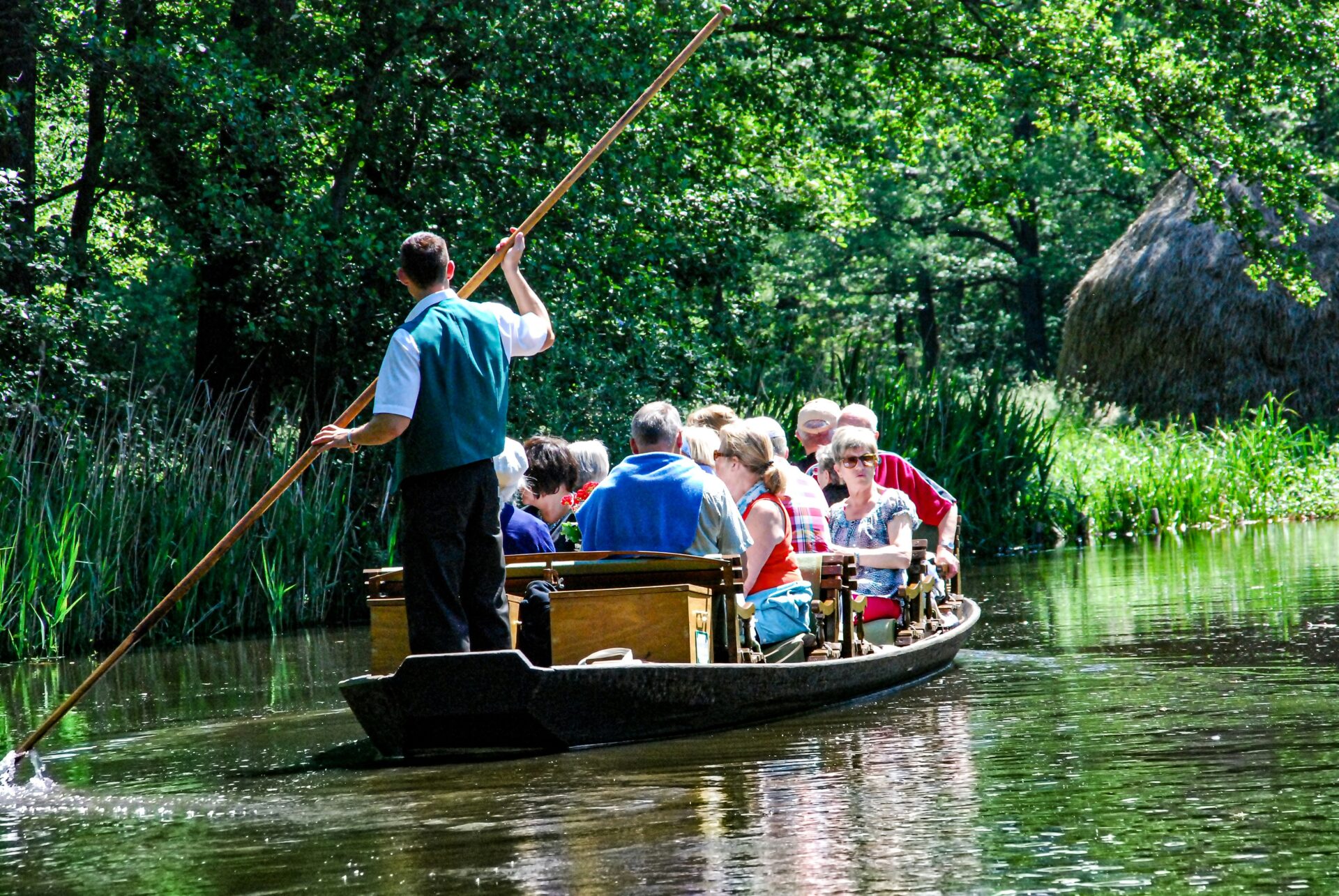
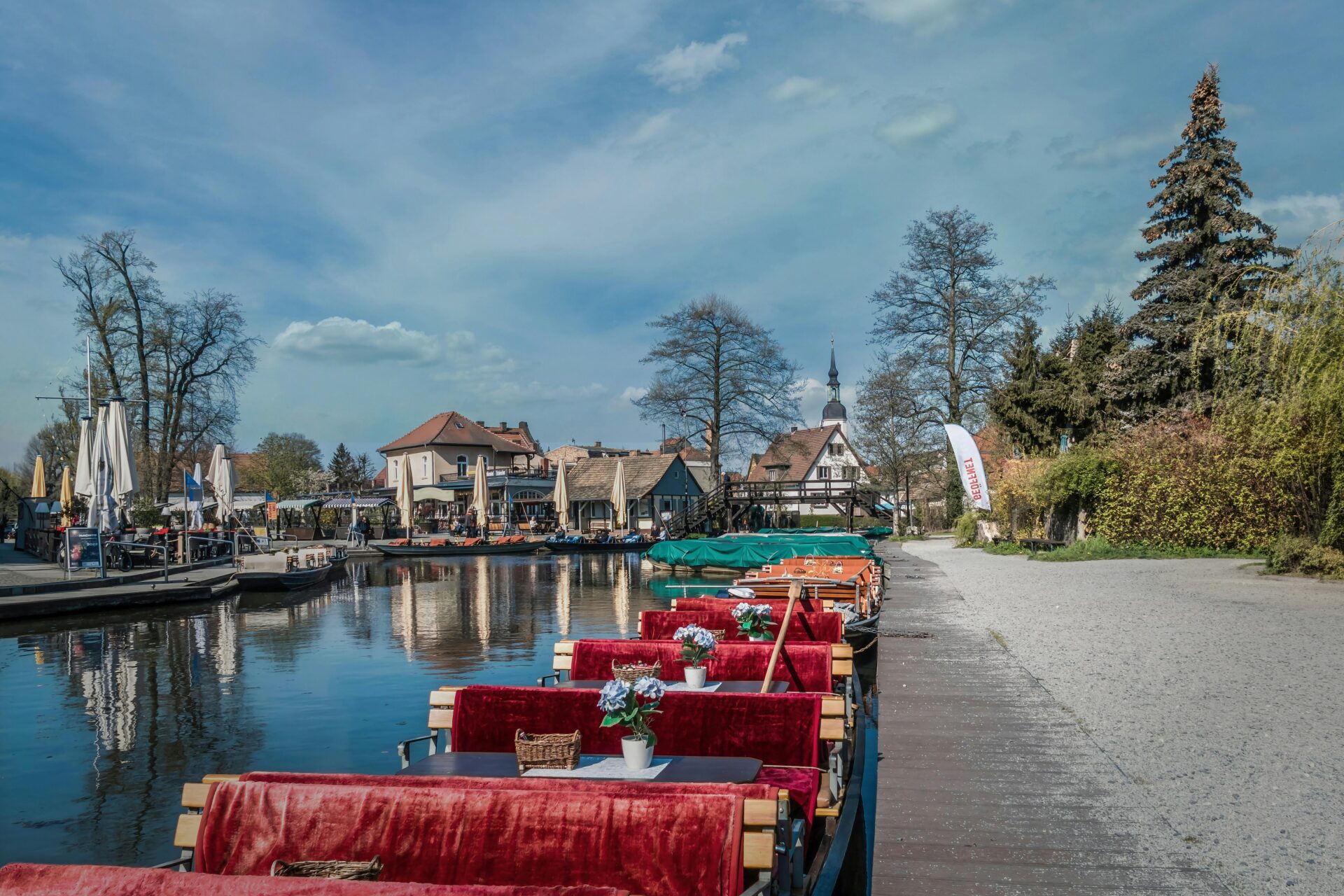
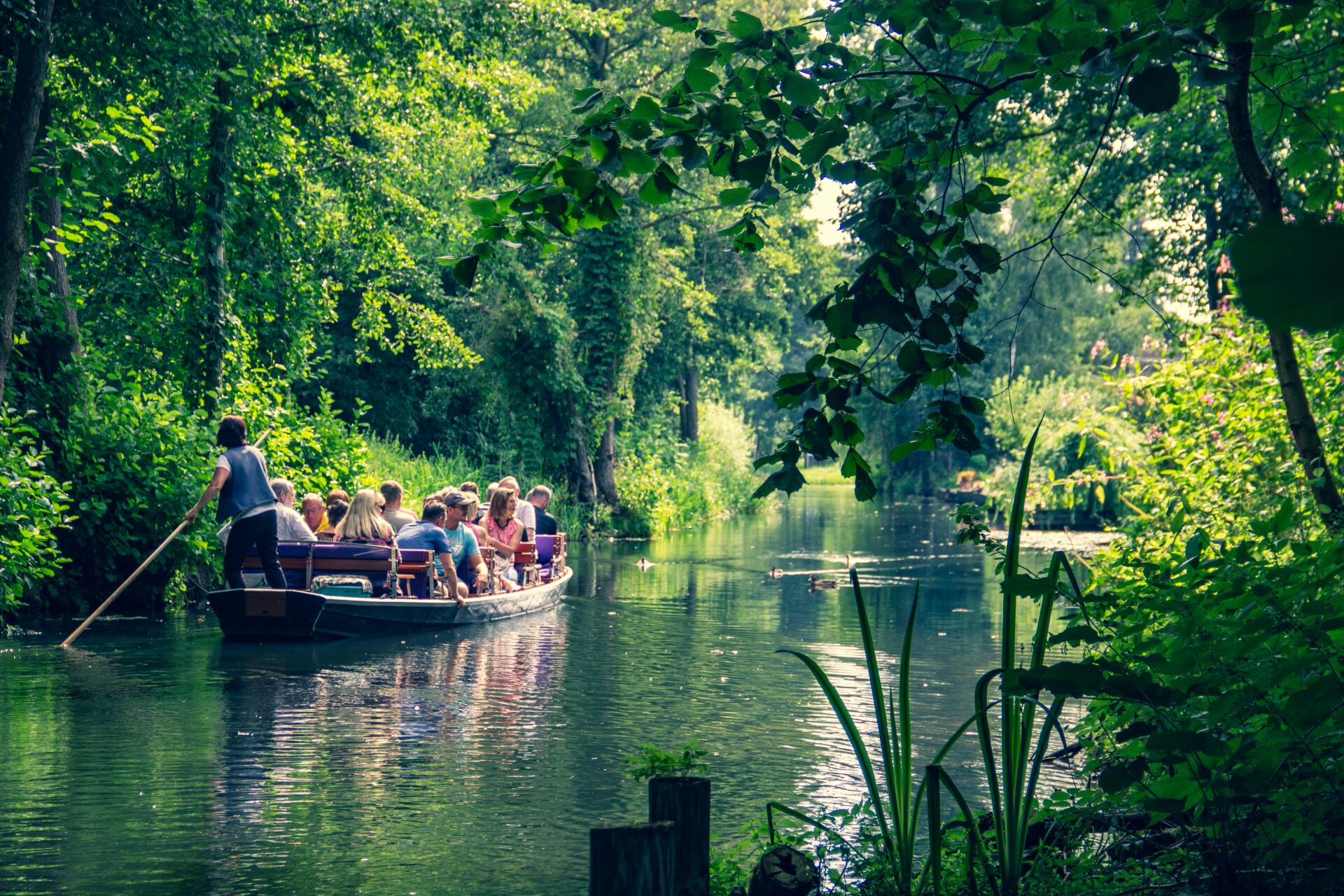
The Spreewald Biosphere Reserve is famous for its maze of waterways, all shaped by the Spree River. I drifted quietly in a traditional punt, passing reed banks and alder forests.
The streams here shelter fish, otters, and rare birds. They also support unique wetlands.
A big part of Spreewald’s magic comes from Sorbian culture. The Sorbs, a Slavic people, have lived here for centuries. I spotted bilingual signs, traditional houses, and even tasted pickled gherkins—a local favorite.
Locals keep old crafts alive and throw colorful festivals, making the reserve feel vibrant and lived-in.
UNESCO recognized the Spreewald for its lively communities and sensitive habitats. Well-marked walking and cycling trails make it easy to explore without harming the landscape.
Lower Oder Valley National Park: Pristine Wildlife
The Lower Oder Valley National Park hugs the Polish border and stands as Germany’s largest inland floodplain biosphere reserve. It’s one of the last places in Central Europe where the natural flood cycle still runs its course.
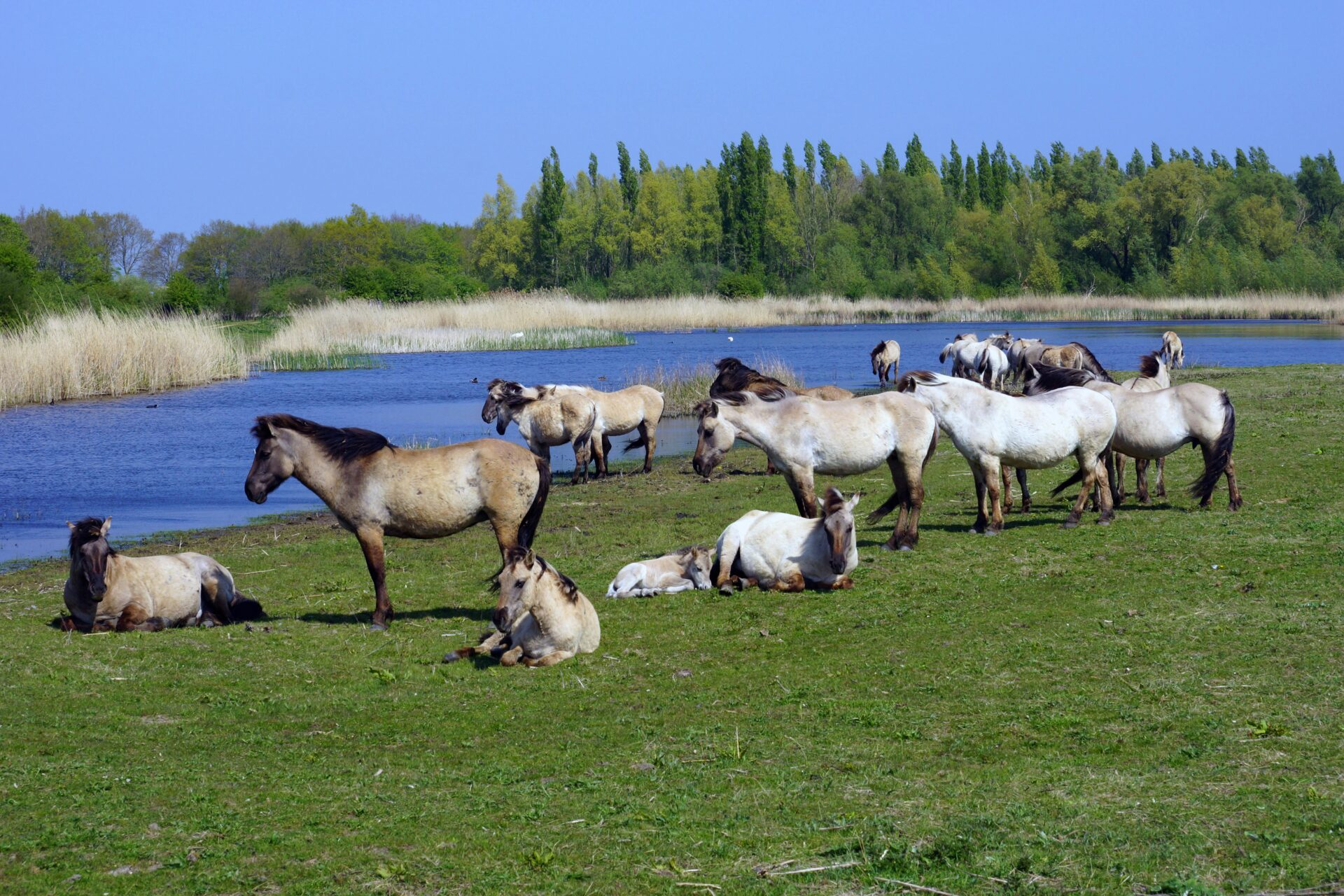
I walked along raised dykes, spotting Konik horses grazing and huge flocks of cranes in spring and autumn. Wetlands here attract beavers, otters, and even the rare white-tailed eagle.
Species list highlights:
- Beavers
- Otters
- Cranes
- White-tailed eagles
The area feels wild and peaceful. Visitors need to stick to marked paths to protect the delicate ecosystem. Information boards in German and Polish help hikers learn about the floodplain forests and meadows.
Uckermark and Nature Parks: Rural Escapes
Uckermark, a sprawling rural region, offers rolling hills, wide lakes, and sleepy villages. Nature reserves like Schorfheide-Chorin Biosphere Reserve and Stechlin-Ruppiner Land Nature Park dot the area.
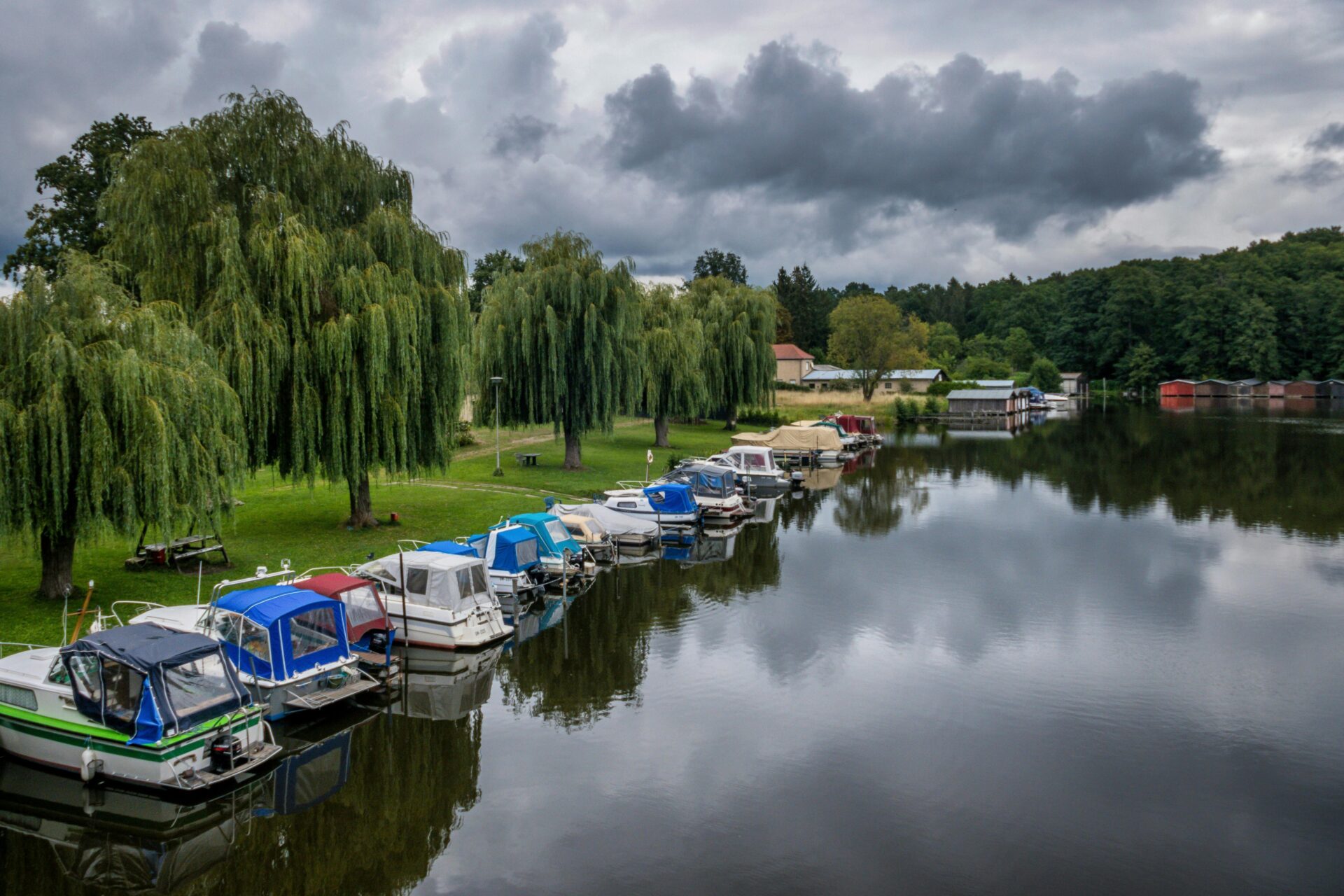
Glacial history shaped these landscapes. Clear lakes and mixed forests stretch for miles. I kayaked on Lake Stechlin, gliding past silent reeds, and biked through fields where red kites soared overhead.
Small organic farms, fieldstone churches, and quiet trails gave me a feel for rural Brandenburg. Many nature parks focus on sustainable tourism and protecting rare species like the European pond turtle.
This is the place for slow travel, birdwatching, and discovering Brandenburg’s softer side.
Immersive Outdoor Activities for Nature Lovers
Brandenburg’s landscapes invite you to get outside and really experience them. I found so many ways to connect with the forests, lakes, and wildlife—each one a little adventure.
Hiking and Cycling Through Forests and Lakes
Dense forests and peaceful lakeshores drew me in with their well-marked hiking and cycling trails. The Spreewald Biosphere Reserve, with its shady paths and canal views, became a favorite. And it’s easy to reach by train, which I appreciated.
Cycling around Scharmützelsee near Bad Saarow gave me sweeping lake views and quiet picnic spots. On the Havelland bike routes, I saw paved paths winding through meadows and nature parks. Many trails led me to small villages and birdwatching towers.
Here’s a quick look at some top spots I tried:
| Location | Activity | Notable Feature |
|---|---|---|
| Spreewald Biosphere | Hiking/Cycling | Canals, shady forests |
| Scharmützelsee | Cycling | Lakeside panoramas |
| Havelland | Cycling/Hiking | Open meadows, birdlife |
Kayaking, Boating, and Water Sports
Kayaking and boating let me see Brandenburg’s waterways from a whole new angle. In Spreewald, I rented a kayak and paddled through quiet canals, passing Sorbian villages and willow-lined banks.
Scharmützelsee buzzed with wakeboarding and sailing, especially near Bad Saarow. I watched families windsurfing and people renting rowboats or pedal boats. Most lakes have rental huts right on the shore, so it’s easy to try out watersports—even if you’re short on time.
Early mornings felt magical, with mist on the water and birds calling nearby.
Wildlife Observation and Fishing Adventures
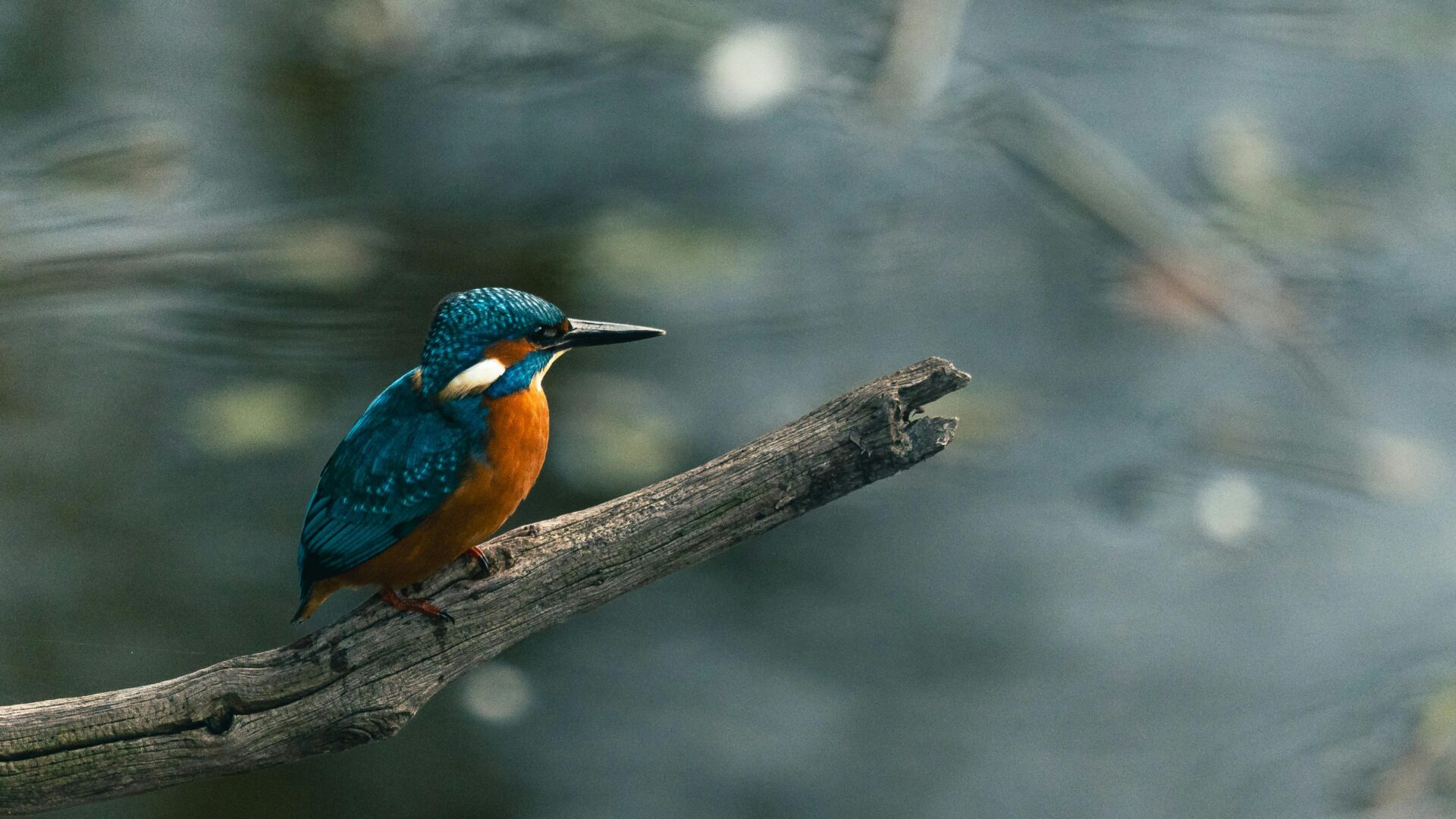
I spent hours watching kingfishers, herons, and deer near Brandenburg’s lakes and parks. Spreewald’s guided wildlife tours helped me spot animals I’d have missed on my own.
In Havelland, birdwatching towers gave me a front-row seat to migrating flocks and sometimes wild horses grazing by the meadows.
Fishing turned out to be easy at Scharmützelsee and nearby lakes. Local anglers pointed out the best spots for pike and perch. Permits were simple to get at fishing shops or online. I found early evening was best for both fishing and catching glimpses of wildlife coming out for water.
Cultural Experiences, Festivals, and Culinary Traditions
Brandenburg’s rich history and lively traditions are everywhere. I got to soak up the region’s culture, festivals, and food, and each one added a new flavor to my trip.
Museums, Art, and Brandenburg’s Rich Culture
I started my cultural dive in Brandenburg’s museums and historic sites. The region houses important art collections, especially from the Prussian era.
In Potsdam, I wandered through palaces and halls where Prussian kings once lived. These spaces blend architecture and art, giving you a real sense of Brandenburg’s royal roots.
Visiting the museum dedicated to Theodor Fontane, the famous German writer, was a highlight. His stories painted vivid pictures of Brandenburg’s past. The region also supports modern art—galleries and open-air exhibitions pop up even in small towns.
Quick List: Notable Cultural Sites in Brandenburg
- Sanssouci Palace, Potsdam
- Theodor Fontane Museum, Neuruppin
- Brandenburg State Museum of Archaeology, Brandenburg an der Havel
Festivals and Events Across the Region
Brandenburg’s calendar stays busy with music, tradition, and celebration. I caught the Brandenburg Summer Concerts, an open-air music series at Sanssouci Palace and other historic spots. Hearing classical music in palace gardens? Unforgettable.
Towns throw colorful harvest festivals celebrating local food and rural traditions. Parades, folk dances, and local crafts fill the streets, and visitors get a warm welcome. I noticed how proud residents are, wearing traditional costumes and keeping old customs alive.
Literary festivals honoring Theodor Fontane also draw book lovers from all over.
Culinary Delights: Spreewälder Gurken, Plinsen, and Local Specialties
Brandenburg’s food scene is all about fresh, local flavors and simple recipes. The first thing I tried was Spreewälder Gurken—those famous pickles from the Spreewald region. They’re crisp, tangy, and have a Protected Geographical Indication.
I also loved Plinsen, little pancakes served with jam or cheese. Farmers’ markets offer regional products like honey and smoked fish. At the harvest festival, I sampled hearty stews and homemade breads.
Meals here focus on ingredients straight from local fields, forests, and rivers. It’s a direct taste of Brandenburg’s landscape.
Travel Tips, Accommodation, and Getting Around Brandenburg
Brandenburg welcomed me with open arms—and getting around turned out to be a breeze. Whether you’re chasing nature, history, or just a bit of relaxation, you’ll find plenty of comfortable places to stay and scenic ways to get from one spot to the next. Connections to Berlin and nearby towns are easy, making it a stress-free destination for travelers.
Accommodation Options: From Historic Hotels to Wellness Retreats
When I rolled into Brandenburg, I honestly didn’t expect the sheer variety of places to stay. Some of these historic hotels in Neuruppin and Cottbus? Absolutely stunning—there’s just something about sleeping in a building with creaky floorboards and stories in the walls.
A bunch of these spots are actually old manor houses or Prussian-era homes. I loved wandering the halls and imagining who else might’ve passed through.
If you’re after something a little more low-key, the smaller guesthouses really hit the mark for friendliness and price. In Lübbenau, I grabbed a cozy room that put me right next to the Spreewald’s winding waterways.
For those who crave downtime, Brandenburg’s modern wellness retreats are a treat. After a long bike ride, I sank into the thermal baths in Templin—pure bliss.
Beelitz-Heilstätten surprised me with spa hotels set right beside old sanatoriums. You get this mix of history and modern comfort that’s pretty hard to beat.
Some hotels throw in extras like breakfast, spa passes, or even bike rentals as part of their package deals. If you’re thinking about summer or festival weekends, definitely book ahead—rooms disappear fast.
Scenic Journeys: Exploring by Train, Bike, and Boat
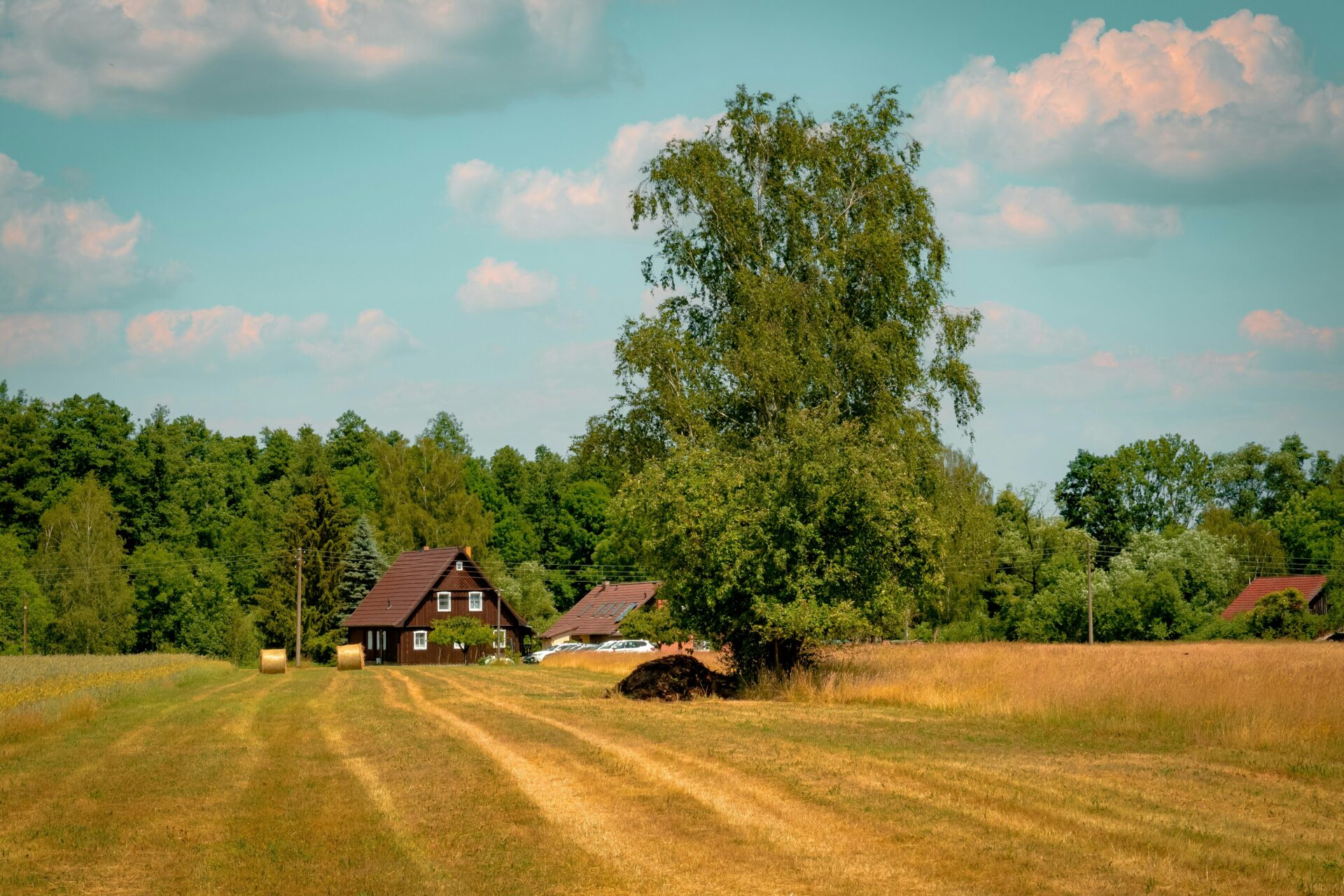
Getting around Brandenburg felt like a breeze thanks to the solid transport network. I mostly hopped on regional trains straight from Berlin to towns like Cottbus and Neuruppin—super convenient.
Trains run regularly, and the schedules mesh well with local buses. Bringing my bike onboard was no hassle, which meant I could pedal out to quiet lakes and hidden forest trails whenever the mood struck.
The area around Lübbenau stands out for its boat trips weaving through the Spreewald’s rivers. I joined a guided punt through the biosphere reserve—spotted some unique wildlife and drifted past old villages that felt frozen in time.
Bike paths link up most towns, and you’ll find boat rentals everywhere in the busier spots. I usually bought my public transit tickets at the station, but online works too. If you’re planning to jump between towns, a day pass saves a bit of cash and makes life easier.
Visiting Berlin and Experiences in Surrounding Towns
Brandenburg wraps right around Berlin, which makes day trips incredibly easy. I usually hopped on the subway or S-Bahn to get out of the city, then grabbed a regional train for places like Cottbus or Templin.
Most of these journeys? They rarely took more than two hours. That’s honestly less time than I spend deciding what to have for dinner some days.
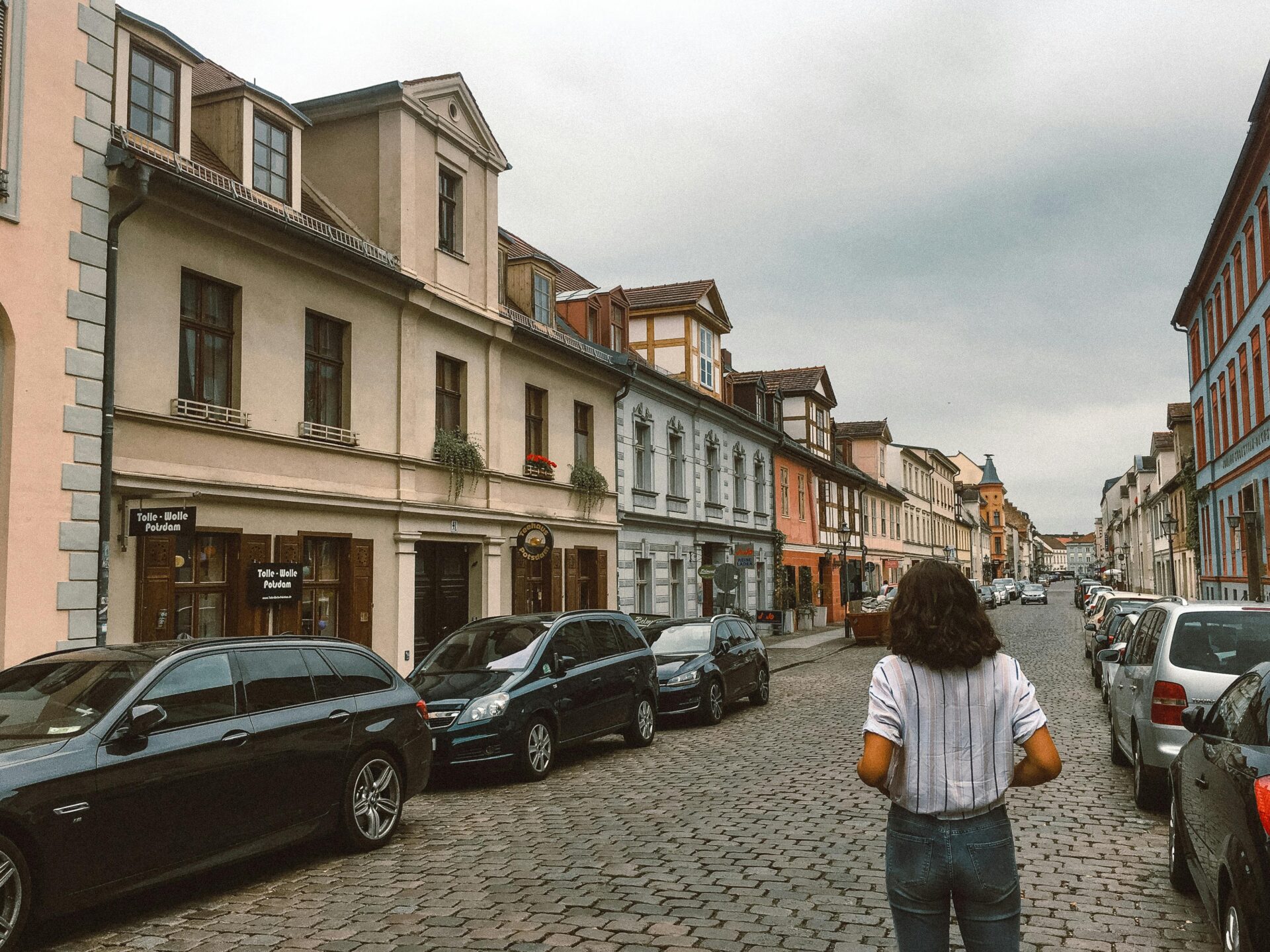
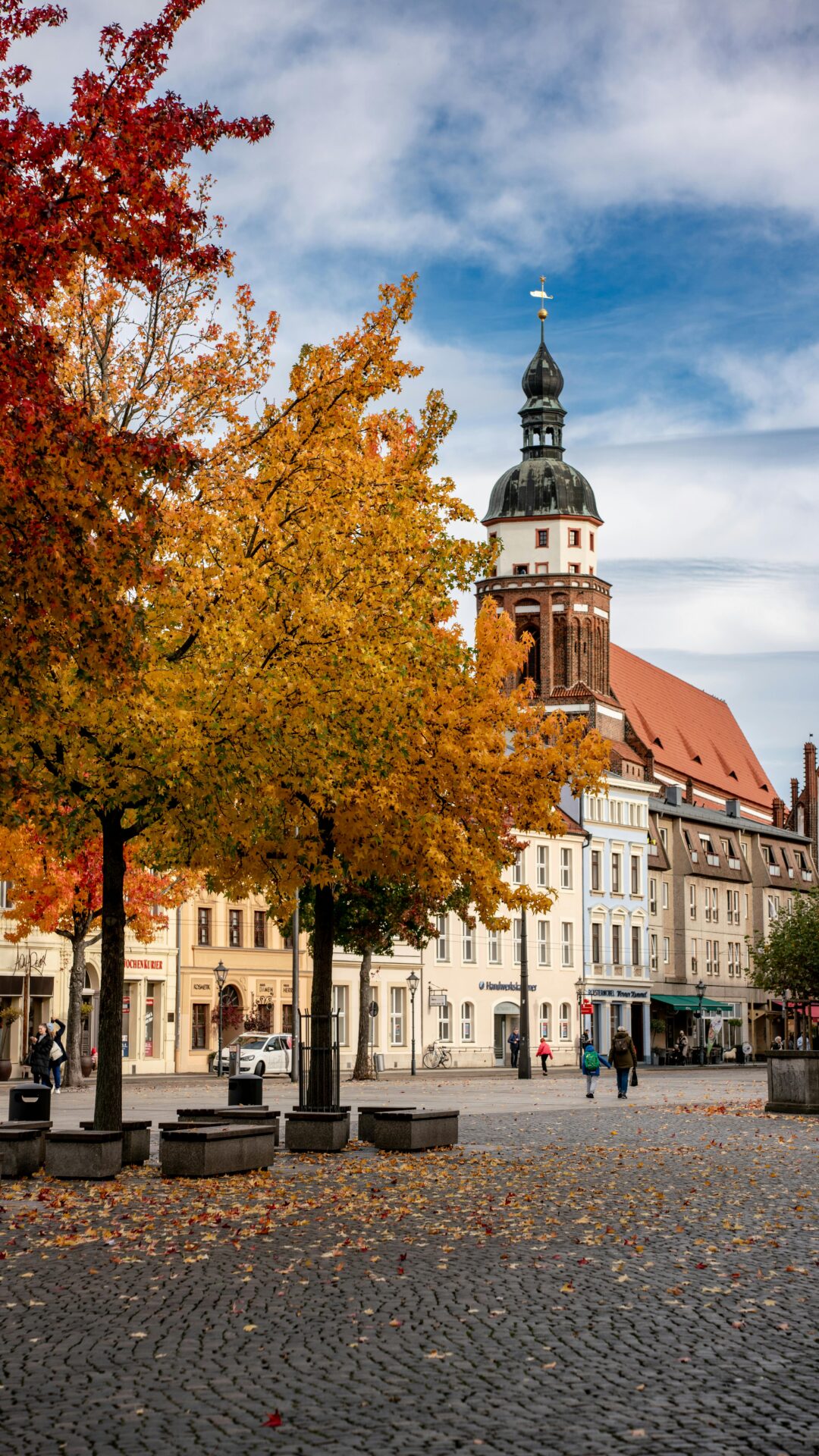
Cottbus surprised me with its quirky art museums and leafy parks. Wandering through Neuruppin’s old streets felt like stepping into a storybook, while Templin’s thermal baths made me forget about the outside world for a while.
Lübbenau, on the other hand, is the go-to spot if you want to see the Spreewald. Locals swear by their pickles—yes, I tried them—and there’s something magical about gliding through the waterways on a boat at night, lanterns flickering all around.
Beelitz-Heilstätten really caught my attention with its haunting history and that wild treetop path. It’s not every day you get to stroll above abandoned sanatoriums and forests.
Every town had its own vibe, and getting back to Berlin at the end of the day was always a breeze. Blending the city’s buzz with Brandenburg’s calm felt so natural—I never felt rushed, just inspired to see what’s next.
