
When I stepped off the ferry in Patras, I instantly sensed this Greek coastal city would offer more than just a stopover. As I wandered streets lined with neoclassical buildings and Venetian touches, I felt history almost buzzing under my feet.
Patras blends ancient Greek heritage with those lingering Venetian remnants, creating an atmosphere you just don’t get in the usual tourist spots.
I roamed from the striking Charilaos Trikoupis Bridge to the weathered remains of a Venetian castle that once guarded the city. Patras doesn’t feel like Athens—it’s quieter, more genuine, and the pace of life feels real.
Locals linger over coffee at outdoor cafés, chatting animatedly while the sea breeze carries the scent of grilled fish from nearby tavernas.
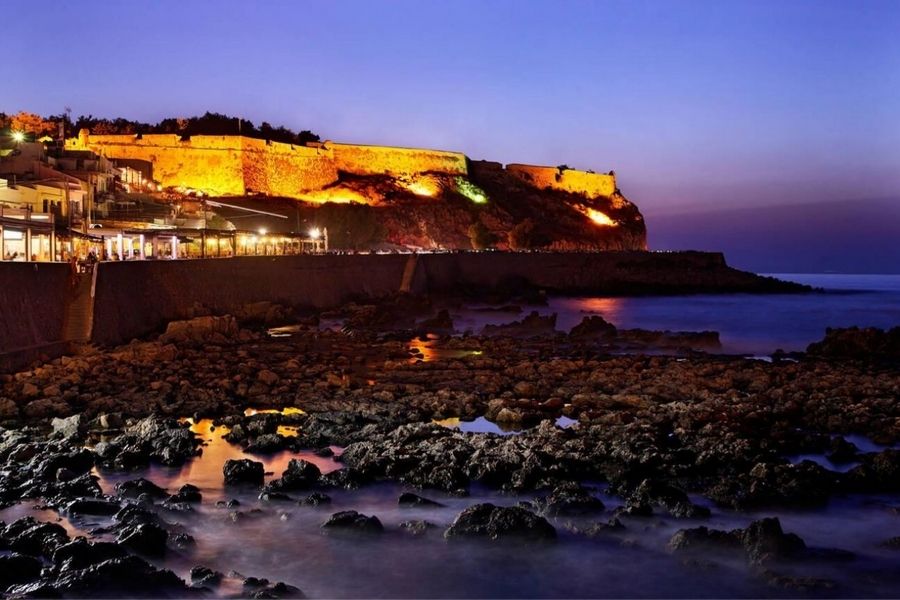
What really grabbed my attention is how Patras acts as both a gateway to exploring western Greece and a destination in its own right. You can hop over to places like Nafpaktos with its Venetian castle, or head off toward Olympia or Kalambaka.
The city buzzes with university students, giving it a youthful vibe that plays off its deep history.
Tracing Venetian Footsteps: Exploring Patras’ Historic Castles
As I walked through Patras, the layers of history felt almost tangible beneath my feet. The Venetian influence stands out in the city’s fortifications, telling stories of old power struggles and cultural mingling.
Patras Castle and Venetian Influence
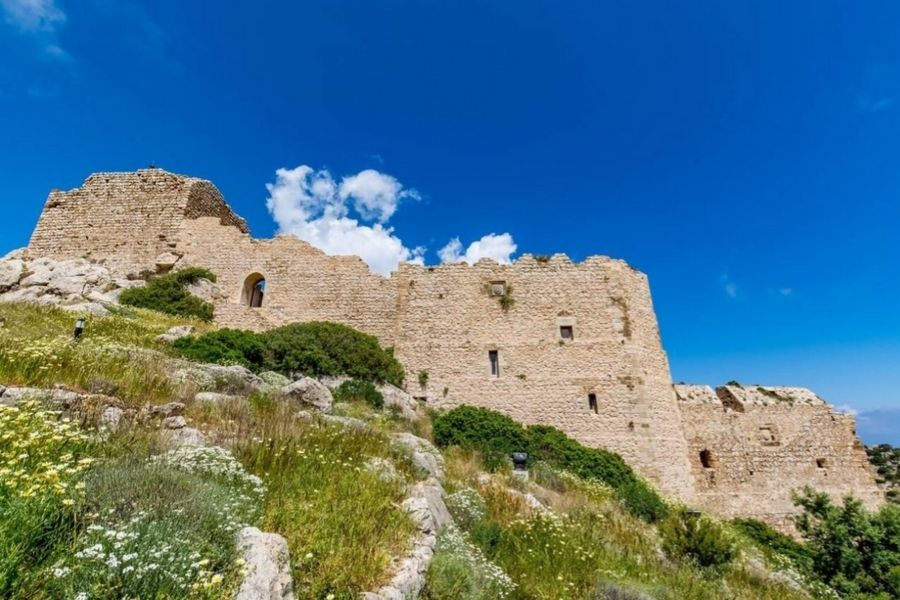
Atop the hill above Patras, I stood gazing at the massive stone walls of Patras Castle. Emperor Justinian built it back in the 6th century, but the Venetians really left their mark during their rule in the late 1400s.
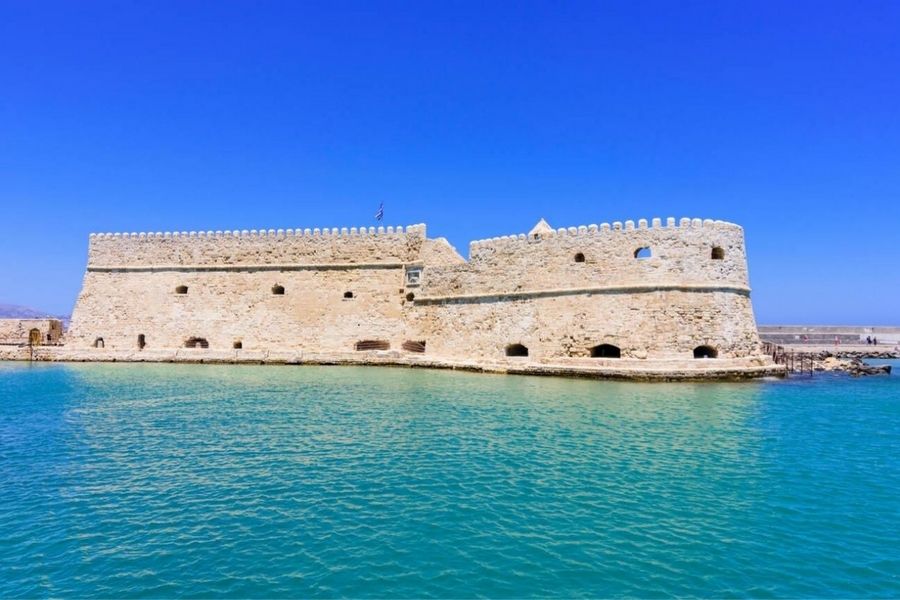
The Venetians, who controlled much of coastal Greece, reinforced the castle, adding those distinctive crenellated walls and watchtowers. As I strolled along the ramparts, I could almost picture Venetian soldiers watching over the Gulf.
I found it fascinating how the castle merges Byzantine foundations with Venetian military style—a striking symbol of Greece’s tangled past.
Venetian Gothic and Architectural Highlights
Venetian Gothic style pops up all over Patras, not just in the castle. I noticed little hints of it while wandering older neighborhoods.
Keep an eye out for pointed arches and decorative stonework—clear signs of the era. The Venetians imported architectural ideas perfected in Venice, Pola, and Dalmatia.
Some of my favorite finds:
- Stone doorways with Gothic detailing
- Windows with those unmistakable Venetian curves
- Religious buildings that blend Byzantine and Gothic touches
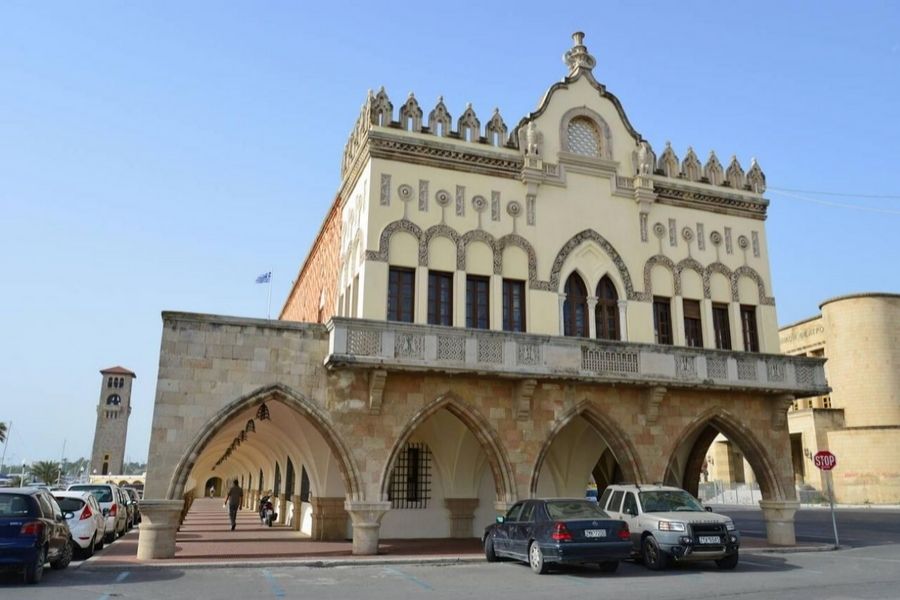
I love how these details have survived so much change. They feel like reminders of when Patras played a key role in Venice’s maritime empire.
Ottoman Empire and the Shifting Powerlines
In 1532, the Ottomans took the castle and city, shifting Patras’ identity yet again. The Turks left their mark too, adding:
- Stronger eastern walls
- New admin buildings
- Modified battlements for artillery
As I explored, I spotted Ottoman inscriptions right next to Venetian symbols. The castle tells the story of clashing empires, all in stone.
The Turks kept control until the Greek War of Independence in the 1800s. Seeing these layers—Byzantine, Venetian, Ottoman—makes Patras Castle a living timeline of Mediterranean power plays.
Life in the Squares: The Everyday Pulse of Patras
The squares of Patras beat with a rhythm that just feels like Greece—a mix of old traditions and modern energy where everyone gathers to soak up the city’s spirit.
Agios Georgios Square: Cultural Classroom
When I stepped into Agios Georgios Square, I felt the weight of history and the buzz of the present all at once. This spot acts like an open-air classroom where generations mix easily.
Stone benches ring the square, and I loved sitting there watching locals play tavli (backgammon) with a seriousness that made me grin. Elderly men debated politics over thick coffee, gesturing wildly as if words weren’t always enough.
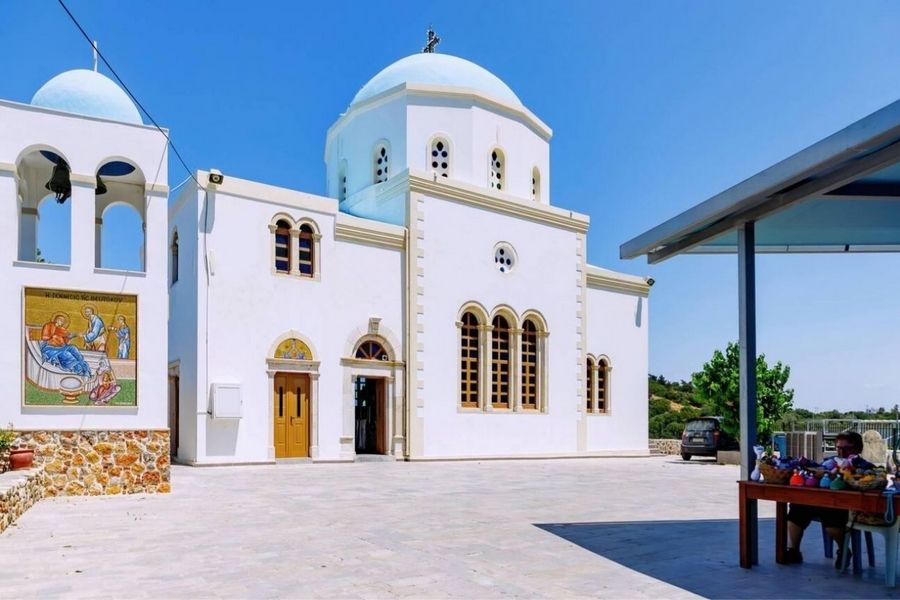
Kids chased pigeons across marble tiles, their laughter cutting through the hum of conversation. I spent plenty of afternoons here, catching street musicians playing bouzouki or painters capturing the shifting light.
Wine, Cafés, and Mediterranean Flavors
Patras’ squares turn into little culinary hubs as the day moves along. Mornings bring the smell of fresh bread and coffee drifting from tucked-away bakeries.
By afternoon, I’d settle at a café with tables spilling onto the square. The local Mavrodaphne wine—a Patras classic—pairs so well with olives, feta, and whatever seafood the fishermen brought in. Restaurant owners often wave hello as if you’re an old friend.
The Mediterranean diet really shines here. Many cafés buy produce from the morning markets, and you can taste the freshness. My go-to spot serves a Greek salad with peppery local olive oil that’s just unbeatable.
Patras Square Food Highlights:
- Morning: Bougatsa (sweet custard pastry) with Greek coffee
- Afternoon: Meze plates and Achaia wines
- Evening: Fresh seafood and Mavrodaphne sweet wine
Theatre, Plays, and Public Gatherings
When evening falls, the squares become stages. I’ve caught impromptu theatre performances mixing ancient myths with modern twists, all under the stars while the Venetian castle glows in the distance.
During summer, the city sets up temporary stages for plays—comedies, tragedies, you name it. Locals bring chairs from home or just perch on steps, watching performances that often blend old themes with new ideas.
I love how these gatherings swing between laughter and reflection. One moment, everyone’s roaring at a joke; the next, the crowd falls silent for a scene that hits close to home.
The Roman Odeon near the square hosts bigger productions, but honestly, I prefer the pop-up culture in these public spaces—where anyone might jump into a dance that’s been part of Greek life for centuries.
Finding My Own Rhythm: A Personal Journey Through Patras
Patras became more than a stop for me—it turned into a personal journey of discovery. As I wandered these ancient streets, I started seeing connections between Greek philosophy, literature, and my own ideas about living well.
Learning Through Travel: Lessons From Literary Legends
Greek literary tradition came alive for me in Patras. I’d stroll along the harbor with Homer’s works in hand, stopping to read passages that felt strangely at home here. The Odyssey felt different as I gazed at the same waters Odysseus once sailed.
Bookshops became my hideouts. In a tiny shop near the Roman Odeon, the owner suggested modern Greek poets inspired by the ancients.
“Knowledge isn’t just in books,” he said. “It’s in these streets, these buildings, these people who keep stories alive.”
I found myself following in the footsteps of writers before me, their words now colored by my own days in this lively city.
Moments of Meditation and Contentment
Patras surprised me with peaceful spots for reflection. The gardens near the Medieval Castle became my go-to place to unwind, offering sweeping views over the Gulf of Corinth.
Mornings started with fishermen prepping their boats while I nursed a coffee at a waterfront café. These simple routines brought a kind of contentment I hadn’t felt elsewhere.
Locals cherish the “volta”—evening strolls through the squares. I joined in and realized how this walking meditation connects people to each other and their past.
“We walk to think, to talk, to be,” said Maria, a university student I befriended. “It’s how we find our rhythm in the chaos of modern life.”
Connecting With Local Philosophy and Virtue
Conversations with locals often drifted into philosophy, echoing the Socratic method. At a little taverna, debates about virtue and ethics flowed as easily as the wine.
A professor from the University of Patras explained how Plato’s dialogues about Alcibiades still shape Greek ideas about leadership and character. “Philosophy isn’t just academic here—it’s everyday wisdom,” he told me.
I joined a reading group that explored classical texts in today’s world. We debated Aristotle’s view of happiness while children played nearby.
The old Greek concept of “arete” (excellence or virtue) is still alive here. Whether I talked with shopkeepers, taxi drivers, or students, I saw a thoughtful approach to living well that goes beyond chasing money.
Beyond Patras: Mediterranean Connections and European Echoes
Patras acts as a gateway to the wider Mediterranean, linking Greece’s west coast to a patchwork of cultures stretching back thousands of years. From this busy port, I realized just how easy it is to reach island gems or historic sites inland.
Ionian and Aegean: Ferry Journeys and Neighboring Gems
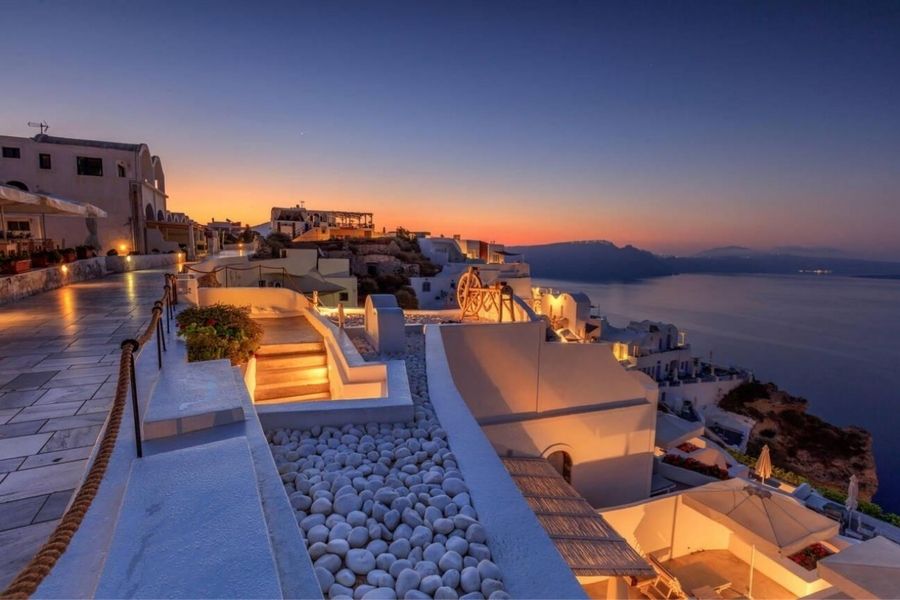
The ferry terminal in Patras became my launchpad for island adventures. I watched the city fade as I sailed toward lush Corfu, where Venetian fortresses tower over turquoise coves. Sometimes dolphins raced alongside the boat—no joke.
From Patras, it’s a breeze to catch ferries to the Ionian islands. In summer, early morning departures are perfect for squeezing in more island time. The shift from Patras’ energy to the laid-back island pace is almost jarring.
Old Black Sea trade routes once ran through these waters, and you can still feel that multicultural vibe in the ports. When island-hopping started to feel routine, I headed east to the Aegean, where every island has its own quirks and stories.
Encounters With History: Delphi, Corinth, and Dodona
Day trips from Patras let me walk in the footsteps of the ancients. The mountain sanctuary of Delphi, just a few hours away, left me speechless. Standing where the Oracle once spoke, I felt history pressing in.
Ancient Corinth’s ruins tell tales of trade and prosperity at the isthmus. The Temple of Apollo frames wild landscapes that saw both Greeks and Romans thrive.
I also visited Dodona in Epirus, Greece’s oldest oracle site. It’s quieter than Delphi but just as powerful—the sacred oak trees still seem to whisper in the breeze.
These places aren’t just about Greek history—they tie into bigger Mediterranean stories that stretch all the way to Rome, Jerusalem, and even Egypt.
Venetian and Ottoman Legacies Across the Region
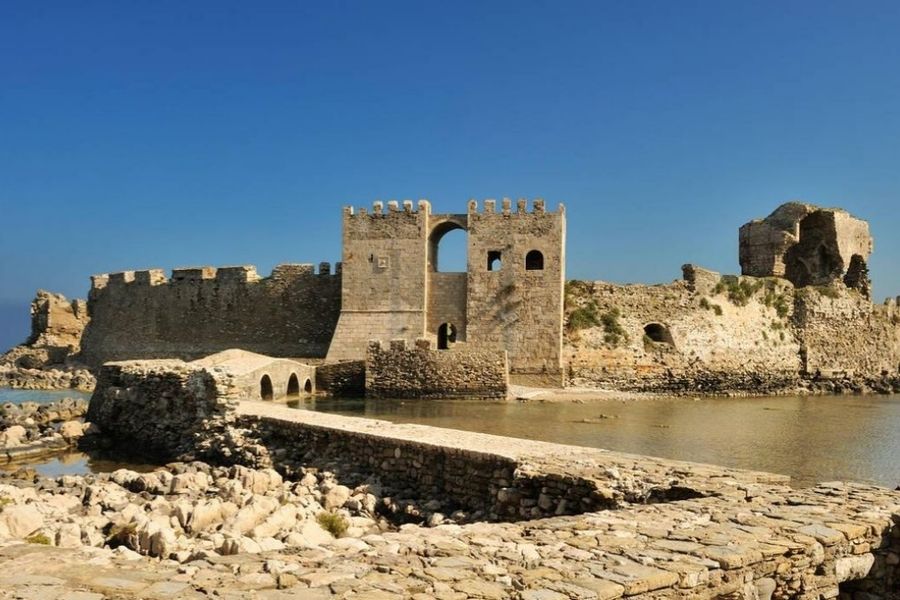
Once you know what to look for, you start spotting Venetian and Ottoman fingerprints everywhere. Fortresses in Thessaly and Epirus hint at shifting borders and blended cultures.
In coastal towns, I found Ottoman-style buildings right next to Venetian balconies. This architectural conversation continues across Dalmatia and the wider Mediterranean.
The influence even shows up in food. Some village tavernas serve dishes that trace their roots to Vienna or Cyprus, thanks to old Venetian trade routes.
I’m always amazed how these connections still matter. Modern travelers follow ancient routes down the Rhine to the Mediterranean, drawn by the same timeless allure that’s captivated people for ages.
Seasonal Life and Cultural Gatherings in Patras
Patras thrives on seasonal rhythms that change the city’s mood throughout the year. From winter festivities to grape harvests, the local calendar keeps everyone—residents and visitors—plugged into traditions that feel both old and new.
Christmas Traditions and Local Festivals
When winter hits Patras, the whole city glows with warm lights and a buzz of excitement. I found that Christmas here mixes Greek Orthodox customs with a bit of modern sparkle.
The main square lights up with a huge tree, and market stalls pop up selling local treats and crafts. You’ll spot families gathering for big meals—think melomakarona (those honey-drenched cookies) and kourabiedes (the crumbly almond ones).
Kids wander the neighborhoods singing kalanda, the classic carols, and neighbors hand them sweets or tiny gifts. Honestly, it’s hard not to get swept up in the cheer.
But Patras really kicks into high gear when Carnival season rolls around. It starts on January 17 and doesn’t slow down until Clean Monday. This isn’t just a parade; the whole city joins in.
I jumped into themed parties and wild treasure hunts with the locals. The Grand Parade? Over 40,000 people fill the streets, and it’s pure energy.
Vineyards, Bacchus, and Regional Wines
If you head out from Patras, you’ll find rolling vineyards that make some of Greece’s most distinctive wines. I spent a day weaving through hillside estates, where Roditis and sweet Mavrodaphne grapes seem to thrive.
The climate shapes everything here. Vineyards sprawl over gentle slopes, all facing the Gulf of Corinth. Local wineries invite you in for tastings, and I picked up how they blend modern know-how with traditions going back to Bacchus, the old god of wine.

Late August brings the annual Wine Festival. You’ll find open-air tastings, food pairings, and live music floating through the night. Local winemakers love telling their family stories as they pour you a glass of deep, ruby Mavrodaphne—the same stuff they’ve made since the 1850s.
Public Domain, Copyright Laws, and Literary Legacy
Patras has this rich literary tradition that really comes alive in its public spaces.
The city’s main library holds some incredible collections, including a bunch of works now in the public domain that highlight Greek literary heritage.
I spent hours wandering through old texts, just soaking up how Greek copyright laws have changed over time. These laws try to protect authors but also let everyone enjoy classic literature.
At the university, students and professors gather for regular readings. They dive into the works of both ancient and modern Greek writers—sometimes the conversations get pretty lively.
Project Gutenberg makes it easy to find digital versions of Greek classics. I could download free ebooks by Patras-born authors and poets in just a few clicks.
Local bookshops still love print culture. They host author events and poetry readings that draw a good crowd and keep the city’s literary traditions going.
