
When I first visited the Amalfi Coast, I almost skipped Salerno. Like a lot of travelers, I saw it as just a spot to catch a ferry or bus to the more famous towns. That would’ve been such a mistake! Salerno gives visitors a perfect mix of authentic Italian life, gorgeous views, and easy access to the Amalfi Coast—without the crowds or sky-high prices of its neighbors.
After a few days wandering this underrated gem, I found a city packed with history, fascinating museums, and restaurants where locals outnumber tourists. I loved strolling the wide promenade at sunset, and the medieval old town hides charming corners everywhere you look.
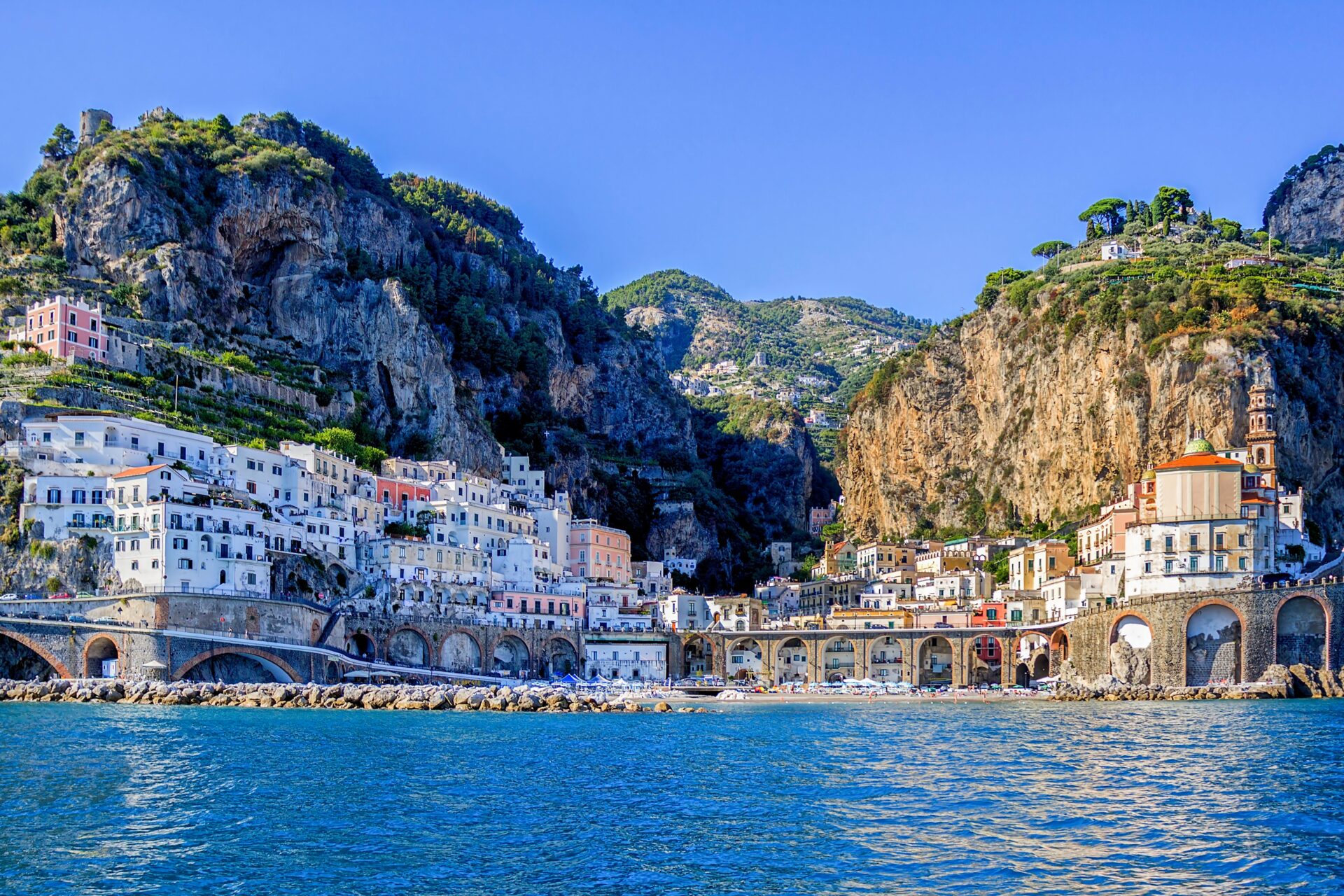
Best of all, my hotel cost about half what I’d pay in Positano or Amalfi.
Basing myself in Salerno made it so much easier—and cheaper—to explore the coast. Ferries gave me incredible views as I hopped between towns, and I always returned to a city with its own personality. If you want convenience and authenticity, Salerno deserves more than a quick stop. Honestly, it’s worth a few days on its own.
Salerno: The Underrated Gateway to the Amalfi Coast
Most travelers just rush through Salerno on their way to the famous spots. But this coastal city offers genuine Italian experiences, a perfect location, and way fewer crowds than its glitzy neighbors.
Beyond a Stopover: Salerno’s Unique Appeal
I stumbled upon Salerno almost by accident, thinking I’d just pass through. Instead, I found a city that felt refreshingly real.
Salerno keeps its Italian character strong, unlike the tourist-packed Positano or Amalfi. The historic center has medieval buildings, cozy cafes, and locals living their daily lives.
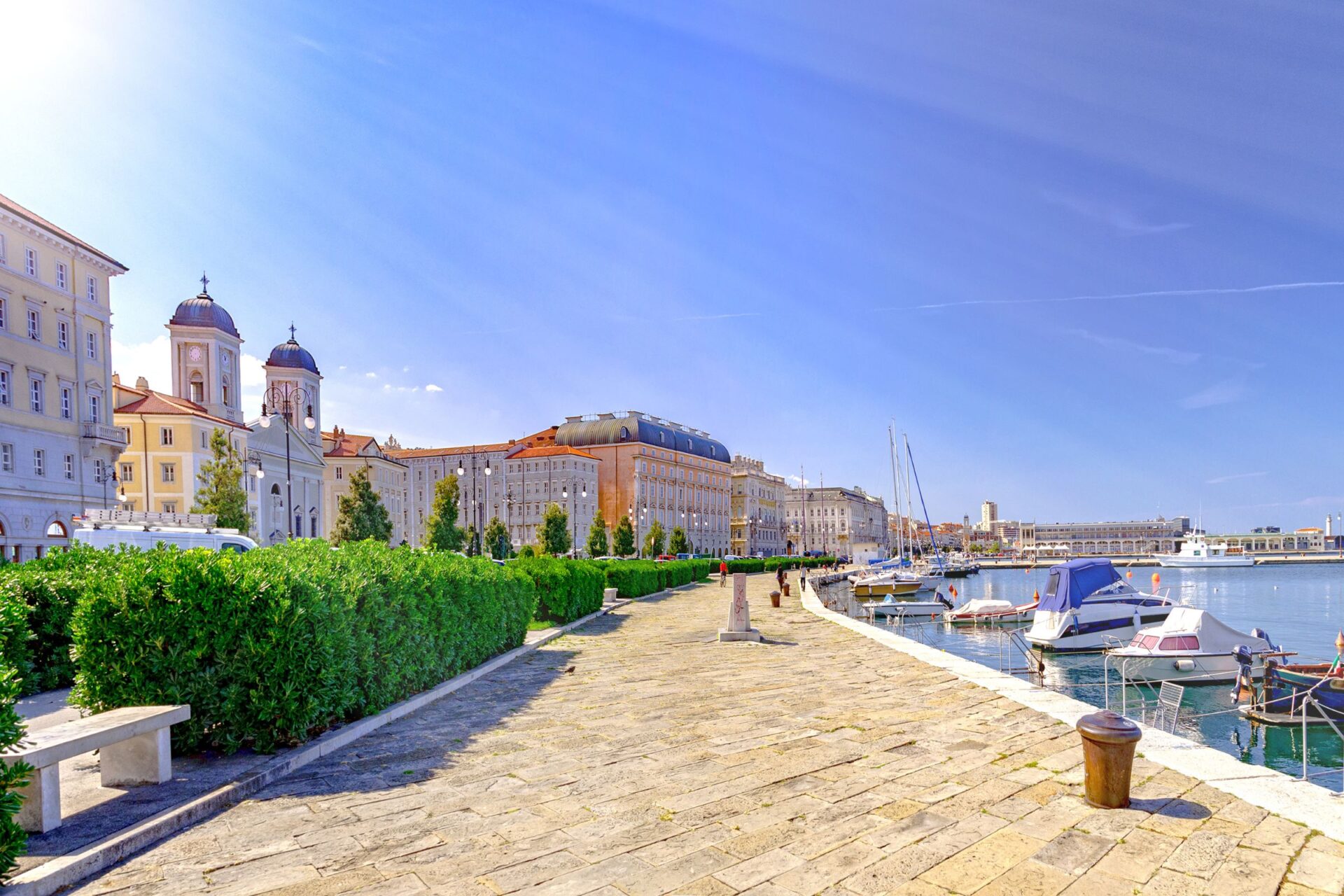
The Lungomare Trieste promenade stretches along the waterfront, giving you beautiful views across the Gulf. I spent hours watching boats drift by on the blue Mediterranean.
The food scene here? Worth a shout. Local restaurants serve up fresh seafood and classic Campanian dishes, and the prices are much friendlier than in the touristy towns.
Geographic Importance and Access Points
Salerno sits at a crossroads between the Amalfi Coast and Southern Italy. Its location makes it a perfect base for exploring the region.
The city offers great transportation. The main train station connects directly to Naples, Rome, and other big cities. That made day trips a breeze for me.
From Salerno’s port, you can catch regular ferries to Amalfi, Positano, and Capri in the summer. These ferries aren’t just transport—they give you some of the best views of the coastline.
If you drive the famous SS163 coastal road from Salerno, you’ll get some of the most breathtaking scenery in Italy. The road starts right here and winds through all the famous towns.
Salerno’s Role in Southern Italy’s Travel Landscape
In Campania’s travel scene, Salerno acts as a vital but often overlooked hub. From here, you can easily reach Paestum’s ancient Greek temples—just 30 minutes south.
I found Salerno especially appealing as a budget-friendly alternative. Hotels are much cheaper than in Amalfi or Positano, and you still get quick access to those places.
During high season (May-September), these perks matter even more. While other towns get swamped with tourists, Salerno stays more relaxed.
As sustainable tourism becomes more important, Salerno shows how spreading visitors out can help. Staying here takes pressure off the smaller villages while letting you enjoy all the region’s highlights.
How to Travel From Salerno: Exploring Your Transport Options
Getting from Salerno to the Amalfi Coast is easy and scenic. Each way of traveling offers its own unique experience, whether you want those sea views from a ferry or the thrill of a winding coastal drive.
Ferry Adventures Along the Coast
I think taking a ferry from Salerno is the most beautiful way to reach the Amalfi Coast towns. From April through October, ferries run often to Amalfi, Positano, and other spots.
Traveling by water gives you views you just won’t get any other way. I love watching the colorful villages appear, clinging to the cliffs.
Ferries usually take about 35 minutes to Amalfi and 70 to Positano. Tickets run €8-15 one-way, depending on where you’re headed. Check the Travelmar schedule ahead of time—service can change with the weather.
Here’s a little tip: Sit on the right side of the boat when leaving Salerno for the best views!

Trains, Buses, and Private Transfers
If you’re on a budget, I suggest the SITA buses. They leave Salerno often for Amalfi Coast towns, and the Line 5120 bus runs all day. Tickets cost around €2-4 each way.
Trenitalia trains can get you to Vietri sul Mare, the first coastal town, in just 5 minutes. It’s a good pick if you want to see the ceramics Vietri is famous for.
Private transfers are super convenient, especially with luggage. I’ve used them a few times. A private car from Salerno to Amalfi or Positano usually costs €70-120.
Transfer Options Comparison:
| Method | Cost | Travel Time to Amalfi | Frequency |
|---|---|---|---|
| Ferry | €8-15 | 35 minutes | Hourly (seasonal) |
| Bus | €2-4 | 75 minutes | Every 30-60 min |
| Private Transfer | €70-120 | 45 minutes | On demand |
Renting a Car or Scooter
Sometimes I want total freedom, so I rent a car from one of Salerno’s agencies. It lets me explore hidden corners at my own pace.
Rental prices change by season, but expect €40-80 per day for a small car. Automatics cost more, but honestly, I think they’re worth it on these winding roads!
If you’re feeling adventurous, rent a scooter. They’re great for tight turns and parking, and rentals usually start around €35 a day.
Don’t forget your driver’s license, and check if you need an International Driving Permit.
Navigating Parking and Coastal Roads
The SS163 coastal road gives you jaw-dropping views, but you need to drive carefully. The road is narrow, hugs the cliffs, and has lots of sharp turns.
Parking is a real challenge along the coast—spaces are limited and pricey, especially in summer. Many hotels offer parking for €20-25 a day, which I think is worth it for peace of mind.
Plan your stops ahead. Public lots in Amalfi and Positano fill up fast, often before mid-morning in summer.
Try these parking tips:
- Arrive before 9am for a better chance at a spot
- Park on the outskirts of towns if you can
- Use paid garages, even if it’s €3-5 per hour
- When possible, park once and use local buses between towns
The roads get super crowded from May to September. I’ve learned to just relax and enjoy the ride—it’s part of the experience.
Must-See Experiences in Salerno
Salerno packs in amazing experiences, from ancient sites to beautiful beaches. The city’s history, seaside setting, and nearby villages make it a must-see, not just a gateway.
Ancient History and World Heritage Sites
When I wandered Salerno’s historic center, I felt like I stepped back in time. The Salerno Cathedral (Duomo di Salerno) stands out with its 11th-century Byzantine architecture and impressive bronze doors.
Arechi Castle sits high above the city. I spent an afternoon exploring its medieval walls and soaking in sweeping views of the Gulf below.
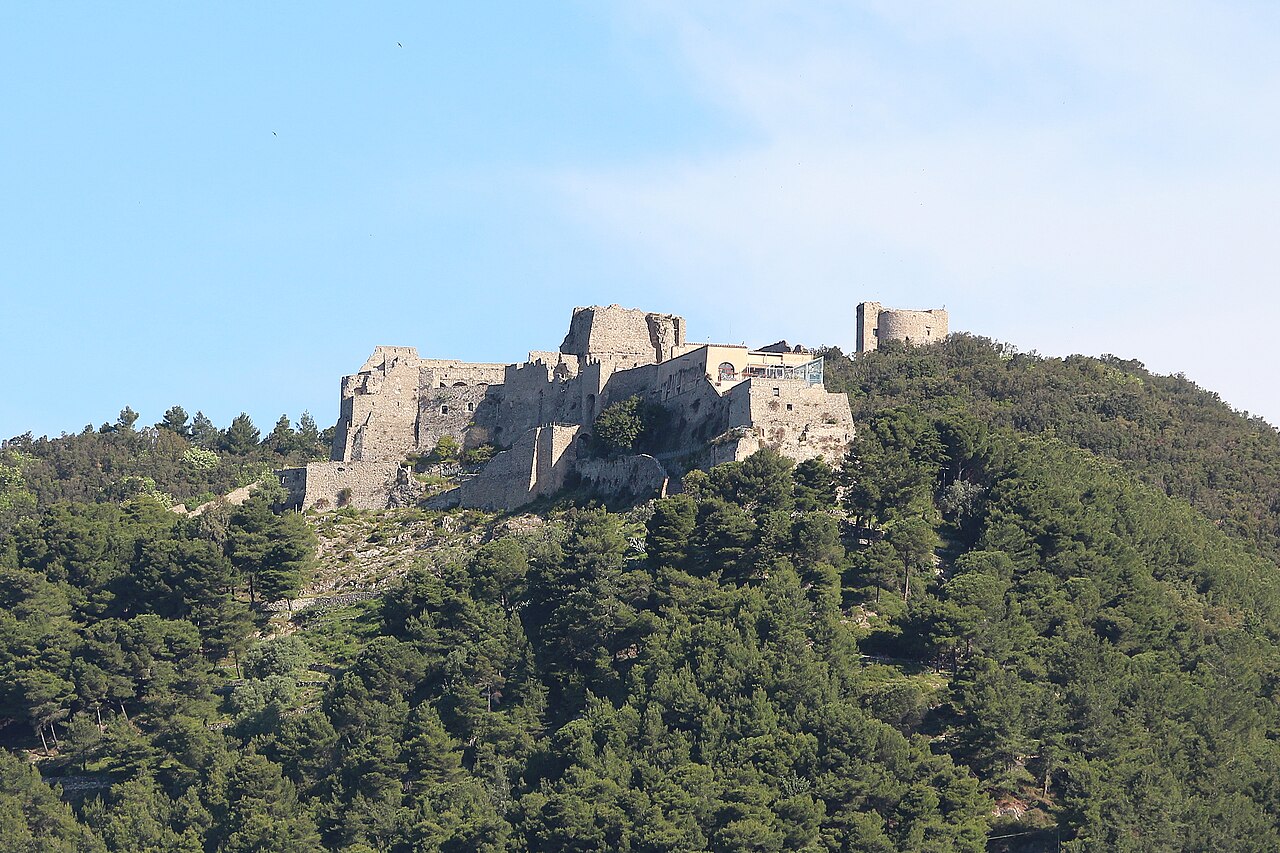
Image Source: Wikimedia Commons
The Minerva Gardens (Giardino della Minerva) really surprised me. As one of Europe’s first botanical gardens and medical schools, these terraced gardens show off herbs used since medieval times.
Paestum, just nearby, is a UNESCO World Heritage Site. Its Greek temples are some of the best-preserved outside Greece. I’d give yourself at least half a day to wander these ruins.
Salerno’s Seafront and Beaches
Lungomare Trieste quickly became my go-to spot for evening walks. The tree-lined promenade stretches nearly 3 miles, with perfect views of the bay.
Salerno’s beaches stay less crowded than others along the coast. Santa Teresa Beach sits right in the city center—great for a quick swim.
For something quieter, I loved Spiaggia del Capo and Marina di Vietri. These spots have clear water and dramatic mountain backdrops that easily rival the famous beaches.
There’s plenty to do—rent paddleboards, join sailing trips, or just relax under an umbrella while enjoying seafood from a nearby restaurant.
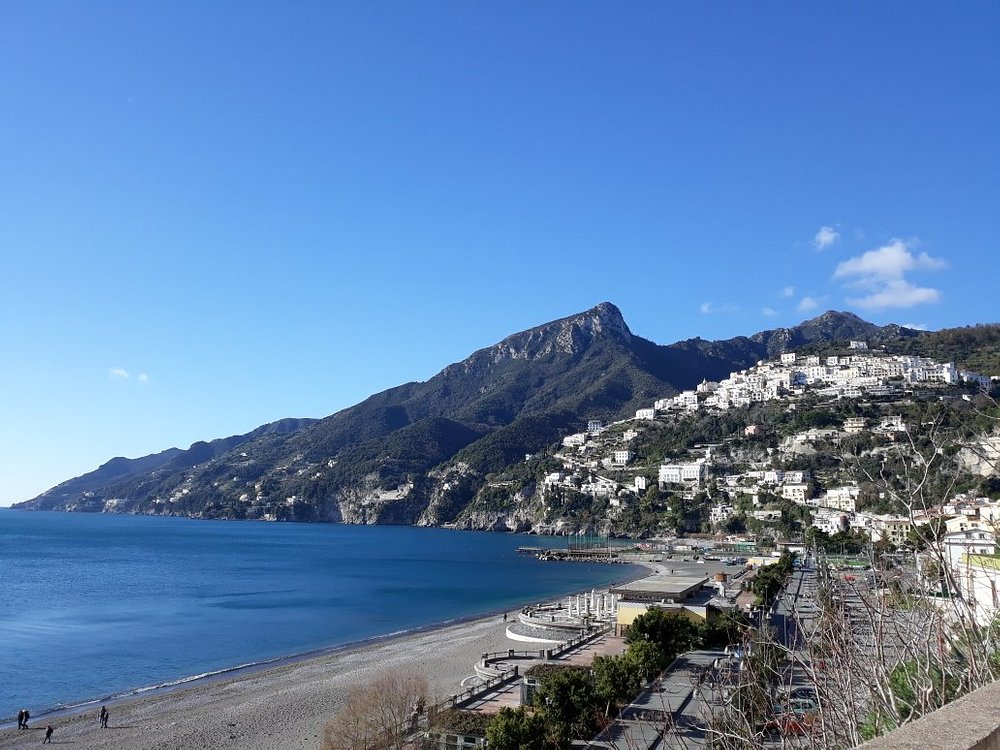
Image Source: Tripadvisor
Hidden Gems: From Vietri sul Mare to Furore
A short bus ride from Salerno, Vietri sul Mare wowed me with its ceramics. This colorful village is known as the “Gateway to the Amalfi Coast” and has buildings covered in hand-painted tiles. I lost track of time browsing artisan workshops.
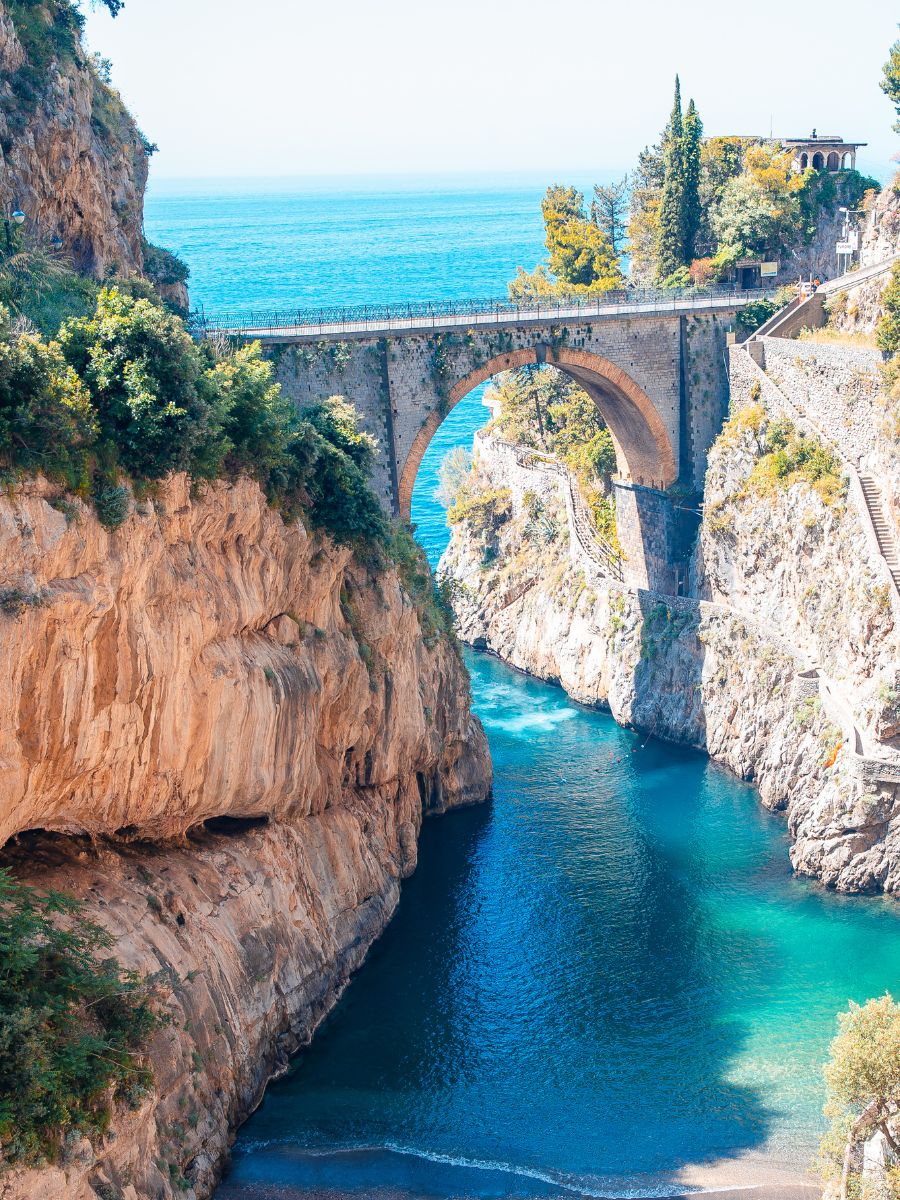
A bit further, the tiny village of Furore hides the Fiordo di Furore—a dramatic inlet with a small beach between cliffs and an arched bridge above. It’s honestly one of the most photogenic places I’ve seen.
Marina di Praia is another favorite—a pebble beach tucked between steep cliffs. I spent a quiet afternoon swimming in emerald water and eating at a restaurant built right into the rocks.
Day Trips From Salerno: The Ideal Amalfi Coast Base
Salerno makes a perfect launchpad for exploring the Amalfi Coast. Its location, transport links, and affordability make it tough to beat for day trips to the region’s best spots.
Venturing to Ravello, Amalfi, and Positano
I reached Amalfi town in just 35 minutes by ferry from Salerno. The main square is dominated by a colorful cathedral, and I loved getting lost in lemon-scented shops.
Positano takes about 70 minutes by ferry. It’s a bit farther, but arriving by sea gives you jaw-dropping views of pastel buildings stacked on the cliff.
Ravello sits 365 meters above the water. Take the bus from Amalfi to reach it. The gardens at Villa Rufolo and Villa Cimbrone have the best views on the coast—I spent ages snapping photos from the “Terrace of Infinity.”
Travel Tip: SITA buses connect the towns, but summer crowds mean you should start early. The ferry is a good choice for Positano and Amalfi if you want to skip the winding roads.

Pompeii, Naples, and Sorrento Discoveries
From Salerno, I got to Pompeii in just 30 minutes by train. The ancient Roman city frozen by Vesuvius deserves at least half a day.
Naples is only an hour away by direct train. I spent a day wandering its historic center, visiting the Archaeological Museum, and eating the best pizza of my life.
Sorrento is another great day trip, about 90 minutes away by Circumvesuviana train or SITA bus. The lemon groves, old town, and Bay of Naples views are hard to beat.
If you love history, hike up Mount Vesuvius. The trail to the crater takes about 30 minutes and the views stretch across the whole region.
Island Escapes: Capri and Marina Grande
I caught an early ferry from Salerno to Capri (about 70 minutes) and arrived at Marina Grande before the crowds. The island’s beauty hit me right away.
From Marina Grande, I took the funicular up to Capri Town, then a bus to Anacapri. The chairlift to Mount Solaro gave me sweeping 360-degree views.
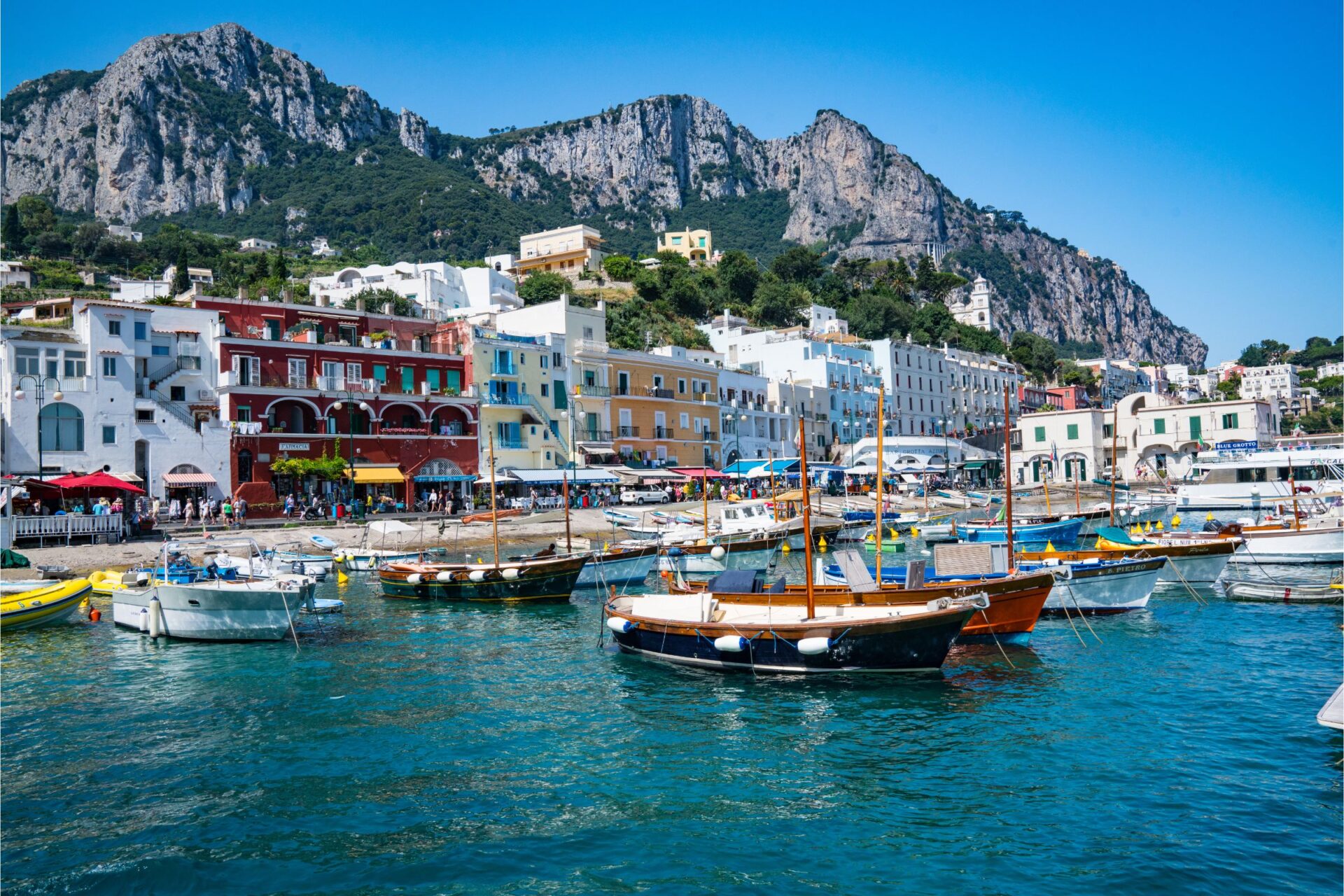
You can’t skip the Blue Grotto. Sure, it’s touristy, but seeing that glowing blue water feels magical. I booked a boat tour that circled the island and stopped at the Faraglioni rocks.
Planning Advice:
- Summer ferries: 3-4 departures daily
- First ferry leaves around 8:30 AM
- Last return is usually at 6:30 PM
- Book Blue Grotto tours ahead in peak season
Countryside Charms: Nerano, Praiano, and Atrani
Off the main tourist trail, I found villages that really capture the Amalfi Coast’s spirit. Tiny Atrani, just past Amalfi, became my favorite hideout with its cozy piazza and fishing village feel.
Praiano has fantastic sunsets and a laid-back vibe. I spent a calm afternoon at the Church of San Giovanni Battista, then cooled off at Marina di Praia.
Nerano, at the tip of the Sorrentine Peninsula, rewarded me with clear waters and seafood restaurants serving the famous spaghetti alla Nerano. The hike to the Bay of Ieranto from here had some of the best views toward Capri.
Getting to these villages takes some planning. I used SITA buses and sometimes taxis. The effort paid off—I got to enjoy places where locals outnumber tourists and prices are way better than in Positano.
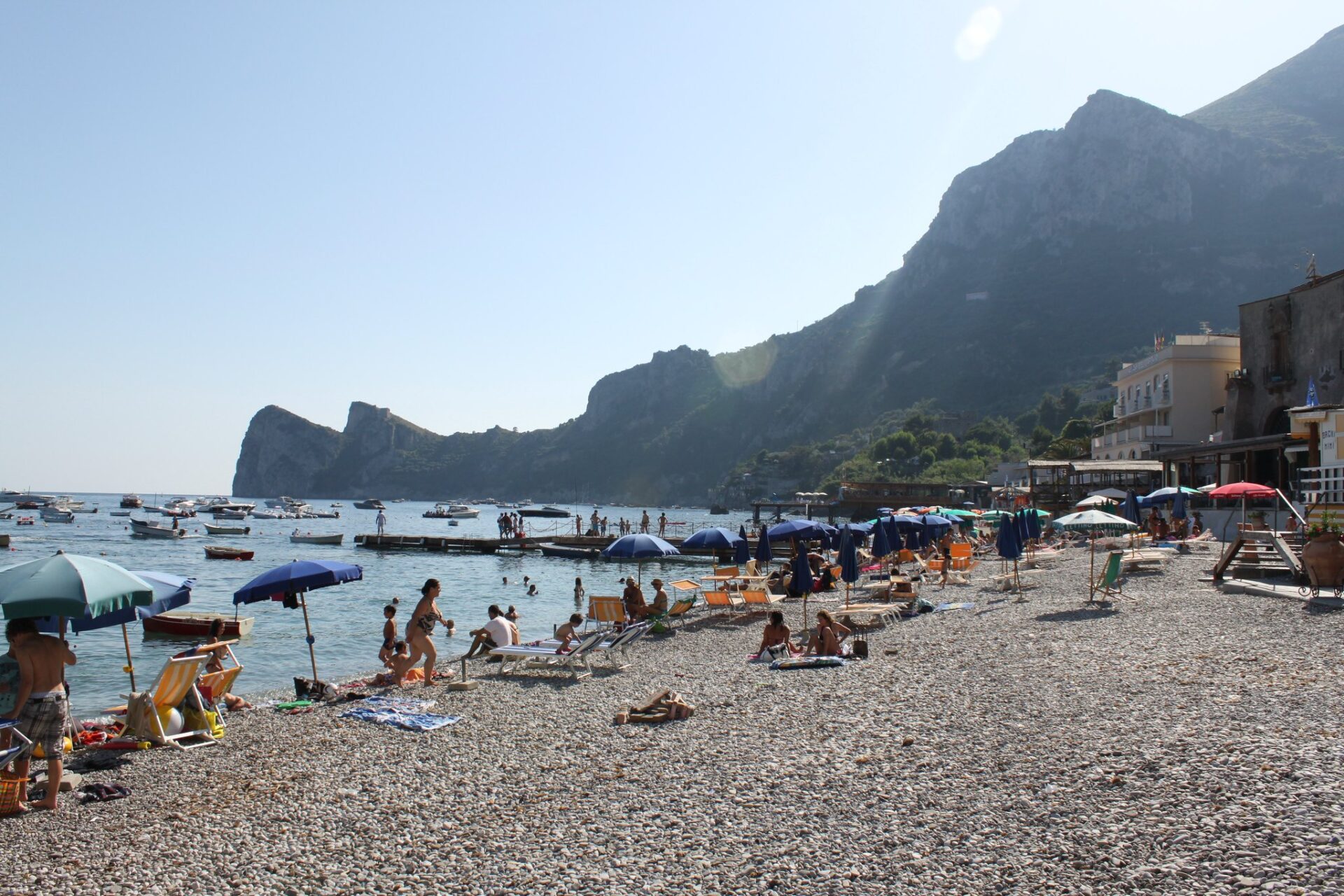
Image Source: Flickr
Culinary Journeys and Local Flavors in Salerno
Salerno’s food scene is a delicious mix of coastal traditions and local specialties. The city’s flavors blend fresh seafood, regional ingredients, and old recipes that tell the story of this Mediterranean spot.
Must-Try Dishes and Seaside Dining
Walking along the waterfront, I found restaurants serving fish caught just that morning. The seafood pasta here is amazing—usually with clams, mussels, and prawns.
Definitely try “colatura di alici,” an anchovy sauce from Roman times. It’s poured over linguine with garlic and parsley—simple but unforgettable.
For the best meals, check out the family-run trattorias near the port. They serve grilled swordfish and fritto misto with sea views.
Even the pizza in Salerno stands out, made with local San Marzano tomatoes and buffalo mozzarella from nearby farms.
Sampling Limoncello and Local Specialties
Limoncello tasting became my favorite way to end the day in Salerno. This bright yellow liqueur, made from Amalfi lemons, is served cold after dinner.
I visited a few local producers who showed me how they make limoncello from just lemon zest, alcohol, water, and sugar. The best ones have a perfect sweet-tart balance.
Don’t skip these treats:
- Sfogliatella: Flaky shell-shaped pastries with ricotta
- Babà: Rum-soaked sponge cakes
- Delizia al limone: Lemon sponge cake with lemon cream
Local wines like Fiano di Avellino and Costa d’Amalfi go perfectly with Salerno’s food. Many restaurants offer tasting menus with these wines.

Image Source: Wikimedia Commons
Markets and Foodie Hotspots
I made the Mercato San Giovanniello part of my morning routine. Locals fill the market, shopping for produce, cheese, and seafood. Vendors sometimes let me try slices of provolone or fresh figs.
Watching fishmongers show off their catch while farmers stack tomatoes and those huge Amalfi lemons—it’s a real treat.
For food souvenirs, Via dei Mercanti has shops selling vacuum-packed cheeses, limoncello, and pasta. The owners are happy to tell you about their products.
Pop into a pastry shop like Pasticceria Pantaleone. I watched them make sweets from recipes handed down for generations. Their cannoli, filled with fresh ricotta, are just incredible.