
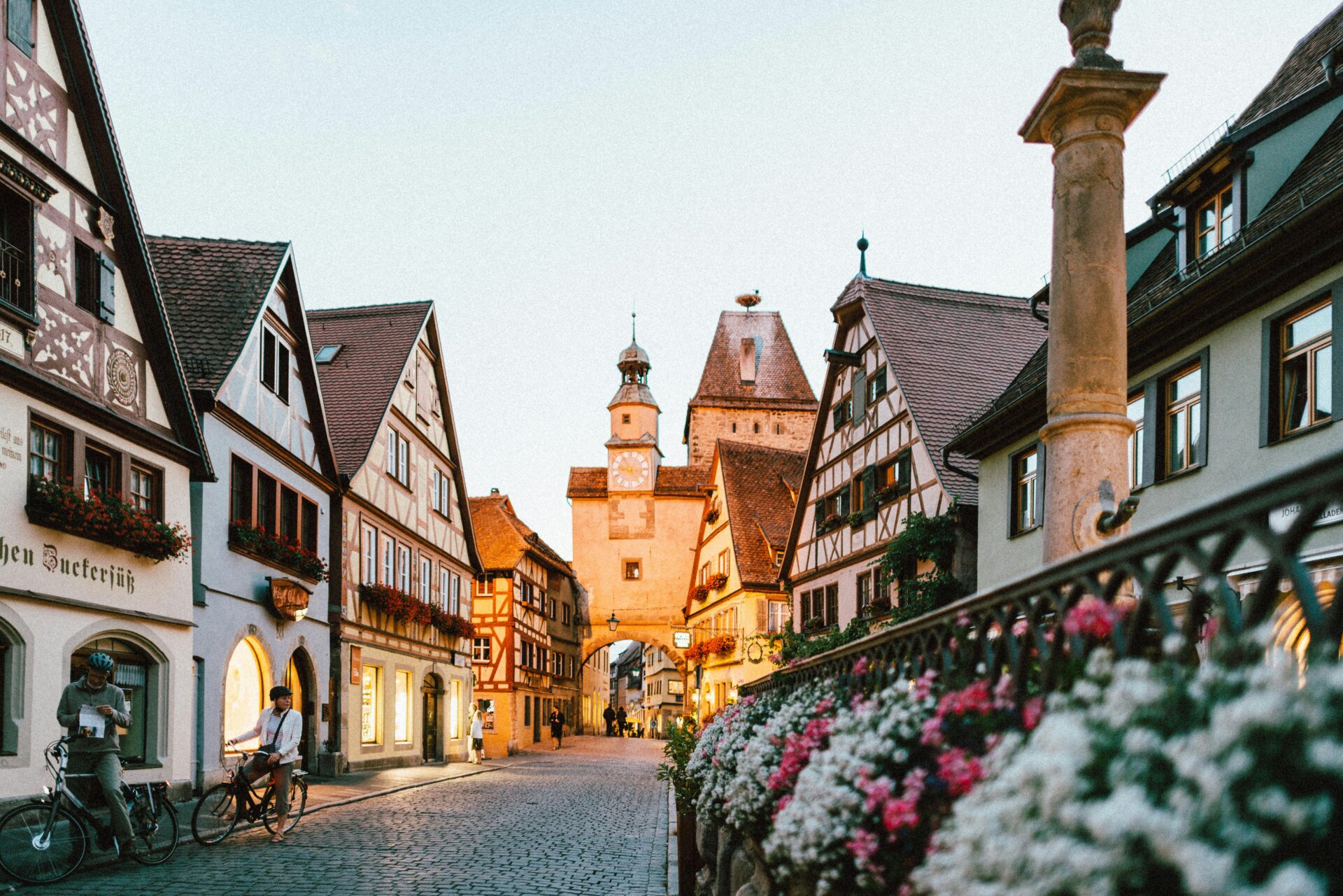
When I mentioned my trip to Germany, friends jumped to Oktoberfest and bratwurst. Sure, I sampled both, but honestly, Germany surprised me at every turn.
This country turned out to be a place where medieval castles cling to mountain cliffs, vibrant cities pulse with both history and innovation, and every region has a personality all its own.
My journey zigzagged from the Alpine peaks of Bavaria to the storybook villages of the Black Forest. I wandered through Berlin’s buzzing culture and Munich’s blend of old and new.
I kept stumbling into moments that broke the usual clichés. German culture felt deep and layered, not just a travel postcard. Sometimes, I’d sit in a quiet castle courtyard or chat with a local, and realize there was way more here than I expected.
Germany really knows how to honor its past while charging into the future. Each city tells a different story. Every castle has its own legends. Even the food—wow, it’s not just sausage and pretzels.
Beyond Stereotypes: Experiencing Germany’s Rich Soul
Germany’s complexity kind of sneaks up on you. One minute, you’re in a medieval street; the next, you’re in a tech hub.
You’ll find cobblestone districts where old traditions meet modern life. It’s not easy to pin down, but that’s what makes it so fascinating.
Cultural Contrasts Between Tradition and Modernity
What fascinated me most? Germany bridges past and future like it’s no big deal.
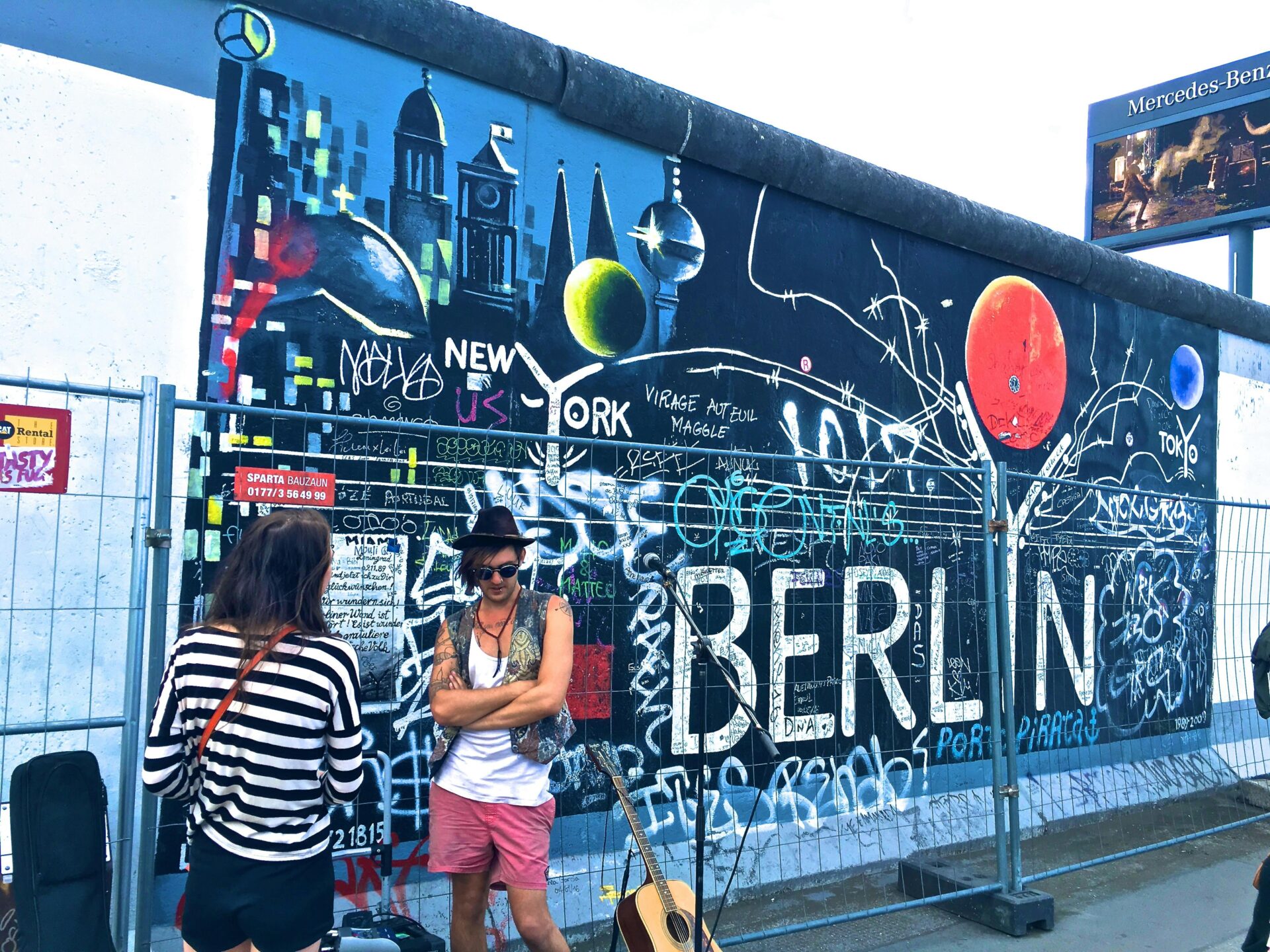
In Berlin, I’d pass remnants of the Berlin Wall and, just a block away, stumble onto a shiny tech startup.
Bavaria still crafts lederhosen the old-fashioned way. Yet BMW’s high-tech factories sit just down the road.
Frankfurt’s medieval Römerberg square stands in the shadow of skyscrapers. I watched musicians play classical tunes while commuters scrolled on their phones.
Cultural Contrasts That Stood Out:
- Medieval castles now house modern museums
- Beer halls serve up contemporary German cuisine
- Classical venues host experimental performances
- Historic universities lead in tech research
Germans don’t force this blend. It just happens. They seem to love heritage and progress equally.
The Allure of Cobblestone Streets and Historic Districts
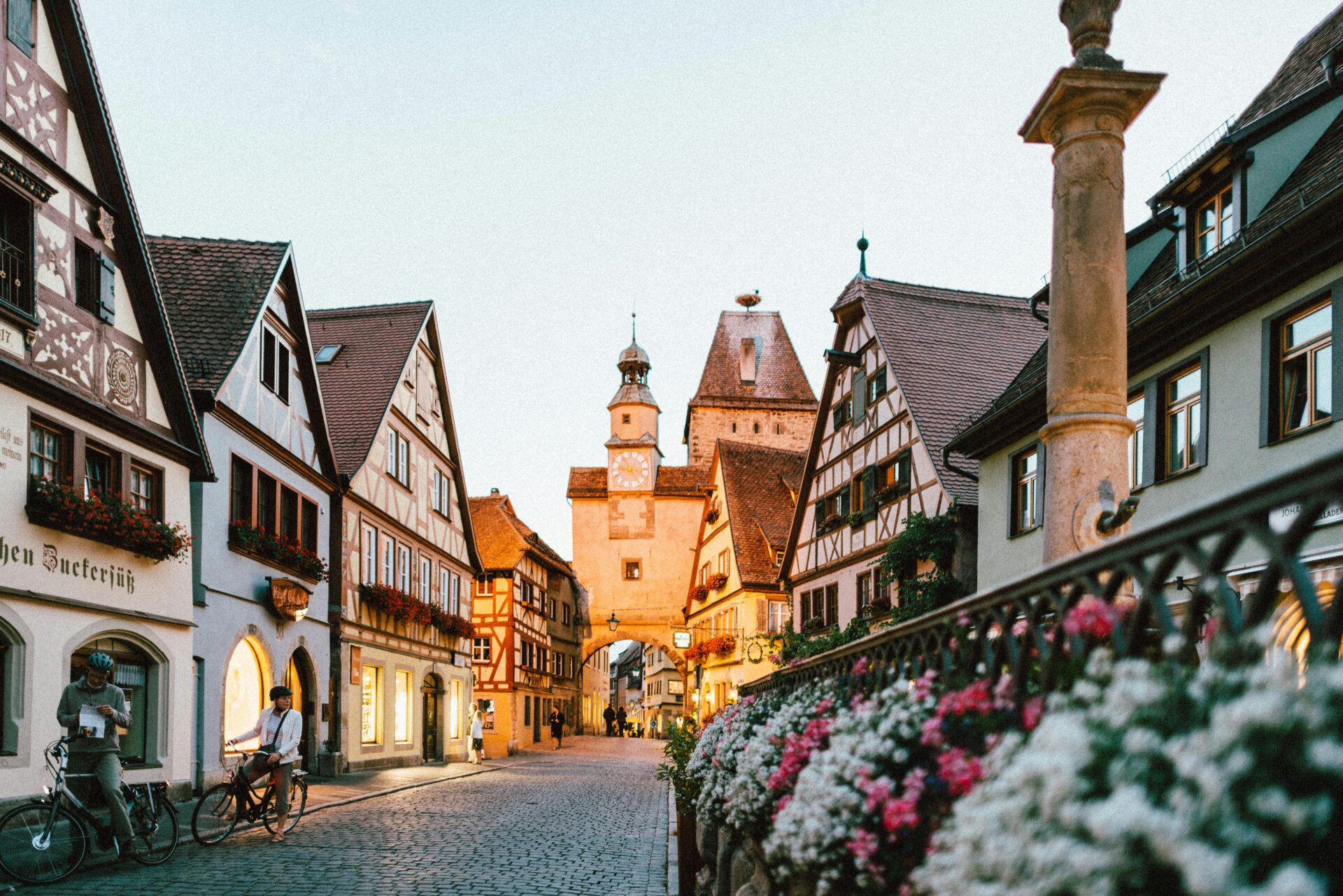
Cobblestone streets pulled me into Germany’s soul.
These stones have seen emperors, merchants, and everyday folks for centuries. Rothenburg ob der Tauber looks like time forgot it. I wandered the same paths medieval traders once did.
Heidelberg’s old town let me peek into student life from long ago. Quedlinburg’s squares showed off timber-framed houses that have stood for 600 years.
Why These Streets Matter:
- Medieval layouts remain untouched
- Buildings show layers of history
- Artisans keep old crafts alive
- Family-run shops pass down through generations
People actually live and work here. Kids play on the same stones their great-grandparents did. It’s real life, not a museum.
Celebrating Iconic German Festivals and Events
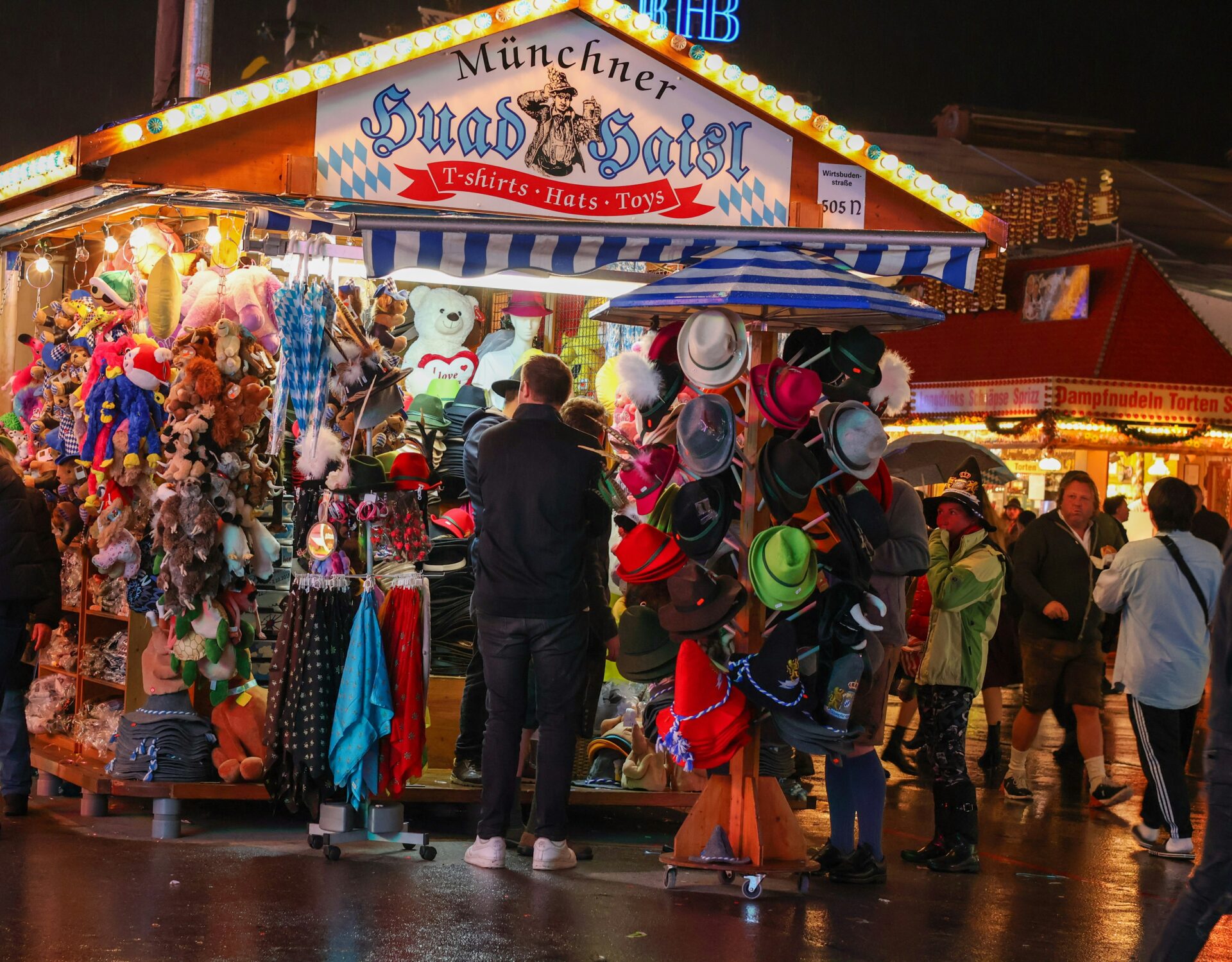
Oktoberfest in Bavaria? It’s not just about beer.
Locals show up in dirndls and lederhosen that have been in the family for years. I watched grandparents teach kids folk dances—traditions that go back forever.
Christmas markets turn cities into twinkling wonderlands. Each one feels different. Dresden’s Striezelmarkt had handmade ornaments and foods I’d never seen before.
Festivals That Show Off Germany’s Heart:
- Oktoberfest: Bavarian pride and community
- Christmas Markets: Regional crafts and treats
- Carnival Season: Local humor and customs
- Wine Festivals: Celebrating local specialties
These aren’t just for tourists. Locals genuinely celebrate, and visitors get swept up in the fun.
Journey Through Fairytale Castles and Storybook Towns
Germany’s castles and towns feel plucked from a bedtime story.
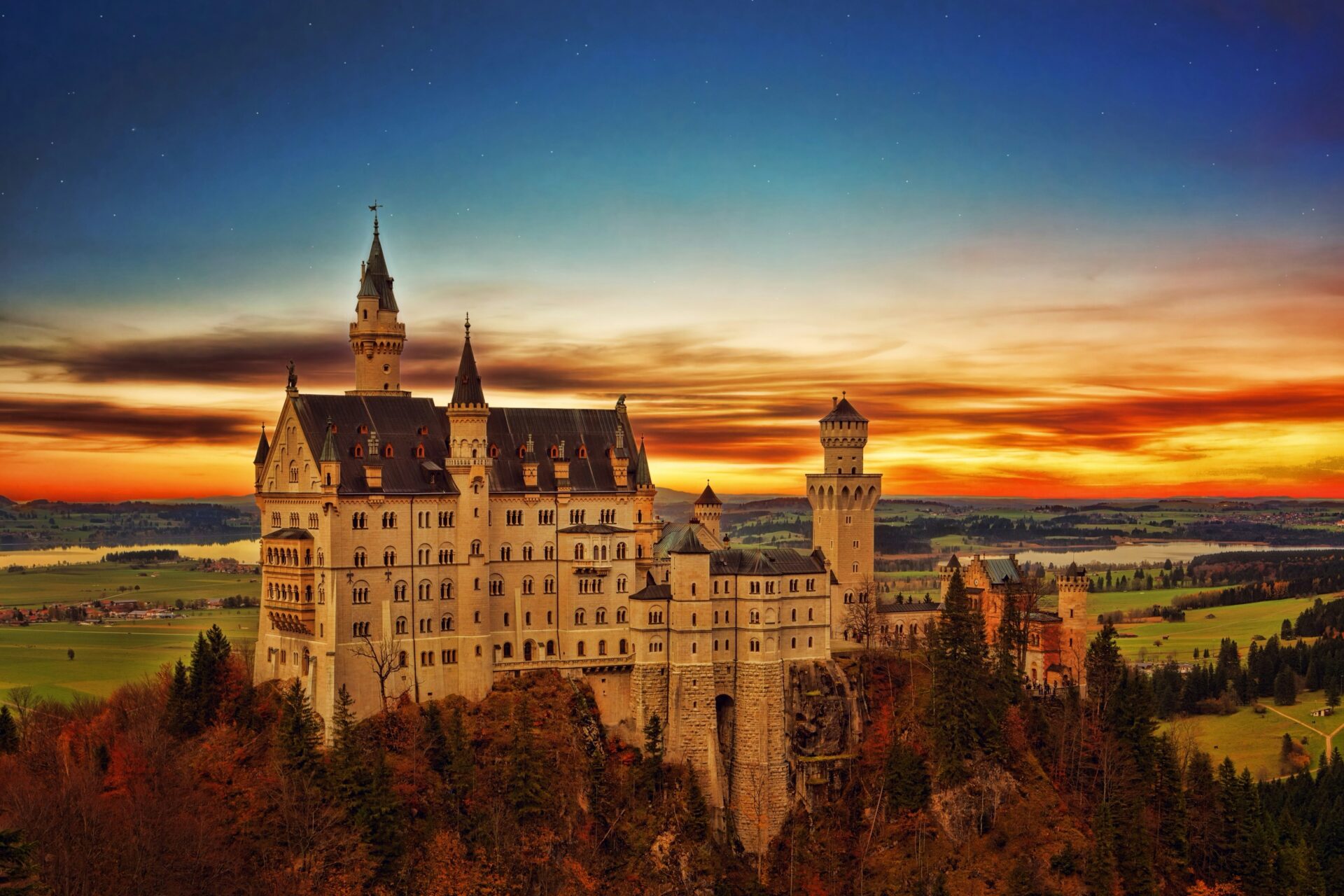
The famous Neuschwanstein Castle steals the show, but the Romantic Road is packed with medieval towns and half-timbered houses that look straight out of a fairy tale.
Exploring the Magic of Neuschwanstein Castle
I’ll never forget seeing Neuschwanstein for the first time. It sits high above the Bavarian Alps, almost floating.
King Ludwig II built it in the 1860s, dreaming up a fantasy retreat. Walt Disney even used it as inspiration for Sleeping Beauty’s castle.
Inside, I found rooms Ludwig never finished. The throne room has a jaw-dropping chandelier and Byzantine touches. The Singer’s Hall bursts with murals of medieval legends.
The hike up takes about half an hour. Trust me, book your tour early if you’re going in summer.
Where to Get the Best Views:
- Marienbrücke (Mary’s Bridge) for that classic shot
- Neuschwanstein Museum for the backstory
- Hohenschwangau Castle for Ludwig’s childhood home
Hiking trails wind through forests nearby. Sometimes, it feels like a fairy tale could start around any corner.
The Romantic Road and Its Hidden Gems
The Romantic Road runs 220 miles from Würzburg to Füssen. I’ve driven it a few times, and each trip brought new surprises.
Rothenburg ob der Tauber is a medieval masterpiece. The night watchman tour made history come alive as we wandered lamplit streets.
Dinkelsbühl’s colorful houses reflect in peaceful canals. The town escaped WWII damage, so its 15th-century charm survives.
Don’t Miss These Stops:
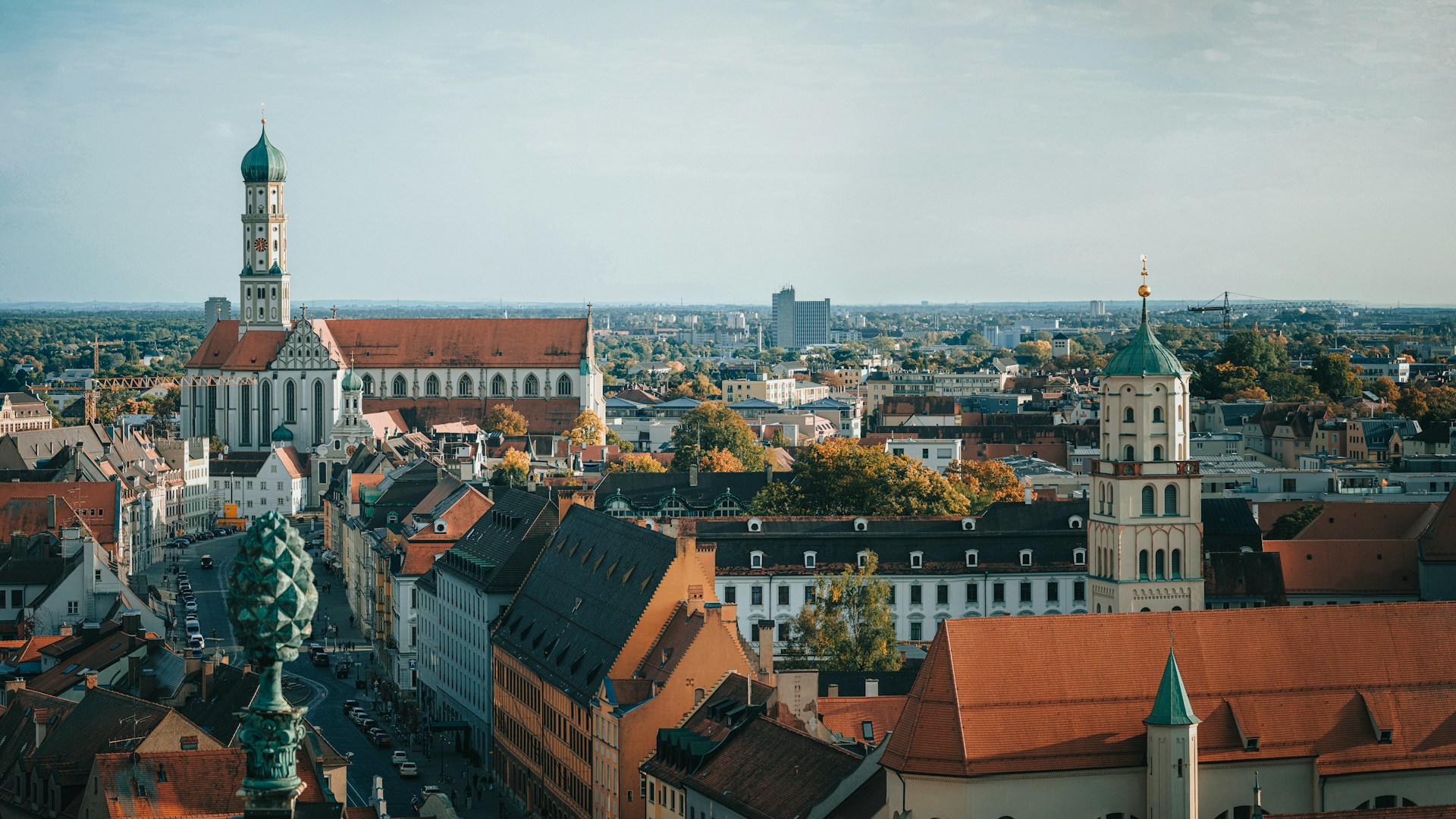
- Augsburg: Renaissance fountains, guild halls
- Landsberg am Lech: Painted riverside facades
- Schongau: Old walls, mountain views
Tiny villages between the big towns feel authentic. I’ve stayed in guesthouses where recipes haven’t changed in a hundred years.
You can easily mix castle visits with these towns for a trip that feels both magical and real.
Picturesque Bavarian Villages and Towns
Bavarian villages tucked into the Alps look like postcards.
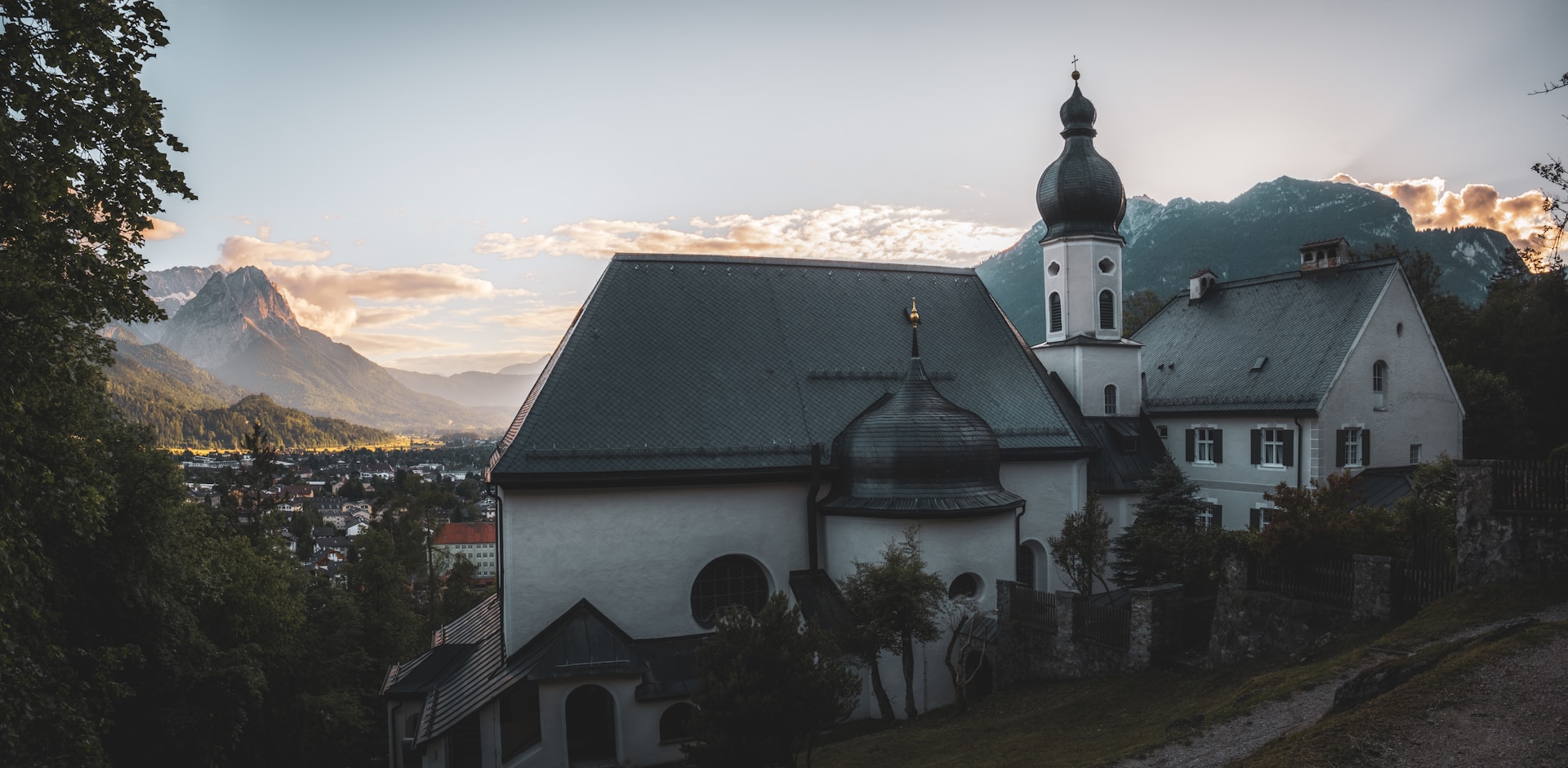
Garmisch-Partenkirchen offers Olympic history and mountain adventure. The Zugspitze looms behind painted buildings, their facades decorated with Lüftlmalerei.
Mittenwald is famous for violin-making. You’ll see musical themes everywhere, from murals to the local museum.
Oberammergau hosts the Passion Play every decade. In between, you can check out woodcarving workshops and religious frescoes on nearly every building.
| Village | Key Feature | Best Season |
|---|---|---|
| Berchtesgaden | Alpine lakes | Summer |
| Bad Tölz | Spa traditions | Year-round |
| Füssen | Castle access | Spring/Fall |
These towns offer hiking, festivals, and classic Bavarian food. Local breweries pour beers with centuries-old recipes. Mountain huts serve up hearty meals after a day outdoors.
Every village feels like you’ve stepped into a living fairy tale.
Alpine Adventure: Unveiling Germany’s Majestic Peaks
The Bavarian Alps stretch across southern Germany, with Zugspitze soaring to 2,962 meters.
Here, you’ll find world-class hiking, climbing, and traditions that run deep. Lakes sparkle, villages welcome, and the scenery never gets old.
The Splendor of the Bavarian Alps
The Bavarian Alps hug Germany’s southern edge, right up against Austria.
I counted over 20 pristine mountain lakes and more peaks than I could climb, many topping 2,000 meters.
Zugspitze is the star. At nearly 3,000 meters, it offers hiking for all levels and, on a clear day, views across four countries.
The German Alpine Road twists for 484 kilometers, from Lindau to Königssee. Along the way, you’ll pass 60+ villages and major sights like Neuschwanstein and the Wieskirche.
Some can’t-miss spots:
- Garmisch-Partenkirchen: Perfect base for Zugspitze
- Lake Königssee: Crystal-clear and stunning
- Berchtesgaden National Park: Wild mountain beauty
- Chiemsee: Bavaria’s largest lake
The landscape shifts fast. Meadows roll into jagged peaks. Dense woods open to reveal mirror-like lakes.

Outdoor Activities and Scenic Trails
Bavaria’s outdoors work for everyone, whether you just want a lakeside stroll or crave a tough climb.
Hiking options are everywhere:
- Easy walks around Chiemsee
- Meadow trails with mountain views
- Challenging climbs up Zugspitze
On the lakes, you can swim, kayak, or sail in the summer. The water stays cool, even on hot days.
In winter, the Alps turn into a skier’s dream. There’s plenty of downhill and cross-country skiing, and even ice climbing on frozen waterfalls.
Climbers find routes for all abilities. Beginners can try via ferrata (fixed-cable) paths. Experts tackle tough rock and ice.
Trails connect villages and sights, and signs make it easy to find your way—even if you’re new to the region.

Alpine Culture, Traditions, and Local Life
Bavarian mountain culture runs deep in daily life here. I’ve stumbled into traditions that have somehow survived for centuries in these tucked-away valleys.
Beer gardens pop up at lakesides and mountain huts, and you’ll find local breweries making their own take on alpine brews. Hungry hikers (myself included) usually end up devouring classic dishes like weisswurst and schnitzel after a long trek.
Mountain huts really add to the experience. Most are family-run, serving up hearty meals and offering a cozy place to crash for the night. Many of these huts still use old-school methods—passed down, generation to generation.
Local festivals keep the mountain spirit alive. Sure, Oktoberfest is the big one everyone knows, but tiny village celebrations honor patron saints or mark the changing seasons. I’ve wandered into a few and always felt welcomed.
Traditional clothing is everywhere during festivals. Lederhosen and dirndls aren’t just for tourists—they’re part of everyday life, especially when there’s something to celebrate.
The hospitality here really stands out. Locals greet visitors warmly and still keep their own authentic vibe. I’ve chatted with guides who turn an ordinary hike into a cultural adventure just by sharing their stories.
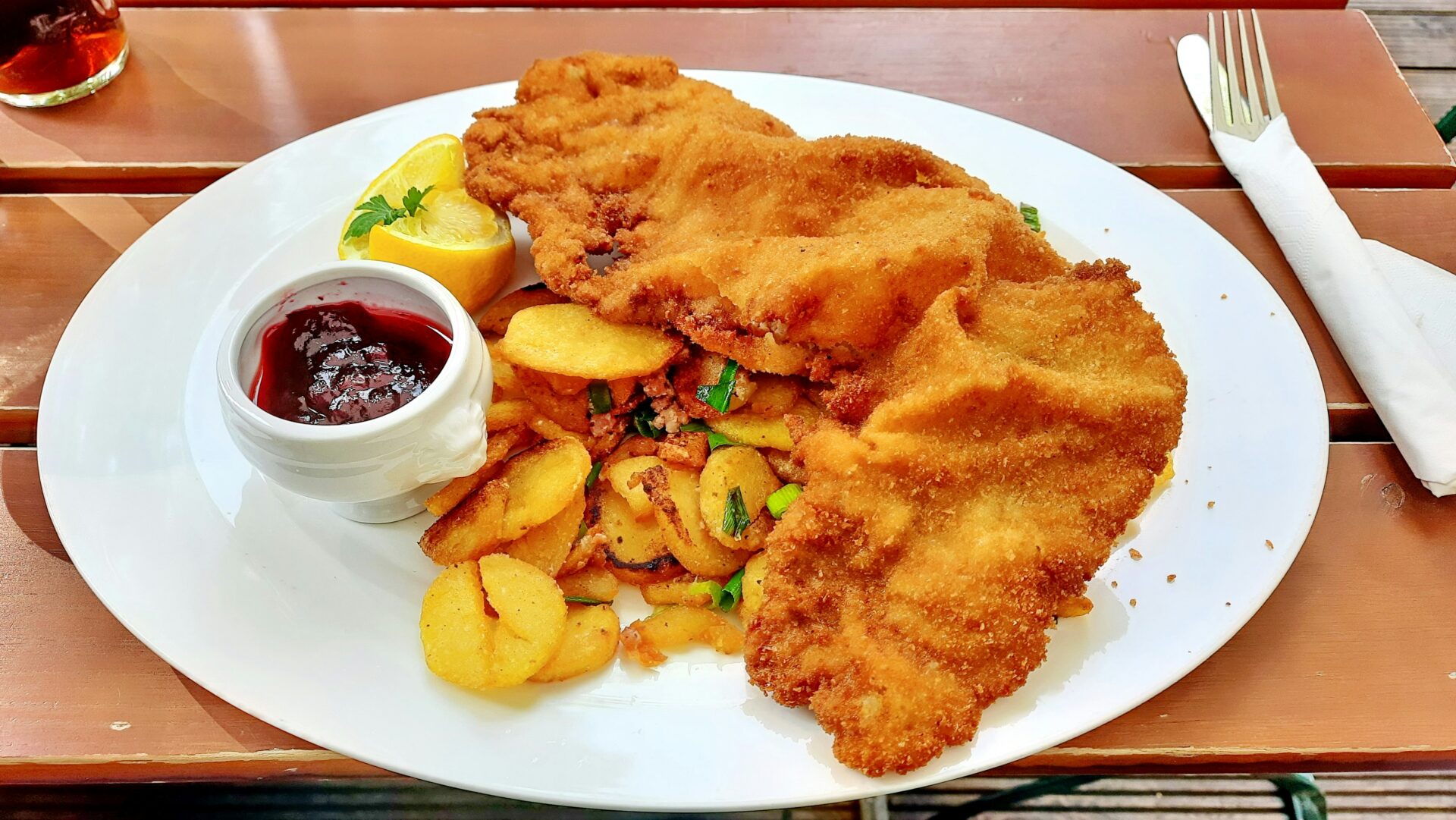
Munich & Berlin: Contrasts of Character
Munich feels steeped in Bavarian culture—think beer gardens and Oktoberfest. Meanwhile, Berlin has this wild, edgy art scene and heavy history, especially with landmarks like the Berlin Wall.
Munich’s Traditions and Modern Charm
Munich’s magic really comes from its mix of old traditions and new energy. The city draws millions every year, especially for Oktoberfest, which is honestly the biggest beer festival I’ve ever seen.
Walking through the old town, I got lost among Bavarian buildings. Locals still rock Lederhosen and Dirndl during celebrations. Everything here feels a bit more organized and clean compared to other German cities.
Munich’s Key Attractions:
- Historic beer gardens that’ve been around forever
- BMW museum—car lovers, you’ll geek out
- Close to those fairytale castles and the Alps
- An old city center that’s really well-preserved
I think the beer garden culture is what makes Munich special. I spent lazy afternoons at outdoor tables, sharing space with locals and sipping on fresh Helles beer. These spots aren’t just for tourists—they’re where the community comes together.
Getting to the Alps from Munich is a breeze. In just a couple of hours, I found myself at mountain peaks or by crystal-clear lakes. The city makes a perfect jumping-off point for exploring traditional villages and outdoor adventure.
Berlin’s Vibrant Spirit and Historical Landmarks
Berlin feels like a whole different world. The city buzzes with rebellious energy—gritty streets, bold street art, and a history you can’t ignore.
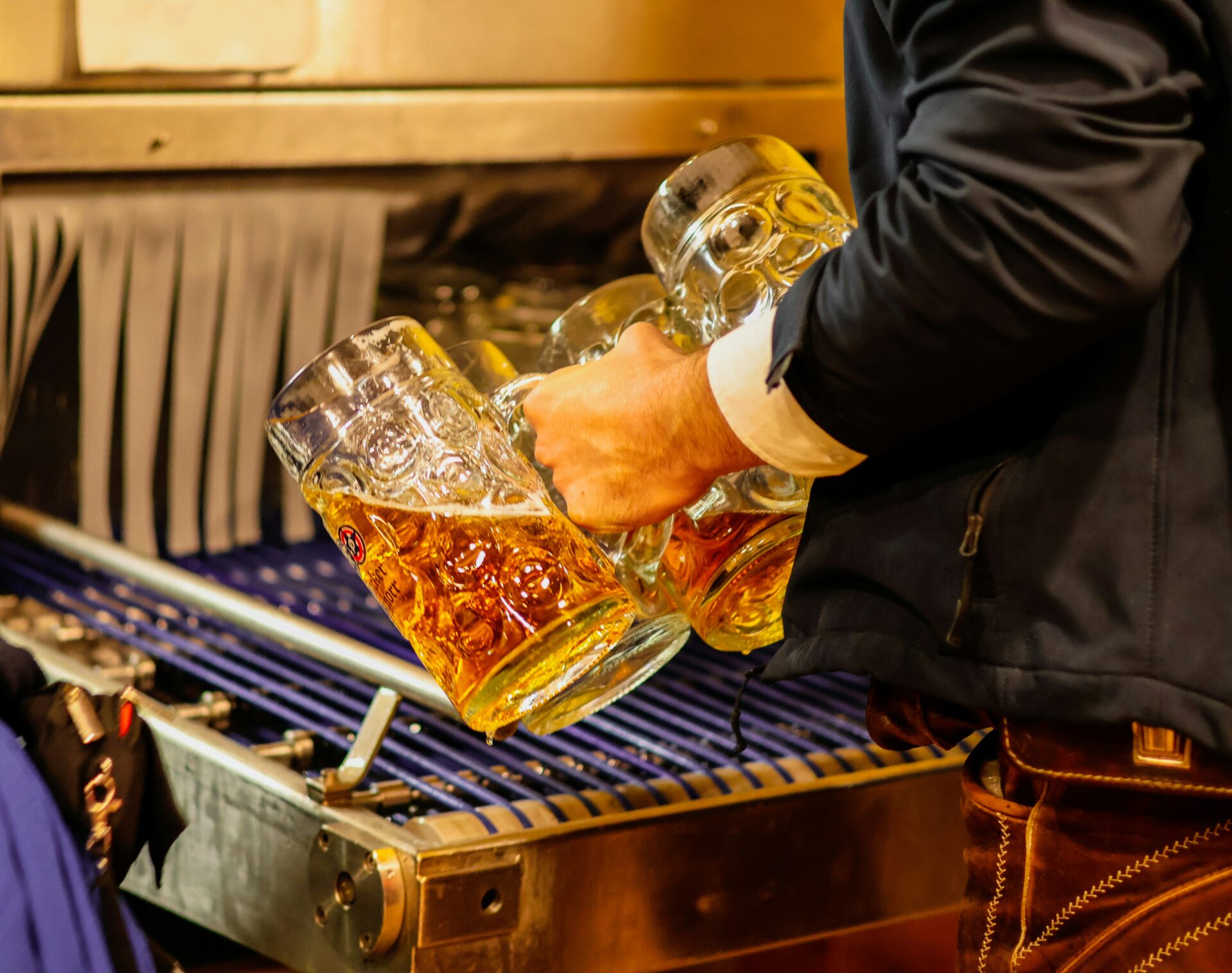
The Berlin Wall stands as the city’s most powerful symbol. When I stood by the remnants, I really felt the weight of Germany’s divided past. East and West Berlin still have their own personalities, even decades after reunification.
Berlin’s Cultural Scene:
- Nightlife that doesn’t quit
- Street art and galleries everywhere
- Museums that dive deep into wartime history
- Alternative neighborhoods with their own style
Berlin’s art scene blew me away. Whole buildings transform into giant murals and political messages. Artists, musicians, and creative folks from all over Europe flock here.
Nightlife here is next-level. Clubs stay open for days, and the techno scene is legendary. Berlin honestly never seems to sleep.
Beyond Beer: The Evolution of German Brewing and Culinary Traditions
German brewing goes back over 500 years, thanks to the famous Beer Purity Law of 1516. These days, the food scene mixes old-school recipes with modern twists—think traditional weissbier, craft brews, and regional dishes like schweinshaxe.
German Brewing Traditions: From Weissbier to Craft Brew
The Reinheitsgebot from 1516 allowed only water, barley, and hops in beer. It’s the oldest food regulation out there.
Traditional styles like weissbier (wheat beer) still rule the scene. These beers are cloudy, refreshing, and brewed with special malts and yeasts.
Now, modern German brewers love to experiment. In cities like Berlin and Hamburg, craft breweries pop up everywhere, serving IPAs, stouts, and all sorts of creative flavors.
Traditional German Beer Styles:
- Weissbier (wheat beer)
- Pilsner (light, hoppy lager)
- Märzen (Oktoberfest amber)
- Dunkel (dark lager)
Small-batch breweries work alongside the old giants. They stay true to classic techniques but aren’t afraid to try something new. German brewing keeps evolving, but the quality never slips.

Exploring Munich’s Beer Gardens and Breweries
Munich’s beer gardens are the real deal. I found myself in these outdoor spaces, drinking fresh beer straight from local breweries.
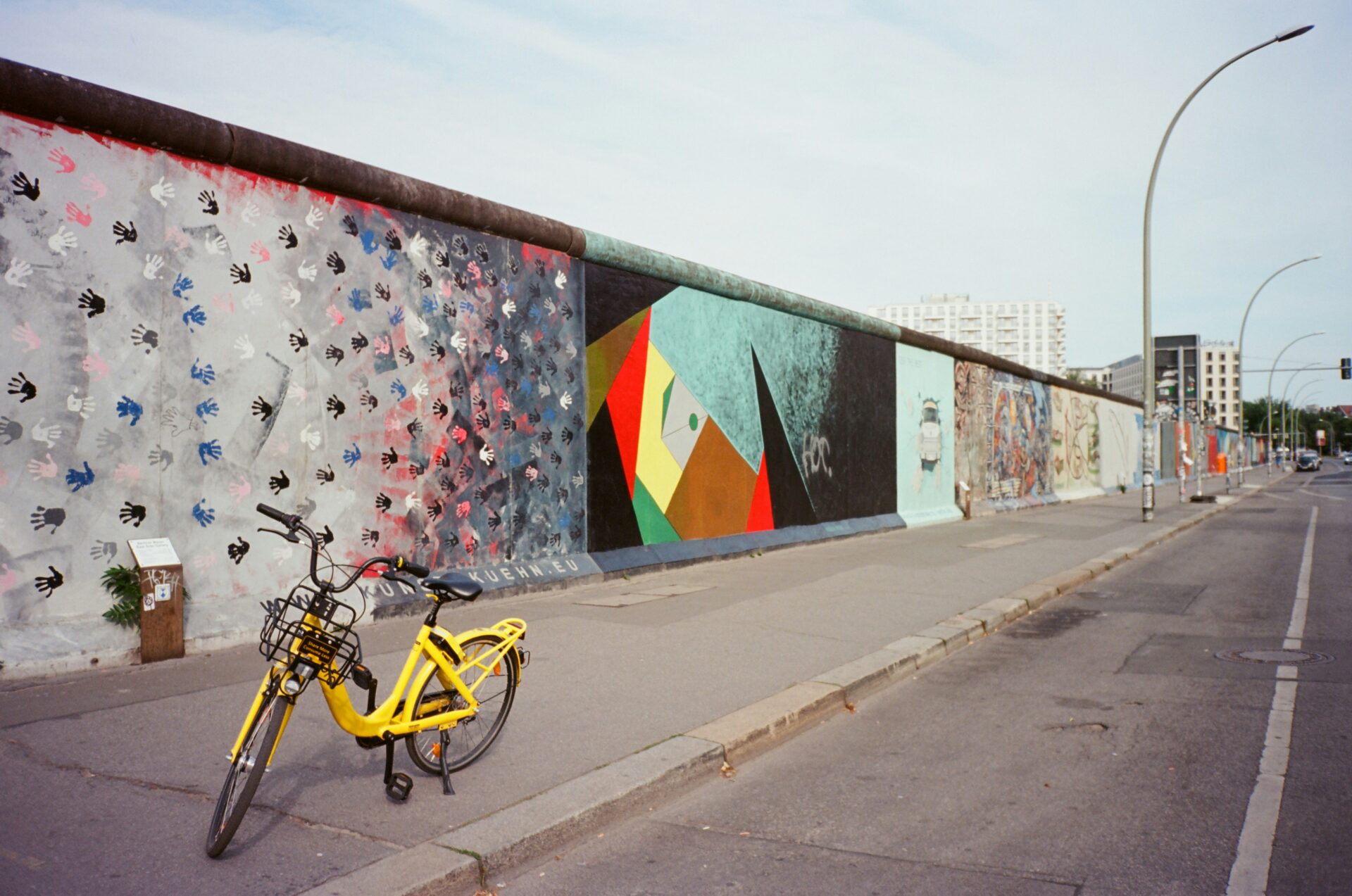
Augustiner-Bräu—Munich’s oldest brewery from 1328—has a beer garden with giant mugs under shady chestnut trees.
The Hofbräuhaus draws crowds from around the world, but locals have their favorites, like Löwenbräu or Spaten gardens.
Munich’s beer gardens stick to certain traditions:
- Fresh pretzels and radishes on every table
- Long, communal wooden benches
- Self-serve food counters
- Folk music playing in the background
These gardens shut down in winter, but when spring hits, everyone celebrates the reopening.

Regional Specialties: Bratwurst, Schweinshaxe & Sauerkraut
German cuisine is way more varied than people think. Every region has its own recipes, shaped by local ingredients and the weather.
Bratwurst changes a lot depending on where you are. Nuremberg makes thin, herby sausages, while Thuringia’s are longer and chunkier. Bavaria loves its weisswurst (white sausage) with sweet mustard.
Schweinshaxe (pork knuckle) is Bavarian comfort food at its best. It’s a massive roasted pork leg, usually big enough for two or three people. The magic is in the slow roasting—crispy skin, tender meat.
Classic sides:
- Sauerkraut (tangy fermented cabbage)
- Red cabbage with apples
- Potato dumplings
- Fresh, chewy pretzels
Up north, you’ll find more fish and lighter meals. Down south, it’s all about meat and dairy. These food traditions tell the story of Germany’s regions and their roots.

Frequently Asked Questions
Germany has so much more than beer—think medieval castles in the Alps, world-class museums, and local festivals. If you want to connect with the country’s real character, try hiking local trails or joining in on a traditional celebration.
Germany’s culture runs deeper than Oktoberfest. I’ve visited opera houses like Dresden’s Semperoper and Berlin’s Staatsoper—they’re incredible.
The country gave us Bach, Beethoven, Wagner. You can visit their birthplaces or catch a concert in a historic hall.
Literature fans will love Goethe’s house in Weimar or the Brothers Grimm Museum in Kassel.
Art lovers should check out Berlin’s Museum Island. Five museums, endless masterpieces.
Neuschwanstein Castle in Bavaria inspired Disney’s Sleeping Beauty castle. Book your tour early—it gets crowded.
Hohenzollern Castle rises above Baden-Württemberg with epic views and royal treasures inside.
Burg Eltz near Koblenz has stayed in the same family for 850 years. It’s survived wars and still has its original furniture.
The Romantic Road is a scenic 220-mile drive with castles and medieval towns. Rothenburg ob der Tauber is a must for its old-world vibe.
Zugspitze is Germany’s highest peak at 9,718 feet. You can take a cable car or cogwheel train from Garmisch-Partenkirchen.
The Bavarian Alps have fantastic hiking. I love the trails around Berchtesgaden National Park and the Königssee lake.
Watzmann mountain is a challenge for experienced hikers. The East Face is one of the toughest climbs in the Eastern Alps.
The Alpine Road winds 300 miles through southern Bavaria, connecting mountain villages and hiking spots.
The Berlin Wall Memorial tells Germany’s story of division and reunification. I found the preserved sections and exhibits moving.
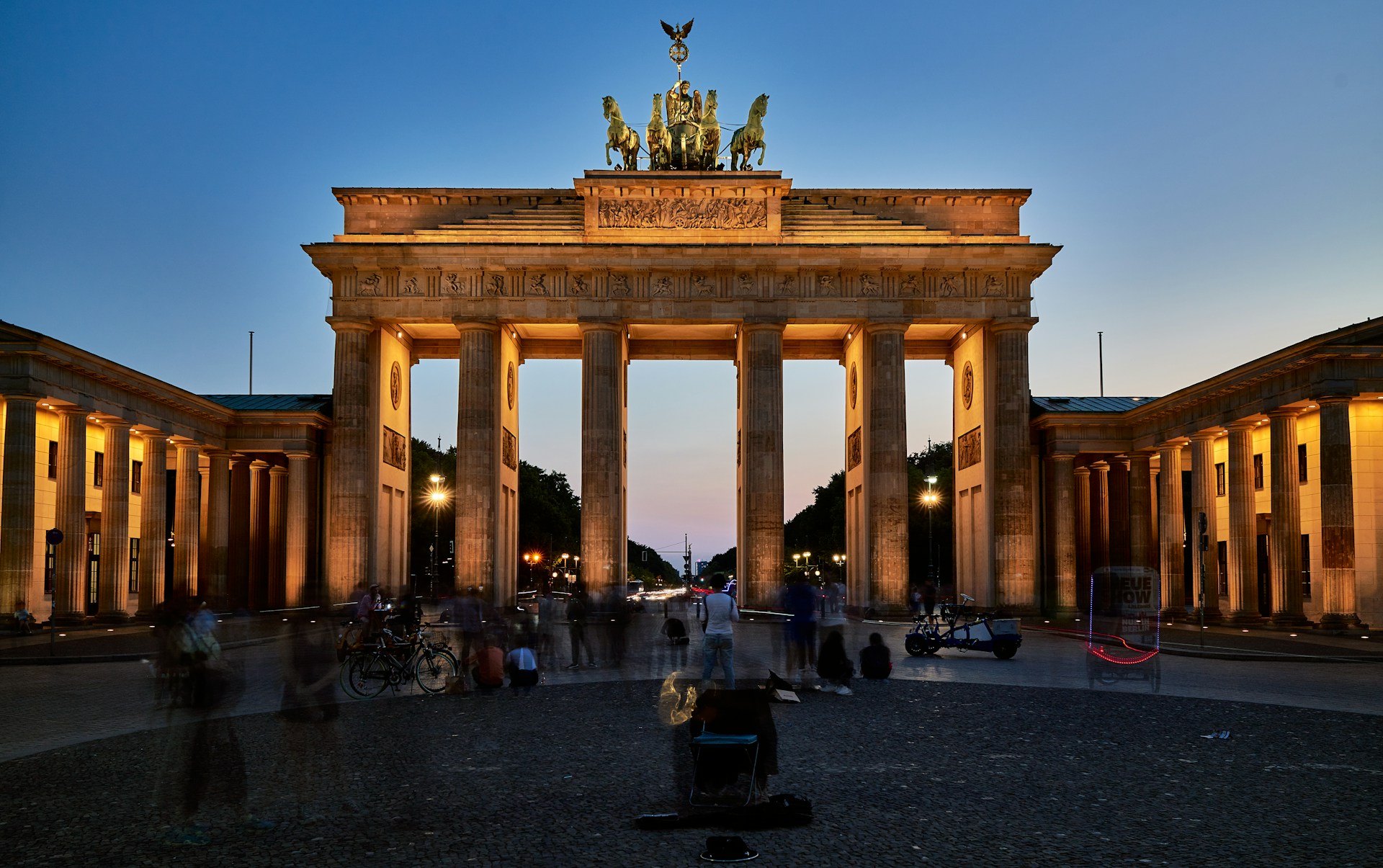
Brandenburg Gate stands for unity and has seen so much history. The nearby Holocaust Memorial offers important context.
Dresden’s old town rose from the ashes after WWII. The Frauenkirche church is a powerful symbol of rebuilding.
The Documentation Center in Nuremberg covers the Nazi era and war crimes trials with thoughtful exhibits.
Christmas markets light up German cities from late November through December. Smaller towns like Rothenburg feel more authentic and less crowded.
Regional festivals celebrate local culture all year. Wine festivals in the Rhine Valley and harvest parties in the countryside are worth checking out.
There’s more than just Oktoberfest—Stuttgart’s Cannstatter Volksfest and Düsseldorf’s Rheinkirmes are local favorites.
Learning a few German phrases really helps. Locals appreciate the effort, even if you stumble a bit.
Let’s start with Saxon Switzerland National Park, tucked near Dresden. I still remember the first time I wandered its wild trails—those jagged rock formations felt almost otherworldly. If you make it to the Bastei Bridge, you’ll catch jaw-dropping views over the Elbe River. Bring your camera, but honestly, photos barely do it justice.
Next up, the Black Forest region. I always get a sense of calm hiking around Feldberg, especially when the early morning mist hugs the trees. Cycling through traditional villages like Schönwald, you’ll stumble on cozy bakeries and maybe even a cuckoo clock shop or two.
Craving some sea air? The Baltic Sea coast might surprise you. Picture long, sandy beaches and the charming old town of Stralsund—cobblestones, gabled houses, the works. Rügen Island is a personal favorite; those white chalk cliffs rise straight out of the turquoise water, and the seaside resorts have that laid-back vibe that makes you want to stay forever.
Then there’s the Moselle Valley, where vineyards tumble down to the river’s edge. I’ve spent lazy afternoons hiking between the vines, then winding up in a little place like Bernkastel-Kues for a glass of crisp Riesling. Medieval architecture, good wine, and river views—what’s not to love?