
Wandering through Palma’s Old Town, I feel like I’m stepping into a different world. Cobblestone alleys twist between sunlit courtyards. Every turn holds the promise of something new. The smell of fresh pastries drifts from bakeries, and honestly, it’s almost impossible not to chase it.
Nothing captures Mallorca’s charm quite like stumbling on a hidden bakery and tasting an authentic ensaimada for the first time. These sweet, soft pastries are a local tradition. Tracking them down is half the fun. I get lost in quiet streets and suddenly find myself in cozy cafés where locals sip coffee and watch the world go by.
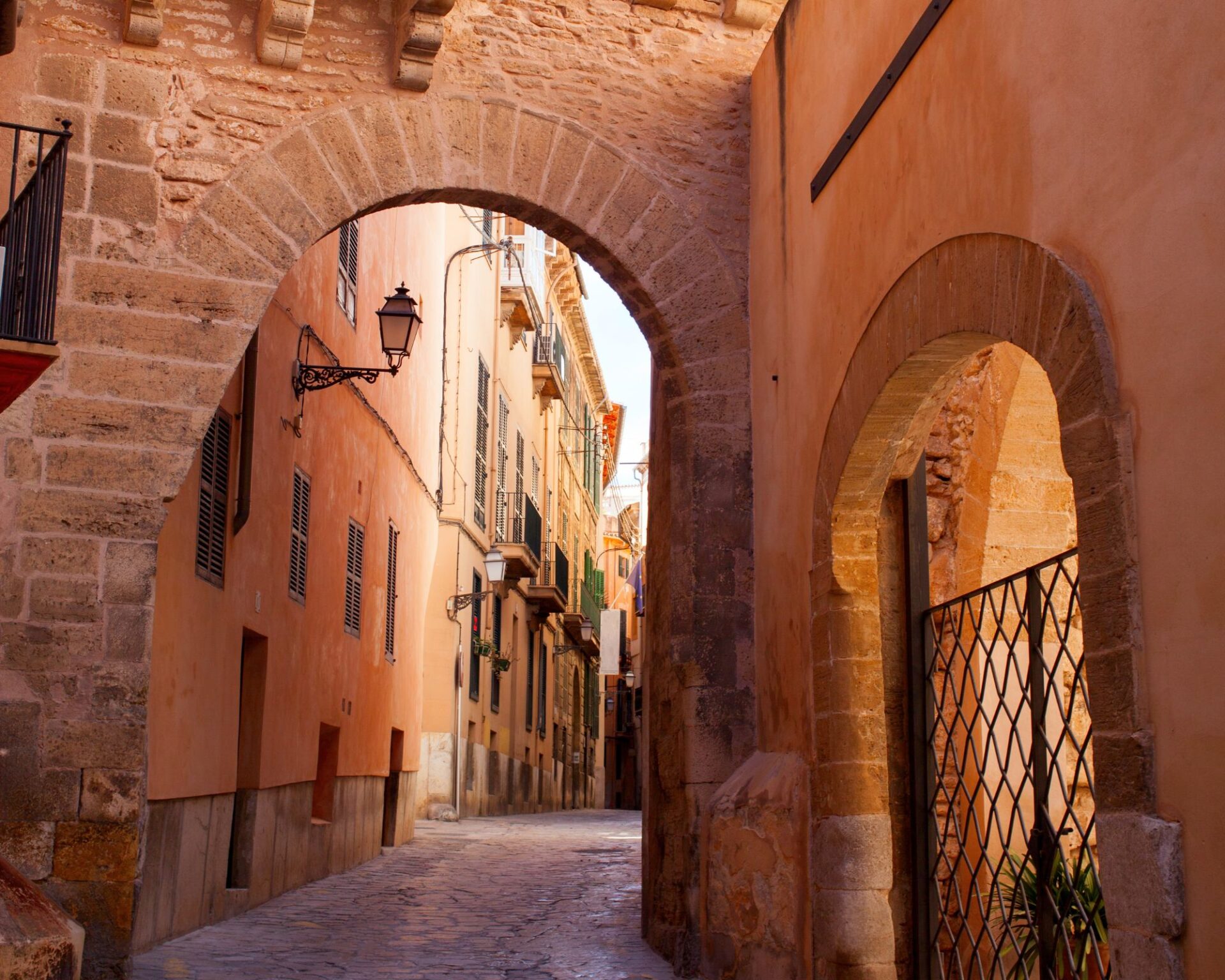
Getting lost here? I wouldn’t call it a mistake—it’s really the best way to see Palma. Each wrong turn opens up old stone buildings, bustling markets, and friendly faces who love sharing their food and stories. The Old Town surprises me at every corner, and the search for the perfect ensaimada brings the city’s history and flavor right to life.
Navigating Palma’s Old Town: A Labyrinth of Discovery
Wandering Palma’s Old Town feels a bit like walking through a storybook. Each twisting alley offers historic sights, tempting treats, and those little surprises that make you pause.
Finding Your Way: Essential Visitor Information
I found it easy to get around Palma’s Old Town on foot. Nearly everything sits close together. Streets like Carrer de Sant Miquel and Carrer de Colom pull you right into the city’s heart.
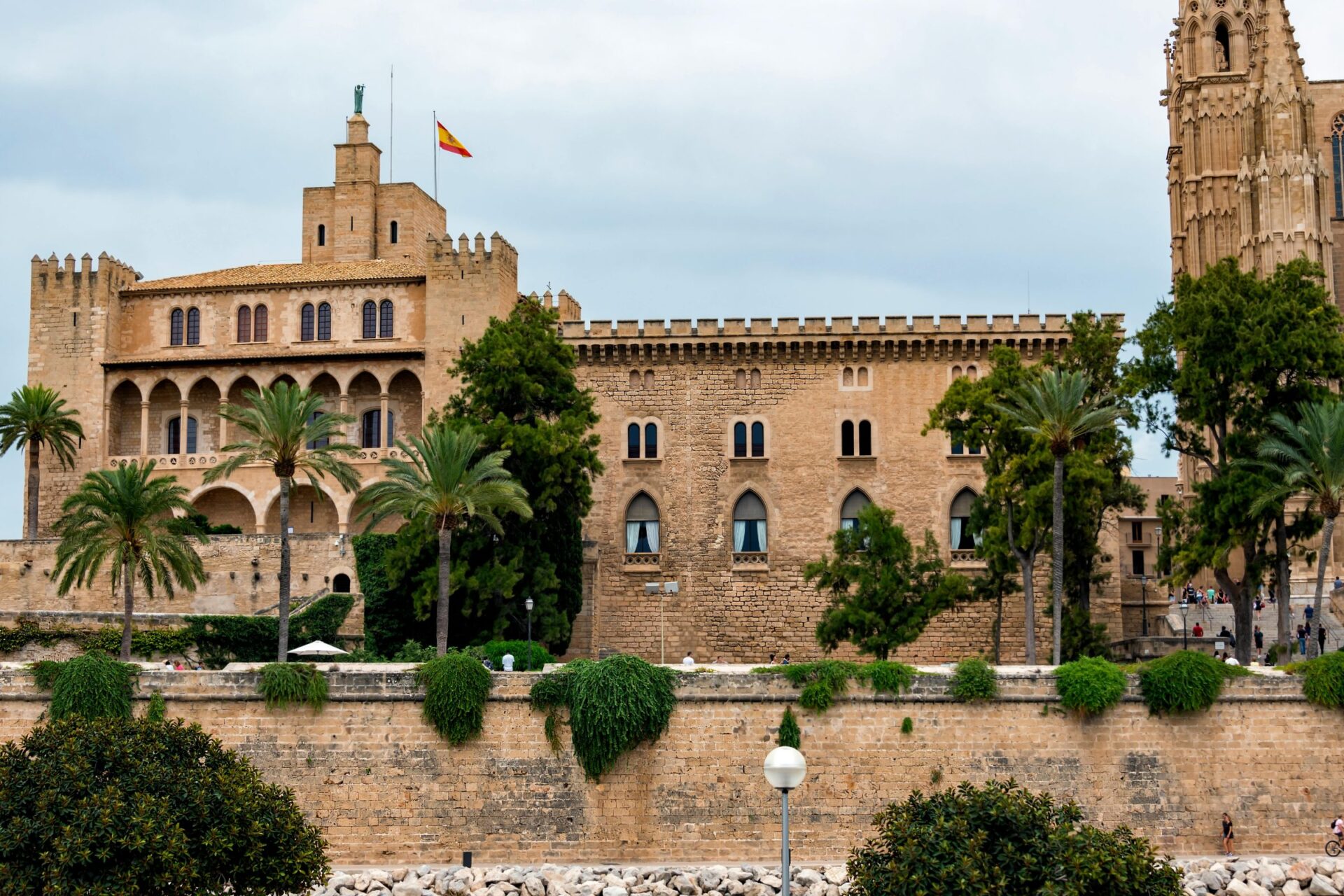
Main attractions—like the Cathedral of Santa Maria (La Seu) or the Royal Palace of La Almudaina—are clearly marked. If you’re coming from the airport, several buses drop you in the city center.
Public transport works well, and taxis wait near big squares like Plaça Major. You won’t need a car; the streets are way too narrow for that. If you’re worried about getting lost, a guided walk can be a lifesaver.
For most visitors from the US, UK, or EU, there’s no special visa. Just bring your passport. Most cafés and shops take credit cards, but a few tiny bakeries only accept cash. I always keep some euros handy, just in case.
Safety and Communication in Historic Alleyways
Palma’s alleys feel friendly, but I keep an eye on my surroundings—especially at night. Pickpocketing happens sometimes in crowded tourist spots. I zip my bag and avoid flashing my phone in busy alleys.
A few Spanish words go a long way. Even though many people speak English in shops and restaurants, a simple “hola” or “gracias” always helps. I use Google Maps, but GPS sometimes gets confused in these narrow lanes. So, I carry a little paper map too.
For emergencies, 112 is the number to call. Pharmacies and police stations are easy to spot near the main plazas. People usually help with directions—even if we end up waving our hands around a bit.
When to Visit Palma’s Maze-Like Streets
Spring and early autumn are my favorite times to wander Palma’s Old Town. The weather stays warm but not scorching, and crowds are thinner than in the summer heat. Morning strolls mean quieter streets and a front-row seat to the city waking up.
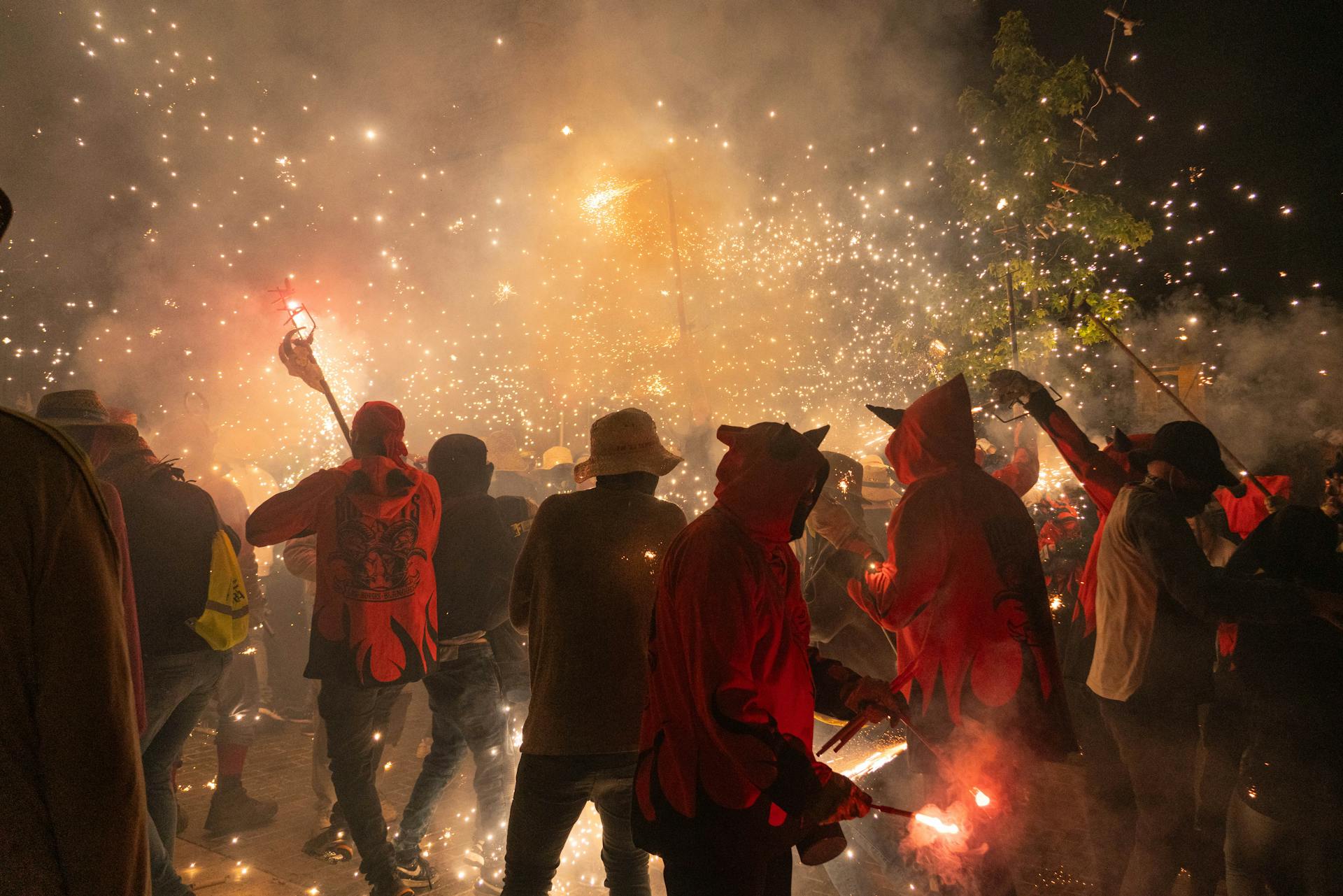
During local festivals like Sant Sebastià in January, the alleys come alive with music and street food. Shops usually open late—around 10 a.m.—and close for a siesta in the afternoon.
Sundays are slow; some bakeries and museums don’t open. Evenings are magical, with cafés buzzing and lights twinkling down the lanes. I check opening hours before heading out, since small museums and bakeries sometimes change their schedules without warning. A flexible plan makes exploring Palma’s winding streets way more relaxed.
The Heart of Palma: Exploring Architecture and History
As I walk through Palma’s Old Town, centuries-old architecture surrounds me. Peaceful squares pop up out of nowhere, and every alleyway seems to have a story. Gothic churches, lively neighborhoods, and museums tucked inside restored mansions keep me curious.
Palma’s Historic Center: Gothic Gems and Mediterranean Influences
The first thing that grabbed my attention was the dramatic Gothic architecture. Palma Cathedral, or La Seu, towers above the city with spires and stained glass. Its main rose window floods the inside with color, especially in the mornings.
Right nearby, I found the Almudaina Palace, a mix of Gothic and Moorish styles. Mallorca’s monarchs once lived there.
Deeper in the old quarter, narrow streets open up to hidden squares lined with stone buildings. Many have green shutters and iron balconies—a classic Mediterranean look. The Banys Arabs (Arab Baths) give a rare peek into the city’s Moorish past, with stone arches and little gardens that invite you to rest.

Cultural Heritage: Museums and UNESCO World Heritage Sites
Palma’s historic center hides some cool museums. I wandered into the Museu Fundación Juan March, set in a 17th-century mansion. Their art collection includes Picasso, Miró, and Dalí. Often, the buildings are just as interesting as the exhibits inside.
Parts of the city connect to the Serra de Tramuntana mountain range—a UNESCO World Heritage Site. The mountains sit outside town, but their history and influence show up in Palma’s architecture and culture. Events and exhibits often tell stories of the people who built, traded, and lived here for centuries.
Walking the Alleys: Neighborhoods with Stories to Tell
While exploring, I ended up in La Lonja, a neighborhood named after a 15th-century marketplace. The place buzzes with outdoor cafés, art galleries, and tiny boutiques tucked beneath old stone walls.
I took my time in the Gothic quarter, letting myself get lost. Each block had something—a plaque for an artist, a hidden bakery, or the distant chime of bells. This is the best way to experience Palma: step by step, letting history and curiosity lead.

Ensaimadas and Beyond: Savoring the Flavors of Palma
As I wander Palma’s old town, the smells of butter, sugar, and fresh dough greet me at every turn. Eating here goes way beyond the famous ensaimadas. Bakeries, tapas bars, and restaurants all serve up flavors rooted in Mallorca’s Mediterranean soul.
Ensaimada Traditions: The Sweet Star of the Old Town
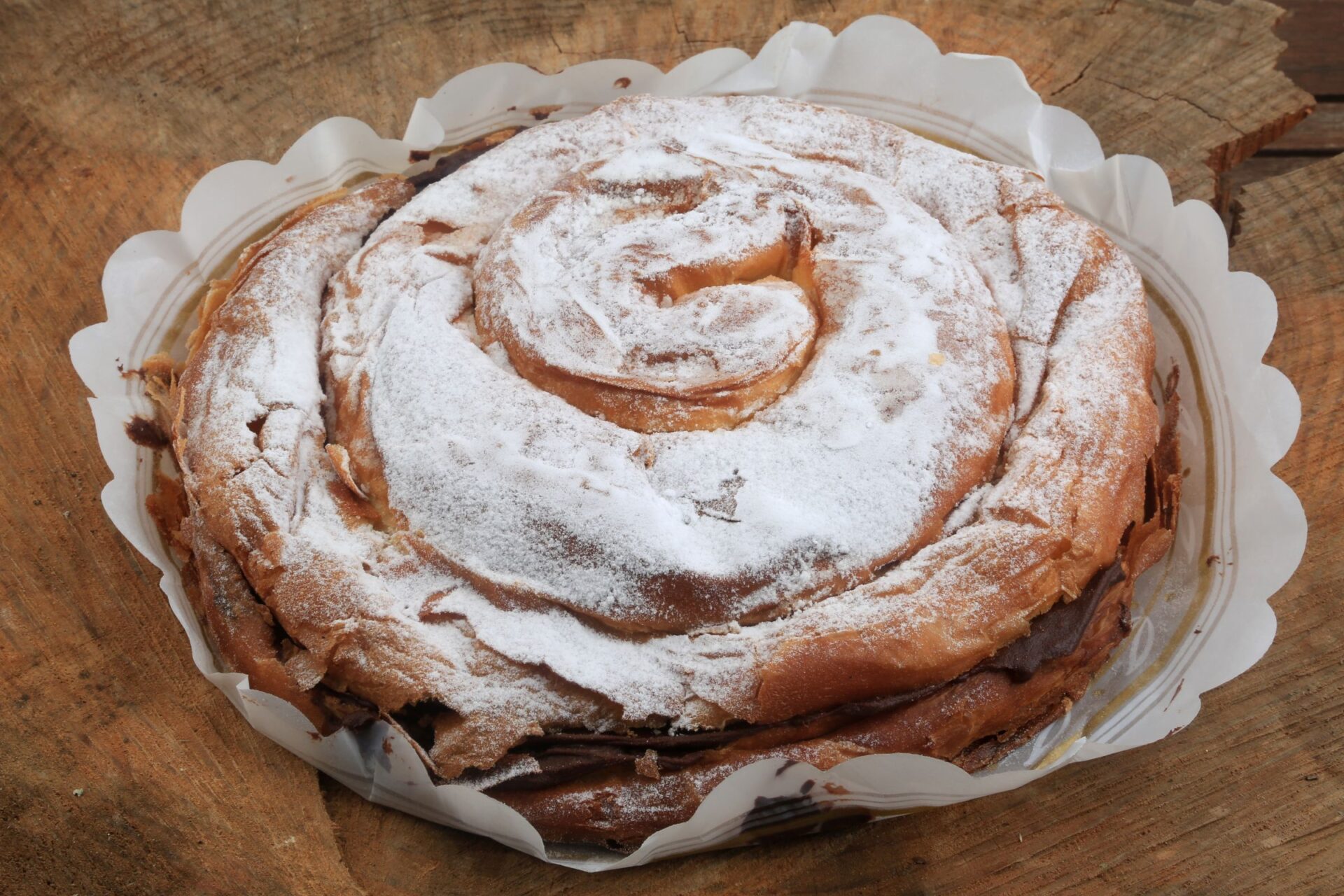
The ensaimada is everywhere in Palma. I spot their spiral shapes behind bakery windows, dusted with sugar, and boxed up for travelers.
These pastries are light and airy, made from thin dough brushed with lard (“saïm”—that’s where the name comes from). Traditionally, they’re filled with angel hair squash. Now, though, I see versions with chocolate, cream, or even Ferrero Rocher.
Locals treat ensaimadas like a daily ritual. Paired with coffee in the morning or as an afternoon snack, they’re both comforting and special. I watched bakers twist the dough by hand, shaping that iconic swirl. The mix of skill and tradition makes every bite taste like Mallorca’s past.
Where to Eat: Hidden Bakeries, Cafes, and Tapas Bars
To find the best ensaimada, I skip the big plazas and slip into side streets.
My favorite spots in Palma’s Old Town:
- Pastelería Ca’n Joan de S’Aigo: Legendary for ensaimadas and almond ice cream
- Fornet de la Soca: Known for classic recipes and seasonal flavors
- Local cafés: Order an ensaimada with café con leche—it’s the perfect pause before more exploring
There’s more than just sweets. Between shops and courtyards, I stumble on tapas bars serving tumbet (a veggie bake), cheese, and local olives. Tapas culture here is about sharing small plates, laughter, and a glass of wine. Each place has its own vibe—some are quiet cafés with sea views, others are lively bars that fill up as the sun goes down.
Mediterranean Cuisine and Must-Try Local Dishes
Eating in Palma is about much more than pastries. The Mediterranean influence is everywhere—from grilled fish to fresh veggies drizzled with local olive oil.
I always look for tumbet—eggplant, potatoes, peppers, and tomato stacked together. It’s real Mallorcan comfort food. Sobrasada, a spicy, spreadable sausage, often comes on bread at tapas bars.
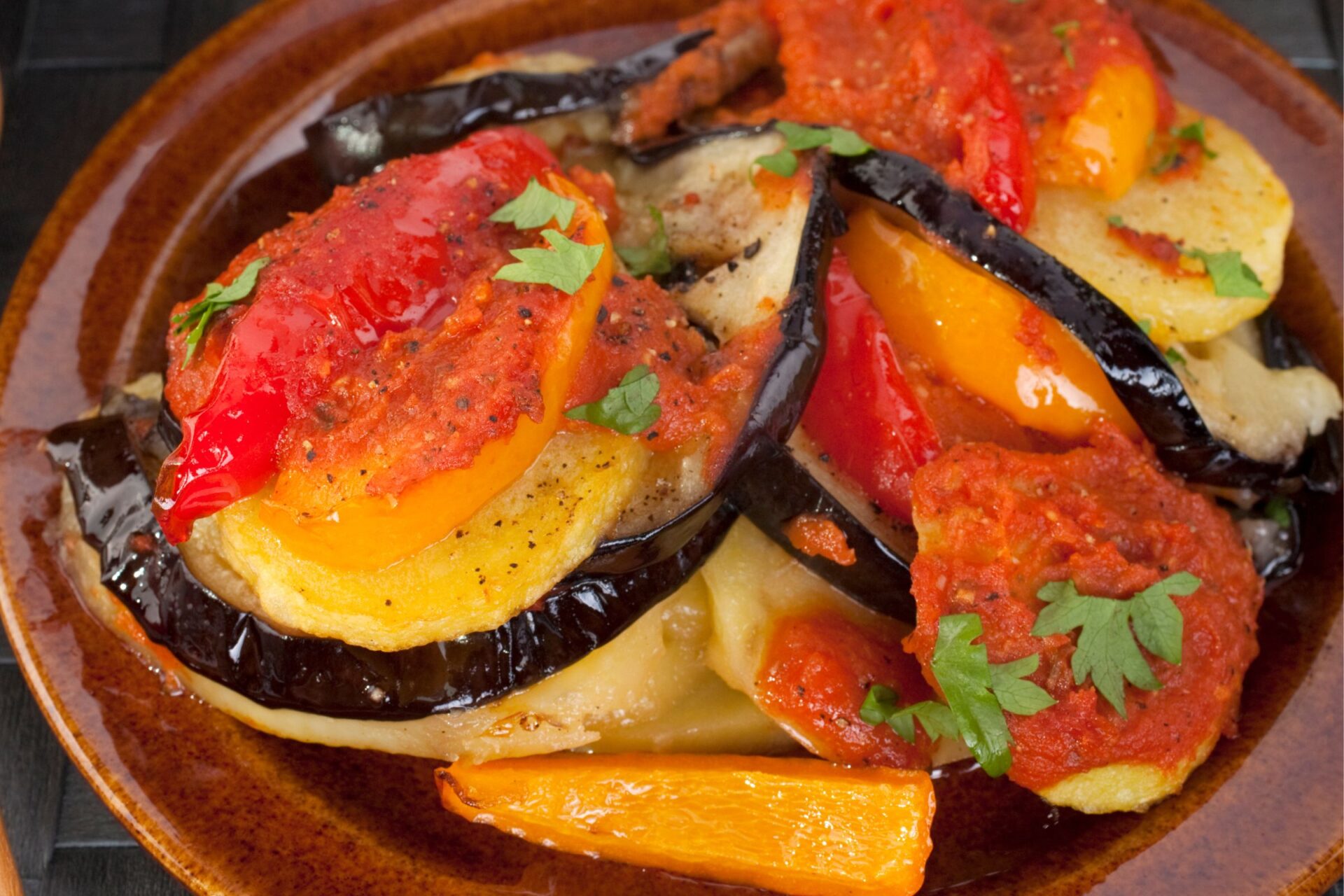
In the old town, I find a mix of family-run restaurants and newer spots. Some blend in flavors from Barcelona or serve seafood that reminds me of Almería. Plates of prawns, squid, or just simple olives keep me lingering at the table.
Meals here are relaxed. Whether I stop at a seaside café or a hidden bakery, Palma’s food scene feels welcoming and local. Every bite is a chance to slow down and savor the island’s traditions.
Local Life and Nightlife: Experiencing Palma After Dark
When the sun sets in Palma’s old town, the narrow streets wake up in a different way. Restaurants fill with chatter, bars glow with warm lights, and the energy is contagious.
Bars, Pubs, and Evening Entertainment
After dark, I always drift toward La Lonja. This lively area in the old town is packed with buzzing bars, cozy pubs, and cool cocktail spots. Each place has its own story—trendy wine bars next to centuries-old taverns, hip cafés hosting live music or comedy nights.
If I’m in the mood for something mellow, I grab a drink on a shaded terrace and watch people wander by. Many bars serve local Mallorcan wines and creative gin and tonics. Laughter and live music drift through the alleyways, hinting at performances or open-mic nights for anyone feeling adventurous.
Sometimes I check out a small theater or a pop-up cultural event. These shows range from traditional dance to jazz. The mix of intimate venues and local artists gives Palma’s nightlife a friendly, real feel.
Night Markets and Late-Night Snacks
When hunger strikes late, Palma’s old town has me covered. Streets near Plaça Major often turn into night markets during summer, with stalls selling handmade jewelry, local art, and fresh snacks. The market buzz adds another layer to the city’s nighttime energy.
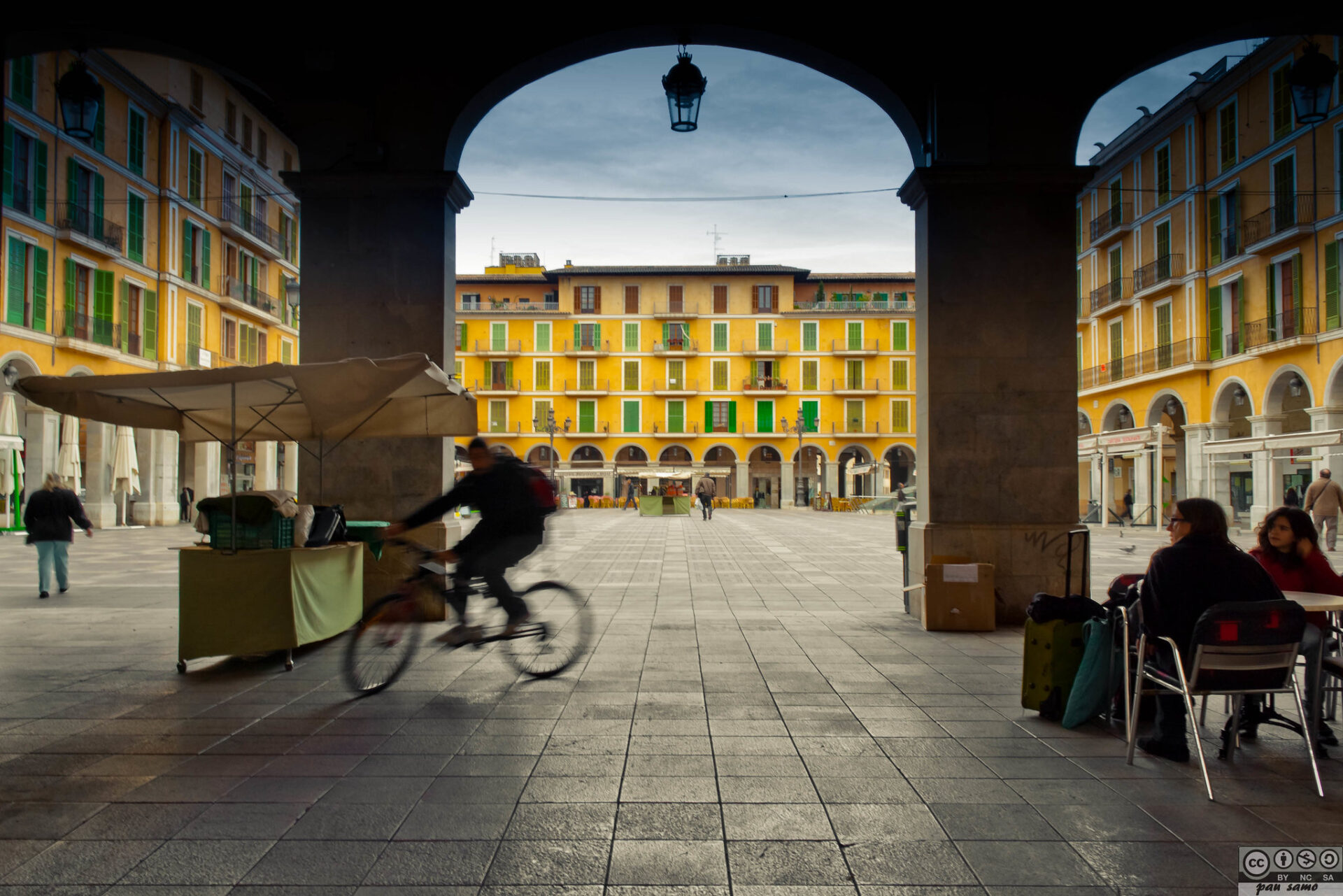
Image Source: Flickr
I usually can’t resist grabbing a warm ensaimada from a bakery. It’s a true Mallorcan treat. Locals and visitors snack on them late into the night, sometimes with hot chocolate or coffee.
If I want something savory, tapas bars are everywhere. They serve late, with plates of jamón, olives, and artisan cheeses. It’s easy to wander from spot to spot, trying different bites and soaking up the lively scene until midnight (or later).
Shopping for Treasures: Boutiques and Artisan Finds
Palma’s Old Town is a maze of narrow lanes lined with unique boutiques, artisan studios, and market stalls. Every turn brings a shop selling handmade treasures or local specialties that really capture the spirit of Mallorca.
Exploring Palma’s Shopping Scene
As I wander along Passeig del Born and Carrer de Sant Miquel, bright leather shoes and delicate ceramics catch my eye in the shop windows. Local designers fill the racks with stylish clothes, and I stumble on places like Rialto Living, where chic homeware sits beside little surprises.
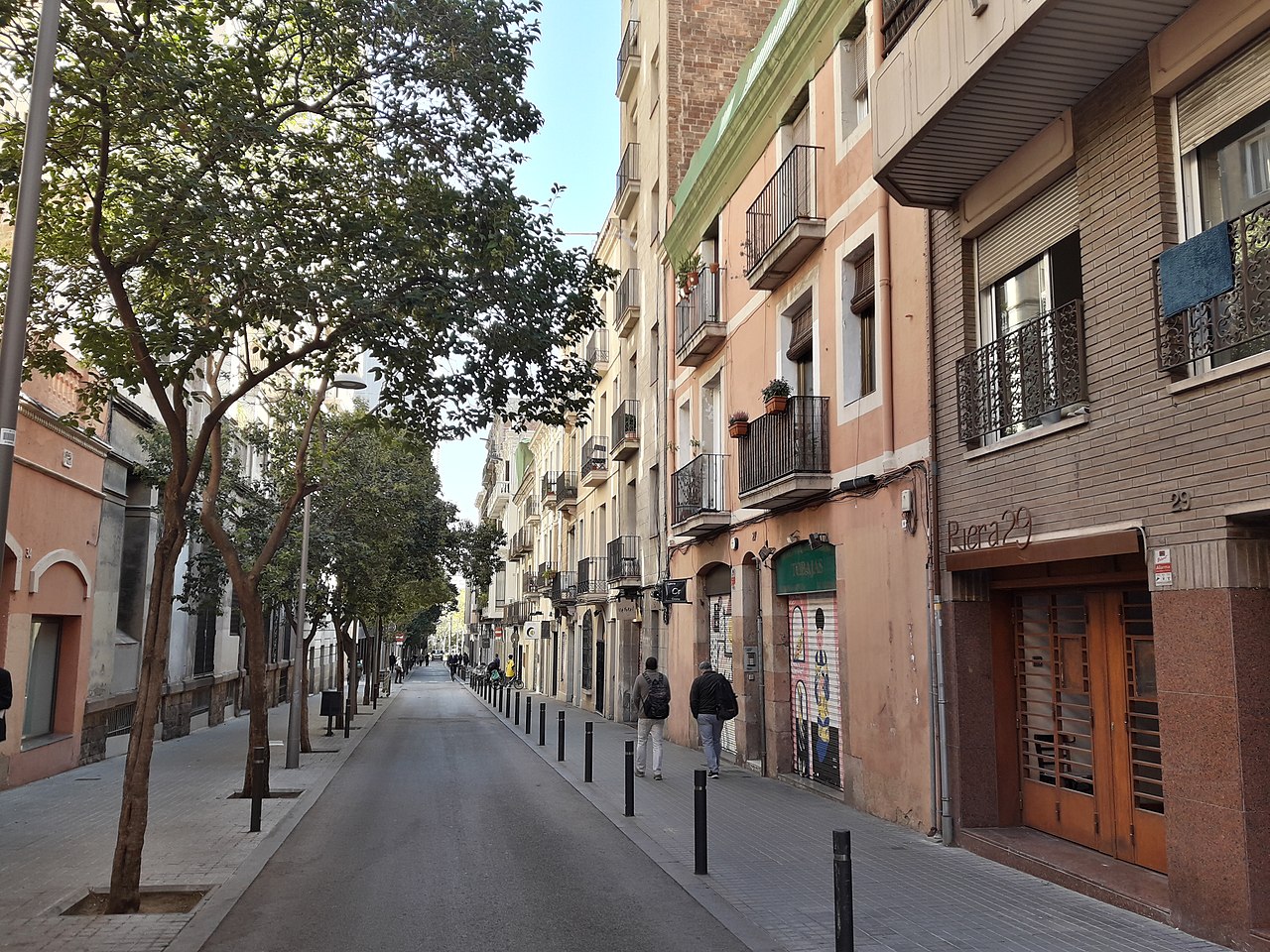
Image Source: Wikimedia Commons
Small fashion boutiques tuck themselves into centuries-old stone buildings, and I can’t help but peek inside. On Jaime III, the street buzzes with a mix of international stores and local brands. Finding something unique never feels hard here.
Shops often stay open late, so I get to explore after dinner. I love how shopkeepers chat with me, sometimes sharing stories behind their products. Shopping here turns into a friendly exchange, not just another transaction.
Mallorcan customs shape the experience. Every store seems to offer a slice of the island’s history—whether it’s handcrafted shoes handed down through generations or accessories inspired by the sea.
Local Crafts, Markets, and Souvenirs
Palma’s Old Town markets always draw me in. The Olivar Market bursts with stalls—handmade soaps, woven baskets, and gourmet olive oil line the tables.
I make time to wander these markets, since they connect me to daily Mallorcan life and old traditions. The colorful textiles called llengües, with their unique patterns, really stand out. These fabrics only come from Mallorca.
Artisan workshops sometimes let me watch craftspeople at work, which feels special. When I stop by bakeries for ensaimadas, I spot shelves stacked with local ceramics, jewelry, or handpainted fans.
For souvenirs, I usually pick something made by a local artist. Sometimes I meet painters or ceramicists selling their work right from their tiny studios in the old alleys. It’s a direct link to Palma’s history, and supporting small businesses feels good.
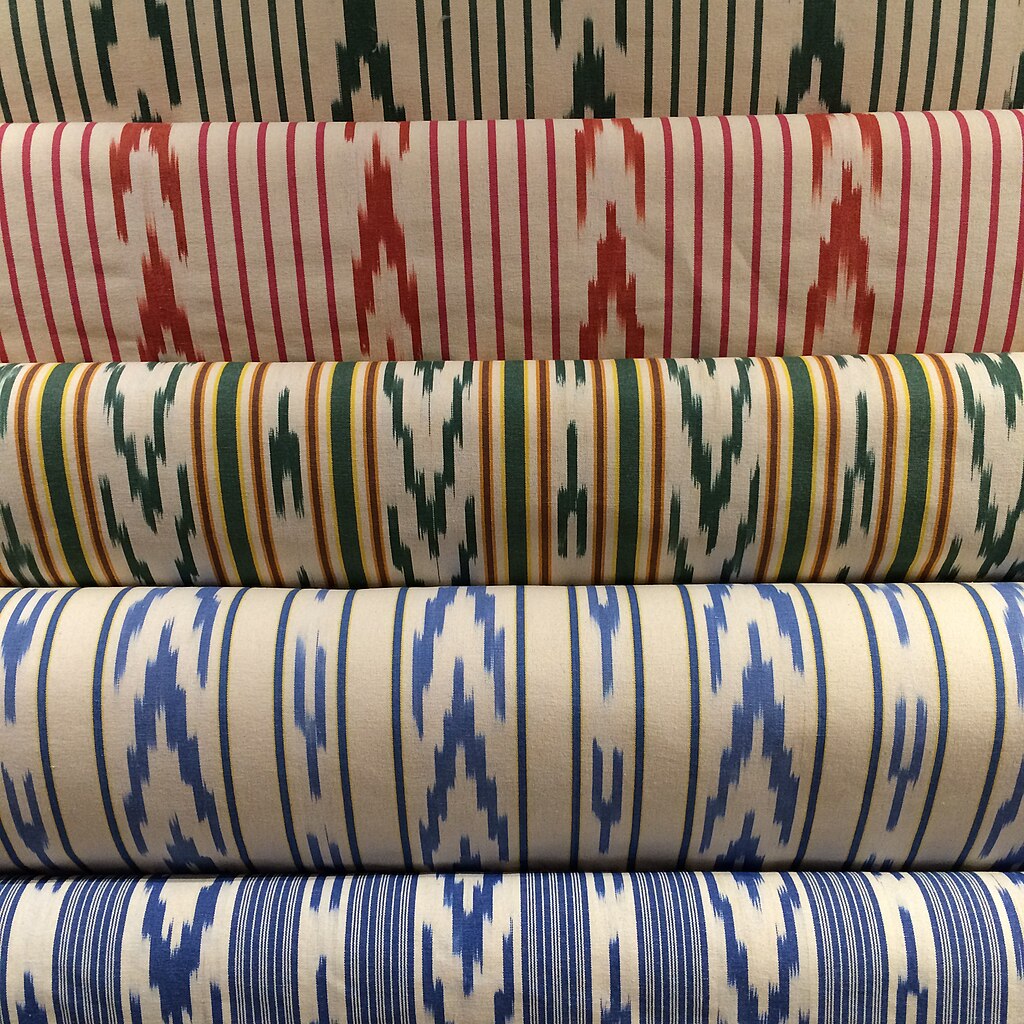
Image Source: Wikimedia Commons
Planning Your Old Town Adventure: Practical Tips and Travel Resources
Before I lose myself in Palma’s winding alleys, I try to sort out the basics—where I’ll sleep, how I’ll stay healthy, and which trusted resources I’ll use on the ground. A bit of planning always helps me enjoy the city’s surprises without too much stress.
Accommodation Options: Hotels and Character Stays
Where I stay in Palma’s Old Town really shapes my trip. I look for hotels or boutique guesthouses tucked into old stone buildings. Many have leafy courtyards or rooftop terraces with city views.
If I’m in the mood to splurge, I book a night at places like Sant Francesc Hotel Singular or Can Cera. These luxury hotels fill designer rooms inside historic mansions, and breakfast usually includes local treats.
For a more affordable stay, I find smaller spots like Hostal Pons. They bring a traditional vibe without emptying my wallet.
Booking directly with the hotel often gets me better rates and more flexible cancellation. I like to compare locations, amenities, and real guest reviews—sometimes a place looks perfect online but feels crowded or noisy in person. Here’s a tip: I check if my hotel lets me walk to main sights like Palma Cathedral or the Santa Catalina market.
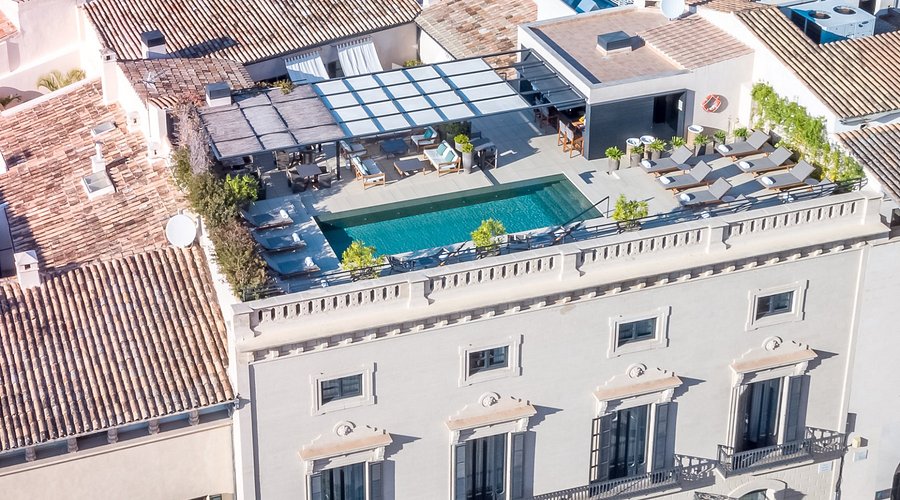
Image Source: Tripadvisor
| Accommodation Type | What I Love | Good For |
|---|---|---|
| Boutique Hotel | Style, unique spaces | Couples, solo adults |
| Guesthouse | Local feel, value | Budget travelers, solos |
| Luxury Hotel | Comfort, amenities | Special occasions |
Travel Insurance, Health, and Staying Connected
When I step into Old Town’s narrow lanes, I make sure I have travel insurance. Even seasoned travelers like me can trip on old cobblestones, so I want coverage for medical emergencies or sudden cancellations.
I always double-check that my policy covers European hospitals and outpatient care in Spain. For health, I pack my regular medications and keep a card with emergency contacts. Pharmacies pop up all over the city, but English isn’t always spoken, so I jot down the generic names for my meds.
Spain’s tap water is safe, so I carry a reusable bottle to stay hydrated while I wander. Staying connected matters, too. I usually grab a local SIM card at the airport for cheap data and calls, or set up an eSIM with an app like Airalo before I land.
This setup lets me navigate maps, message my family, and post those ensaimada photos—without worrying about roaming charges.
Specialized Travel Resources and Independent Traveler Advice
I always mix up specialized travel sites with tips from other independent travelers. Blogs like The Culture Trip or Spotted by Locals? They usually give me those deeper insights you’d never get from some big, generic guidebook.
I poke around forums on TripAdvisor or Reddit’s r/travel, reading questions people have already asked about Palma’s best bakeries or which neighborhoods feel safe after dark.
If you want to make your own walking route, just download offline travel maps like Maps.me or Google Maps. I highlight Old Town, mark my favorite finds, and jot down notes about local food tours or language apps that make Spanish basics less intimidating.
Whenever I hit a snag, I just walk into the nearest tourist office and ask for maps or advice. The staff almost always know what’s going on, whether it’s a random street closure or a hidden local market day.
Having these resources makes it way easier to travel independently. I still feel supported if something unexpected pops up.


