
Walking through Rhodes Old Town honestly feels like stepping straight into a living history book. Every turn seems to reveal something I never expected. The medieval city sprawls across more than 200 streets and alleys—most with no names at all—creating a maze that just begs for exploring.
I’ve wandered these cobbled paths for hours, probably more than I should admit, and each time I find something new. Most tourists miss these little gems entirely.
When I let myself get lost in Rhodes Old Town’s twisty alleys, I stumble on the most authentic moments and unexpected treasures—stuff no guidebook ever mentions. Ditching a strict itinerary and following my curiosity opens doors to secret courtyards, family-run workshops, and those quiet corners where locals still gather.
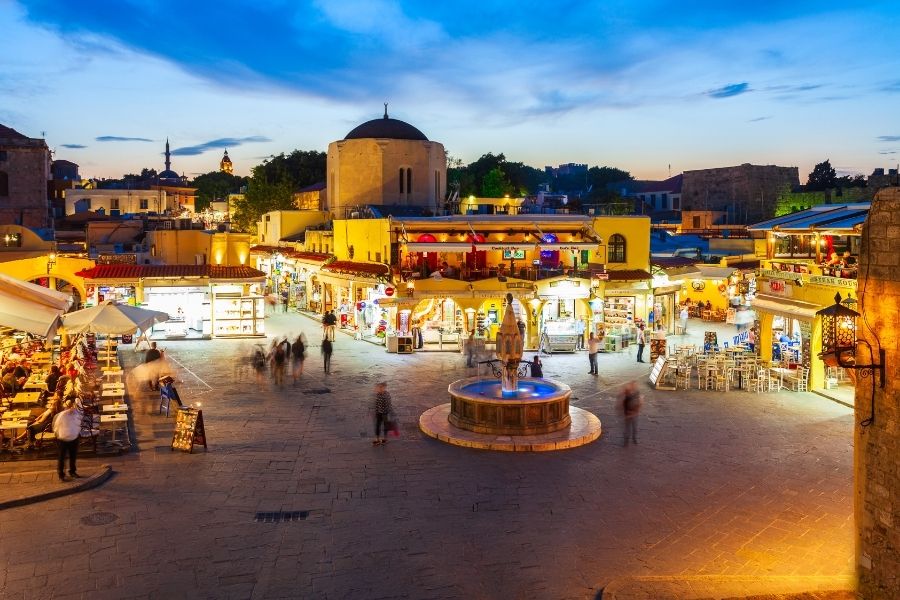
The Turkish quarter, Hora, rewards anyone willing to just follow the scent of traditional food or chase glimpses of Ottoman-era buildings. It’s always worth it.
Over several trips, my approach to this UNESCO World Heritage site has definitely changed. I figured out the best times for photos, found artisan studios hidden behind plain doors, and started noticing what sets Rhodes apart from other Mediterranean towns.
Honestly, the real magic happens when I put away the map and just let the ancient streets lead me.
Why Get Lost in the Labyrinthine Alleys of Rhodes Old Town
The narrow stone paths of Rhodes Old Town hand out surprises at every corner. History and authentic local culture pop up in the smallest details.
Mediterranean sunlight slips through archways, and the mix of sounds and scents creates a sensory overload I can’t get enough of.
The Joy of Serendipitous Discovery
My best Rhodes memories? They started when I totally ignored my map. These winding alleys twist in ways that make planning pretty much useless.
With no destination in mind, I stumbled into hidden courtyards where lazy cats stretched in the sun. I ducked into tiny churches tucked between buildings and found centuries-old frescoes most tourists never notice.
Some of my favorite accidental finds:
- A shoebox-sized workshop where an elderly man carved wooden boats by hand
- A forgotten fountain covered in Ottoman tiles
- Ancient stone carvings wedged into modern walls
- Quiet squares where locals played backgammon
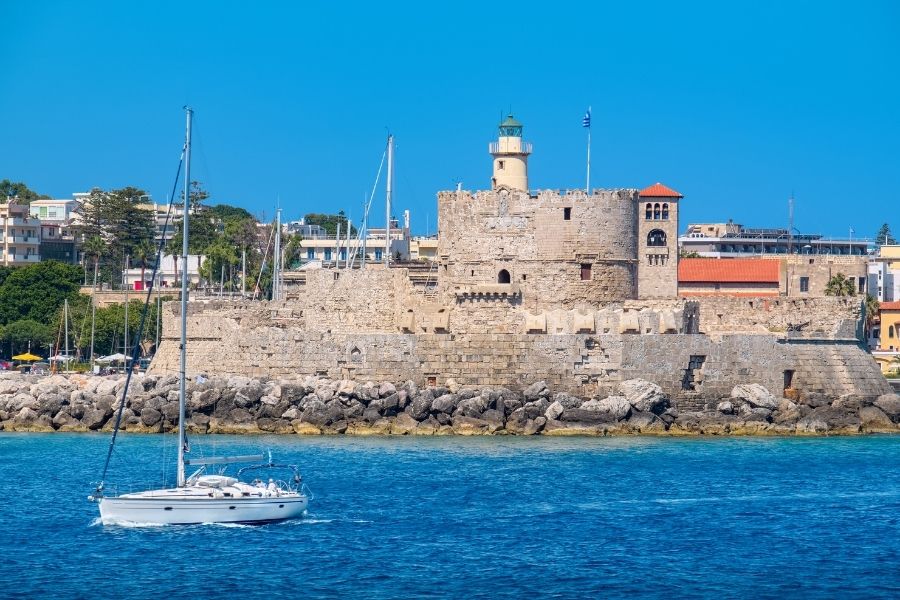
Every wrong turn led me to something cool. The medieval walls keep you from getting too lost, which is kind of a relief.
History reveals itself slowly here. I found stories carved into doorways and symbols etched on old stone steps.
A Sensory Journey: Sights, Sounds, and Scents
Cobblestones tap out a rhythm under my feet that changes with every street. Some stones feel polished smooth from centuries of footsteps, others are rough and uneven.
In the morning, sunlight slices through the narrowest alleys, lighting up dust in the air. By afternoon, shadows stretch across the walls, and the colors shift.
My nose led me through different neighborhoods:
- The warm smell of fresh bread from bakeries you can barely find
- Turkish coffee bubbling in tiny cafes
- Jasmine climbing up ancient limestone
- A hint of sea salt whenever the breeze picks up
Sounds layer on top of each other. Church bells ring out from all directions. Shopkeepers shout greetings, mixing Greek and English.
Modern restaurants fill the ground floors of 14th-century buildings. Bougainvillea pours over crumbling stone walls, bright against the gray.
Cultural Immersion and Local Life
I get a real sense of daily life by veering off the main tourist tracks. Women hang laundry from medieval balconies while kids kick soccer balls in tiny courtyards.
Hidden workshops still buzz with activity. I watched a cobbler mend shoes using tools his grandfather probably used.
Early mornings bring delivery trucks squeezing through alleys I wouldn’t even try to walk down. By afternoon, older residents gather in the shade to chat.
Tiny tavernas tucked into the backstreets serve food for locals, not tourists. Prices drop once you leave the busy squares.
Religious life blends right into the neighborhood. I caught morning prayers at chapels that double as social hubs.
Gestures and smiles bridge the language gap. Locals seem to appreciate when visitors take the time to explore their real neighborhood, not just the postcard spots.
Architectural Marvels and Historical Layers
As I walk through Rhodes Old Town, I see centuries of architecture stacked right on top of each other. The stone walls tell stories of Venetian nobles, Ottoman rulers, and medieval builders. Nowhere else in the Mediterranean have I seen quite this blend.
Venetian Mansions and Medieval Walls
The most impressive Venetian mansions line the Street of the Knights. Their Gothic facades still look intimidating after 500 years. Pointed arches and carved shields mark them out.
I love spotting the differences in building techniques. Venetians used local stone, but their style is straight from home.
The medieval walls wrap around the old town for almost 2.5 miles. I found the best-preserved stretches near the Palace of the Grand Master. Some sections reach 40 feet high.
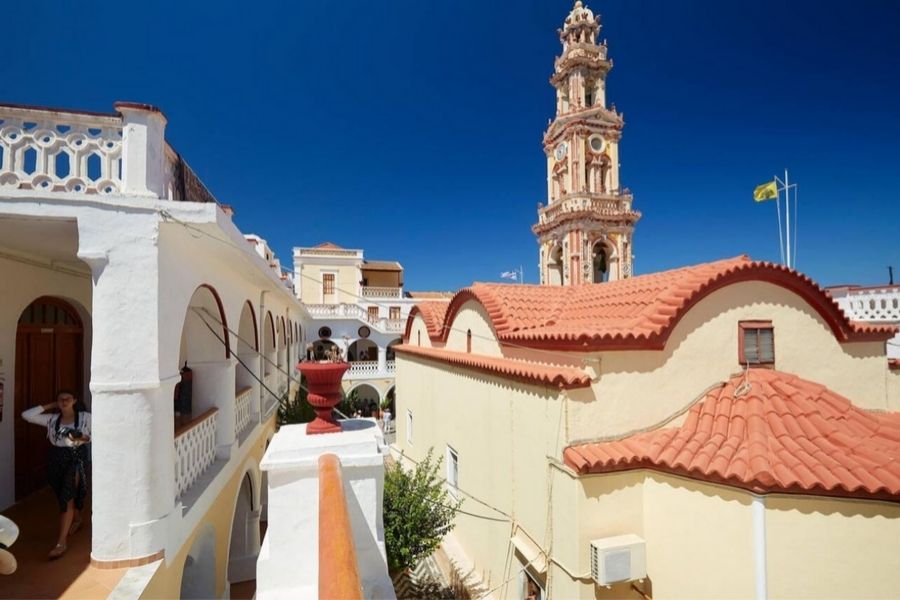
The thickness varies—sometimes six feet, sometimes double that. Walking along the moat, I noticed extra buttresses where the walls looked vulnerable.
Ottoman Echoes and Blended Styles
Ottoman architecture stands out in the mosques scattered around the old town. The Suleiman Mosque, built in 1522, sits right where a Byzantine church once stood.
Ottoman builders kept a lot of what was already there, then added their own touches. Minarets rise next to Gothic windows. Geometric patterns appear on old Venetian doors.
The Turkish baths near Argyrokastrou Square are pure Ottoman—domed roofs, marble interiors, barely changed since the 1500s.
Blended styles pop up everywhere. Byzantine crosses and Ottoman crescents sometimes share the same wall.
Preserved Details: Arches, Courtyards, and Fountains
Charming courtyards hide behind heavy wooden doors all over the old town. My favorites are along Ippoton Street and Pythagora Square.
These little oases usually have:
- Stone archways with carved details
- A well or fountain in the middle
- Pebble mosaic floors in fun patterns
- Vines climbing up the limestone
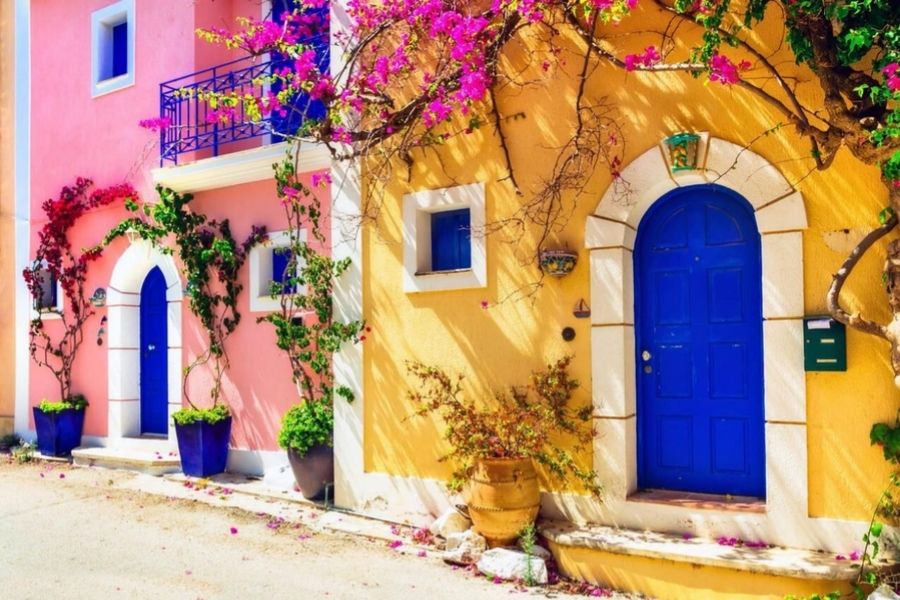
Pointed Gothic arches frame most doors and windows. Some still show the marks of the masons who built them.
I found several working fountains from different eras. The Ottoman fountain near the Mosque of Rejep Pasha still runs. Venetian fountains show off carved lions and shields.
What amazes me is how well these details survived. Locals kept using these buildings, so nothing got left to crumble.
Uncovering Hidden Gems: My Best Finds
Rhodes Old Town really rewards anyone willing to wander without a plan. I found courtyards dripping with bougainvillea, stumbled into tiny galleries filled with local art, and shopped at markets where locals still do their weekly shopping.
Secret Courtyards and Bougainvillea-Covered Corners
My top discovery? It’s behind a battered wooden door on Ippokratous Street. I pushed it open and found a courtyard overflowing with purple bougainvillea.
Inside, cats lounged on marble steps while an older woman fussed over potted herbs. She smiled and waved me over to sit.
By following narrow alleys, I uncovered three more charming courtyards. One hid a café where locals sipped Greek coffee. Another sheltered a tiny Byzantine chapel with fading frescoes.
The Plateia Argyrokastrou courtyard became my go-to spot for peace and shade. Kids played while their grandparents swapped stories in Greek.
Unexpected Art Galleries and Artisan Workshops
The Municipal Art Gallery sits quietly on Symi Square. Most people rush past it, but I spent ages inside, soaking up contemporary Greek paintings and sculptures.
On Agiou Fanouriou Street, I found Mikro Elliniko Gallery. Maria, the owner, makes jewelry inspired by ancient Greek designs. She let me watch her work with silver and explained the meaning behind each symbol.
Yannis’ pottery workshop on Pythagora Street was a real treat. He shaped clay on a traditional wheel while shelves around us groaned with his traditional crafts. He shared stories about Rhodes’ ceramic past.
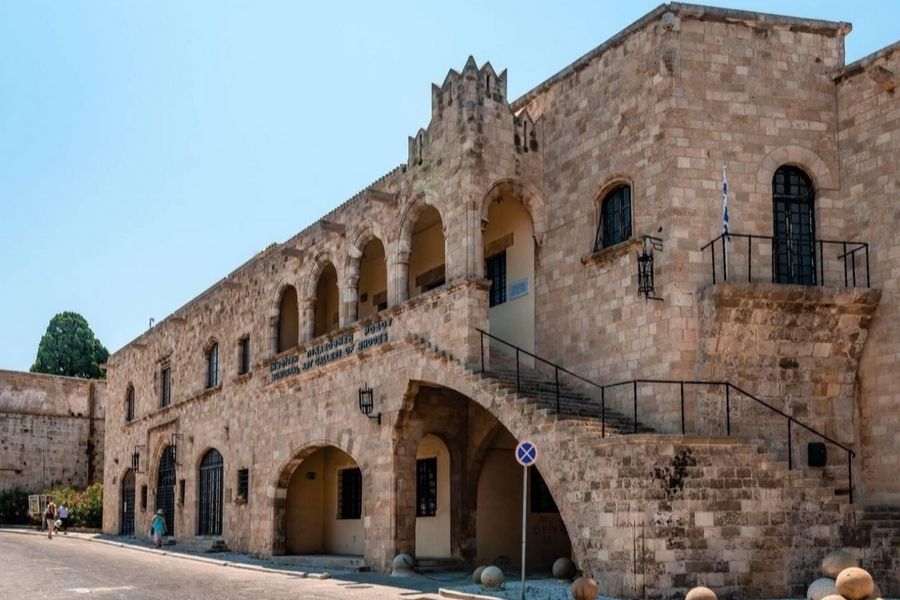
The New Town Artists Collective runs out of a restored Ottoman house. Local painters and sculptors show their work in rotating exhibitions. I picked up a small watercolor of the harbor for €25.
Bustling Markets Off the Beaten Path
The Nea Agora market sets up every Wednesday and Saturday morning. This is where locals actually shop for produce, spices, and household stuff—not tourist trinkets.
I squeezed between stalls selling olives, cheese, and honey from Rhodes farms. Vendors called out prices in Greek, and older women haggled over tomatoes.
At dawn, the Mandraki Harbor fish market comes alive. Fishermen haul in their catch and plop it straight onto beds of ice. Locals pick out sea bream and octopus for dinner.
Inside the walls, a small artisan market on Orfeos Street caught my eye. Three local craftsmen sell handmade leather, woven textiles, and carved olive wood. Prices stay fair since tourists rarely find this spot.
Art, Culture, and Traditional Crafts
Rhodes Old Town pulses with creativity. Intimate galleries show off contemporary Greek art, and ancient crafts still pass from hand to hand. The streets come alive during festivals, with music, dance, and food celebrating island traditions.
Local Art Galleries and Street Art
I found hidden art galleries tucked along Socratous Street. The Castellania Gallery rotates exhibitions of local painters who somehow capture the light and mood of Rhodes perfectly.
Tiny studios dot the alleys near the Palace of the Grand Masters. Artists work with oils and watercolors, inspired by the island’s layers of history.
Street art pops up in the oddest places. I spotted colorful murals of mythological scenes near the Turkish Quarter.
The Art Space Gallery on Ippoton Street mixes contemporary Greek artists with traditional Byzantine-style paintings. A lot of the work reflects Rhodes’ multicultural background.
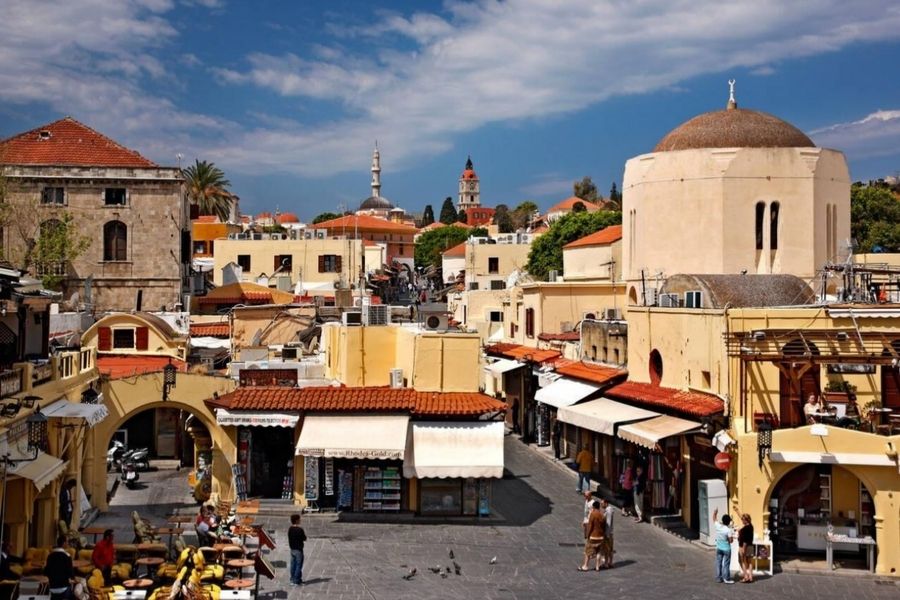
Some workshops open up to visitors in summer. I watched a painter create seascapes and chat about techniques he learned from his grandfather.
Handmade Goods and Timeless Traditions
Pottery shops cluster around Archiepiskopou Efthymiou Street. Artisans still use ancient Greek methods to make those iconic blue-and-white ceramics.
I could watch these craftspeople work for hours. Clay, wood, metal—all shaped using tools that probably haven’t changed in centuries.
Local markets overflow with handmade leather, jewelry, and textiles. The difference in quality from mass-produced souvenirs is obvious.
Carpet weaving survives in tiny family workshops. Women weave intricate patterns with wool from local sheep, dyed with plants.
Blacksmiths near the harbor still hammer out decorative ironwork. Their skills echo the many civilizations that have shaped Rhodes.
Experiencing Festivals and Community Gatherings
Every May, the Medieval Rose Festival transforms the old town. Locals dress up and demonstrate crafts like bread baking and metalwork.
Religious festivals fill the calendar in every neighborhood. I joined a procession once, with families carrying icons through the alleys and singing hymns.
On summer evenings, small squares fill up fast. Musicians play traditional Greek instruments, and neighbors share food and stories.
During the Assumption Day celebration in August, the air fills with the smell of local dishes. Families cook recipes passed down for generations using fresh market ingredients.
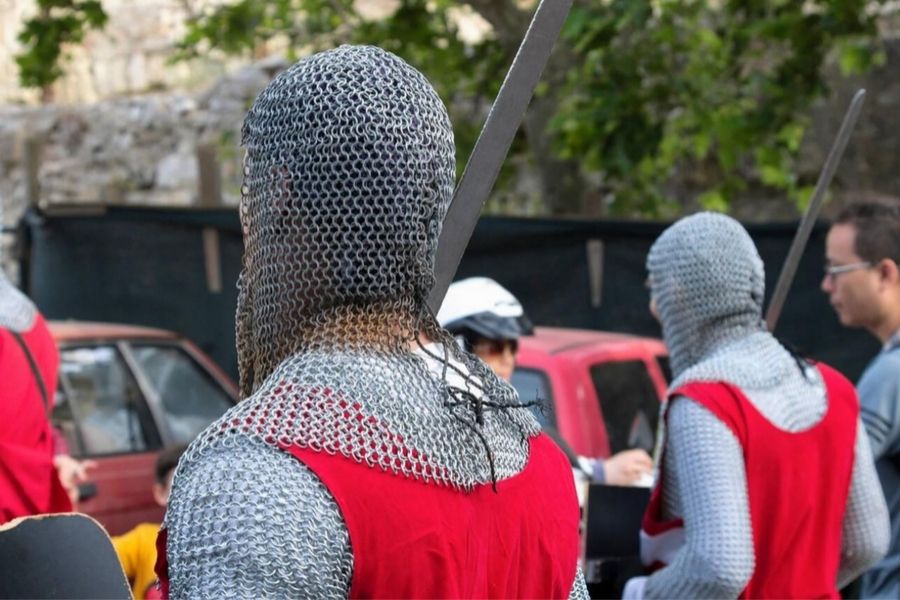
Tavernas sometimes host traditional music nights. Older residents teach folk dances to the younger crowd, keeping the culture alive and kicking.
Tips for Wanderers: Making the Most of Your Alley Adventures
Getting lost in Rhodes Old Town works best if you show up with an open mind and a bit of curiosity. Let your feet (and nose) guide you, but always stay respectful of the people who call these alleys home.
Ways to Explore Without a Map
When I wander through Rhodes’ medieval streets, I ditch digital maps completely. Instead, I look for simple landmarks—the Palace of the Grand Masters or those towering harbor walls—to keep myself oriented.
The sun becomes my compass out here. In the morning, light splashes against the eastern walls. By afternoon, shadows creep along the western sides of buildings.
I like to pick one main street as my “home base,” usually Sokratous Street. No matter how far I drift into the maze, I can always ask a local for directions back to this lively shopping street.
My landmark system:
- Clock Tower: You can spot it from lots of alleys; it basically marks the center.
- Sea walls: If I follow them, I always end up back at the harbor.
- Mosque minarets: Handy for figuring out which part of town I’m in.
I let my senses guide me, too. The smell of fresh bread usually means a bakery is nearby. If I hear music, chances are there’s a taverna with outdoor tables just around the corner.
Whenever something catches my eye—maybe a bright door, some street art, or a courtyard bursting with flowers—I stop and check it out. Honestly, that’s how I’ve stumbled onto my favorite spots.
I keep little mental notes: “Left at the blue door, right past the fountain.” Those help me retrace my steps if I want to revisit a place.
Staying Safe and Respectful of Locals
I always bring water and wear comfortable shoes. Those cobblestones can get slick when it rains, and some alleys are pretty uneven.
My phone stays charged for emergencies, but I usually flip it to airplane mode to save battery. I can still snap photos without draining it.
Essential items I pack:
- Small water bottle
- Some cash for tiny purchases
- Grippy, comfy shoes
- Charged phone for emergencies
I make a point to stick to public paths. Lots of ground-floor spaces are real homes, not tourist attractions.
When I take photos, I avoid aiming my camera into windows or private courtyards. If I want to photograph locals—especially older folks—I always ask first.
I try to keep things quiet in residential areas. Early mornings and evenings are when families unwind, so I do my best not to disturb them.
Shop owners seem to appreciate it when I browse politely. I don’t touch things unless I ask, and a cheerful “Kalimera” (good morning) goes a long way.
Capturing Memories: Essential Photography Tips
Early morning light makes for the dreamiest photos in Rhodes Old Town. Right after sunrise, the honey-colored stones just glow.
When midday rolls around, I stick to the shade to avoid harsh shadows. Those narrow alleys act like natural light diffusers.
Best photo spots by time:
- 8-10 AM: Eastern-facing walls and doorways
- 12-2 PM: Shaded courtyards and covered passages
- 4-6 PM: Western walls and the streets by the harbor
I look for little details that tell a story—weathered door knockers, colorful shutters, or cats lounging on ancient stones. Those moments really capture the town’s vibe.
Vertical shots work better than horizontal ones in these narrow alleys. They show off the towering medieval walls and make photos feel more dramatic.
To remember special places, I jot down notes in my phone. Something like “Blue door with iron hinges near Turkish bath” helps me find it again later.
Street scenes with locals just doing their thing add so much life to photos. I wait for those natural moments instead of staging anything.
Beyond Rhodes: Comparing the Magic With Other Mediterranean Old Towns
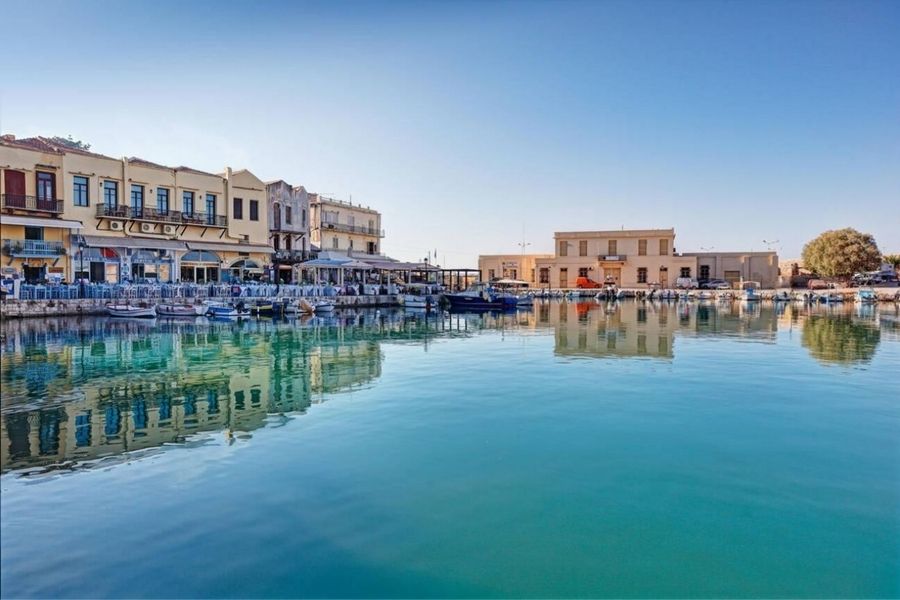
Rhodes Old Town stands out, but Crete’s historic cities have their own kind of magic. Chania, for example, dazzles with Venetian buildings and a gorgeous waterfront. Rethymno feels more intimate, with medieval streets that are almost perfectly preserved.
Chania’s Enchantment and Venetian Glory
Honestly, Chania’s old town might be Rhodes’ top rival in the Mediterranean. The Venetian harbor in Chania creates an atmosphere that’s hard to beat.
Key architectural highlights include:
- 14th-century Venetian lighthouse
- Restored mansions along the water
- Neratze Mosque (it used to be a Venetian cathedral)
- The Municipal Market set inside an old Arsenal building
The cobbled streets twist through neighborhoods where Venetian, Ottoman, and Greek elements all blend together. I love wandering down Skridlof, the leather street, and poking around the covered market halls.
Chania’s waterfront dining scene beats anything I’ve found in Rhodes Old Town. Restaurants line the curved harbor, serving up fresh seafood with a view of fishing boats and that iconic lighthouse.
Rethymno and Its Timeless Atmosphere
Rethymno’s old town feels more personal and walkable than Rhodes. The scale just makes it easier to settle in.
The Venetian fortress dominates the skyline, kind of like Rhodes’ Palace of the Grand Master. Rethymno’s Fortezza, though, offers better views of the sea and mountains.
I’m always impressed by how well-preserved the residential areas are. Local families still live in many old houses, so the neighborhoods feel alive in a way that Rhodes’ touristy streets sometimes don’t.

Turkish baths and several minarets give Rethymno a unique Ottoman flavor. The Venetian loggia, now a Ministry of Culture office, is a lovely example of Renaissance design.
Highlights of Crete’s Diverse Old Towns
There’s more to Crete than just Chania and Rethymno.
Heraklion’s Venetian legacy:
- Koules Fortress stands guard over the harbor
- Venetian walls wrap around the city center
- Lions Square with its famous fountain
Sitia is quieter, with a small Venetian port and a classic Greek island vibe. The waterfront here feels more authentic than Rhodes’ busy harbor.
Each Cretan old town has its own personality, even though they share those Venetian and Ottoman roots with Rhodes. I get the sense that Crete’s preservation efforts pay more attention to local life than Rhodes’ more tourist-focused approach.
Frequently Asked Questions
After spending a ridiculous amount of time getting lost in Rhodes Old Town, I’ve picked up answers to the questions travelers ask me most. Whether you’re hunting for secret courtyards or planning your trip, these tips should help you get the most out of your medieval adventure.
What are the must-see hidden gems in Rhodes Old Town?
The Castellania building near Hippocrates Square hides stunning Gothic arches—most tourists miss them entirely. I always tell people to peek into the small courtyard behind it.
On Sokrates Street, the Turkish Library holds ancient manuscripts and feels like a peaceful escape from the crowds.
Behind the Municipal Art Gallery, there’s a tiny alley with original medieval stonework. You can still see marks from centuries of use.
The old Jewish Quarter is full of narrow passages leading to hidden squares. I’ve found some of the coziest local cafes tucked away in these spots.
How can I create the perfect itinerary for exploring Rhodes Old Town?
Start early, before the crowds hit. I suggest beginning at the Palace of the Grand Master around 8 AM.
Spend an hour or two on the main streets—Orfeos and Sokrates—to get your bearings.
Use the middle of your day to dive into the smaller, unnamed alleys. Getting lost here is half the fun and leads to the best surprises.
Visit museums in the afternoon when the sun is at its hottest. The Archaeological Museum is cool inside and makes a great escape.
Wrap up your day by walking the walls at sunset. The views over the rooftops are just stunning.
Can you recommend where to stay in Rhodes for a historical experience?
If you want the full experience, stay inside the medieval walls. More than 6,000 people still live and work here.
The 10GR Hotel transforms a 400-year-old building into modern comfort. The rooms have murals of Greek legends and a cozy, cave-like feel.
Hotels near the Palace of the Grand Master put you right in the heart of things. You can stroll to Hippocrates Square in just a few minutes.
If you’re on a budget, look for guesthouses just outside the walls. You’ll have easy access to the old town without the higher prices.
Why should Rhodes Town be on my travel list?
Rhodes Old Town is Europe’s oldest inhabited medieval city. People have walked these streets for over 700 years.
The Knights of St. John built most of what you see today between 1309 and 1522. Their legacy is everywhere—in the stonework, the narrow lanes, everything.
It’s a UNESCO World Heritage Site where European and Middle Eastern architecture meet. The Ottoman era added minarets and mosques to the Christian buildings.
You can literally touch history here. The cobblestones, the walls, the buildings—they’re all original and still in use.
What are the top things to do in Rhodes beyond the Old Town?
Lindos village is about an hour from the old town. The Lindos Acropolis is one of Greece’s most important ancient sites.
Elli Beach is just a short walk from the medieval walls. It’s where the Colossus of Rhodes once stood.
Kalithea Springs is 15 minutes away and offers thermal spa experiences. The restored Italian architecture is a photographer’s dream.
If you want a taste of traditional island life, the mountain village of Monolithos has a 15th-century castle that’s perfect at sunset.
What is the ideal amount of time to spend in Rhodes to fully enjoy its offerings?
Honestly, three days in Rhodes feels just about right if you want to wander the old town without feeling rushed. I’ve lost track of time in those winding alleys, stumbling onto hidden squares and cafés, yet still managed to catch the big sights.
If you’re thinking about venturing out to Lindos or exploring more of the island, I’d tack on another couple of days. Renting a car opens up spots like Kalithea Springs and Monolithos—some of my favorite drives, by the way.
A full week? Now you’re talking. With seven days, you can soak up the history, hit the beaches, and sneak in a few lazy afternoons. There’s enough time for day trips and a little downtime, which, let’s be honest, every trip needs.
Just the old town itself deserves at least two days. With over 200 winding streets and several fascinating museums, it always feels like there’s another secret corner waiting for you.
