
I didn’t think I’d fall for Sicily like this. Last summer, I wandered between Ragusa Alta (the upper town) and Ragusa Ibla (the ancient lower town) and got completely lost—both in the literal sense and, honestly, in a deeper way. That unexpected walk between these two sides of Ragusa showed me the true soul of Sicily: a place where time pauses, but history still pulses in every stone.
My simple stroll from the cathedral of San Giovanni Battista in Ragusa Superiore quickly turned into an adventure. I found myself heading down winding staircases and squeezing through narrow lanes. The maze of streets linking the modern upper town to the baroque Ibla below became my classroom for the day. Don’t bother driving between them—the one-way streets and sharp corners are for walkers, not cars.
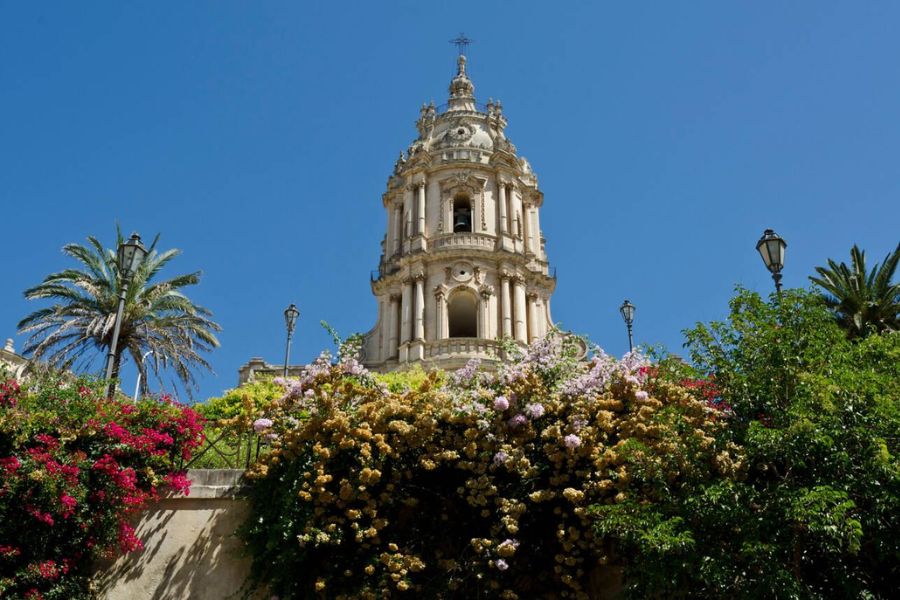
As I made my way down toward Ibla, every turn seemed to reveal another jaw-dropping view. Honey-colored stone buildings tumbled down the hillside, and the Sicilian sun painted everything gold. This walk between Ragusa’s two faces taught me more about Sicily’s spirit and beauty than any guidebook ever did. What started as just being lost ended up as the highlight of my whole trip to Italy.
Setting the Scene: Ragusa Alta and Ibla
Ragusa sits on twin hilltops in eastern Sicily, and I’ve never seen a city quite like it. After a devastating earthquake, the city literally split in two, giving it a dual identity that feels both dramatic and inviting.
A Tale of Two Cities
When I first got to Ragusa, its strange layout struck me immediately. The city splits into two: Ragusa Superiore (Upper Ragusa or Ragusa Alta) and Ragusa Ibla (Lower Ragusa). After the 1693 earthquake wrecked much of eastern Sicily, residents couldn’t agree on where to rebuild.
Some people decided to start over on the higher ground, building Ragusa Superiore with a modern grid. Others stayed loyal to the old site, reconstructing Ragusa Ibla on its medieval roots. That’s why Ragusa feels like two towns with totally different personalities.
I walked between them, descending the Salita Commendatore’s endless steps and soaking in panoramic views. Buff-colored stone buildings and terracotta roofs glowed under the blue Sicilian sky.
Baroque Splendor and Timeless Architecture
Ragusa belongs to the Val di Noto, a UNESCO World Heritage site that celebrates the region’s stunning Sicilian Baroque architecture. Ibla’s Duomo di San Giorgio stands out, rising above the town with serious drama.
The church’s façade screams baroque—grand, theatrical, and ornate. Palazzo Beneventano, not far away, has balconies held up by wild, carved figures. These buildings aren’t just structures; they’re 17th-century works of art that tell a story of resilience.
What fascinated me most? The architecture here shows the Counter-Reformation’s Catholic influence. Churches were designed to impress and inspire. But there’s a Sicilian twist—baroque here feels more harmonious and less over-the-top than on the mainland.
Layers of History and Culture
Ragusa’s history goes deeper than its baroque masterpieces. Wandering the medieval streets, I stumbled across Norman relics and fine details left by Arab craftsmen. Sicily’s cultural mix shows up everywhere.
Everything about the city feels uniquely Sicilian—a blend of Mediterranean influences that just works. Renaissance ideas mix with local traditions in a way that feels natural, not forced. Even the city’s layout tells a story of resilience and adaptation.
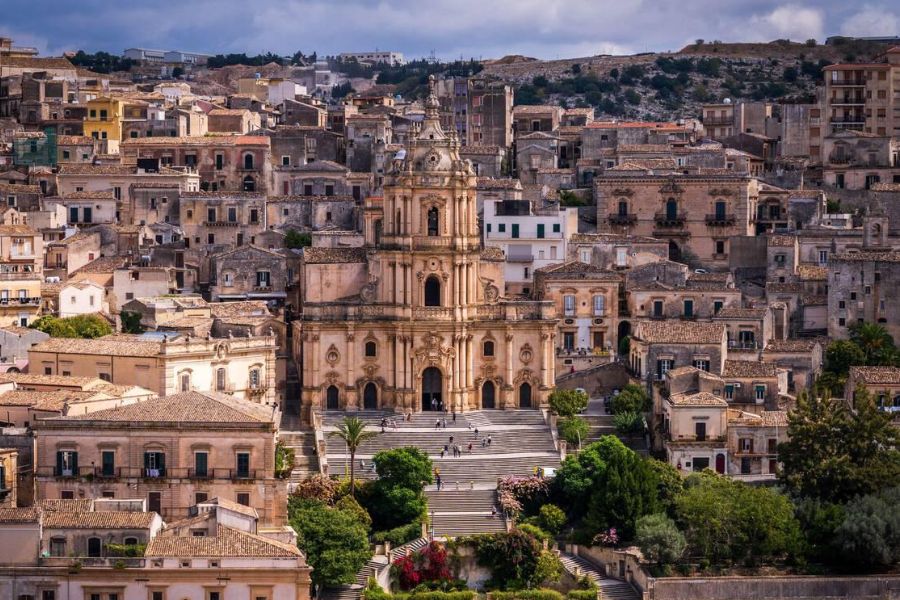
I noticed how Ragusa leans into its complexity. Superiore buzzes with modern life, wide streets, and shops. Ibla, meanwhile, feels frozen in time, with winding alleys and peaceful piazzas. Both parts keep their own character, even though they’re just a walk apart.
Wandering Through Ragusa: The Experience of Getting Lost
Getting lost in Ragusa shows off the city’s split personality—the ornate Ibla and the more modern Alta, tied together by steps, winding lanes, and surprise views.
Following the Winding Paths
I started high up in Ragusa Alta, letting curiosity pull me downward toward Ibla. The stone steps just kept coming, leading through tight alleys that would suddenly open onto breathtaking vistas.
I asked a local woman hanging laundry, “Which way to Ibla?” She grinned and pointed down. “Just follow the steps. You can’t really get lost here.”
But honestly, getting “lost” was exactly what I wanted. The paths between Alta and Ibla twist and turn, revealing hidden churches, tiny cafés, and secret courtyards.
I wandered into a little piazza where an old man fed pigeons. He nodded at me, as if he’d been expecting me all along—even though I’d found the spot by accident.
The walk took me twice as long as any guidebook claimed. I kept stopping to peek through gates, admire old doorways, and follow whatever side street looked interesting.
Monumentality Amid the Everyday
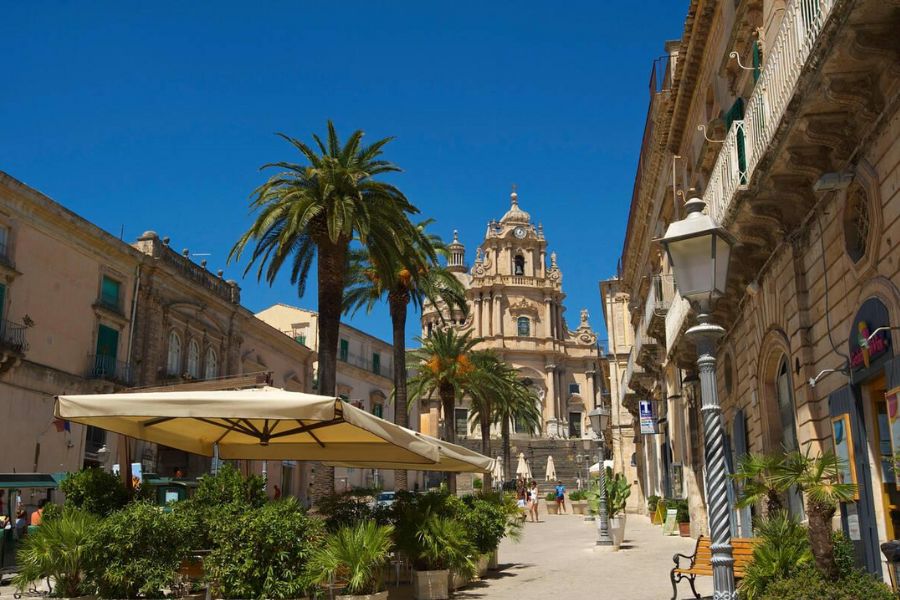
Ragusa’s baroque churches and palaces don’t stand apart from daily life—they blend right in. The Cathedral of San Giorgio jumped out at me around a corner, its grandeur almost startling among the simple homes.
The contrast really hit me. Massive baroque facades stand right next to humble dwellings. Here, luxury and everyday life share the same street.
I watched kids play soccer in the shadow of an ornate church. Their ball bounced off centuries-old stone, connecting past and present in the simplest way.
The Giardini Iblei brought a bit of green calm. Perched on Ibla’s edge, these gardens gave me a new perspective on the city I’d just walked through.
A gardener, using a mix of Italian and gestures, pointed out plants that had survived for centuries—just like the city.
Meeting Locals and Discovering Hidden Corners
“You’re going the wrong way for tourists,” Marco laughed when he saw me puzzling over my map. He welcomed me into his small leather workshop and showed off wallets his family has made for generations.
These chance encounters became the best part of getting lost. Sofia insisted I try her homemade cassata, telling me her grandmother’s recipe survived even the hardest times.
I stumbled upon a tiny bookshop squeezed between two restaurants. The owner collected works by Sicilian writers and artists and suggested books that captured the island’s complicated history.
“To understand Ragusa,” he said, “you have to read about its memory of destruction and rebirth after the 1693 earthquake.”
The real treasures weren’t on any tourist map. I found a hidden viewpoint through someone’s garden, a family-run restaurant with only five tables, and an artisan making baroque-inspired jewelry.
Changing Perspectives on Sicily
Before Ragusa, I pictured Sicily as just beaches and ruins. Getting lost between Alta and Ibla completely changed that.
I realized Sicily is more than old sites or coastal views—it’s full of living communities with layers of history. Walking between Ragusa’s two halves became a journey through time, showing how people adapted to their land and past.
“We live with our past,” an architect told me as he restored a baroque palazzo. “But we don’t live in the past.”
That felt like the heart of Sicily—honoring memory while living in the present. Earthquakes and poverty forced creativity in architecture and food.
The chaos I first saw—the winding streets, the mix of styles—turned out to be a different kind of order. It’s organic, shaped by people’s needs, not by strict planning.
Now, when I think of Sicily, I picture these villages climbing the hillsides. Here, getting lost isn’t a mistake—it’s the whole point.
Baroque Beauty Beyond Ragusa: Exploring the Southeast
Ragusa’s charm only hints at what southeastern Sicily offers. The Val di Noto region bursts with baroque architecture built after the devastating 1693 earthquake.
Nearby Baroque Towns and Their Wonders
The UNESCO-listed Val di Noto holds several baroque gems. Noto blew me away with its golden limestone glowing at sunset. Walking Corso Vittorio Emanuele felt like stepping onto a stage.
Modica sits deep in a valley, dramatic and beautiful. I climbed endless steps to reach the Duomo di San Giorgio, its facade towering above the town. The chocolate shops tucked into the narrow streets serve up rough-textured sweets made with ancient Aztec techniques.
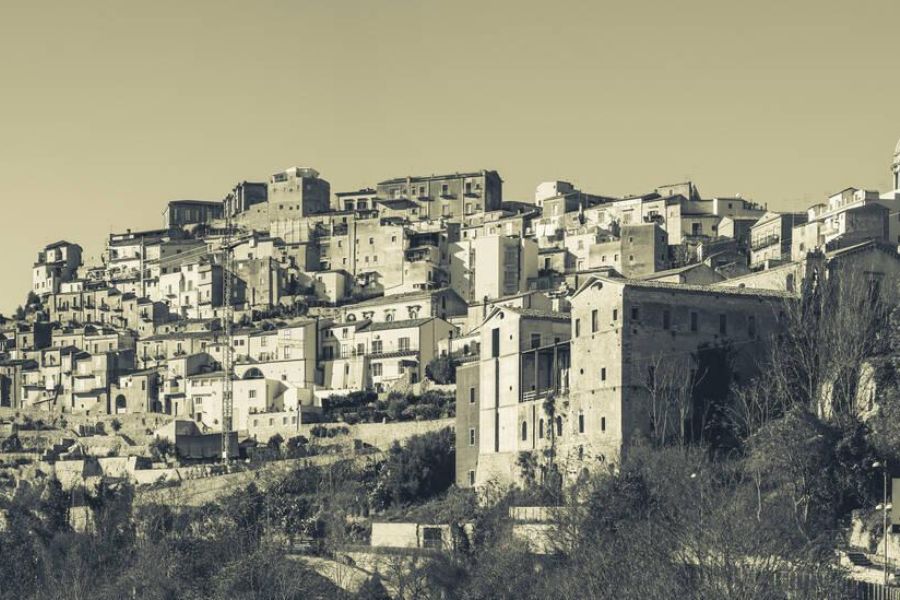
Scicli became my favorite. It’s quieter than its neighbors, and its baroque churches and palazzi feel authentic and lived-in. The Church of San Matteo watches over the town from a hillside.
Palaces, Churches, and Monuments
Baroque beauty here isn’t just about facades—it’s inside, too. In Noto, I wandered through Palazzo Nicolaci, admiring balconies held up by grotesque creatures.
Churches across the region overflow with art and history:
- San Pietro in Modica dazzles with its ornate interior and grand staircase
- Duomo di San Giorgio boasts one of Sicily’s most impressive baroque facades
- Chiesa di San Domenico in Noto stuns with its religious paintings
Spanish influence mixes with local craftsmanship everywhere. Stone carvers left behind grotesque masks, cherubs, and swirling flowers.
Some palaces open their doors to visitors. I wandered through rooms with original furniture and frescoed ceilings, imagining the 18th-century nobles who once lived there.
Embracing Sicilian Life: Senses, Food, and Festivities
Getting lost between Ragusa Alta and Ibla opened my eyes—and taste buds—to real Sicilian life. The island’s culture comes alive through flavors, smells, and lively community celebrations.
Culinary Journeys and Local Delicacies
Sicilian food became an adventure of its own. Every morning, I started with fresh ricotta—creamy, slightly sweet, nothing like what I’d tried before. Sometimes it came drizzled with local honey, other times tucked into pastries.
In a tiny bakery, I tried mpanatigghi—chocolate-meat cookies that sound odd but taste amazing. The baker told me the recipe dates back to Spanish rule, another sign of Sicily’s layered food history.
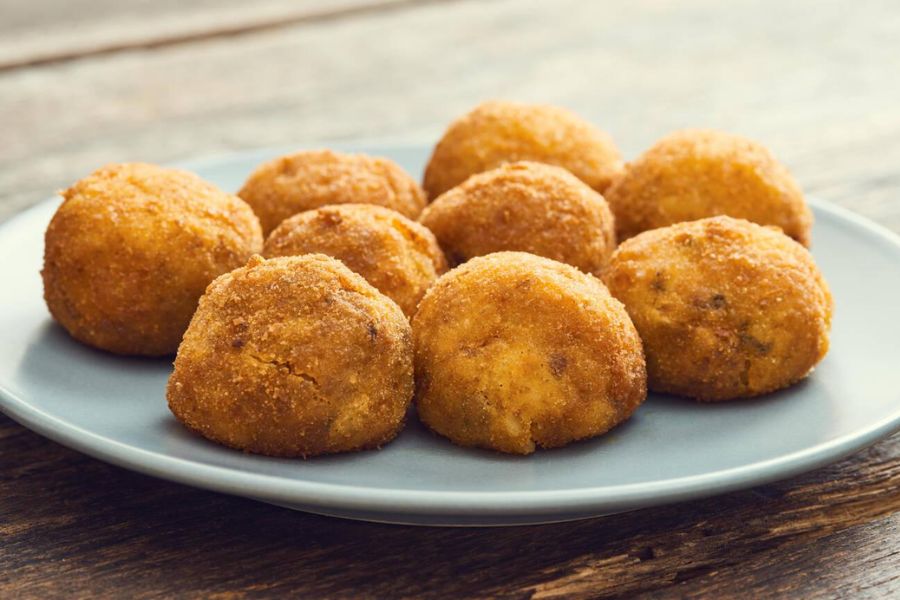
Citrus here bursts with flavor. I bought oranges at the market that were so juicy, I had to eat them over the sink.
Ragusa’s restaurants surprised me—so good, and not expensive. For €15, I got multi-course meals made from local ingredients, cooked the way families have done for ages.
Some Sicilian treats I loved:
- Arancini (rice balls) with unexpected fillings
- Fresh fish dressed simply with lemon and olive oil
- Cannoli filled right before serving
- Local wines, especially Nero d’Avola, from small producers
Festivals and Cultural Traditions
I happened to visit during a local saint’s feast. Overnight, the streets filled with lights, parades, and food stalls. Elderly women watched from balconies while kids played games in the square.
These festivals aren’t tourist shows—they’re living memories, keeping traditions alive. A local artisan told me how important it is to preserve these customs.
One night, I joined in with locals dancing to traditional music. My awkward moves got me some laughs and quick lessons from grandmothers who danced with real energy.
The best moments came from simple chats. A shopkeeper invited me to dinner after I asked about his homemade limoncello. That’s the kind of hospitality that makes Sicily unforgettable.
Practical Tips for Your Sicilian Adventure
Planning ahead smoothed out my trip to Sicily, especially when I moved between Ragusa Alta and Ibla. Here are some tips to help you get the most out of your Sicilian journey and avoid the usual travel headaches.
Essential Travel Guidance
If you’re planning a trip to Sicily, spring (April-June) or fall (September-October) usually offers the best weather. Temperatures feel pleasant, and you won’t have to fight through big crowds.
Summer? Well, it gets seriously hot—especially in July and August. We’re talking temps that often shoot past 95°F (35°C).
I’d suggest spending at least three nights in Ragusa. That way, you can actually take your time exploring both the upper and lower towns.
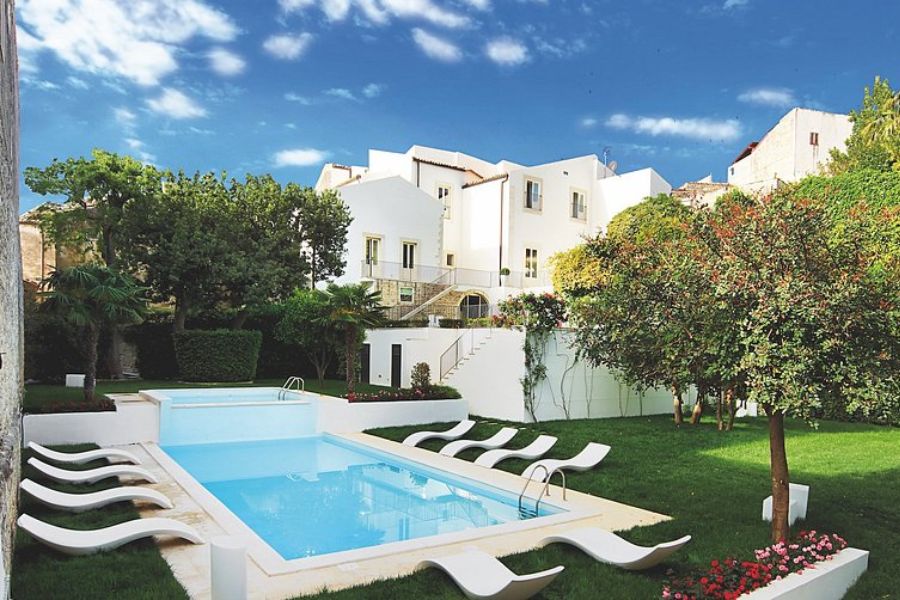
Hotel Villa Del Lauro sits right in Ragusa Ibla, tucked inside a restored baroque palace. The rooms have a certain old-world charm. If you want something a bit more upscale, Locanda Don Serafino serves up luxury with a side of amazing food at its well-known restaurant.
Sicily runs on the euro. Most places in the cities will take your credit card, but you’ll want some cash for tiny shops or when you’re out in the villages.
Shops and restaurants usually close for riposo—an afternoon break—from about 1 to 4pm. It’s a good idea to plan your day around that.
Language tip: Picking up a few basic Italian phrases? Totally worth it. “Grazie” (thank you) and “Per favore” (please) honestly made people smile everywhere I went.
Getting Around Ragusa and Beyond
Renting a car gives you the most freedom in Sicily, especially when you want to see Ragusa and the nearby towns. Driving here can get a bit wild—narrow streets, drivers in a hurry—but if you stay patient, you’ll be fine.
The road between Ragusa Alta and Ibla winds down for about 15 minutes by car. Not keen on driving? Local buses run between the two for just €1.20 a ride.
For longer stretches, you’ve got options:
- Trains connect big cities like Catania, Palermo, and Syracuse.
- Buses from AST and Interbus reach the smaller towns.
- Boats are a must if you’re heading to the Aeolian Islands.
Honestly, walking is the best way to soak up Ragusa Ibla’s atmosphere. The staircase of Santa Maria delle Scale gives you these jaw-dropping views as you make your way down from Alta to Ibla.
Just a heads up—those cobblestones can be rough, so bring comfy shoes!
Museums, Beaches, and Day Trips
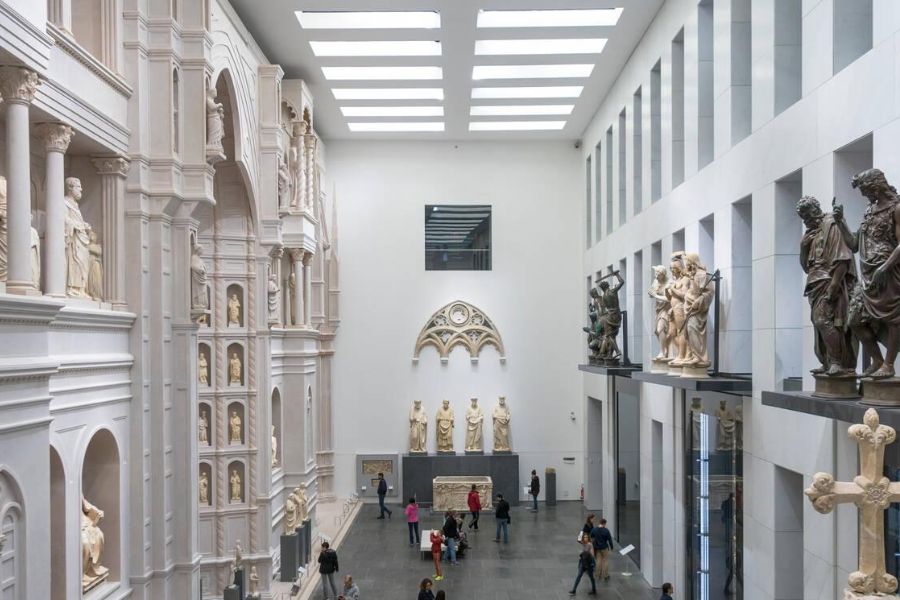
Ragusa’s Museo del Duomo shows off religious artifacts and art. The Ibleo Archaeological Museum dives into the area’s ancient past and keeps things interesting.
Both museums ask for a modest entrance fee (€5-8). They close up shop on Mondays, so plan ahead.
If you want beaches, Marina di Ragusa and Donnalucata sit about 25km from town. I noticed these spots feel way less crowded than the ones near Taormina.
You’ll find golden sand and clear water—just right for swimming or maybe just lazing around.
Some day trips from Ragusa really stand out:
- Modica (20 minutes): It’s got that famous chocolate and baroque architecture.
- Syracuse (90 minutes): You’ll see ancient Greek ruins and the lovely island of Ortigia.
- Villa Romana del Casale (1 hour): Those Roman mosaics are seriously impressive.
If you’re feeling ambitious, Mount Etna waits about 2 hours away. Honestly, I’d join a guided tour—seeing Europe’s most active volcano is better with a pro.
The UNESCO-listed Valley of the Temples in Agrigento takes about 2.5 hours to reach. Still, it offers some of the best-preserved Greek temples you’ll find outside Greece.
