
Glacier National Park sits at a crossroads right now. The park’s last 27 glaciers could disappear by 2030, so 2026 might be one of your final chances to see these ancient ice formations before they’re gone for good.
It’s hard to believe, but the park once boasted 150 glaciers just a decade ago. Now, climate change is speeding up their decline, and time is running out for anyone hoping to witness this wild spectacle.
Honestly, I get why people feel torn about visiting. The park recently landed on Fodor’s “No List 2026” because of overtourism. In 2024, about 300,000 more people showed up than the year before.
This puts travelers in a tough spot. Should you rush to see the glaciers before they’re history, or stay away to help the ecosystem recover? It’s the classic “last chance tourism” dilemma—do you go now and risk adding to the strain, or do you wait and possibly miss out forever?
Let me walk you through what visiting Glacier National Park in 2026 really means. I’ll share the can’t-miss sights, best ways to explore, and some practical advice for planning a trip that’s both memorable and mindful. The choice to go or stay home is yours, but at least you’ll have the details to decide if you want to see these vanishing glaciers while you still can.
Key Takeaways
- Glacier National Park’s last 27 glaciers could be gone by 2030, so 2026 is a big year for witnessing them.
- The park is dealing with major overtourism—more crowds, more traffic, and more environmental stress.
- Visiting now means balancing your desire to see disappearing wonders with the impact your trip might have.
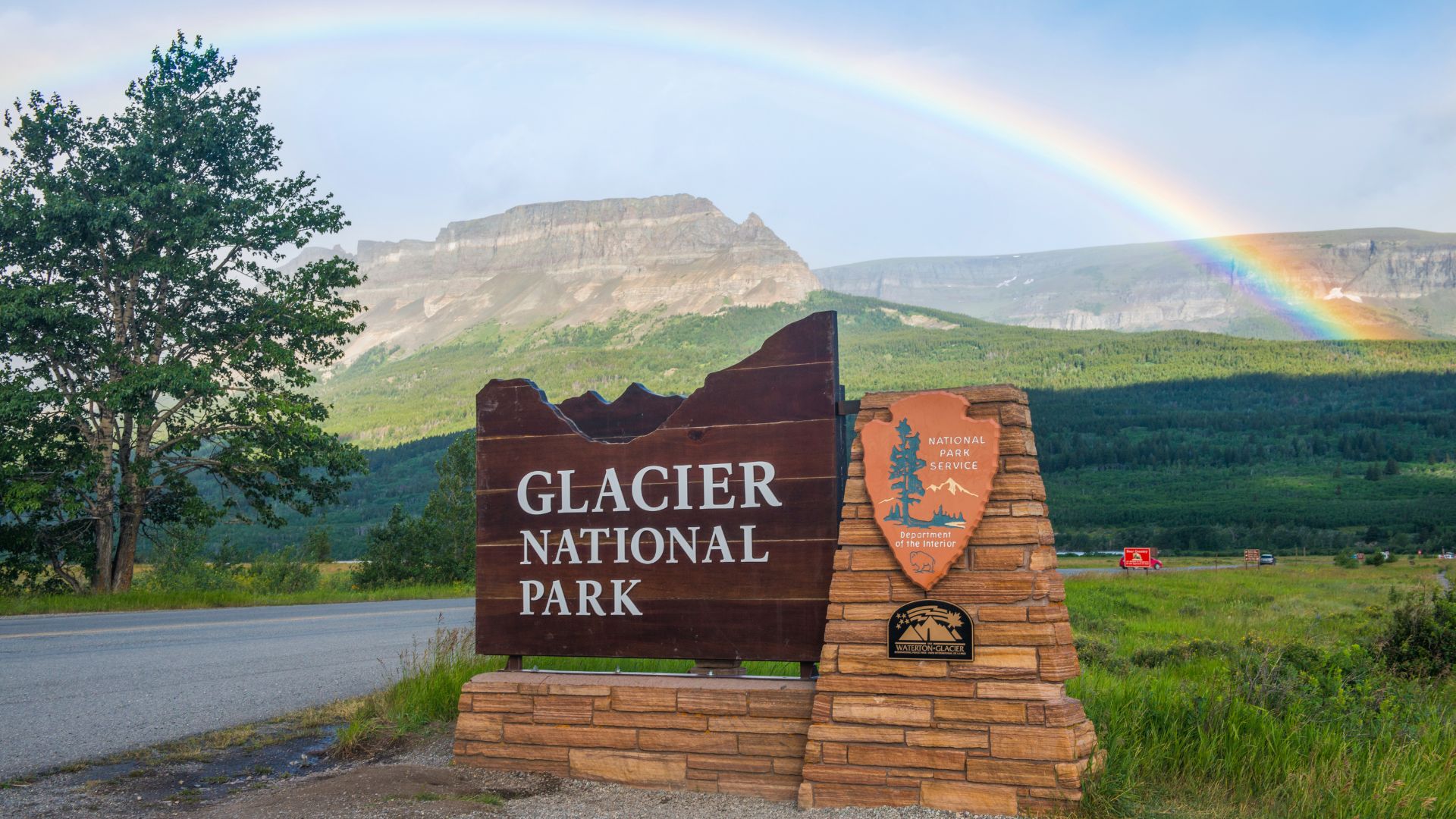
The Disappearing Glaciers: Urgency to Visit in 2026
The glaciers that gave the park its name are fading fast. Scientists say most will vanish by 2030, so 2026 is one of your last, best shots to see them before they’re just a memory.
How Many Glaciers Remain in Glacier National Park
Back when the Little Ice Age ended around 1850, Glacier National Park had about 150 glaciers. Now, fewer than 25 survive.
The U.S. Geological Survey keeps tabs on these icy giants. To count as a glacier, the ice must cover at least 25 acres, be 100 feet thick, and move under its own weight. Anything smaller just gets called a permanent snowfield.
A recent study found that 11 glaciers have broken apart. The real number of intact glaciers is dropping even faster than the official lists show. Grinnell Glacier, once a giant, has shrunk dramatically and split from its neighbor, Salamander Glacier.
Many ice patches marked as glaciers on old maps don’t make the cut anymore. They’ve either become snowfields or melted away completely.
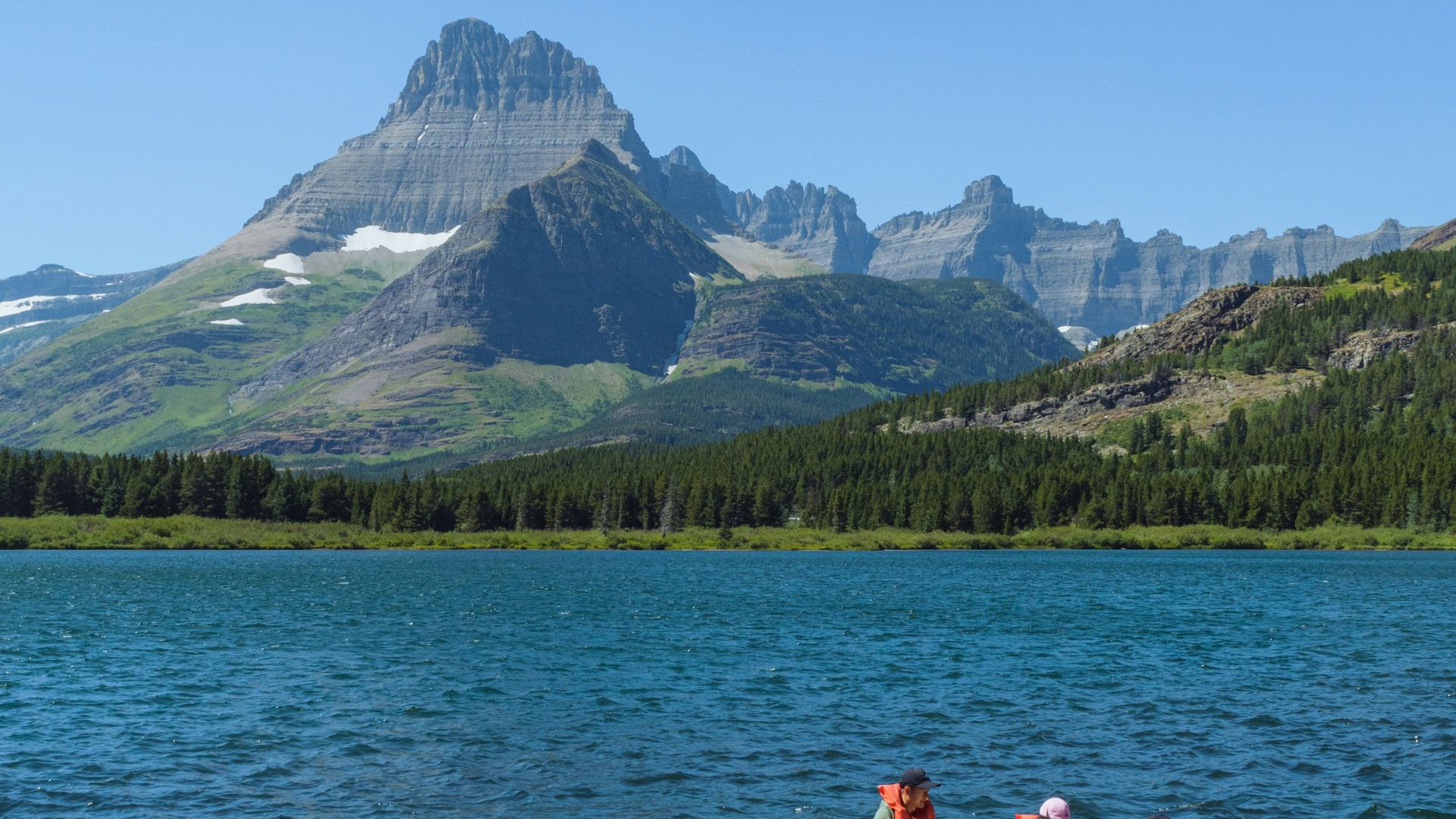
Glacier Melting Timelines and the Significance of 2030
Scientists have sounded the alarm for years: Glacier National Park’s glaciers might all be gone by 2030. Some even pushed the date up, predicting they’d vanish between 2015 and 2020, but a few big ones like Blackfoot Glacier are hanging on.
Glaciers have been retreating since 1850, with a few short growth spurts until 1980. Since then, the melting rate has exploded. So, 2026 is a key year if you want to see real glaciers, not just leftover snowfields.
The Northern Rocky Mountain Science Center keeps a close watch on these changes. While some glaciers might linger as snowfields for decades or centuries, they won’t technically be glaciers anymore.
Scientific Insights on Glacier Loss
Daniel Fagre and his team at the U.S. Geological Survey have tracked how climate change eats away at these glaciers. When more ice melts than falls as snow, glaciers shrink. The numbers show this is happening faster every year.
Soot from cars and factories also speeds up the melting. Dirty ice soaks up more heat, which just makes things worse. But climate change still drives most of the loss.
Losing the glaciers means losing more than just pretty scenery. The park’s lakes get their wild blue and green colors from glacial flour—super-fine sediment made by grinding ice. When the glaciers go, those colors will fade, too. Wildlife will have to adapt, and wildfires could get worse as snowpack shrinks.
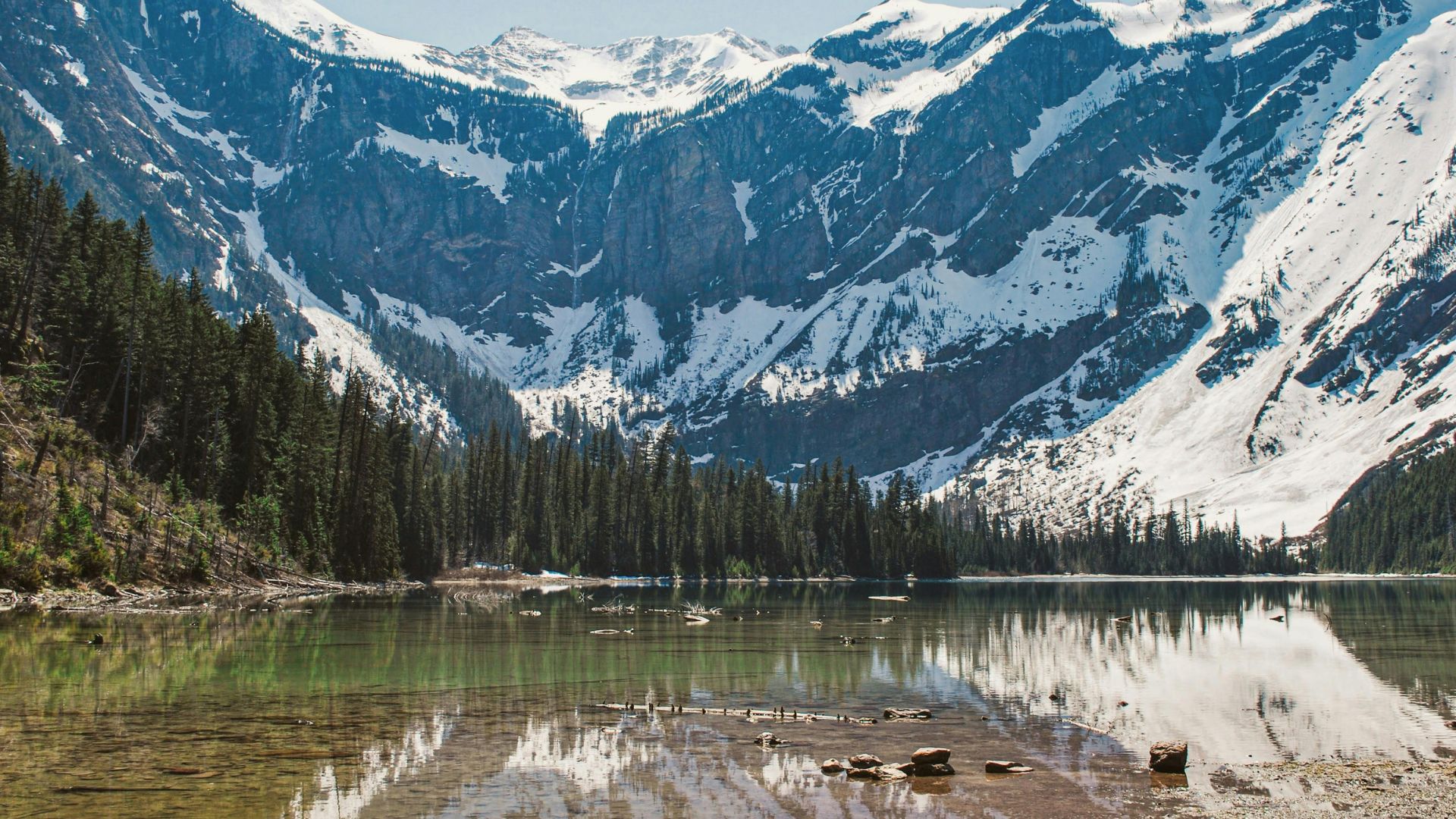
Climate Change and Its Impact on Glacier National Park
The park is heating up at twice the global rate. This warming is pushing the glaciers back, changing water systems, and making wildfires more common across Montana.
Historical Glacier Retreat Since 1850
Looking at the U.S. Geological Survey’s data, the story is pretty stark. Around 1850, the park had about 150 glaciers. Now, it’s down to fewer than 25.
After 1850, glaciers started shrinking thanks to a mix of natural shifts and human influence. Between 1860 and 1890, weak winters and hot summers sped up the melt. Only 25% of global glacier loss from 1851 to 2010 came from humans, but that jumped to 69% from 1991 to 2010.
The USGS also points out that 5,000 to 3,000 years ago, the area was actually warmer than today. Many small glaciers didn’t exist back then. The ones we see now formed during a cooler period that ended about 3,000 years ago.
If the current trend continues, the park’s glaciers might be gone by the end of this century.
Effects on Local Ecosystems
As glaciers disappear, water flow in the park changes. Glaciers work like water banks, slowly releasing water all summer. When only snow is left, streams dry up faster, leaving less water for animals and plants just when they need it most.
Mountain goats love to hang out on snow patches to cool off. Studies show their breathing drops by 15% when they’re on snow instead of bare ground. As it heats up, they keep moving higher to find relief.
Wolverines also need deep spring snow for their dens. Warmer water in streams threatens native fish that evolved in icy mountain creeks.
Rising Temperatures and Wildfires
Since 1950, Montana has warmed by 2 to 3 degrees Fahrenheit. The growing season is now 12 days longer than it used to be.
Human-driven climate change has doubled the area burned by wildfires in the western U.S. since 1984. In Montana, hotter and drier summers stretch fire season even longer. Over half the increase in fuel dryness since the 1970s comes from climate change.
West Glacier hit 11 days above 90°F in 2020. By century’s end, that number will likely soar. The Department of Defense even calls these conditions a “threat multiplier.”
Now, wildfire smoke often fills the park, cutting visibility and making it hard to breathe for both visitors and locals.
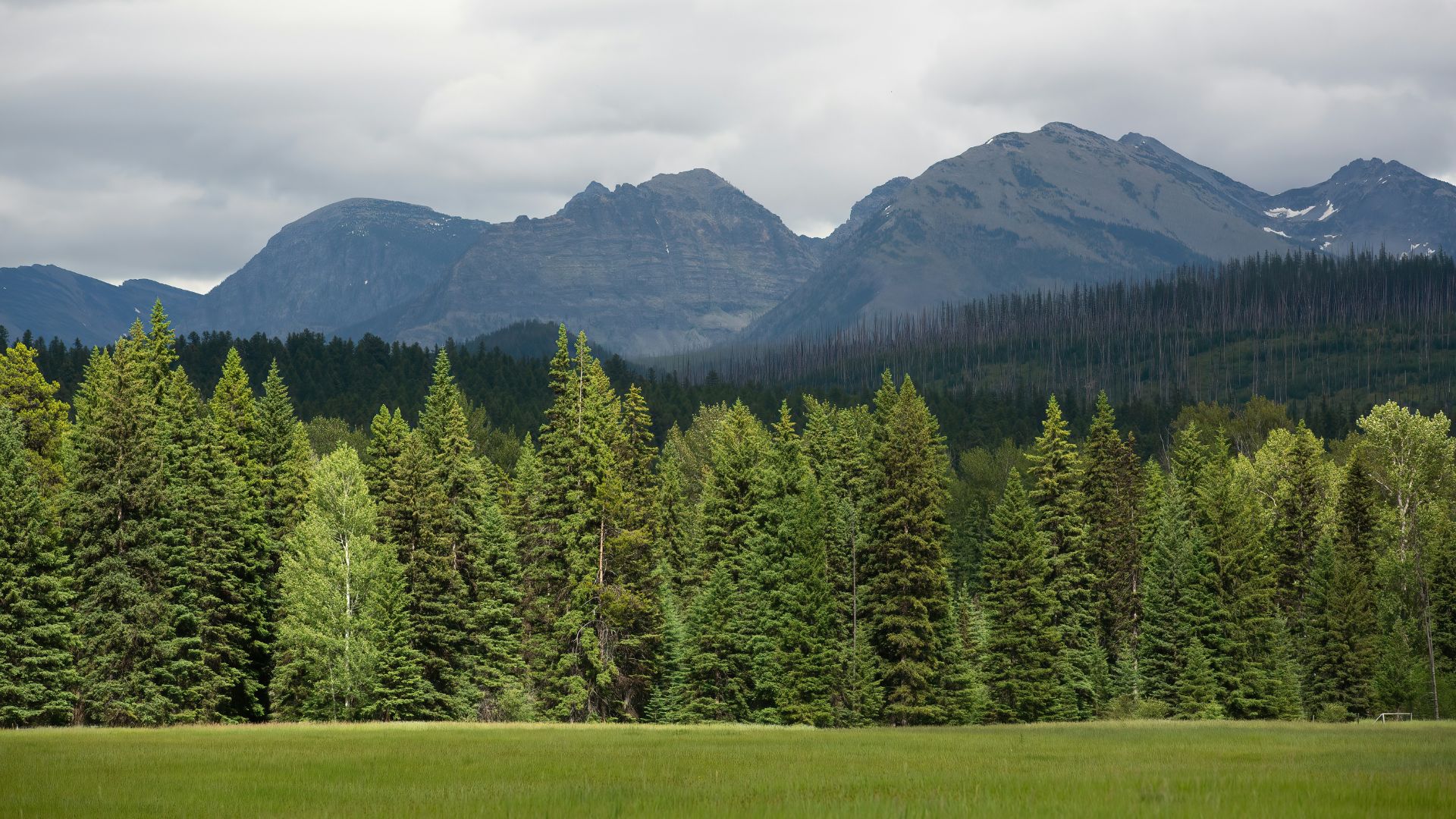
Iconic Sights and Must-See Natural Wonders
Glacier National Park packs in some of North America’s most jaw-dropping scenery. From a legendary mountain road to disappearing glaciers, the park’s top sights blend timeless beauty with changes you can see happening in real time.
Going-to-the-Sun Road Experience
Going-to-the-Sun Road is a classic. This 50-mile drive slices through the park, climbing up to Logan Pass at 6,646 feet.
You’ll pass through cedar forests, alpine meadows, and rocky slopes where mountain goats sometimes wander right near the road.
Don’t miss these stops:
- Logan Pass Visitor Center
- Weeping Wall
- Bird Woman Falls
- Jackson Glacier Overlook
The road usually opens in late June or early July, after crews clear the snow. It closes again by mid-October. In summer, big vehicles (over 21 feet long or 8 feet wide) can’t go past certain points.
The Story of Grinnell Glacier
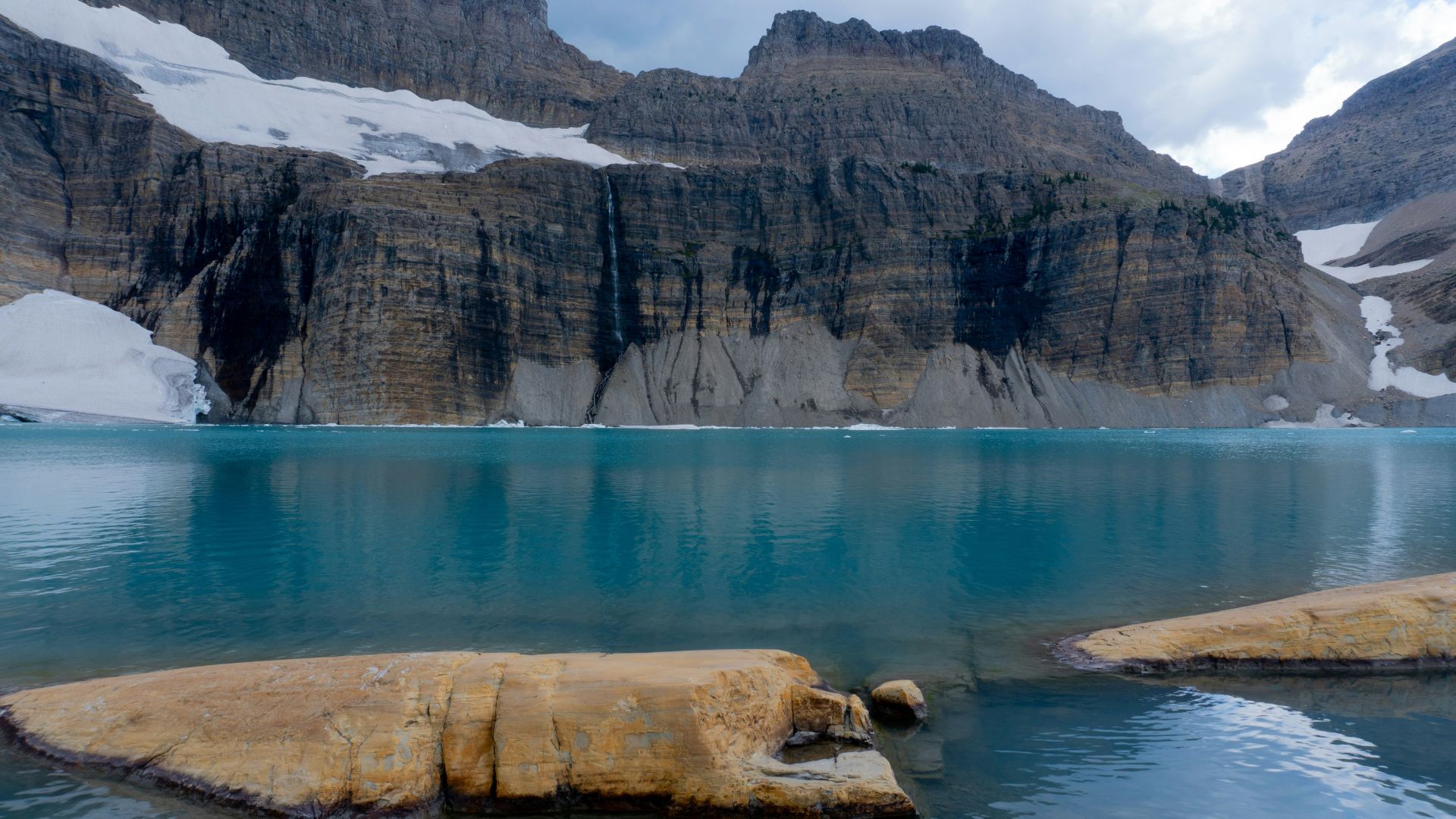
Grinnell Glacier sits in the Many Glacier area. Back in 1850, it spread across 710 acres. By 2015, it had shrunk to just 152 acres.
You can reach it on a 10.6-mile round-trip hike with 1,600 feet of elevation gain. Most folks need 5 to 7 hours. At the base, you’ll see turquoise pools and rocks that were buried under ice not long ago.
Scientists think Grinnell Glacier could vanish completely in the next 10 to 20 years. Hot, dry summers speed up the melting.
Photographic Changes over Time
I’ve pored over old and new photos of the park’s glaciers. The difference is obvious.
In 1850, the park had 150 glaciers. Now, only 25 named glaciers remain, and most are tiny. Park scientists take photos from the same spots every year to track the changes.
Some dramatic shifts:
- Sperry Glacier has lost 75% of its area since 1966.
- Boulder Glacier broke up into smaller patches.
- New lakes now fill spots where ice used to be.
You can see these before-and-after shots at visitor centers around the park. They’re both fascinating and a little heartbreaking.
Adventuring in Glacier National Park: Top Activities
Glacier National Park is an adventurer’s dream, whether you like easy strolls or tough backcountry treks. There are 700 miles of trails that wind past turquoise lakes, ancient glaciers, and wildlife-filled valleys in Montana’s wild heart.
Best Hiking Trails and Viewpoints
The Highline Trail is a crowd favorite. This 11.8-mile path starts at Logan Pass and hugs cliffs with epic views of the Continental Divide. Go early—parking disappears by 6 AM in summer.
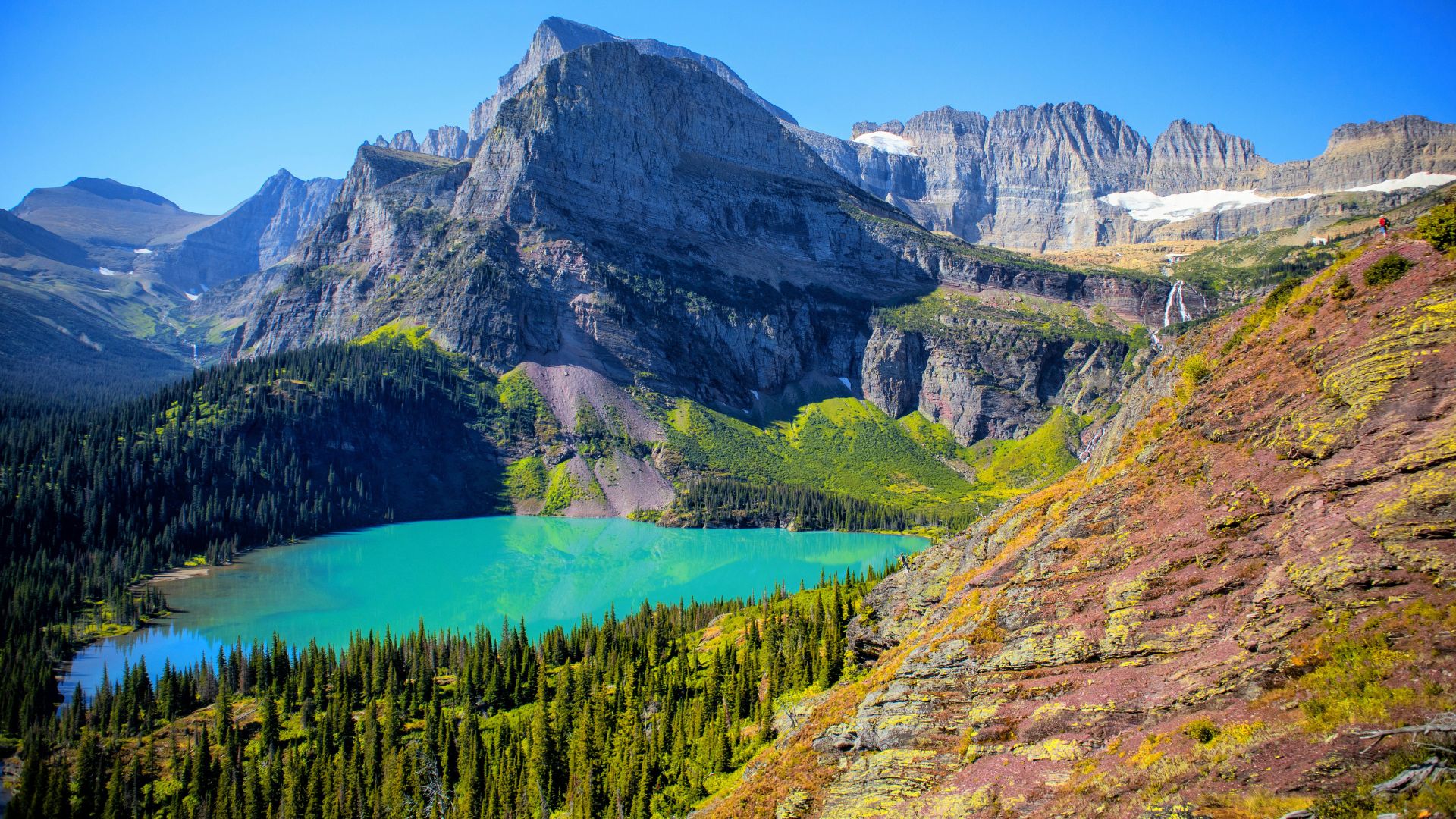
Grinnell Glacier Trail is another must. The 10.6-mile round trip brings you to one of the park’s last-accessible glaciers. Along the way, you’ll pass turquoise lakes and maybe spot a mountain goat or two. The shrinking glacier really drives home the reality of climate change.
Top Trails by Difficulty:
- Easy: Hidden Lake Overlook (3 miles), Trail of the Cedars (1 mile)
- Moderate: Avalanche Lake (4.5 miles), Iceberg Lake (9.6 miles)
- Difficult: Highline Trail (11.8 miles), Grinnell Glacier (10.6 miles)
Most trailheads sit right off Going-to-the-Sun Road. Logan Pass, perched at 6,646 feet, is the jumping-off point for several popular hikes. Bring layers—the weather can turn chilly fast at higher elevations.
Tips for Responsible Tourism
To get into the park during peak season (late May to September), you need a vehicle reservation. Book these online well ahead of time.
Stick to marked trails to protect delicate alpine plants. Some take decades to recover from a single step. Pack out all your trash, even fruit peels.
Use bear-proof food containers at campsites. The park supplies these at most backcountry sites. Never feed or approach wildlife, not even the cute little ground squirrels.
Plan bathroom breaks if you’re tackling long hikes. In areas without facilities, bring waste bags. It keeps the streams and lakes clean.
Wildlife Watching and Safety
Both grizzly and black bears roam the park. I always carry bear spray and keep it handy—not buried in my pack. Make noise when you hike through thick brush or near noisy streams.
Mountain goats often show up near Logan Pass and along the Highline Trail. They can get aggressive if you get too close. Keep at least 25 yards away.
Wildlife Distance Rules:
- Bears and wolves: 100 yards minimum
- All other animals: 25 yards minimum
Dawn and dusk are prime times for wildlife spotting. The Many Glacier valley is a hotspot, with moose grazing in willow thickets by lakes and streams. Bring binoculars or a zoom lens to enjoy the view—and keep your distance.
Visitor Challenges and Changing Access in 2026
Glacier National Park is in the thick of some big visitor management challenges for 2026. Between vehicle reservation headaches and the overtourism warnings that landed it on travel advisory lists, it’s a lot to keep up with.
Construction and Access Restrictions
The park keeps rolling out vehicle reservation programs for the most popular areas. For 2025, you’ll need reservations for the North Fork area and the west entrance of Going-to-the-Sun Road.
These programs let the park staff control when and how many people show up at the busiest spots. You can still access Apgar Village, the east entrance of Going-to-the-Sun Road, and Two Medicine without a reservation.
In 2023, staff gathered feedback from more than 1,400 public comments. They’re using that input to shape the future, aiming to finish a long-term visitor use management plan by winter 2026.
Key access management tools:
- Vehicle reservations for high-traffic corridors
- Wilderness permits for backcountry adventures
- Campground reservation systems
- Parking restrictions at popular trailheads
The Going-to-the-Sun Road Corridor Management Plan from 2019 already suggested things like traffic metering and dynamic parking options. It’s not perfect, but it’s a start.
Addressing Overtourism and Park Policies
Fodor’s travel guide put Glacier National Park in Montana on its 2026 “No List”—yikes. Overtourism has become a real problem, with crowded trails, overflowing parking lots, and damage to the very scenery folks come to see.
Over the past decade, visitor numbers have absolutely exploded. The park’s old facilities just aren’t built for these crowds. Traffic jams, road closures, and pressure on emergency services have become the new normal.
Major overtourism impacts:
- Harm to wildlife habitats and scenic spots
- Water and waste systems pushed to the brink
- Visitor experiences that aren’t what they used to be
- Staff stretched thin
The National Park Service faces a tough job: keep the park wild while letting people in. New fee structures for nonresident visitors kick in January 1, 2026. That might change who visits and when.
Frequently Asked Questions
Climate change is melting Glacier National Park’s namesake glaciers, and rangers are juggling visitor access with conservation. Here are some of the questions I hear most about exploring this incredible, changing place.
Glacier National Park lost most of its glaciers—down from 150 in 1850 to just about 25 active ones today. Scientists say these could vanish in the next ten or twenty years.
Rising temps mean snow melts earlier each spring. That changes when trails open and messes with water levels in lakes and streams.
Wildlife is on the move, too. As it gets warmer, animals head for higher ground, so you might spot them in places you wouldn’t expect.
Millions of people visit every year, and it’s tough on roads, trails, and facilities. Park officials are working on a long-term transportation and visitation plan, aiming to wrap it up by winter 2026.
During peak summer, you’ll need a vehicle reservation to drive Going-to-the-Sun Road. This helps keep traffic under control when it’s busiest.
If you want a first-come, first-served campsite, show up by 9:00 am—trust me, they fill fast. The park even sends out text alerts when campgrounds are full.
Park rangers focus a lot on visitor education—think wildlife safety and Leave No Trace. You have to stash all food, trash, and cooking gear in cars, hard-sided campers, or storage lockers.
Trail crews are out daily, maintaining paths and checking for hazards. They’ll close trails if there’s risky wildlife activity or unstable snow.
Scientists track glacier retreat and ecosystem changes with ongoing research. The data helps guide decisions about conservation.
Grinnell Glacier stands out as one of the most accessible and popular. The trail usually opens by mid or late July, once crews clear the snow.
This glacier has lost about 90% of its ice since the late 1800s. It’s a powerful place to see climate change in action—easy to reach, and the changes are striking.
Sperry Glacier and Jackson Glacier are also worth the hike. Historical photos show just how much they’ve changed—honestly, it’s wild to see.
Always stick to the marked trails. Cutting switchbacks might seem tempting, but it tears up hillsides and puts fragile plants at risk.
Use established campsites and picnic spots—don’t make your own. Pack out every bit of trash, even fruit peels and sunflower seeds.
Keep at least 100 yards from bears and 25 yards from other wildlife. Store food in bear-proof containers or your vehicle, so animals don’t get used to human snacks.
North Cascades National Park in Washington really surprised me with its wild, rugged beauty. You get those epic mountain views and more than 300 glaciers—honestly, it feels like a secret spot.
Fewer people show up here compared to Glacier, so I could actually hear the wind in the trees and wander the trails without feeling crowded. If you crave solitude, this place delivers.
Looking north, Banff and Jasper National Parks in Canada are basically the gold standard for alpine adventures. The scenery is just unreal—think turquoise lakes and endless pine forests.
Another perk? Both parks have solid public transportation. I hopped on a shuttle and skipped the parking hassle, which made my trip way more relaxing.
If you want something a bit closer to home, Grand Teton National Park in Wyoming never disappoints. Those jagged peaks look like something out of a movie.
Wildlife sightings are pretty common here, too. Plus, the park feels more manageable than Glacier, so you can see a lot even if you’re short on time.
