
Grasse, known as the perfume capital of the world, welcomes visitors with the rich scent of flowers and history in the air. Tucked away in the hills of southern France, this town has crafted perfume for centuries. It draws in expert perfumers and curious travelers like me.
As I wandered through its old, winding streets, the aroma of roses, jasmine, and orange blossoms lingered everywhere. But honestly, the real thrill was stepping inside a historic perfumery to create my own scent.

Blending fragrances from raw ingredients and watching artisans at work felt like nothing else. This wasn’t just about making perfume—it was about discovering the stories and tradition behind every drop.
Discovering Grasse: The Perfume Capital of the World
When I arrived in Grasse, history, flowers, and fine fragrance filled the air. From colorful streets to lively perfume houses, the town’s reputation for world-class perfumes is rooted in both tradition and fresh ideas.
The History and Legacy of Perfume in Grasse
Grasse started out in the Middle Ages as a hub for leather tanning. The process made the town smell awful, so local tanners tried scented gloves to mask the odor. That clever fix soon led to something much bigger.
By the 17th century, Grasse had shifted its focus from leather to perfumes and essential oils. The sunny, mild climate and hillside location turned out perfect for growing flowers like jasmine, May rose, and lavender. As demand grew in the 18th and 19th centuries, Grasse became home to legendary perfumeries like Fragonard, Molinard, and Galimard.
Perfume making still lies at the heart of Grasse today. Historic perfumeries teach time-honored techniques and keep secret recipes safe. Museums, old distilleries, and blooming fields help new generations connect with the town’s unique story.
Why Grasse Became Synonymous with Fine Fragrance
Grasse stands out thanks to its natural resources and the talent of its people. The town sits between the sea and mountains, with soil and a gentle climate that’s just right for rare flowers.
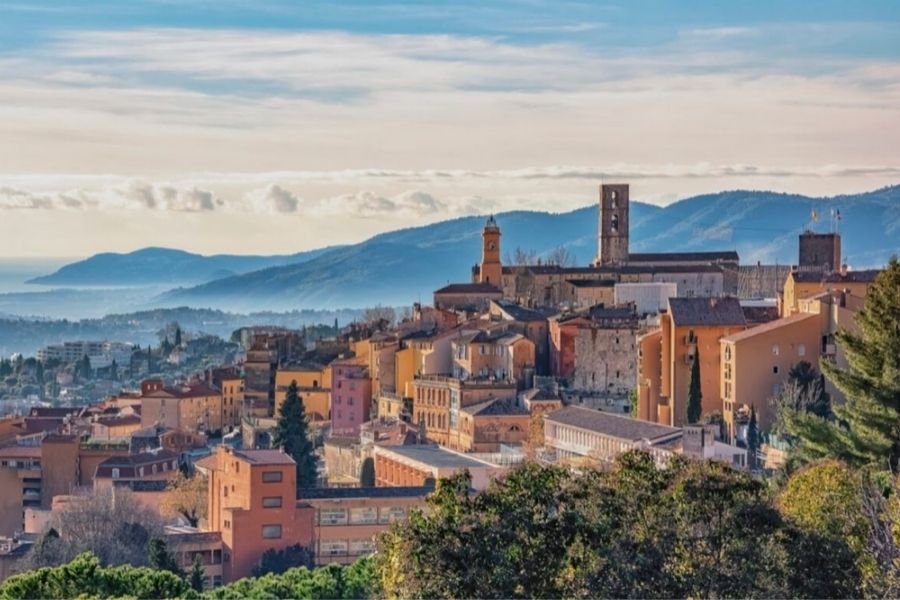
Some iconic blooms grown here include:
| Flower | Blooming Season | Perfume Use |
|---|---|---|
| Jasmine | Summer | Base for fine perfumes |
| May Rose | Spring | Signature floral notes |
| Tuberose | Late Summer | Rich, sweet fragrances |
| Lavender | Early Summer | Fresh, calming scents |
Talented “noses”—the perfumers—flock here to mix scents with skill and creativity. Training schools in Grasse have a global reputation. Even today, some big perfume brands source their rarest extracts here. As I strolled the shaded lanes, I realized perfume in Grasse isn’t just a product—it’s woven into daily life.
Unforgettable First Impressions in Grasse
On my first stroll, the air felt heavy with the scent of fresh blooms and essential oils. Flower fields surrounded the town, and the narrow streets brimmed with boutiques, perfumeries, and old stone houses.
Many perfumeries invite you in for immersive experiences. I joined a workshop at Fragonard, blending oils and learning how fragrances build up, note by note. The staff spoke passionately about their traditions, sharing stories passed down through generations.
Street markets overflowed with soaps, scents, and local treats. What caught my eye were shopkeepers drying rose petals in their windows and artisans shaping glass perfume bottles by hand. Grasse’s charm isn’t just about looks—it’s about the mix of smells, stories, and those little discoveries that make it, in my opinion, the perfume capital of the world.
Behind the Scenes at Historic Perfumery Houses
As I wandered deeper into Grasse, I found more than pretty streets. I stumbled upon centuries-old workshops where perfume is still crafted by hand, blending tradition with fresh ideas. The whole experience opened my eyes to the passion, skill, and science behind every bottle.
Galimard: Crafting Scents Since the 18th Century
When I stepped into Galimard, history seemed to hang in the air—the company has crafted aromas since 1747. Guided tours here are interactive and hands-on. I watched master perfumers—called “noses”—blend oils and botanicals at long wooden tables. Their calm focus showed me that every perfume starts with raw, natural ingredients: flowers, herbs, citrus peels.
Exploring the perfumer’s organ was a highlight. This semi-circular table holds rows of small bottles, each with a different essence. Together, they’re the true palette of a scent artist. Galimard lets visitors create their own unique perfume with expert guidance. The process is personal: I chose each note, learned about balance, and left with a fragrance made just for me.

Galimard Quick Facts
| Founded | 1747 |
| Famous For | Traditional methods, workshops, custom scents |
| Tour Highlight | Perfumer’s organ experience |
Inside the World of Fragonard
Fragonard, another Grasse icon, opened its historic doors in 1926. The factory tour wowed me with its blend of old and new. Ancient copper stills line the path, showing how flower petals are slowly distilled to capture their scent—one precious drop at a time. Fragonard’s team sticks to production techniques that haven’t changed in generations.
The visitor center is lined with perfume bottles and art, telling stories of Grasse’s floral past. Hands-on displays let me touch dried jasmine and orange blossoms, making me appreciate the skill it takes to sort, grind, and infuse each one. The tour wraps up in the factory shop, where you can sample signature blends exclusive to Grasse. I couldn’t resist picking up a bottle to take a piece of Grasse home.
My Hands-On Perfume Making Experience
Making perfume in Grasse is a sensory adventure. Each step—from picking ingredients to blending notes—made me appreciate the history and artistry behind every fragrance.
Choosing and Blending Unique Scents
The process started with rows of glass bottles filled with oils and essences. The room itself smelled of jasmine, lavender, and a little citrus. My guide broke down the fragrance pyramid: top, heart, and base notes.
Top Notes: Lemon, bergamot
Heart Notes: Jasmine, rose, lavender
Base Notes: Cedarwood, musk, leather
I played with different combinations on scent strips. Even a single drop more of musk or iris totally changed the scent’s character. The challenge was to create a balanced, inviting fragrance that felt personal.

With tiny droppers, I added oils to my beaker. The process became a careful dance—adjust, sniff, and see how a drop of leather or iris with jasmine shifted the whole mood.
Sourcing the Finest Ingredients: Jasmine, Lavender, and Beyond
Grasse is famous for its local flowers, especially jasmine and lavender. These plants thrive in the Mediterranean climate, producing oils that smell incredible.
I learned that jasmine gets picked early in the morning, when the scent is strongest. Local lavender fields give a fresh, herbal note that’s nothing like the synthetic stuff.
The perfumery stocks extracts of jasmine, lavender, iris, rose, and even natural musk. Some, like iris, come from the region’s unique soils. Others, such as leather notes, are made using techniques that keep the scent authentic.
Learning from Master Perfumers
Master perfumers—“noses”—guided me through the process. Each has trained for years to develop an amazing sense of smell. They shared tips on blending, like when to add musk for depth or how to balance strong notes like leather and iris.
I found the process trickier than I’d thought. It mixes art, patience, and a bit of chemistry. The master’s feedback helped me refine my formula, teaching me to recognize when a scent feels just right.
Having a professional “nose” nearby made everything less intimidating and way more fun. Their stories about Grasse’s legacy really added to the experience, and I appreciated each drop I added to my bottle even more.
Exploring the Art of Creating My Signature Fragrance
At the end, I poured my final blend into a sleek glass bottle and labeled it with my name. The perfumery printed it out for me—a nice touch that made it feel official and personal.
When I tested it on my wrist, I caught the sweet top notes of jasmine and the subtle backbone of musk and leather as it dried. Here’s what I put in my blend:
| Note Type | Main Ingredient |
|---|---|
| Top | Jasmine, bergamot |
| Heart | Lavender, iris |
| Base | Musk, leather |
Creating my own fragrance in Grasse was immersive and unforgettable. The blend became more than a souvenir—it felt like a piece of Grasse I could carry home.
Must-Visit Perfumeries and Attractions in Grasse
Grasse offers a rare mix of history, creativity, and fragrant experiences you can actually touch and smell. From famous museums to hands-on factory visits and unique boutique shops, every stop uncovers a new layer of perfume artistry.
Touring the Iconic International Perfume Museum
The International Perfume Museum (Musée International de la Parfumerie) is a must for anyone curious about Grasse’s story. Inside its modern galleries, I found centuries-old perfume bottles, tools, and rare ingredients from around the world.
Interactive displays kept things fun and hands-on; I learned how scent is extracted from local flowers and why Grasse became the heart of fragrance. There are historic artifacts, like the perfumer’s organ, showing the craftsmanship behind every bottle.
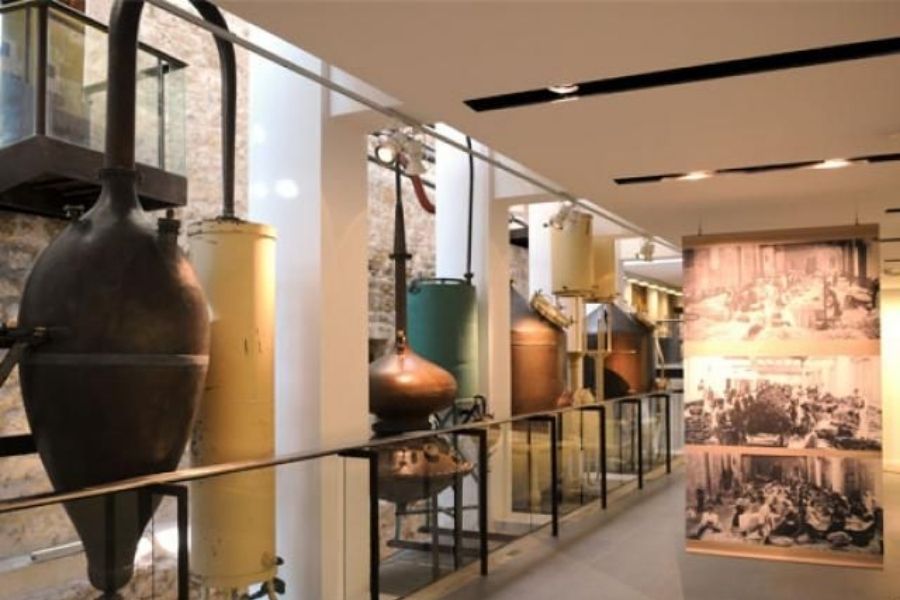
One thing that surprised me was the themed rooms, each focusing on a different era or technique. There’s even a garden outside packed with fragrant plants—rose, jasmine, and orange blossom—all used in real Grasse perfumes.
Experiencing Guided Perfume Factory Tours
Guided tours at historic perfume factories give you a look behind the scenes that’s hard to find anywhere else. Legendary houses like Fragonard and Molinard welcome visitors, showing the process up close.
During my tour, I stood beside gleaming copper stills as a guide explained how they extract natural essences. At Fragonard, one highlight was seeing the workshop where perfumers blend scents using the “organ.”
Anyone, even total beginners, can join short workshops to create a custom scent. Sitting at a perfumer’s table, picking each note, and mixing them into a personalized bottle is something I’ll remember for a long time.
Boutique Shopping for Exclusive Perfumes
Shopping in Grasse is an adventure. Small boutiques fill the winding streets, selling perfumes you just can’t find elsewhere.
I browsed shelves packed with handcrafted scents, each bottle wrapped and labeled with care. Shops like Molinard show off signature fragrances, limited editions, and soaps made from local flowers.
Many boutiques let you sample rare blends and even design your own scent profile with help from the staff. I left with a small bottle mixed just for me, plus a few gifts that carried Grasse’s unmistakable aroma home.

Here’s a tip: some perfumeries, like Fragonard and Molinard, have exclusive lines sold only on-site, making them perfect souvenirs or gifts for friends and family.
Tips for Creating Your Own Scent in Grasse
Making perfume in Grasse mixes centuries-old craft with hands-on fun. I picked up a few tips about booking workshops and timing my visit for the best flower harvests. Those details can really shape the whole experience.
Booking Perfume Workshops: What to Know
Almost every historic perfumery in Grasse runs hands-on workshops where you can create your own scent. I noticed most classes last one to two hours, which feels like just enough time to explore top, middle, and base notes without getting overwhelmed.
You should definitely book ahead of time. If you want a specific day or an English-speaking guide, it’s even more important.
A few things helped me out:
- Choose your style: Some workshops stick to classic women’s or men’s fragrances, but others let you mix up unisex blends.
- Personalize your bottle: At places like Galimard, you can put your name on your finished scent. That little touch feels special.
- Age limits: Kids can usually join in, though some spots have a minimum age.
- What’s included: I always checked if the workshop price covered my finished bottle (usually 100ml). Sometimes it does, sometimes not.
Trying out all the different essence oils—especially jasmine, iris, and lavender—felt like the best part. Each one reminded me of the fields outside town and made my custom blend feel personal.
Best Times to Visit for Flower Harvests
Grasse’s whole vibe shifts as each flower comes into season. When I planned my trip, I picked dates to catch the bloom I cared about most.
Harvest season hits, and suddenly the air is thick with those natural scents—locals gather flowers for the perfumeries.
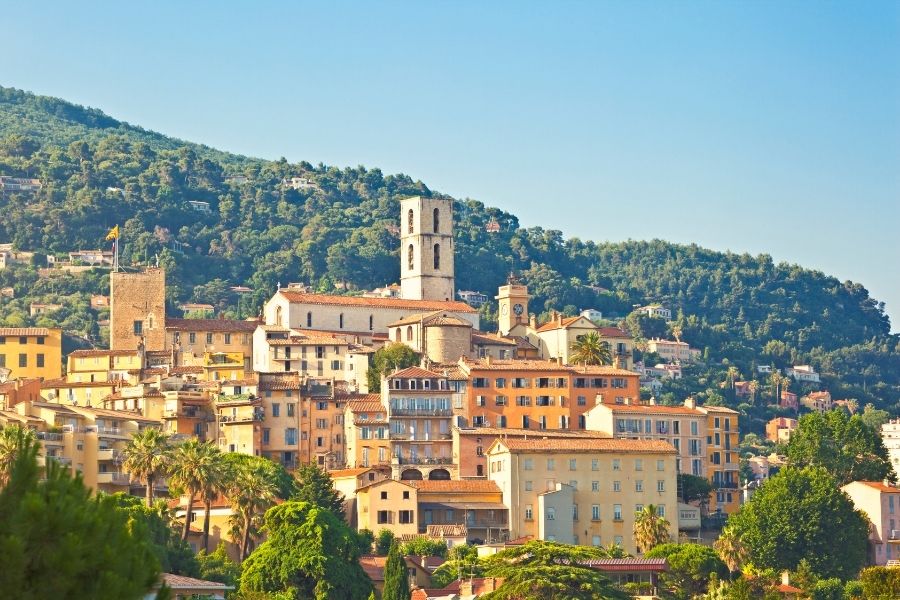
Key flower harvests:
| Flower | Main Harvest Months |
|---|---|
| Jasmine | August – September |
| Lavender | June – July |
| Iris | April – May |
I showed up in late spring, right when the irises painted the fields purple. Workshops around town switched up their scent options depending on what was blooming.
If I could swing another visit, I’d aim for jasmine season. That sweet, heady smell just floats through the streets—honestly, it’s unforgettable. Being in Grasse then made every part of perfume making feel a bit more magical.
