
Walking through the Heraklion Archaeological Museum felt like traveling back in time—straight into the heart of the Minoan civilization.
Seeing the world’s most important collection of Minoan treasures up close amazed me and made history feel real and vivid, not just something from a textbook.
Every room told a new part of Crete’s ancient story, from intricate gold jewelry to bold frescoes once hidden in the ruins of Knossos and Phaistos.
The museum’s careful design and display made it easy for me to imagine how life once bustled on this sun-drenched island.
As I explored, I realized I wasn’t just looking at old relics—this was about seeing a true vision of the past come to life right in front of me.
If you’re planning a trip to Crete, you really shouldn’t skip the Heraklion Archaeological Museum.
It adds real depth to any journey.
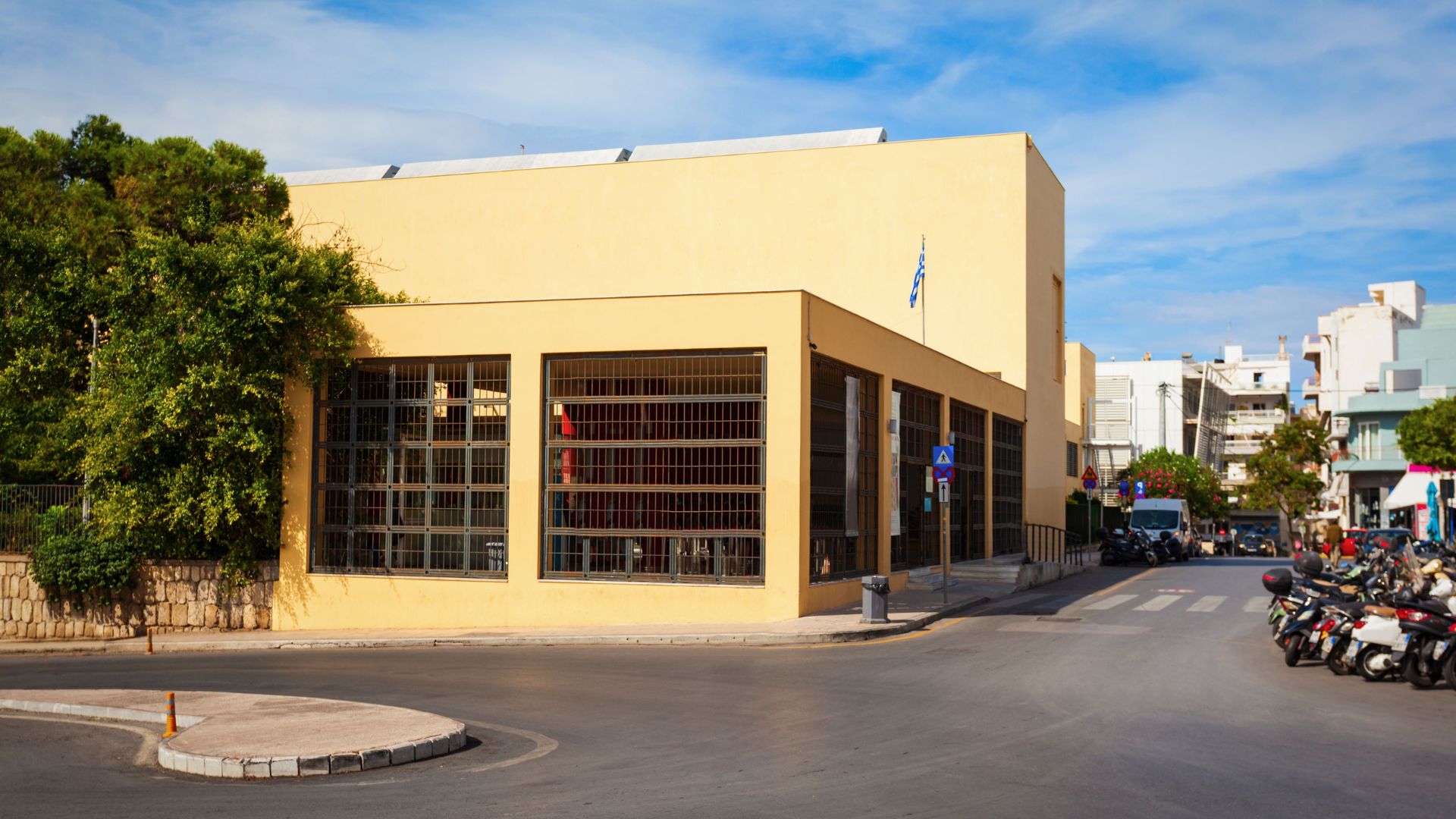
Stepping Into the World of Minoan Crete
The Heraklion Archaeological Museum opened a portal to a world where Minoan Crete thrived thousands of years ago.
Each gallery held stories of ancestors, innovation, and a civilization that once faded but now lives again through its artifacts.
First Impressions: Awe Inside the Museum
When I walked into the museum, I immediately felt the weight of history surrounding me.
Every display drew me closer to the treasures that once belonged to the Minoans.
Cases glimmered with gold jewelry, finely painted pottery, and sharp bronze tools.
One highlight was a vibrant fresco showing scenes of daily life in ancient Crete.
The colors, though faded, still hinted at the creativity and skill of Minoan artists.
Artifacts from Knossos, Phaistos, and other Minoan sites sat grouped together, letting me trace how the civilization grew and changed over centuries.
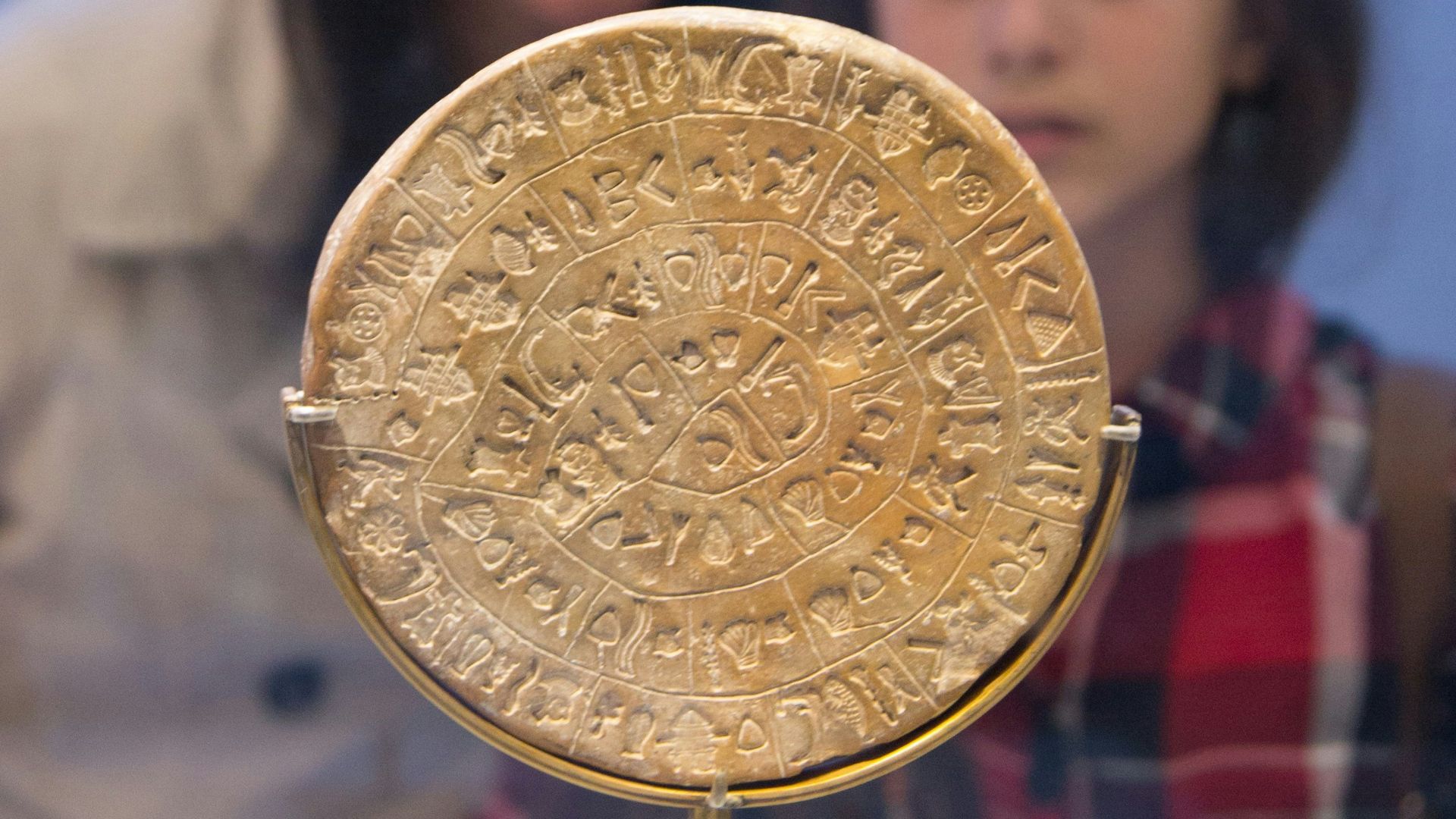
I paused often, especially in front of famous pieces like the bull-leaping fresco and the Phaistos Disc.
These objects made me feel connected to people who lived and dreamed so long ago.
The silence inside the museum somehow made the experience even deeper, as if the past was quietly speaking.
The Story of Minoan Civilization
The museum does more than just display statues and vases—it tells the story of one of Europe’s oldest civilizations.
The Minoans, who called Crete home, built palaces, created art, and traded with distant lands.
Their society flourished from about 3000 to 1100 BCE.
I learned how the palace at Knossos became a center for rule and ritual, full of large storerooms, throne rooms, and colorful murals.
The Linear A script sat on display, hinting at mysteries scholars still try to solve.
I found it fascinating that the Minoans worshipped goddesses and practiced rituals that centered around nature and rebirth.
Seeing tools, weapons, and everyday items helped me imagine real people at work, celebrating, and building their future.
The museum’s layout made their complex society feel understandable and, honestly, even personal.
Why History Enthusiasts Flock Here
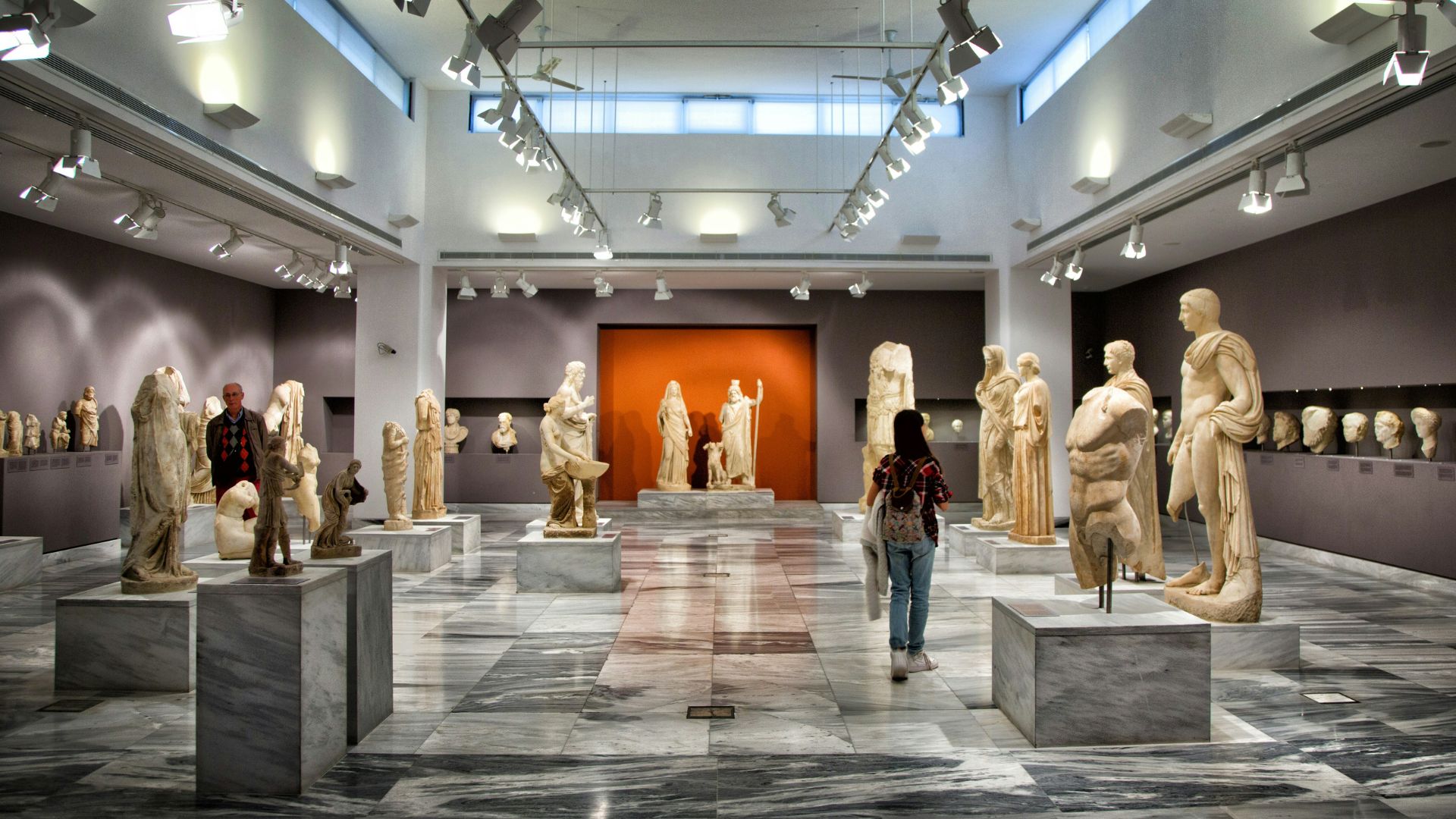
Anyone interested in ancient history will find the Heraklion Archaeological Museum hard to beat.
It holds the largest and most important collection of Minoan artifacts in the world.
History lovers come here to see what the first European civilization left behind.
Key highlights for visitors:
- The Snake Goddess figurines
- Jewelry worn by Minoan elites
- The mysterious Phaistos Disc with its undeciphered symbols
- Colorful frescoes from palace walls
Staff and signs in the museum help explain the timeline and significance of each treasure.
I noticed excited visitors sketching artifacts and taking notes, eager to soak in every detail.
If you have any interest in the ancient world, this museum stands out as an essential travel experience in Crete.
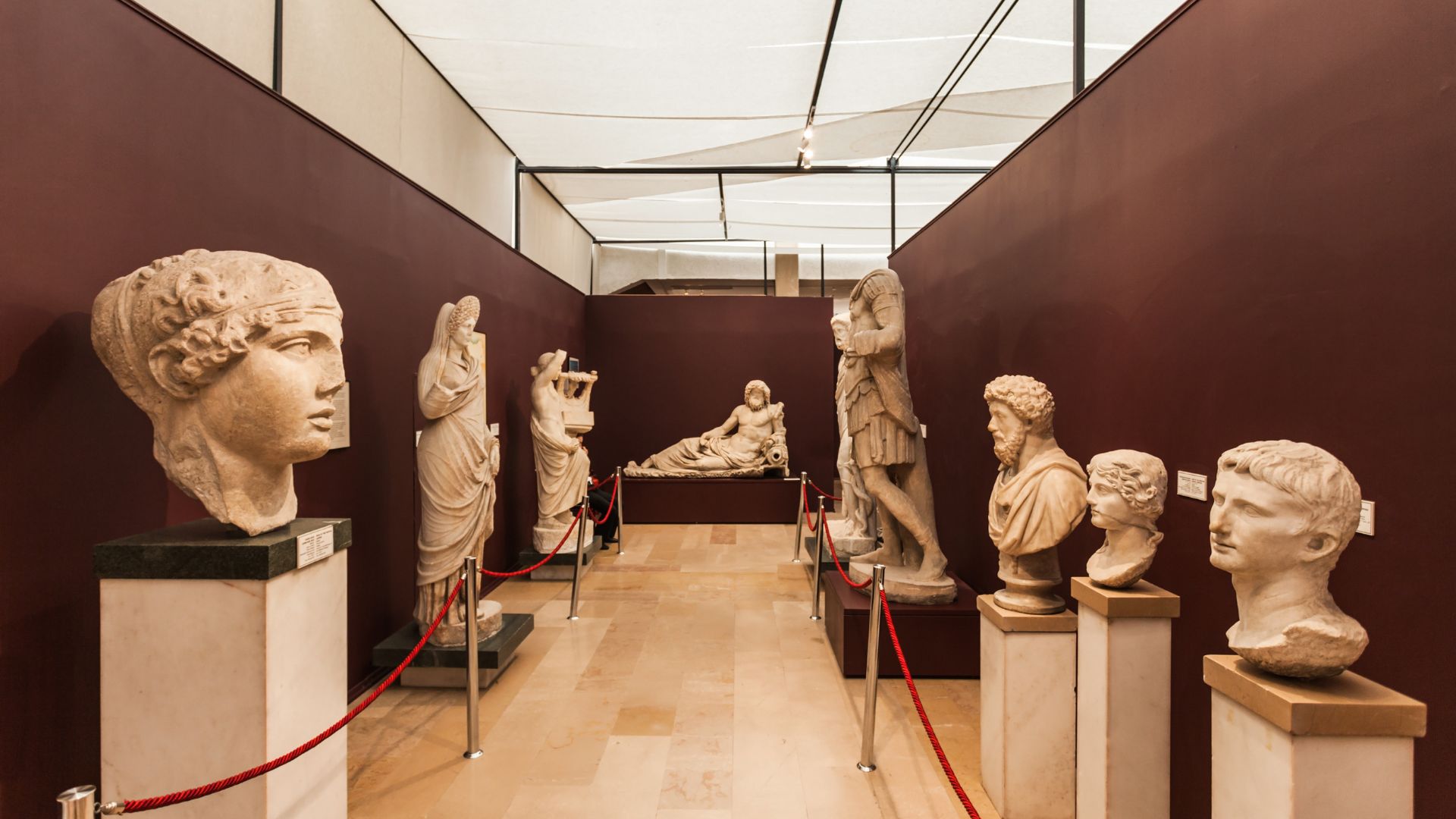
Unveiling the Minoan Treasures
As I wandered through the Heraklion Archaeological Museum, I felt swept up in a world shaped by creativity and mystery.
Each gallery held a part of Minoan life, from breathtaking art to the most basic tools and ancient writings.
Masterpieces: Frescoes, Pottery, and Relics
The museum’s collection of Minoan frescoes stunned me.
Bright colors and natural scenes covered the walls—even after thousands of years, the blues and reds looked alive.
My favorite was the “Prince of the Lilies,” a delicate painting with details that showed the skill of Minoan artists.
Rows of pottery lined the halls.
Minoan vases came in all sizes and shapes, used for storing grain, oil, and wine.
Some were simple, but others had swirling patterns or images of dolphins and flowers.
I marveled at the craftsmanship—these objects survived earthquakes and centuries underground.
Relics made of metals, like bronze axes and gold jewelry, added another layer to the Minoan story.
Tools and ornaments revealed how the Minoans shaped metal into both useful and beautiful things.
It was easy to picture these treasures in the hands of ancient islanders.
Sacred Objects and Everyday Wonders
Not everything in the museum glittered.
Many items were practical, and seeing them up close brought Minoan daily life into focus.
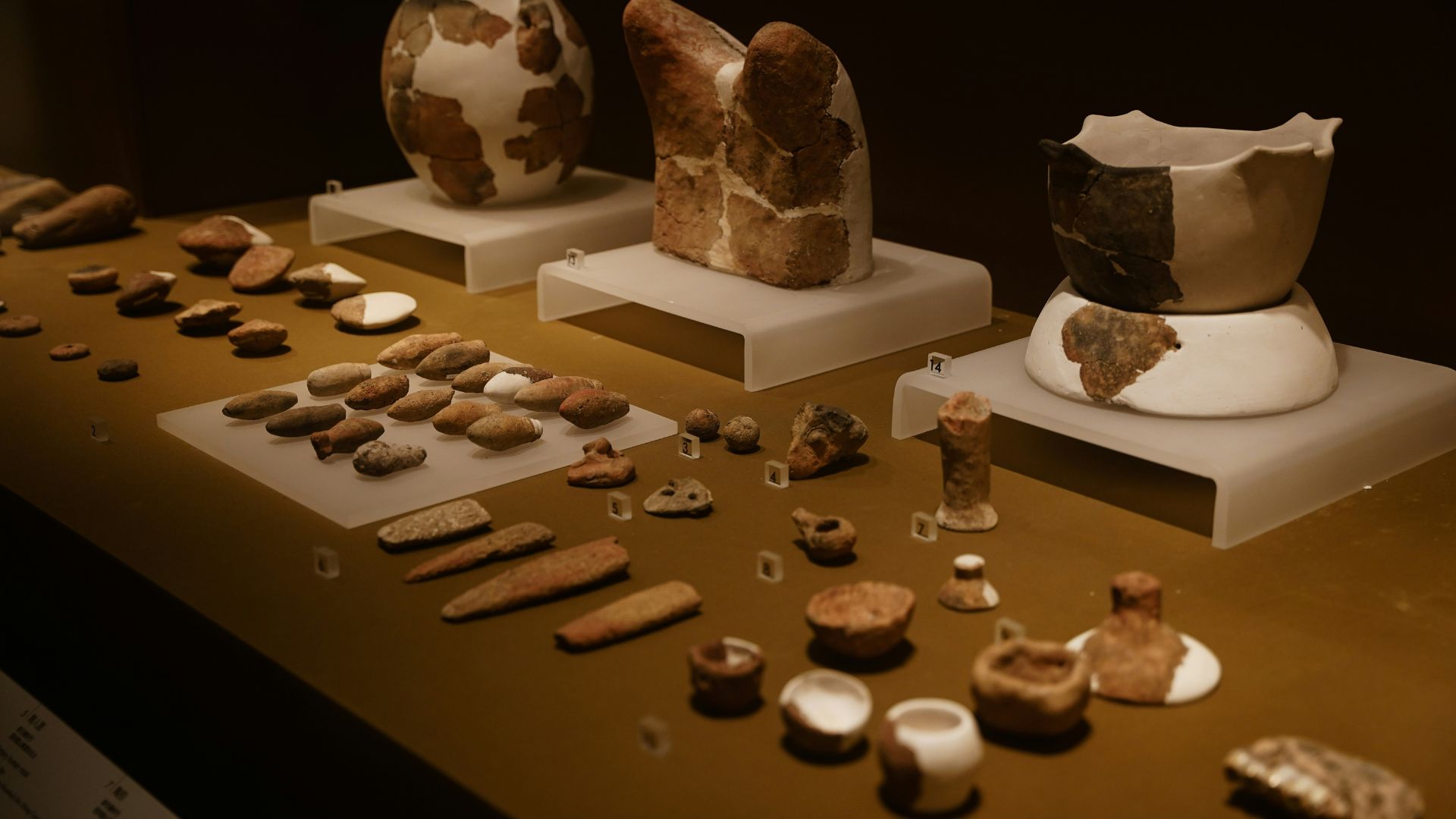
Clay cooking pots, loom weights, and grain storage jars told their own silent stories.
These everyday objects reminded me that life in ancient Crete involved hard work and steady routines.
But spiritual life was never far away.
The museum displayed snake goddess figurines and ritual vessels.
Their painted eyes and raised arms seemed to reach beyond time.
Religious relics filled me with a sense of awe.
The craftsmanship and detail made it clear that worship and ritual were part of ordinary life.
One of the most fascinating pieces I saw was a model of a shrine, complete with tiny offerings.
These objects—from sacred statues to basic kitchenware—let me picture what mattered most to the Minoans.
Decoding Linear B and Ancient Scripts
In a quiet section of the museum, I found clay tablets inscribed with mysterious symbols.
Some were written in Linear B, an early Greek script.
Seeing the actual tablets made the distant past feel much closer.
Linear B mostly recorded inventories—grain stores, livestock, and metal supplies.
It was practical and essential for managing palace life.
The language isn’t beautiful, but it’s clear and helpful to historians.
Reading about the deciphering of Linear B gave me a new appreciation for the skill of both the ancient writers and the modern scholars who revealed their secrets.
Glass cases displayed seals and tokens, which acted like signatures or receipts.
These pieces were small, but they held great meaning.
The labels and explanations helped me connect this written record to the art, tools, and objects I’d seen throughout the museum.
Legends and Myths: Where History Meets Imagination
Ancient Crete’s legends shaped more than just the island’s past—they became the heartbeat of Minoan culture.
Within the Heraklion Archaeological Museum, I found myself surrounded by stories blending myth, archaeology, and art.
Minos, Minotaur, and Ancient Myths
Standing in front of intricate relics, I understood why King Minos’ legend draws so many visitors.
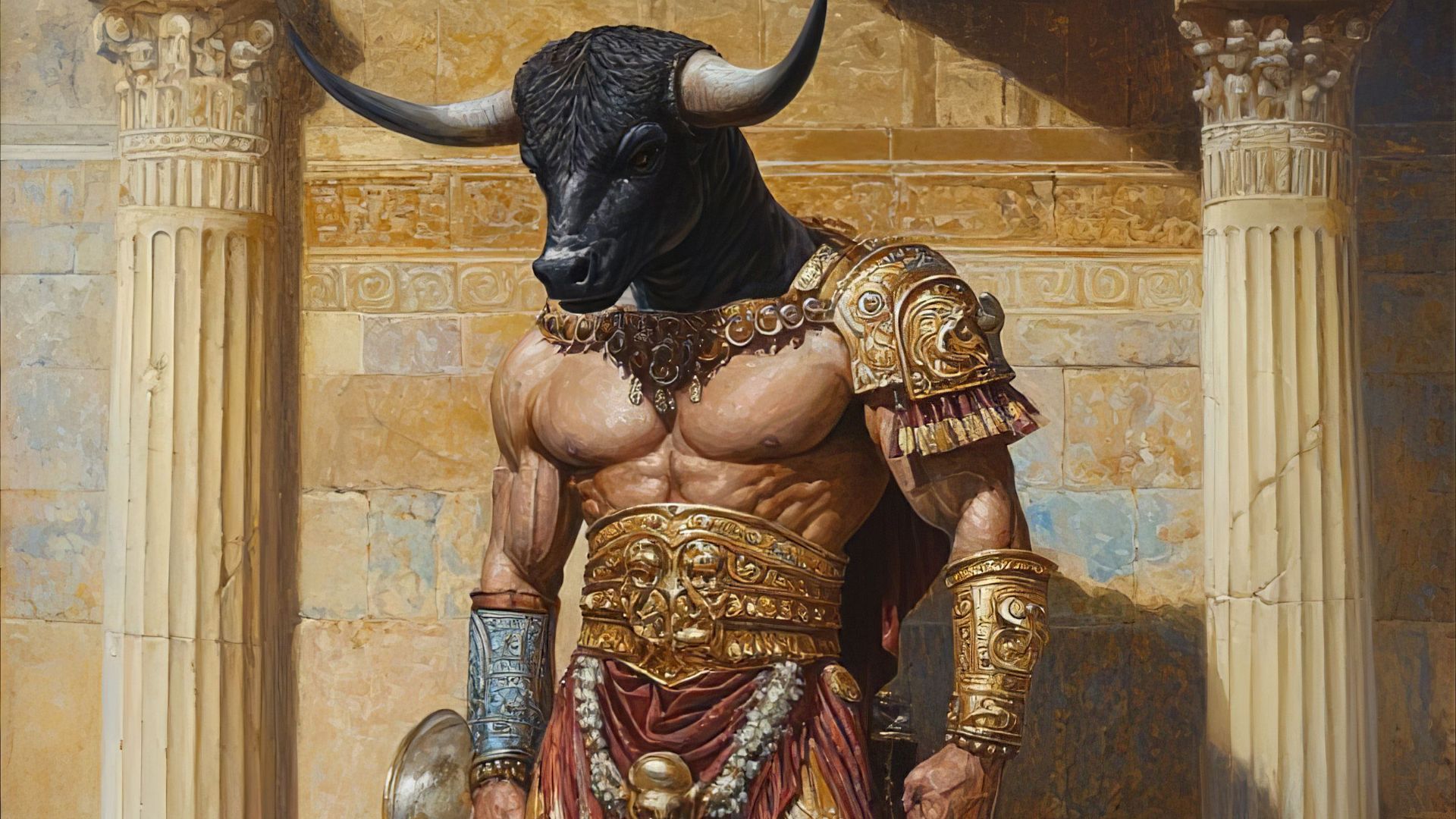
The story says Minos ruled Crete and built a labyrinth to house the fearsome Minotaur—a creature with the body of a man and the head of a bull.
Artifacts like bull-leaping frescoes and carved figurines made these tales feel almost real.
I could almost picture the echoing footsteps of the Minotaur in the ancient corridors.
The Minoan civilization seemed obsessed with bulls, and seeing their art in person brought a new appreciation for how myth and daily life wove together.
Many objects here, from ceremonial axes to clay tablets, show how the Minoans combined spiritual beliefs with storytelling.
The myths weren’t just stories.
They guided rituals and inspired art, which now sit just inches away from visitors like me.
Knossos, Ariadne, and Theseus
Wandering the museum’s Knossos collection, I thought of the story of Ariadne and Theseus.
According to legend, King Minos’ daughter, Ariadne, helped the Greek hero Theseus escape the labyrinth and defeat the Minotaur by giving him a ball of thread.
Seeing beautiful frescoes, ancient jewelry, and everyday pottery from Knossos brought their story to life.
Each artifact seemed to whisper of encounters in palace halls and hidden passageways.
The museum displays a stunning fresco showing processions and rituals held at the actual palace site.
I imagined how Ariadne might have walked those same corridors.
Maps and models of Knossos made it easy for visitors to connect this legendary maze with real-world ruins.
If you’re planning a trip to the palace, the museum’s exhibits help everyone—from solo travelers to history buffs—understand what they’ll see.
Connections to Zeus and Atlantis
One section fascinated me with its links between Crete, Zeus, and even Atlantis.
According to myth, Zeus was born or raised in a cave on Crete, watched over by mysterious protectors.
Minoan artifacts like double axes and figurines connect to these ancient beliefs.
Some legends suggest Crete inspired Plato’s story of Atlantis—a lost island with advanced society and sudden destruction.
The museum’s displays of advanced Minoan engineering and intricate ceramics show why these theories persist.
I found myself staring at marine-themed pottery and thinking about all the seafaring stories passed down over generations.
These links between myth and history make the museum so much more than a collection.
The objects here invite every traveler to look closer and imagine the world those legends once shaped.
Inside Minoan Society: Power, Economy, and Daily Life
Standing among the Minoan treasures at the Heraklion Archaeological Museum, I felt as if I’d stepped into another era.
The objects and artifacts revealed secrets about ancient palaces, economic riches built on trade, and how everyday Minoans lived, worked, and pursued justice.
The Palace, the Throne, and Ruling Power
The heart of Minoan society was the palace, with Knossos being the most famous example.
Walking through the museum, I saw models and artifacts that illustrated these palace complexes.
They had hundreds of rooms and were built over many levels.
One of the most striking things was the display about the throne room.
I learned that the Minoans had the earliest known stone throne in Europe.
It symbolized not just royal power but also made it clear who was in charge.
The palace wasn’t just for the ruler.
Officials planned religious ceremonies, managed records, and stored supplies there.
Power rested in the hands of a few elite families.
The administrative systems and art showed how authority shaped every part of Minoan life.
Trade, Wealth, and the Role of Wine
Minoan wealth grew from trade across the Mediterranean.
Pottery, frescoes, and even shipping records at the museum show that the Minoans exported goods like olive oil, pottery, and especially wine.
Sweet wine was an important product, sent to other cultures with pride.
I saw jars that once held oils and wines destined for far-off lands.
The economy thrived on these networks, bringing in not just goods but also new ideas and luxury items.
Trade shaped daily life, as merchants and workers kept shipping and storage busy.
Wine played a special role in social gatherings and probably in religious rituals.
It wasn’t just a drink—it was a sign of wealth.
Even the shapes of their jugs and cups showed how much they valued sharing wine with guests and family.
Work, Justice, and the Minoan Constitution
Not all Minoans lived lives of ease.
Farm laborers, artisans, and traders kept every part of society running.
Tools and everyday objects on display showed how families worked the land, wove textiles, or made pottery.
Justice mattered to the Minoans, and some scholars even mention a “Minoan constitution.”
While less is known about these laws, clay tablets and archives hint at systems that organized society and regulated disputes.
It seems that justice helped keep the peace between families and guided fair work practices.
Everyone had a role, from palace officials to farmers.
I was struck by how even the smallest artifact in the museum—an inscribed tablet or a simple farming tool—told a story about labor, fairness, and the daily struggle to maintain order and community.
The Museum’s Place in Archaeological Discovery
Walking through the Heraklion Archaeological Museum opened my eyes to how much history this place holds.
The museum’s collection isn’t just local—it’s global, connecting Crete’s ancient past to discoveries across the world.
Unraveling Mysteries: Arthur Evans and Heinrich Schliemann
Arthur Evans and Heinrich Schliemann—those names really linger in Crete’s archaeological history. Evans made his mark at Knossos, which sits pretty close to the museum.
When I looked at the frescoes and pottery, I couldn’t help but think of Evans. He actually reconstructed these pieces himself, bit by bit, to reveal the story of the Minoans.
Schliemann’s journey connects here in some surprising ways. He’s usually the guy people talk about when Troy comes up, but during my visit, I realized his obsession with ancient origins pushed others—Evans included—to dig deeper in Crete.
Their legacy weaves right through the museum’s halls. You’ll find maps, artifacts, and timelines that show how their discoveries finally brought those hidden Minoan secrets into the light.
Minoan Connections: Cyprus, Hatti, and Beyond
What really caught my attention was how the museum highlights the Minoans’ global ties. There’s a case with artifacts from trade with Cyprus, and the designs make it obvious—Cretan culture traveled far across the Mediterranean.
Some exhibits line up Minoan finds next to objects from Hatti, the old Hittite lands. That comparison makes the links to Anatolia feel much more real.
The museum lays out these early international networks with displays, maps, and even digital guides. I started to see how Crete’s spot on the map turned it into a crossroads for ancient worlds.
It’s not just about local history here. This place buzzed with ideas, crafts, and tech from all over.
From Prehistoric Times to Modern Exploration
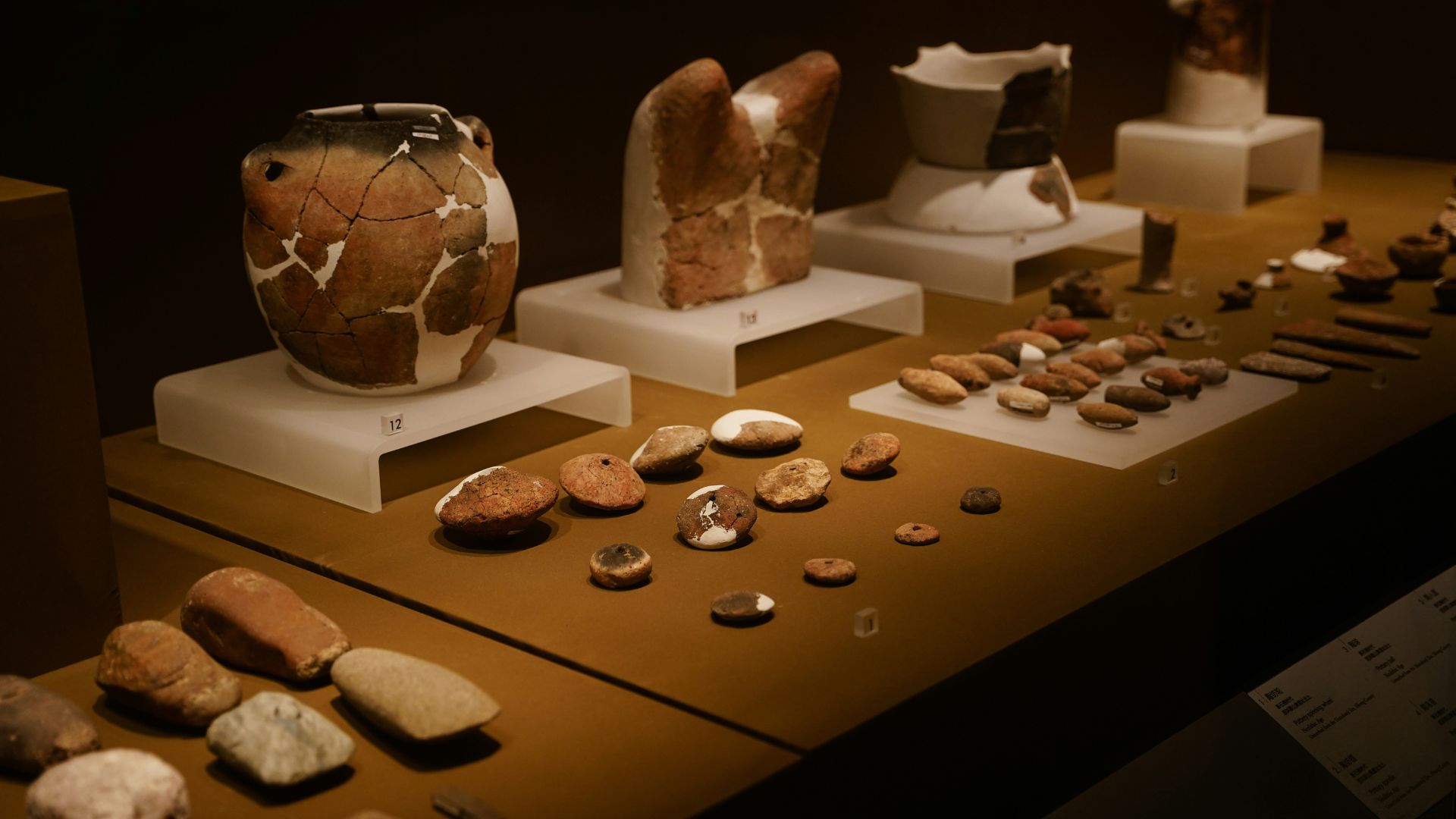
I wandered through a section packed with tools and pottery from before the Minoans, way back when people first settled Crete in the Stone Age.
Honestly, I felt amazed seeing how simple stone blades and little clay figures slowly turned into the rich Minoan art we know now.
The museum doesn’t skip over those earliest chapters. It lays out the whole timeline, showing how each era builds on the last.
You’ll also find plenty of modern discoveries here.
Interactive exhibits actually show how archaeologists use new tech—like 3D scanning and DNA testing—to dig up even more secrets.
I watched a short video about digs happening right now on the island. Suddenly, it hit me: archaeology isn’t just about old ruins.
It’s a living science, and this museum sits right at the heart of it.
