
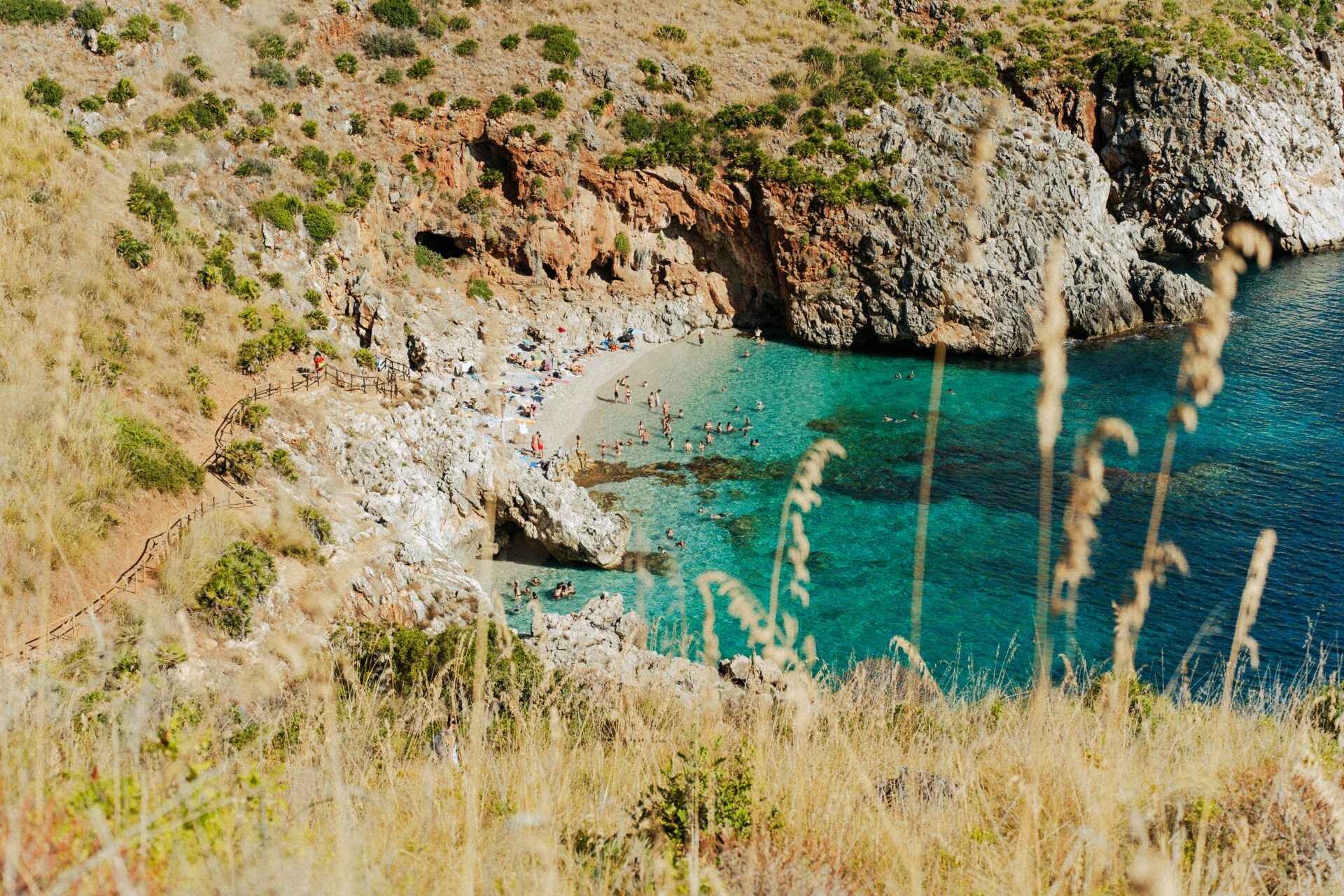
I’ll never forget catching my first glimpse of the Mediterranean from Lo Zingaro Nature Reserve in Sicily. Crystal clear turquoise water stretches along seven perfect pebbly coves, each one strung together by a dusty coastal trail winding through wild palms and prickly pear cacti.
The 7-kilometer hiking path (one way) delivers one of Sicily’s most magical experiences. You get natural beauty and the perfect places to cool off with a swim.
Tucked away on Sicily’s northwestern coast, Zingaro became Sicily’s first protected nature reserve, and you can really tell by the untouched landscape. Unlike so many Italian beaches crowded with umbrellas and services, these hidden coves stay wild and beautiful.
My favorite part? The way the trail reveals each cove, one after the other, like a reward system—hike a bit, swim a bit, then do it all over again.
The main coastal path feels accessible for most fitness levels. It’s clearly marked and firm underfoot.
I packed plenty of water, sunscreen, and snacks since the reserve doesn’t have any facilities once you’re inside. If you’re planning a trip to Sicily, put this hike at the top of your list.
Arrive early to beat the heat and the crowds, especially in summer.

Planning a Day Hike in Zingaro Nature Reserve
If you want to hike along Sicily‘s stunning Zingaro Nature Reserve, a little advance planning helps a lot. The 7km coastal trail offers incredible views and access to seven beautiful coves, but the right timing and gear make all the difference.
Choosing the Best Season to Visit
Late spring (April-May) and early fall (September-October) really hit the sweet spot for visiting Zingaro. Temperatures hover comfortably around 20-25°C, which makes hiking pleasant.
Summer (June-August) can get brutally hot, often soaring above 30°C. The trails barely offer any shade, so midday hikes can feel miserable or even dangerous.
Winter visits are possible, but honestly, it’s a gamble. Sometimes the reserve closes during heavy rain because of landslide risks.
If you do come in winter, you’ll probably have the paths to yourself. Spring brings wildflowers along the trail, while fall gives you warmer sea temperatures for swimming.
Access Points: Northern and Southern Entrances
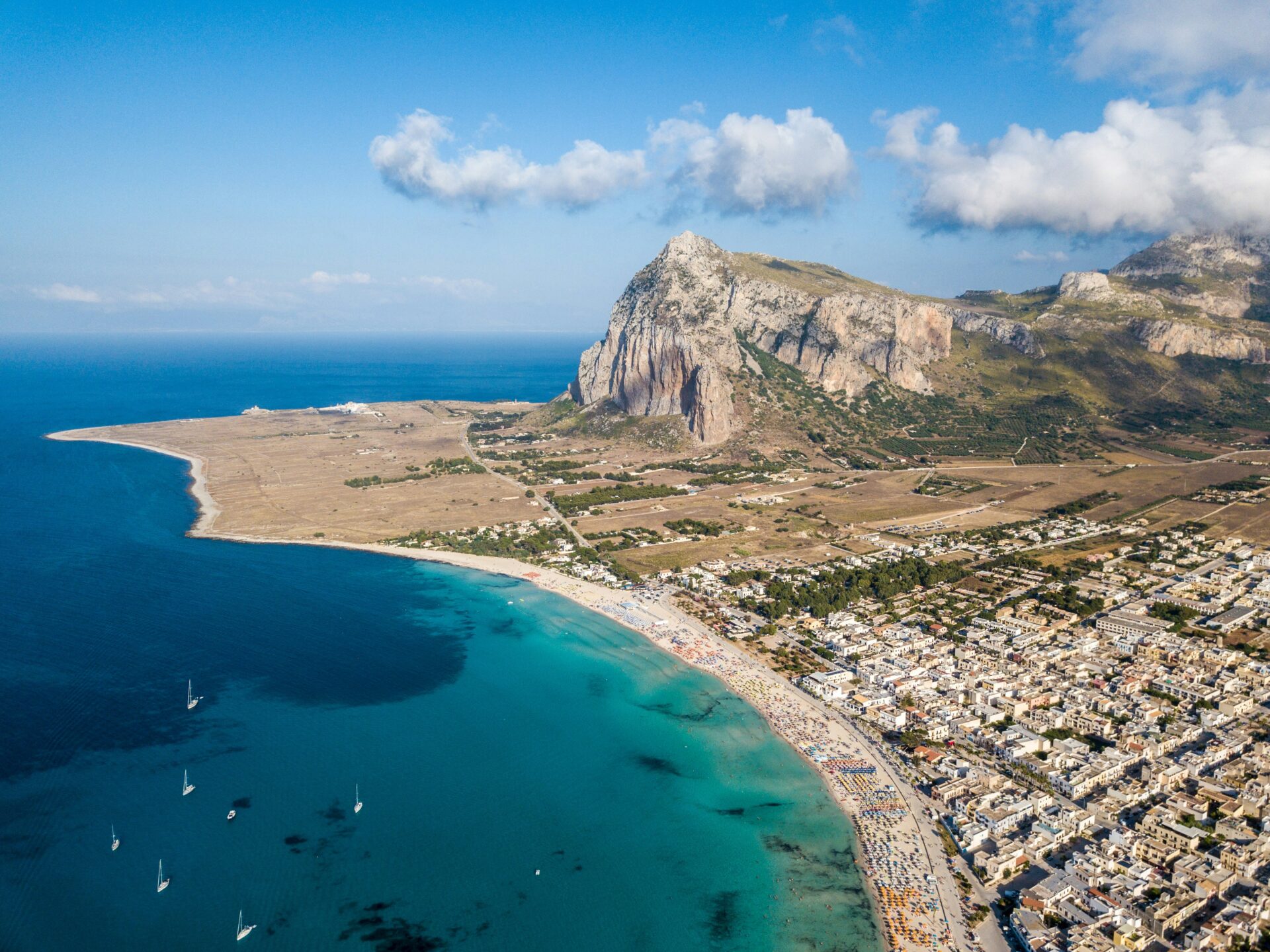
Zingaro has two main entrances. The northern entrance near Scopello draws more people, with better facilities and a bigger parking area.
The southern entrance near San Vito Lo Capo stays a bit quieter but gives you the same access to the coastal trail.
Both entrances charge about €5 per adult for admission. Each one has restrooms and water fountains, so fill your bottles before heading in.
I always start early (around 8-9am) from either entrance to dodge the crowds and the hottest part of the day.
If you want to see all seven coves without hiking the trail twice, arrange transportation between the two entrances.
Car Parks and Getting There
Parking at both entrances costs about €5 for the day. The northern lot near Scopello is bigger, but it fills up fast in high season.
I got there by 9am and the northern lot was already almost full on a May weekend. In peak season, aim for before 8:30am.
There’s no public transportation straight to the entrances. From Palermo, you can catch a bus to Castellammare del Golfo, then take a taxi to the northern entrance.
Renting a car gives you the most flexibility. That’s what I’d recommend for visiting Zingaro.
The drive from Palermo takes about 1.5 hours. Some people also book boat tours from Scopello or San Vito Lo Capo to see the reserve from the water.
What to Pack for a Mediterranean Adventure
Essential gear:
- At least 2 liters of water per person (there are no shops inside)
- Comfortable hiking shoes with good grip
- Sun protection (hat, sunscreen, sunglasses)
- Swimwear and a quick-dry towel
- Snacks or a picnic lunch
I found a trekking pole handy for some steeper sections, though the main path stays pretty well-maintained.
If you like snorkeling, pack a mask and snorkel—the water’s so clear, you’ll spot lots of Mediterranean fish.
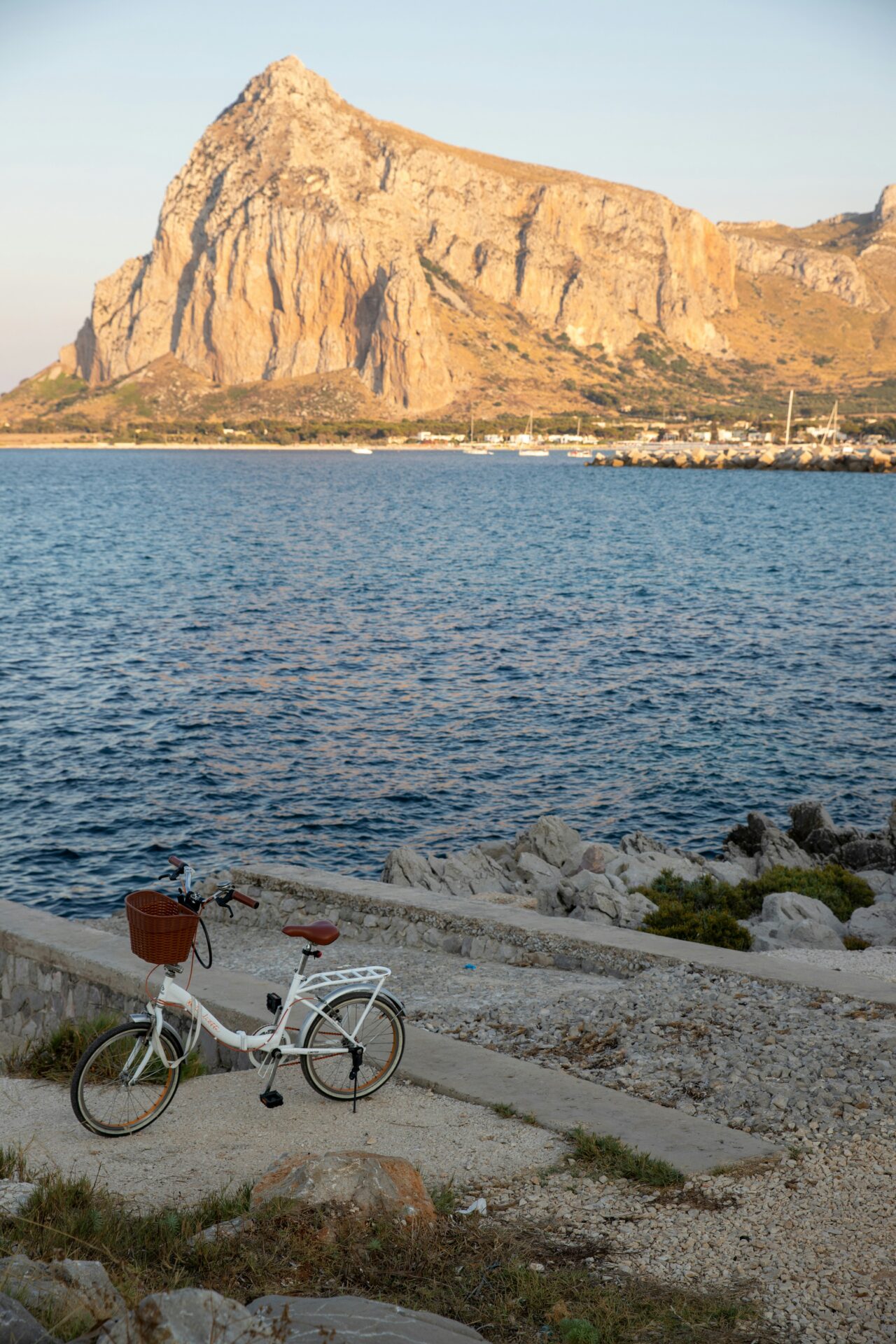
Don’t forget your camera! The contrast between turquoise water and white pebble beaches is just too good.
Bring cash for entrance fees and maybe a printed map, since mobile coverage can be spotty in parts of the reserve.

Seven Perfect Coves: Highlights of the Coastal Trail
The 7 km coastal trail at Zingaro Nature Reserve gives you access to some of Sicily’s most stunning beaches. Each cove has its own vibe, with water shifting from turquoise to deep blue against dramatic limestone cliffs.
Cala Capreria and Its Crystal-Clear Waters
Cala Capreria was the first cove I hit after entering from the southern entrance. This pebbly beach has some of the bluest water I’ve seen anywhere in the Mediterranean.
The small pebbles shine under the transparent sea, almost hypnotic. I’d suggest arriving early to enjoy it before the crowds.
The morning light makes the colors pop—perfect for photos. The cove is small and gets natural shade from the cliffs.
The path down to Cala Capreria is steep, but with decent shoes, it’s totally doable. I hung out for about an hour, swimming and just soaking in the rugged scenery.
Even in May, the water felt refreshingly cool.
Swimming in Secluded Beaches
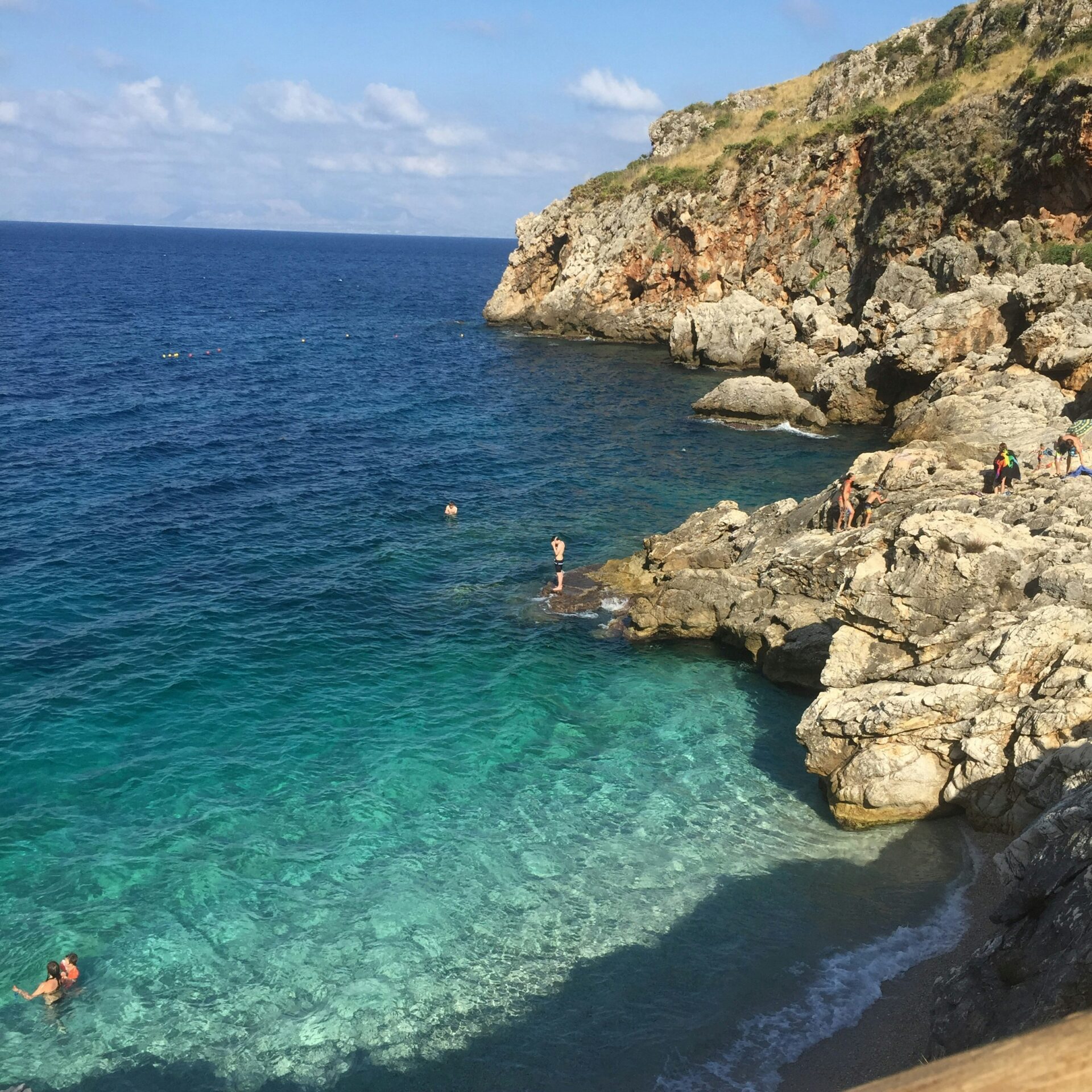
Walking along the coastal path, I found several secluded beaches that felt like private paradises. Cala del Varo and Cala della Disa stood out—they required short detours off the main trail but rewarded me with peaceful swimming spots.
The clear water made for excellent snorkeling. I spotted colorful fish darting between rocks and seagrass.
These protected coves stay pristine. Bring water shoes for the pebbly shores, and don’t forget your own water and snacks since there’s nothing for sale at the beaches.
The hike between coves offers amazing views of the coastline. I took my time, stopping for a swim at each beach to cool off.
Sandy and Pebbly Shores Along the Trail
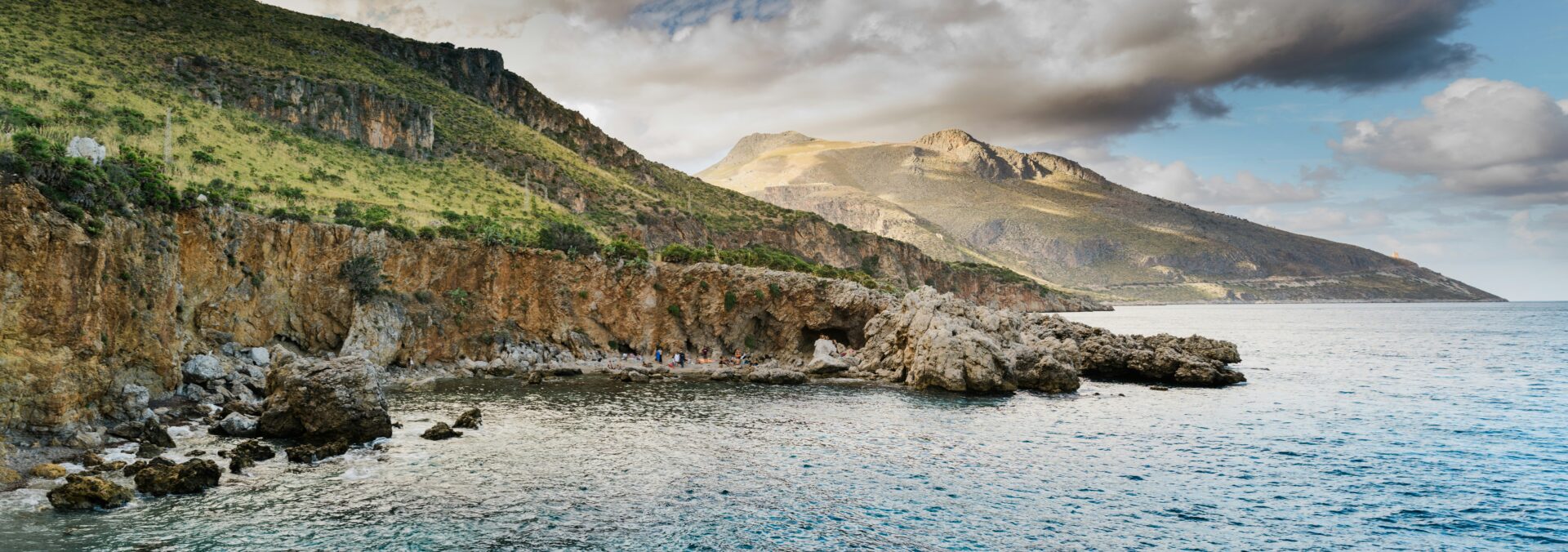
I didn’t expect so much variety in the beaches. Some coves have fine pebbles, others are coarser, and a few patches of sand pop up here and there.
Cala Tonnarella dell’Uzzo mixes sand and pebbles, which makes it comfier for lounging. Each beach feels different.
Cala Marinella has dramatic rock formations, perfect if you’re looking for some shade. The changing landscape kept the 7 km hike interesting the whole way.
Plan for at least 5-6 hours if you want to swim at a few stops along the trail. Some beaches are easier to reach than others—Cala Capreria and Cala dell’Uzzo are the most accessible.
The trail links all seven coves, so you can beach-hop at your own pace. I noticed mid-week visits were way less crowded, especially at the beaches further from either entrance.
Nature, Wildlife, and Dramatic Scenery
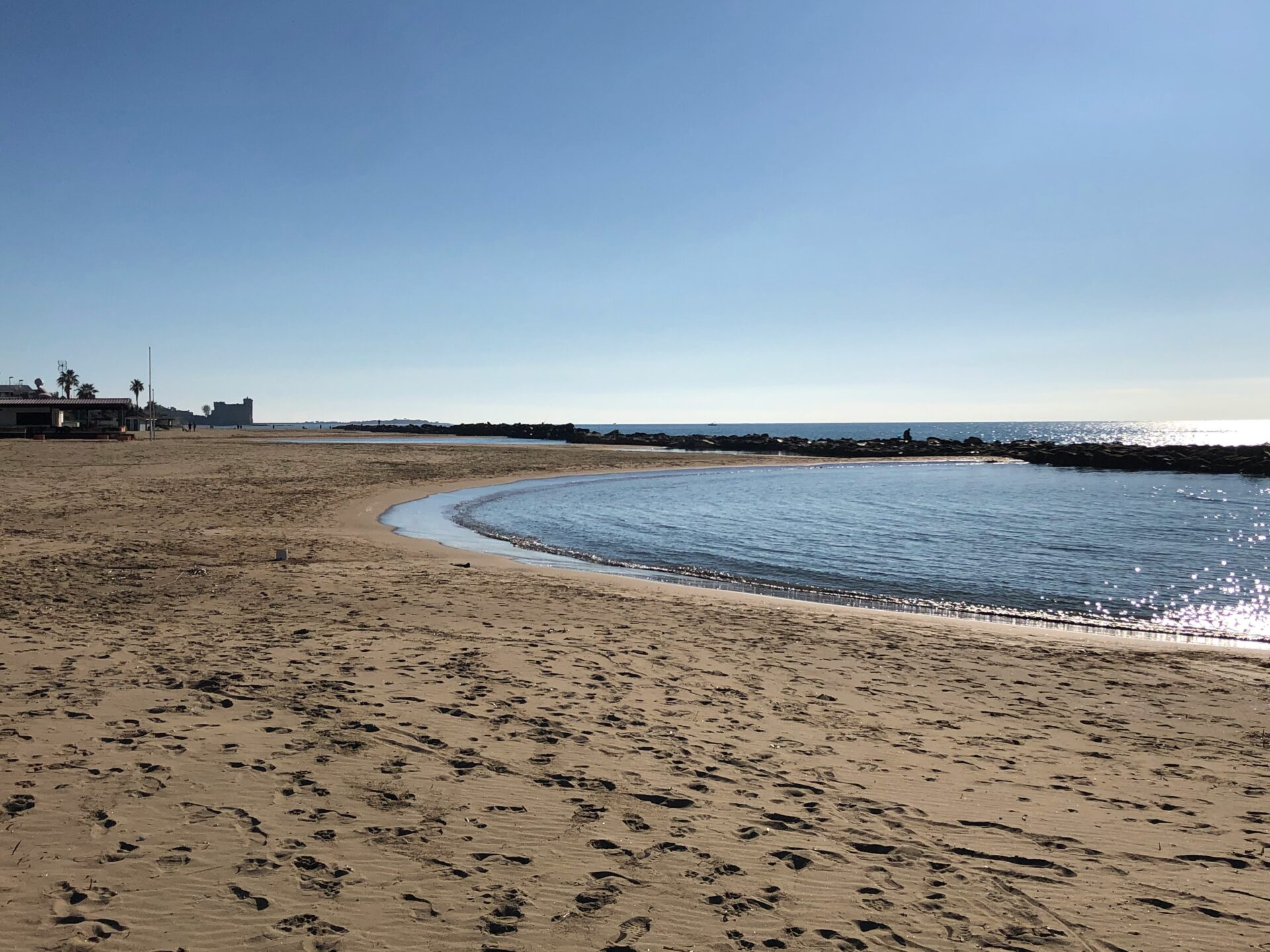
Zingaro Nature Reserve shows off some of Sicily’s most unspoiled environments. The reserve’s ecosystem supports a wild mix of plants and animals, all set against dramatic coastal cliffs and clear blue water.
Pine Forests, Cork Oak, Carob, and Almond Groves
As I hiked through the reserve, the scent of pine forests hit me right away. Mediterranean pines offer patches of shade, which feels like a lifesaver under the Sicilian sun.
Cork oak trees dot the landscape with their reddish trunks—many show scars from sustainable harvesting that’s gone on for generations. I found it fascinating that people harvest the outer bark every 9-12 years without hurting the trees.
Ancient carob trees, with their evergreen leaves and long seed pods, add even more character. In spring, I got lucky and saw almond groves in full bloom, their white-pink flowers turning parts of the reserve into a fragrant wonderland.
All this plant life creates a patchwork of textures and colors against the limestone, making Zingaro feel truly special.
Birdlife: Spotting Peregrine Falcons
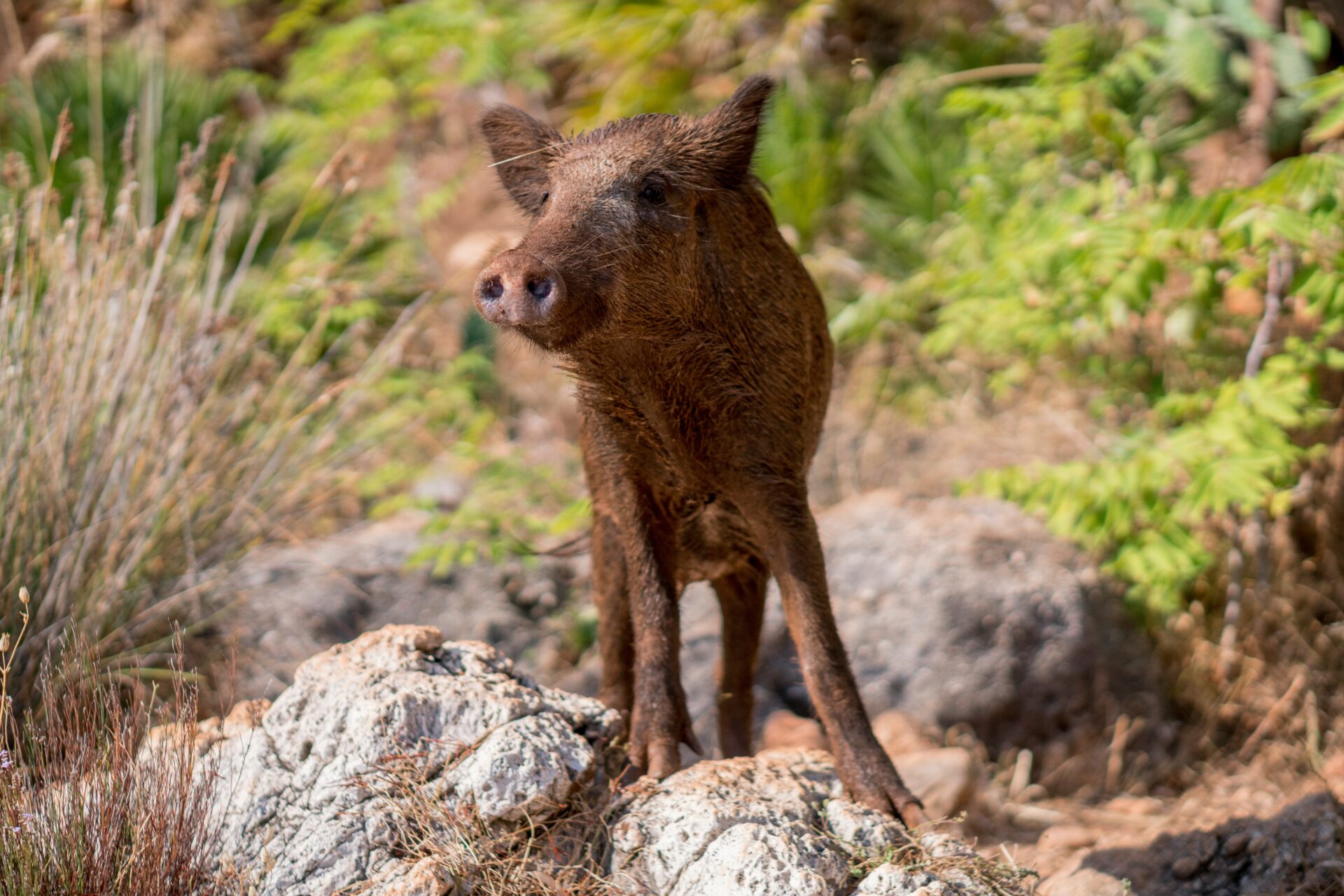
Birdwatchers will love Zingaro. I brought binoculars, which came in handy for spotting the reserve’s most impressive resident—the peregrine falcon.
These birds nest in the high coastal cliffs. I stopped at several lookout points and watched until I finally caught one diving for prey—so fast, it’s almost unreal.
The rangers told me about 10-12 nesting pairs live in the reserve. I also spotted Bonelli’s eagles soaring on the wind, European bee-eaters with their wild colors, and blue rock thrushes perched on rocks.
Morning is best for birdwatching—everyone seems more active then. The reserve’s geography, from sea level to higher hills, brings in a surprising variety of birds.

Dramatic Cliffs and the Tyrrhenian Sea
The coastline of Zingaro Reserve gave me some of the most breathtaking views I’ve ever seen in Sicily. Limestone cliffs plunge into the Tyrrhenian Sea, creating a wild contrast between white rock and blue water.
I followed paths hugging the coastline, with panoramic views at every turn. The sea shifts through so many shades of blue—from deep cobalt far out to bright turquoise in the shallow coves.
Waves have carved caves and arches into the cliffs. At a few spots, I found small caves and arches you can only reach from the water.
Sunset brings the best views—the golden light makes the white cliffs glow amber. The water’s clarity is unreal.
From higher lookout points, I could even spot fish swimming below. That’s how you know this coastline stays so pristine and protected.
Cultural and Historical Touches Along the Path
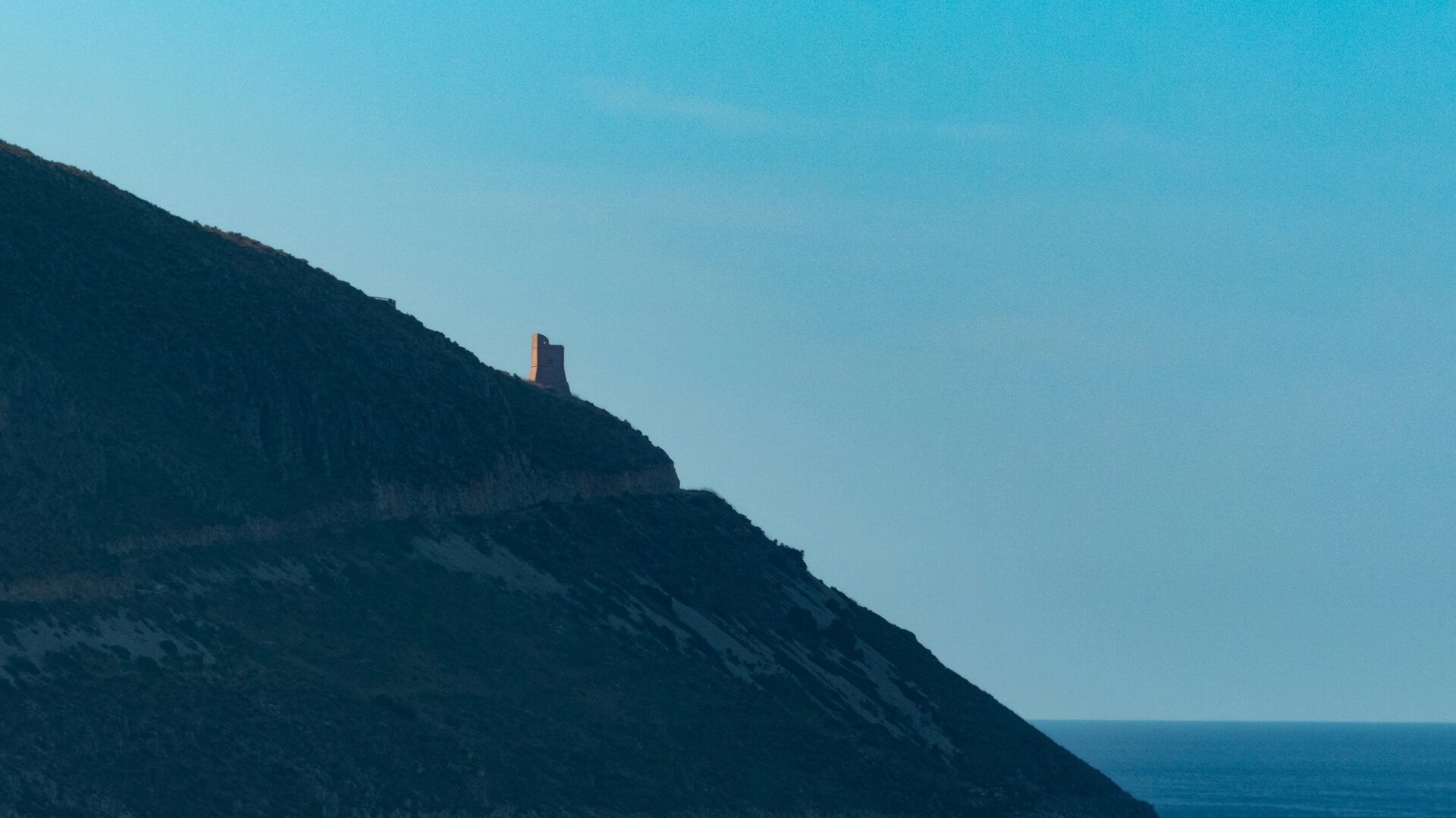
Walking through Zingaro isn’t just about epic views and swimming. The reserve reveals layers of Sicilian history with abandoned buildings, old structures, and nearby villages that keep old traditions alive.
The Tonnara and Scopello’s Fishing Heritage
Just before I entered Zingaro from the southern entrance, I stumbled across the ancient tonnara (tuna fishery) of Scopello. This stone complex dates back to the 13th century and once powered the local tuna fishing industry.
The weathered buildings, old wooden boats, and rusty equipment tell stories of generations of fishermen. The tonnara stayed active until the 1980s, using the traditional mattanza method.
Now it’s a scenic spot for photos, sitting right against the limestone cliffs. Walking through Scopello, I noticed fishing themes everywhere—from the architecture to the food.
Small restaurants serve up dishes based on recipes passed down through fishing families.
Ancient Ruins and Traces of Local Life
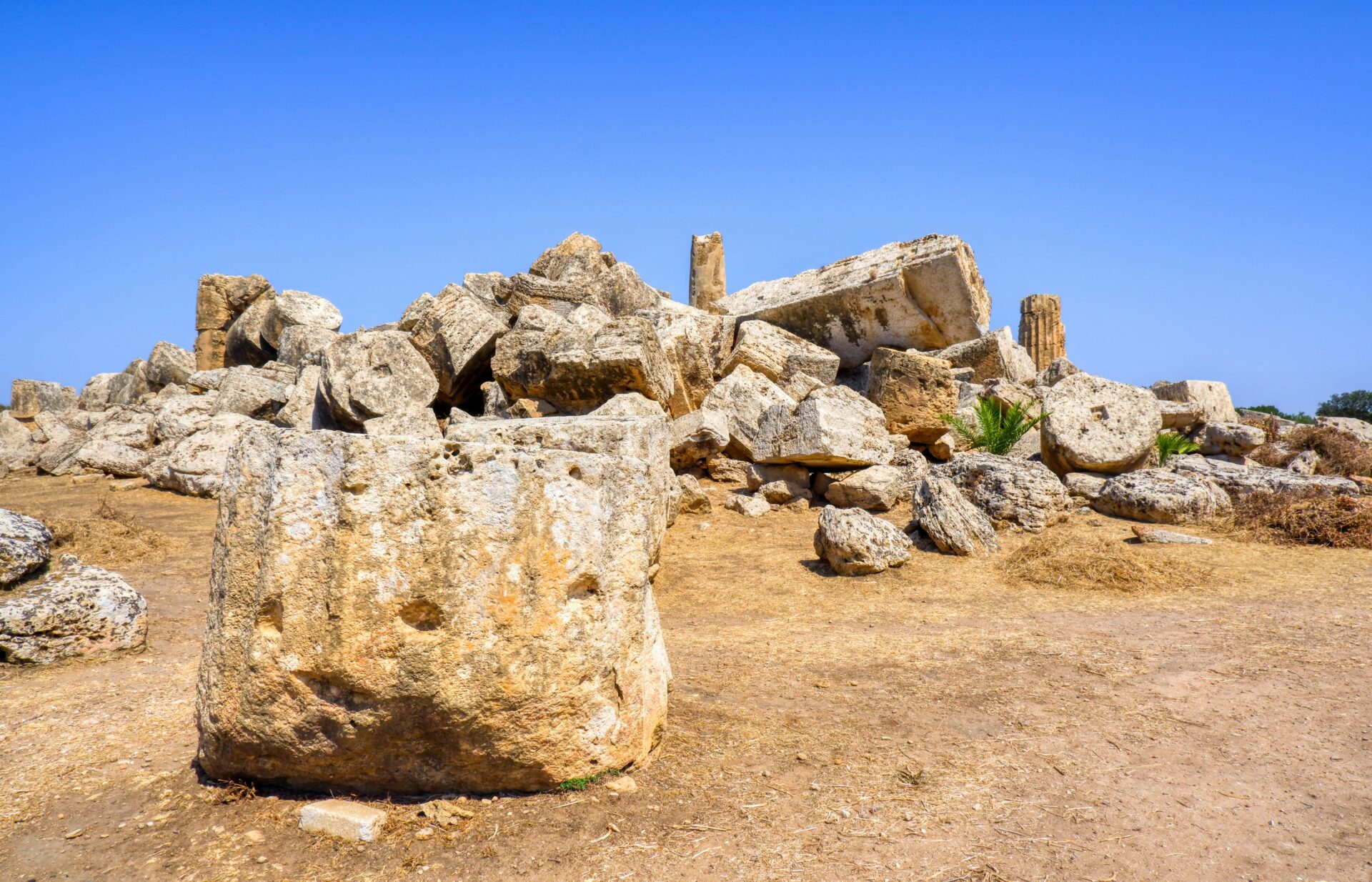
Along the hiking paths, I came across stone ruins that hint at Zingaro’s past. Small homesteads and farm buildings, abandoned when the reserve was founded in 1981, still dot the landscape.
One of the coolest discoveries was a grotta (cave) with evidence of prehistoric human habitation. Archaeologists say people lived here as far back as 10,000 years ago!
I passed old olive presses and the remains of terraced fields, showing how locals once farmed these steep hills. Small museums along the trail display tools, photos, and exhibits about traditional farming and the lives of past residents.
Water cisterns and clever irrigation systems reveal how people managed to thrive in this dry environment long before modern comforts.
Nearby Small Villages and Sicilian Charm
After wandering through Zingaro, I made my way over to Castellammare del Golfo—a seaside town in Trapani Province. A Norman castle stands guard over the harbor, and honestly, the view is something you won’t forget.
Fishermen dock their boats every day, bringing in fresh catches for the local restaurants. The whole scene just feels so alive.
Narrow streets twist up the hills, and sometimes you turn a corner to find a hidden viewpoint or a tiny shop selling ceramics and homemade food. It’s easy to get a little lost, but that’s half the fun.
In these villages, I felt genuine Sicilian hospitality. Once, an older woman waved me over and insisted I try her homemade caponata—she even explained the recipe in a mix of Italian and Sicilian. I barely understood, but the warmth was unmistakable.
Time slows down here. Locals gather in the village squares for long afternoon chats, keeping social traditions alive. There’s a sense that some things haven’t changed for generations, and honestly, I hope they never do.
Post-Hike Pleasures: Food, Wine, and Sea Views
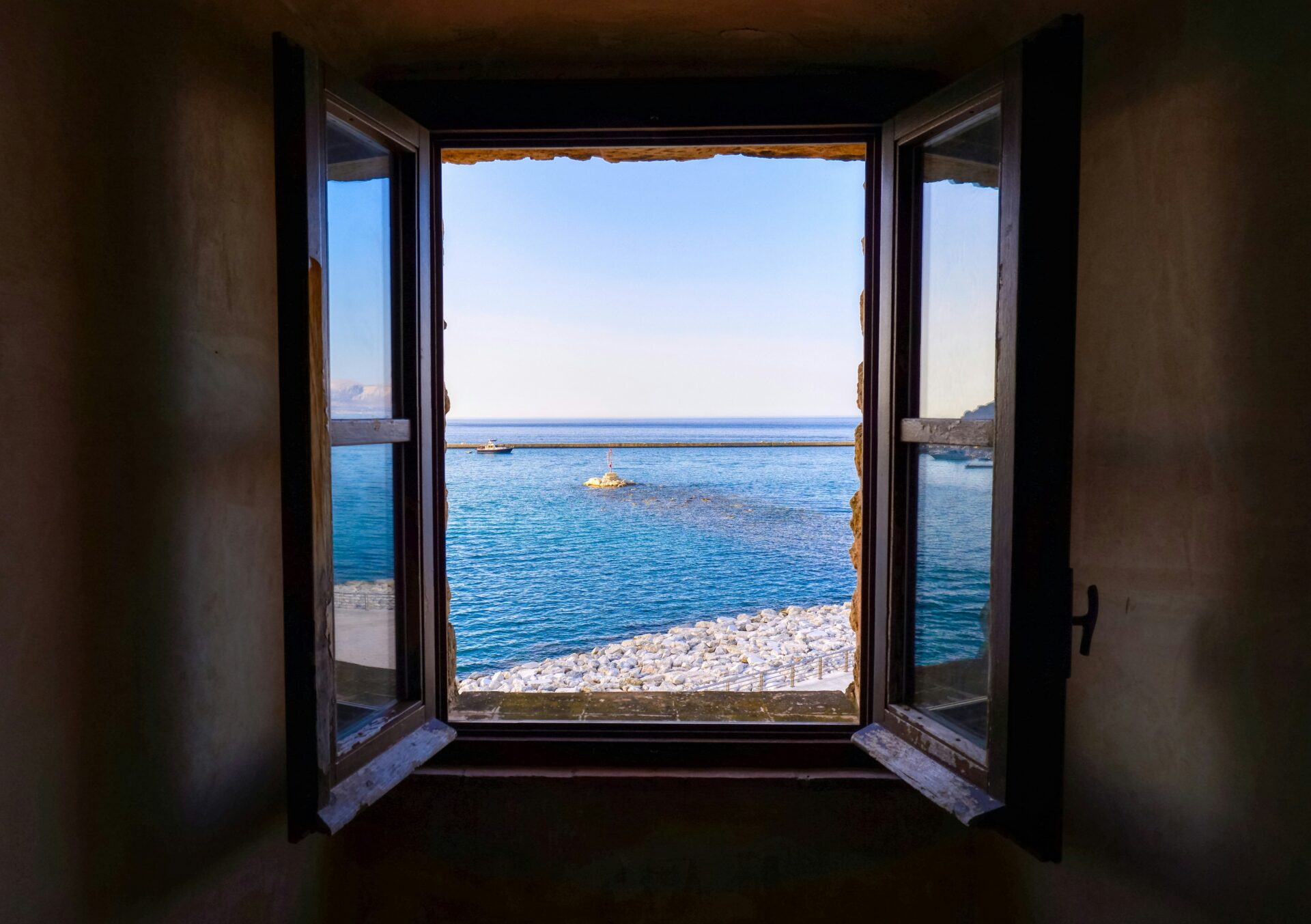
After a day on the trails, Zingaro’s surrounding towns offer exactly what you need. Local cuisine, good wine, and those endless Mediterranean views—what more could you ask for?
Rustic Restaurants and Sicilian Cuisine
Just outside the reserve in San Vito Lo Capo, I stumbled upon a handful of family-run restaurants. They serve up classic Sicilian dishes, and the seafood? It’s as fresh as it gets—usually caught that morning.
I had to try the pasta con le sarde, the region’s signature dish. Sardines, wild fennel, pine nuts, raisins—it’s a strange mix, but somehow it works. The sweet and savory flavors surprised me in the best way.
Couscous here shows off a North African influence, but local ingredients make it unique. Many places have outdoor seating, so you can eat while soaking in the coastline. Dinner just flows into the evening.
Local Specialties to Try:
- Pasta con le sarde
- Fresh-caught sea urchins
- Caponata (sweet and sour eggplant)
- Arancini (rice balls)

Savoring Local Olive Oil and Wine
Western Sicily produces some of the best olive oil and wine I’ve ever tasted. I visited a small olive farm, and the owner showed me how the rocky soil and Mediterranean sun shape the oil’s peppery kick.
The local wine scene caught me off guard—in a good way. Grillo, the white wine, bursts with citrus and pairs perfectly with seafood. If you’re more into reds, Nero d’Avola brings bold berry and a hint of spice.
Many wineries set up tastings with sweeping countryside views. I couldn’t resist buying a bottle of olive oil to bring home. Even now, its grassy aroma takes me right back to those sun-soaked hills above Zingaro.

Relaxing by the Mediterranean After the Hike
Honestly, nothing soothes tired hiking muscles quite like a swim in the Mediterranean after a long trek. I wandered back to Cala Berretta, one of those quiet coves along the trail, and just slipped into the crystal-clear water.
The evening light turns the sea to gold. It creates this magical atmosphere that’s hard to describe.
Some hikers gather on the beaches to watch the sunset. People start sharing stories from their day’s adventures, and you can’t help but listen in.
If you’re after a bit more comfort, the cafés in San Vito Lo Capo are perfect for sipping a cold drink while watching the waves. I stumbled upon a tiny bar with a terrace right above the water and tried a Sicilian lemon granita—so refreshing.
Natural beauty, great food, and that feeling of total relaxation—Zingaro isn’t just about the hiking trails.
