
When I first set foot on the ancient shepherd paths of central Sardinia, I instantly felt like I’d landed in one of the last wild places in the Mediterranean. These trails, worn smooth by centuries, twist through landscapes that mass tourism hasn’t managed to touch—and every step feels like a brush with history.
Hiking Sardinia’s shepherd tracks lets you slip into pristine forests, discover hidden springs, and stumble upon Bronze Age ruins you’d never find on a typical tourist route.
The island’s rugged interior practically shouts its stories through stone. As I walked these paths, I followed in the footsteps of Sardinian shepherds who’ve used them for generations, sometimes climbing from sea level to nearly 1,000 meters.
These trails stretch out for days, winding through deserted areas where your footsteps and maybe the far-off bell of a sheep are the only sounds you’ll hear.
I spent five days trekking with local guides who seemed to know every rock and tree. In May 2025, the weather hit that sweet spot—warm days, cool nights, wildflowers everywhere.
The 6-kilometer route through forests and springs took just two and a half hours, but it peeled back centuries of island history. What really sets these hikes apart isn’t just the scenery—it’s the honest, raw connection to Sardinian culture that you only get when you’re out there on foot.
Discovering the Wild Beauty of Central Sardinia
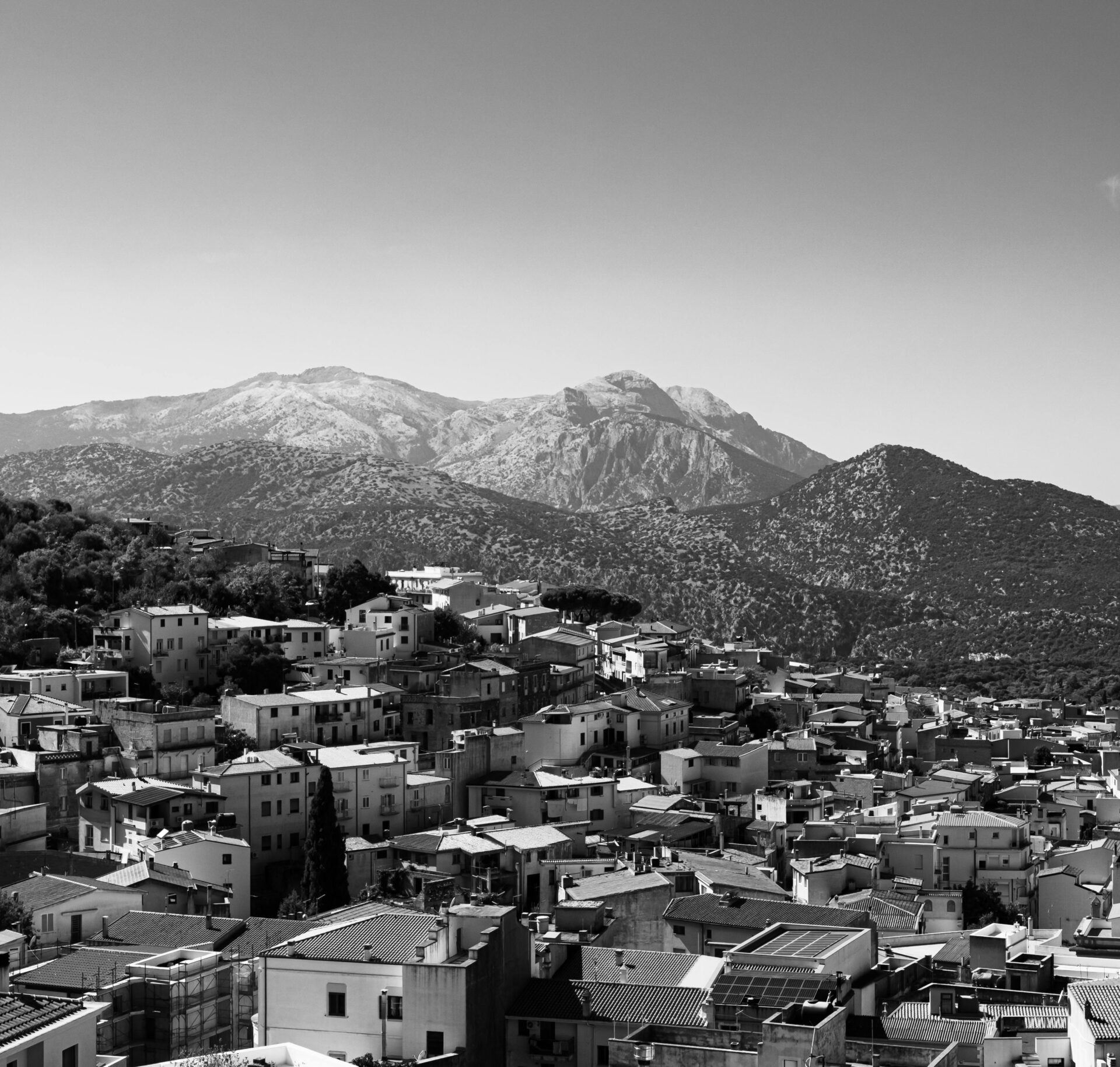
Central Sardinia feels like a secret pocket of nature, far from the coastal crowds. The island’s heart reveals ancient traditions, dramatic landscapes, and a rhythm of life that hasn’t changed much in centuries.
Captivating Landscapes and Rural Charm
The interior of Sardinia grabbed me with its wild, shifting beauty. In spring, the hills explode with wildflowers, painting everything in color.
Summer brings golden fields under a sky so blue it almost hurts your eyes. By autumn, the mountains glow with warm, earthy hues.
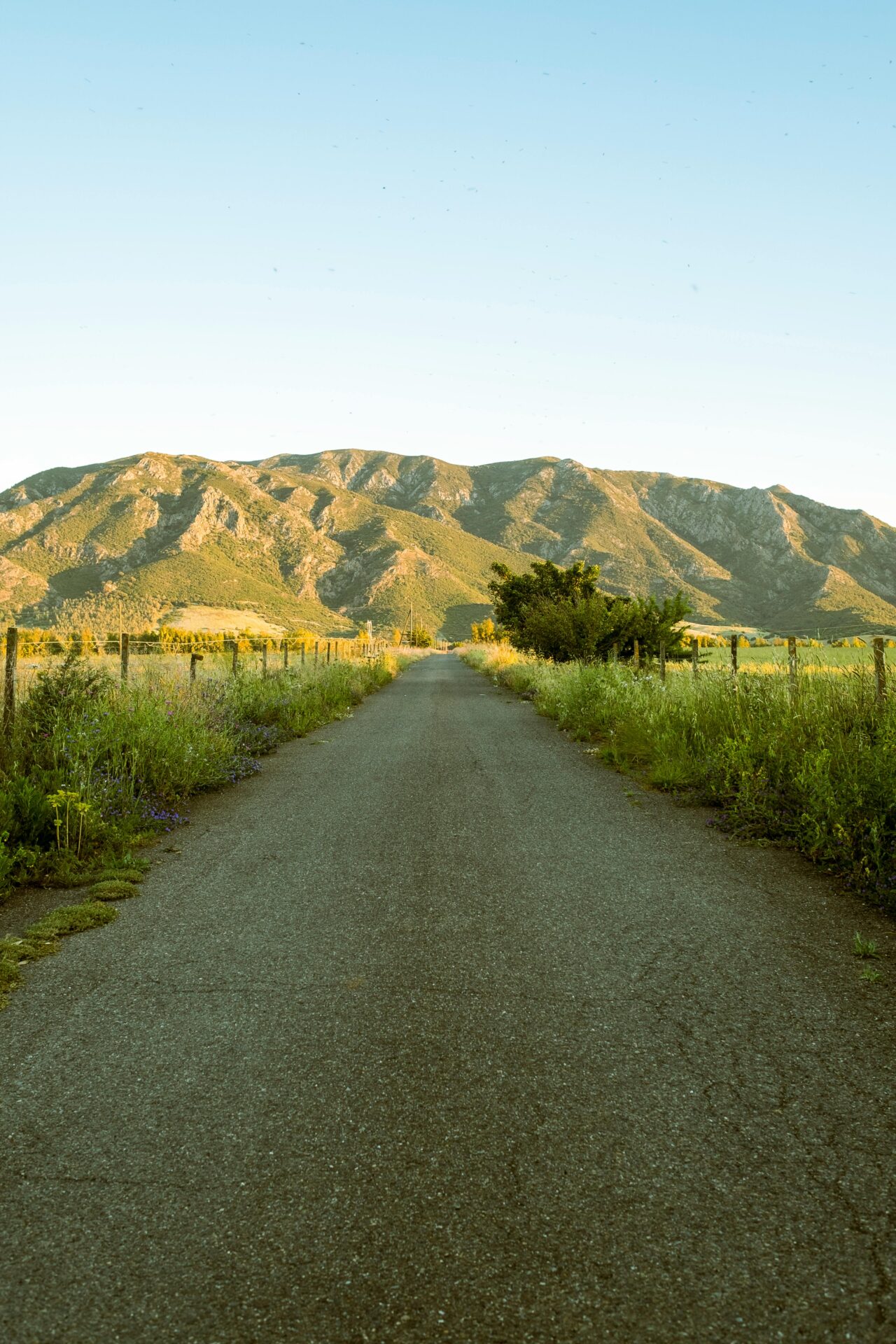
I found the shepherd paths especially enchanting. These old trails snake through thick forests, cross cold streams, and climb up rugged mountains.
Unlike the famous Selvaggio Blu coastal trail, central Sardinia’s paths serve up a quieter kind of adventure—one that’s full of rural charm and real solitude.
The Gennargentu mountains rule the skyline, offering jaw-dropping views for hikers. I’d say start early to catch the soft morning light on those limestone cliffs.
The paths are usually well-marked, but you should bring a map. Cell service? Pretty unreliable once you’re out there.
Meeting Central Sardinia’s Centenarians
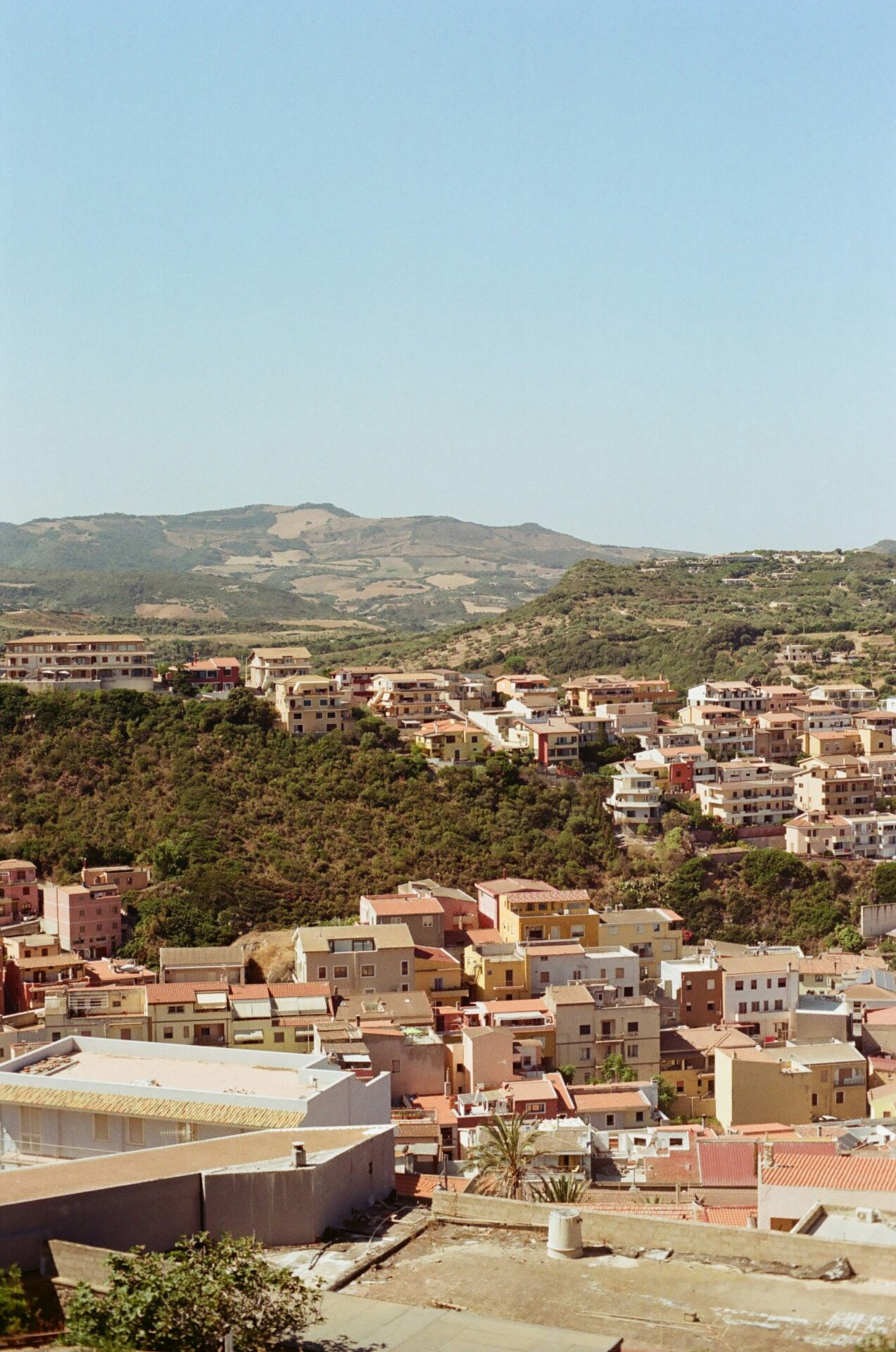
Meeting the local centenarians in villages like Ollolai and Ovodda turned out to be one of the highlights of my trip. Central Sardinia holds Blue Zone status—one of those rare places where people routinely live past 100.
Over homemade cannonau wine, I listened to Maria, a spry 102-year-old, talk about tending her garden every day. These centenarians share a few things: plant-heavy diets, daily movement, and tight-knit communities.
Their diet looks something like this:
- Fresh veggies from their own gardens
- Pecorino cheese made from local sheep’s milk
- Whole grain bread and pasta
- Not much meat
- A glass of red wine every day
Family plays a huge role too. Multi-generational households give everyone a sense of purpose and belonging—something a lot of modern societies seem to miss.
The Heart of Traditional Sardinia
Central Sardinia stands out as the island’s most authentic region, still mostly untouched by mass tourism. In places like Orgosolo, I wandered streets lined with murals (locals call them “murales”) painted with political and social themes—a tradition that started back in the 1970s.
Traditional crafts are still alive here. I watched artisans weaving detailed textiles on old wooden looms, using skills passed down through the family. Each village seems to have its own specialty: basket weaving, knife making, or carpets.
And don’t get me started on the festivals. I lucked into seeing the Mamuthones in Mamoiada—men wearing wooden masks and heavy sheep bells, performing ritual dances that predate Christianity.
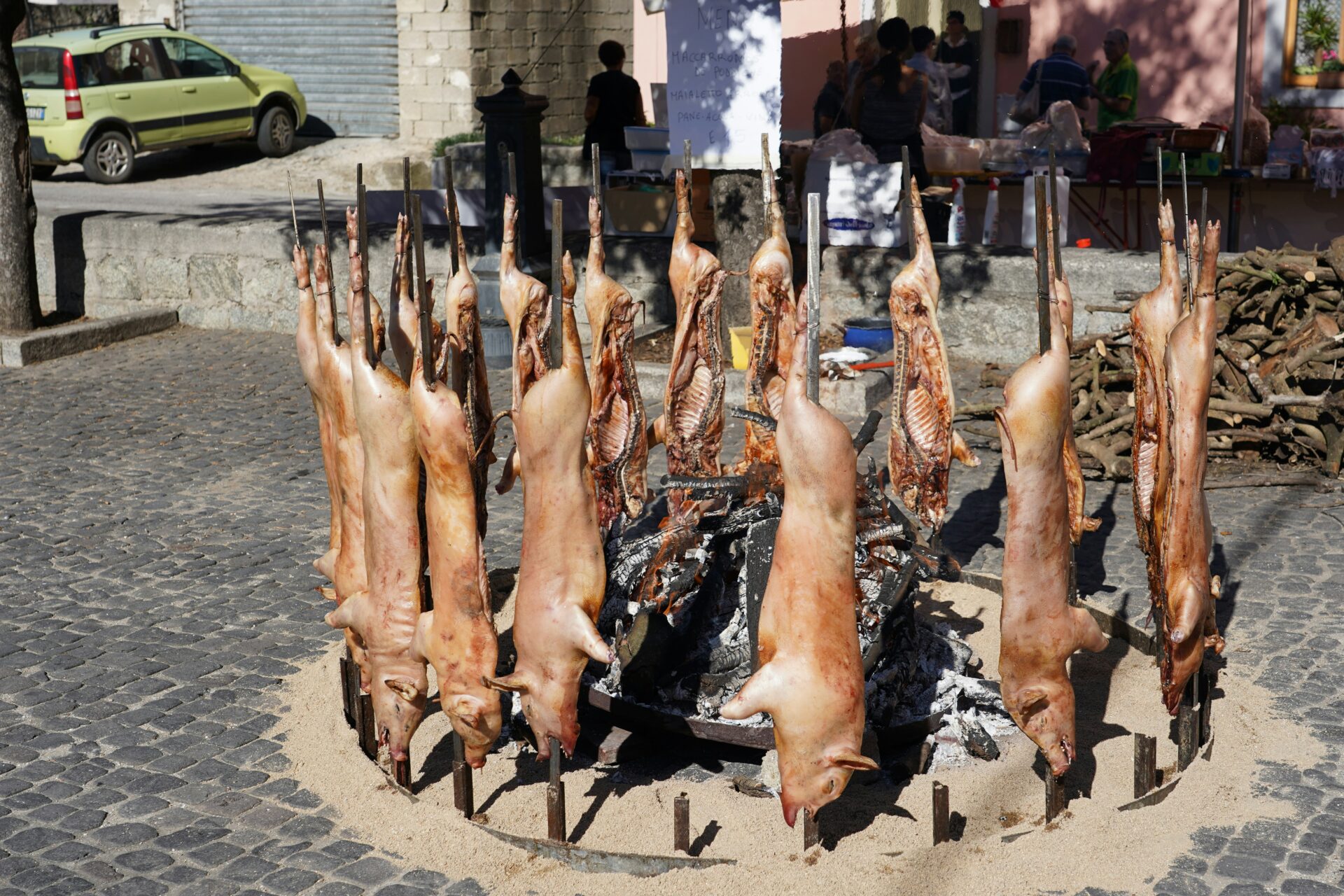
Food traditions run deep too. I joined a family for “porceddu” (roast suckling pig) slow-cooked over an open fire. Meals like this bring the whole community together and show off the kind of hospitality that makes Sardinia unforgettable.
Hiking Along Ancient Shepherd Paths
Sardinia’s ancient shepherd paths might be the most genuine hiking experience you can have on the island. These trails connect you to centuries-old pastoral traditions and show off some seriously stunning landscapes.
Routes Through the Giari di Gesturi
The Giari di Gesturi, sometimes called the “Sardinian Highlands,” quickly became one of my favorite places to hike. These ancient paths cross a dramatic basalt plateau that shepherds have used for generations.
I found spring to be the best season here, when wildflowers blanket the plateau in color. The main trail runs about 8 miles, and stone markers called “muristenes” help guide the way.
What really struck me was how these trails still link up with small villages where time seems to have stopped. In Gesturi, I met locals who remembered using these paths to move livestock between pastures.
The terrain is mostly gentle, with some rocky patches, so most hikers can handle it if they’ve got sturdy shoes. Definitely pack extra water—the plateau’s wide open, and there’s not much shade when the sun’s high.

Spotting Wild Horses in Untamed Terrain
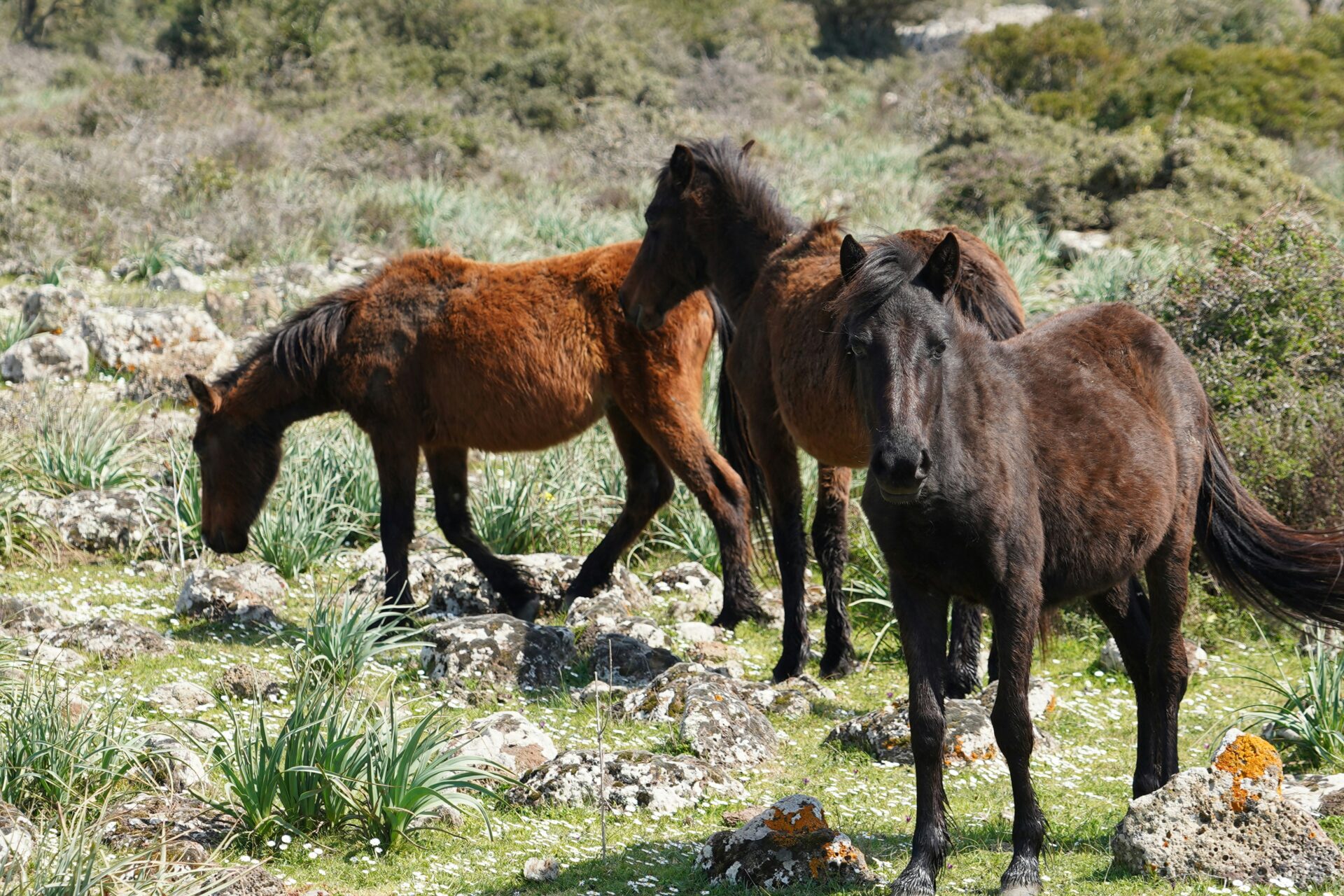
Running into wild horses while hiking Sardinia’s shepherd paths felt like something out of a dream. These beautiful animals roam the central highlands, especially around the Giari plateaus.
I found the best places to spot them near natural springs, usually early in the morning or late in the day. Bring binoculars if you want to watch them without scaring them off.
These aren’t just any horses—they’re descendants of ancient breeds that have adapted to Sardinia’s tough landscape over centuries. Watching them graze or gallop across the plateau, you get a real sense of the island’s pastoral history.
Local guides know the best trails for wildlife spotting. Giara horses are small but strong, with dark coats that look almost black against the golden grass.
Keep your distance and don’t try to feed them. They’re wild for a reason, and it’s important to respect that.
Trekking in Fonni: The Gateway to Mountains
Fonni, which sits at almost 3,300 feet above sea level, works perfectly as a jumping-off point for mountain hikes. The town’s perched right at the edge of the Gennargentu range.
I really liked the “Sentiero dei Pastori” (Shepherd’s Trail) that starts just outside town. Local shepherds still use this route to move their flocks between pastures.
The trail climbs through oak forests, then moves into open meadows, and finally reaches rocky highlands with huge views. Along the way, you’ll see traditional shepherd shelters called “pinnetas”—stone huts with pointy roofs that have kept shepherds dry for centuries.
What surprised me most was the plant life. The trail moves through different climate zones in just one hike, from Mediterranean scrub to almost alpine vegetation at the top.

Exploring Bronze Age Ruins and Nuraghe Mysteries
Central Sardinia hides some of the Mediterranean’s coolest archaeological sites. The ancient stone towers called nuraghe pop up across the landscape, hinting at a Bronze Age civilization that’s still shrouded in mystery.
Journey to Su Nuraxi: UNESCO World Heritage Site
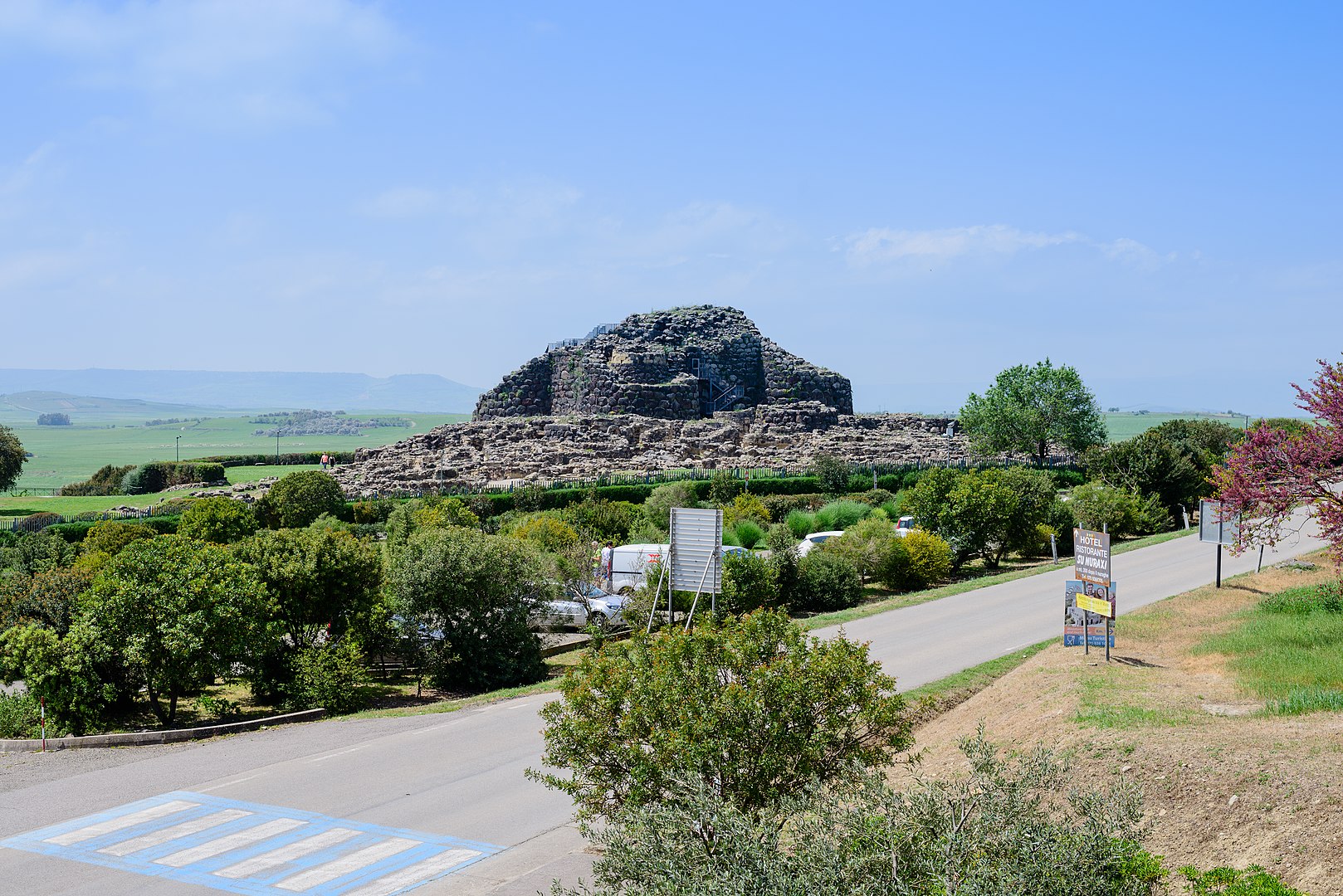
I reached Su Nuraxi near Barumini on a bright spring morning, with the ruins glowing in the sunlight. UNESCO gave this site World Heritage status in 1997, and it’s easy to see why. The main tower rises about 14 meters and dates back to 1500 BCE.
I wandered through narrow corridors and stone chambers, feeling like I’d slipped back in time. My guide pointed out how the central tower was later surrounded by four smaller towers, turning it into a fortress.
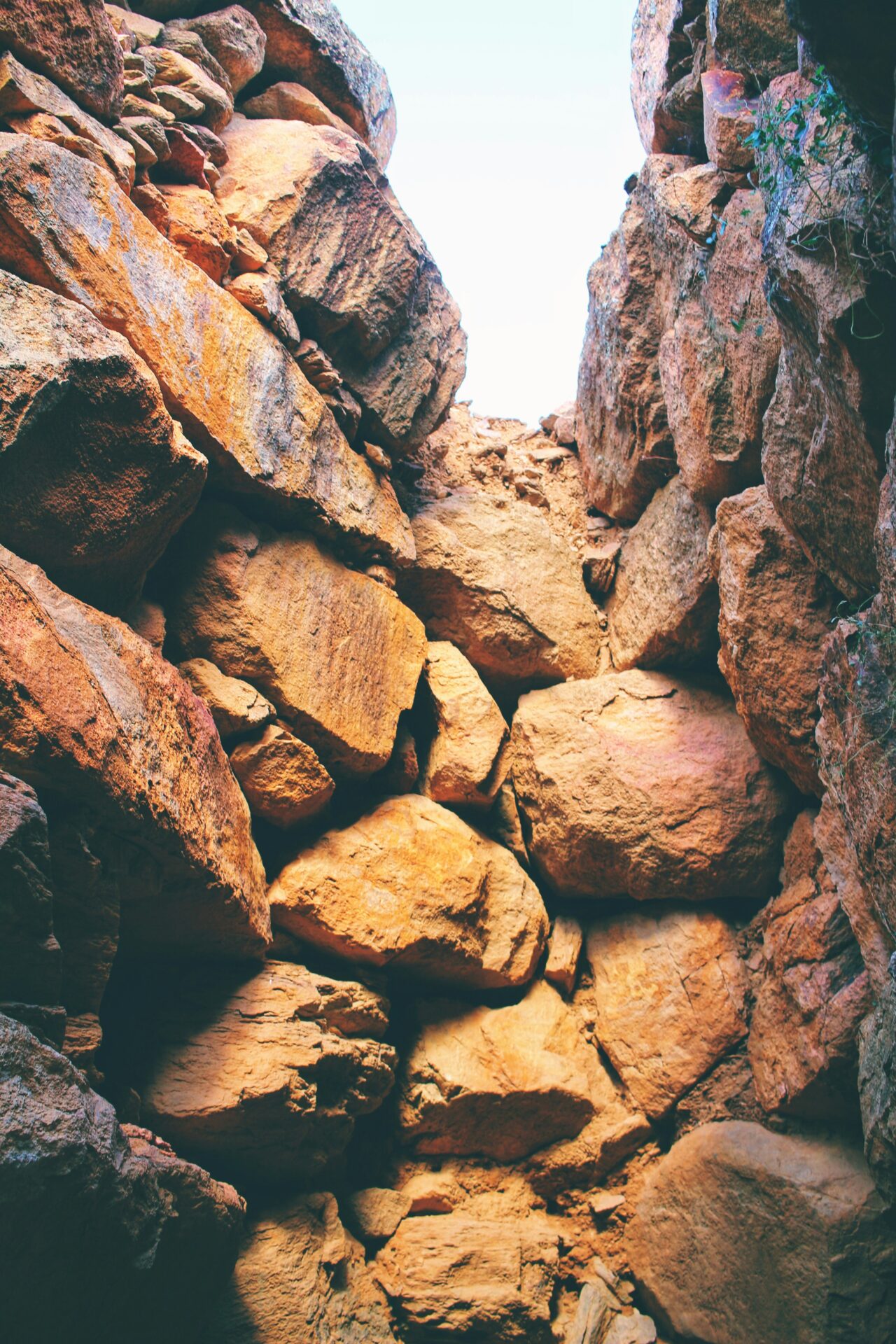
What really amazed me was the builders’ skill. With no mortar, they stacked massive basalt blocks into perfectly balanced walls. The stone domes inside use corbelling techniques that have held up for thousands of years.
Su Nuraxi isn’t just a tower—it’s surrounded by a whole village of stone huts where people lived their everyday lives.
Unraveling the Origins of Proto-Sardinians
The people who built these nuraghe are still a bit of a mystery. Archaeologists call them Proto-Sardinians or the Nuragic civilization. Since they didn’t leave any written records, we have to piece together their story from their buildings and artifacts.
These Bronze Age islanders probably arrived around 1800 BCE and built a culture that lasted well over a thousand years. Their society seems to have revolved around tribal chiefs or spiritual leaders who organized huge building projects.
I found out they were skilled metalworkers, making bronze tools and decorative objects—many of which you can see in museums today.
Trade mattered to them, too. Archaeologists have found evidence of links to other Mediterranean cultures, and the way nuraghe are positioned suggests they kept close watch over resources and trade routes.
Discovering Bronze-Age Villages and Nuraghe
I explored several lesser-known nuraghe scattered through the central highlands. Each site had its own story to tell. Some stand alone on hilltops; others are part of bigger settlements.
The village layouts give you a peek into daily life. Round stone huts cluster around central courtyards or wells. You can still see stone benches and hearths in many of them.
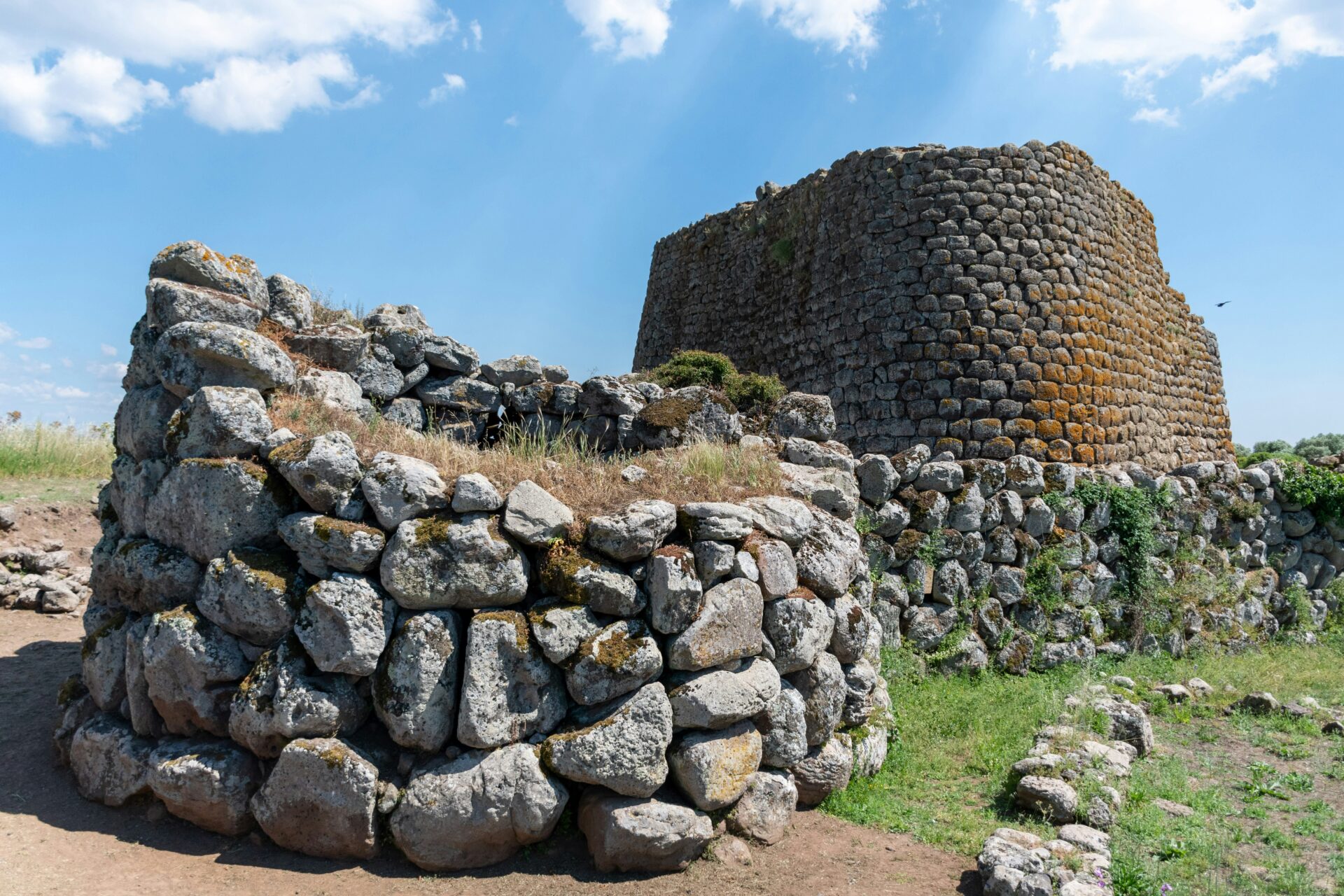
At Nuraghe Losa, the stonework of its trilobed structure blew me away. The blocks fit together so tightly, even after thousands of years.
Some sites have sacred wells and temples, hinting at ancient rituals. Archaeologists have found bronze figurines here—warriors, animals, boats.
Hiking to these ruins, I couldn’t help but notice how the landscape hasn’t really changed. The same hills and valleys surround these ancient sites, just like they did when people built them.
Immersing in Sardinian Culture and Folklore
Beyond the old stones and wild scenery, Sardinia’s culture pulses with life. Traditions, festivals, and unique customs survive here, passed down from one generation to the next.
Sardinian Athens: Nuoro and Its Traditions
Nuoro, sometimes called the “Sardinian Athens,” stands at the cultural heart of the island. This mountain town has produced some of Sardinia’s most famous writers and artists, like Nobel Prize nominee Grazia Deledda.
Walking through Nuoro’s old center, I found myself surrounded by granite houses and museums that work hard to keep local heritage alive. I especially loved the Museo della Vita e delle Tradizioni Popolari Sarde, with its collection of traditional costumes, jewelry, and household items.
What really stood out was how fiercely Nuoro’s residents protect their dialect and customs. Local artisans still make filigree jewelry and carve wood in tiny workshops tucked away in the old streets.
Traditional Clothing and Festivals
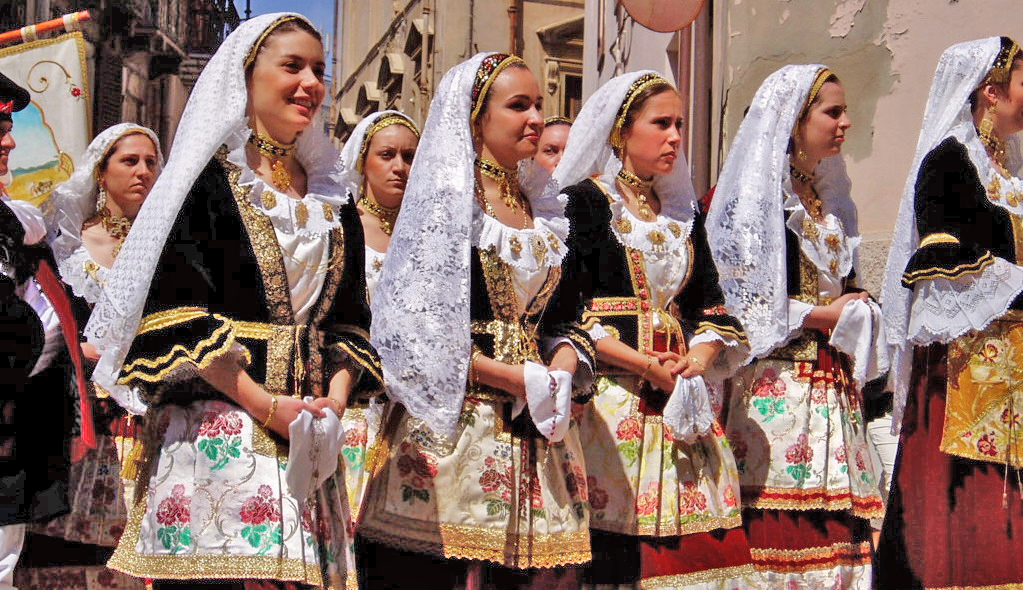
Sardinian traditional dress changes wildly from village to village, each with its own colors and embroidery. Women wear elaborate headdresses, embroidered blouses, and bright skirts. Men sport vests, caps, and special pants called “ragas.”
During festivals, these outfits come alive. I watched as people donned traditional dress for Carnival and religious celebrations. The Mamuthones of Mamoiada, with their wooden masks and sheep bells, put on a show you won’t forget.
These festivals blend Christian rituals with ancient pagan traditions. Villages fill with old dances, music from the launeddas (a triple-pipe wind instrument), and feasting that brings everyone together.
The Festa di San Salvatore Experience
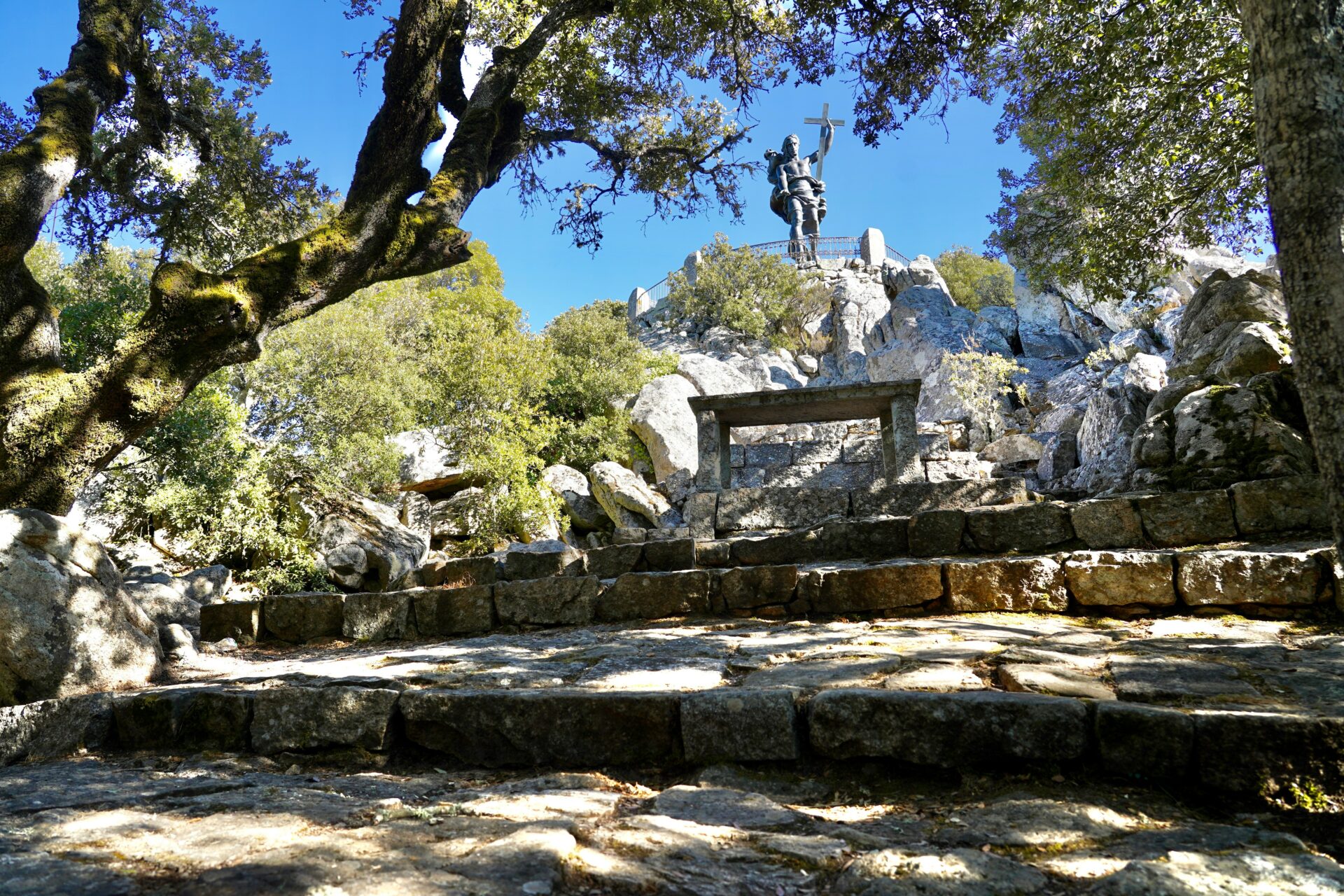
The Festa di San Salvatore in Cabras stands out as one of Sardinia’s most powerful religious events. I joined hundreds of barefoot men in white robes running across rough ground to the sanctuary of San Salvatore, reenacting a legendary escape from pirates.
This centuries-old tradition happens every September and ends with a huge spiritual gathering. What really makes it special is the sense of community—whole families take part and cook traditional foods for everyone.
Festival grounds have old cumbessias (pilgrim houses) where people stay during the event. As night fell, I dug into local favorites like suckling pig and seadas (cheese-filled pastries), listening to traditional songs around a fire.
Sardinian Cuisine: Tastes of the Trail
As I hiked through central Sardinia’s rugged interior, I discovered that the island’s food tells a story just as rich as its ancient ruins. Traditional meals here fuel both body and soul, carrying flavors that have kept shepherds going for centuries.
Hearty Shepherd’s Bread: Pani Carasau and Carta di Musica
Pani carasau quickly became my hiking essential. This paper-thin, crispy flatbread traveled with shepherds into the hills for generations.
People also call it “carta di musica” (sheet music) because of its thin, crackly texture. The bread stays fresh for weeks, so it’s perfect for long journeys.
I watched local bakers prepare it in wood-fired ovens. They skillfully split the dough into two thin layers before baking.
At trail meals, I often saw the bread soaked in broth as “pani frattau” or layered with tomato sauce and eggs. The way it soaks up flavors is just brilliant.
This bread goes back to the Bronze Age and kept Sardinian shepherds going during months away from home. Its simple ingredients—durum wheat flour, salt, yeast, and water—come together to create something surprisingly durable and tasty.

Indulge in Pecorino Cheese, Quaglie Arrosto, and Aranzada
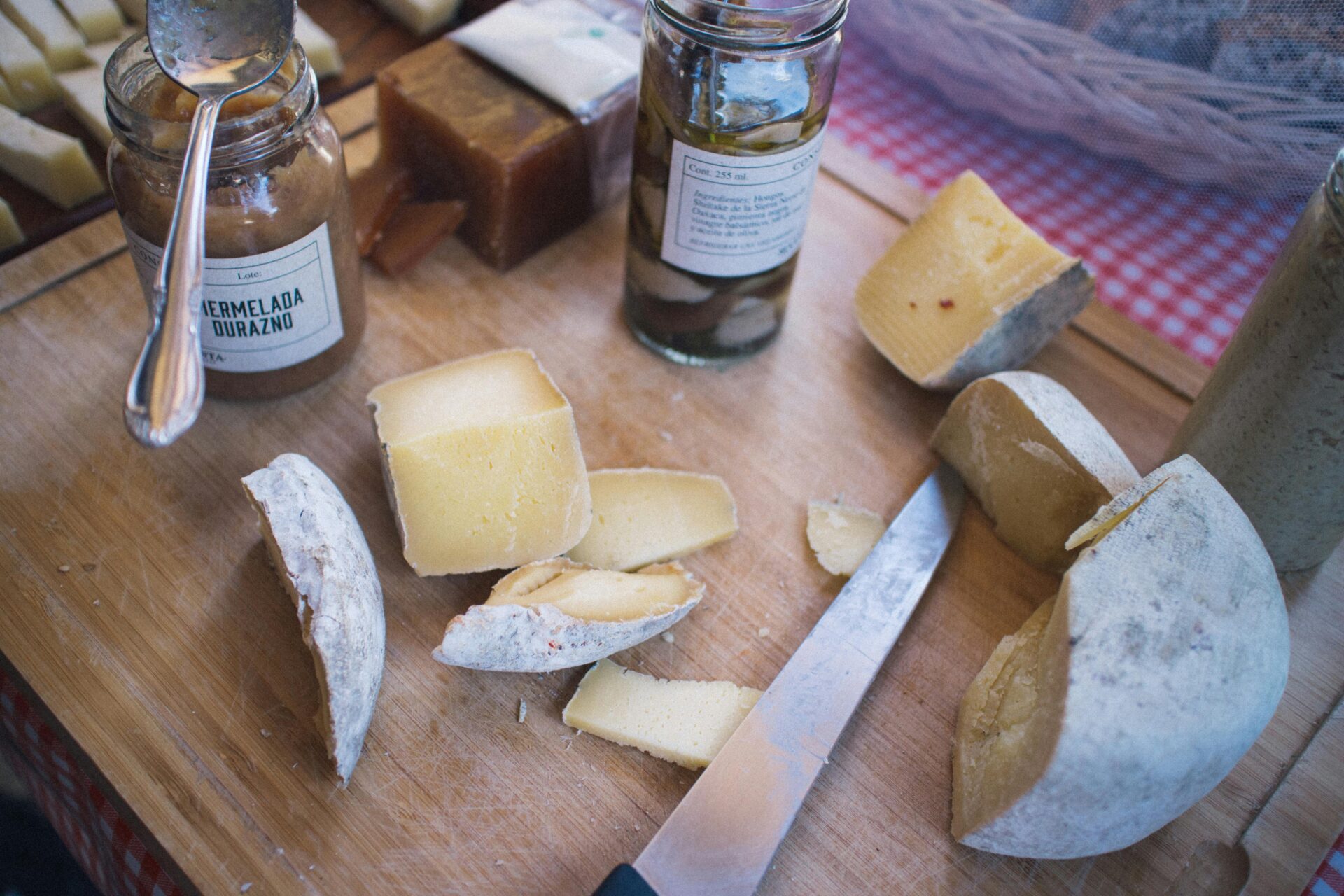
Sardinian pecorino cheese, strong and salty, became my favorite trail companion. Shepherds make it from sheep’s milk along the same paths I hiked.
The cheese ranges from soft and mild to aged and sharp. I never knew just how many flavors one cheese could hold.
I tasted quaglie arrosto (roasted quail) when I shared a meal with local shepherds. They seasoned the game birds with herbs and slow-cooked them over open flames.
Those flavors captured the wild essence of the Sardinian hills. It’s hard to forget that smoky, woodsy taste.
For something sweet, aranzada offered a unique treat. Candied orange peel coated with honey and almonds—does it get any better?
This ancient dessert was once reserved for weddings and celebrations. Now, it gives hikers a perfect energy boost during steep climbs through rugged terrain.
Savoring Local Sardinian Wine and DOC Varietals
Sardinian wines ended my days of exploration on just the right note. The island’s DOC wines include Vermentino di Gallura, the only DOCG wine here, with its crisp, refreshing character.
I found that Arborea DOC red wines pair beautifully with hearty shepherd meals along the trails. These wines come from grapes grown in the island’s diverse microclimates.
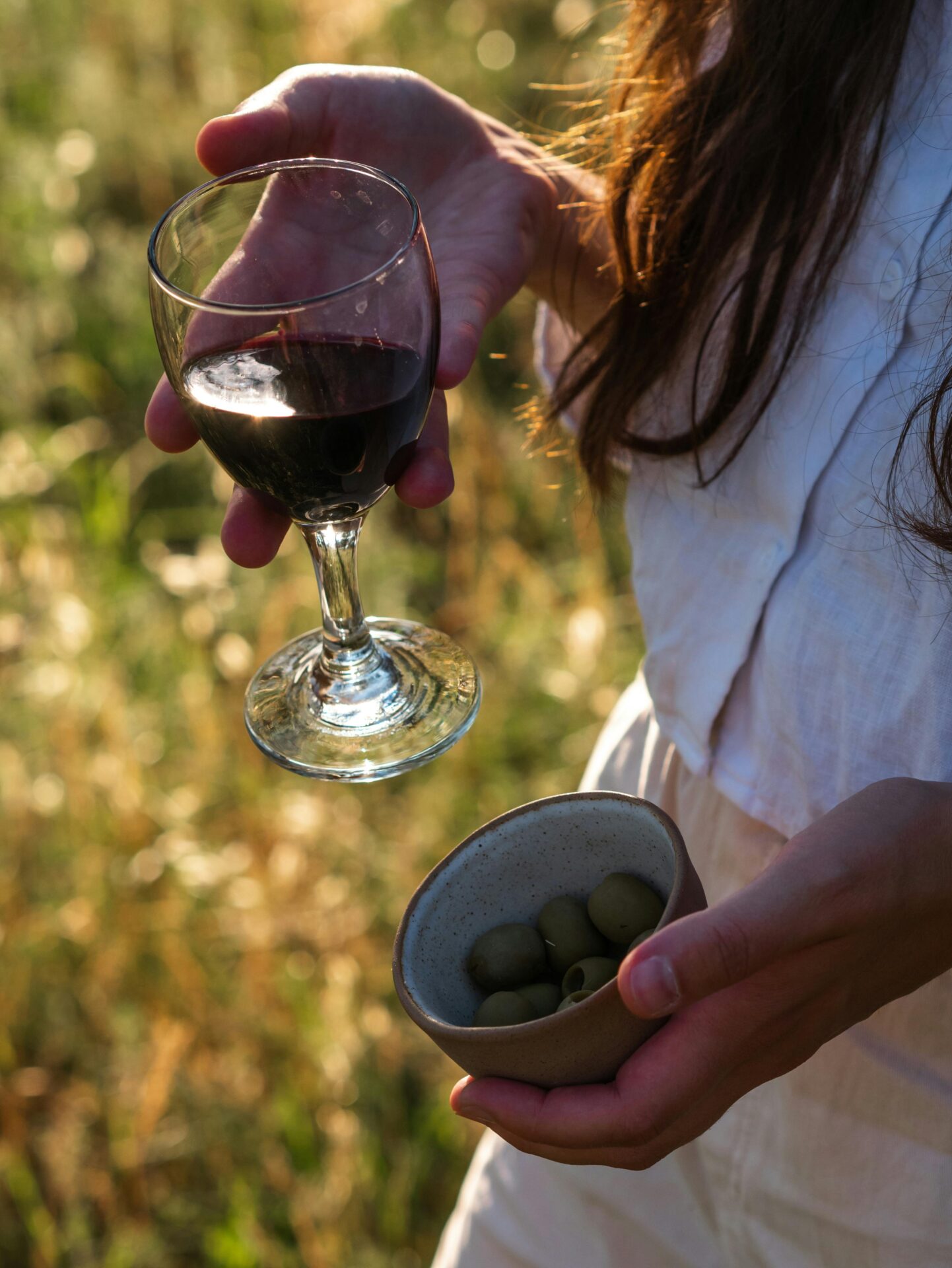
My guide introduced me to Cannonau, Sardinia’s most famous red grape. Some research even suggests this antioxidant-rich wine helps explain locals’ impressive longevity.
When I paired Cannonau with seafood pasta like spaghetti ai ricci (sea urchin pasta), the flavors really popped. Sardinia knows how to balance land and sea in its cuisine.
History Unveiled: From Phoenicians to Modern-Day Traditions
Sardinia’s history stretches back thousands of years. Each civilization left its mark on the landscape.
Walking these ancient paths felt like traveling through time. I moved from Phoenician trading posts to Roman settlements and religious landmarks that still serve communities today.
Phoenician and Roman Footprints: Tharros and Cape St. Mark
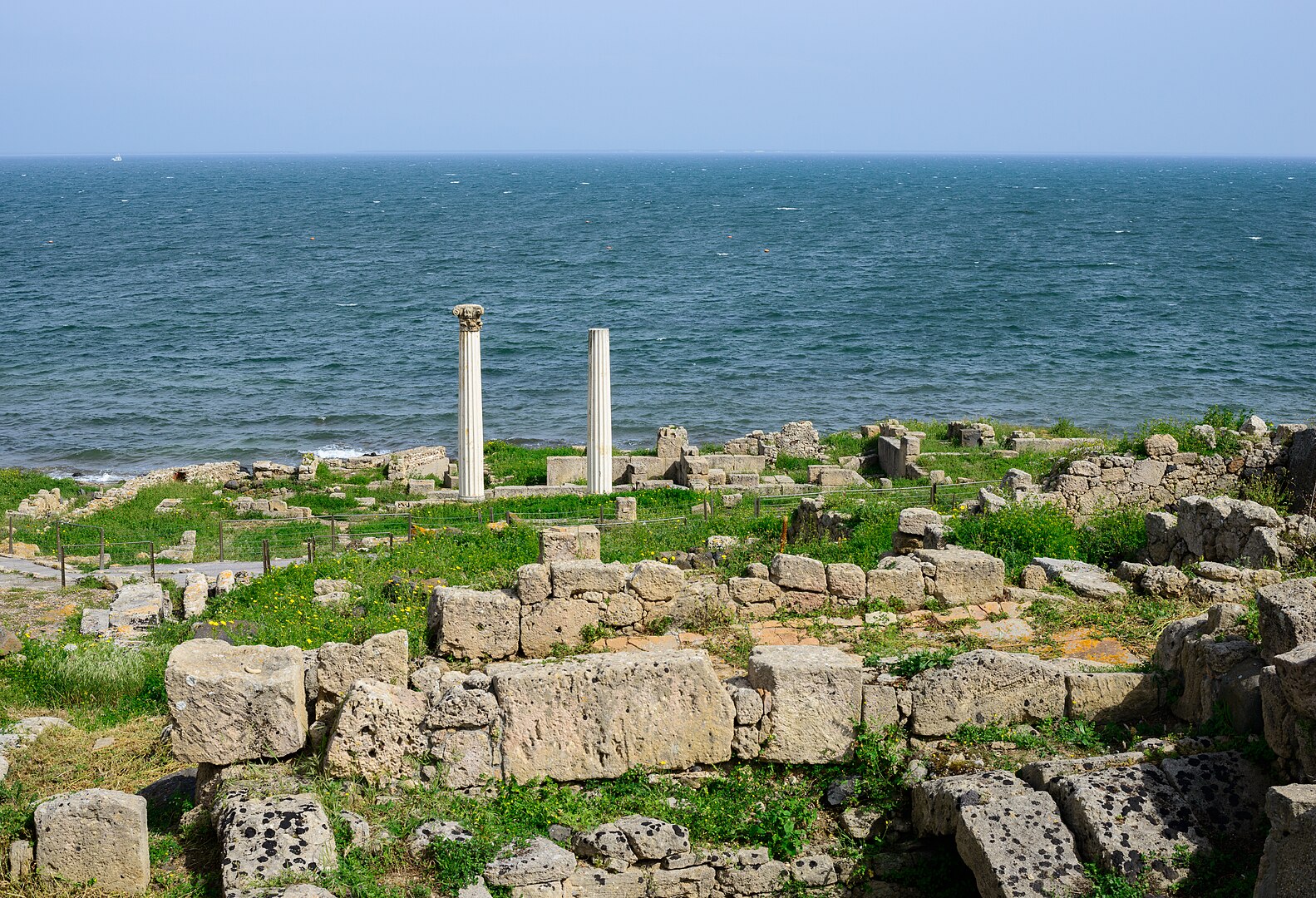
The ancient city of Tharros stands as one of Sardinia’s most impressive archaeological sites. Phoenicians founded it around the 8th century BCE, and it later became a key Roman port.
When I walked through Tharros, I felt awe at the well-preserved columns, thermal baths, and home foundations. These ruins show daily life from two millennia ago.
Cape St. Mark, where Tharros sits, offers breathtaking views of the Mediterranean. I could see why people settled here.
Phoenicians came for trade and natural resources. They gradually changed Nuragic customs, bringing new farming techniques and building styles.
Romans expanded the settlement. They added paved streets, an aqueduct, and public spaces, showing off their urban planning skills.
The blend of Phoenician and Roman elements makes Tharros a must-visit for any history lover.
Archaeological Museum Visits
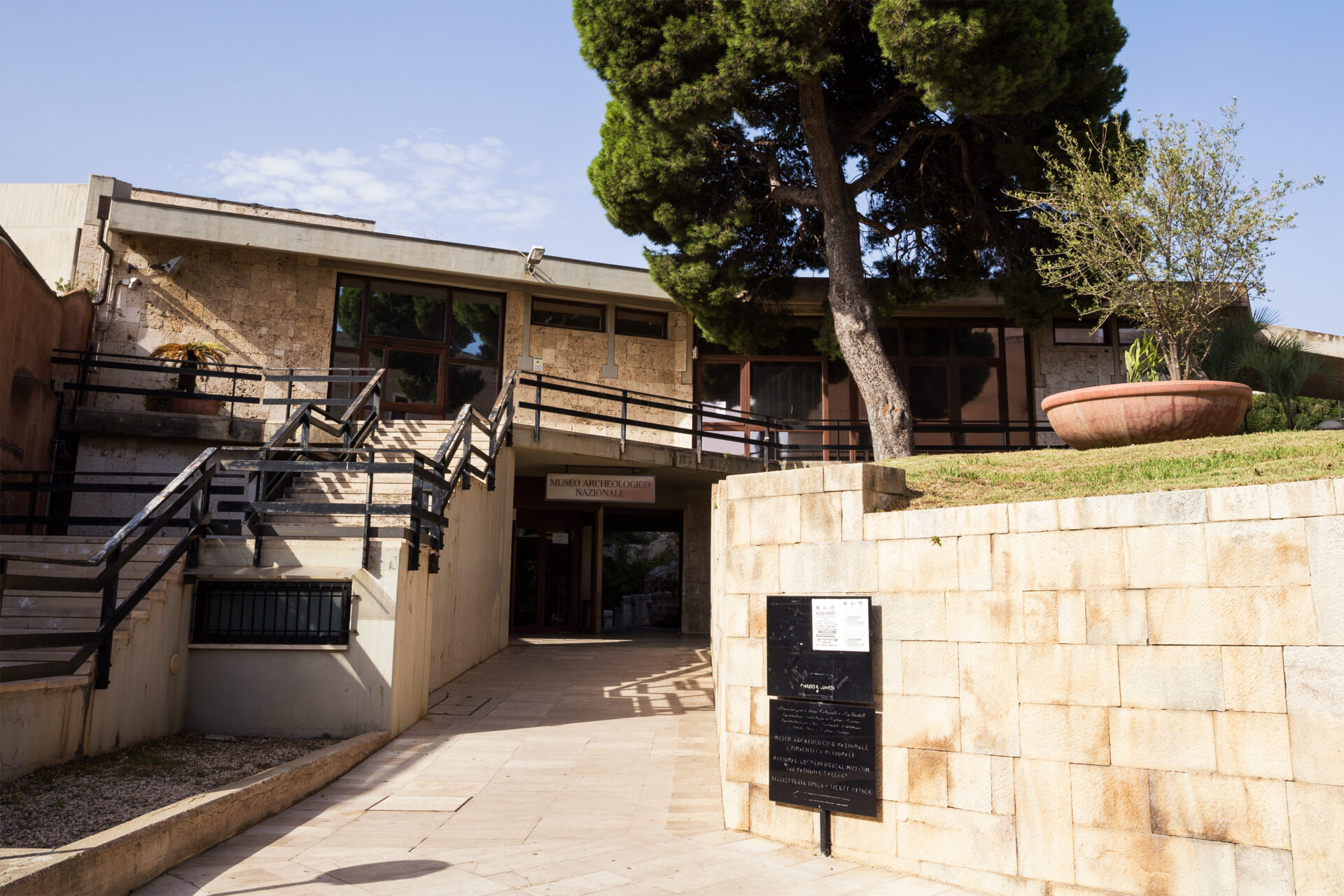
The Archaeological Museum in Cagliari holds a fascinating collection of artifacts that tell Sardinia’s story from prehistory through Roman times.
I spent hours looking at Phoenician jewelry, pottery, and religious items. Their craftsmanship really impressed me.
The museum displays show how these seafaring merchants set up colonies across the central Mediterranean. I liked how clearly the exhibits explained things.
The bronze figurines from the Nuragic period stood out most. They show how indigenous culture changed through contact with Phoenicians.
If you want to dig deeper, smaller museums in Cabras and Oristano showcase local finds from nearby excavations. These collections add context to the ruins you’ll see while hiking Sardinia’s ancient paths.
Church of San Giovanni Battista and Baroque Sanctuaries
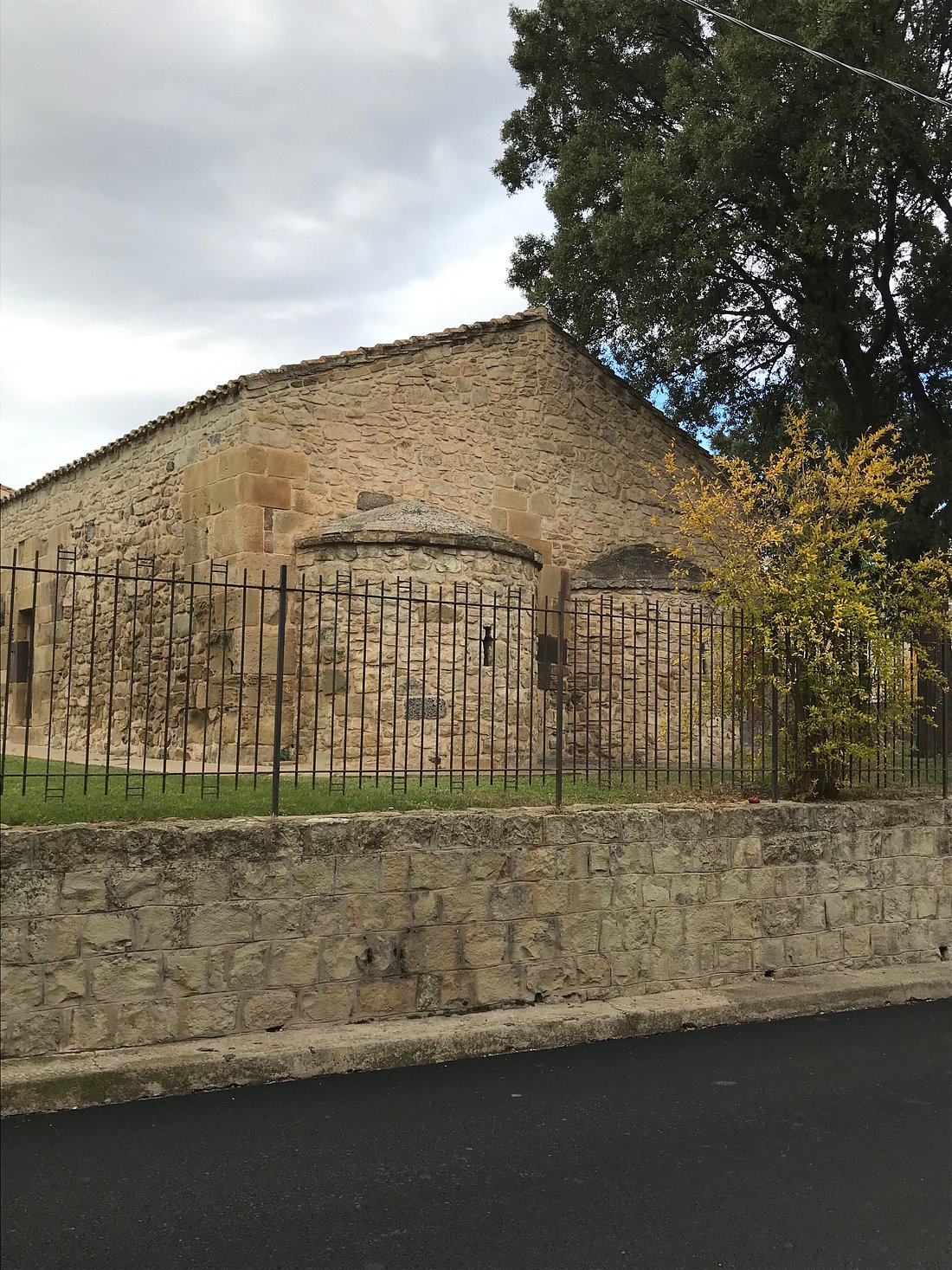
The Church of San Giovanni Battista is a beautiful example of Sardinian religious architecture. Built in the 12th century, it combines Romanesque elements with local building traditions.
Inside, I found lovely frescoes of biblical scenes and saints. The church hosts religious festivals that connect modern Sardinians to centuries-old traditions.
Nearby, baroque sanctuaries show off a different architectural style. Ornate decorations and grand facades hint at the Spanish influence on the island.
Many sanctuaries sit along ancient pilgrimage routes. Hikers can still follow these paths today.
Walking these trails offers spiritual meaning and gorgeous landscapes. The annual festivals at these churches feature processions, traditional music, and regional foods that haven’t changed much in generations.
San Salvatore, Cabras Church, and Nearby Wonders
San Salvatore di Sinis is one of central Sardinia’s most fascinating religious sites. This small church stands on an ancient sacred site that goes back to pre-Christian times.
Underground chambers beneath the church reveal its past as a Punic and later Roman temple. The site still hosts Corsa degli Scalzi, a unique festival where barefoot runners carry a statue of Christ between Cabras and San Salvatore.
Cabras Church itself shows off local religious architecture and artwork. After exploring these historic sites, the nearby Cabras Lagoon offers excellent birdwatching.
Not far away, the Giants of Mont’e Prama make for an incredible archaeological discovery. These massive stone statues, created by the Nuragic civilization, show just how skilled Bronze Age Sardinians were as artists.
Winter Sports Adventures in Sardinia
Most people don’t realize Sardinia actually has some great winter sports options tucked away in its mountains. From December through March, the highest peaks get a steady blanket of snow.
When I checked out the winter sports center at Bruncu Spina, I found slopes for every skill level. You can rent gear without breaking the bank, and honestly, the crowds are nothing like the packed resorts on the mainland.
What really sets Sardinian winter sports apart? It’s the wild contrast—you can hit the slopes in the morning, then chill out by the coast in the afternoon. I mean, where else in southern Italy can you do that?
Sometimes, professional competitions bring athletes from all over Europe to tackle these slopes. The European Tour even put Sardinia on its map, which says a lot for a place most people overlook for winter fun.
Local mountain guides lead backcountry skiing trips that mix adventure with a bit of history. They’ll point out old shepherd trails and Bronze Age nuraghi that peek through the snow—even in the dead of winter.

#/media/File:Nuraghe_Su_Nuraxi_-_Barumini_-_Sardinia_-_Italy_-_30.jpg)


