
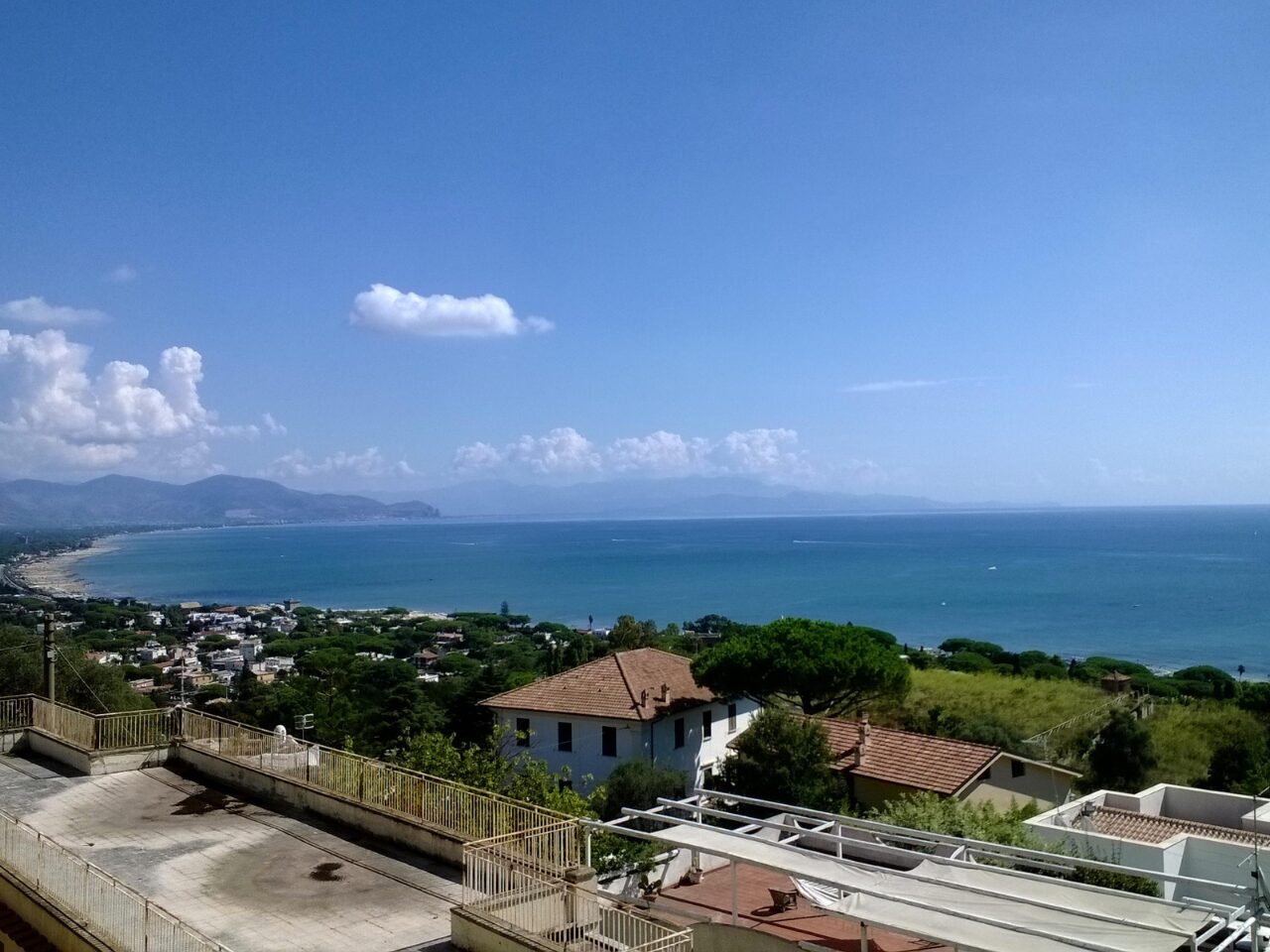
Last week, I hiked up Mount Circeo in Italy, walking the same paths where legend says Odysseus encountered the witch-goddess Circe. This isolated mountain jutting into the Mediterranean Sea is believed to be the setting where Circe turned Odysseus’s crew into pigs in Homer’s epic poem, The Odyssey. The archaeological site here has even been linked to the “cave of depravity” described in the ancient text.
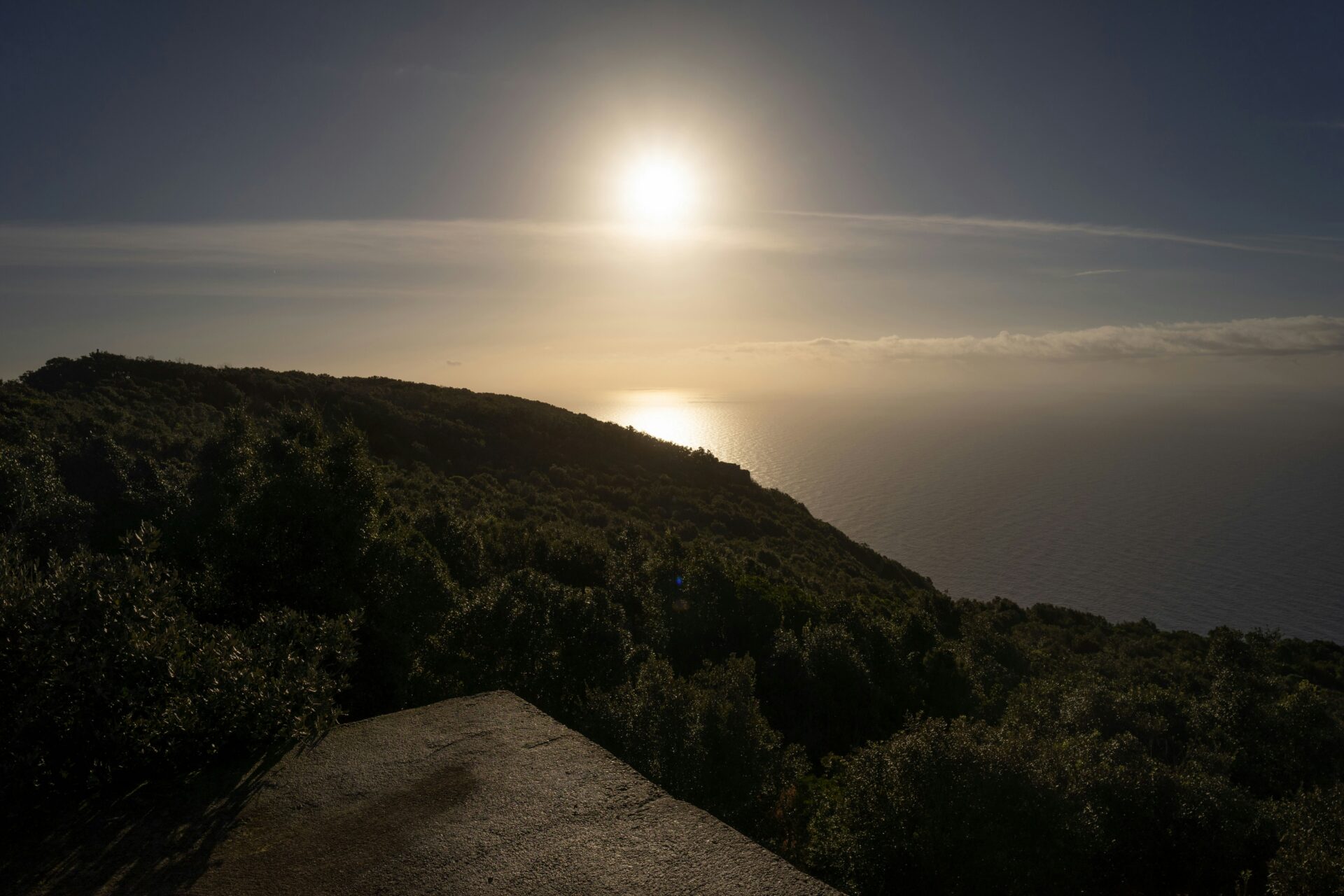
Standing on the slopes of Mount Circeo, it’s easy to understand why ancient Greeks wove their tales here. The mountain rises dramatically from the sea, often shrouded in mist that gives it a mystical quality.
As I climbed higher, I could imagine Odysseus and his remaining men—he’d already lost many ships by this point in his journey—approaching this mysterious island with both hope and trepidation.
My adventure exploring these mythical grounds connected me to stories over 2,700 years old while offering stunning views of the Tyrrhenian Sea. The trail winds through Mediterranean scrub and ancient forests that feel unchanged since Homer’s time.
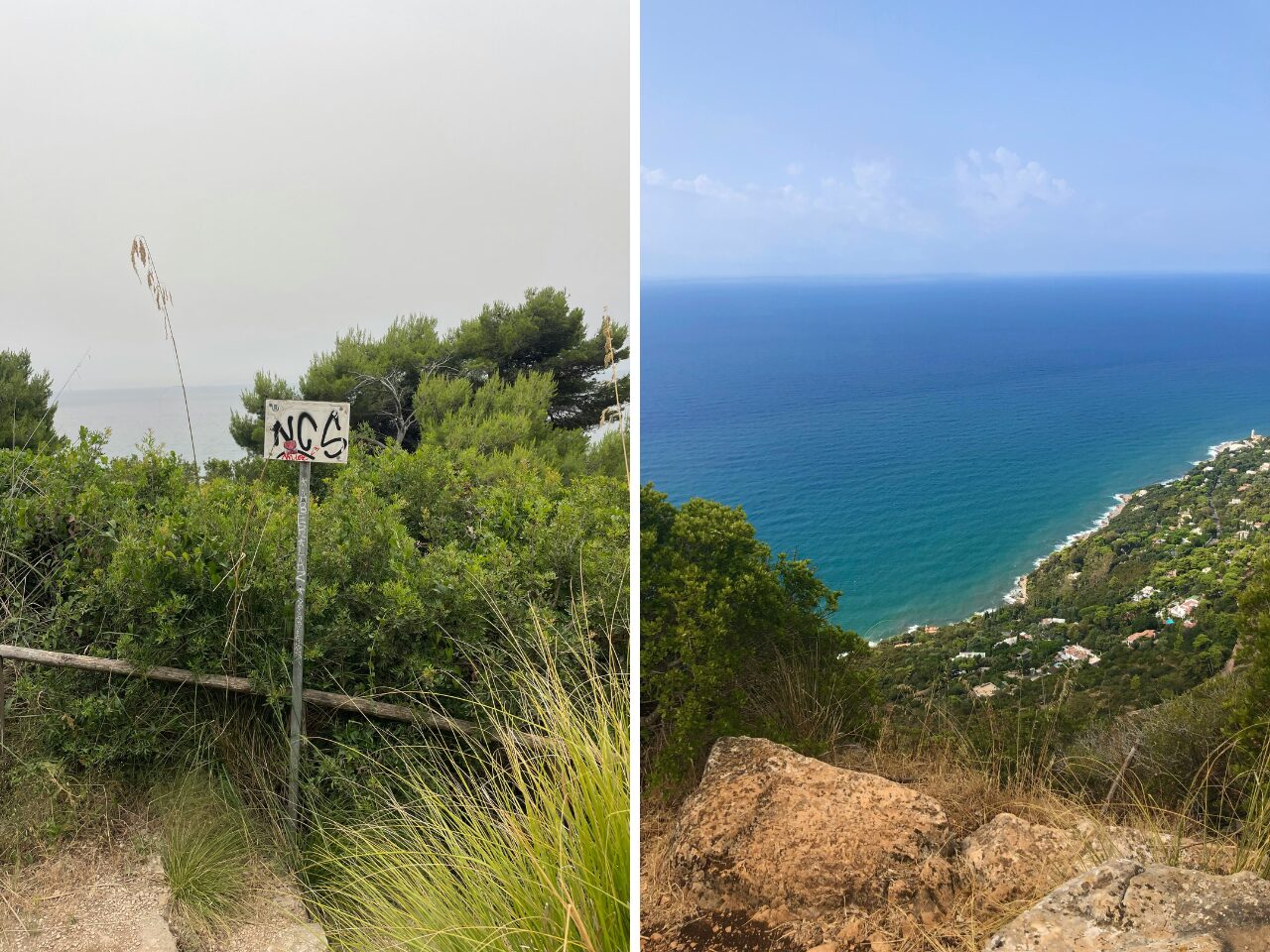
For anyone who loves hiking, mythology, or simply beautiful landscapes, Mount Circeo offers a unique blend of natural beauty and legendary significance that makes every step worthwhile.
Rediscovering Mount Circeo
Mount Circeo stands as a mythical landmark where legend meets reality, blending ancient stories with stunning Mediterranean landscapes. This promontory has fascinated visitors for centuries with its connection to Homer’s Odyssey and its unique geographical features.
The Historical Significance of Mount Circeo
Mount Circeo gained its fame from Greek mythology as the home of the enchantress Circe. In Homer’s Odyssey, this is where Circe transformed Odysseus’s companions into swine. Walking these trails, I felt history come alive beneath my feet.
Archaeologists have recently claimed to have found a cave that may have inspired the myth of Circe. I explored several of these caverns during my hike, imagining Odysseus and his men seeking shelter within these same rocky chambers.
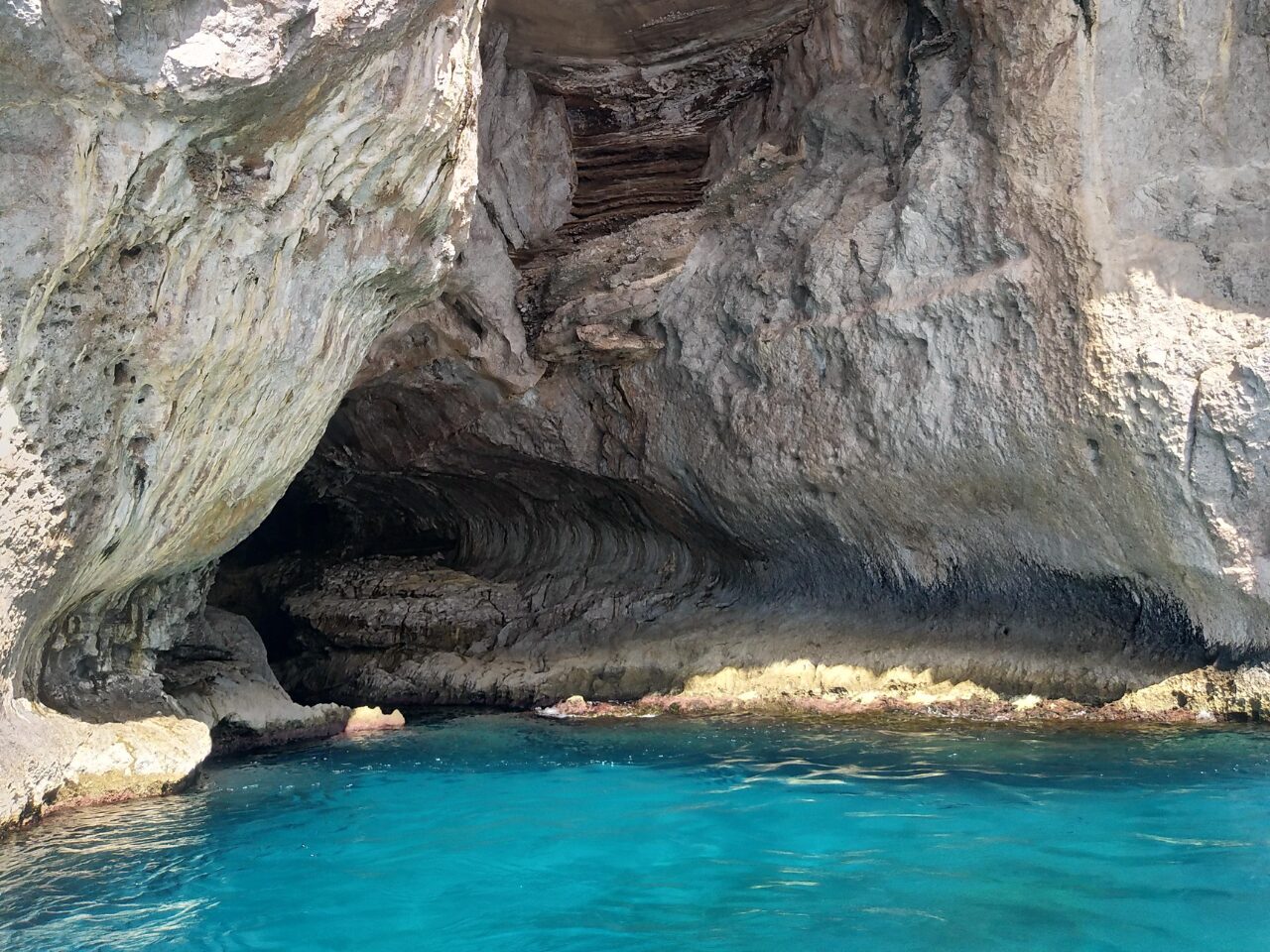
The mountain was named after Circe herself, the witch-goddess from Homer’s epic. Local guides shared fascinating stories about how ancient sailors would view this prominent headland as a navigational landmark, much as Odysseus might have done.
Geography and Landscape
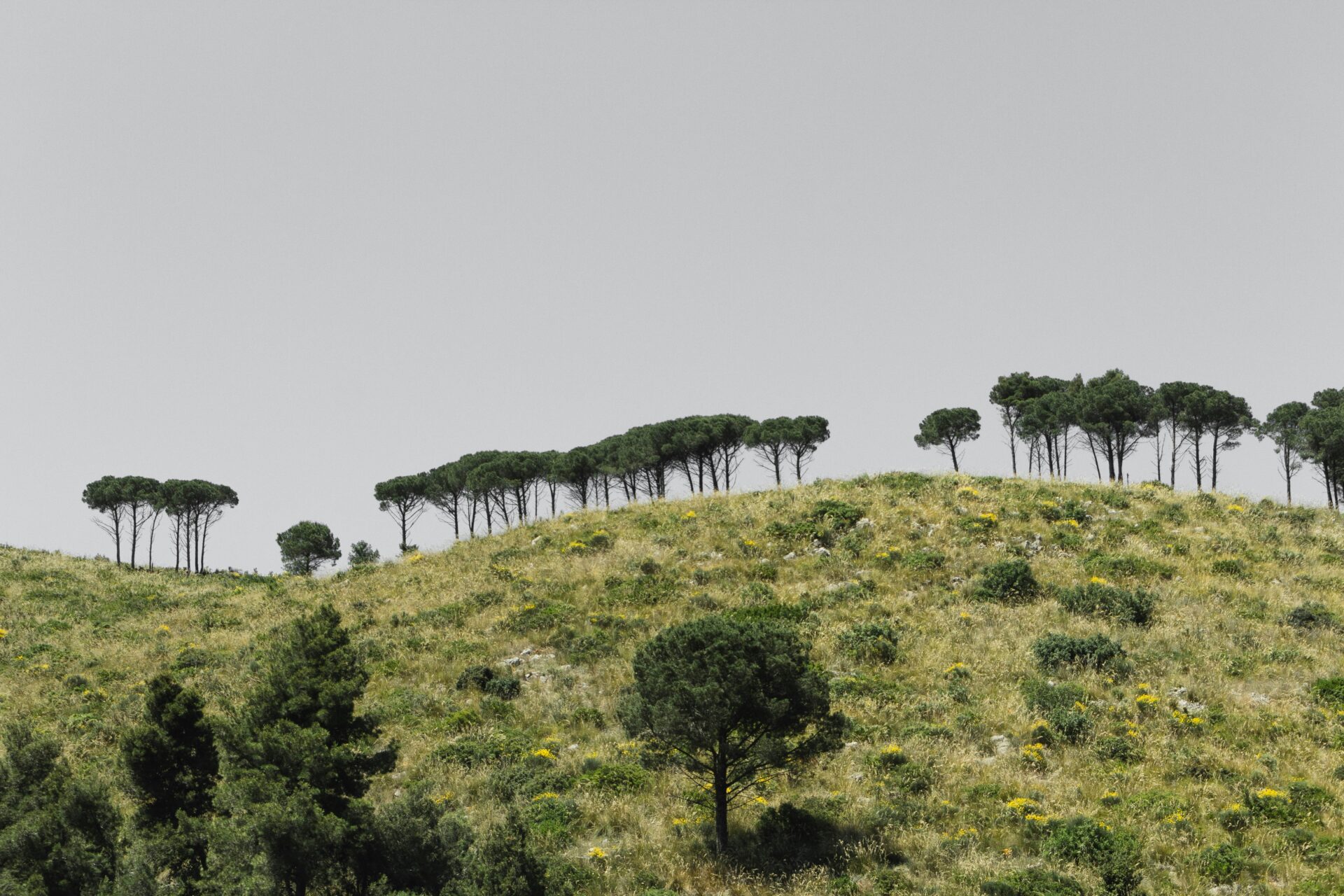
Mount Circeo rises dramatically from the Tyrrhenian Sea, forming a distinctive profile that resembles a woman lying down – often said to be Circe herself. The promontory reaches about 541 meters above sea level and creates a stunning silhouette against the horizon.
I hiked through diverse ecosystems, from Mediterranean scrubland to dense forests. The mountain is part of Circeo National Park, established in 1934 to protect this unique environment.
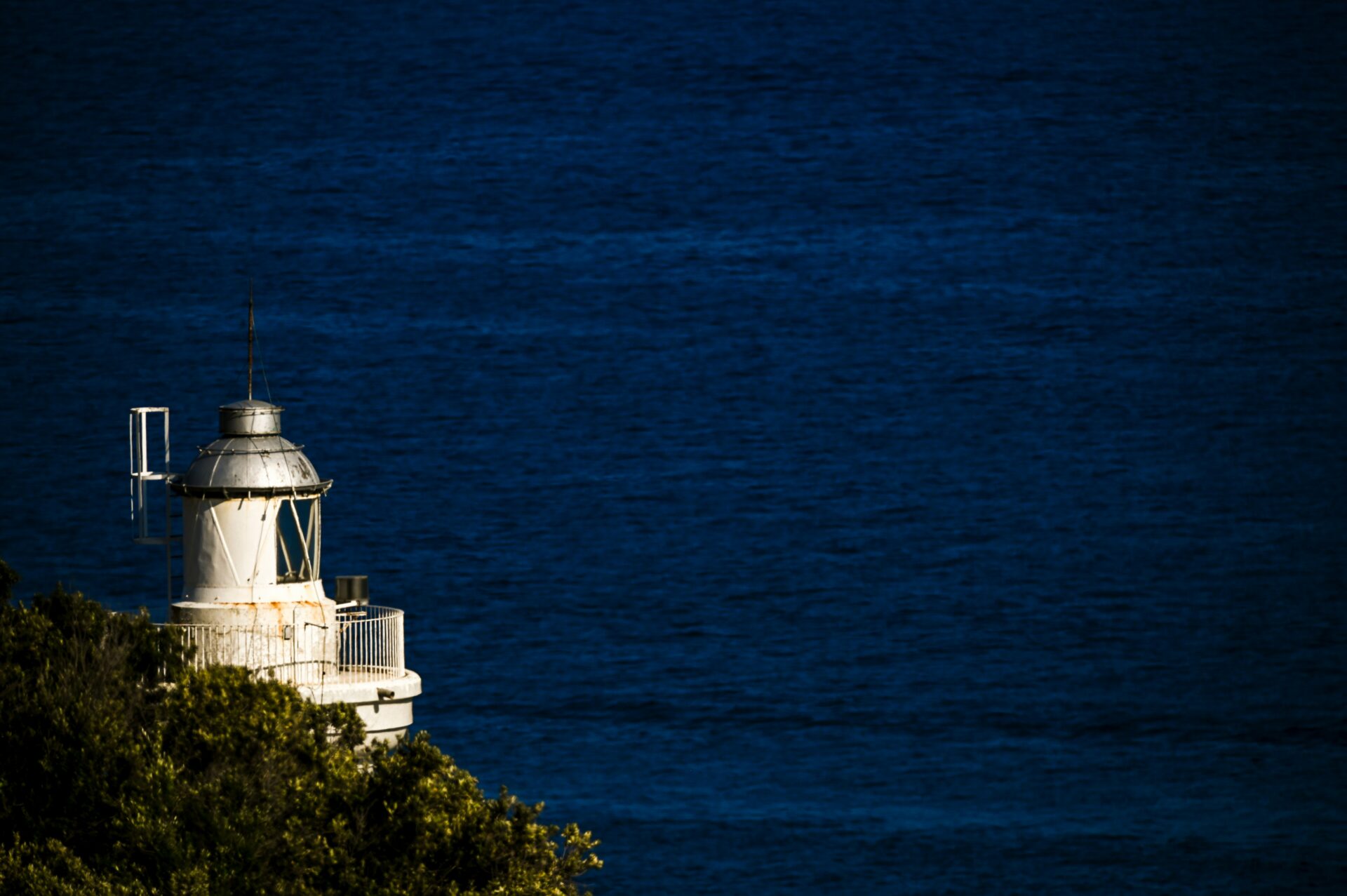
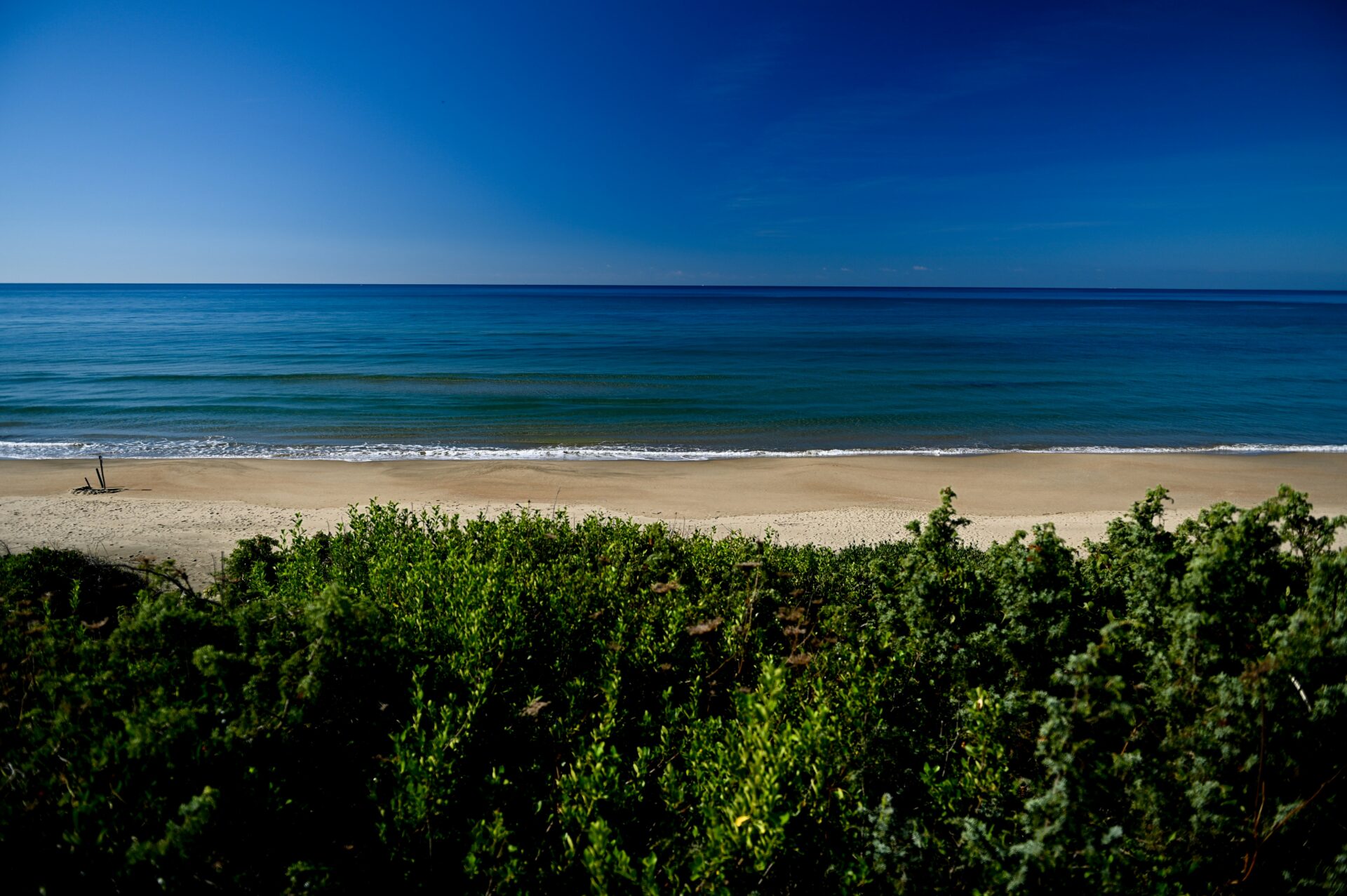
The coastline below features pristine beaches alongside rugged cliffs. During my trek, I discovered hidden coves accessible only by narrow paths winding down the mountainside.
The isolated position of this mountain creates a microclimate that supports rare plant species. Twisted olive trees and fragrant herbs reminded me of descriptions in the Odyssey, making it easy to understand why this landscape inspired such enduring myths.
Planning Your Journey
Mount Circeo offers a unique blend of mythology and natural beauty that requires thoughtful preparation. The journey to this storied location demands proper timing, equipment, and respect for local customs to fully appreciate its connection to Odysseus and Circe.
Best Times to Visit
I’ve found spring (April-May) and fall (September-October) to be the most magical times to hike Mount Circeo. The temperatures hover around 65-75°F (18-24°C), creating perfect conditions for exploring the trails without summer’s intense heat or winter’s chill.
Summer brings crowds and temperatures that can reach 90°F (32°C), making hiking strenuous, especially on exposed sections of the trail. If you do visit during July or August, start your hike very early in the morning.

Winter hiking is possible but challenging. The mountain receives occasional rain and strong winds from December through February. However, the dramatic winter views of the Mediterranean and fewer tourists can make it worthwhile for experienced hikers.
Essential Gear and Supplies
My must-have items for hiking Mount Circeo include:
Footwear & Clothing:
- Sturdy hiking boots with ankle support
- Layered clothing (temperatures can vary significantly)
- Rain jacket (even in summer, weather can change quickly)
- Sun protection (hat, sunglasses, sunscreen)
Equipment:
- Backpack (30L is sufficient for day hikes)
- Detailed trail map or offline GPS app
- At least 2 liters of water per person
- High-energy snacks and lunch
I always pack a small first aid kit with blister treatments. The terrain can be rough in spots, particularly on the western trails where limestone formations create uneven footing.
Local Guidelines and Etiquette
The mountain sits within Circeo National Park, which maintains strict conservation rules. I learned quickly that staying on marked trails is not just recommended—it’s required to protect the fragile Mediterranean ecosystem.
Fires are strictly prohibited throughout the park. Instead, I bring cold meals or stop at local trattorias in San Felice Circeo before or after hiking.
Speaking a few Italian phrases goes a long way with locals. Simple greetings like “Buongiorno” (good day) and “Grazie” (thank you) have opened doors to wonderful conversations about local legends.
Photography is welcomed, but I avoid disturbing wildlife or removing any plants or artifacts. The area holds both ecological and archaeological significance that deserves respect.
Trails and Pathways
Mount Circeo offers a network of trails that combine mythological wonder with natural beauty. Each path provides its own unique adventure through this legendary landscape.
Path of Odysseus Route
I began my trek on the Path of Odysseus, a moderately difficult 7-kilometer trail that winds through ancient Mediterranean forest. The trail is well-marked with blue blazes painted on trees and rocks, making navigation surprisingly easy.
Ancient stone steps appear occasionally along the route, supposedly dating back to Roman times. These weathered stones made me wonder how many travelers had passed this way before me.
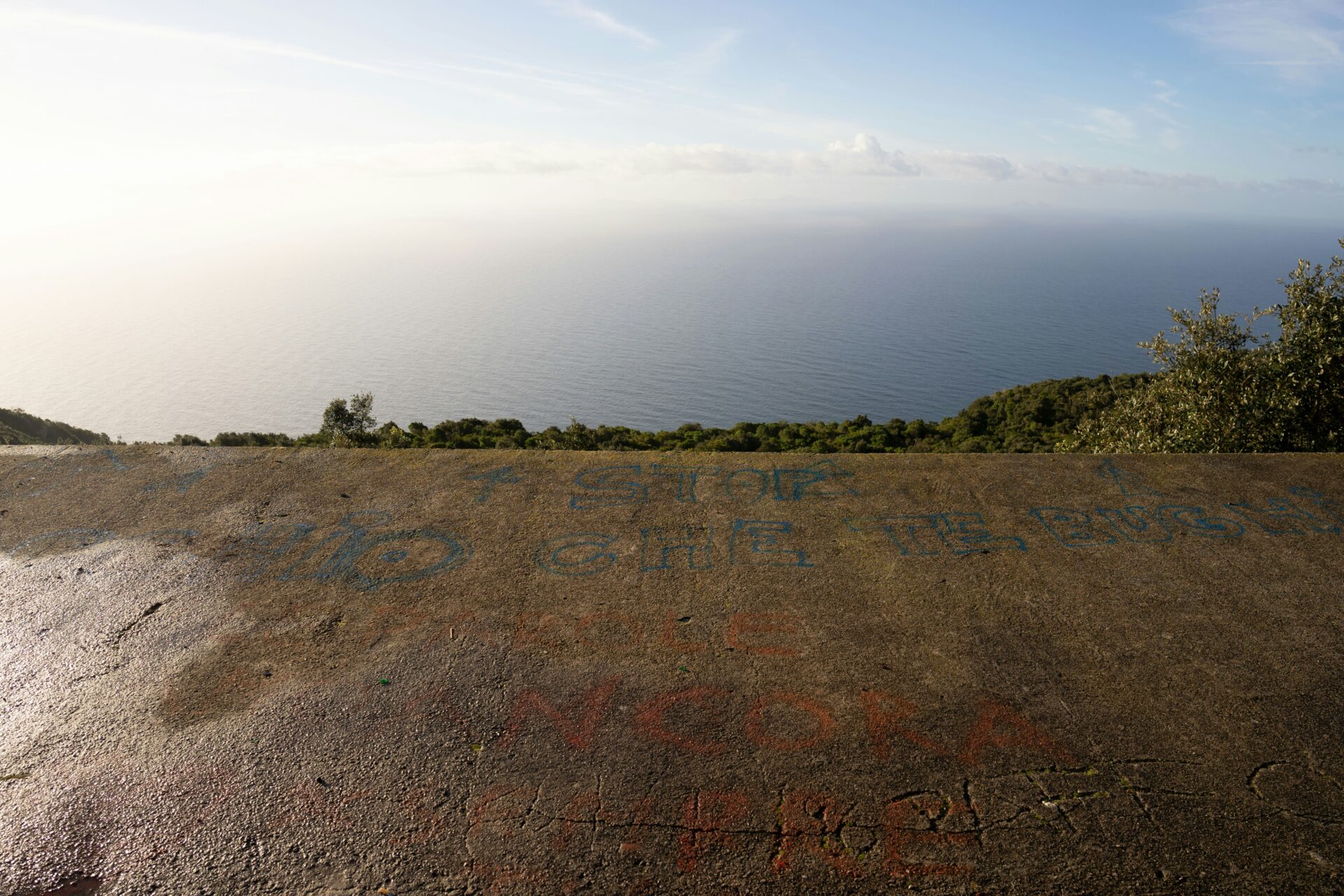
The path alternates between dense forest sections and sudden clearings that offer breathtaking views of the Tyrrhenian Sea. I recommend sturdy hiking boots as the terrain becomes rocky and uneven in several sections.
Morning hikes are best here, as the afternoon sun can be intense. I packed 2 liters of water and still nearly ran out before reaching the summit.
The Witch’s Lair Encounter
The highlight of Mount Circeo’s trails is undoubtedly the cave system known as “The Witch’s Lair.” This natural marvel requires a short but steep climb from the main path.
At the cave entrance, cool air rushes out in a way that feels almost magical. I needed my headlamp to navigate the initial dark passage, which opens into a surprisingly spacious chamber.
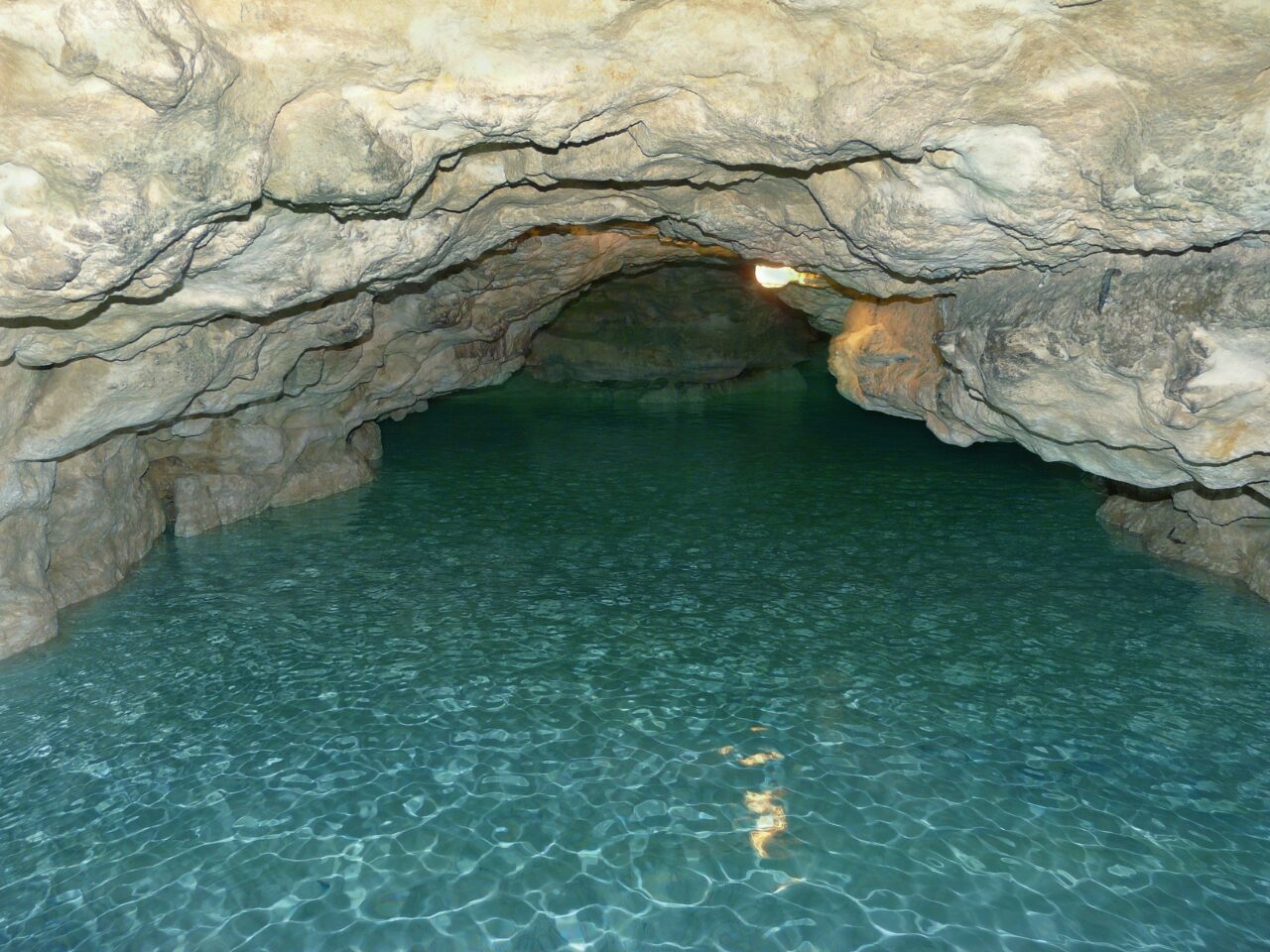
Local legends claim Circe performed her transformations here. The walls glisten with mineral deposits that catch what little light filters through, creating an otherworldly atmosphere.
Safety tip: The cave floor can be slippery, especially after rainfall. I gripped the natural handholds in the rock walls to maintain balance in the trickier sections.
Scenic Vantage Points
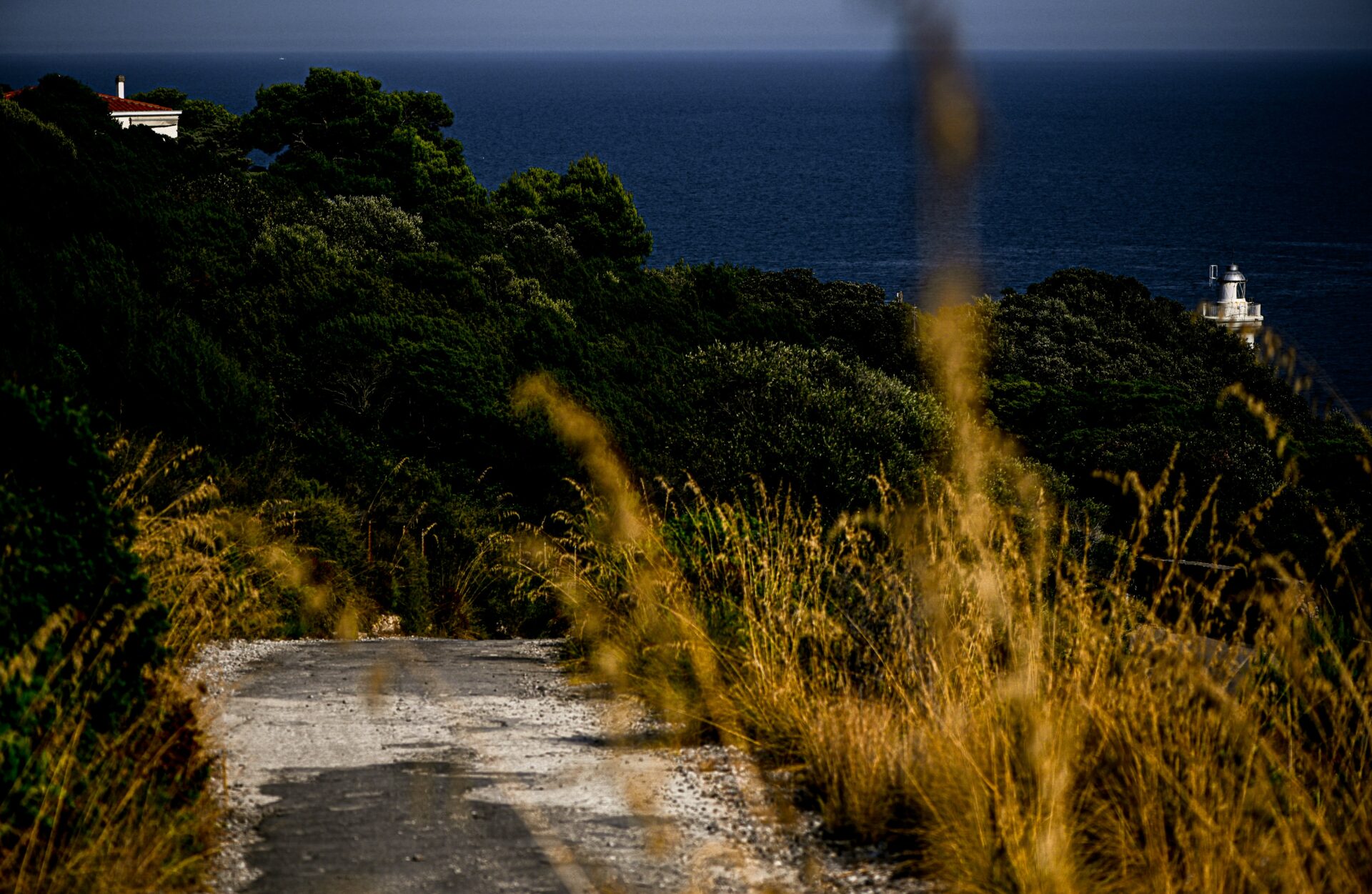
Mount Circeo’s trails lead to several remarkable viewpoints that showcase the region’s dramatic beauty. The Eagle’s Perch, reached via a short but steep 20-minute climb, offers a 270-degree panorama of the coastline.
The Witch’s Balcony, a natural stone platform jutting from the mountainside, provides the perfect spot for photography. I arrived at sunset when the sea turned golden and purple.
For the best views:
- Sunrise: Head to Eastern Lookout (easiest access)
- Midday: Visit Circe’s Window (moderate climb)
- Sunset: The Witch’s Balcony (challenging but worth it)
Each viewpoint has small stone benches where tired hikers can rest. I spent nearly an hour at each spot, mesmerized by the blend of myth and natural beauty spread out before me.
Flora and Fauna of Circeo
Mount Circeo’s diverse ecosystem offers a stunning variety of plant and animal life, blending Mediterranean scrub with unique species that have adapted to this mythical landscape.
Endemic Species Spotlight
Walking through Circeo National Park, I discovered a botanical paradise. The Mediterranean maquis dominates the landscape with aromatic plants like juniper, myrtle, and wild rosemary releasing their scents with each step.
Oak trees provide shady canopies along many trails, while wild orchids add splashes of color in spring. I spotted several varieties hiding among the underbrush during my April hike.
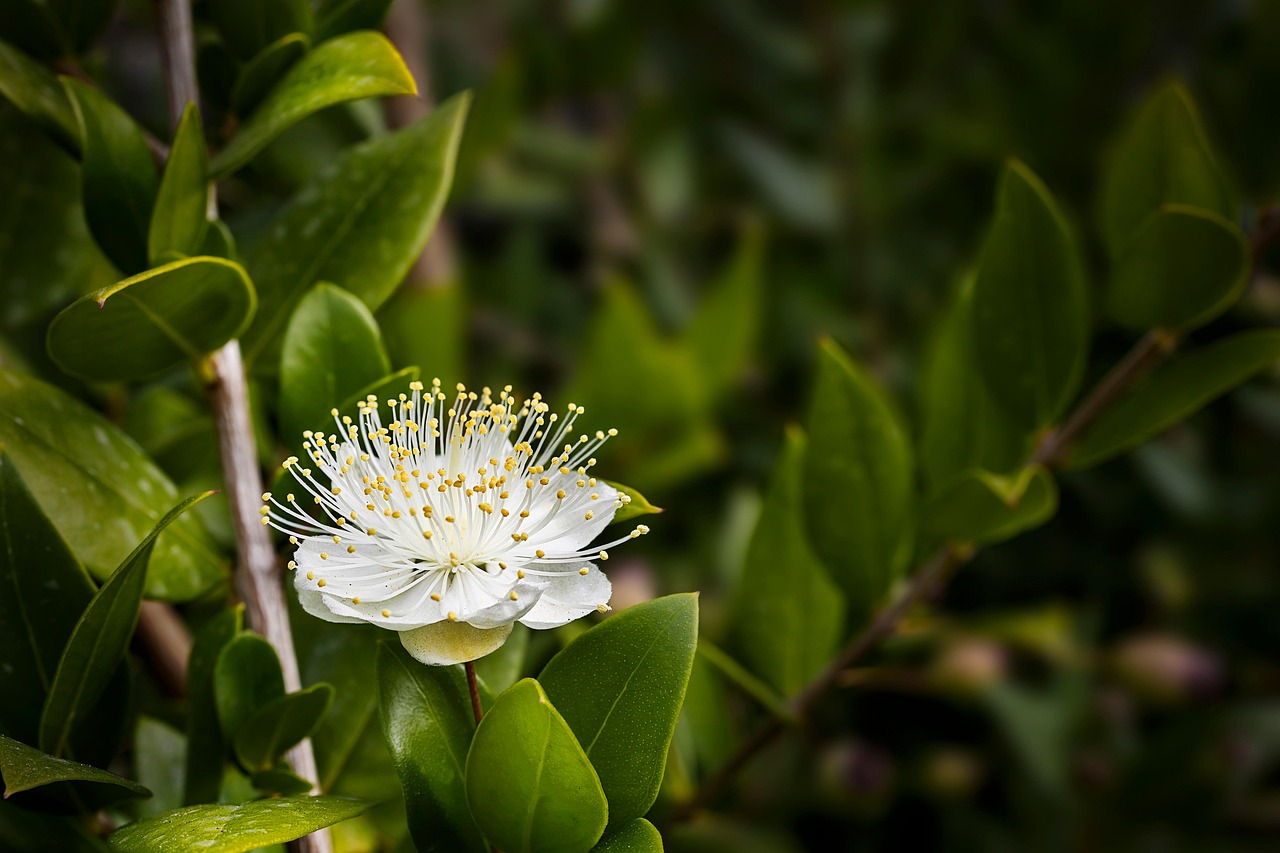
The park houses some fascinating wildlife too. Wild boars roam the forests (perhaps descendants of Circe’s famous transformations?). Peregrine falcons circle overhead, and if you’re lucky like I was, you might glimpse the rare Italian crested newt in damper areas.
The coastal areas feature unique dune vegetation that has adapted to sandy, salty conditions. Sea daffodils and coastal junipers create a beautiful transition between forest and sea.
Respecting Wildlife Habitats
During my trek across Mount Circeo, I learned about the park’s fragile ecosystems and how to explore responsibly. The park rangers emphasize staying on marked trails to protect sensitive plant communities and wildlife corridors.
Spring and fall offer the best wildlife viewing opportunities. I visited in April and saw significantly more animal activity than summer hikers report.
A few simple rules make a big difference:
- Carry out all trash
- Keep noise to a minimum
- Don’t pick plants or flowers
- Observe animals from a distance
The wetland areas near Lake Paola provide critical habitat for migratory birds. I brought binoculars and spent a peaceful morning spotting European bee-eaters and herons.
Flash photography can disturb nocturnal creatures like the European badger, so I kept my phone in my pocket during evening hikes along the mountain slopes.
Circeo’s Hidden Gems
Mount Circeo holds treasures beyond its mythological fame, offering visitors unique natural wonders, delicious food, and rich cultural experiences that many travelers miss.
Secret Grottoes and Caves
I discovered that Mount Circeo houses some of the most spectacular caves in Italy. The Grotta delle Capre (Goat’s Cave) took my breath away with its crystal formations and natural skylights.
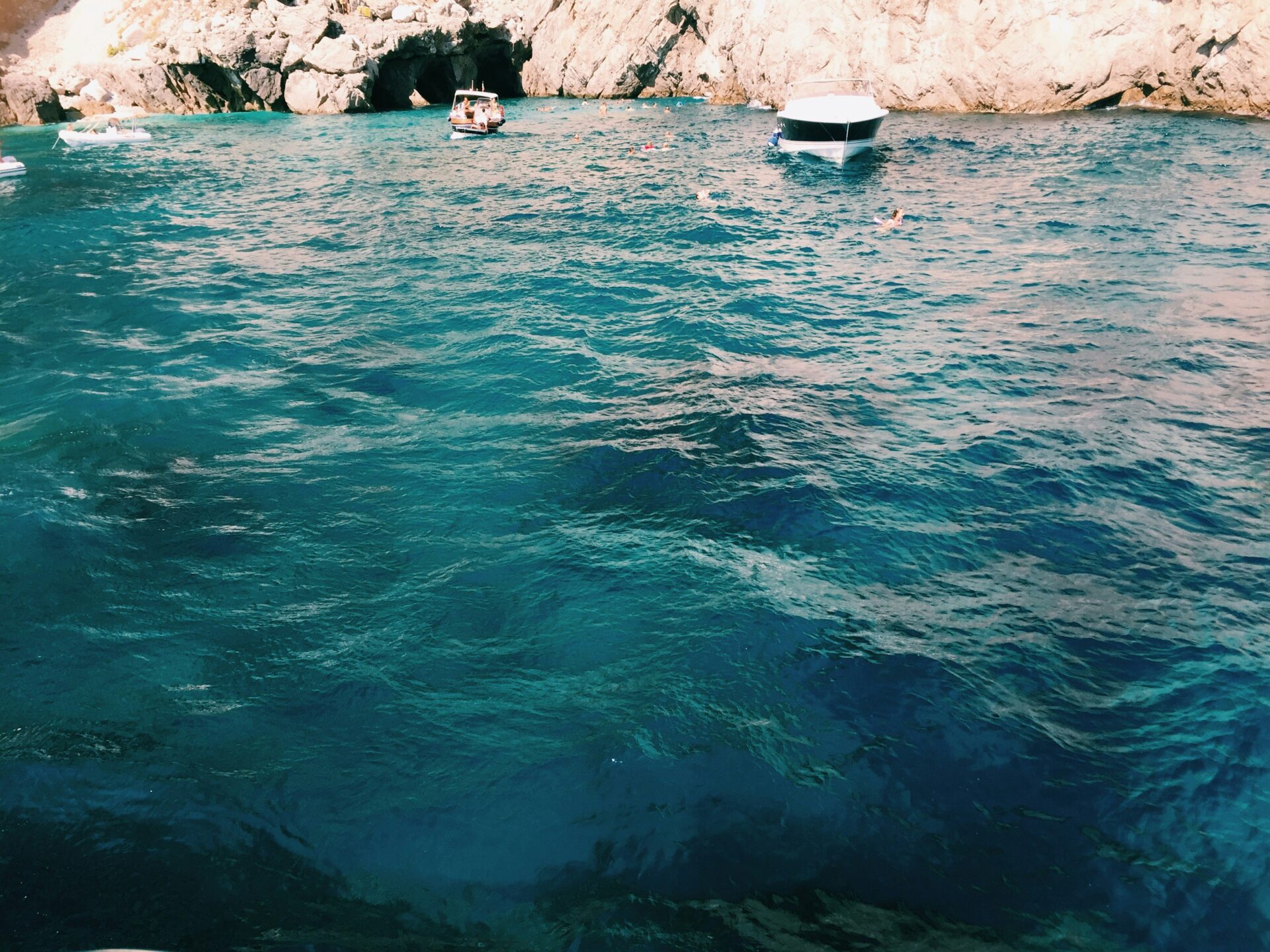
During low tide, I was able to access the stunning Blue Grotto by small boat. Its azure waters glowed mysteriously in the filtered sunlight, creating an otherworldly experience.
The most historically significant is Grotta Guattari, where Neanderthal remains were found in the 1930s. My guide explained how this discovery changed our understanding of prehistoric Italy.
Some caves require booking with local guides, which I recommend doing at least a day in advance. The best time to visit is spring or fall when crowds are thinner and the Mediterranean climate is perfect for exploration.
Local Eateries and Cuisine
The culinary scene around Mount Circeo blends traditional Lazio cooking with fresh seafood from the Tyrrhenian Sea. I found several gems tucked away from tourist paths.
Must-Try Local Dishes:
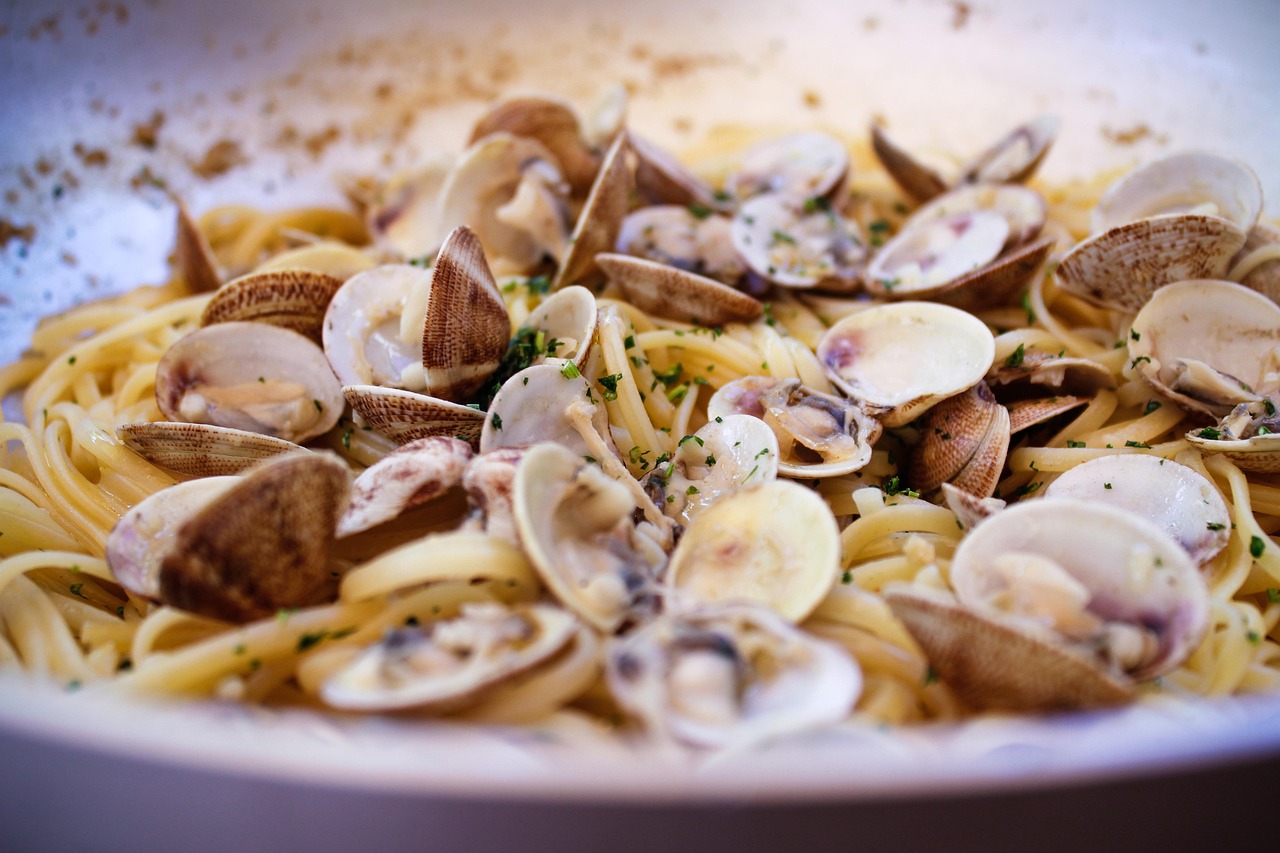
- Spaghetti alle vongole (with fresh clams)
- Frittura di paranza (mixed fried seafood)
- Porchetta di Ariccia (herb-stuffed roast pork)
Trattoria del Porto became my favorite spot for lunch, serving seafood caught that morning. Their anchovy bruschetta was simple yet unforgettable.
For an authentic experience, I visited Nonna Maria’s, a family-run osteria where I watched the grandmother hand-roll pasta in the open kitchen. The restaurant doesn’t have a menu—they serve whatever’s fresh that day.
Many local wineries offer tastings of Circeo DOC wines, which pair perfectly with the regional cuisine.
Cultural Hotspots and Activities
The Archaeological Museum of Circeo houses artifacts dating back thousands of years. I spent a fascinating morning exploring exhibits. They trace human presence from Neanderthal times through the Roman era.
The historic center of San Felice Circeo charmed me. It has narrow medieval streets and stunning views. The 13th-century Torre dei Templari (Templar Tower) offers panoramic vistas of the coastline.
During summer months, the town hosts the Festival of Ulysses. They have open-air performances of Greek tragedies. I was lucky to catch a moving rendition of “The Odyssey.” It was performed against the natural backdrop of the mountain.
For a unique experience, I joined a local botanical walk. I learned about the herbs and plants that inspired the legend of Circe’s potions. Our guide pointed out plants still used in traditional medicine today.
