
Canada’s a playground for adventure, from the wild Rockies to bustling coastal cities. Hostels all over the country offer budget-friendly stays that keep your wallet happy and your travel dreams alive. You’ll find hostel options in every province and territory, opening up both city escapes and untamed wilderness.
I’ve wandered through Canadian hostels and found them to be the ultimate spot for meeting kindred spirits and diving into new landscapes. These places drop you right into adventure hotspots like Banff, Vancouver, and Quebec City.
Hiking mountain trails or checking out buzzing neighborhoods? Hostels become your affordable launch pad.
The Canadian hostel scene is a sweet mix of savings and real travel experiences. You’ll stumble upon everything from rustic wilderness hostels in national parks to city digs in major urban centers.
Traveling across the country on a tight budget suddenly feels possible. And you’ll meet fellow adventurers every step of the way.

What Makes Hostelling Canada Unique
Canadian hostels come with nearly 90 years of history and a mission that’s all about conscious travel. Hostelling International Canada, a not-for-profit, runs 37 hostels coast-to-coast and counts 14,000 active members.
History of Hostelling in Canada
The Canadian hostel story kicked off in 1933, thanks to two Alberta sisters. Mary Belle and Catherine Barclay pitched the first hostel in a tent at Bragg Creek, just outside Calgary.
Mary Belle really drove the movement. She wrangled a horse, two cars, and a tent—charging just 25 cents a night.
In 1938, the sisters officially launched the Canadian Youth Hostel Association. That’s the foundation of what’s now Hostelling International Canada.
The whole idea? Borrowed from Europe. Richard Schirrmann, a German teacher, started it all in 1909 by leading his students on overnight countryside trips.
At 86, Mary Belle Barclay received the Order of Canada in 1987. Pretty cool, right? She built a network that grew from one tent to 39 hostels nationwide.
Mission and Values of Hostelling International Canada
HI Canada’s mission is simple but powerful: build a community of conscious travelers who dig deeper into people, places, and cultures.
They run as a not-for-profit, so any profits go right back into better hostels and services. No shareholders here.
Quality isn’t just a buzzword. Every Canadian hostel gets regular inspections and must meet Hostelling International’s global standards.
Sustainability isn’t just a checkbox. HI Canada weighs social, cultural, environmental, and economic impacts in every business decision. They’re open about what works—and what doesn’t.
With ties to over 3,000 hostels in 61 countries, travelers can count on a certain standard wherever they land.

Community and Membership Benefits
Membership really makes the hostelling world go ‘round in Canada. The 14,000 members get involved through volunteering and hostel programs.
Why bother joining? Here’s what you get:
- Access to 37 hostels across Canada
- Connections to 3,000+ hostels worldwide
- A shot at meeting travelers from every corner of the globe
- Opportunities to learn about different cultures
- The chance to help shape how hostels run
Lots of members stick around for years, volunteering and joining special programs. That’s how the hostel vibe turns into a real community.
Members even help steer the organization. HI Canada invites them to take part in big decisions.
Hostels here aren’t just a bed for the night. They turn into gathering spots where travelers trade tips and stories about Canada.

Budget-Friendly Accommodations for Adventurous Travelers
Canadian hostels come in all shapes and sizes, with social spaces and modern perks for budget-conscious explorers. Booking smart helps you snag the best deals and locations.
Types of Hostels in Canada
Dorm-style hostels still top the list for budget travelers. You’ll usually find 4-12 beds in a room, with male-only, female-only, and mixed dorms available.
Private rooms offer a bit more solitude but still keep things affordable. These rooms often cost less than hotels and come with access to shared kitchens and lounges. Some even have en-suite bathrooms.
Boutique hostels are for those who crave a little flair. Places like M Montreal have stylish touches and upgraded amenities—think hotel comfort at hostel prices.
Traditional guesthouses run alongside standard hostels in many cities. These smaller spots, usually with 20-40 guests, make it easy to connect with fellow travelers.
HI-affiliated youth hostels stick to strict standards. You know you’ll get safe, reliable digs with a solid booking system.
Amenities and Social Spaces
Modern hostels in Canada almost always include a full kitchen. Expect fridges, stoves, microwaves, and all the basics. Some even throw in free pasta, rice, or spices.
Common areas are the heart of the hostel. Rooftop terraces, cozy lounges, and sometimes game rooms with pool tables or darts make it easy to hang out.
Wi-Fi’s a given. Most hostels offer it everywhere, plus workspaces for digital nomads and plenty of charging spots.
Safety’s covered with keycard access, lockers, and 24-hour reception. Luggage storage and laundry rooms keep things convenient for longer trips.
On-site bars and cafes bring people together. Trivia nights, live music, happy hours—sometimes even restaurants serving up local eats at wallet-friendly prices.
Booking and Reservation Tips
Book your hostel 2-3 weeks ahead during busy seasons. Summer and ski season fill up fast. Last-minute? You might pay more and have fewer choices.
Always compare prices. Hostelworld, Booking.com, and direct hostel sites can show different rates. Check for member discounts, especially with Hostelling International.
Flexible dates help save cash. Mid-week is usually cheaper than weekends, and shoulder seasons beat peak prices.
Read recent reviews before you book. Look for notes on cleanliness, friendly staff, and the real vibe. Guest photos tell the real story.
Traveling with a group or staying longer? Contact the hostel directly. Many offer discounts or special packages with activities or meals.
Top Hostelling Destinations Across Canada
Hostels in Canada unlock world-class cities, wild landscapes, and quirky cultural experiences. You’ll find affordable beds and a community of fellow explorers at every stop.
Best Urban Hostels in Major Cities
Vancouver tops the list for urban hostelling. Hostels near Stanley Park and Granville Island put you close to seawall strolls and market adventures.
Toronto has downtown hostels within walking distance of the CN Tower, Harbourfront, and the Entertainment District.
Montreal’s hostels in Old Port and the Plateau are surrounded by French-Canadian culture and lively nightlife.
Calgary has hostels near the Bow River, giving you easy access to downtown sights and serving as a jumping-off point for the Rockies.
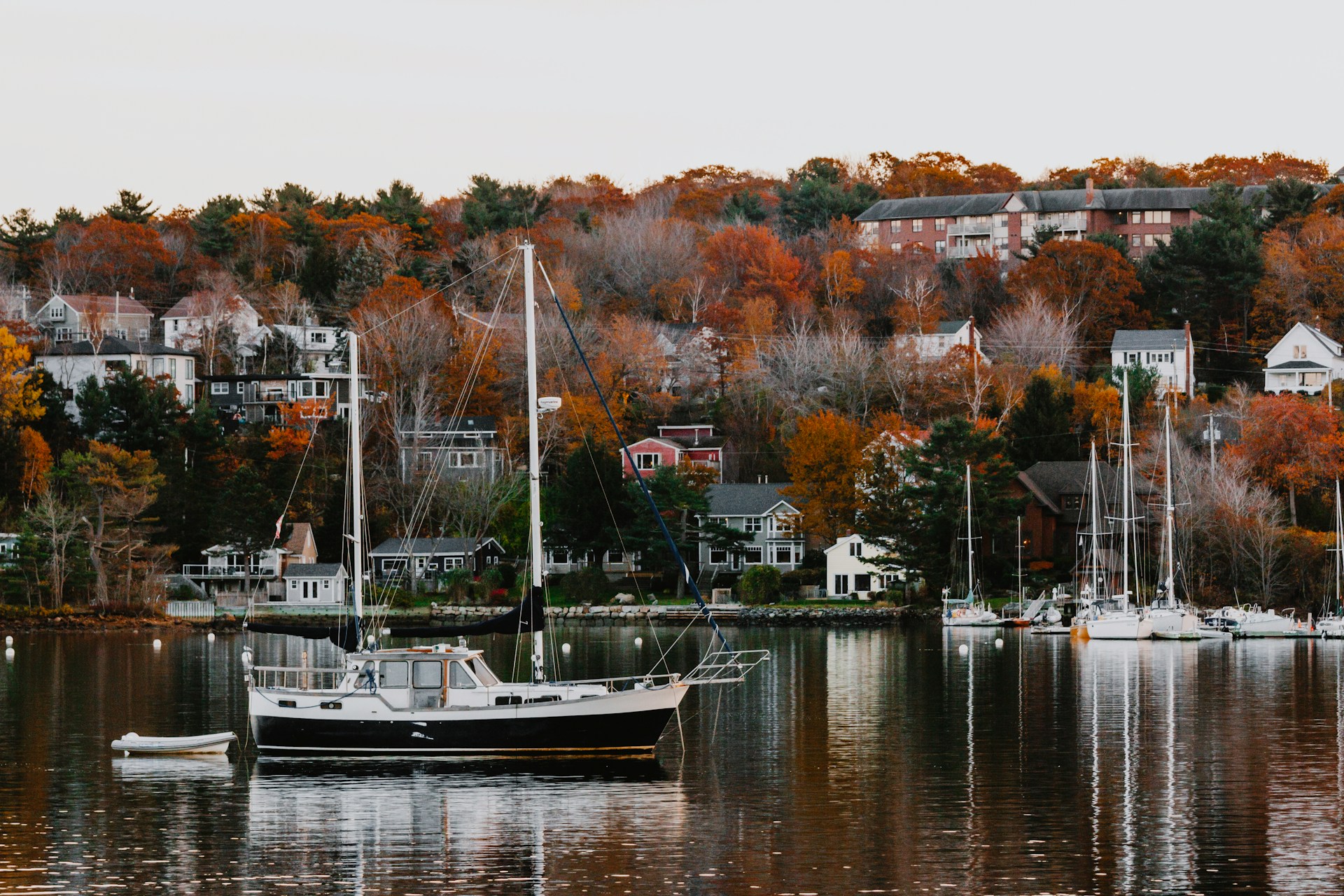
Halifax offers waterfront hostels steps from the historic boardwalk and Maritime Museum. The city’s music scene and seafood aren’t to be missed.

Must-Visit Wilderness and Coastal Hostels
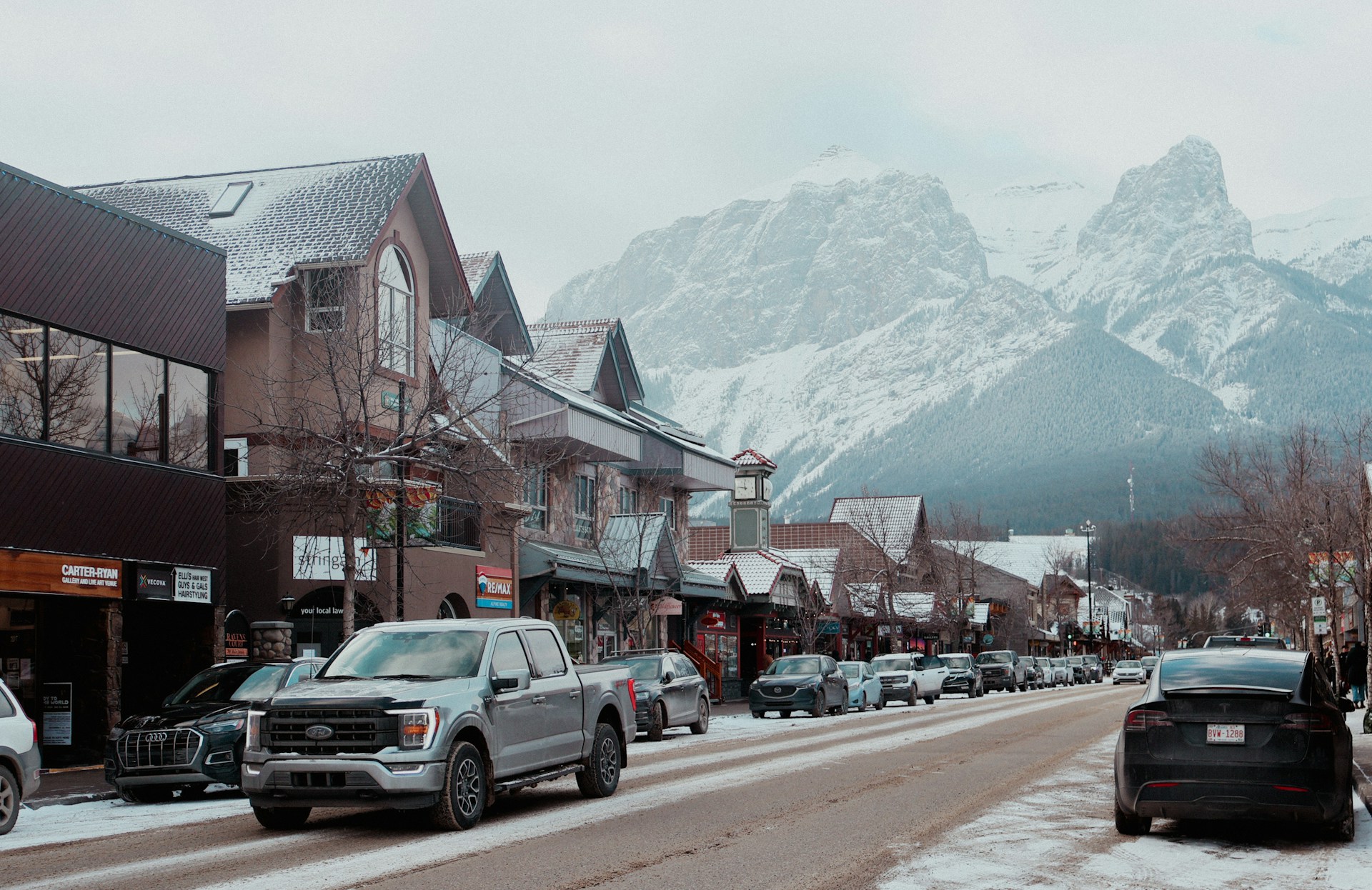
Canmore, Alberta is a dream for mountain lovers. The hostel sits among the Rockies and opens right onto hiking trails like Grassi Lakes. Spotting elk or mountain goats? Not uncommon.
Penticton, BC sits between two lakes in wine country. Walk to beaches, tour wineries, or bike the Kettle Valley Rail Trail.
Tofino, BC is hostel heaven for surfers and nature fans. You’re close to Pacific Rim National Park, hot springs, and old-growth forests.
Jasper, Alberta offers hostels near Jasper National Park, with glacier lakes and epic wildlife.
Prince Edward County, Ontario pairs lakeside hostels with scenic cycling through vineyards and sandy beaches.
Notable Hostels for Unique Experiences
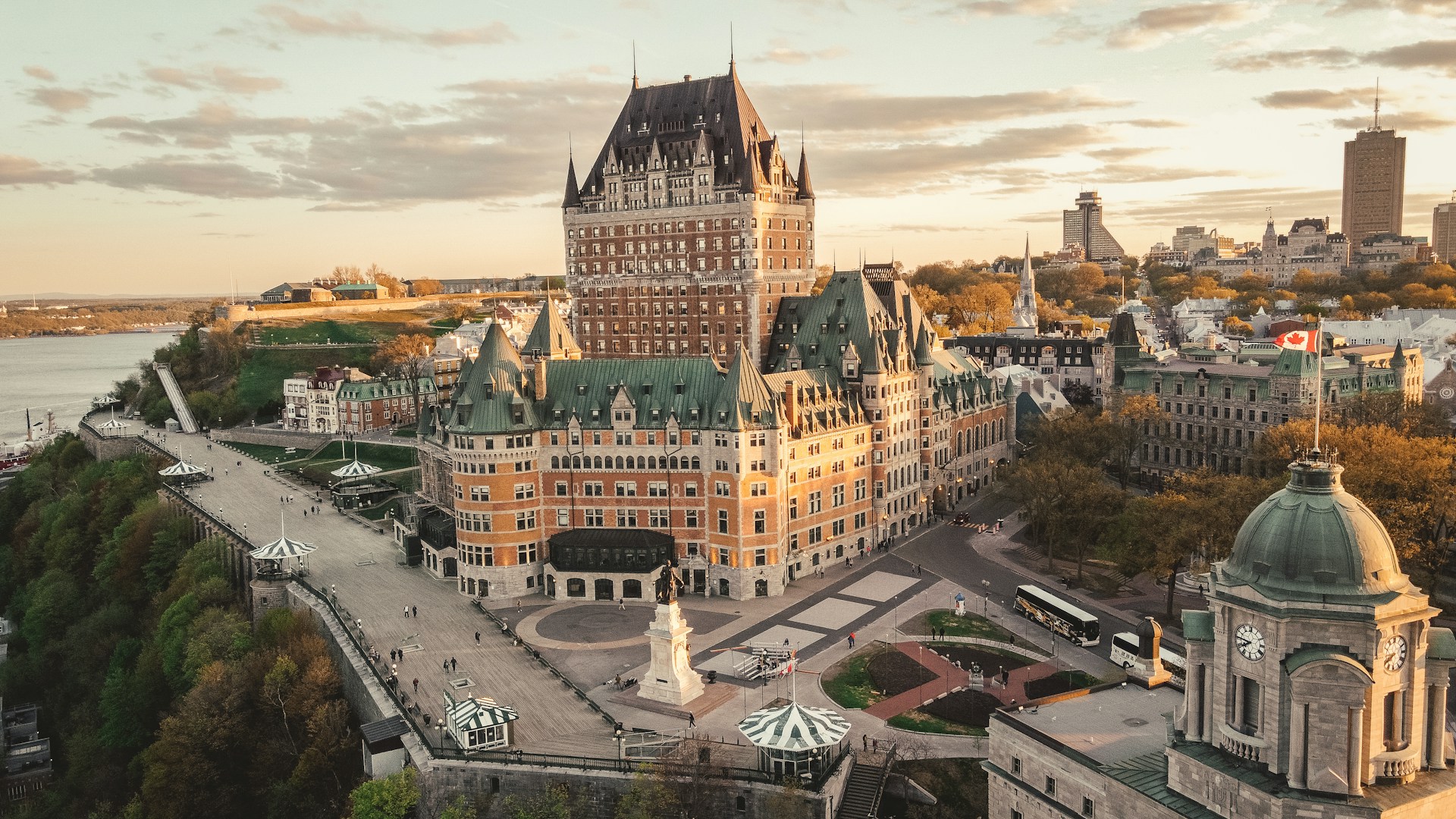
Quebec City boasts the only hostel inside UNESCO World Heritage walls. Wander cobblestone streets and visit Château Frontenac without leaving the old city.
Whitehorse, Yukon lets you chase northern lights in winter. The hostel connects you with wilderness adventures and indigenous culture.
St. John’s, Newfoundland has colorful downtown hostels near historic sites. Icebergs, whales, and traditional music are all close by.
Banff townsite hostels drop you in the heart of Canada’s oldest national park. Shops, restaurants, and trailheads are all within walking distance.
Churchill, Manitoba runs seasonal hostels for polar bear and beluga whale watching. Wildlife lovers and photographers flock here.
Regional Highlights: Exploring Canada by Hostel
From the Pacific to the Atlantic, Canada’s hostel network covers every kind of adventure. Whether you crave mountain towns, vibrant cities, or historic coasts, there’s a budget bed waiting.
Western Canada: British Columbia and Alberta
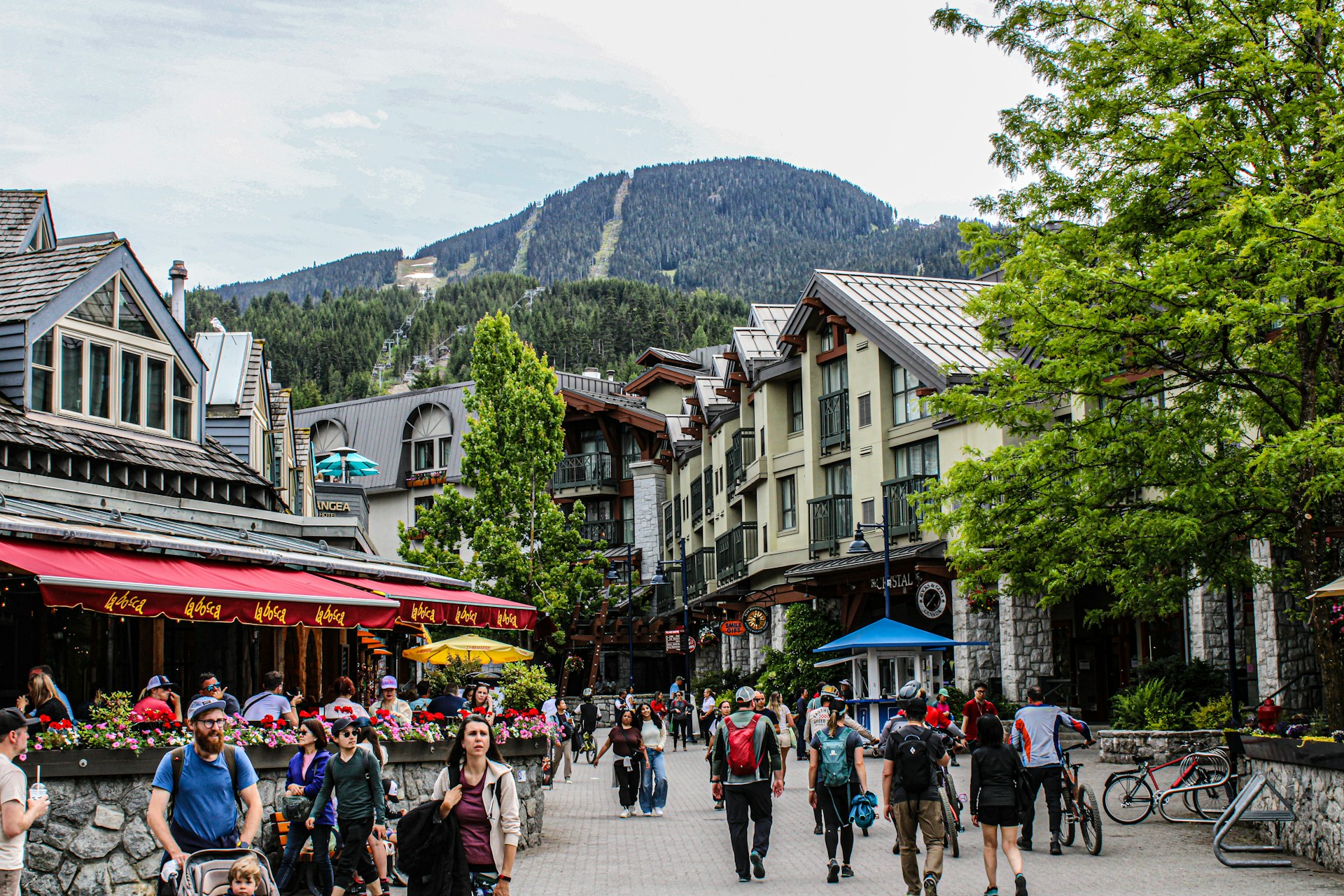
Western Canada is a goldmine for outdoor hostelling. BC’s coastal gems like Vancouver and Tofino offer budget stays with ocean views and surf culture.
Whistler’s hostels fill up fast during ski season, so book early if you want a spot.
Top BC Hostel Picks:
- Vancouver (city life and nature)
- Tofino (surf, sand, and forest)
- Whistler (mountain sports)
- Victoria (island vibes)
Alberta’s Rockies shine with hostels in Banff and Jasper. Hikers and wildlife fans will love the easy access to trails and lakes.
Banff hostels get snapped up months in advance for summer. HI Canada locations are a safe bet for quality.
Calgary and Edmonton both offer urban hostel options. They’re great launching pads for Rocky Mountain trips.
Central Canada: Ontario and Quebec
Ontario and Quebec are home to Canada’s biggest cities and a wide hostel selection. Toronto has everything from downtown crash pads to hostels in cool neighborhoods.
Montreal’s hostels attract festival-goers and culture buffs. The French flair adds a twist you won’t find elsewhere in Canada.
Quebec Standouts:
- Montreal (music, art, nightlife)
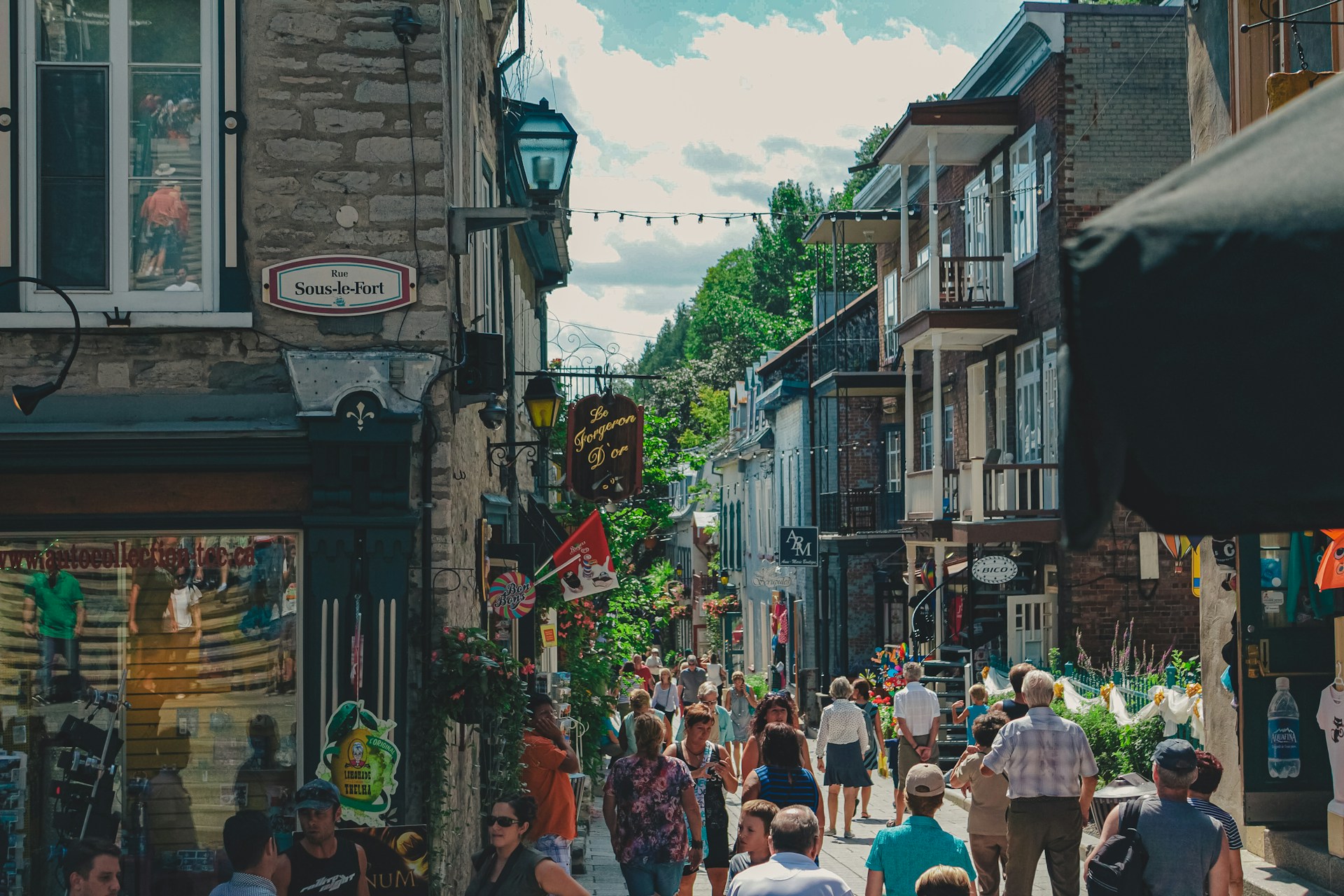
- Quebec City (old-world charm)
- French-speaking staff at most hostels
Ottawa’s hostels are usually cheaper than Toronto or Montreal. It’s a good pick for government city explorers.
Quebec City’s hostels stay busy all year, but winter brings lower prices and fewer tourists.
Eastern Canada: Atlantic Provinces
The Atlantic provinces may have fewer hostels, but quality’s still high. Halifax is the main hub, with several hostels near the water.
Cape Breton in Nova Scotia offers hostels with ocean views and access to some of the best hiking around.
Maritime Musts:
- Halifax (music, food, and sea air)
- Cape Breton (rugged coastline)
- Prince Edward Island (beaches and Anne of Green Gables spots)
St. John’s, Newfoundland, doesn’t have tons of hostels, but the ones there are great for whale watching and iceberg season.
Summer fills up fast in Atlantic Canada, so book ahead if you’re heading east.
Planning Your Hostelling Adventure in Canada
A little planning goes a long way. Build your route to hit Canada’s top spots, pack smart for the weather, and pick up the unwritten hostel etiquette that keeps the good vibes rolling.
Building an Itinerary Across Provinces
Canada’s massive size can be overwhelming—six time zones is no joke. I’d say, don’t try to cram it all in. Instead, pick two or three regions and really dive in.
Out west, the classic route runs from Vancouver to Whistler, then Banff, and finally Calgary. You’ll get a taste of vibrant city life, wild mountains, and a whole lot of outdoor adventures. That’s the kind of trip that sticks with you.
If you’re heading east, Montreal, Toronto, Ottawa, and Quebec City are all close together. The train rides between them are easy and surprisingly scenic. Honestly, the Montreal-Toronto corridor has so many departures, you barely need to check the schedule.
Popular Multi-City Routes:
- West Coast Explorer: Vancouver → Whistler → Banff → Calgary (2-3 weeks)
- Central Canada: Toronto → Ottawa → Montreal → Quebec City (1-2 weeks)
- Maritime Adventure: Halifax → Fredericton → Charlottetown (1 week)
Book your hostels early if you’re traveling between June and August. Banff and Whistler get booked up before you know it. I’ve found winter is less stressful unless you’re chasing ski season.
Distances can be wild here. Vancouver to Toronto? That’s 4,400 kilometers. Flying shaves off days, but you’ll pay for it. Buses are cheaper, though you’ll need patience (and maybe a neck pillow).

Essential Packing and Travel Tips
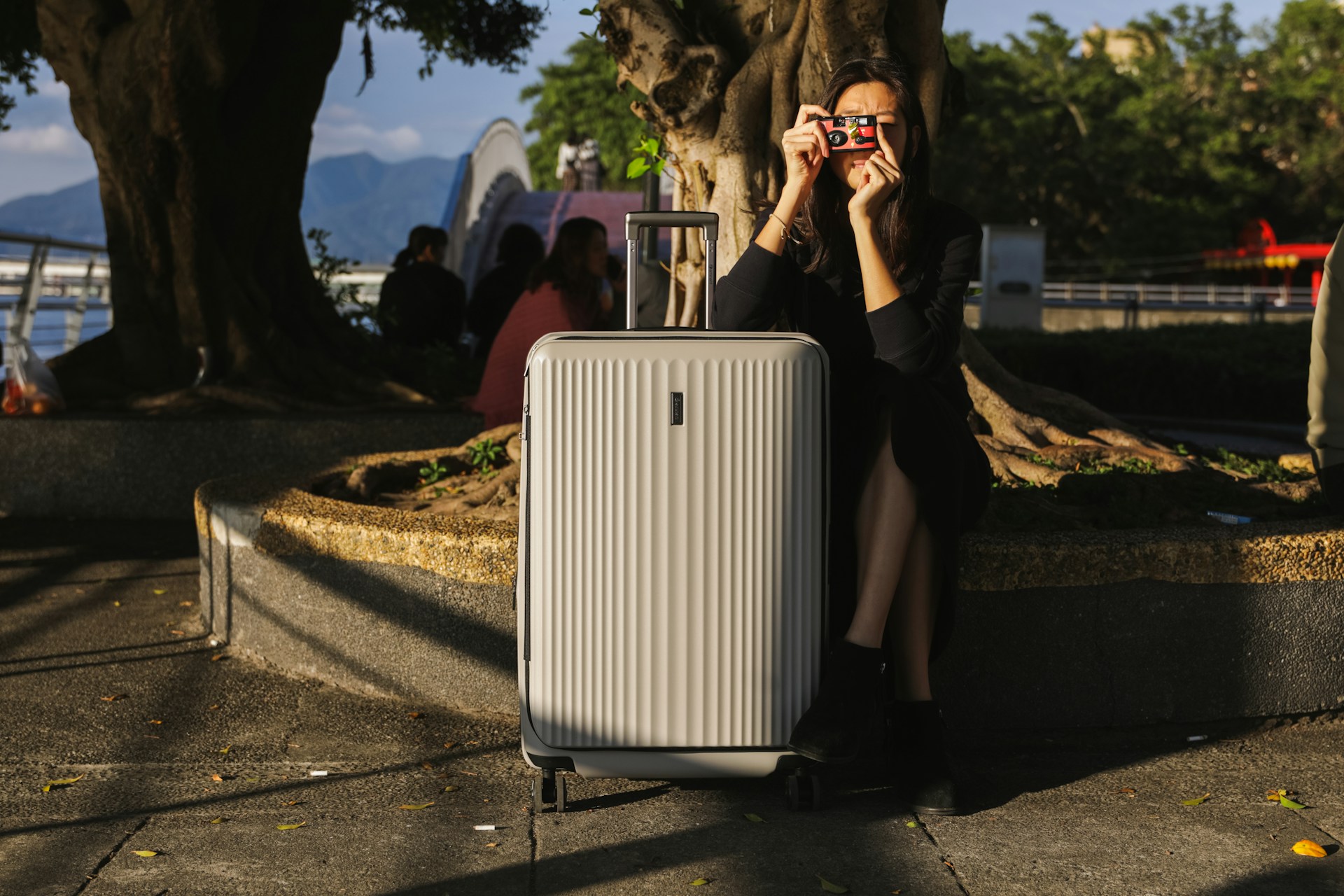
Weather in Canada loves to keep you guessing. I always pack layers, no matter the season. Even summer nights in the mountains can drop by 20°C.
Year-Round Essentials:
- Rain jacket (Vancouver sees about 1,200mm of rain every year)
- Cozy fleece or wool sweater
- Durable walking shoes
- Power adapter (Type A/B plugs—don’t get caught out!)
- First aid basics
Cities might hit 30°C in July, but lakes and coastlines stay cool. Prairie winters? Brutal. I never skip thermal underwear from November to March.
Most hostels hand out bedding, but I still bring a sleep sack for peace of mind. Kitchens are common, so I toss in a small knife and a couple of containers. Cooking your own meals really stretches the budget.
Before heading out, I always download offline maps. Cell service vanishes in places like the Rockies. I stash some emergency cash, too—small towns sometimes don’t take cards, which can be a headache.
ATMs here charge $3-5 per international withdrawal. I stick to credit cards for almost everything to dodge those fees. It’s just easier.
Safety and Hostel Etiquette
Canada’s honestly one of the safest places I’ve traveled, but I still keep my wits about me in big cities after dark. If you find yourself wandering Toronto’s Entertainment District or Vancouver’s Downtown Eastside at night, just stay sharp—those areas can get sketchy.
Hostel life is a whole different vibe, and it really works best when everyone plays by the unwritten rules. I try not to be that person making noise after 10 PM, and I always use headphones instead of blasting music. Keeping my stuff tidy and off other people’s beds? Non-negotiable.
Key Hostel Guidelines:
- Always lock up your valuables in the lockers they provide.
- Wash your dishes right after you use them (no one likes a messy kitchen).
- Seriously, shower shoes. They’re lifesavers for your feet.
- Label your food with your name and the date—trust me, it avoids drama.
- Respect everyone’s sleep; not everyone’s on the same schedule.
I usually introduce myself to roommates and the staff. It’s a small thing, but it actually makes the whole stay friendlier and less awkward. Loads of hostels set up group activities, so if you’re traveling solo, you’ll have chances to meet people without trying too hard.
The emergency number’s 911 everywhere in Canada, whether you need the police, fire department, or medical help. I like to save the nearest hospital’s address in my phone, just in case. And yeah, travel insurance is a must—healthcare isn’t free for visitors, and bills can add up fast.
Most hostels keep the front desk open 24/7, but the smaller, cozier ones sometimes close up shop overnight. I always double-check check-in times before I book so I don’t end up locked out in the cold.
