
Every year from June to November, Miami gears up for hurricane season. People often ask if it’s worth visiting when storms and heavy rain might roll in. Honestly, you can still have a great time in Miami during hurricane season—you just need to be aware of the risks and plan ahead.
I’ve spent a few summers in Miami during these months. The weather can be all over the place, but the city’s energy, beaches, and food scene never really go away. You just have to keep an eye on the forecast and stay flexible.
Understanding Hurricane Season in Miami
Miami’s hurricane season means unpredictable weather, the threat of strong storms, and a bit more planning for travelers and locals. If you know when the risks spike and what kind of weather to expect, you’ll make smarter, safer travel choices.
When Hurricane Season Occurs
Hurricane season in Miami stretches from June 1 through November 30.
Most hurricanes hit between mid-August and late September. If you look at history, September is the month when storms are most likely to make landfall.
Hurricanes can technically pop up anytime in those six months, but early June and late November storms don’t happen often. The wildest weather usually shows up in late summer and early fall. Still, nothing’s guaranteed with weather, so I always stay prepared the whole season.
Comparison With Atlantic Hurricane Season
Miami’s hurricane season lines up with the Atlantic hurricane season, which covers the Atlantic, Gulf of Mexico, and Caribbean. Both run from early June to the end of November.
Because Miami sits on Florida’s southeastern coast, it’s more exposed during hurricane season than most other cities. Places like Orlando, farther inland, don’t get hit as directly as Miami does.
Here’s a quick comparison:
| Location | Season Dates | Peak Months | Risk Level |
|---|---|---|---|
| Miami | June 1–Nov 30 | Aug–Sept (esp. Sept) | High |
| Atlantic Area | June 1–Nov 30 | Aug–Sept | Varies by area |
| Orlando | June 1–Nov 30 | Aug–Sept | Moderate |

Typical Weather Patterns
During hurricane season, Miami gets its fair share of afternoon thunderstorms and heavy rainfall.
Humidity soars, and it’s hot—especially from June through September. Some days are all blue skies, while others flip to gusty winds and lightning in a flash.
If a tropical storm or hurricane approaches, you’ll notice stronger winds, sheets of rain, and sometimes flooding. Even storms that miss the city can knock out power or cause minor surges.
I always check the forecast and stay tuned to local alerts, especially when the weather starts to shift.

Travel Risks and Considerations
Traveling to Miami during hurricane season means dealing with the chance of wild storms, delayed flights, and last-minute changes. If you know what might happen, you’ll make smarter choices and keep your trip flexible.
Storm Frequency and Severity
Miami’s hurricane season runs from June 1 to November 30, but the highest risk falls between mid-August and late September. Most years, Miami dodges a direct hurricane hit, but tropical storms and heavy rain show up more often.
Not every storm turns into a monster. Many drift offshore or weaken before reaching land. Still, when storms do hit, winds can reach over 74 mph, trees can come down, and flooding or power outages aren’t rare.
Storm categories:
| Strength | Wind Speed (mph) |
|---|---|
| Tropical Storm | 39–73 |
| Cat 1 | 74–95 |
| Cat 2 | 96–110 |
| Cat 3 | 111–129 |
| Cat 4 | 130–156 |
| Cat 5 | 157+ |
With weather this unpredictable, I always plan for possible interruptions.
Safety Precautions for Visitors
When I visit Miami during hurricane season, I check the weather every day. If there’s a tropical storm watch or warning, I follow updates from the National Hurricane Center and local news.
Hotels usually have emergency plans, and staff can help with evacuation routes or safe spots. If officials say to evacuate, I don’t wait around—I leave right away. Packing a small emergency kit with water, snacks, a flashlight, and important papers just feels smart.
Travel insurance that covers weather events gives me peace of mind. I also keep airline, car rental, and hotel contacts handy in case I need to change plans last minute.
Impact on Flights and Transportation
Flights in and out of Miami can get delayed or canceled fast if storms hit. Airlines often let you change your booking for free when a hurricane threatens.
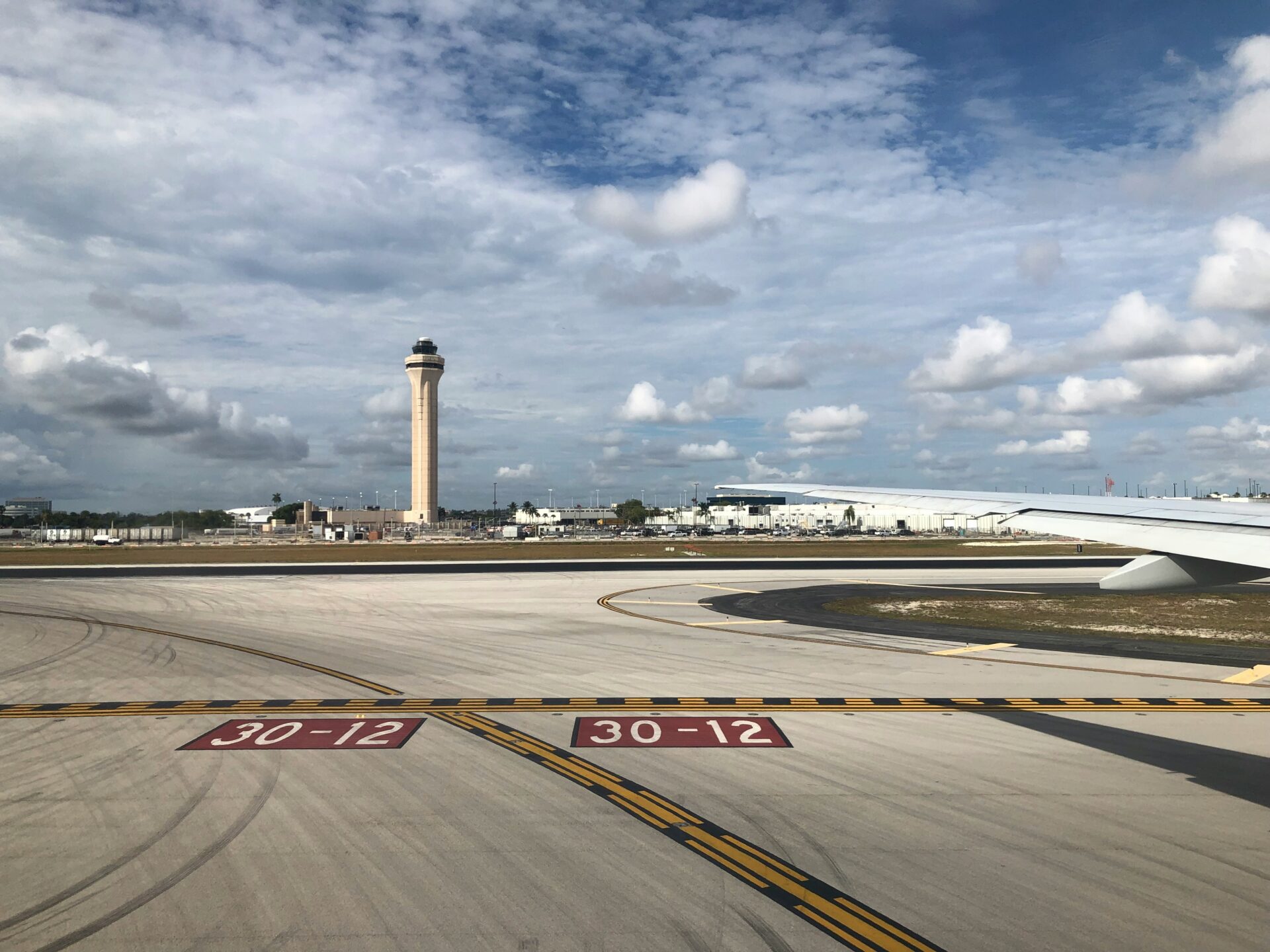
Flooded streets or debris can mess with roads, public transport, and ride shares. Miami International Airport sometimes shuts down if the weather gets too rough.
I always give myself extra time, double-check my schedules, and keep all my booking info close. If a hurricane looks likely, I try to leave before things get worse or just reschedule the trip.
Events and Activities During Hurricane Season
From June to November, Miami’s hurricane season is in full swing. Even with the risk of storms, the city keeps its calendar packed, so there’s still plenty to do, rain or shine.
Summer Festivals and Cultural Highlights
Miami doesn’t slow down much for hurricane season. Miami Swim Week kicks off in July, turning South Beach into a hub for fashion, parties, and runway shows. Designers, models, and style fans from all over show up.
Art Basel happens outside of hurricane season, but galleries and exhibits around Downtown Miami stay open all summer. Museums roll out special exhibits, and theaters put on new shows.
Music festivals and neighborhood events pop up too, though sometimes schedules shift if a storm’s coming. I always check event calendars and stay flexible in case the weather forces a change.

Indoor Attractions and Entertainment
When the rain pours, Miami’s indoor attractions come to the rescue. The Pérez Art Museum Miami and Frost Science Museum, both downtown, are perfect for a day inside.
Brickell City Centre and Bayside Marketplace offer plenty of shopping and shelter if you get caught in a downpour. The food scene in South Beach and Downtown is always lively, so ducking into a café for a long lunch is never a bad idea.
Movie theaters, escape rooms, and indoor playgrounds keep families entertained. I always have a few indoor options ready for those unpredictable afternoons.

Outdoor Activities and Beach Safety
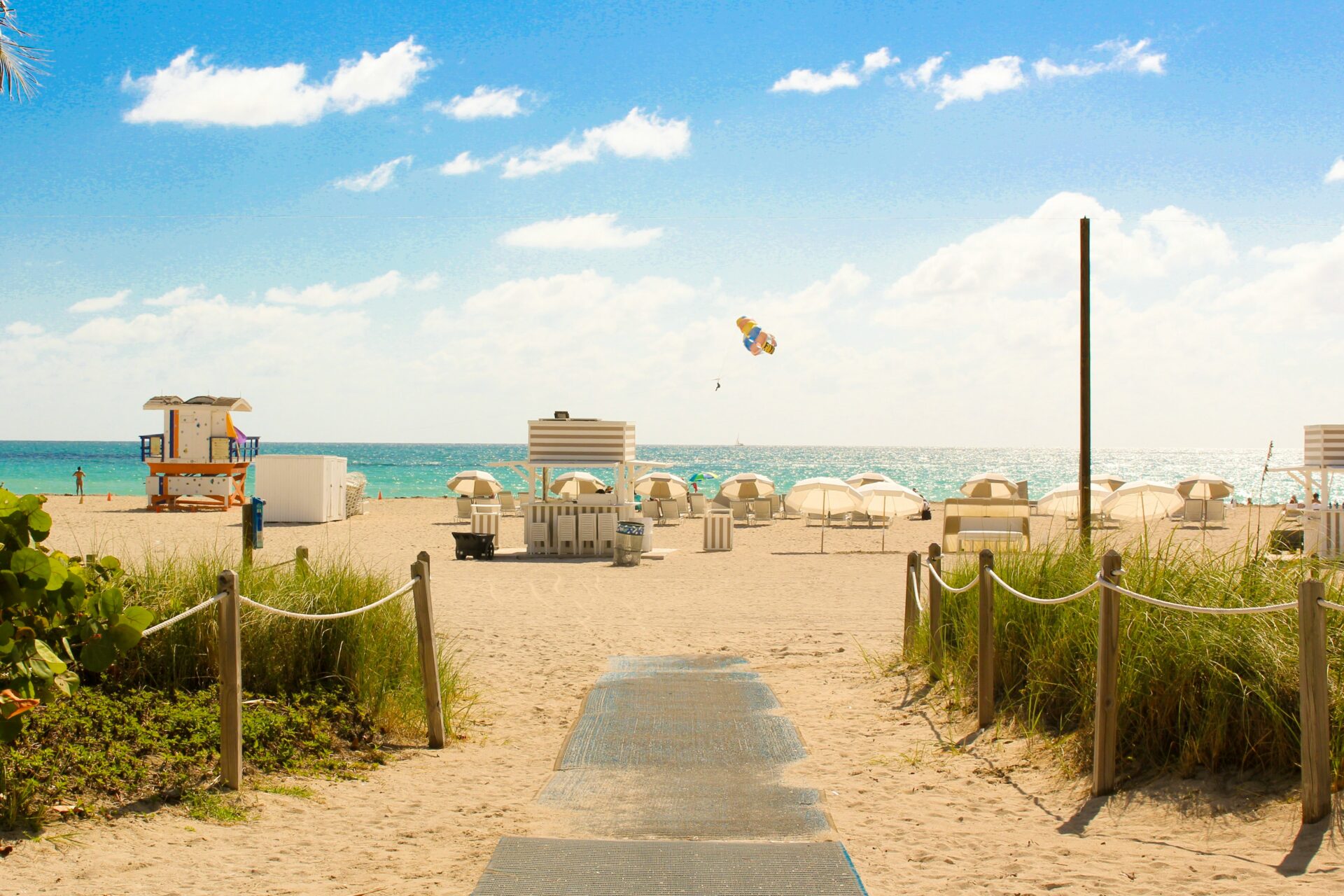
Outdoor fun is still possible, but I always check the forecast first. South Beach stays busy with sunbathers, swimmers, and volleyball games—at least when the weather’s good. Lifeguards post warnings or close sections if things get risky.
Paddleboarding and boating are options too, but I never head out without checking for storm advisories. Local alerts and closures are there for a reason, especially with Miami’s sudden weather changes.
If a storm’s in the forecast, I swap outdoor plans for indoor adventures. It’s just part of the routine.
Pros and Cons of Visiting Miami During Hurricane Season
Miami’s hurricane season lasts from June to November. Visiting during these months has its perks, but you’ll also face a few challenges.
Lower Prices and Fewer Crowds
When I travel to Miami in the summer or early fall, hotel rates and airfare usually drop. Fewer tourists want to gamble on the weather, so it’s Miami’s off-season.
Restaurants, beaches, and attractions feel a lot less crowded. I rarely wait in lines, and it’s easy to snag a reservation at popular spots. If you’re after a quieter vibe, this is the time to go.
Some hotels and resorts throw in discounts or special hurricane cancellation policies. Sometimes they’ll refund your stay if a storm messes up your plans. That takes some of the pressure off.
If you want to check out Miami’s nightlife, museums, or shopping without the crowds, this season gives you plenty of breathing room. The city feels more relaxed, and I kind of love that.
Summary Table:
| Perk | Description |
|---|---|
| Cheaper hotels | Prices drop compared to busy season |
| Easy reservations | Popular places are less crowded |
| Flexible policies | Hurricane guarantees or refunds given |

Weather-Related Drawbacks
The biggest downside to visiting Miami from June to November is, of course, the weather. Hurricanes and tropical storms can pop up, and even smaller storms bring heavy rain, strong winds, or flooding.
I check forecasts every morning and stay ready to change plans. Beach days and water sports sometimes get rained out.
Travel can get complicated too. Airports sometimes close, and flights get delayed. I always grab travel insurance that covers weather, just in case.
The heat and humidity crank up, making long days exhausting. I try to stay hydrated, especially when rain showers pop up almost daily.
Weather Risks to Consider:
- Daily thunderstorms possible
- High humidity and high temperatures
- Sudden evacuation orders in case of storm
- Attraction and flight closures due to severe weather
Tips for Planning a Miami Trip During Hurricane Season
When I plan a Miami trip during hurricane season, I always try to protect my plans and keep things flexible. Following weather updates and being ready to adapt can help you enjoy your vacation, even when storms roll through the summer months.
Travel Insurance and Flexible Booking
I always recommend travel insurance for trips to Miami between June and November. Hurricane season runs from June 1 to November 30, with the most storms hitting from mid-August to mid-October. Many downtown hotels and airlines offer flexible bookings or free cancellations during this time. I double-check all the policies before I book, so I know exactly what to expect if I need to change my plans.
My travel routine looks like this:
- Read through airline and hotel cancellation policies
- Ask about hurricane-specific refund or rebooking options
- Compare travel insurance plans for coverage that includes trip interruption, delays, or evacuation due to storms
When I shop for insurance, I look for companies that specifically cover hurricanes as “named events.” That way, my trip’s protected no matter what the forecast throws at me.
Staying Informed on Weather Updates
I never leave my safety up to chance—especially not in Miami during hurricane season. The weather can flip fast here, so I always keep an eye on updates from the National Hurricane Center (nhc.noaa.gov) and tune in to local Miami news.
Before I even pack my bags, I set up weather alerts on my phone. Each morning, I check the forecast for downtown Miami just to stay ahead of any surprises.
When I hear about a hurricane watch or warning, I immediately check travel advisories on city and state websites. I keep a list of emergency contacts handy and make sure I know the local evacuation routes.
If officials tell visitors to leave or shelter indoors, I don’t second-guess it—I just follow their instructions. Staying informed lets me adapt quickly and keep my plans flexible, which honestly feels like the smartest move.
