
If you’re craving a peaceful escape from Hamburg’s city buzz, a summer day trip to Blankenese really delivers. I wandered the riverside suburb and immediately felt its charm—the winding lanes, steep staircases, and those wide, glittering views of the Elbe River. The vibe was quiet and calm, which honestly felt like such a relief after the packed city center.
The pretty houses, leafy gardens, and sandy beaches made me think I’d stumbled into a coastal town, not just a suburb. Strolling by the water, I could slow down and just enjoy the moment.
Curious about what actually makes Blankenese special? Want the real scoop on how my day went? Stick around for all the details and a few tips from my sunny, scenic adventure.

Why Choose Blankenese for a Summer Day Trip?
Blankenese turned out to be a surprisingly relaxing and attractive pick for a summer day out. It combines river views, a bit of history, and that peaceful atmosphere you just can’t find in the busy parts of Hamburg.
Escape Hamburg’s Urban Pace
After a few days in Hamburg’s center, I needed a break from the noise and crowds. Blankenese sits right on the Elbe River. Here, I wandered along sandy beaches and quiet waterfront paths.
The air just feels fresher, and everything moves at a slower pace. Locals flock to the Elbstrand beach to relax, sunbathe, or watch ships drift by. I found plenty of spots to just sit and take in the view.
Getting there from Hamburg surprised me—it took only about 30 minutes on the S-Bahn. That made Blankenese perfect for a last-minute summer escape.

Overview of Blankenese’s Charm
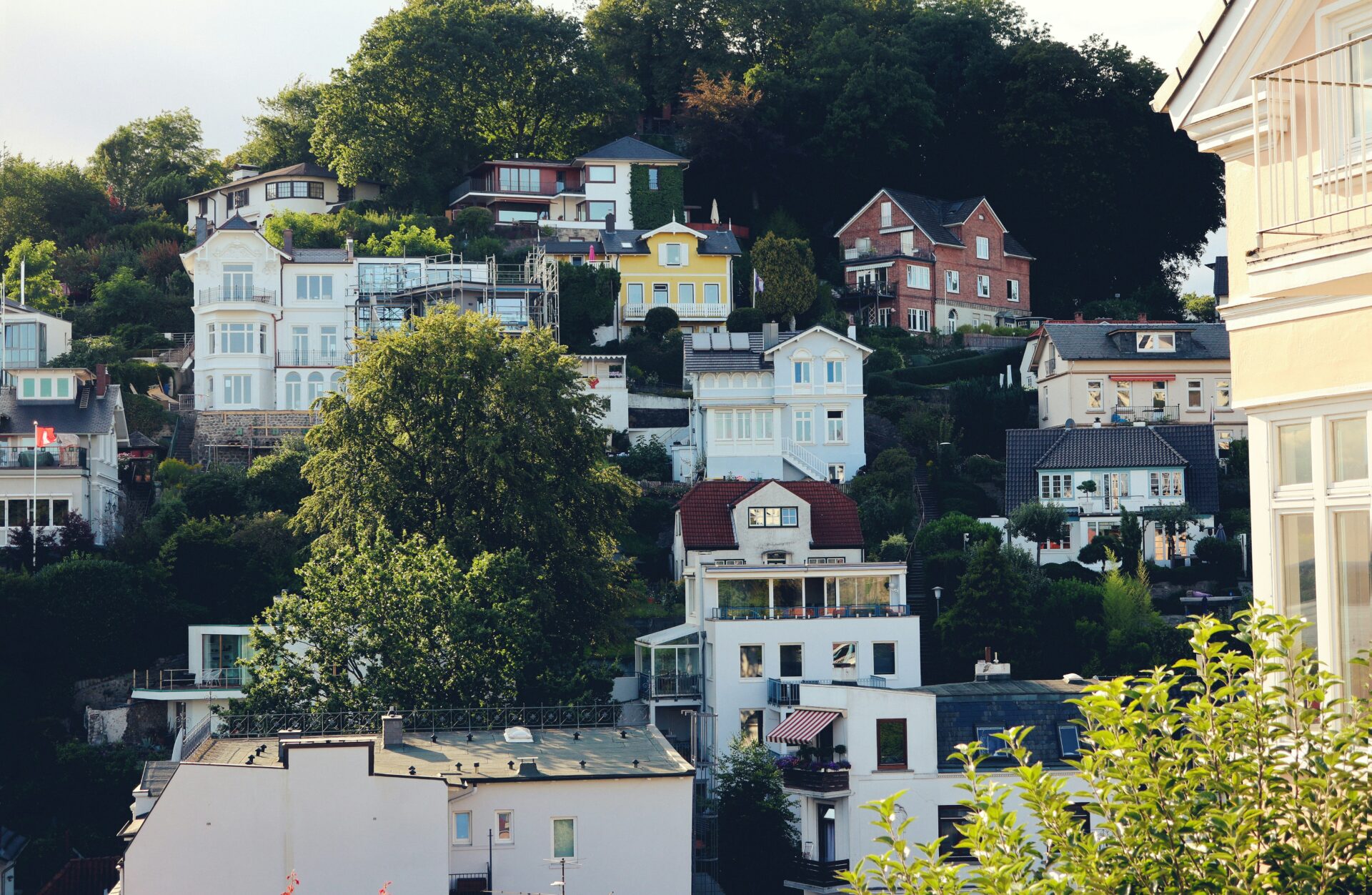
When I stepped off the train, Blankenese’s charm hit me right away. The Treppenviertel, or “Staircase District,” is a maze of steep stairways tucked between whitewashed houses and lush gardens.
Around every corner, I found another Instagram-worthy view. Window boxes overflowed with flowers. Tiny cafés and bakeries tempted me to linger. Because the whole area sits on a hillside, I got amazing panoramas of the river.
Blankenese also has a lively village center, dotted with local shops and a bustling market square. I loved wandering the quiet lanes, soaking up the laid-back vibe. It’s such a contrast to Hamburg’s city rush.

Historical Roots as a Fishing Village
Blankenese started out as a humble fishing village, long before it became one of Hamburg’s most desirable neighborhoods. You can still spot that history today. Old fishermen’s cottages sit next to modern villas, showing how much the area has changed.
The name “Blankenese” comes from Low German for “white headland.” That speaks to its waterfront roots and ties to the Elbe. I spotted small boats bobbing by the shore, a little echo of the past.
As I wandered, I found plaques and historic markers that told the story of Blankenese’s growth—from a working village to a postcard-perfect district. This mix of old and new made my visit even more interesting.

Scenic Sights and Attractions in Blankenese
Blankenese stands out with its hillside paths, river views, and elegant homes. I kept stopping just to take it all in—the quiet charm here feels totally different from central Hamburg.
Exploring the Treppenviertel Staircase Quarter
The Treppenviertel, also called the Staircase Quarter, is the heart of Blankenese. The steep hills and twisting staircases—over 5,000 steps!—link the little white houses perched on the slopes above the Elbe.
I wandered narrow alleys lined with flowers. The stairs led me past colorful doors, tiny gardens, and cafés tucked into old buildings. People paused on the steps to catch their breath, snap photos, or just look out over the rooftops. Handy maps and signs helped me find my way.
The area feels calm and personal, a world away from Hamburg’s busy center. If you like walking (and don’t mind a bit of a climb), the Treppenviertel is packed with charm and unique views.

Elbe River Vistas and Beaches
Blankenese stretches right down to the Elbe’s edge. The riverside paths offer open views of the water, passing ships, and lots of greenery.
Elbstrand Blankenese Beach is wide and sandy. I watched locals and visitors sunbathe, walk their dogs, or just kick back in the sand. There’s plenty of room to relax, and the Elbe’s breeze keeps things comfortable.
Lookout points along the riverbank give you front-row seats to container ships heading to the harbor. The Blankenese lighthouse stands right at the water, making it a favorite photo spot. Benches and grassy patches invite you to rest, listen to the waves, or watch ferries glide by.

Noteworthy Architecture and Villas
Blankenese is famous for its historic villas and elegant homes, many built in the 19th and early 20th centuries. As I walked the neighborhood, I spotted mansions with sunny terraces and big gardens set back from quiet streets.
Some villas gleamed white with red roofs and fancy gates. Others had half-timbered walls covered in climbing roses. Each house seemed to tell its own story, hinting at the area’s rich past.
Modern homes and smaller apartments have popped up too, but the classic architecture and careful gardens keep Blankenese feeling refined and residential. I loved how so many houses offered sweeping views over the Elbe and the hills above.
Getting to and Around Blankenese
Getting to Blankenese from Hamburg is a breeze with public transport. Once I arrived, walking turned out to be the best way to soak in the riverside paths and scenery.
S-Bahn and Ferry Options from Hamburg
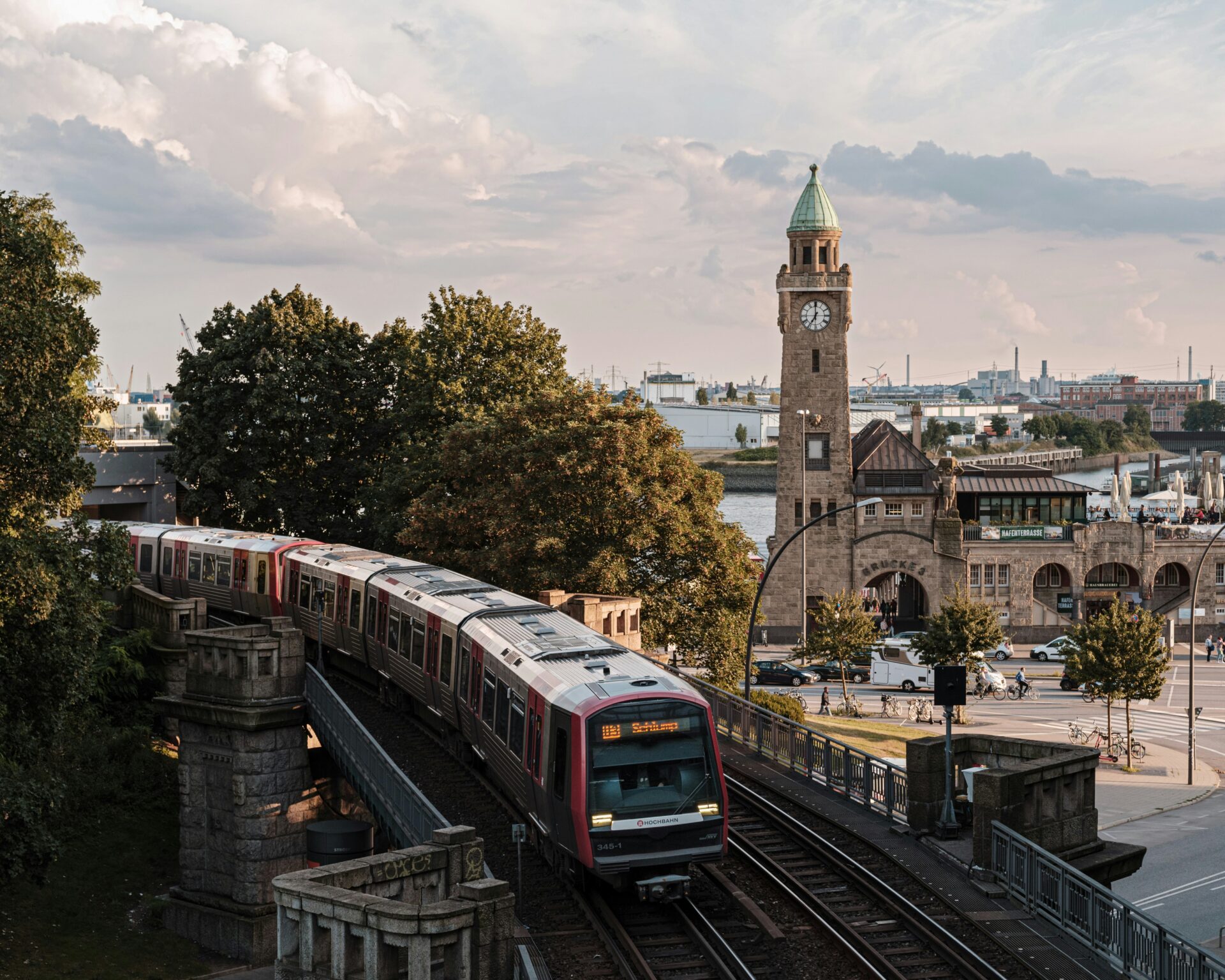
Most days, I hop on the S-Bahn to get to Blankenese. The S1 line runs straight from Hamburg’s city center. Trains leave every 10 minutes, and the ride takes about 24 minutes. Tickets usually cost €3–4 each way.
If you’re in the mood for something more scenic, the ferry ride along the Elbe is a treat. Ferries leave from Landungsbrücken and stop at Blankenese’s small pier. It’s a relaxing change of pace, especially if you want to skip the crowds.
Here’s a quick look at both options:
| Option | Average Time | Frequency | Cost |
|---|---|---|---|
| S-Bahn | 24 min | Every 10 min | €3–4 |
| Ferry | 50–70 min | Regular | €3–4 |
Both are part of the HVV network, so you can use the same ticket if you want to mix it up.
On Foot: Hiking and Walking Trails
Blankenese’s winding lanes, stairways, and hillside paths make walking the best way to get around. The “Staircase District” alone has thousands of steps winding past gardens, old villas, and lookout points.
Marked trails follow the Elbe and cut through parks like Hirsch Park and Baurs Park. These paths are mostly car-free and easy to follow, so I could enjoy peaceful river views and shady woods. Some trails are steep, so comfy shoes are a must.
For a quick, scenic walk, I usually follow the riverside path to the lighthouse. If I’m up for more, the Strandweg trail heads east toward Oevelgönne, mixing beaches, woods, and ship-watching along the Elbe.

Where to Eat, Drink, and Relax
Blankenese is packed with inviting spots to eat, sip a drink, or just unwind. The neighborhood shines with riverside views, local flavors, and peaceful places to relax.
Best Cafes with River Views
The Elbe riverfront has plenty of cozy cafés for a sunny break. Café Roederer’s on Blankeneser Bahnhofstraße stands out with fresh pastries and a great view. Their croissants and homemade cakes are hard to resist.
Many cafés offer outdoor seating. On warm days, I loved sitting outside, watching the boats and soaking up the mellow buzz. Strand Café near the beach is another favorite, especially for its easygoing vibe.
Coffee is strong and fresh at most places. Light snacks and local sweets are usually on the menu, making these cafés perfect for a pause between walks. The service is friendly and never rushed, which I appreciated.

Restaurants for Local Cuisine
For lunch or dinner, Blankenese has a nice mix of German and international restaurants. Many focus on local fish from the Elbe or fresh, seasonal veggies. I saw North German classics like matjes (pickled herring) and fried plaice on several menus.
Fischrestaurant Blankenese is a go-to if you want regional seafood. The fish plates are simple, well-cooked, and generous. I also tried a small Italian bistro near the S-Bahn station with fresh pasta and salads.
Prices are reasonable for the area. If you’re planning dinner, a reservation is smart—especially on weekends. The places I visited were relaxed and family-friendly, so they work for solo travelers or groups.

Charming Hotels and Stays
If you want to stay overnight, Blankenese offers hotels and guesthouses that make for peaceful retreats. Many sit in classic villas or smaller buildings with river or garden views.
Hotel Süllberg Karlheinz Hauser is a classic pick, perched on a hill with upscale rooms and a terrace restaurant. The Strandhotel Blankenese is a solid mid-range option, with neat rooms and breakfast included. For more privacy, some guesthouses and B&Bs hide on quiet side streets.
Most stays here focus on comfort and calm, not luxury. Staff are helpful and happy to share local tips or recommend sunset spots. The restful vibe fits the village pace of Blankenese perfectly.

Sunny Spots, Parks, and Notable Landmarks
Blankenese really shines on a clear day, with green parks, historic mansions, and riverside walks. Sunlight makes every stroll or rest stop feel special.
Popular Parks: Hirschpark and More
I started my day in Hirschpark, one of Blankenese’s largest and most peaceful green spaces. The park is great for a slow stroll under old trees or a break in the meadows.
Hirschpark is known for its deer enclosure, where kids and adults can watch the animals up close. Walking paths are well-marked and lead to hidden benches and shady lawns.
On sunny weekends, locals bring picnic blankets and relax here. Smaller gardens and green spaces nearby offer quiet spots to unwind. For river views, the park ends close to the Elbe’s waterfront.

Walking the Elbchaussee
Walking the Elbchaussee was a highlight for me. This historic road runs through Blankenese, lined with elegant villas and flowering gardens. Old trees cast dappled shadows on the pavement.
There are plenty of places to stop for a view. Several lookouts offer wide river panoramas—especially lovely on a sunny day when ships and sailboats pass by. The path is popular for both walking and biking.
Cafés and bakeries are never far if you want a snack or coffee. The street is safe and easy to follow, whether you want to hug the river or explore side streets.

Airbus Factory Views
On the far side of Blankenese, I discovered a unique sight—the Airbus factory across the river. Several spots give you clear views of the modern buildings, and sometimes you can watch planes being tested or landing at the nearby airstrip.
From river viewpoints and hillsides, the contrast between Blankenese’s old homes and the factory’s industry is striking. The best viewing spots get busy on sunny days, so arriving early helps if you want a quiet seat.
If you’re into planes, bring binoculars for a closer look. The view is both scenic and a reminder of Hamburg’s big role in aviation.
Practical Tips for Your Blankenese Getaway
Blankenese is easy to enjoy, especially if you’re ready for language quirks and want to keep your personal info safe while traveling. A little prep goes a long way toward making your day here smooth and memorable.

Language Help: Google Translate and Automatic Translation
German’s the main language you’ll hear in Blankenese. I noticed most signs, menus, and directions are all in German, which honestly can feel a bit intimidating if you don’t speak the language.
To get around this, I relied on Google Translate right on my phone. The camera feature? Lifesaver. I’d just point my camera at a menu or a street sign, and boom—instant translation.
This came in clutch at smaller restaurants, especially when they didn’t bother with English menus. Sometimes I’d use automatic translation in messaging apps, too, like when I needed to chat with a local shop or book tickets online.
Most of the free Wi-Fi spots around town worked well enough for real-time translation. Still, just to be safe, I downloaded the German language packs from Google Translate so I wouldn’t get stuck if I lost signal.
When I asked locals for directions or info, younger folks usually spoke a bit of English. Older residents, though, pretty much stuck to German. Having those translation tools ready made everything smoother, and honestly, it took a lot of stress out of the experience.

Privacy and Data Protection Advice
Whenever I use translation apps or hop onto public Wi-Fi in Blankenese, I know I’m putting some of my personal info out there. So, I usually skim through the privacy policy for any app before I hit download—just to see what kind of data they’re after.
Logging into Wi-Fi at a riverside café or a cozy spot in town feels convenient, but I never type in anything sensitive—definitely not my bank password. I try to keep my phone and apps up to date, hoping that’ll block most of the usual security headaches.
I always turn off auto-connect for unknown networks. That little extra step saves a lot of worry.
For Google Translate, I fiddle with the privacy settings to cut down on unnecessary data sharing. I avoid linking my Google account unless I absolutely have to.
If you’re feeling anxious about data privacy, maybe try using a VPN when you’re on public Wi-Fi. It’s not a perfect shield, but it does make it a lot harder for anyone to track or misuse your info while you’re exploring.
