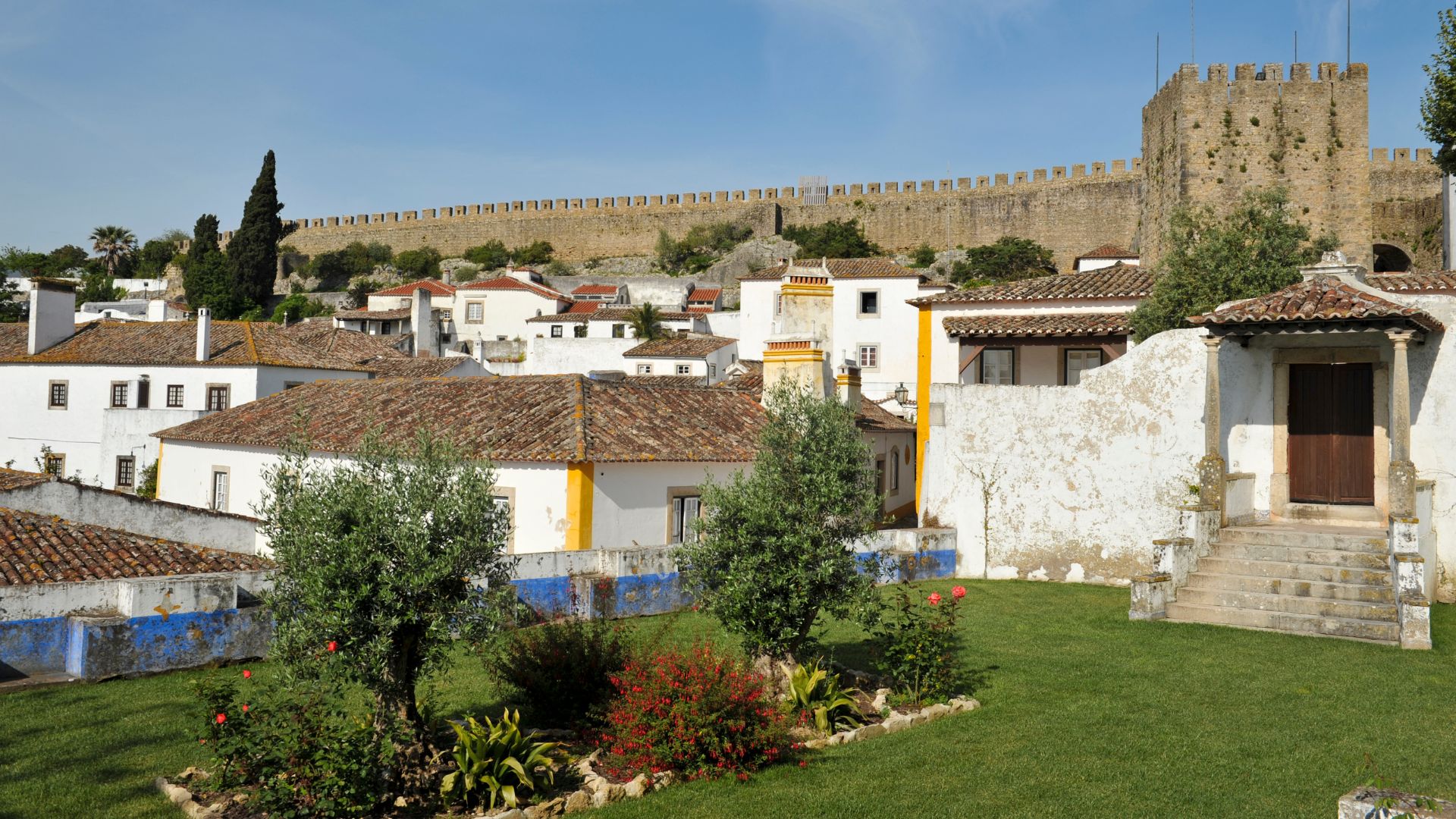
I always look forward to autumn getaways, and Óbidos quickly became one of my favorites in this season. Golden leaves scatter across the ancient cobblestones, and the castle walls almost glow in the soft afternoon sun.
Autumn really is a great time to visit Óbidos—fewer crowds, mild weather, and a peaceful, almost magical vibe fill the whole town.
Walking along the medieval walls without weaving through tour groups gave me a calm I rarely find in popular spots. The cooler days make exploring comfortable, whether I’m browsing local shops or snapping photos of bright skies above those historic rooftops.
There’s just something about wandering Óbidos in autumn light—it brings out the textures and colors in a way summer never does.
Why Autumn Transforms Óbidos
A visit to Óbidos in autumn just feels different. The streets get quieter, the sunlight softens, and suddenly the medieval history seems to come alive.
The whole atmosphere shifts, and it’s so much easier to soak up the architecture and the town’s daily rhythm.
A Softer Light Over Ancient Walls
As the days get shorter, that sunlight turns golden and washes over the stone walls. The soft light in autumn highlights every detail of Óbidos’ medieval architecture, and I love how the ancient stone changes color throughout the day—sometimes it’s warm yellow, sometimes orange-red.
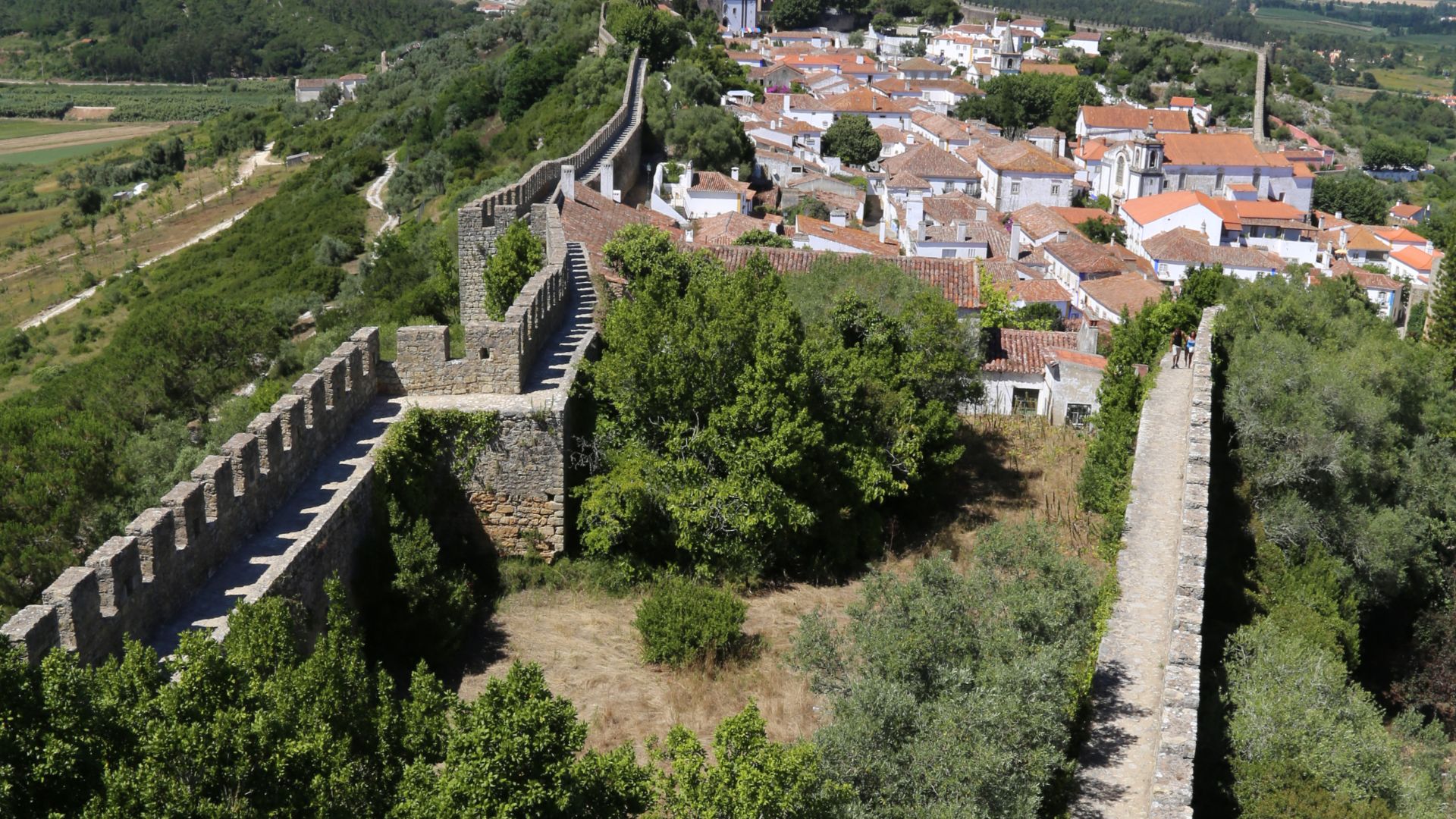
When I walk along the top of the fortified walls, I often stop and just watch the shadows dance across the rooftops and cobbled lanes. The slant of the sun creates perfect conditions for photos.
If you’re into photography, autumn’s gentle light is so much kinder than the harsh summer sun.
The cooler air means I can explore any time of day. Climbing stone steps or wandering those narrow paths under golden skies, I never feel rushed.
The views across the countryside pop with colorful leaves and sometimes a bit of morning mist.
The Season of Tranquility and Fewer Crowds
One big reason I love Óbidos in autumn—fewer visitors. Summer crowds can pack those medieval streets, but autumn lets the town breathe again.
I can pause in front of blue-tiled houses or linger at a café window without getting bumped.
Shops and stalls feel more inviting, and locals have time to chat. I’ve had some of my favorite conversations with store owners in these quieter months, hearing stories about Óbidos’ history.
With the Medieval Fair over, the whole place settles into its natural rhythm.
Here’s a quick comparison:
| Time of Year | Crowd Size | Festival Presence | Experience |
|---|---|---|---|
| Summer | Very busy | Frequent | Lively, crowded |
| Autumn | Fewer | Rare | Calm, relaxing |
With less rush, I can explore hidden corners or enjoy the famous cherry liqueur, Ginja, in peace.
Experiencing the Town’s Rhythm
In autumn, Óbidos seems to move at its own pace. Locals go about their routines, and I find myself falling into step with them.
Without crowded attractions, I spend extra time at the landmarks I love.
Sometimes I stop in the old churches or browse the medieval bookshops—Óbidos is known for its literary festivals, and even when there’s no event, books seem to fill every corner.
There’s a special charm in wandering the atmospheric streets and soaking up the blend of architecture and daily life.
Markets offer seasonal treats—figs, roasted chestnuts, and local wine. As evening falls, the town glows softly under lantern light, inviting slow walks and moments of quiet reflection.
For me, autumn is when Óbidos feels most honest, and its history becomes part of my own journey.
Strolling Óbidos’ Walls and Lanes in Golden Light
Autumn evenings in Óbidos create a warm, almost timeless atmosphere. Exploring the walls and winding lanes during these hours brings out the best in the town’s medieval design.
Golden Hour Views From the Ramparts
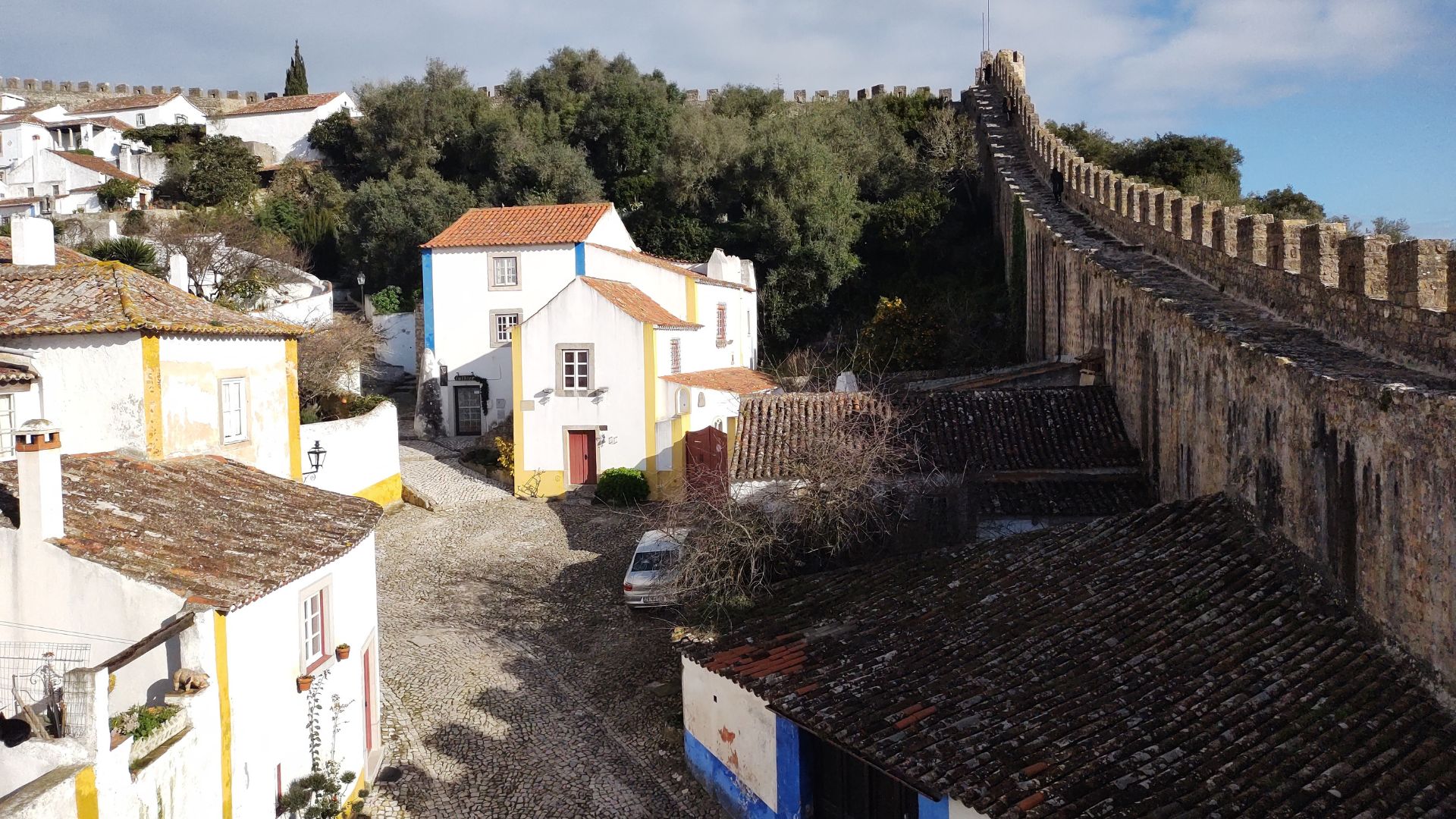
Walking along the ramparts of the Castelo de Óbidos at golden hour was a highlight of my visit. The setting sun paints the 12th-century stone in soft yellows and oranges, and every detail stands out.
From up there, the tiled roofs almost glow, and I can see the countryside stretch for miles.
Light filters through Porta da Vila, casting long shadows that make Óbidos feel even more historic. There are plenty of spots to stop for photos or just enjoy the view.
Since autumn days are shorter, golden hour comes earlier, so it’s easy to find a quiet spot without crowds.
I noticed that golden hour is also the best time to really appreciate the town’s walls and towers. With fewer people around, I walk at my own pace and notice the textures and curves of the medieval stonework.
Quiet Corners and Storybook Streets
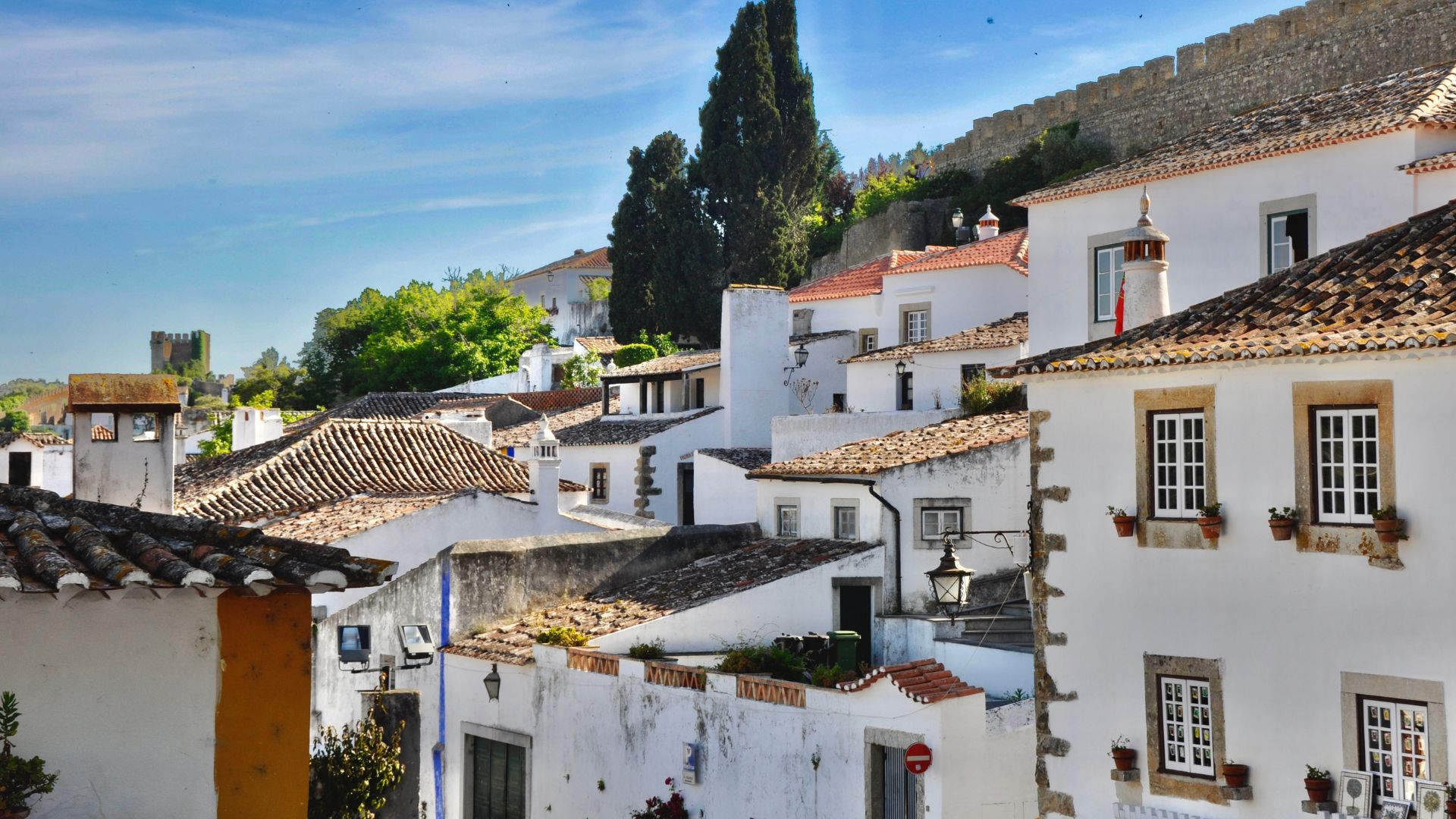
After sunset, I wander the cobblestone lanes as gas lamps flicker on, adding to Óbidos’ fairytale feeling. The main street from Porta da Vila is lined with whitewashed houses and splashes of blue, yellow, and red.
When I duck off the main lanes, I find small courtyards and tucked-away archways that are nearly empty.
Many artisan shops and cafés stay open, but there’s room to pause and take in the details—painted tiles, stone doorways, carved wooden signs. In autumn, the streets feel quieter, and sometimes I can actually hear my own footsteps on the stones.
This time of day makes it easy to imagine life here centuries ago. The architecture shows off layers of history and care.
I especially love seeing the soft light bounce off church walls and spotting ancient details hiding in plain sight.
Cultural Highlights: Autumn’s Distinct Offerings
Visiting Óbidos in autumn lets you discover a side of the medieval town that feels peaceful but still full of life. As the season changes, local traditions and cultural experiences become easier to access and often more authentic.
Local Life and Autumn Festivals
Strolling Óbidos’ cobblestone streets in autumn, I always notice the slower rhythm of daily life. Locals gather in cafés to chat over coffee, and the evening air carries laughter and the smell of roasted chestnuts.
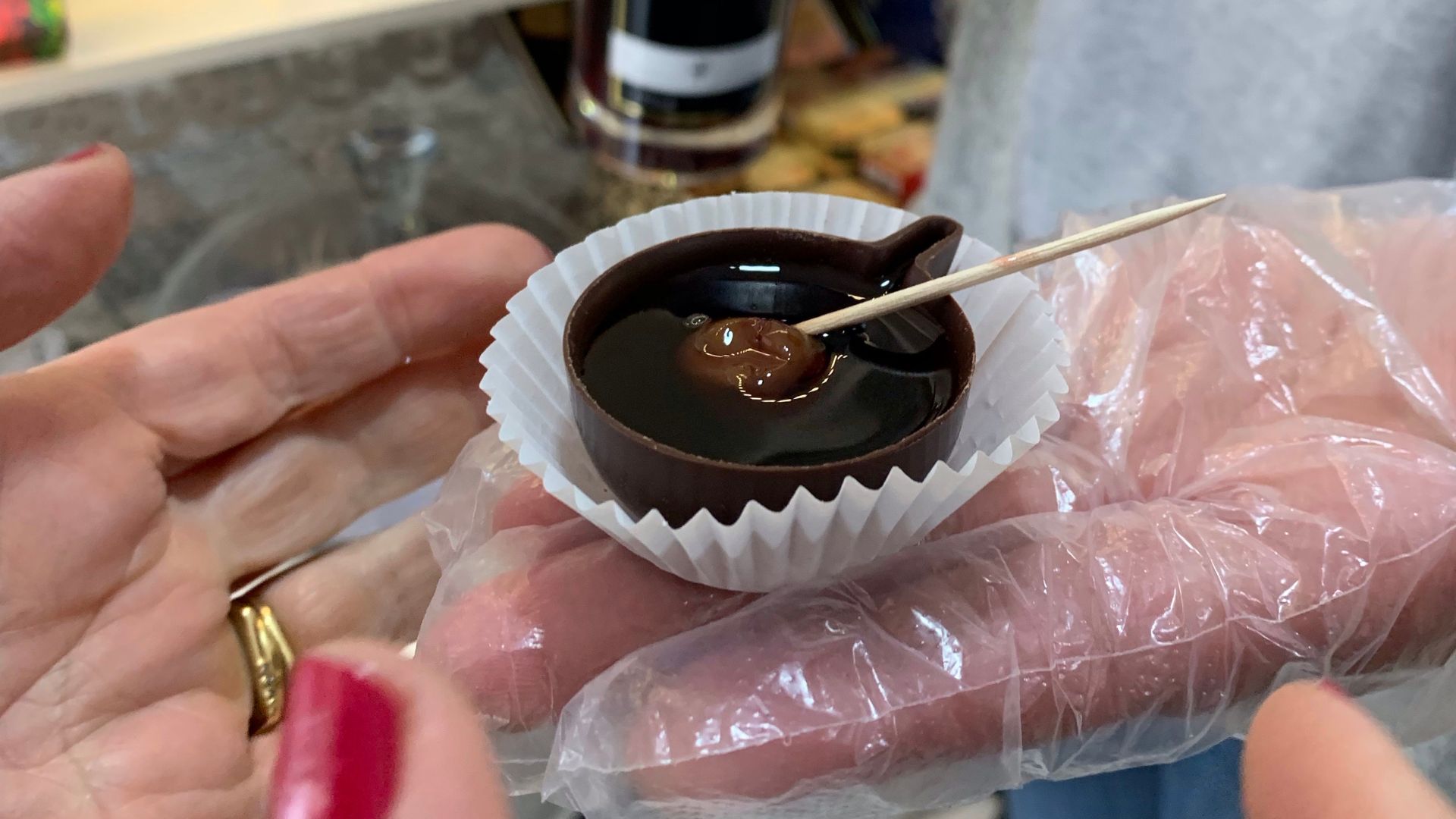
Autumn brings unique festivals that focus on local harvests and community traditions. One highlight is the wine and food fairs, where I get to sample the region’s famed Ginja liqueur and fresh cheeses.
During the quieter season, local markets pop up on weekends and showcase seasonal fruits, nuts, and homemade treats from the countryside. These autumn celebrations are smaller and more intimate, making it easier to mingle or chat with residents.
There’s a genuine sense of belonging in these moments.
Events to look for in autumn:
- Small harvest festivals
- Ginja tastings
- Artisanal markets
Exploring Churches and Museums
Óbidos is known for its charming churches and small, rich museums, and autumn’s golden light really brings out their beauty. Places like Igreja de Santa Maria feel especially peaceful.
With fewer tourists, I often get the chance to sit quietly and admire the intricate tiles or step into the Museu Municipal de Óbidos without any rush.
I like wandering through the museum’s rooms, discovering local art and historical artifacts that reveal how the town survived through different eras. The calm of the season means I can actually chat with staff, who often share stories about the town’s past and its special religious festivals.
Key sites to visit:
- Igreja de Santa Maria (painted ceilings and tiles)
- Igreja de São Pedro
- Museu Municipal de Óbidos (local history and art)
Exploring these places in autumn feels unhurried, and the lack of crowds gives me space to reflect and really soak in the town’s culture.
History Comes Alive in an Autumn Setting
Exploring Óbidos in autumn means walking through centuries of stone while enjoying cooler weather and fewer crowds. The golden sunlight of fall brings new detail to ancient walls, and quiet lanes make the town’s history feel close and vivid.
Tracing Medieval and Renaissance Footsteps
Óbidos has deep medieval roots, with castle walls dating back to the 12th century. In autumn, the town slows down and it’s easier to imagine life from hundreds of years ago.
With fewer tourists, I wander empty lanes where knights and townsfolk once walked. The cool air feels refreshing after the summer heat, and long strolls on the ramparts become comfortable.
Everywhere I look, Óbidos’ history stands front and center. Original arches, old gates, and even the cobbled streets share stories from past centuries.
The Renaissance left its mark here too. Buildings from that time, with those distinct facades and tilework, stand beside medieval walls.
Sometimes I turn a corner and see golden leaves falling beside a tiled doorway—it’s striking how layers of history fit together in the autumn setting.
Stonework Through the Centuries
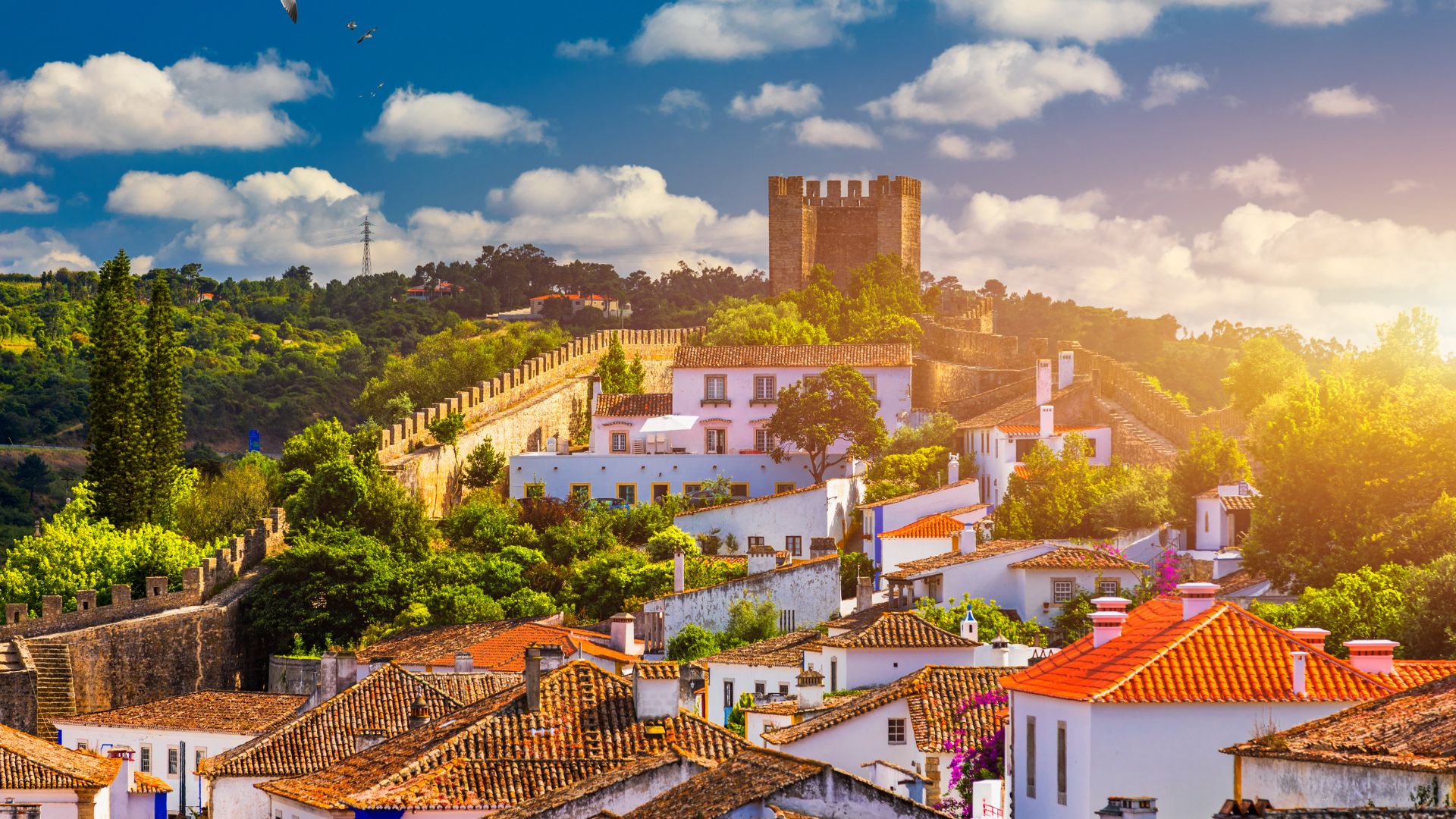
Óbidos’ architecture stretches from stout castle towers of the 1100s to graceful Renaissance houses. I find the stonework especially impressive in the softer, angled sunlight of fall.
Shadows deepen old carvings and reveal details I’d probably miss in summer’s glare.
When I take time to study the main gate, the Porta da Vila, I admire its blue and white azulejos—Portuguese tiles—framed by ancient stone. Many townhouses show traces of different eras, each addition marking another chapter of Óbidos’s story.
I like pausing by one section of wall, tracing the changing styles and repairs through the centuries. The mix of old and older in Óbidos’s architecture makes every walk feel like a discovery.

Beyond the Walls: Vineyards and Nearby Adventures
Óbidos isn’t just about medieval streets and stone walls. If you venture a bit further, you’ll find scenic vineyards perfect for autumn visits, plus several easy escapes just a short drive from Lisbon.
Wine Tasting in Autumn Vineyards
Fall marks grape harvest season in the vineyards around Óbidos. The cooler air and golden leaves make the landscape pop, and local wine estates welcome visitors eager to taste their whites, reds, and the famous Ginja liqueur.
My favorite spot is Quinta do Sanguinhal, only about fifteen minutes from the medieval town. They offer tastings in stone cellars, strolls through rows of twisting vines, and plenty of stories about traditional Portuguese winemaking.
I always leave with a new favorite bottle.
Some vineyards offer small group tours in English, and booking ahead—especially for weekends—is smart. You get to sample wines, often paired with local cheese or bread, while learning how the cool, ocean breeze shapes the flavors here.
Autumn feels more relaxed, with fewer crowds and more time to chat with the people behind each vintage.
Easy Day Trips From Lisbon
Óbidos is honestly a fantastic base for short trips outside Lisbon. If you’re craving a break from the city, it’s just about an hour’s drive—or you can catch a bus if that’s more your style.
I usually start my days early and head out to nearby towns like Caldas da Rainha. That place is kind of famous for quirky ceramics and its lively markets, and I always find something unexpected there.
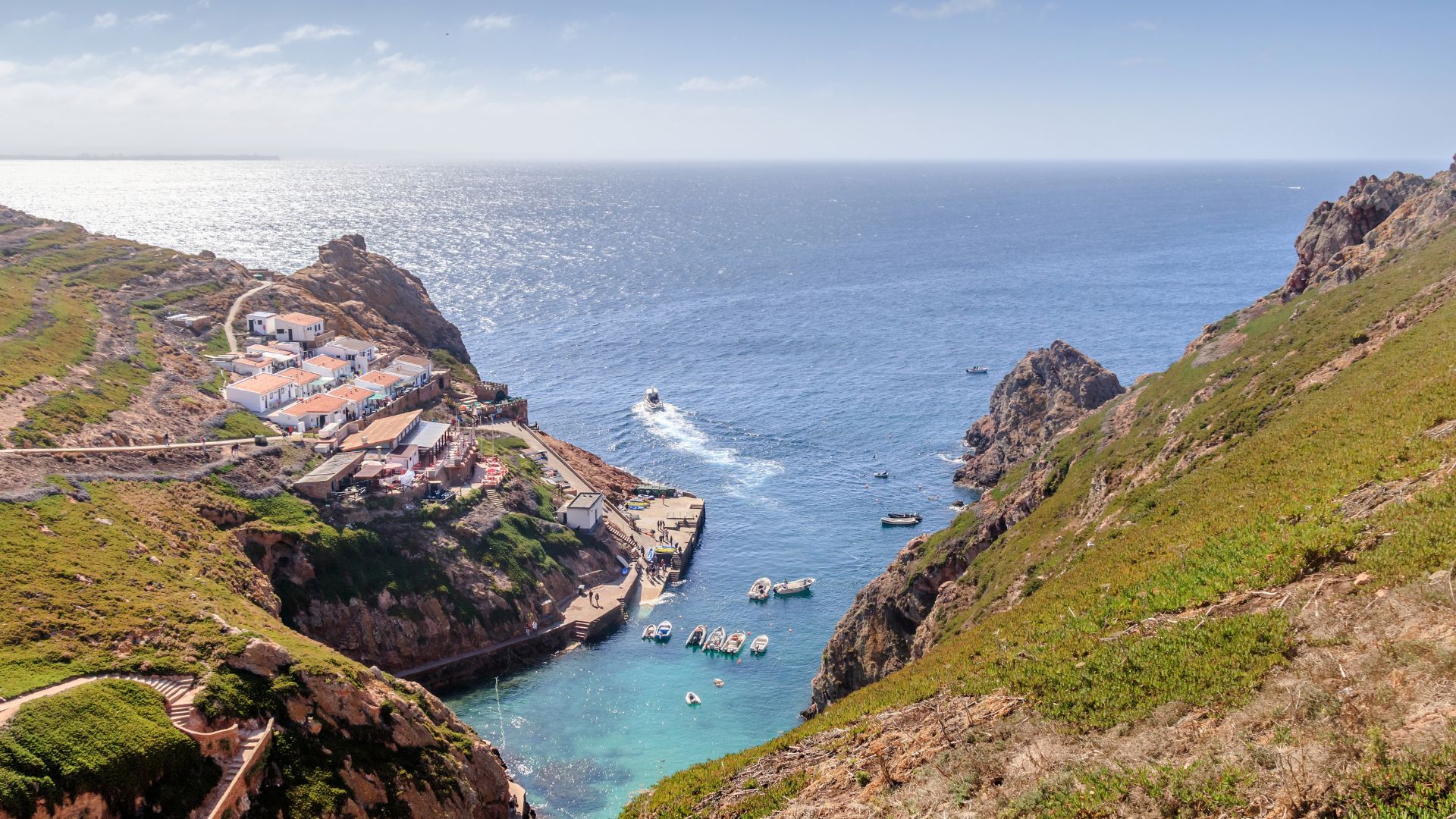
Another spot I love is Peniche. It’s a peaceful fishing town where you can wander along the cliffs or catch a boat out to Berlenga Island, which has these ridiculously clear waters and some hidden caves if you’re into exploring.
You might also want to check out local beaches, like Foz do Arelho. The fresh seafood and salty air always hit the spot, especially when you just want to relax.
Most routes stay pretty empty in autumn. There’s this sense of open space and discovery that’s honestly tough to find during the packed summer season.
Here’s a quick list of day trips I’d recommend:
- Caldas da Rainha: markets, museums, ceramics
- Peniche: surfing, seafood, scenic boat tours
- Foz do Arelho: beach walks, lakeside cafés
Each of these places shows off a totally different side of Portugal. And the best part? They’re all less than an hour from Óbidos.