
Bath might just be one of the most charming cities in England. It’s packed with gorgeous architecture, layers of history, and more than a few famous sights. I recently dashed through Bath in a single day—yes, just one!—and people keep asking if that’s really enough. Honestly, if you plan your route well and don’t mind a bit of fast-paced exploring, one day in Bath can be incredibly satisfying. You’ll cover the highlights and maybe even stumble onto a few hidden gems.

So, here’s my take: I’ll walk you through my ideal Bath itinerary—a whirlwind but absolutely doable. Whether you’re here for the Roman Baths, the famous Pulteney Bridge, or just a Bath Bun (no shame in that), you can squeeze a lot into a single day. Let me show you how I made it happen.
How to Get to Bath and Essential Tips
Getting to Bath is pretty straightforward. The city connects easily to London and other big spots, so it works well for a day trip or a quick overnight.
I always try to sort out my transport and timing ahead of time. That way, I don’t waste precious minutes figuring things out on the fly.
Train and Transport Options
The train is my go-to. I hop on at London Paddington and, in about 1 hour 20 minutes, I’m stepping off at Bath Spa station. Trains run pretty often, especially early and late in the day.
Booking tickets in advance usually saves me money. I check the National Rail or Great Western Railway sites for the best deals.
If you’re on a budget, coaches run from London Victoria to Bath in about three hours—cheaper, but definitely slower.
Once I arrive, I ditch the car. Bath is super walkable, and the main sights are all close to the train station. If I need to go further, local buses or taxis do the trick.
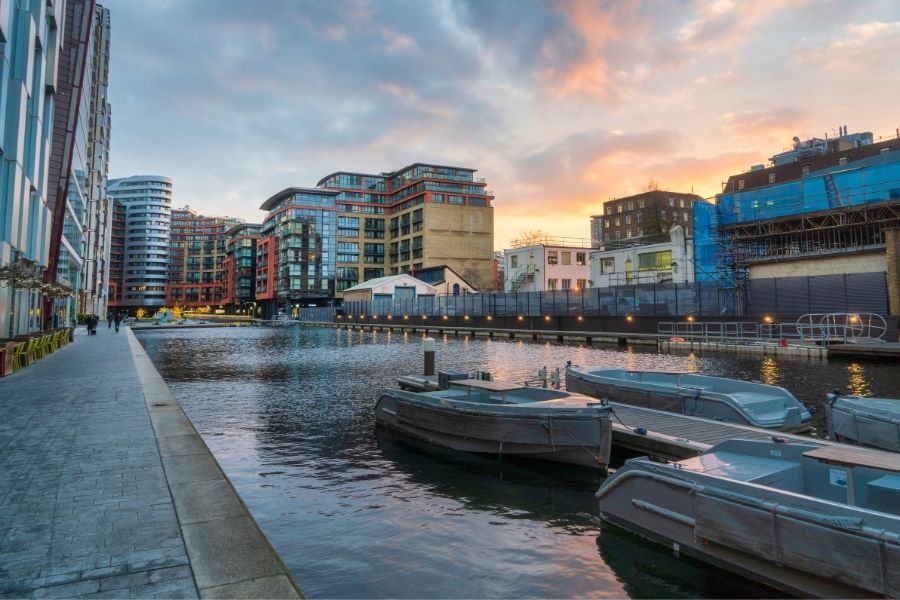
Tip: Arrive before 10 am if you can. Crowds build up fast, especially on weekends.
Where to Stay in Bath
Bath has loads of places to stay—everything from posh hotels to cute guesthouses. I’ve tried The Royal Crescent Hotel and The Gainsborough Bath Spa, but you’ll also find budget spots like Premier Inn or YHA Bath. If you can, pick a place in the city center. You’ll be steps away from the Roman Baths and Bath Abbey.
If I only have one night, I always try to book somewhere within ten minutes’ walk of the train station. That extra convenience makes a difference.
Staying overnight means you get to see Bath when the crowds thin out in the evening—honestly, it feels like a different city.
Quick Checklist:
- Book early, especially in summer.
- A place with breakfast included is a bonus.
Best Time to Visit
Weekends and school holidays? Bath gets packed. Spring and early autumn—think April to June or September to October—are my favorite times. The weather’s pleasant, and you’ll have more breathing room.
Winter is much quieter, except for the Christmas Market. That event transforms the city in late November and December, but brace yourself for crowds. Most attractions stay open all year, so you can go whenever you want.
If you’re day-tripping from London, a midweek visit is usually less hectic.
Tip: Always check if there’s a festival or big event during your dates. Prices and crowds can spike.
My Perfect One Day Itinerary in Bath
With just one day, you need to focus on what makes Bath special. I make sure to catch the Roman roots, the Georgian elegance, and those lovely riverside scenes. I mix the must-sees with a few personal favorites—afternoon tea, anyone?
Morning: Roman Baths and Bath Abbey
I start early at the Roman Baths Museum. This place has stood since 70 AD, and I’m always amazed by the ancient pools and clever Roman engineering. The museum’s interactive displays make it easy to imagine the city’s spa heyday.
Right next door, Bath Abbey rises up with its beautiful stained glass and fan-vaulted ceilings. I like to pause inside, and if I’m feeling energetic, I climb the tower for sweeping city views. Both the Baths and Abbey sit at the heart of Bath, so it’s easy to visit both before the crowds pour in.

For a bit of tradition, I duck into the Pump Room. I’ll sip the spa water (it’s an acquired taste!) and maybe grab a quick coffee or light breakfast. This spot really sets the mood for the rest of the day.
Midday: Georgian Bath Highlights
I love wandering into Bath’s Georgian side. First stop: Queen Square, surrounded by classic townhouses.
From there, I stroll over to The Circus and then on to the iconic Royal Crescent. That sweeping curve of golden stone houses never gets old. Sometimes I pop into No. 1 Royal Crescent—it’s a museum now, and you get a peek into the lives of Bath’s wealthy 18th-century residents.
Walking along Pulteney Street is another favorite. The architecture here feels like a Jane Austen novel come to life. I always find something new to notice.
Afternoon: Riverside Strolls and Iconic Views
Bath hugs the River Avon, so I never skip a riverside walk. Pulteney Bridge is a must—lined with shops and offering postcard views of the water and the weir.
When the weather’s good, I unwind in Parade Gardens. It’s a peaceful spot for a break or a quick picnic. If I have extra time, I’ll wander up to Royal Victoria Park or hike to Alexandra Park for a panoramic view over the city and the Crescent.
These afternoon hours are for slowing down a bit, soaking up the scenery, and just enjoying the vibe.
Tea, Culture, and Bridgerton Sights
Afternoon tea in Bath? Absolutely. I usually head to Sally Lunn’s for their legendary Bath bun—there’s something about eating in one of the city’s oldest houses. If I’m in the mood for something fancier, the Pump Room does a classic tea.
For a dash of culture, I swing by the Jane Austen Centre. The exhibits share her life and how Bath inspired her writing. Any Austen fan will love it.
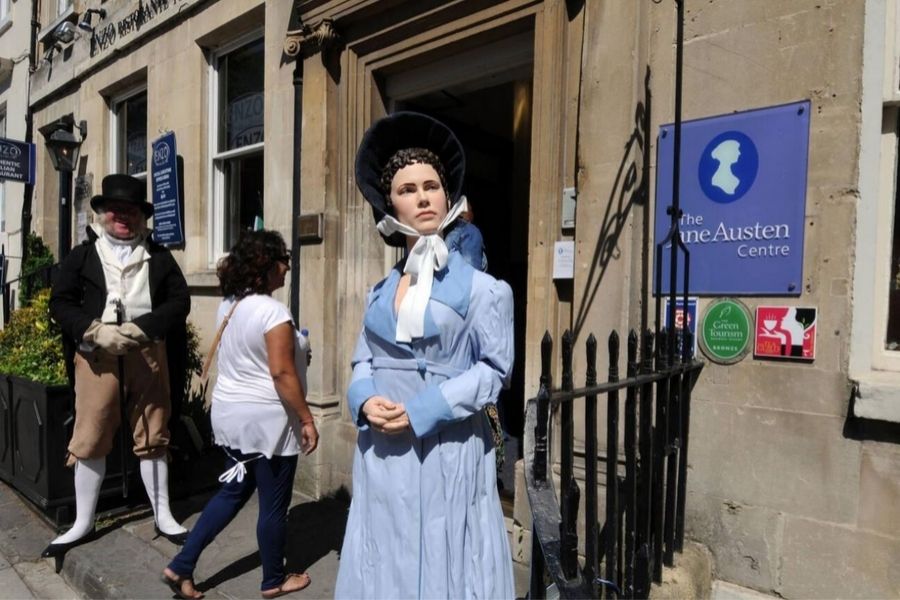
And yes, I can’t resist a little Bridgerton spotting. So many Georgian streets here pop up in the show—especially around the Royal Crescent and The Circus. I like to wander and imagine the carriages rolling by.
Must-Visit Museums and Hidden Gems
Bath is packed with museums and quiet corners that most people miss. I always try to mix the big-ticket sights with these lesser-known spots—it’s the best way to really get to know the city.
Museums and Historic Attractions
There’s a museum here for everyone. The Roman Baths are the obvious centerpiece. I always grab the audio guide and try the spring water—can’t help myself.
If fashion’s your thing, the Fashion Museum showcases centuries of style, both local and global. I like how it blends historic outfits with modern design. For art, the Holburne Museum sits in leafy Sydney Gardens and has everything from paintings to silverware.
The Victoria Art Gallery is right by Pulteney Bridge and features British and European art—some pieces date back to the 1400s. Admission is free, which is a nice bonus. For something a bit different, the Museum of Bath at Work explores how the city changed over time, from Roman days to now.
Here’s a quick table of highlights:
| Museum | Key Feature |
|---|---|
| Roman Baths | Archaeological site, hot springs |
| Fashion Museum | Historic and modern dress |
| Holburne Museum | Art, sculpture, historic setting |
| Victoria Art Gallery | Paintings, sculpture |
| Museum of Bath at Work | Local industrial history |
Hidden Corners and Lesser-Known Spots
Some of my favorite Bath moments come from wandering off the main drag. Local walking tours have shown me secret passages and quirky stories I’d never have found alone.
I like to duck down Queen Street or climb the steps to Alexandra Park for a big city view. Sally Lunn’s is tucked away on a quiet street and feels like a secret, even if it’s famous.
Sydney Gardens, just behind the Holburne Museum, is a peaceful spot. I like to stroll the paths and watch canal boats drift by. Along Walcot Street, you’ll find indie shops and little galleries—perfect for chatting with artists or picking up handmade souvenirs.

If you want something really offbeat, the Bath Postal Museum is tiny but full of stories about communication over the centuries. I always remind myself to look for plaques and statues hidden in courtyards—those little details make Bath feel personal.
Bath’s UNESCO World Heritage and Architectural Wonders
Bath’s not just pretty—it’s officially recognized for its history and architecture. UNESCO put the whole city on its World Heritage list, and honestly, it’s easy to see why.
Bath’s UNESCO Status and Historic Setting
UNESCO named Bath a World Heritage Site in 1987 for its “outstanding universal value.”
That’s thanks to a rare mix of Roman ruins, elegant Georgian buildings, natural hot springs, and thoughtful city planning. In 2021, Bath joined the “Great Spa Towns of Europe,” giving it a double UNESCO nod.
When I walk around, I see that mix everywhere—the Roman Baths, Bath Abbey, the river, and all those green spaces tucked between the golden stone buildings. It’s a city that feels both grand and welcoming.
Exploring Georgian Elegance
Georgian architecture really defines Bath. These 18th-century buildings glow with honey-colored stone, balanced shapes, and classic details.
The Royal Crescent always stops me in my tracks—thirty terraced houses in a perfect arc, overlooking the city. The Circus, with its circular design and carved stone, is just as impressive.

Uniform facades, sash windows, and iron balconies pop up all over. Great Pulteney Street is wide and stately, a real showpiece. Seeing these streets in person gives me a new appreciation for the city’s design.
Bath’s Georgian identity isn’t just in the big monuments—it’s in the tiny details and the way the whole city fits together.
Ideas for Extending Your Trip from Bath
Bath sits close to some fantastic spots. If you’ve got an extra day, exploring nearby towns or landmarks is a great way to see even more of England’s history and scenery.
Day Trips to Famous Landmarks
If I’ve got some extra time, Stonehenge always calls my name. You can reach it in about an hour by car or hop on a guided tour. This ancient stone circle holds so much mystery—honestly, it never gets old. I usually try to get there early in the morning to skip the crowds, and it makes a big difference.
Windsor Castle gives off a totally different vibe. The train ride takes about 90 minutes, and suddenly you’re at one of the oldest, grandest castles that people still use today. Wandering through the State Apartments and St George’s Chapel, I can almost imagine what royal life feels like.
I can’t skip the Cotswolds. The region’s all about charming little villages, rolling green hills, and those golden stone cottages you see in postcards. Castle Combe and Bibury stand out as some of the prettiest spots, hands down. I usually rent a car, but small group tours work if you want to relax and just take it all in.

Bristol’s super close—just a 15-minute train ride from Bath. The city’s harborside buzzes with independent shops, quirky street art (yes, there’s Banksy), and views of the Clifton Suspension Bridge. It’s one of those places where history and modern energy blend together, making it a fun base if you want a bit of everything.
Here’s a quick comparison:
| Destination | Travel Time | Highlights |
|---|---|---|
| Stonehenge | ~1 hour | Ancient stone circle, history |
| Windsor Castle | ~1.5 hours | Royal castle, State Apartments |
| Cotswolds | ~1 hour | Villages, scenery, countryside |
| Bristol | 15 min | Harborside, street art, culture |
