
Whenever I wander through Père Lachaise Cemetery, I feel a strange mix of awe and curiosity. The winding paths, leaning tombstones, and scenes of fading light give the place a quiet beauty—especially with the crisp air and drifting leaves of autumn.
To me, Père Lachaise is both eerie and beautiful. It’s a resting place that feels alive with history and mystery.
As I explore the grounds, the mix of grand monuments and silent corners makes me pause. I find myself looking closer at the stories behind each grave.
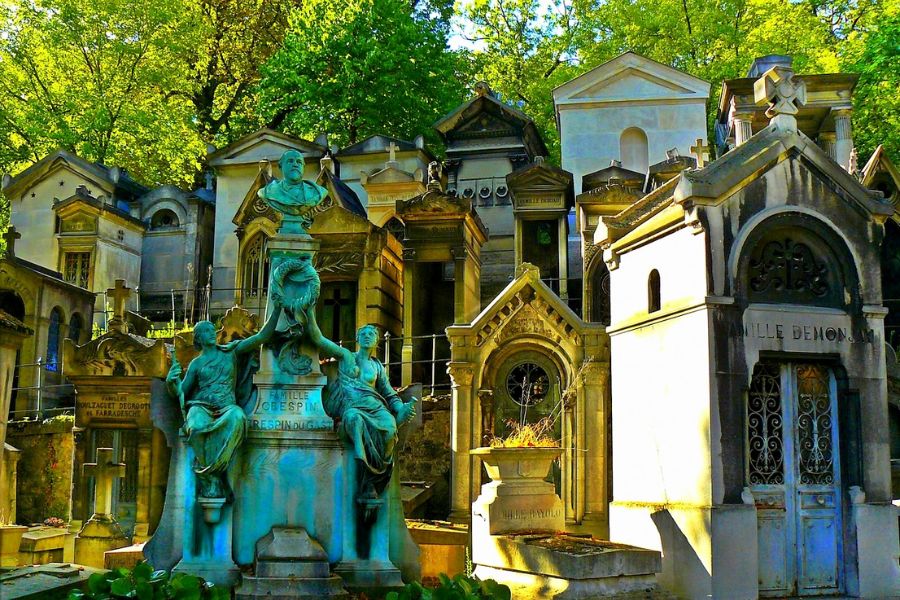
Sometimes I get a chill or feel like someone’s watching, but then I stumble on peaceful spots filled with sunlight and birdsong. That blend of feelings is what makes Père Lachaise so unique and keeps me coming back.
The History and Mystique of Père Lachaise Cemetery
Père Lachaise Cemetery in Paris is more than just a burial ground. Here, art, history, and stories all come together.
When I wander its winding paths in autumn, I’m surrounded by layers of mystery and beauty. The place feels like it’s holding secrets.
From Nineteenth-Century Paris to Today
Père Lachaise opened in 1804, out on the eastern edge of Paris in the 20th arrondissement. Back then, Paris was growing fast and needed new resting places beyond its crowded center.
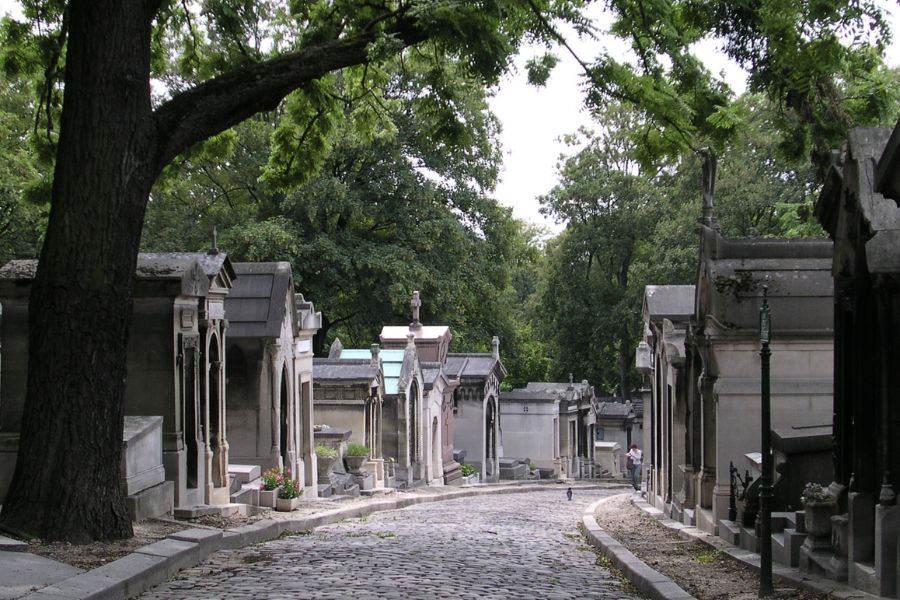
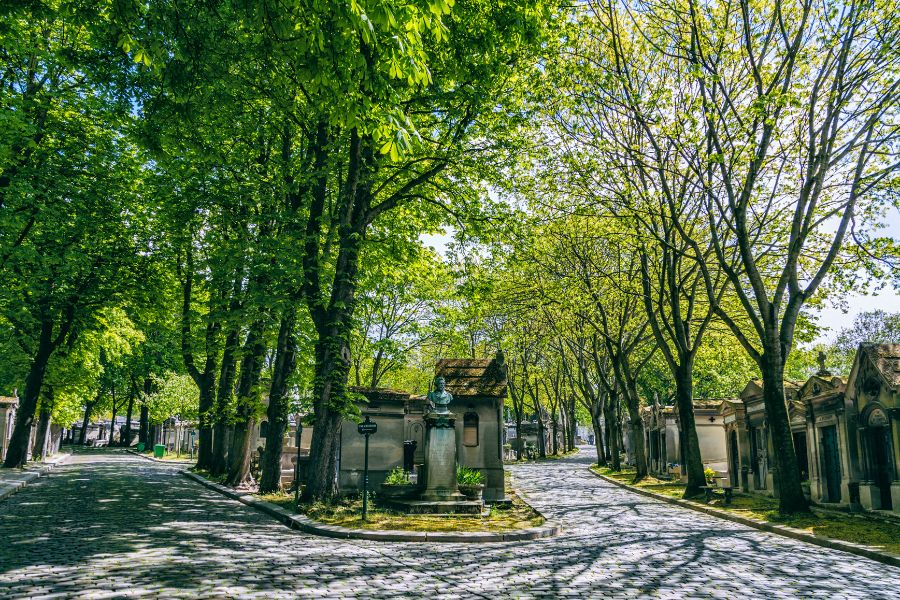
The designers created tree-lined avenues and winding paths, so it feels more like a park than a typical graveyard. That decision still shapes its atmosphere today.
Over time, locals and visitors learned to love wandering here. Even now, the air feels heavy with history and memory.
Each weathered stone tells its own quiet story as leaves drift down and shadows shift. When I visit in autumn, everything turns golden and misty, and suddenly the cemetery feels like it stepped out of another era.
A City of the Dead: Famous Residents
Walking through Père Lachaise feels like strolling through a neighborhood of legends. I find the graves of artists, writers, and musicians whose influence still shapes our world.
Oscar Wilde’s tomb is covered in lipstick kisses, and Jim Morrison’s grave draws fans who leave flowers and notes. Edith Piaf, Marcel Proust, Frédéric Chopin, and Molière rest here too.
Here’s a quick table for reference:
| Famous Resident | Why They’re Remembered |
|---|---|
| Oscar Wilde | Playwright and author |
| Jim Morrison | Singer, The Doors |
| Edith Piaf | Singer, “La Vie en Rose” |
| Frédéric Chopin | Composer and pianist |
| Molière | French playwright |
These graves bring people from all over the world. The “city of the dead” vibe is real, and it makes the cemetery feel both peaceful and a little otherworldly.
Burial Grounds and Evolving Traditions
At first, Père Lachaise only allowed Catholics to be buried here. Eventually, the rules changed, opening the gates to people from many backgrounds and faiths.
That shift turned the cemetery into a reflection of Paris itself—a city shaped by diversity and change. The tombs show just as much variety.
As I walk, I see everything from plain headstones to grand mausoleums. Some plots bloom with flowers, others are tangled in ivy.
There’s Gothic, Classical, and Art Deco architecture, each showing off the era it came from. In autumn, families and visitors place chrysanthemums on graves for All Saints’ Day, adding bursts of color everywhere.
It’s a gentle reminder that Père Lachaise is a living place. Memory and tradition keep evolving here.
Art, Architecture, and the Unique Beauty of the Necropolis
Père Lachaise is more than a resting place. It’s a world of art, memory, and peaceful paths.
When I visit in autumn, its colors, shapes, and stories stand out even more. Each visit feels new.
Stunning Tombs and Graves
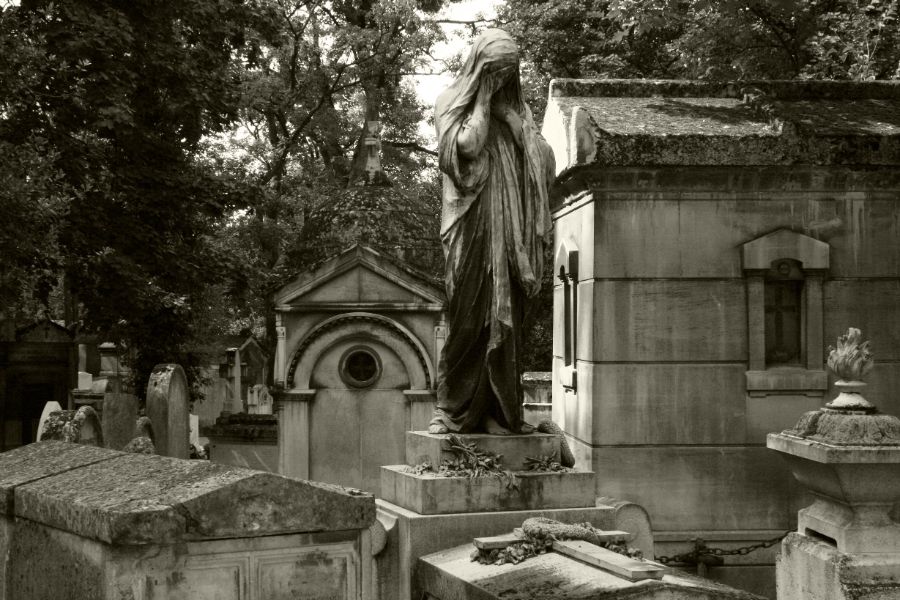
Every tomb is different—a patchwork of personal stories and family histories stretching along winding avenues. Some graves are huge, with angels or mourning figures standing guard.
Others are simple, just weathered plaques and names. I spot the names of famous musicians, poets, and leaders as I walk.
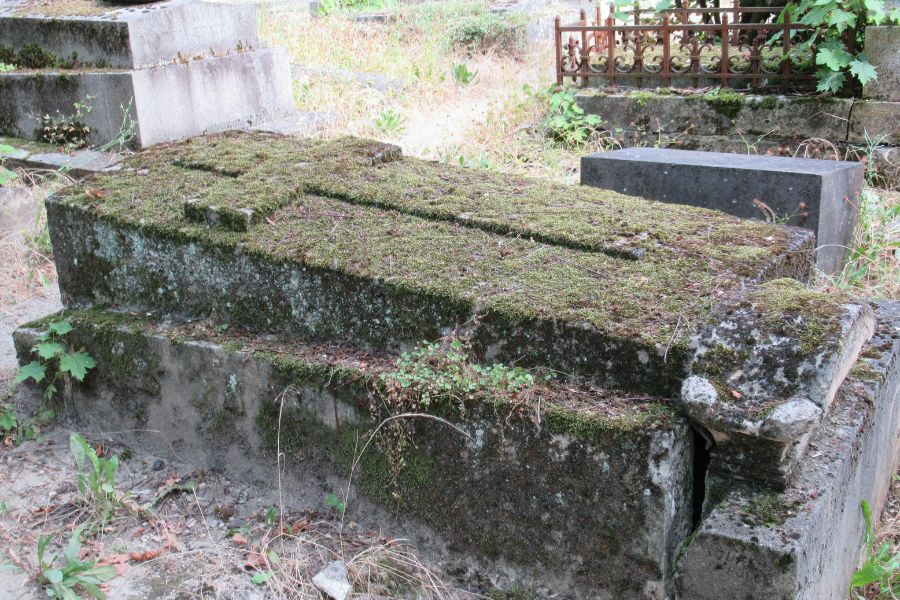
On crisp autumn days, golden light slips across carved faces and stone details. Moss and ivy creep along broken edges, giving everything a wild beauty.
Fresh flowers appear on some graves, proof that these memories still matter to people. Jim Morrison and Oscar Wilde’s resting places attract crowds, but I like to linger at the quieter tombs too.

Sometimes those surprise me most—with their quiet beauty or quirky designs.
Art Nouveau and Timeless Aesthetics
Art Nouveau pops up everywhere in Père Lachaise. I notice it in the ironwork gates, the swirling curves, and the delicate mosaics on some family mausoleums.
These touches bring a soft, human warmth to all the stone. Curved archways and playful patterns catch my eye as I wander.
In autumn, leaves gather around metal roses or swirl along elegant doors. Sometimes, it feels like I’ve wandered into an open-air museum.
I love spotting faded painted glass in some crypts. Even on cloudy days, the colors glimmer.
Many tombs show off early 20th-century Parisian style—elegant, mysterious, and full of personality.
Memorials and Meaningful Monuments
Some memorials tell stories of struggle, loss, and hope. Large monuments honor soldiers, resistance fighters, and victims of war.
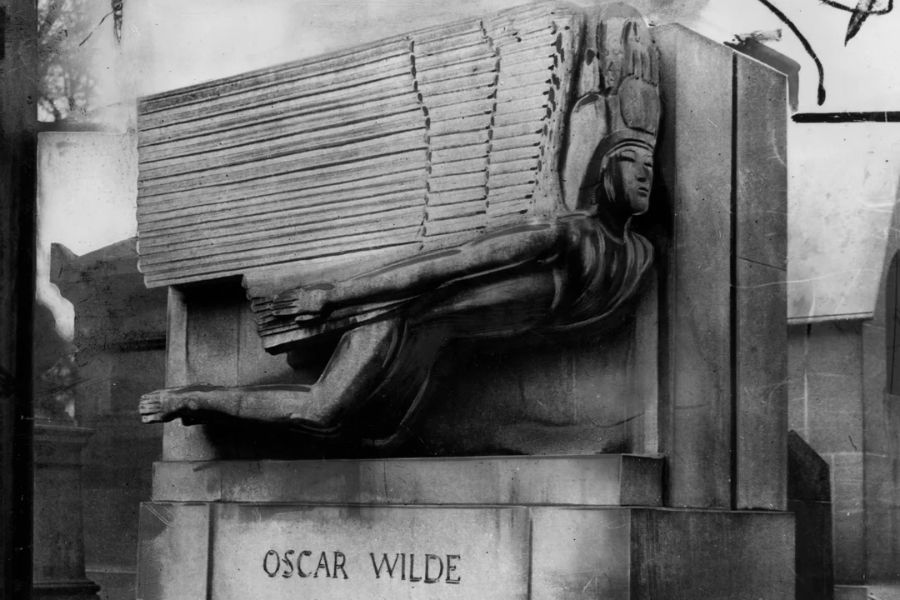
Jacob Epstein’s memorial to Oscar Wilde—with its winged figure and bold design—always draws my attention. I find inscriptions, poems, or simple messages of love carved on many monuments.
I stop and read these, thinking about lives from long ago. Every year, people still leave lipstick kisses on Wilde’s tomb.
Smaller memorials can be even more touching—a modest plaque for a lost child, or stone wreaths for entire communities. The mix of grand and humble memorials keeps the cemetery alive with memory.
Gallery-Like Wonders in Stone and Glass
I wander slowly, just to watch the light stream through stained glass in tiny mausoleum windows. Colors scatter across marble floors in little bursts.
Some crypts have full stained glass panels with floral patterns or religious scenes that seem to glow from inside. The mix of sculpture, painting, and glass makes parts of Père Lachaise feel like open-air galleries.
I linger to look at angels, weeping figures, and animals—each carved with care. Visiting in autumn, the colors outside add another layer to the scene.
If you love art, this cemetery is a treasure trove. I find something new every time—a quirky carving or a forgotten memorial, hidden behind leaves.
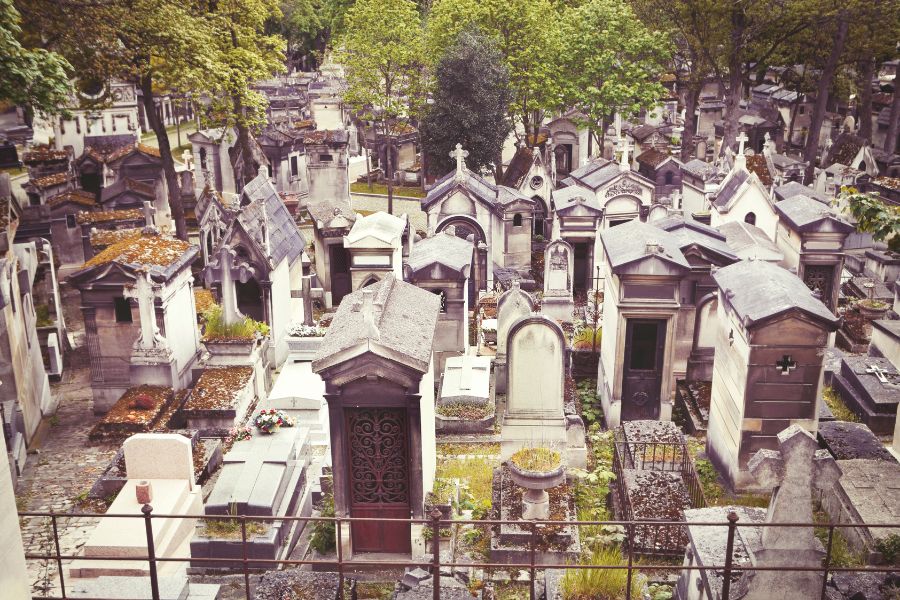
The beauty here is layered and rich. It’s so much more than just a place of rest.
Famous Figures and Stories That Haunt Père Lachaise
Walking through Père Lachaise, I brush shoulders with the legends of music, literature, and the arts. Each grave whispers a story, and the echoes of creativity linger, especially among the golden leaves of autumn.
Jim Morrison’s Resting Place
Jim Morrison’s grave draws people from everywhere. Fans and curious tourists gather to pay tribute to The Doors’ frontman.
His tomb is modest—tucked between older stones, marked by a simple plaque in Greek and English. I remember feeling a hush as I stood there, surrounded by clusters of visitors.
Some folks left flowers or poems, others just sat in quiet reflection. Security hangs around, mostly because of the crowds and past trouble with vandalism.
The area around his grave feels oddly alive, even with so much death nearby. Words, sketches, and tokens left by fans turn it into a kind of rock pilgrimage.
For music lovers, standing there feels powerful—like Morrison’s spirit still lingers.
Oscar Wilde’s Legacy and the Glass Barrier
Oscar Wilde’s tomb stands out immediately—Jacob Epstein designed it with a striking modernist form and a winged figure on top. For decades, fans left red lipstick kisses on the stone, honoring Wilde’s wit and his status as a symbol of freedom.
Sadly, all those kisses damaged the tomb, so they added a glass barrier. When I stand in front of it, I see layers of messages and feel the reasons people still connect with Wilde.
His words matter just as much now as they did in his lifetime. Even with the glass, the tradition hasn’t died.
People write messages on the barrier or press flowers against it. Wilde’s grave keeps drawing visitors who want to celebrate, reflect, or just remember.
Chopin, Edith Piaf, and Musical Souls
Frédéric Chopin’s grave feels as elegant as his music. Flowers and notes pile up, and you’ll often find fans or even musicians gathered nearby.
A statue of Euterpe, the muse of music, sits on his tomb—capturing the sense of loss so many felt at his death. Édith Piaf’s grave is tucked in a quieter spot.
Usually, I see it surrounded by simple bouquets, left by those moved by her voice. Her stone isn’t grand, but her impact is impossible to miss.
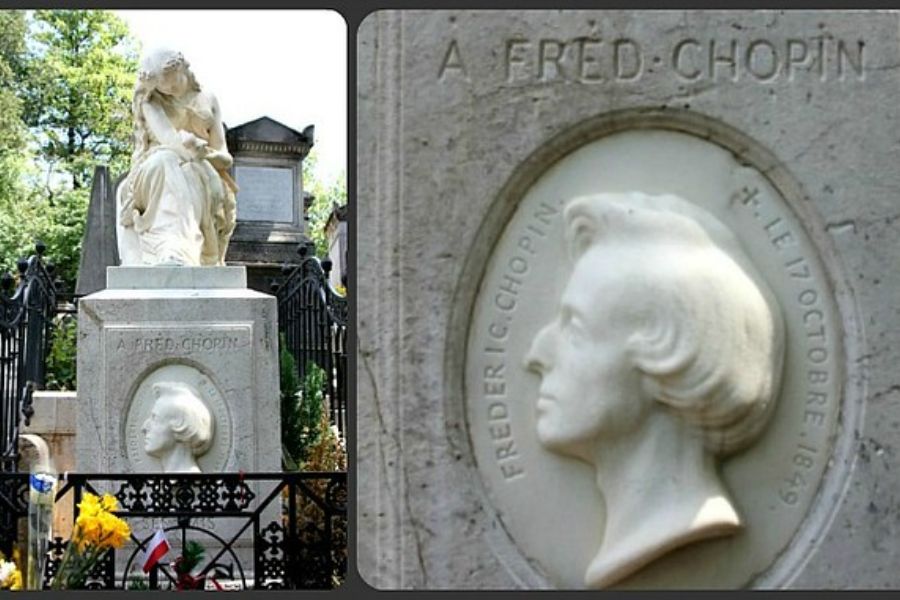
Chopin and Piaf both remain symbols of Paris—one through graceful piano, the other through unforgettable songs. Visiting their graves always leaves me thinking about how art can reach across time.
Writers, Artists, and Leaders Remembered
Beyond the big names, Père Lachaise is packed with artists, writers, and leaders who left their mark on Paris. Honoré de Balzac’s monument stands tall, often decorated with pens and notes from aspiring writers.
Marcel Proust’s grave feels quiet and thoughtful, with visitors leaving pebbles or flowers in respect. Movie and theater lovers visit the graves of Simone Signoret and Yves Montand.
Locals sometimes leave mementos from favorite films. The cemetery also includes political figures, so every path becomes a walk through history.
I always leave feeling like Paris honors its creative spirits not with grandeur, but with devotion from those who come to remember. Every stone has a story, and sometimes a surprise if you look closely.
Atmosphere: Eerie or Enchanting? Reflections in Autumn
Père Lachaise changes with the seasons, but autumn brings something special. The mix of falling leaves, shifting light, and quiet corners creates an atmosphere that’s both haunting and peaceful.
Nature’s Role: Autumn Leaves and Moody Skies
When I step through the gates in October, nature takes over the show. Trees line the paths, shedding yellow, orange, and red leaves that cover old stones in a soft, colorful carpet.
It feels almost magical. The sky is usually gray or patchy, and the light makes everything look faded, like you’re seeing it through a filter.
Some days, a light mist or drizzle settles over everything. The damp air sharpens the smell of earth and leaves, while moss creeps along stone angels and crosses.
It’s easy to feel like the line between past and present gets a bit blurry here. I love how autumn reveals beauty in decay—something peaceful and honest.

The nature here isn’t just decoration; it’s what gives the cemetery its thoughtful, calming mood.
Sounds, Shadows, and the Eerie Presence of Crows
Père Lachaise feels quieter than any city park, but you never get total silence. In autumn, I always notice the dry leaves crunching underfoot. Sometimes a sudden gust rattles the trees, tossing new leaves in swirling little dances. It’s oddly comforting, if I’m honest.
Tree branch shadows cross the narrow paths and old tombs, stretching and shifting as the sun moves. The light keeps changing, and so does the mood.
One sound always grabs my attention: the cawing of crows. They dart between headstones, perch on statues, and sometimes I swear they watch visitors with those sharp, dark eyes. Crows bring a slightly spooky vibe, but they also remind me that life keeps going, even here.
Their calls echo through the air, mixing with softer city sounds, and together they highlight the cemetery’s mix of mystery and everyday life.
Personal Impressions of Beauty and Stillness
Walking through Père Lachaise in autumn, I found myself thinking about conscience and happiness in ways I didn’t expect. There’s a hush here, broken only by crows and wind, that invites you to reflect.
I settled on a bench near an ivy-smothered mausoleum and just listened, letting the quiet settle in.
The beauty here doesn’t try too hard. It’s gentle, even as it hints at how brief life can be. I spotted couples holding hands, people reading, and others just wandering, deep in thought.
Everything seems more honest in the fall—both the sadness and the peacefulness that comes with it. For me, the cemetery felt less spooky than soothing, a place where memory, beauty, and stillness all meet.
Practical Insights for Visiting Père Lachaise
It’s easy to get enchanted—and lost—among the shaded paths and dramatic tombs. Visiting Père Lachaise isn’t like popping into the Louvre or a Paris café. Planning ahead definitely helps you make the most of it.
Essential Visitor Information and Cemetery Guides
Père Lachaise opens every day, though the hours shift with the seasons. Entry is free, and you’ll find the main gate on Boulevard de Ménilmontant. I think the best time to go is in the morning or late afternoon, especially in autumn when golden light spills over the graves.
If you’re a first-timer, grab a map. You can pick up official maps at the entrance or download a PDF online. Guided tours are a great option too—some focus on famous graves, others on history or the legends that haunt the grounds.
Key Tips:
- Entry is free, with opening hours posted at the main gates
- Restrooms sit by the entrance
- Photography’s allowed, but they might restrict tripods
Navigating Burial Plots and Technics of the Grounds
The layout of Père Lachaise feels more like a maze than anything else. There are over 70,000 burial plots, each with its own unique design—from simple markers to elaborate family tombs.
Names like Oscar Wilde and Jim Morrison draw crowds, but I always find the quieter corners just as fascinating.
Graves are organized by division, and signs help, but the paths twist and loop in ways that can throw you off. If you’re searching for someone specific:
- Use the map’s grid system
- Follow the signs at key intersections
- Check for QR codes on some graves—they link to info about the person buried there
The cemetery updates some areas with modern touches, like interactive guides and smartphone info points, blending old history with new tech.
Museums, Churches, and Exploring Nearby Paris
Stepping out of Père Lachaise, I always notice how the cemetery sits right at the edge of lively neighborhoods. Just a few blocks away, you’ll find small museums like Musée Edith Piaf, which celebrates the famous singer.
Street art, cozy cafés, and bakeries line the nearby streets.
If you want more history, Montparnasse and Montmartre cemeteries offer a different look at Paris’s past. There’s also the Chapelle Saint-Louis next door—a simple, peaceful church worth a peek.
I’d suggest bringing a small notebook or camera. There’s so much to take in—between the gravestones, art, and the city life just outside the walls, every visit feels a bit different.
Symbols, Beliefs, and the Emotional Landscape
Père Lachaise holds more than just graves. Winding street by winding street, it weaves together ancient symbols, personal stories, and the slow transformation of stone and soil.
Ancient Mythologies and Rituals: Hela, Valhalla, and Beyond
As I wandered, old mythologies popped into my mind. Many sculptures and symbols here nod to beliefs about the afterlife.
Carved angels and broken columns show ancient hopes about what might happen after death.
Some graves made me think of Norse legends—Hela, the goddess who ruled their underworld, and Valhalla, where heroes dreamed of feasting after death. The idea of a final resting place, watched over by powerful figures, pops up again and again across the cemetery.
I spot Greek urns, Celtic knots, and Christian crosses too. Each marker seems to whisper about its owner’s faith, worries, or dreams.
Autumn sharpens these symbols. Fallen leaves gather around old statues, adding to that haunting sense of ancient ritual. It almost feels like proof that these beliefs are universal, no matter the culture or time.
Reflections on Fellowship, Faults, and Personal Meaning
Standing among so many names, I can’t help but think about fellowship. Many graves hold entire families or lovers side by side.
The sense that we’re all linked in memory—connected even by our faults and unfinished stories—hangs in the air.
Some headstones have personal messages carved into them. I’ve read lines about mistakes, forgiveness, or hopes for reunion in another world.
These small details remind me that everyone, famous or not, brings both good and bad into history.
Visitors often leave tokens: pebbles for remembrance, handwritten notes, or flowers fading with the season. These simple gestures add layers of personal meaning that go far beyond stone or statistics. The cemetery becomes a place for honest reflection and reminders of connection.
Geology, Erosion, and Lasting Imprints
Père Lachaise sits on the natural rise of a former quarry, beneath all the symbolism. The geology here shapes the winding paths and sudden drops.
As I walk the grounds, I notice how gravestones show years of erosion. Rain and roots—and sometimes even radiation from the environment—slowly wear away names and details.
Some marble statues lose their definitions. Sandstone softens under my hand, which feels oddly personal.
Even in stone, nothing truly lasts forever. I find this natural aging strangely comforting.
It blurs the line between old and new, myth and reality. The earth keeps its own version of history, right next to the stories carved above.
