
Portugal really shines as a winter destination. In winter, it’s got some of Europe’s mildest temperatures and more sunny days than you’d expect. While most of Europe gets buried in freezing temps and endless gray, Portugal just keeps things pleasant—sometimes even warm, especially if you’re heading for the Atlantic islands.
I’ve found Portugal’s winter appeal goes way beyond just escaping the cold. Lisbon and Porto become cultural playgrounds without the summer mobs. Down south, the Algarve serves up that golden winter sun and hovers around 16°C. If you’re chasing real warmth, Madeira’s spring-like weather just doesn’t quit.
Portugal welcomes all kinds of winter travelers. You want historic cities with gentle weather? Check. Southern beaches with room to breathe? Absolutely. Or maybe you’re after a proper island retreat with real warmth—Portugal’s got that too. Honestly, not many places in Europe can compete in winter.

Why Consider Portugal for a Winter Escape?
Portugal offers mild temperatures and a whole menu of activities, all with way fewer crowds. You can pick between sunny islands or pleasant mainland cities, even in the heart of winter.
Warm and Mild Climate Across the Country
Portugal keeps things comfortable all winter. If you’re running from icy northern winds, this is your spot.
On the mainland, temps bounce between 50-65°F (10-18°C). The islands? Even warmer.
Mainland Portugal rarely dips into freezing. Lisbon and Porto see plenty of sun, and when it rains, it’s usually just a quick shower.
Madeira and the Azores feel like a cheat code for winter warmth. Madeira, in particular, hangs out at 60-70°F almost all year. There’s more sunshine here in winter than in most of Europe.
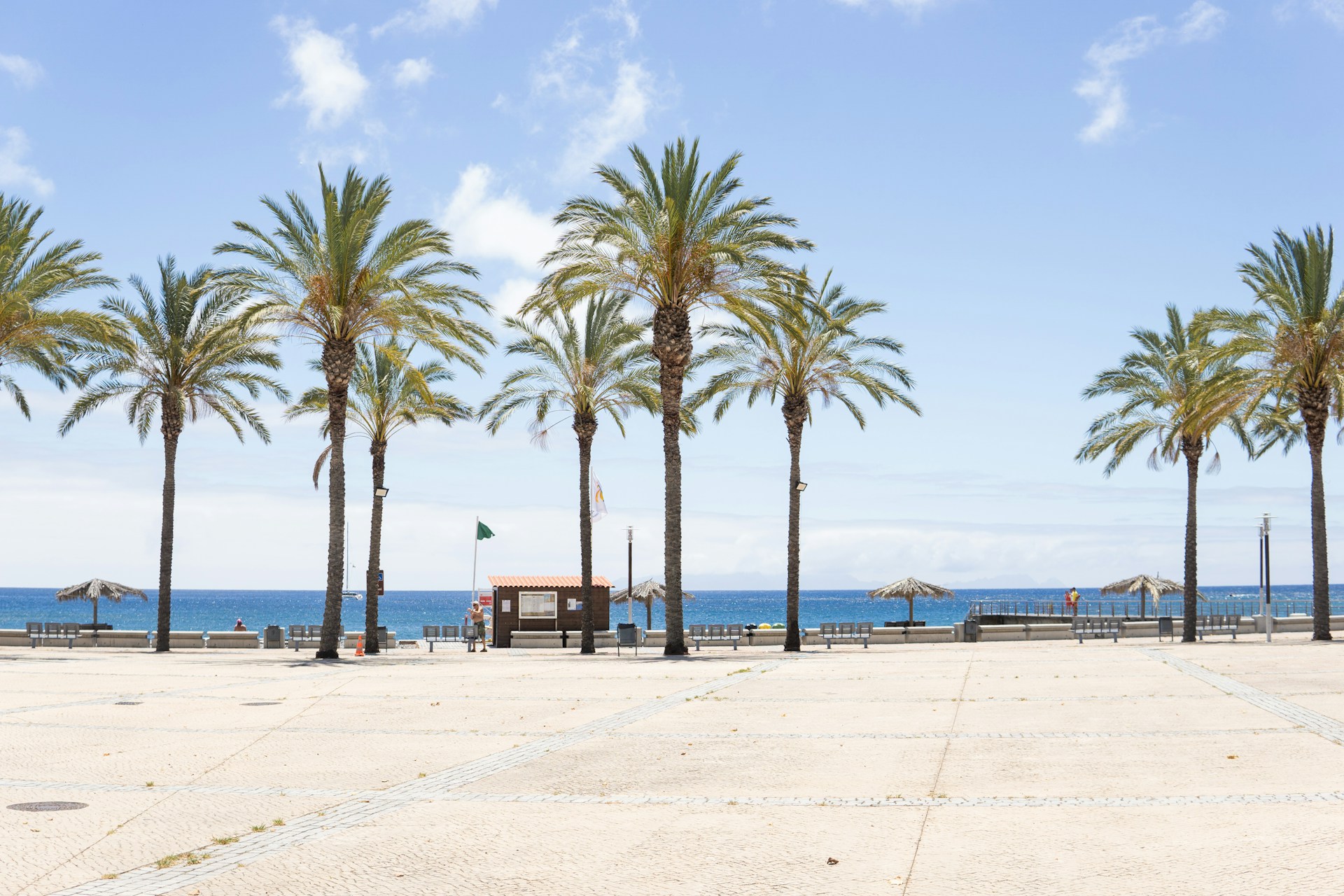
In the Algarve, the weather’s so pleasant you might even sneak in a beach day. The ocean isn’t exactly tropical, but if you’re brave, you can still swim.
Portugal’s Atlantic climate keeps things steady. You won’t get the wild storms or biting winds you might find in the Mediterranean.

Fewer Crowds and Affordable Off-Season Travel
Visiting Portugal in winter means your wallet gets a break and you get the place (almost) to yourself.
Hotels drop their rates by up to half. Getting a table at a good restaurant? Super easy.
You can stroll through Lisbon’s historic neighborhoods without weaving through selfie sticks. Museums and galleries feel way more personal.
Flights from North America and Europe often cost less. Rental cars are cheaper and easy to snag.
Locals seem to appreciate winter visitors more. Portuguese hospitality feels warmer when they’re not slammed with tourists.
Beach towns like those in the Algarve slow down and become peaceful. I love how quiet and relaxing it gets.
Diverse Activities From Surfing to Skiing
Portugal’s winter isn’t just about sitting in the sun. There’s a wild mix of things to do.
Surfing still goes strong on the Atlantic. Winter brings some of the best waves—Nazaré’s giants show up this time of year.
Hiking? Absolutely. Cool air and clear skies make Madeira’s levada trails and mainland mountain paths a dream.
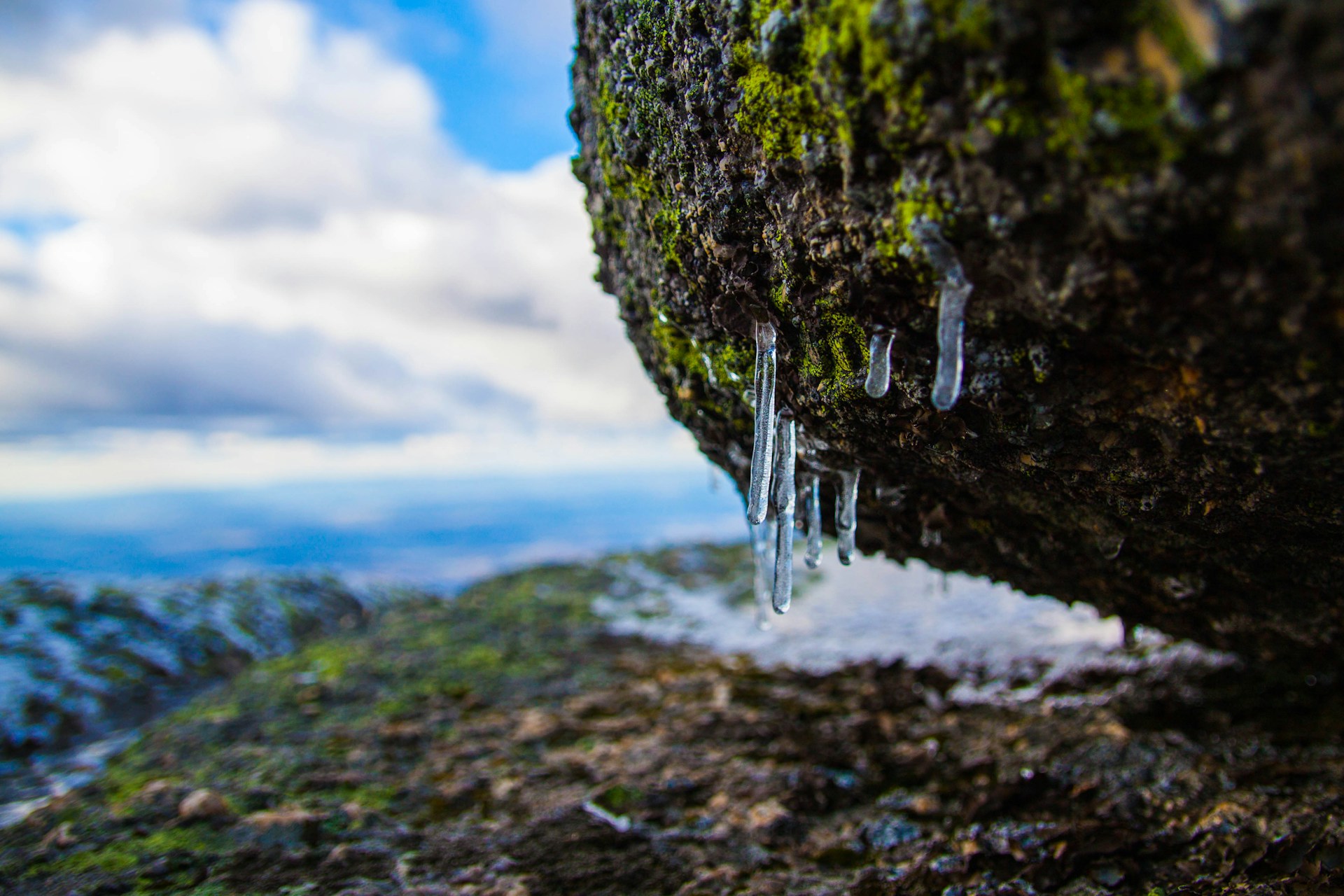
Serra da Estrela even has skiing. Snow usually falls December through March. The mountain’s also perfect for winter hikes and photography.
Cultural life doesn’t slow down. Museums, galleries, and historic sites are more enjoyable without lines. Lisbon’s fado and Porto’s wine cellars offer cozy escapes on chilly nights.
Golfers—don’t pack away your clubs. The Algarve’s courses stay open all year and play beautifully in winter.
Mainland Portugal in Winter: Regions and City Experiences
Winter in mainland Portugal means temps from 10°C up north to 16°C down south. Each region brings something different—Lisbon’s riverside buzz, Porto’s cozy food scene, or the snowy peaks of Serra da Estrela.
Lisbon: Festive Atmosphere and Riverside Views
Lisbon’s winter surprised me. December temps hovered between 10-15°C, and I got about 6 hours of sunshine a day—plenty for outdoor exploring.
The Belém district feels extra special in winter. I strolled along the Tagus River without bumping into crowds and enjoyed pastéis de nata at a table in the sun.
December lights up the city with decorations. Rossio Square’s Christmas markets add a cozy vibe. Fewer tourists meant I could actually enjoy spots like Jerónimos Monastery without a wait.
Winter perks in Lisbon:
- Cheaper hotels
- No long lines
- Great walking weather
- Festive holiday spirit
You’ll get rain about 9 days a month, but it’s usually quick. Bring a light rain jacket—just in case.
Porto: Winter Charm and Culinary Delights
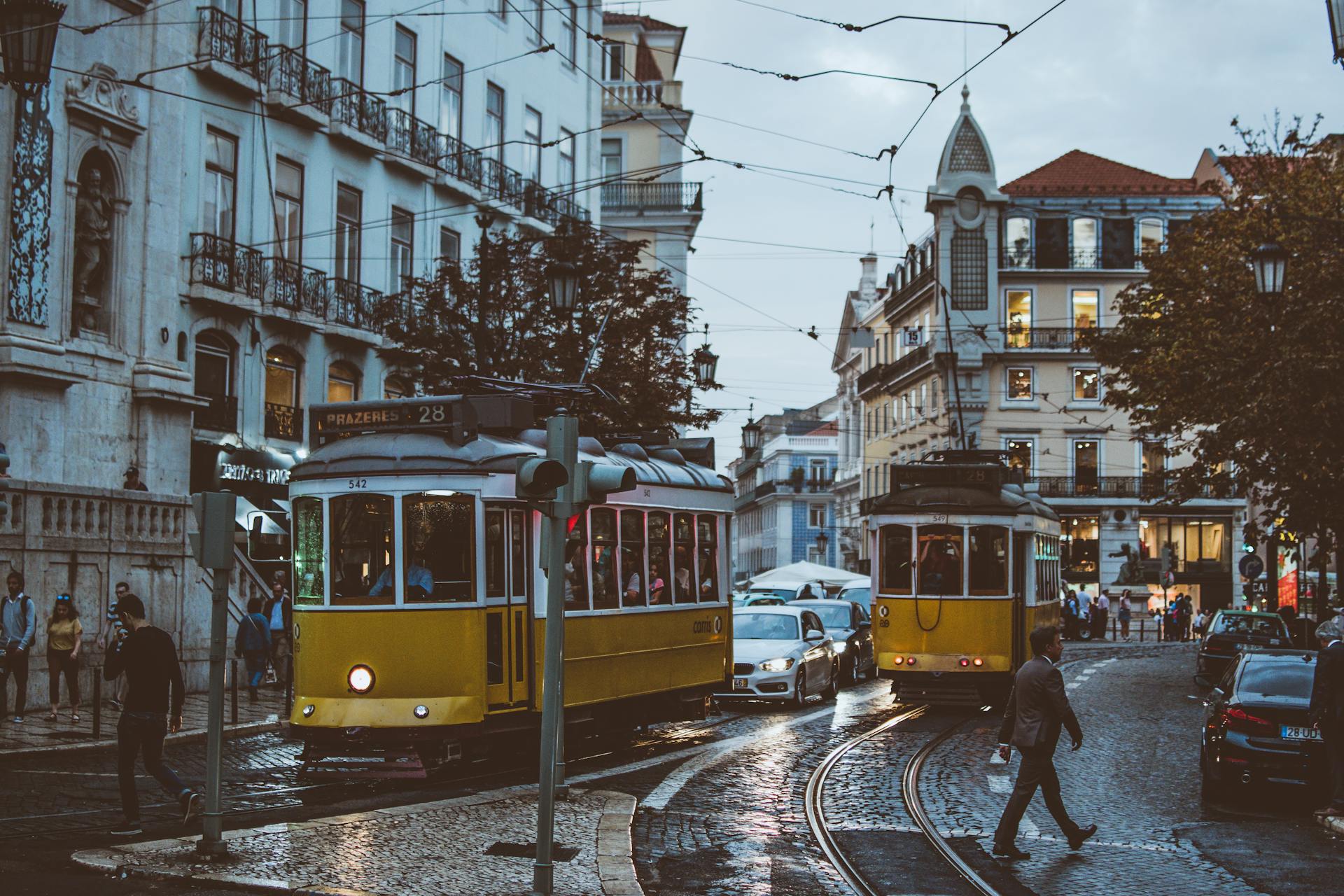
Porto’s winter sits around 10°C, and the Atlantic breeze can make it feel cooler. I did get more rain here, but there’s always a wine cellar or cozy café nearby.
The Ribeira district is perfect for ducking into port wine cellars on drizzly days. I lost track of time sipping wine while listening to the rain.
Winter’s the season for francesinha—that cheesy, saucy sandwich Porto does so well. It’s comfort food at its best, and you’ll have no trouble finding a table.
Museums and bookstores like Livraria Lello are perfect for rainy afternoons. The Serralves Museum is a personal favorite.
Porto winter highlights:
- Port tastings in Vila Nova de Gaia
- Francesinha sandwiches
- Peaceful historic sites
- Warm, inviting cafés

Sintra: Castles and Fairy-Tale Landscapes
Sintra stays mild in winter, around 12°C, but the hills can feel chilly thanks to the wind. I visited in January and found the weather just right for exploring.
Pena Palace looks even more magical under winter light. Without the crowds, you can actually stop and take in the colors and views.
Quinta da Regaleira gets a mysterious vibe with the mist and chilly air. The gardens and tunnels feel straight out of a storybook.
I’d stay two days if you can. Days are shorter, but the calm and quiet make up for it. Cabo da Roca’s winter ocean views are dramatic and worth the trip.
Renting a car works well here—walking between sites is easier when it’s not blazing hot.

Serra da Estrela: Portugal’s Snowy Escape
Serra da Estrela brings real winter skiing, with temps dropping to 5°C or less. I honestly didn’t expect snow sports so close to Lisbon.
The ski area covers 9 beginner-friendly slopes and about 7.7 kilometers. January usually has the best snow. Rentals and lift passes are way cheaper than the Alps.
Covilhã is the go-to base town. I found good food and hotels at great prices.
After skiing, the thermal hot springs are heaven. Torre, the mainland’s highest point, offers wild winter views.
Serra da Estrela winter activities:
- Easy skiing and snowboarding
- Soaking in thermal spas
- Mountain hikes
- Snowy photo ops
- Budget-friendly fun

Southern Portugal: The Allure of the Algarve
Down south, the Algarve claims Portugal’s warmest winter weather—around 16°C (61°F). Towns like Lagos and Tavira make great bases for beach walks, golf, and exploring nature.
Algarve’s Mild Microclimate and Coastal Beauty
The Algarve racks up over 3,000 hours of sunshine a year. Rain barely makes an appearance.
Winter rarely sees temps below 10°C (50°F). While northern Europe shivers, the Algarve stays comfortable.
Why it’s great:
- Average winter temp: 16°C (61°F)
- Hardly any rain
- Calm, warmer seas
- Coastal cliffs block Atlantic storms
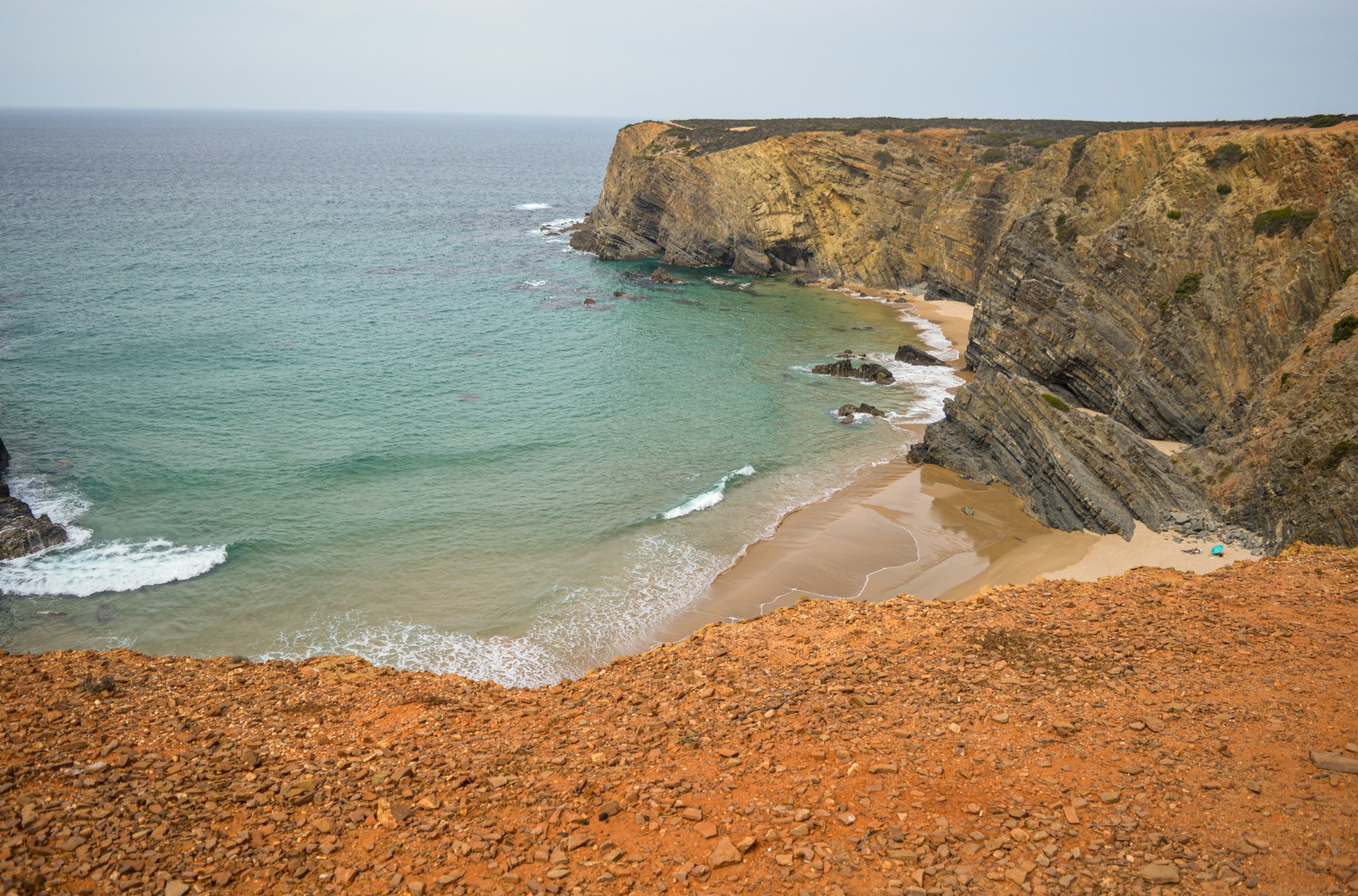
The coastline stretches for 200 kilometers, with golden cliffs and hidden beaches.
The ocean stays around 15-17°C (59-63°F) from December to February. Not exactly bathwater, but not freezing either.
The western cliffs near Sagres are just breathtaking. I always make time for a walk out there.

Charming Towns: Lagos, Tavira, and More
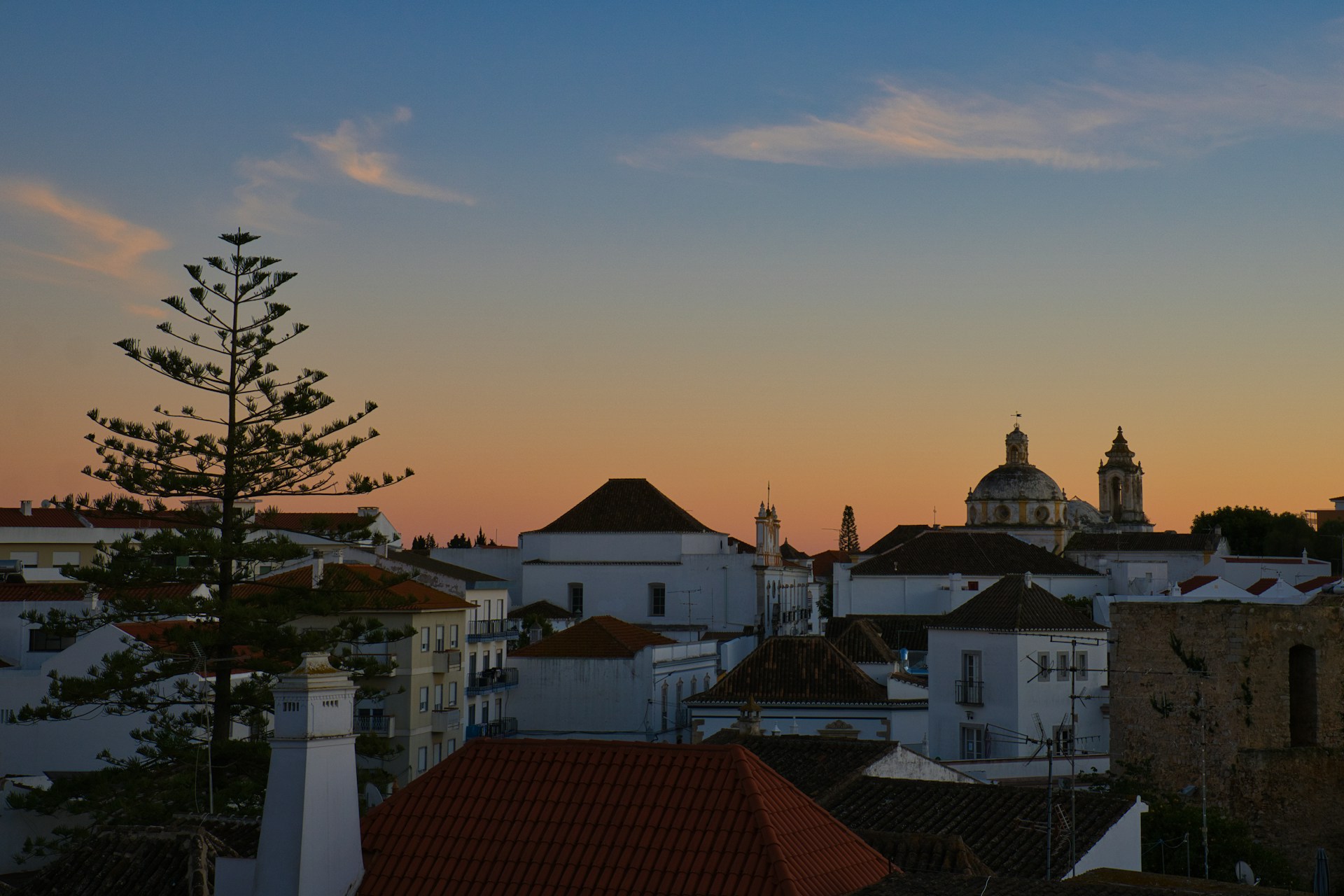
Lagos buzzes with good food and nightlife, even in winter. The old town’s white buildings and winding streets set the scene.
You’ll find fantastic restaurants and bars, and winter means you can actually get a seat.
Tavira charms with its old-world vibe and music. The Roman bridge and traditional architecture give it character.
Tavira highlights:
- Historic center and Roman bridge
- Classic Portuguese buildings
- Fado music venues like Fado com História
- Local wine tastings
Faro’s worth a visit for its cathedral and old town. Silves brings a touch of Moorish history.
These towns keep their charm in winter. Local spots serve up fresh seafood without the summer crowds.
Outdoor Adventures: Beaches, Golf, and Nature Walks
The Algarve’s a golfer’s dream. Over 40 courses stay open all year, and winter fees are lower.
Playing golf in winter means perfect temps and no rush. It’s honestly hard to beat.
Nature lovers, check these out:
- Vicentina Coast—Europe’s best-preserved coastline
- Ria Formosa—a maze of channels and sandbanks
- Castro Marim marshlands—great for spotting wildlife
The Via Algarviana trail links the region from east to west, winding through hills and villages.
Beach activities don’t stop for winter. The sea’s calm enough for sailing and water sports.
I love hiking the Rota Vincentina trails in winter. The views are stunning, and the paths are blissfully quiet.
Island Escapes: Sun-Soaked Winter Retreats
Portugal’s Atlantic islands easily win for warmth in winter. Madeira sometimes reaches 22°C, and the Azores stay between 12-18°C. Both offer unique adventures, from festivals to volcanic wonders.
Madeira: Lush Landscapes and Festive Events
Madeira might be Europe’s ultimate winter escape. The island keeps subtropical temps between 19-22°C even in January.
The famous Levada trails stay open all winter. These paths wind through ancient forests with mountain views that never get old.
Funchal goes all out for the holidays. The city throws one of the world’s biggest New Year’s fireworks shows. Christmas markets fill the streets with local crafts and Madeira wine.
Must-do winter activities:
- Hike the Laurissilva forest
- Wander botanical gardens
- Taste local wines
- Go whale watching
The coastline looks dramatic year-round. The green mountains against the blue ocean—especially in winter light—are something else.
Seafood and espetada (skewered beef) are everywhere, and the local poncha cocktail is perfect

Unique Winter Destinations and Hidden Gems
Portugal in winter? It’s a whole different world. Most travelers never get past the big cities, but I’ve stumbled upon some remarkable places that feel like secrets—canal towns, mountain villages, and little pockets of magic where summer crowds are just a memory.
Venice of Portugal: Aveiro’s Canals and Art Nouveau
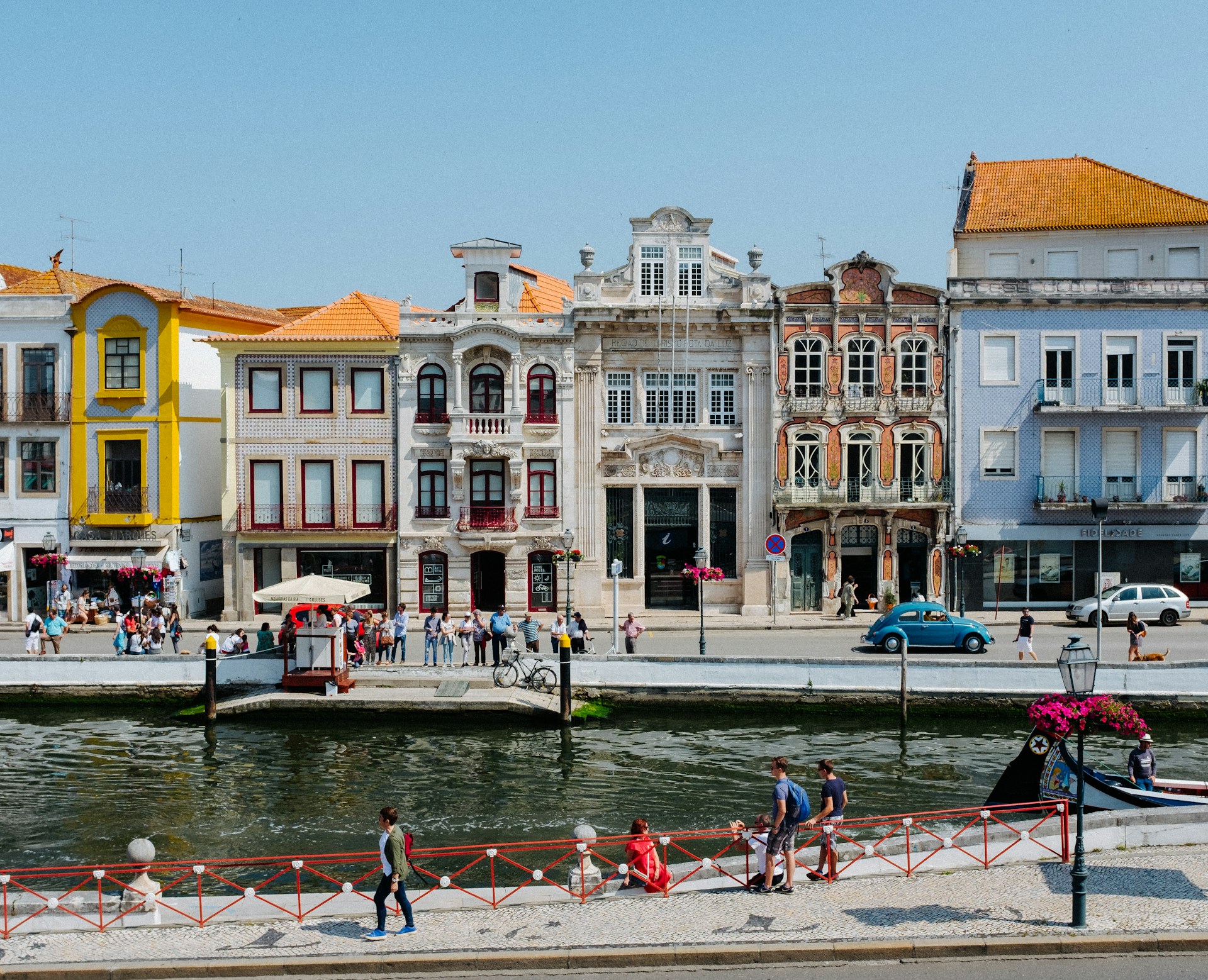
Aveiro really stands out when the temperature drops. I’ve watched those colorful moliceiro boats glide down peaceful canals while bundled up in a scarf.
Why Aveiro feels special in winter:
- Fewer people around, so you’ll snap better photos of those famous striped houses
- Art Nouveau buildings pop against the moody winter sky
- Local cafes serve up warm pastéis de nata, and you won’t have to elbow your way to the counter
Even on gray days, the ceramic tiles seem to glow. I always find the canal walks more peaceful in winter—no crowds, just the sound of water and the occasional seagull.
The fish market buzzes all year, but winter brings in the best seafood. It’s true, some local catches peak in the colder months.
Don’t miss:
- Museu de Aveiro (it’s a former convent with a fascinating vibe)
- Fábrica Social (a cool cultural hub)
- Costa Nova’s beach houses—just a short trip away
Mountain Villages and Rural Escapes
If you head inland, Portugal’s mountains hide villages that feel almost untouched. Guarda, perched higher than any other city on the mainland, gives you a whole new perspective.
These towns serve up real-deal Portuguese culture. I’ve warmed up with hearty cozido and local wine in tiny restaurants where everyone seems to know each other.
Top picks for a mountain getaway:
- Monsaraz: Medieval walls and those endless Alentejo views
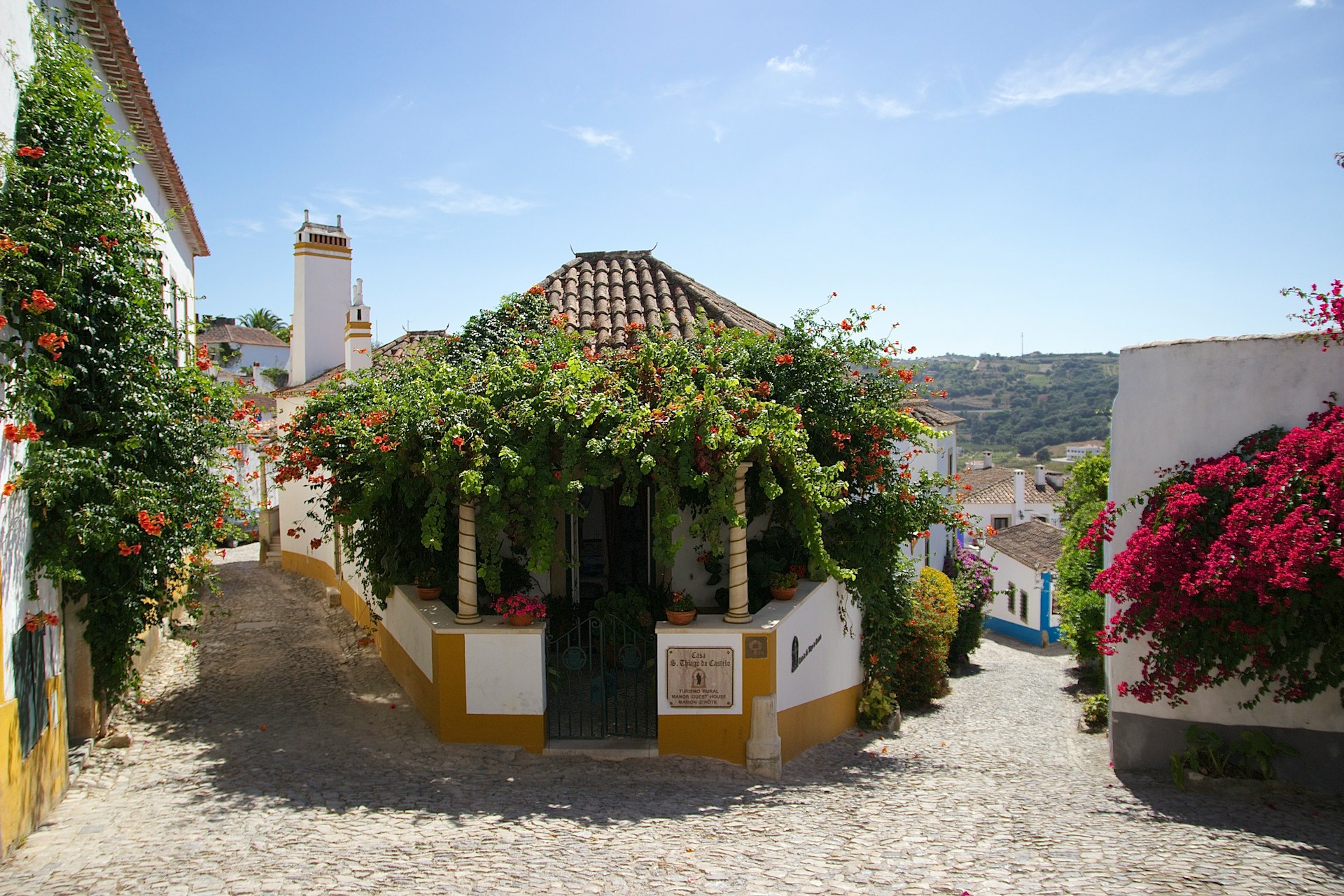
- Óbidos: Christmas markets and the famous cherry ginjinha
- Sortelha: Stone cottages and rugged hiking trails
Rural quintas open their doors to winter travelers. You can sip wine by the fire and linger over traditional meals.
Sometimes, snow covers Serra da Estrela. Suddenly, Portugal turns into a winter playground—think sledding and the rare snowball fight.
Exploring Historic Districts and Local Culture
Winter changes Portugal’s historic quarters. The pace slows, and you get a front-row seat to local life.
Porto’s Ribeira district feels more genuine in the off-season. Locals fill the taverns, and the little shops stay busy with familiar faces.
Winter culture highlights:
- Museums—no long waits, just walk right in
- Markets overflowing with seasonal treats
- Festivals and religious events you won’t find in the guidebooks
Coimbra’s university district buzzes with student life, even when the weather cools. The energy spills out onto the ancient streets.
Small towns throw winter festivals that most tourists miss. These celebrations let you taste real Portuguese traditions—sometimes literally.
Artisans keep their workshops open in winter. It’s the perfect time to watch them work and maybe pick up a handmade souvenir.

Frequently Asked Questions
Portugal keeps things mild year-round, and if you’re chasing winter warmth, the Algarve and Madeira are your best bet. I’ve seen temps range from about 10°C to 20°C depending on where you go, so it’s a pretty sweet alternative to shivering through a northern European winter.
The Algarve wins for warmth. I’ve spent December and January there, and it usually hovers around 16°C—sometimes even warmer in the sun.
Madeira? Even better. This island barely notices winter, with spring-like weather most days.
Southern coastal spots catch more sunshine and less rain than the north. Perfect if you’re craving blue skies.
It really depends where you land. The Algarve averages about 16°C, while Porto hangs closer to 10°C.
Some days, you’ll see highs of 20°C, even in winter. Nights can get chilly though—sometimes dropping to 2°C up north.
Lisbon sits comfortably in the middle. Daytime highs usually reach 15°C, and it rarely gets truly cold.
If you want the best weather, stick with the Algarve. Faro and Lagos stay mild, and you won’t have to dodge selfie sticks.
Lisbon’s perfect for rainy days. I love ducking into museums, galleries, or grabbing a coffee in a covered market.
Porto’s a little cooler and wetter, but the port wine cellars and cozy bookshops more than make up for it.
Madeira is the ultimate escape. The island always feels like spring—no heavy coats required.
Winter is a bargain hunter’s dream. I’ve booked hotels for half the summer price, and car rentals can be ridiculously cheap—think €3 for a whole week.
You’ll get the big attractions almost to yourself. Lisbon’s winding streets feel less like a theme park and more like, well, Lisbon.
Local festivals pop up everywhere—Christmas markets, traditional parades, and celebrations you just don’t see in July.
If sunshine’s your goal, head to Madeira. The island almost never has a bad weather day, even in January.
The Algarve racks up over 300 sunny days a year. I’ve worn sunglasses at the beach in February more than once.
Sagres and Lagos, down on the southern coast, get the most sun. Rain clouds usually steer clear of these towns, so you can count on pleasant weather even in the heart of winter.
January in Portugal can really surprise you. Some days, the sun comes out and the sky turns that perfect shade of blue.
I’ve enjoyed plenty of winter afternoons outside, just soaking up the mild weather. It’s honestly not what most folks expect from Europe in January.
If you’re dreaming of the beach, the Algarve won’t disappoint. Sure, it’s not scorching, but with sea temperatures hovering around 17°C, you can still wander along the coast or hop on a boat for a quick trip.
Winter means surf season is in full swing. Nazaré, with its legendary giant waves, comes alive between November and March—so January is prime time if you’re chasing that thrill.
When the weather turns cool or rainy, I usually head indoors. Portugal’s museums, wine cellars, and historic sites give you plenty of cozy spots to explore and escape a sudden shower.
