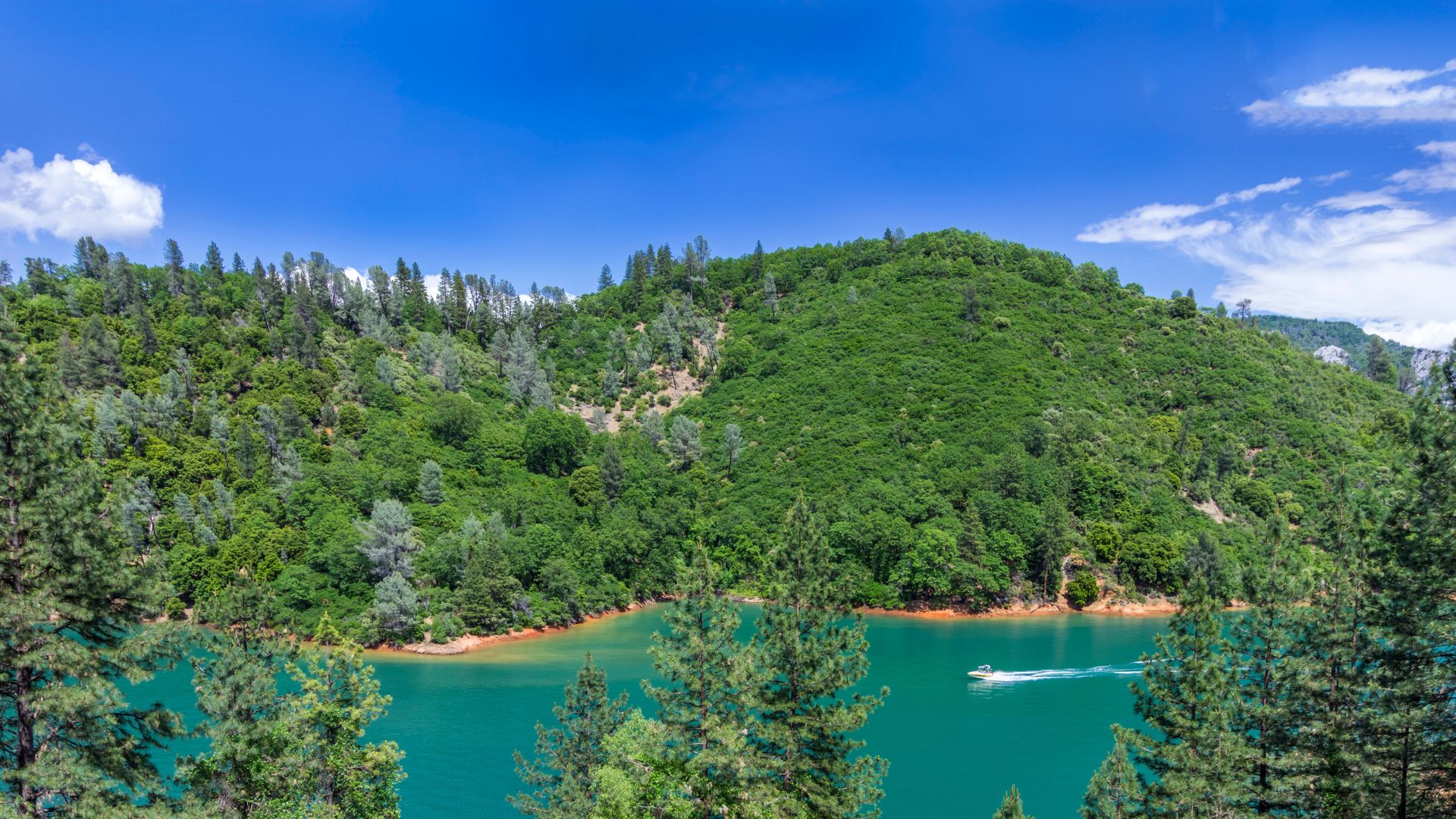
Most people assume summer is the only time worth checking out Lake Shasta, but honestly, that’s just not the case. Sure, the summer months bring excellent fishing for rainbow trout, brown trout, and salmon, but autumn and spring each have their own perks that a lot of anglers miss out on.
After years of casting lines across this massive reservoir in every season, I’ve realized each time of year brings something different—sometimes challenging, sometimes downright magical.
Autumn, for example, brings some of the most peaceful fishing experiences I’ve had at Shasta Lake. The crowds thin out fast after Labor Day, but the fishing stays strong through early October.
Cooler days make time on the water more comfortable. The trees around the lake start showing off, and it’s a gorgeous backdrop for any fishing trip.
Spring is a mixed bag, but in a good way. Water levels and access can change a lot, depending on how much rain and snow the area gets over winter.
I’ve learned that spring trips need a bit more planning, but if you time it right, it’s totally worth it. You just have to know what each season brings and how to make the most of your time at California’s biggest reservoir—no matter when you show up.

Is Summer the Best Time for Lake Shasta?
Summer means warm water and long, sunny days at Shasta Lake—perfect for swimming and all the water sports you can think of. But let’s be real, this peak season also brings big crowds and higher prices, and that’s not everyone’s vibe.
Advantages of Visiting in Summer
Summer serves up the best conditions for water activities at Shasta Lake. Water temperatures hit their peak from June through August, so swimming feels great for just about everyone.
The weather stays reliably sunny, with highs in the 80s or low 90s. That’s prime time for boating, jet skiing, and wakeboarding.
All the boat ramps are open during summer, and the lake is usually at its fullest. You get access to more areas and hidden coves.
Long daylight hours mean you can play on the water from sunrise to sunset. Summer evenings stay warm, which makes camping and houseboating way more comfortable—no need for heavy jackets or worrying about freezing at night.
Peak Activities and Open Attractions
Summer is when Shasta Lake feels alive. Water sports rentals are in full swing, and you’ll find jet skis, boats, and wakeboarding gear ready to go.
All the marinas and boat ramps keep extended hours, and houseboat options are at their best. Local communities host big events—think Fourth of July fireworks, farmers markets, and music festivals.
Beach spots like McCloud River Beach and Jones Valley Beach are at their best for sunbathing and picnics. The weather just makes these places perfect for families.
Guided tours and fishing charters run more often in summer, so there are plenty of ways to explore the lake’s 370 miles of shoreline.
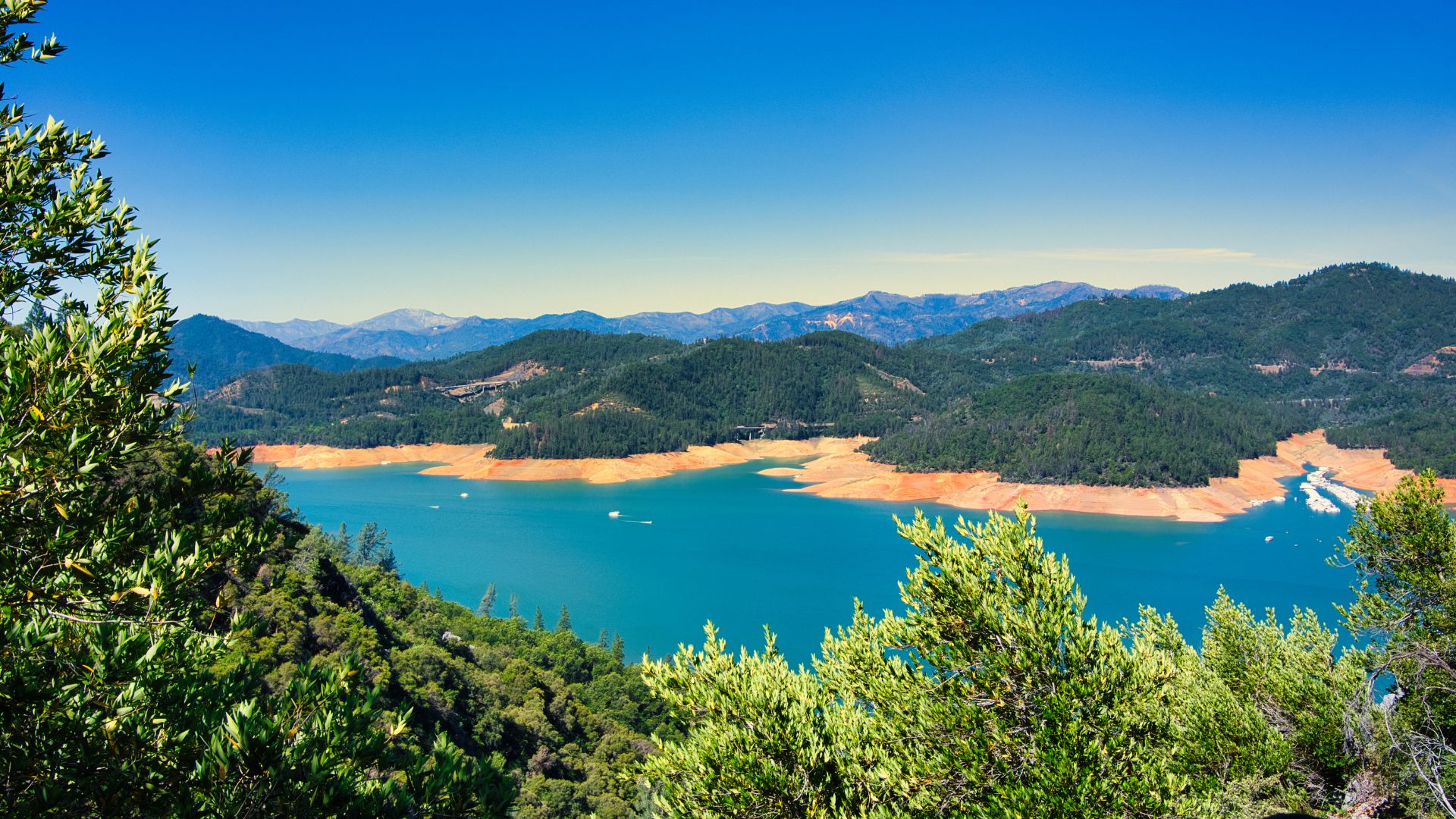
Crowds and Considerations
Here’s the thing: summer brings the biggest crowds to Shasta Lake. Memorial Day to Labor Day is packed, and you’ll notice it.
Boat ramps can get super busy, especially on weekends. I usually launch early to skip the lines.
Campground and houseboat reservations disappear fast in summer, so book months ahead if you want the good spots. Prices for everything—camping, rentals, you name it—go up in the summer.
The whole place feels more crowded and lively. If you’re after peace and quiet, summer might not be your season.
Autumn at Lake Shasta: Quiet Fishing and Unique Experiences
Autumn cools things down and thins the crowds at Shasta Lake, which is a dream for fishing fans. Fish start moving closer to the surface, and the fall colors around the lake are just stunning.
Benefits of Fishing in Autumn
As the water cools in autumn, cold-water fish at Shasta Lake come up closer to the surface. That makes them way easier to catch than in the hot summer months.
I’ve noticed trout fishing picks up a lot in the fall—the fish just seem more active when the water isn’t so warm.
Autumn fishing perks:
- Fewer people on the water
- Fish are more willing to bite
- Comfortable air temps
- Better chances for surface fishing
Fishing usually stays great through early October. After that, things shift, but patient anglers still find success.
Bass fishing gets easier too. The cooler weather means you can stay out all day without baking in the sun.
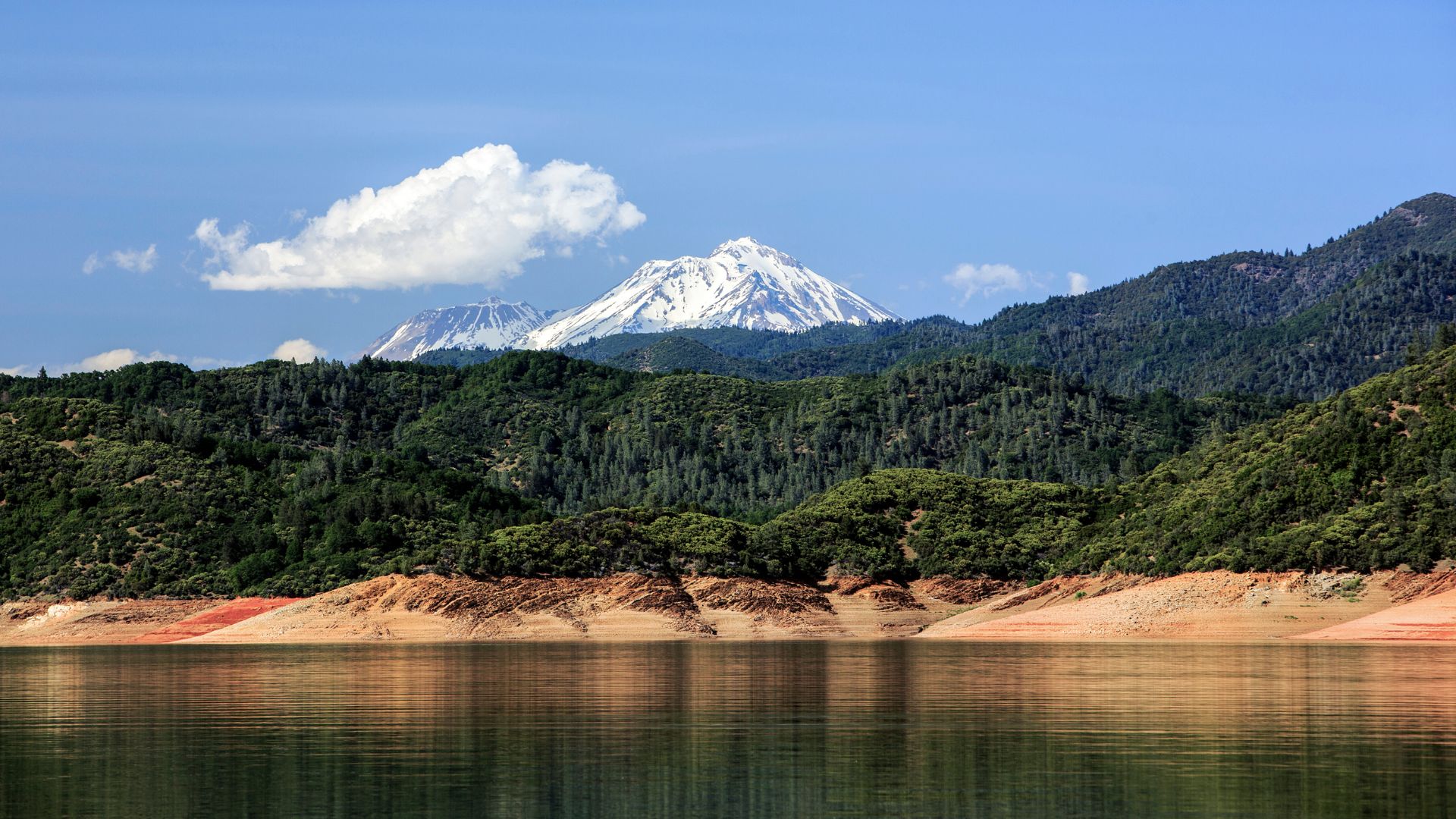
Wildlife and Scenery in Fall
Autumn turns Shasta Lake into a canvas of reds, oranges, and browns. The changing leaves are a photographer’s dream.
I see more wildlife in fall, too. Animals are prepping for winter, so you’re more likely to spot them near the shoreline.
Fall highlights:
- Brilliant foliage all around
- Clear skies and mild temps
- Easier wildlife spotting
- Scenic hikes everywhere
Cooler temps mean you can hike or fish for hours without feeling wiped out. And with birds migrating through, it’s a great time for birdwatching.
Weather Patterns in Autumn
Autumn at Shasta Lake means mild days and cool nights. That’s pretty much perfect for fishing and camping.
I appreciate the steady weather in fall—wind usually stays low, which makes boat fishing a lot more pleasant.
Typical fall weather:
- Days: 60-80°F
- Nights: 40-55°F
- Gentle breezes, 5-15 mph
- Plenty of clear days
You can spend all day outdoors and not worry about overheating. Fall fishing patterns are different from summer, but as long as the water stays stable, the action can last well into late fall.
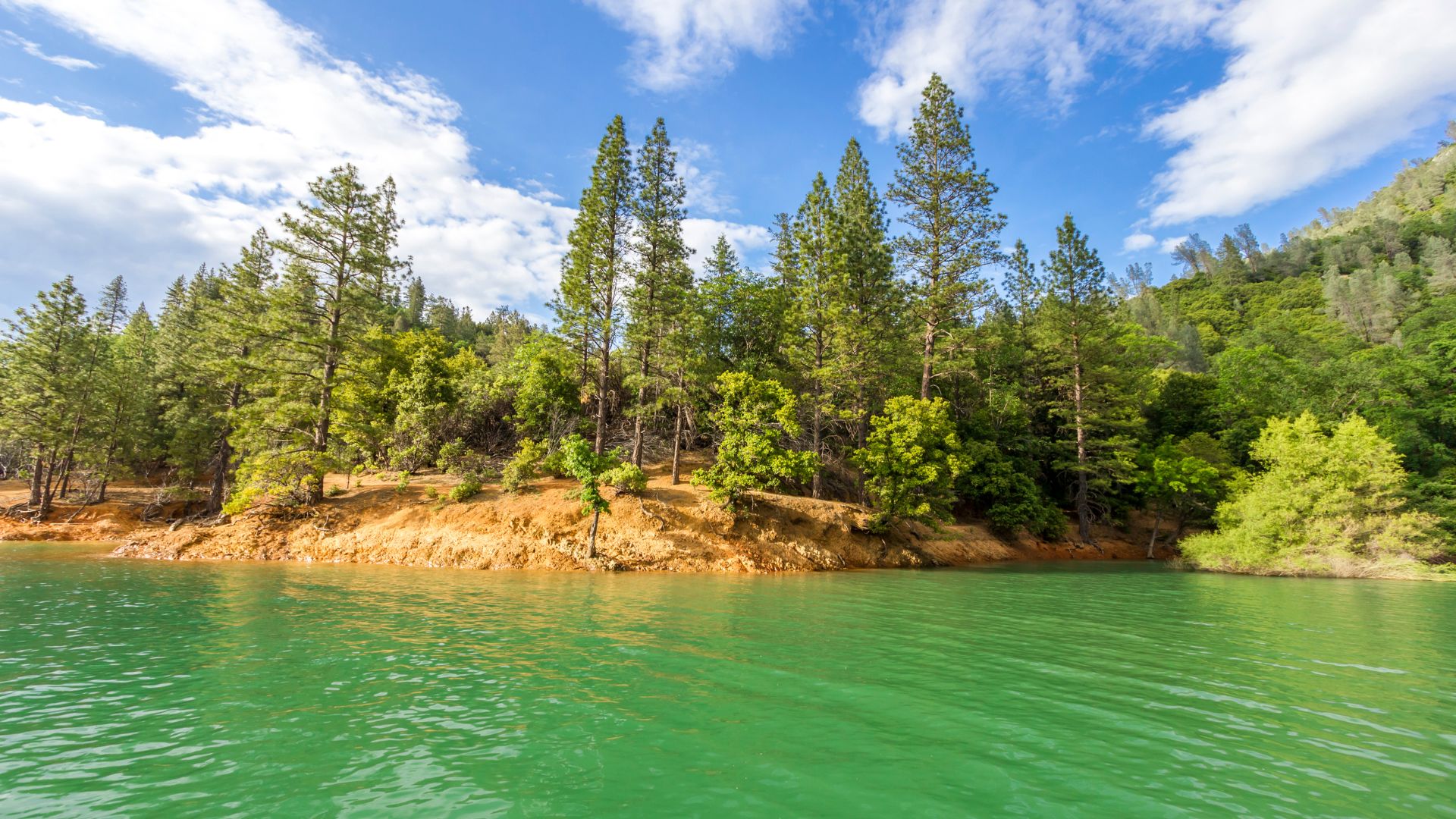
Spring Lake Levels and Access Considerations
Spring is when things get interesting at Shasta Lake. Water levels change fast, thanks to all the snowmelt, and that affects where you can launch your boat and reach the shoreline.
How Spring Lake Levels Affect Boat Ramps
I’ve noticed spring water levels at Shasta Lake can make boat ramp access tricky. Early in the season, low water can shut down some ramps or make them a hassle to use.
Lake levels can jump by several feet in just a few weeks. A ramp that’s perfect in March might be underwater by May.
I always check current water levels before heading out. If the lake’s below 1,000 feet, some ramps get tough to use. Above 1,040 feet, most major launch points are good to go.
Boat ramp notes:
- Bridge Bay usually stays open, no matter the water level
- Packers Bay can get tricky when levels change fast
- Centimudi ramp works well if the lake’s above 1,020 feet
Navigating Shoreline Changes in Spring
Spring’s rising water means the shoreline is always changing. Spots that were dry in winter become flooded coves as the lake fills up.
I keep an eye out for newly submerged trees and brush—hitting those with your boat is not fun. The shoreline expands a ton as the water rises, and that means new fishing spots open up.
Some rocky points and peninsulas turn into islands or even vanish under water. I always bring updated maps and use GPS, especially in areas I haven’t visited since last season.
The upside? Fish love those shallow, newly flooded places, so spring can be a goldmine for anglers.
Water Clarity and Springtime Conditions
Spring runoff can turn Shasta Lake from crystal clear to murky in a matter of days. Snowmelt and heavy rain cloud things up pretty fast.
Different arms of the lake clear up at different rates. The Sacramento River arm usually gets murky first, while the Pit and McCloud arms sometimes stay clearer a bit longer.
Spring water clarity tips:
- Snowmelt makes the water cloudy for a while
- Rain can muddy things up for days
- By late spring, the water usually clears
I switch up my fishing tactics depending on water clarity. When it’s murky, I go for brighter lures and slow things down. If the water’s clear, I stick to natural colors and try to be stealthier.
Spring water temperatures change fast, too. I’ve found 10-15 degree swings between different parts of the lake during big runoff.
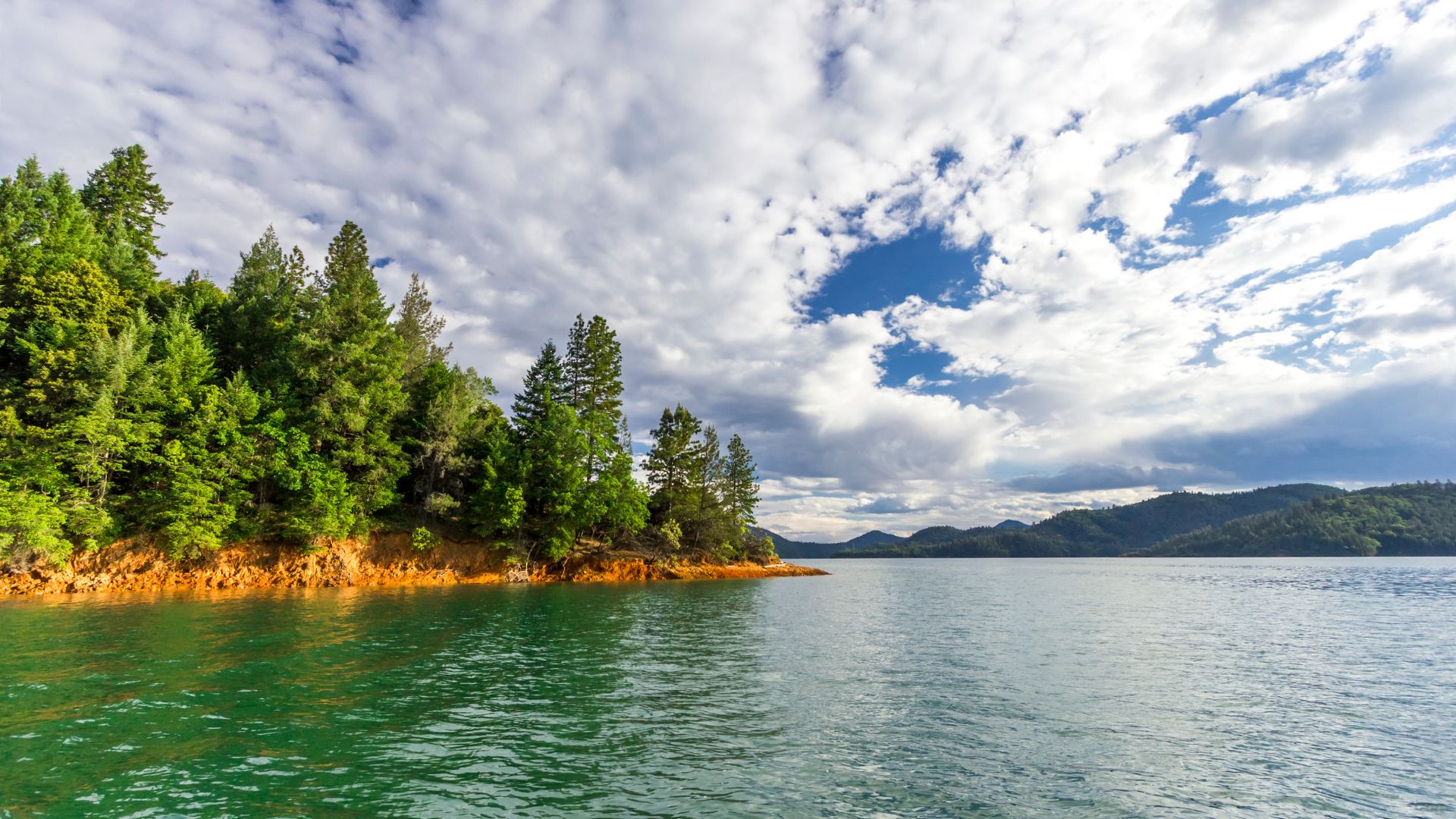
Exploring Shasta Dam and Surrounding Areas Year-Round
Shasta Dam is one of those places you can visit any time of year. It offers killer views and plenty of recreational activities, plus easy access to trails and lake entry points that stay open all year.
Seasonal Views and Activities Near Shasta Dam
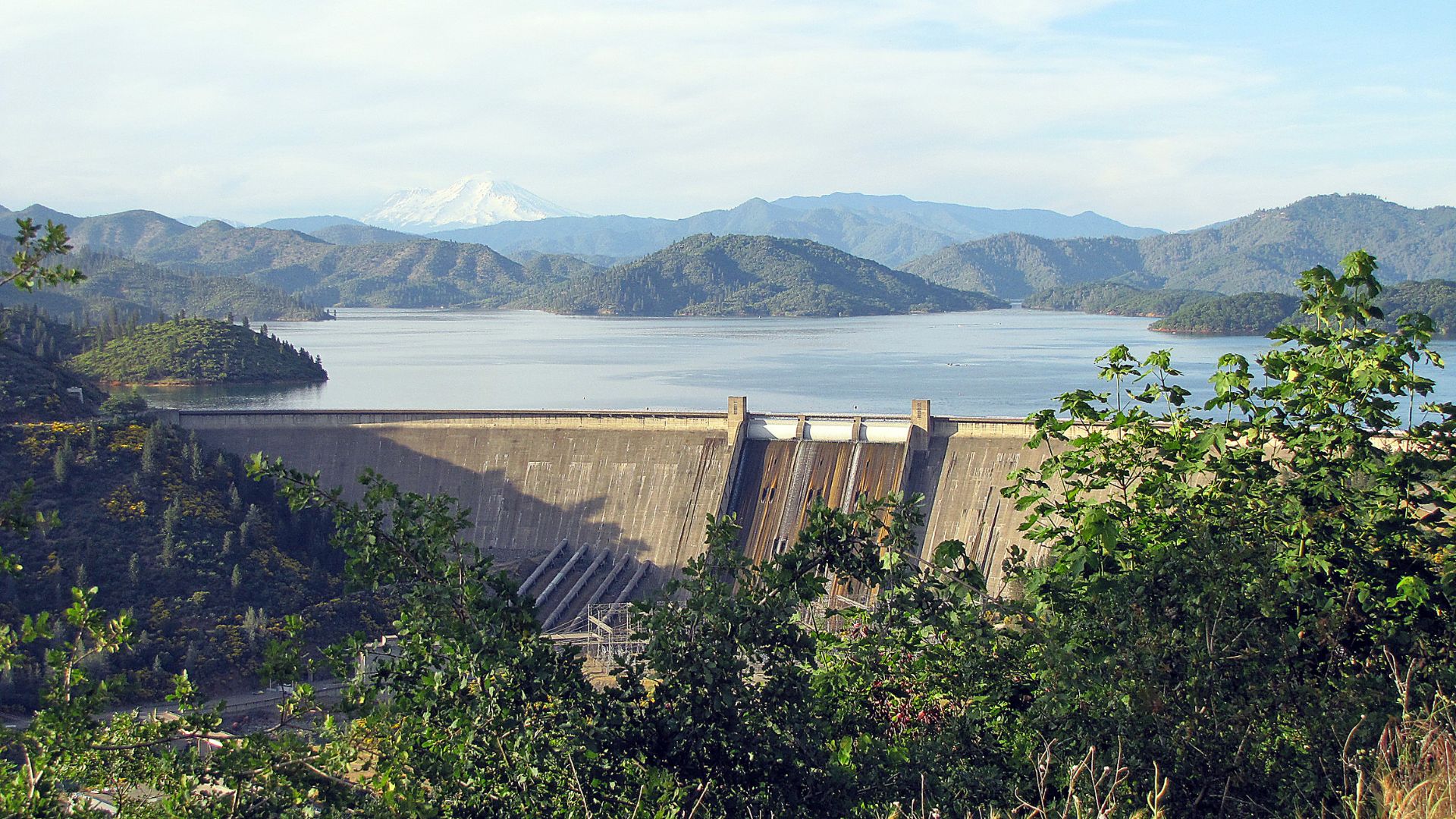
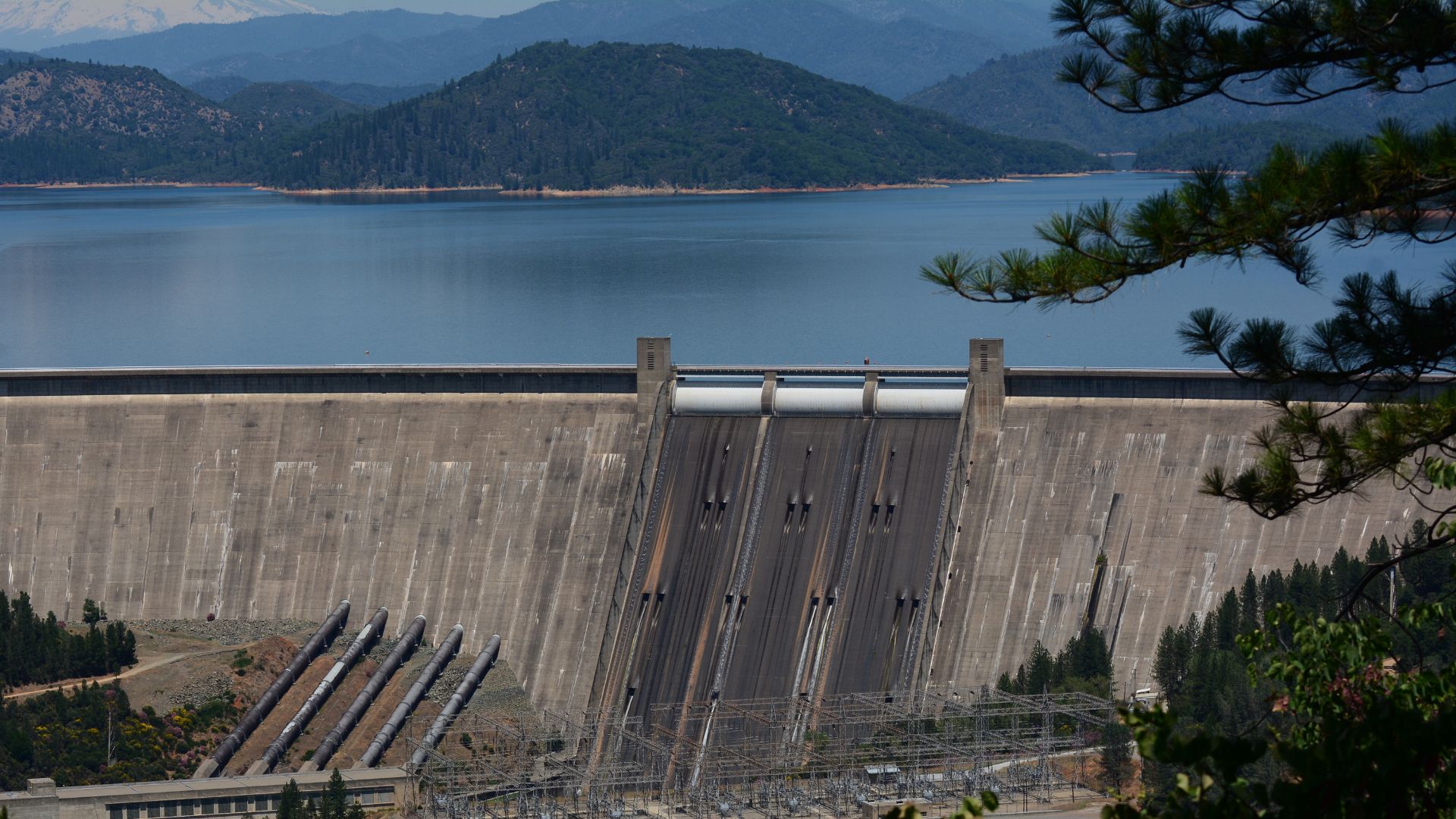
No matter when I visit, Shasta Dam impresses me with its views. The dam stands 602 feet tall, and you can walk across it daily from 6am to 10pm.
Spring brings:
- Waterfalls pouring down the nearby mountains
- Hiking trails in the Shasta-Trinity National Forest with cool temps
- Lake levels are high from winter rains and snow
Summer means:
- Clear views of Mount Shasta’s snowy peak
- All the boat ramps are open
- Visitor center tours run four times daily
Fall and winter:
- Sunset walks across the dam are gorgeous
- Fewer people at the vista points
- The dam’s walking path is always open
The Shasta Dam Vista Point is my go-to for soaking in the views of the dam, lake, and Mount Shasta all at once.
Proximity to Trails and Lake Access Points
The dam makes a great starting point for adventures. I can hit several boat ramps on the east bank near the dam, and they’re open year-round.
Handy access points:
- Bridge Bay Resort & Marina (biggest marina, full services)
- Multiple hiking trails that lead right to the lake
- Walking access straight across the dam
When the lake drops in dry seasons, the walk to the water gets a bit longer, but the trails stay open.
Getting to the dam is a breeze—it’s just 10 miles north of Redding, off I-5 at Exit 685, then CA 151 west to the dam and visitor center.
Bridge Bay Resort is the most convenient spot I’ve found, with boat rentals, fuel, and supplies, no matter the season.
Planning Your Visit Beyond Summer
Visiting Shasta Lake in the off-season saves you a chunk of change and brings a different kind of adventure. You’ll want to prep differently than you would for a summer trip, but honestly, I’ve found these quieter times so much more rewarding.
Budget-Friendly Tips for Off-Season Travel
I save 30-40% on places to stay by heading to Shasta Lake in fall or spring. Houseboat rentals drop from the summer highs of $300-500 per night down to $180-300 in the shoulder seasons.
Campground fees drop too. In summer, sites might run $25-35, but off-season, I’ve paid as little as $15-25.
Fuel costs go down, since I’m not blasting the AC or making as many trips to crowded stores. Restaurant prices don’t really change, but local spots sometimes offer off-season specials.
Some marinas even discount their launch fees from October through April. Grocery shopping is easier, too—not as many crowds, and better selection without the summer markup at lakeside stores.
Preparing for Changing Conditions
Shasta Lake’s water levels swing wildly between seasons. Before heading out, I check the latest updates—some boat ramps just aren’t usable when the water drops too low.
Spring brings unpredictable weather. I never trust the forecast completely, so I pack plenty of layers. One minute, it’s chilly; the next, you’re sweating. Temperatures can jump or drop 30 degrees in a single day. Rain gear? Absolutely essential from March through May.
Fall feels calmer, but I don’t let my guard down. Even with sunny, 75-degree afternoons, nights can surprise you by dipping into the 40s.
Wind patterns get weird during the off-season. I watch the forecasts like a hawk because afternoon gusts can hit 20 mph out of nowhere. Navigating a small boat in those conditions? Not my favorite.
Whenever I plan a fishing trip, I make sure someone knows where I’ll be. Cell service gets pretty spotty, especially in winter when the remote coves empty out and you’re on your own.
Recommended Gear for Each Season
Spring Gear (March-May):
- Grab a waterproof jacket and pants. Trust me, spring showers can sneak up on you.
- I like to start early, so I layer up with something insulated for those chilly mornings.
- Polarized sunglasses really help when the sun hits the water just right.
- Deeper-running lures seem to work best while the water’s still cold.
Fall Gear (September-November):
- Fleece or wool mid-layers keep me warm when the air gets crisp.
- Waterproof boots with solid grip are a must. Wet leaves and mud? Not my favorite combo.
- I always toss a headlamp in my bag since daylight disappears faster than you’d think.
- Topwater lures can be a blast—fish seem extra hungry in the fall.
Winter Gear (December-February):
- Thermal underwear and thick, warm socks make those icy mornings bearable.
- I go for insulated gloves that let me tie knots and handle gear without freezing my fingers off.
- A portable heater can turn a long, cold session into something actually enjoyable.
- Slow-moving jigs usually get more bites when the fish seem half-asleep.
No matter the season, I never leave home without a first aid kit and some emergency supplies. If you’re out there in the off-season, you might not see another soul all day. Better safe than sorry.