
So, the 17-Mile Drive in Pebble Beach charges $11.25 per vehicle for access to one of California’s most iconic scenic routes along the Monterey Peninsula. After winding my way along this coastal road, I honestly think the entrance fee is completely worth it—those ocean views, the Lone Cypress, and the raw natural beauty just blew me away.
I drove through this legendary stretch of Highway 1, and it quickly became clear why so many travelers call it a must-do California adventure. The drive links Pacific Grove to Carmel-by-the-Sea, cutting through the exclusive Pebble Beach community. You’ll find 17 marked stops, each showing off dramatic cliffs, pristine beaches, and some pretty lavish golf courses.
Let me share my real take on whether the fee feels justified, plus some practical tips for planning your own trip. I’ll highlight my favorite scenic viewpoints, the wildlife you might spot, and even a bit about the fancy Pebble Beach resorts. Trust me, this route offers way more than just a pretty drive.
Evaluating the Value of the 17-Mile Drive Entrance Fee
That entrance fee covers a bunch of attractions and scenic viewpoints along the coastal route. I figured out a few ways to offset the cost with dining purchases, and honestly, the price reflects just how exclusive this private road is.
What’s Included in the Admission Cost?
Your $12.25 per vehicle gets you access to all 17 stops along the scenic drive. At the gate, I got a detailed map with every viewpoint and attraction clearly marked.
Some highlights:
- The Lone Cypress – probably the most photographed tree in North America
- Bird Rock – a hotspot for sea lions and seabirds
- Spanish Bay Beach – white sand and a breezy boardwalk
- Pebble Beach Golf Links – a peek at the famous 18th hole
- Point Joe – wild cliffs and crashing surf
Parking’s included at every stop. I could linger as long as I wanted, from sunrise to sunset.
You also get access to hiking trails and equestrian paths. The drive cuts through a quarter of permanent open space, with more than 25 miles of trails.

How You Can Get the Fee Refunded or Discounted
Pebble Beach Resorts actually refunds the entrance fee if you spend enough at their restaurants. I found out that if you drop $35 or more at one of their dining spots, they’ll credit your gate fee back.
Here’s how it works:
- Applies at all Pebble Beach Resorts restaurants (but not Pebble Beach Market)
- Spend at least $35 in a single visit
- Hang onto your receipt for reimbursement
If you’re staying overnight at The Lodge at Pebble Beach, The Inn at Spanish Bay, or Casa Palmero, you don’t pay the entrance fee at all.
Tour buses pay $6 per passenger instead of the vehicle rate. That makes group trips a bit more affordable.
Comparing the Scenic Value to the Cost
The $12.25 fee breaks down to less than a buck per major attraction. That seems fair, especially compared to other scenic spots that charge similar prices for just one view.
You get access to privately maintained roads and viewpoints you simply can’t reach from public highways. The public alternatives along the coast don’t offer the same vibe or upkeep.
What you’re paying for:
- Unique entry to private coastal areas
- A ton of attractions in a single drive
- Nicely maintained roads and facilities
- Exclusive viewpoints you won’t find elsewhere
The fee helps keep the area pristine, funding maintenance and environmental protection. That’s probably why it feels less crowded and cleaner than some public scenic routes.
Most folks spend two to four hours on the full drive. That’s roughly $3–$6 per hour for some seriously epic scenery.
Planning Your 17-Mile Drive Experience
Timing is everything for 17-Mile Drive. The weather, the crowds, and even the seasonal wildlife can totally change your experience.
When’s the Best Time to Visit?
Spring and fall are magic on 17-Mile Drive. I loved April through June for the mild weather and the chance to spot harbor seal pups at Fanshell Beach.
Summer means more people but also the clearest skies. If you’re going during high season, try for early morning or late afternoon to dodge the tour buses.
Winter brings its own drama—storm watching can be wild, and the cypress trees look haunting against gray skies. Some viewpoints might close in rough weather, though.
The time of day really matters. Early mornings are peaceful and parking’s easier at spots like the Lone Cypress. Late afternoons give you that golden hour glow for photos.
Weekends get crowded, especially near Pebble Beach Golf Links. If you want quiet, weekday mornings are your friend.
How to Access and Navigate 17-Mile Drive
There are five entrance gates. If you’re coming from Monterey or heading south on Highway 1, the Pacific Grove Gate is the easiest.
Driving up from Carmel-by-the-Sea or Big Sur? The Carmel Gate puts you close to the Lone Cypress right away.
Entry costs $12.25 per vehicle (as of 2025). At the gate, you’ll get a handy map with all 17 stops through the Del Monte Forest.
Download offline maps ahead of time. Cell service drops out along the coast. The official Pebble Beach map shows parking and restroom locations, which is super helpful.
If you don’t stop much, the drive takes about one to two hours. If you want to explore, plan for three to four hours.
Visitor Tips for a Smooth Trip
Pack layers. Even on sunny days, the coast gets chilly and windy fast.
Bring snacks and water. There aren’t many food options except Pebble Beach Market and the resort restaurants.
Wear good walking shoes. Some of the best views require short walks over uneven ground.
Respect the wildlife zones. Harbor seals and sea lions need space, especially during pupping season. Stay behind barriers and keep noise down.
Only park in designated spots. The road’s narrow, and there’s not much shoulder. Stick to official lots at major stops.
Thinking about biking or walking? Go for it. Those activities are free, and the path from Pacific Grove through the forest is especially peaceful.
Book restaurant reservations ahead if you want to eat at Pebble Beach resorts. Plus, you’ll get your $12.25 entrance fee refunded if you spend over $35.
Most Scenic Stops and Viewpoints
There’s no shortage of jaw-dropping landmarks on the 17-Mile Drive. From the famous Lone Cypress perched on its rocky throne to Bird Rock’s wildlife show and Point Joe’s wild waves, the route delivers.
The Lone Cypress and Its Legacy
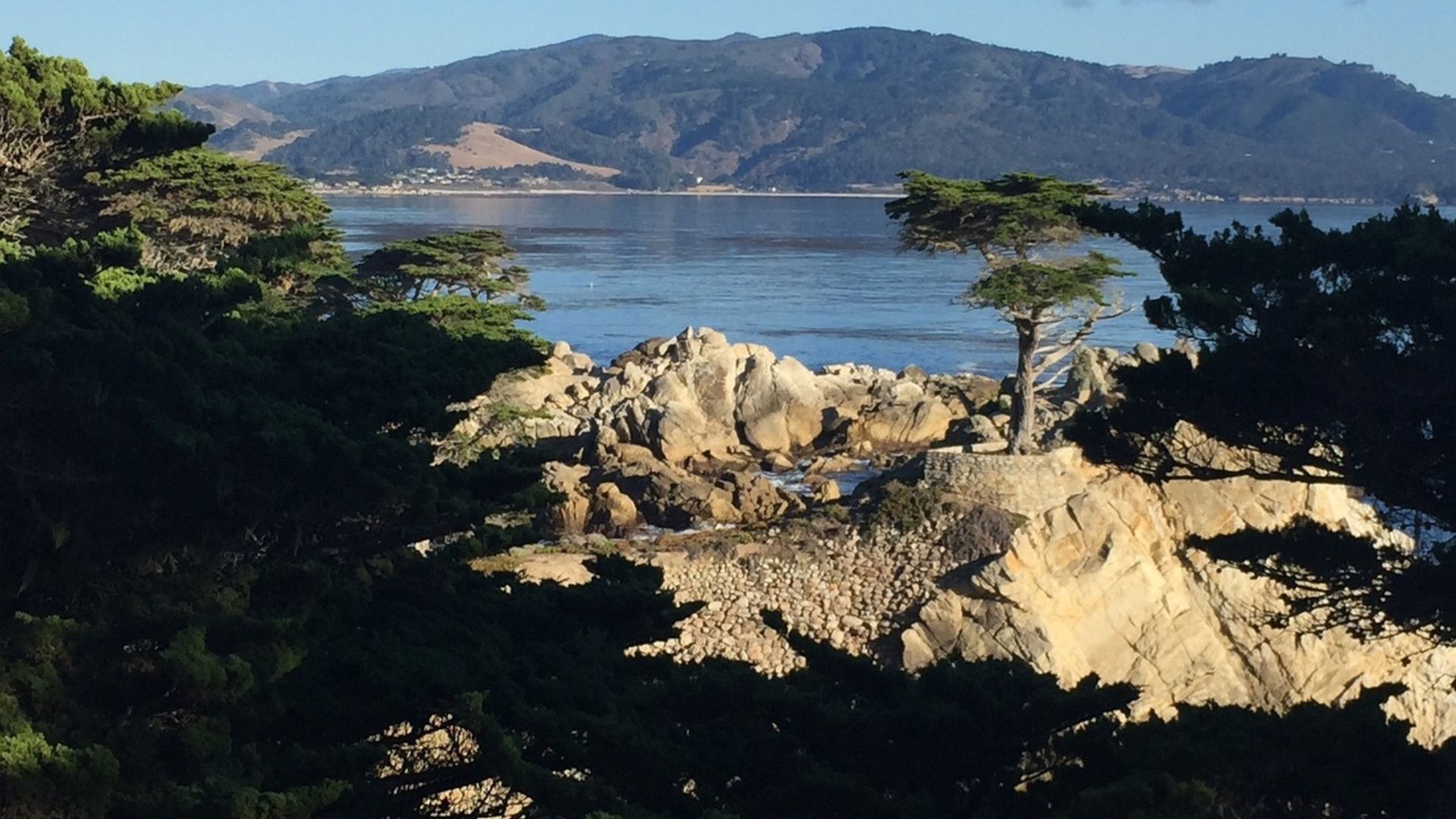
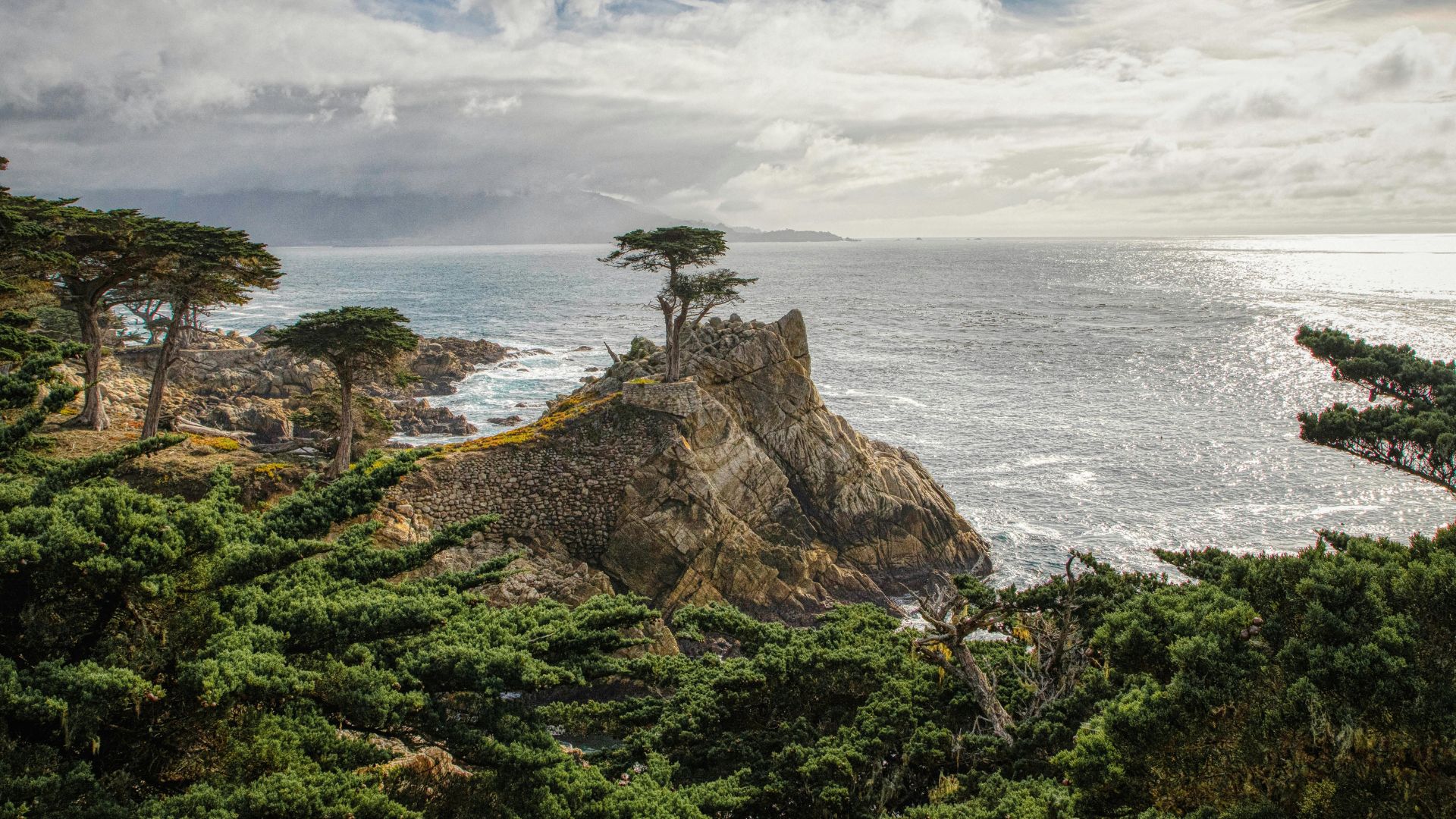
The Lone Cypress is probably the most iconic sight on the drive. This ancient Monterey Cypress has clung to its rocky pedestal for more than 250 years.
I stood there, just watching it hold its ground against the relentless Pacific winds. It’s been Pebble Beach Resorts’ official logo since 1919, and you can see why.
Why it’s famous:
- Over 250 years old
- Survived epic storms
- The symbol of Pebble Beach
- A perfect spot for photos
The viewing area gives you a clear shot of the tree. If you can, visit during golden hour—the light is unreal.
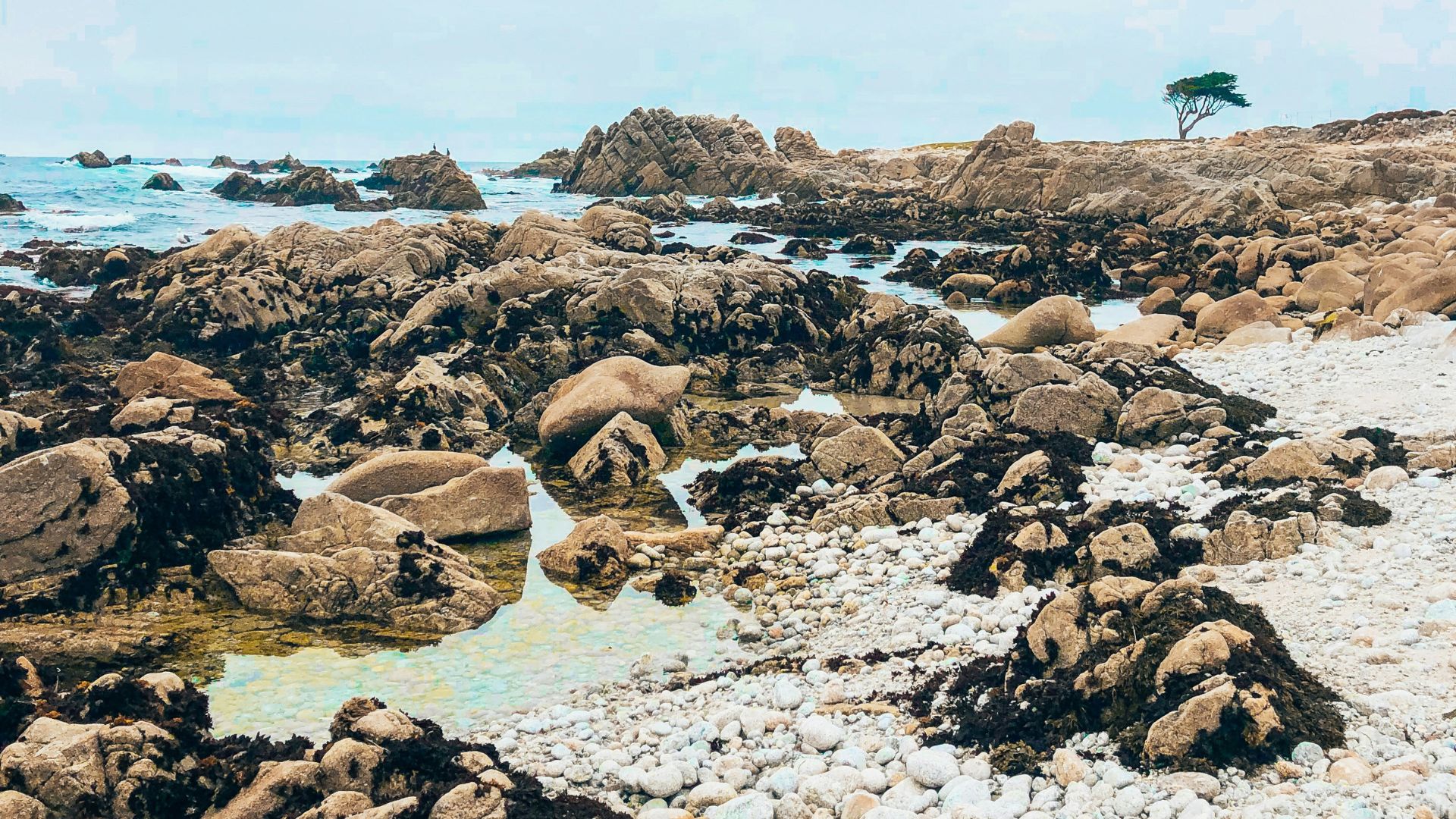
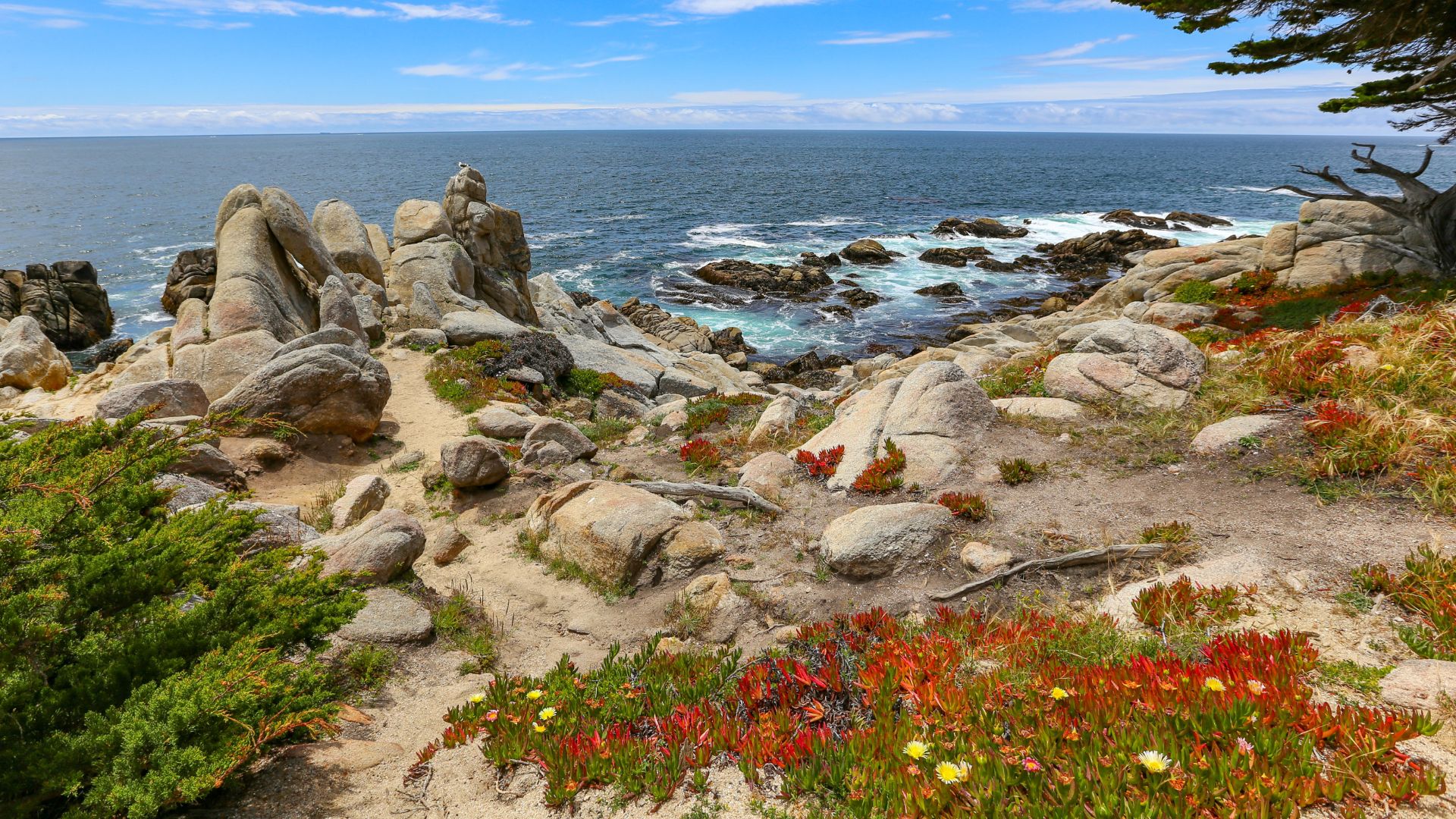
The coastline here is pure Monterey Peninsula: granite rocks, crashing surf, and windswept cypress everywhere.

Bird Rock and Wildlife Watching
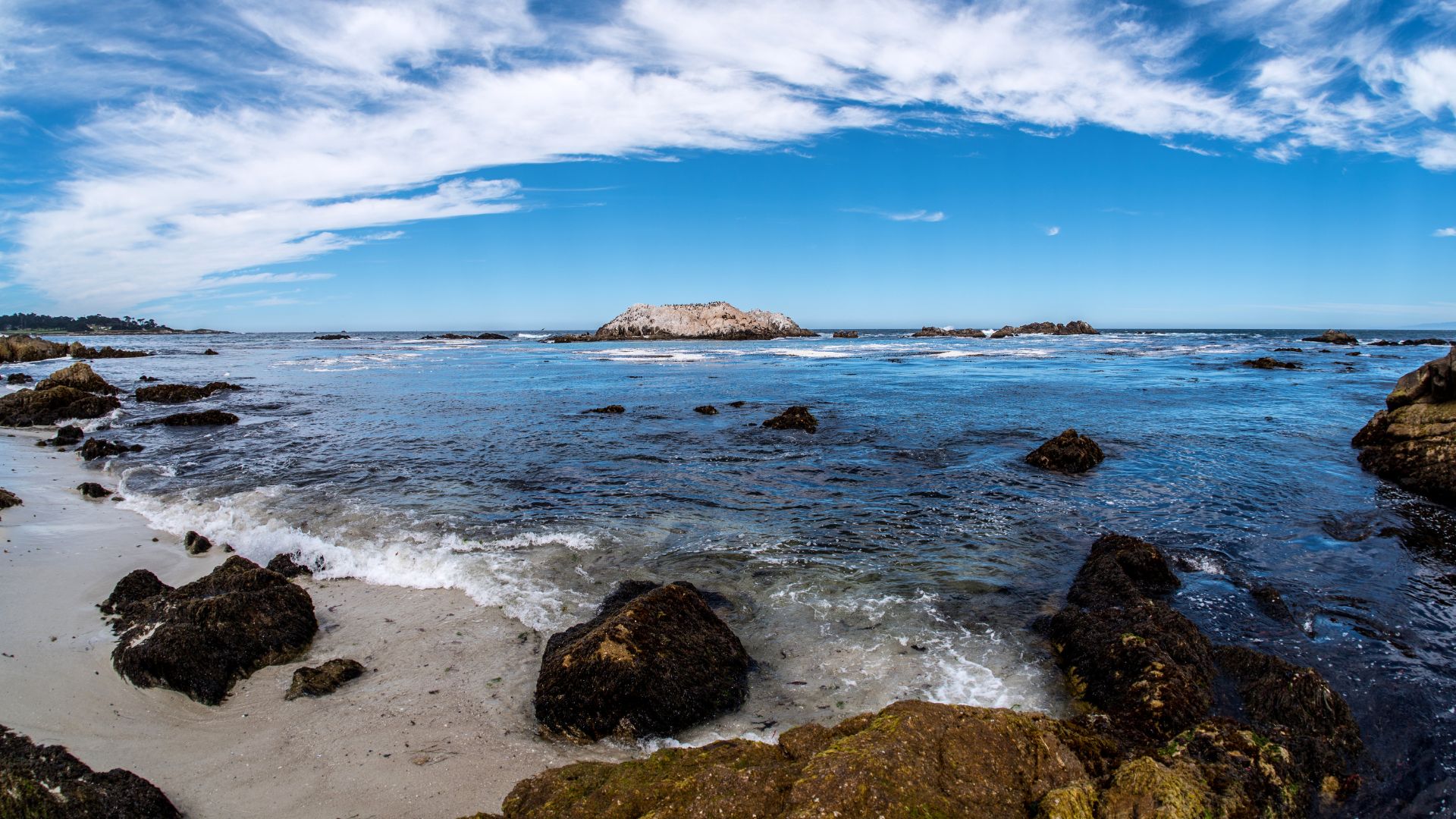
Bird Rock is a magnet for wildlife lovers. I watched harbor seals, sea lions, and flocks of seabirds from the overlook.
Back in the day, Bird Rock was covered in several feet of guano. Workers actually harvested it for fertilizer, which is kind of wild to think about. Now, the sea lions have claimed those clean rocks.
What you’ll see:
- Harbor seals lounging around
- Sea lions barking and swimming
- Pelicans and cormorants nesting
- Gray whales (November through March)
During my winter trip, I caught whale spouts offshore. The migration is a real treat if you time it right.
The overlook keeps you at a safe distance but close enough for great views. Bring binoculars for a better look at the action.
Point Joe and the Restless Sea
Point Joe has a bit of a haunted past. Early sailors often mistook it for Monterey Bay’s entrance, leading to a string of shipwrecks.
The Restless Sea section lives up to its name. I watched the waves collide and crash over the rocks—it’s mesmerizing. Submerged rocks create this wild, swirling water.
A guy named Joe actually lived here in the early 1900s. He sold trinkets to tourists from a driftwood shack and kept goats nearby.
What stands out:
- Shipwreck history
- Constantly churning water
- Dramatic wave action
- Rocky coastal scenery
The viewing platform lets you watch the rough seas safely. Sometimes, I even felt the spray from the bigger waves.
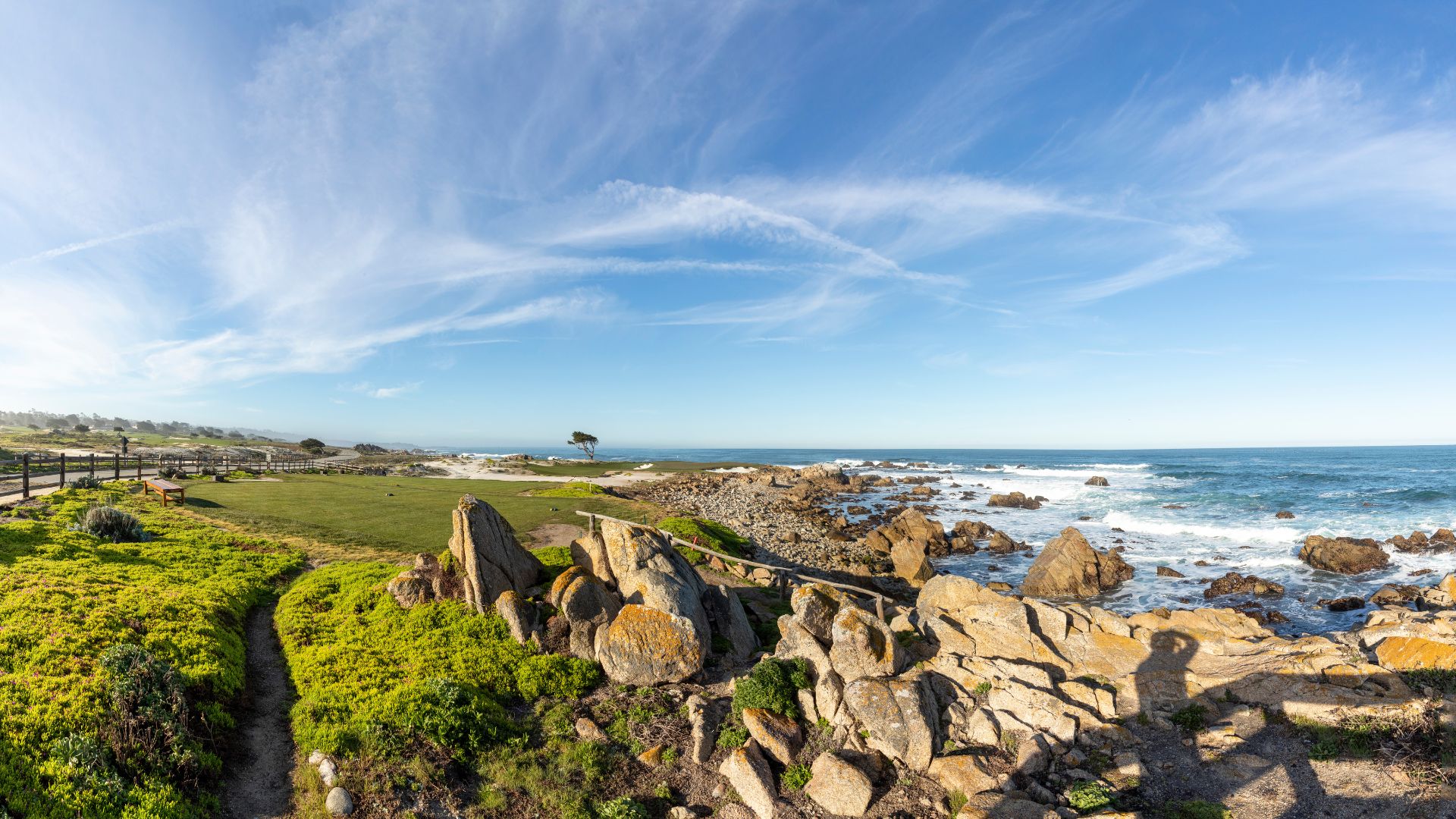
Spanish Bay and the Boardwalk
Spanish Bay Beach is where explorers camped out in 1769. They spent ages searching for Monterey Bay, guided by descriptions from 1602.
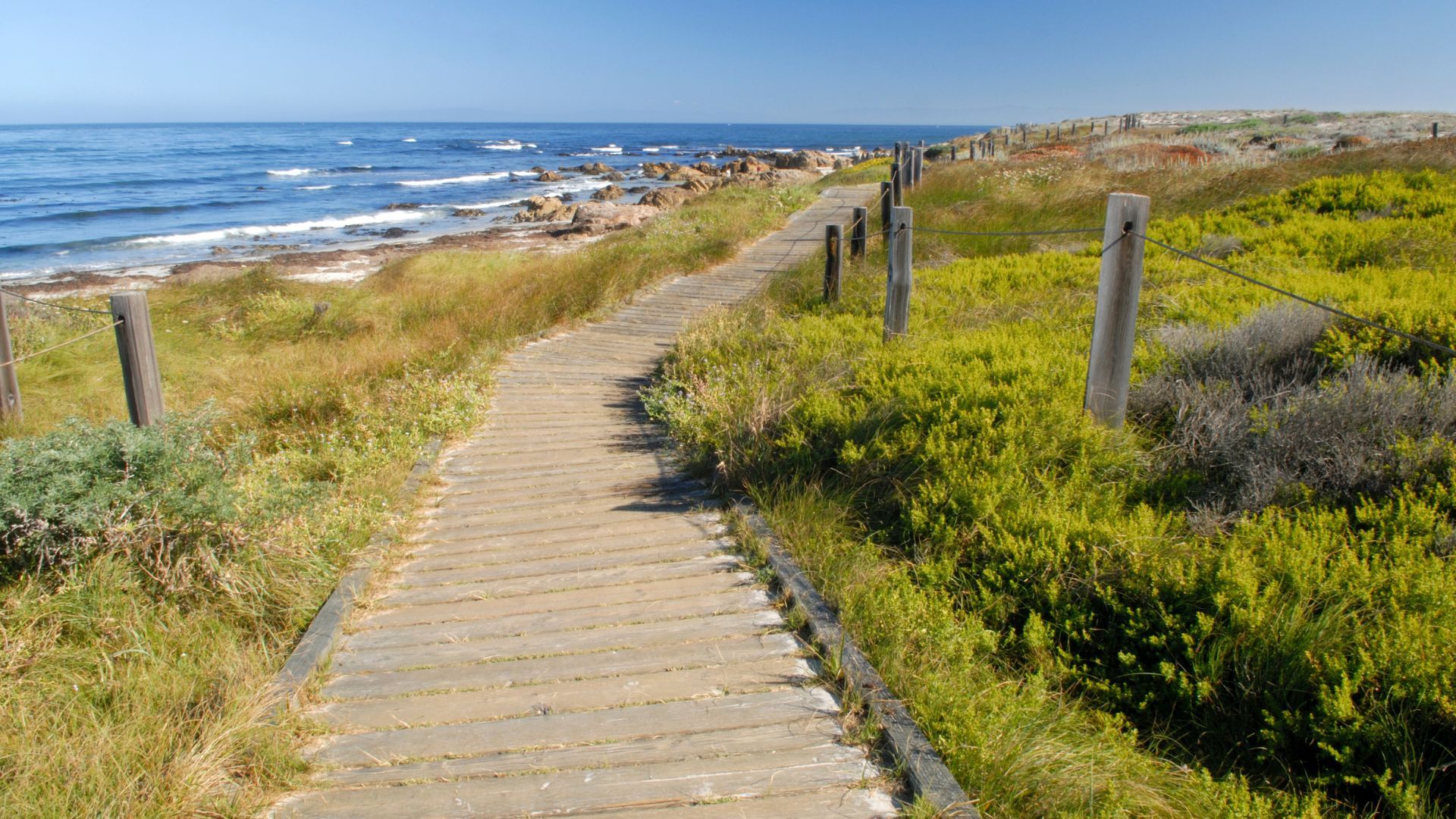
The boardwalk here is perfect for a stroll. I wandered along the sand, watching surfers and families enjoy the waves.
Sand dunes line the beach, giving it a different look than the rocky sections. Native plants keep the dunes in place.
What you’ll find:
- Wooden boardwalk for easy walking
- Sandy beach access
- Dune habitats to explore
- Surfing spots
From Spanish Bay, you can walk right over to Cypress Point Lookout for a killer sunset.
The boardwalk winds through dune vegetation, and there are signs explaining the local ecosystem and plants. It’s a nice touch.
Wildlife and Natural Attractions Along the Route
The 17-Mile Drive is a goldmine for wildlife spotting. From lounging marine mammals to ancient cypress forests, you’ll get up close with California’s wild side—and honestly, that alone makes the entrance fee feel justified.
Marine Life: Sea Lions, Harbor Seals, and Otters
I’ve found Bird Rock and Seal Rock to be the best for marine life viewing. These spots are home to big colonies of sea lions and harbor seals all year.
At Bird Rock, I watched dozens of sea lions soaking up the sun. Seals get most active in the mornings and late afternoons. Their barking calls echo all the way to the parking area.
Harbor seals love Fan Shell Beach, especially during pupping season. The beach actually closes from April to June to protect the pups, so keep that in mind.
I’ve spotted sea otters floating in the kelp beds at a few stops. They’re a bit shy, but if you bring binoculars, you might catch them playing in the waves.
The rocky coastline here is perfect for these animals. Monterey Bay’s nutrient-rich waters keep them well-fed, so wildlife sightings are pretty much guaranteed.
Seabirds and Birdwatching Highlights
The seabird variety on 17-Mile Drive always surprises me. Bird Rock is packed with pelicans, cormorants, and gulls.
I’ve watched brown pelicans dive for fish just offshore. Cormorants stand on the rocks, wings outstretched to dry. During spring and summer, western gulls nest along the cliffs.
Whale watching adds another layer. Gray whales pass by from November to March, and I’ve spotted their spouts from several viewpoints.
Early morning or late afternoon is best for birdwatching. The birds are more active, and the light is perfect for photos.
Point Joe and China Rock give you great elevated views for spotting different species. The rocky outcrops make ideal nesting spots for seabirds all year.
Forests and Cypress Trees
The Del Monte Forest stretches across much of the 17-Mile Drive. It’s a place where you’ll find some of the world’s rarest trees, which still amazes me every time I visit.
Monterey cypress trees? They only grow naturally in two spots on Earth. Pebble Beach is one of them. The other is Point Lobos, just across Monterey Bay.
Crocker Grove really stands out. I’ve wandered through there and seen some of the oldest and largest cypress trees around. These ancient giants have weathered harsh coastal winds and salt spray for centuries.
The grove gives you a calm break from the endless ocean views. Sometimes, you need that pause.
And then there’s the famous Lone Cypress—probably the most photographed tree in North America. This 250-year-old survivor clings to its rocky perch, showing off just how tough these cypress trees can be.
At Pescadero Point, the Ghost Trees tell a different story. These bleached cypress skeletons remind you of nature’s power. The ocean’s salt spray and pounding waves eventually took them down.
Luxury and Leisure: Pebble Beach Resorts, Dining, and Activities
The 17-Mile Drive winds right past some of the most prestigious resorts and golf courses you’ll ever see. There are four championship courses and three luxury hotels, each with its own style and set of amenities.
Whether you’re craving ocean-view fine dining or just want to unwind with a spa treatment, you’ll find all kinds of ways to enjoy your time here. Honestly, it’s hard to decide what to do first.
Golf Courses and the Pebble Beach Experience
Pebble Beach surprised me with five distinct golf courses. Each one has its own vibe.
Pebble Beach Golf Links is the crown jewel. People rate it the No. 1 public course in the country, and I get why.
Spyglass Hill Golf Course takes you on a challenging journey inland. The fairways twist through the forest before suddenly opening up to those iconic coastal views.
The Links at Spanish Bay brings a Scottish-style links feel. The course sits right on the dunes, so ocean views are pretty much everywhere you look.
Del Monte Golf Course claims the title of oldest course west of the Mississippi. It’s more affordable and usually less crowded than the others.
The Hay offers a short 9-hole course. It’s perfect if you’re a beginner or just want a quick round. No stuffy dress code here.
| Course | Style | Difficulty | Best For |
|---|---|---|---|
| Pebble Beach Golf Links | Coastal Links | Championship | Bucket List |
| Spyglass Hill | Forest/Coastal | Very Hard | Serious Golfers |
| Spanish Bay | Scottish Links | Moderate | Scenic Play |
| Del Monte | Parkland | Easy | Families |
| The Hay | Short Course | Beginner | Quick Rounds |
Resort guests can grab tee times up to 18 months in advance. If you’re not staying at a resort, you’ll have to wait until 24 hours before to book Pebble Beach Golf Links.


Dining Options and Picnic Spots
Dining along the 17-Mile Drive covers everything from laid-back to ultra-fancy. Stillwater Bar & Grill at The Lodge serves up oceanfront meals with a front-row seat to the 18th hole.
You’ll find several restaurants scattered through the three main resorts. The Lodge offers a range of options, from casual bites to upscale dinners.
The Inn at Spanish Bay has its own set of restaurants. Casa Palmero keeps things intimate for its guests.
Sometimes I just want something simple. There are picnic tables tucked along the drive, perfect for a DIY meal with unbeatable views.
Pro tip: Spend $35 at any Pebble Beach Resorts restaurant (except Pebble Beach Market) and they’ll reimburse your $12.25 gate fee.
Each restaurant suits a different mood or occasion. Some even have outdoor patios where your dog can join, as long as you keep them leashed.
Accommodations: Hotels and Spa
Three luxury hotels line the drive, each with its own personality. The Lodge at Pebble Beach sits right on the famous golf course, with sweeping ocean views.
The Inn at Spanish Bay feels more secluded. It’s about seven miles from The Lodge and features Spanish-inspired design.
Casa Palmero offers the most intimate vibe. This Mediterranean-style villa has just 24 rooms and sits next to The Lodge.
All three hotels give guests access to The Spa at Pebble Beach. The spa treats you to ocean views and all the luxury touches you’d expect.
Here’s how bookings work:
- The Lodge and Inn: Book up to 18 months ahead
- Casa Palmero: Book up to 12 months ahead
The Lodge welcomes dogs for $150 a night. Service animals can stay at any of the properties.
The Lodge and Casa Palmero sit side by side. You’ll need about 10 minutes to drive from there to The Inn.
Shopping and Resort Activities
Pebble Beach isn’t just about golf—there’s a whole lot more going on around here. I stumbled upon the Pebble Beach Equestrian Center, where you can ride horses along some really stunning trails. The views? Honestly, they’re hard to beat.
If you love shopping, each golf course has its own pro shop. The Lodge also has a handful of retail stores packed with golf gear and accessories. It’s easy to lose track of time browsing through everything.
For anyone craving some relaxation, The Spa at Pebble Beach is the main spot. You can book a treatment in a room with ocean views—talk about luxury. The services feel every bit as indulgent as you’d hope.
There’s actually a surprising variety of things to do:
- Play tennis on the courts at the resort properties.
- Wander hiking trails that hug the coastline.
- Try kayaking in the nearby waters if you’re feeling adventurous.
- Lounge by heated outdoor pools, which are great even when it’s chilly.
- Or just unwind in billiard rooms and cozy up with a book in the libraries.
Getting around isn’t a hassle at all. Courtesy shuttles zip guests between the resorts and the golf courses, so you can easily check out different spots without worrying about parking.
If you’re looking for a gift, you can grab resort gift cards online. They work everywhere—from hotels and restaurants to the spa and shops.
Most people flock here between April and November, but all three resorts keep the doors open year-round. You’ll find the full lineup of amenities no matter when you visit.
