
When I first thought about visiting the Louvre in Paris, I honestly wasn’t sure if it’d be worth it since I’m not really into art. The crowds, the endless rooms of paintings—it sounded kind of exhausting. But with so many people raving about it, skipping the place just felt wrong.
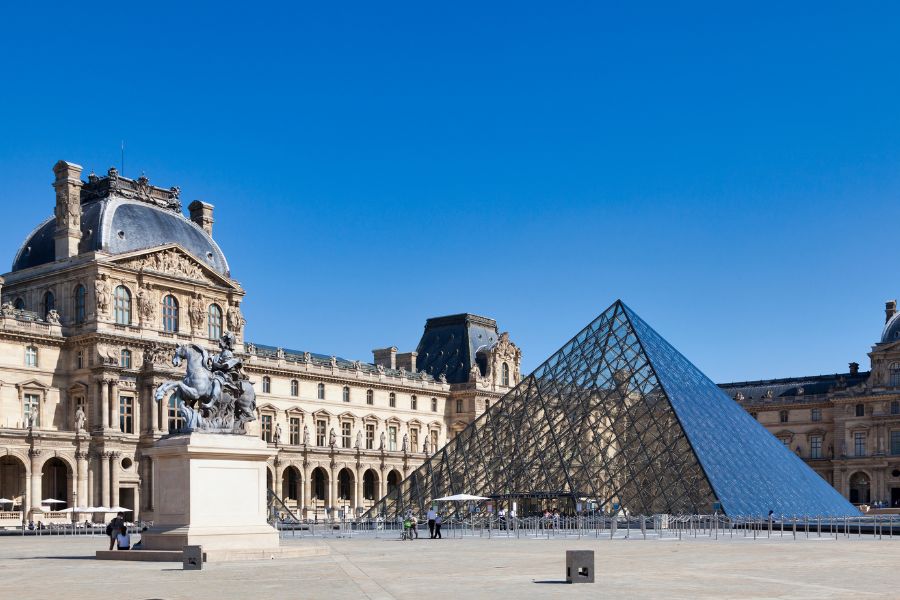
The Louvre is absolutely worth visiting, even if you’re not an art buff. There’s just so much more to see than famous paintings. I wandered through the Louvre and realized the building itself is a masterpiece. The history hits you, and it’s easy to get caught up in the thrill of finding something unexpected. That glass pyramid outside? Iconic. And inside, every turn leads to something cool or surprising.

If you’re heading to Paris and feeling unsure about the Louvre, I promise you can enjoy it—even if you don’t geek out over art. I’ll share my honest thoughts, some tips, and how to make the most of your visit, no matter your art background.
Is the Louvre Really Just for Art Buffs?
You don’t need to be an art nerd or have a list of favorite painters to enjoy the Louvre. There’s a ton to explore, from the museum’s own wild history to the buzz of Parisian culture all around you.
Debunking Louvre Stereotypes
Before I went, I pictured endless galleries, packed with paintings and people elbowing their way to see the Mona Lisa. Honestly, it sounded like a lot for someone who isn’t obsessed with art.
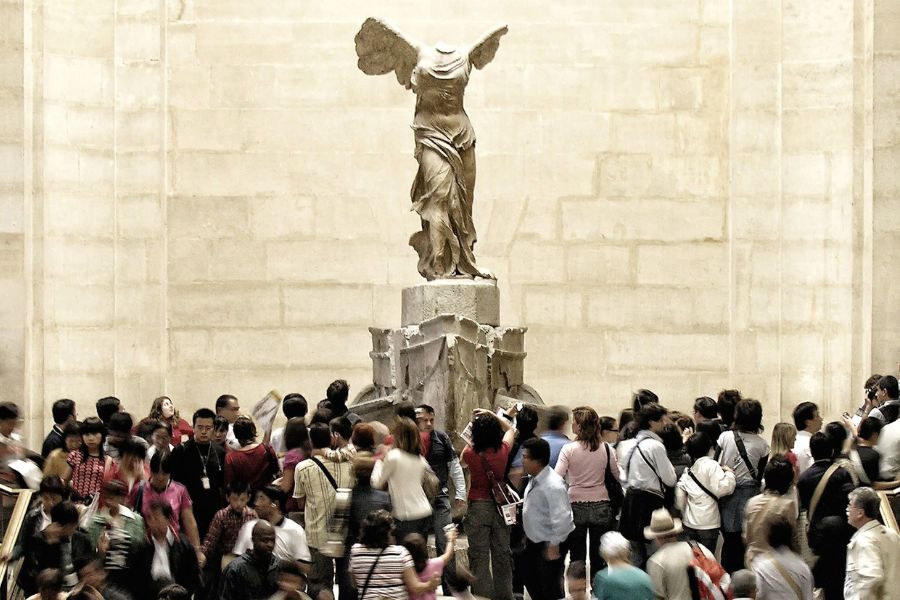
But that idea faded as soon as I got inside. The museum actually welcomes all kinds of curiosity. Most visitors aren’t art historians—they’re just regular folks, families, and travelers. You’ll spot everyone: slow wanderers, selfie hunters, and people just soaking it all in.
Common Stereotypes:
- Only “serious” art lovers will have fun
- It’s just paintings everywhere
- You’ll get bored if you don’t know art
Once you walk in, those ideas fall apart. The Louvre’s got something for everyone, from Egyptian mummies to Napoleon’s Apartments.
Why the Louvre Appeals Beyond Art Lovers
The Louvre isn’t just about the art—it’s a slice of history. This place used to be a royal palace, and you can feel that old-world vibe under the glass pyramid and through those marble halls.
You’ll find all kinds of collections:
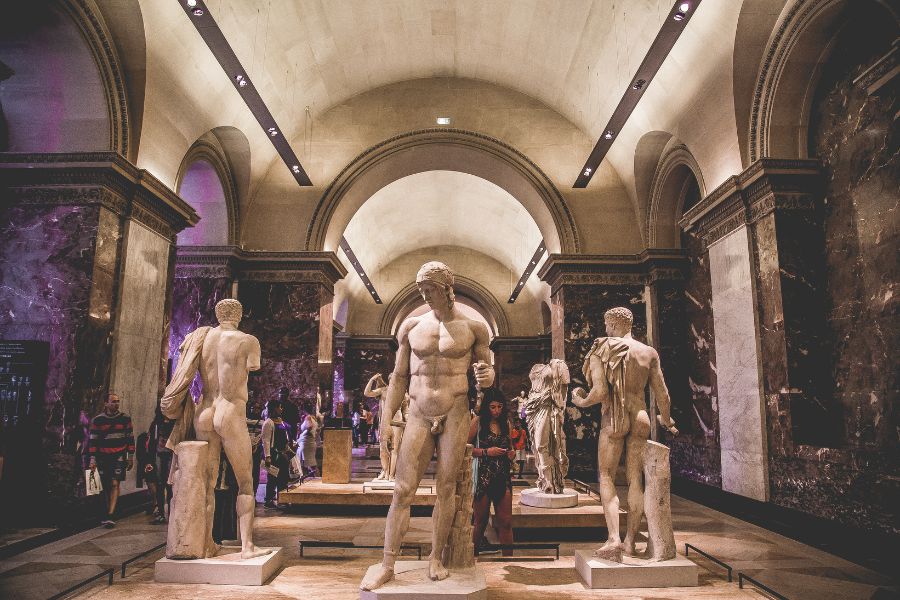
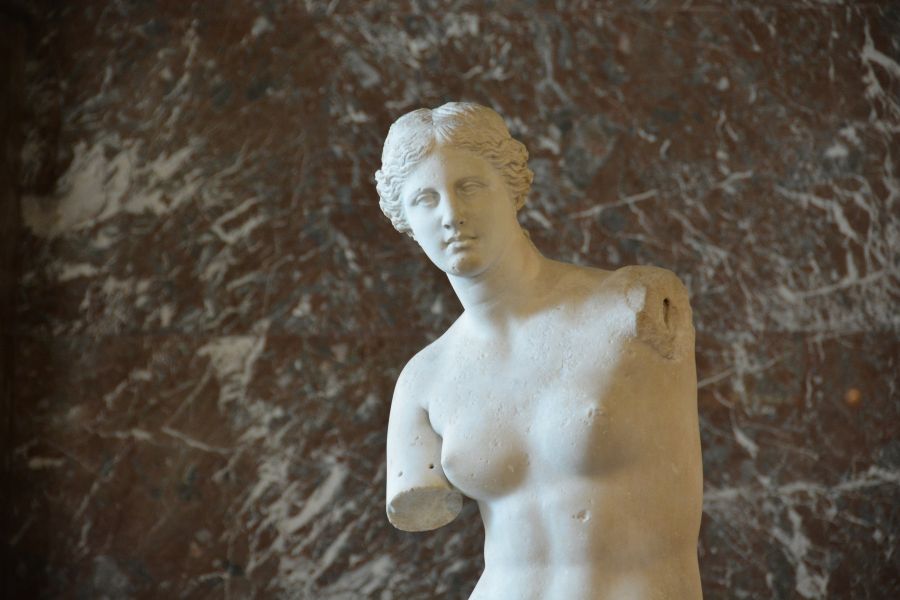
- Ancient Greek statues like the Venus de Milo
- Egyptian artifacts and sarcophagi
- Decorative arts, swords, and jewels
- Ceilings and architecture that’ll make you look up
Even if you can’t name a single artist, the sheer scale and variety will grab your attention. I got pulled in by the museum’s role in French history and how it mirrors changes in society.
Tip: Grab a bench and watch people for a bit. Sometimes, that’s as interesting as the art.
Personal Reflections on Visiting Without an Art Background
Honestly, I worried I’d stick out, like I was missing some secret code all the “real” art fans knew. Turns out, it’s not like that at all.
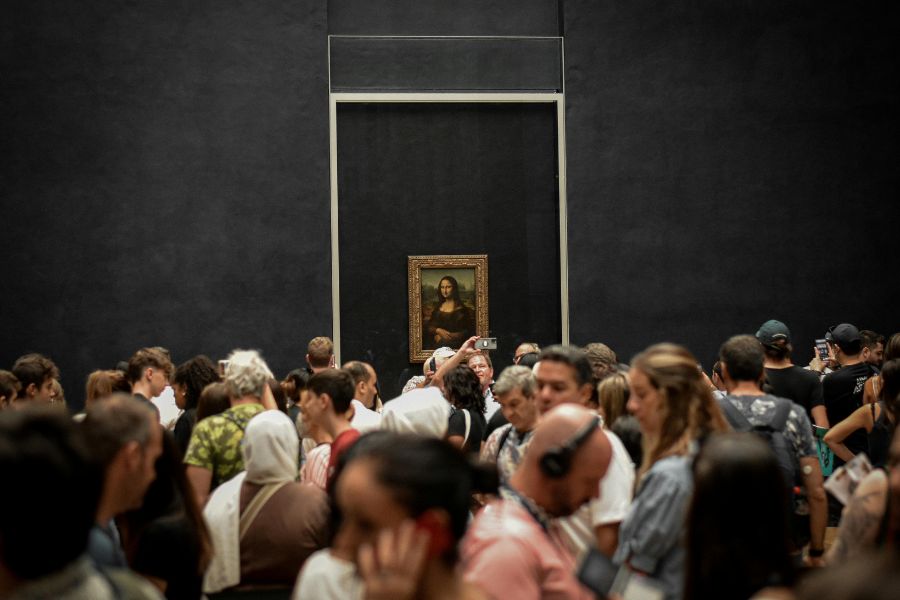
I just looked for what interested me, instead of trying to see it all. The Mona Lisa’s energy is contagious, even if you’re not a da Vinci person. Sometimes, a sculpture’s hands or an old coin became the highlight of my day.
If you don’t know where to start, jot down a couple of must-sees and let yourself wander. There are snacks, benches, and helpful staff, so you can always pause. For me, it’s about being open to the experience, not about knowing everything.
Highlights and Hidden Gems for Every Visitor
First-timer or repeat visitor, the Louvre isn’t just its famous paintings. It’s a massive place full of world-famous works, secret corners, and chill spots that most people miss.
Must-See Masterpieces Like the Mona Lisa and Beyond
Most folks come for the Mona Lisa. She’s smaller than you’d expect and always draws a crowd, but seeing her up close is a memory you’ll keep. I dodge the worst crowds by going early or heading straight there when the doors open.
Venus de Milo is another must—she’s got this ancient calm that stands out. I love walking the grand halls and watching people gather around the Winged Victory of Samothrace or Delacroix’s Liberty Leading the People.
But you’ll find more than just the classics. The Louvre has Picasso, Klee, and Dubuffet drawings tucked away in quieter rooms, so you can actually stop and take it in.
| Must-Sees | Artist | Location |
|---|---|---|
| Mona Lisa | Leonardo da Vinci | Denon Wing, Room 711 |
| Venus de Milo | Unknown (Ancient) | Sully Wing, Room 346 |
| Winged Victory | Unknown (Ancient) | Daru Staircase |
| Liberty Leading the People | Eugène Delacroix | Denon Wing, Room 700 |
Unique Experiences: Beyond Paintings and Sculptures
The Louvre isn’t just about paintings. I like ducking into the Charles V rooms to see the Crown Jewels—they sparkle with stories.
There’s a Photography section with changing exhibits. It’s usually less packed, and sometimes I stumble on photos that stick with me for days. Down in the medieval moat area, interactive displays let me feel like I’m walking through history.
When my feet get tired, I’ll sit in the glass pyramid courtyard or grab a coffee by a window. Watching everyday life inside the museum is its own kind of art.
Lesser-Known Corners Worth Exploring
One of my best finds? The Marie de’ Medici cycle. These huge, dramatic paintings fill Room 18 in the Richelieu Wing’s second floor, but hardly anyone stops there.
The Pavillon de l’Horloge is another quiet spot. The displays walk you through the Louvre’s transformation from fortress to museum. You can check out ancient walls or peek at Paris rooftops in peace.
I say wander a bit. I’ve found hidden nooks with sketches and modern art from Picasso to Klee. Sometimes, those unexpected discoveries turn into the best memories.
Making the Most of Your Louvre Visit Without an Art Degree
You don’t need to love art to have a good time at the Louvre. With the right attitude, the museum is full of surprises, interactive moments, and little joys that go way beyond paintings.
Guided Tours and Themed Experiences
On my first visit, I signed up for a guided tour, and it honestly made a huge difference. Guides tell stories, point out quirky details, and make the whole place feel less overwhelming.
There are themed tours for families, foodies, fashion lovers, and even music buffs. These tours turn the visit into more of a treasure hunt than a history lesson. If you want to go solo, the Louvre has self-guided routes for highlights like the Mona Lisa, Venus de Milo, and Napoleon’s apartments.
Audio guides let me set my own pace, so I never feel rushed. I’ve even learned about cool exhibits I’d have missed otherwise.
Interactive Ways to Explore (Photography, Music, and More)
I like snapping photos to remember what stands out, and the Louvre’s fine with that as long as you skip the flash. Shooting the glass pyramid or a dramatic statue gives me a new angle on the place.
Some galleries play background music or have interactive displays where music and art mix. Once, I wandered into a space with modern tunes mixing with classical sculptures—it was weirdly fun.
If you like hands-on stuff, check the museum’s schedule for workshops or family programs. Sketching sessions and digital games help if you start feeling overwhelmed.
Tips to Avoid Overwhelm and Enjoy Your Time
The Louvre is massive—seriously, it’s easy to get lost. I pick one wing or a theme and stick with it. A focused plan makes everything less stressful.
I go early or late to dodge the biggest crowds, especially near the Mona Lisa. Using a map or the Louvre app helps me find quiet corners when I need a break.
Short breaks for snacks or sitting in a courtyard keep me going. I always wear comfy shoes and leave big bags at home to speed up security. When the crowds get to me, I remind myself it’s fine to skip stuff and just focus on what I like.
Planning Your Trip: Practical Tips for First-Time Visitors
You can have a great time at the Louvre even if you’re more into the Eiffel Tower or Parisian cafés than art. A little planning goes a long way—skip the lines, see your favorites, and enjoy one of Paris’s most famous museums.
Best Times to Visit and Ticket Advice
The Louvre closes on Tuesdays, so plan around that. Weekends and school holidays get packed. I’ve found weekday mornings or late afternoons are way quieter, which makes everything easier.
Book your ticket online—it saves a ton of time. You’ll pick a time slot, which keeps crowds down. I skip the main Pyramid entrance and use the Porte des Lions or Carrousel entrance to avoid the worst lines.
If you’re short on time, check the Louvre map online and pick your top three highlights. Some folks just want to see the Mona Lisa, but I always add the Egyptian collection and Napoleon’s apartments. Writing down room numbers saves me from wandering in circles.
What to Bring and How to Get Around
I keep my bag light—just a phone, water bottle, and a little notebook for notes or doodles. Big backpacks aren’t allowed, but there’s a free cloakroom if you need it.
Wear comfortable shoes. The museum is huge, with miles of corridors. I stick with sneakers and take breaks on benches. Photos are fine (just no flash), so I always have my phone or a small camera ready.

Signs are mostly in French, but most displays have English too. If I’m worried about getting lost, I use the Louvre’s free app—it’s got maps and audio tours. Even if it’s your first time, you can make the visit your own.
Connecting the Louvre to Your Global Travels
Visiting the Louvre can totally change how you see museums everywhere, even if you’re not an art buff. Every museum has its own charm—sometimes it’s the building, sometimes the stories, sometimes just people-watching and moving at your own pace.
Comparing the Louvre to Museums Around the World
After I spent a packed afternoon at the Louvre, I really started to notice what sets each museum apart. The Louvre is massive and almost always busy. But honestly, it’s not just about famous paintings.
You’ll find ancient statues, Egyptian artifacts, and these rooms filled with royal French décor. When I think about the Boston Museum of Fine Arts, it feels way more manageable. It’s not overwhelming, and you don’t feel that pressure to rush from masterpiece to masterpiece.
Buenos Aires’ Museo Nacional de Bellas Artes? It’s got a totally different vibe. Things feel quieter, and the art focuses more on Latin American stories. Sometimes you might even stumble onto a free talk or a local event.
Each museum lets you see a city’s culture and history from a fresh angle. I’ve realized you don’t need to be an art expert to enjoy them. Just bring some curiosity and you’ll get something out of it.
Here’s a simple comparison:
| Museum | Size | Crowd Level | Unique Feature |
|---|---|---|---|
| Louvre (Paris) | Massive | High | Mona Lisa, Royal Palace |
| Museum of Fine Arts (Boston) | Large | Medium | Diverse World Collections |
| Museo Nacional de Bellas Artes (Buenos Aires) | Medium | Low | Latin American Art |
Taking Inspiration for Your Next Destination
After Paris, I started hunting for museums wherever I went. The Louvre nudged me to wander into local galleries, even in places I wouldn’t have considered before.
Sometimes, a tiny exhibit or a quiet sculpture room tells you as much about a city as its big-name attractions. Isn’t it wild what you can learn from a single painting or an odd artifact tucked in a corner?
After the Louvre, I checked out museums in Boston and Buenos Aires. Boston’s galleries felt super welcoming, with hands-on activities and these bright, modern spaces where families just hung out.
Buenos Aires, though, offered something else—paintings that told stories from Argentina’s past. The museum building itself felt old and a bit mysterious, kind of like the city’s lively streets outside.
Now, I make it a habit to visit at least one museum in any city I land in. Even if I don’t linger, I always walk away with a better sense of local life and history.
That first spark at the Louvre? It still shapes the way I travel.
