
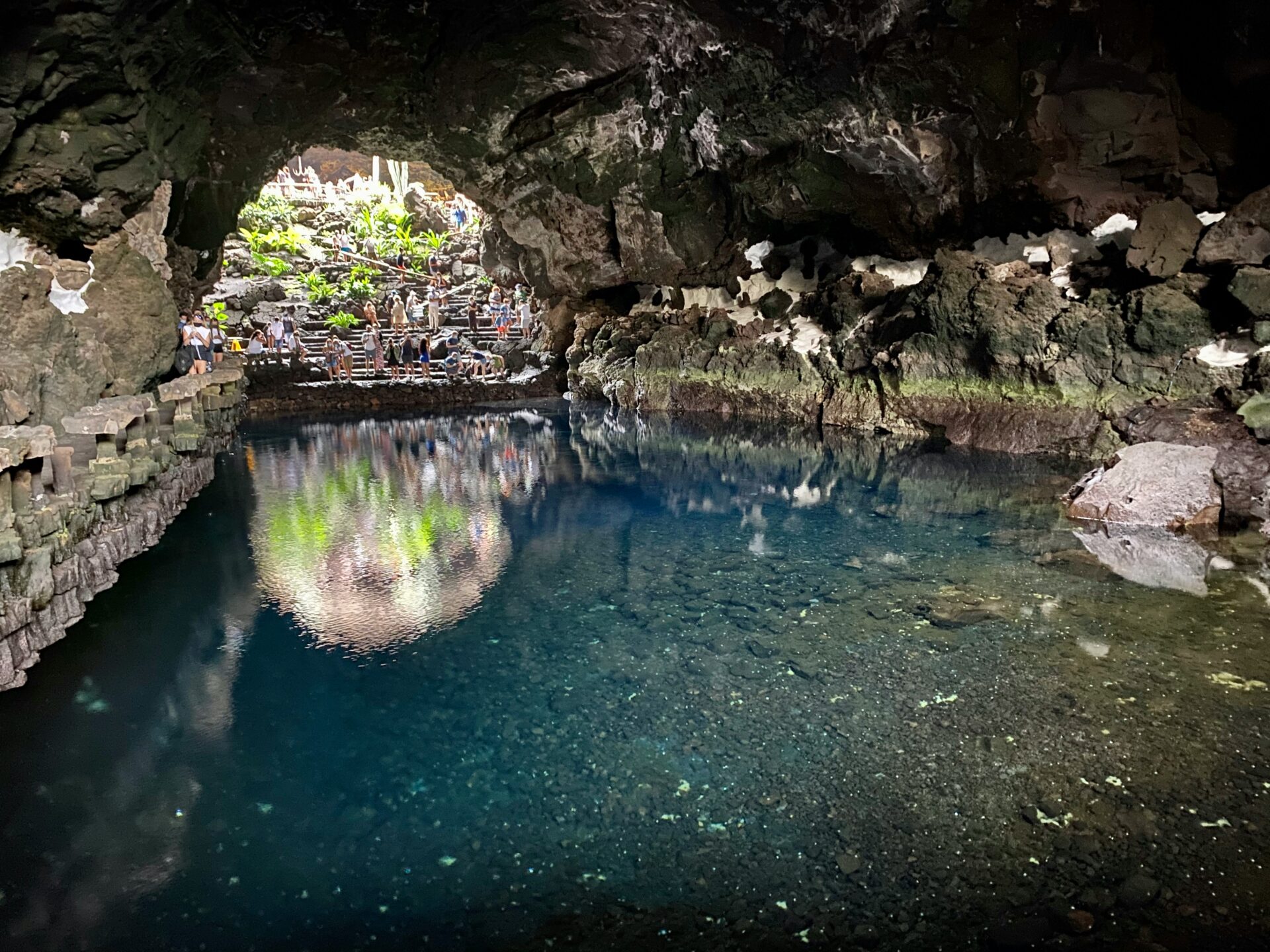
Hidden beneath the volcanic landscape of northern Lanzarote, there’s a place that feels straight out of a surreal dream. Jameos del Agua takes wild, natural lava tubes and turns them into an underground world where art and geology collide, creating spaces that honestly don’t feel like anything else on Earth. I’ve wandered through plenty of caves, but stepping down César Manrique’s spiral staircase into this place? That’s something I’ll never forget.
It’s not just the dramatic volcanic architecture that makes Jameos del Agua stand out. An underground lagoon shimmers with crystal-clear water and hides a colony of rare blind albino crabs you won’t find anywhere else. Manrique’s vision took raw lava and transformed it into cultural spaces that feel elegant but still wild. Let’s wander through the main caverns, get curious about the science behind those strange crabs, and peek into the auditorium, museum, and research center.
I’ll share the nitty-gritty of visiting, plus tips on what else to see nearby. If you think you know what a cave tour is like, this place will make you think again.
Jameos del Agua: A Volcanic Wonder Designed by César Manrique
Jameos del Agua isn’t just another tourist spot—it’s the first big project where César Manrique brought his artistic vision to life inside volcanic caves left behind by ancient eruptions. He didn’t just build on top of nature; he worked with it, turning forgotten lava tubes into one of Lanzarote’s iconic sights.
Origins and Geological Formation
Thousands of years ago, Monte Corona volcano erupted and sent rivers of lava flowing underground. That’s how these volcanic caves came to be.
Locals use the word “jameos” for volcanic tubes where the roof caved in, opening up the tunnels to the sky. Over time, nature exposed sections of these tunnels, creating open-air chambers that feel both ancient and alive.
Some features that really stand out:
- Sections of the lava tubes where the roof collapsed
- An underground lake formed by seawater sneaking in
- Volcanic rock walls, rough and dramatic
- Sunlight streaming in from holes above
Before Manrique got involved, the site sat abandoned, slowly falling apart. The volcanic tunnel actually runs for miles beneath the island, linking up with other caves.
Seawater seeps through the volcanic rock and fills the interior lake. That’s what makes the ecosystem here so unique—and why those blind crabs exist only in this spot.
César Manrique’s Vision and Artistic Integration
Back in 1964, César Manrique looked at this volcanic cave system and saw more than just rocks and darkness. He imagined a place where art and nature could work together.
He focused on:
- Keeping the volcanic formations untouched as much as possible
- Using lighting to highlight the cave’s natural beauty
- Designing walkways that curve with the tunnels
- Adding pools and gardens that feel like they belong
Manrique didn’t work alone—artist Jesús Soto and others helped bring the project to life over several decades.
Inside, you’ll find a restaurant, auditorium, and exhibition spaces. Volcanic rock isn’t just a backdrop; it’s the main event.
Manrique’s approach here really put him on the map as an environmental artist. He showed that you could add creativity to wild places without ruining what makes them special.
Connection to La Corona Volcano
Jameos del Agua sits inside the massive lava tube system created by the Volcán de la Corona. This same network links up with spots like Cueva de los Verdes.
The Corona volcano erupted about 4,000 years ago, sending lava underground for more than four miles.
Inside the tunnel system, you’ll find:
- Different chambers and galleries
- Hidden rivers and lakes
- Echoes and strange acoustics
- Steady, cool temperatures all year
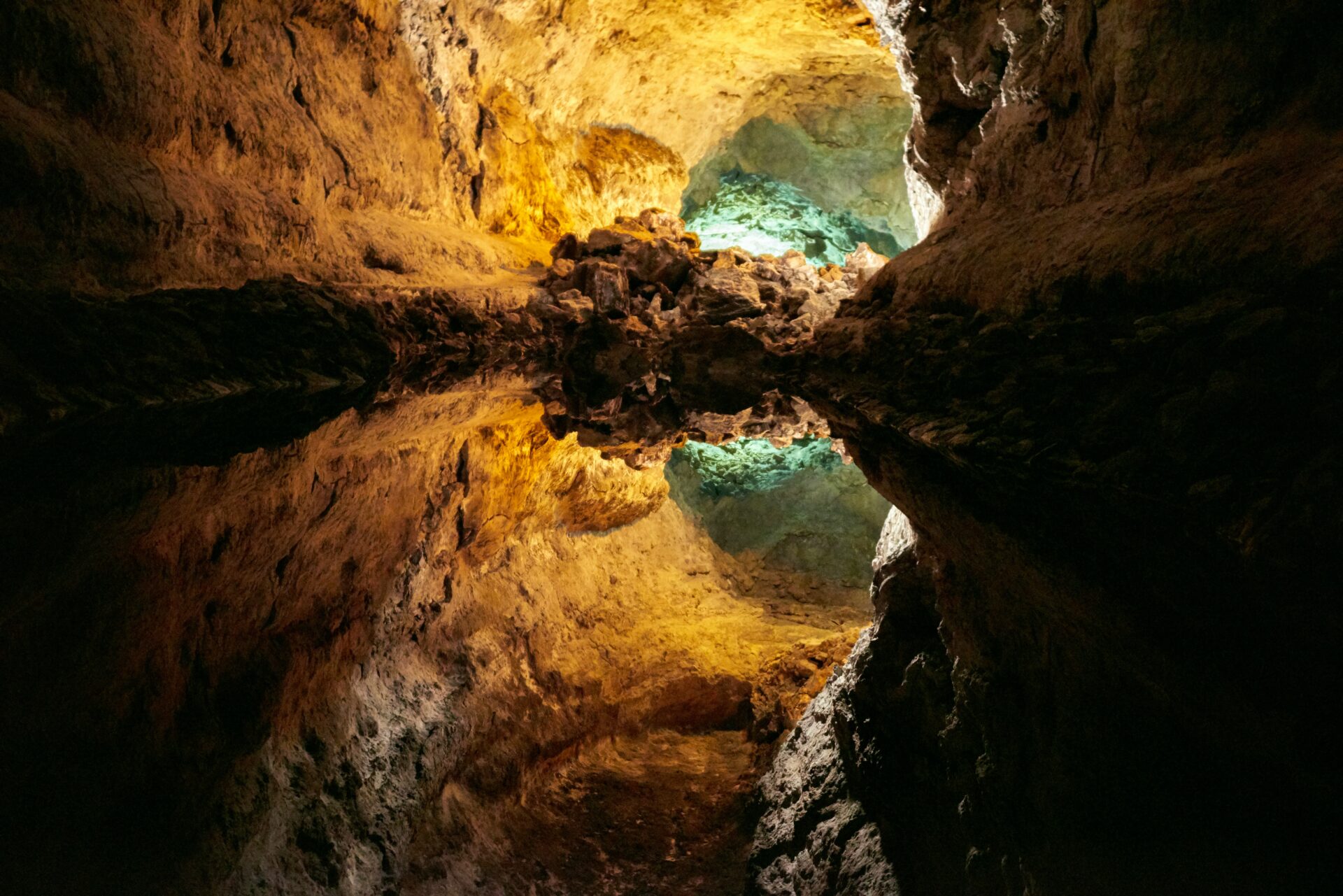
The rocks here show off deep black and rusty red colors from the ancient eruptions. Manrique’s touches of white architecture pop against those volcanic shades.
Being connected to Corona volcano ties Jameos del Agua into the bigger story of how Lanzarote’s north got its wild, otherworldly look.
Exploring the Volcanic Caverns and Jameos
Walking through Jameos del Agua, you move from one volcanic space to the next, all carved from a six-kilometer lava tube born from Corona Volcano’s eruption millennia ago. These chambers, reshaped by César Manrique, feel like a blend of raw geology and thoughtful design.
Jameo Chico: Entryway and First Impressions
I step down a spiral staircase cut right into the volcanic stone. It feels cool and a little mysterious as I go deeper.
Natural openings, or jameos, formed when the ceiling of the lava tube gave way. The tunnel itself goes on for miles, but only parts are open to explore.
What first catches my eye:
- Native plants clinging to the rough stone
- Sunbeams slipping through cracks overhead
- Lava walls shaped by ancient, molten flows
The air gets noticeably cooler and more humid compared to the dry Lanzarote sun above.
Jameo Chico acts as a sort of threshold. It sets the mood for what’s ahead, and the rock here still shows the marks of flowing lava.
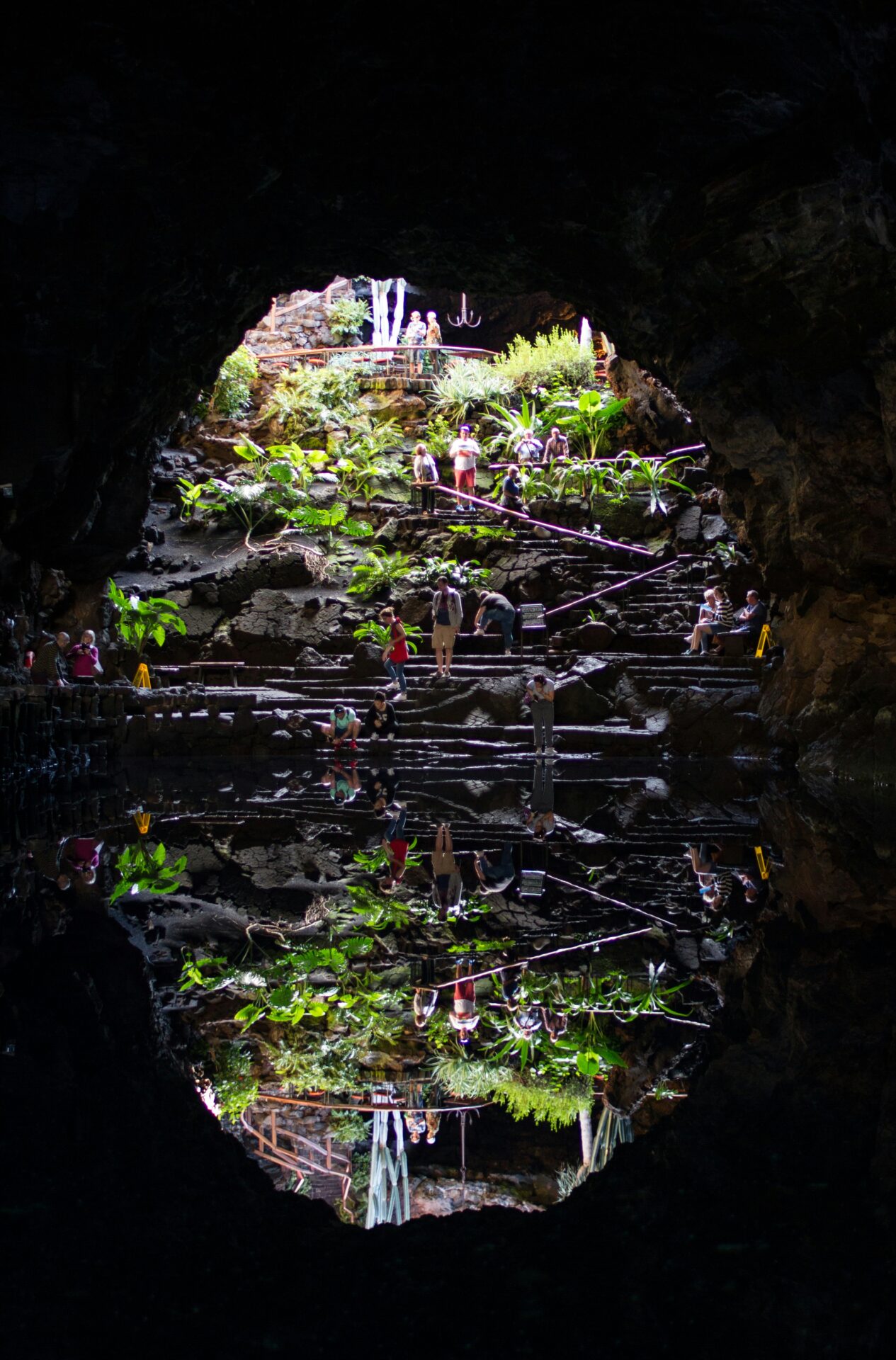
Jameo Grande: Open-Air Pool and Gardens
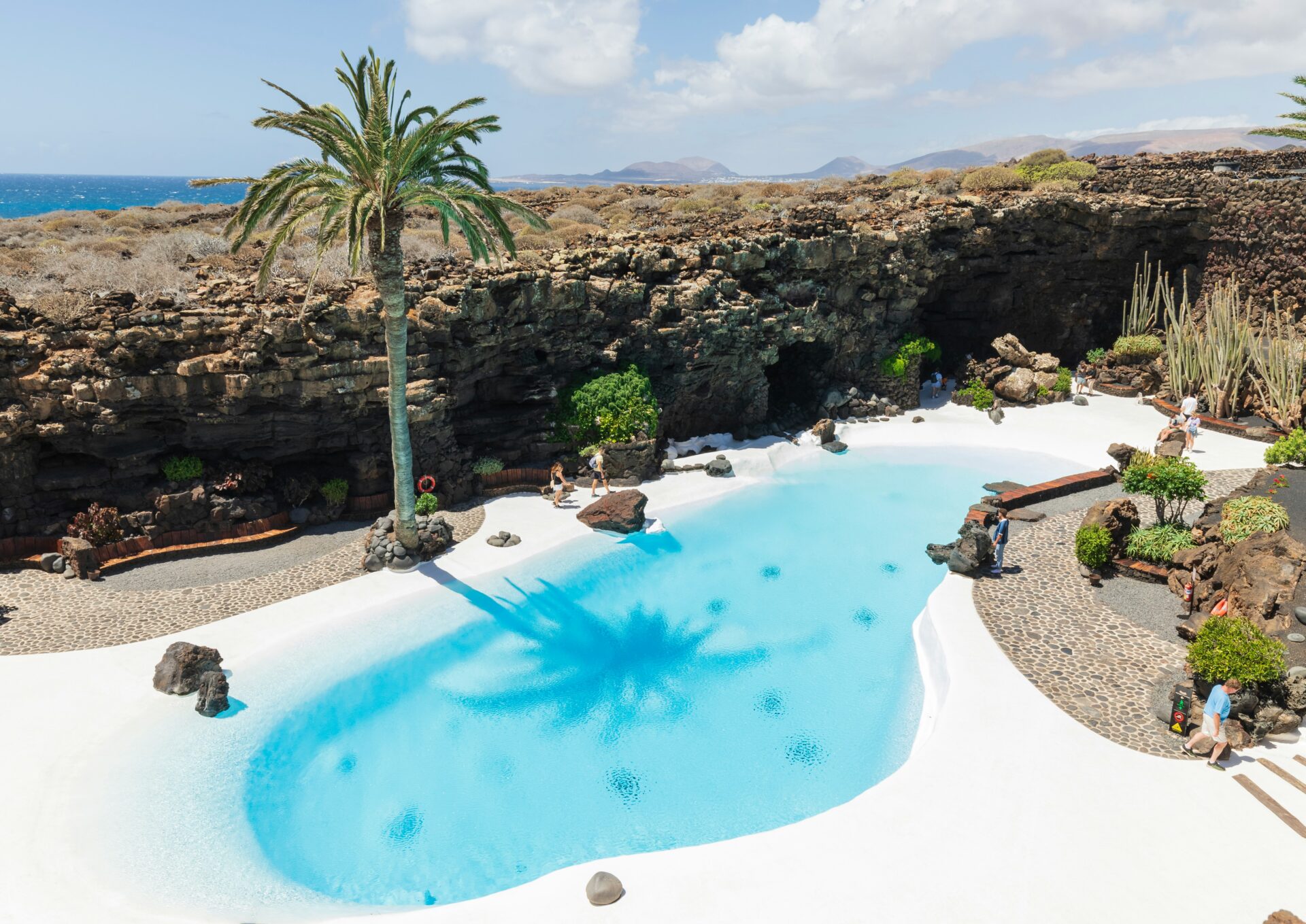
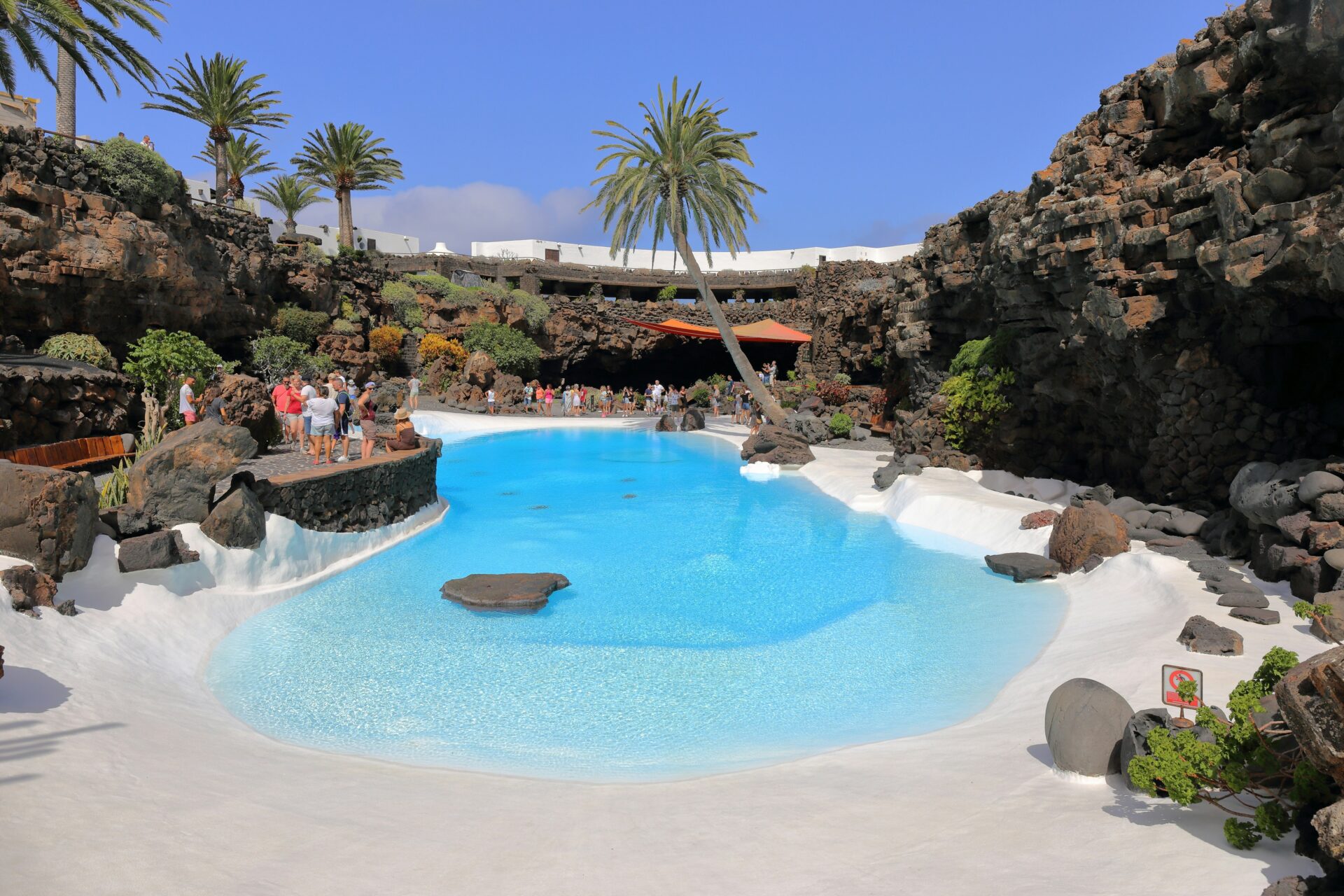
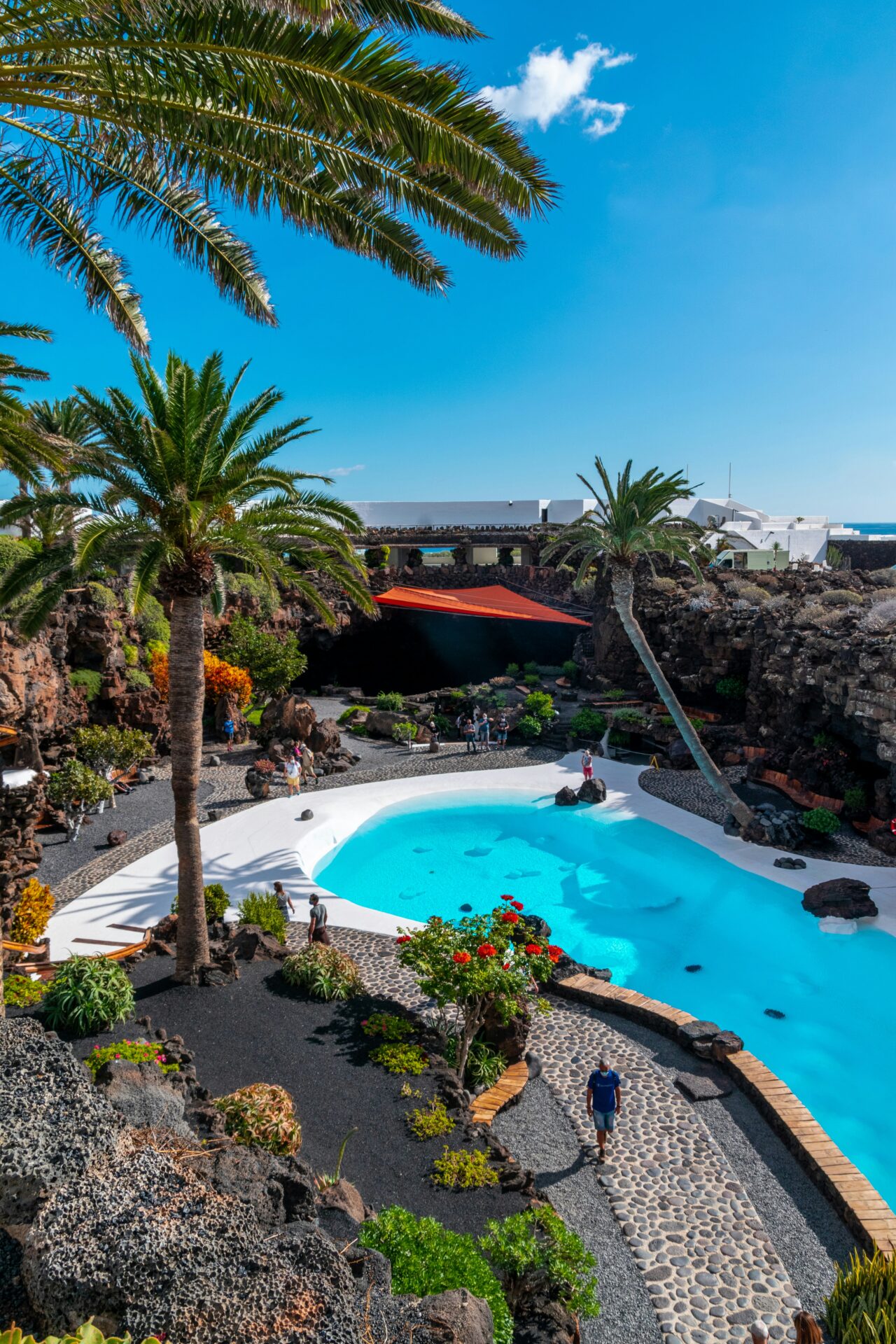
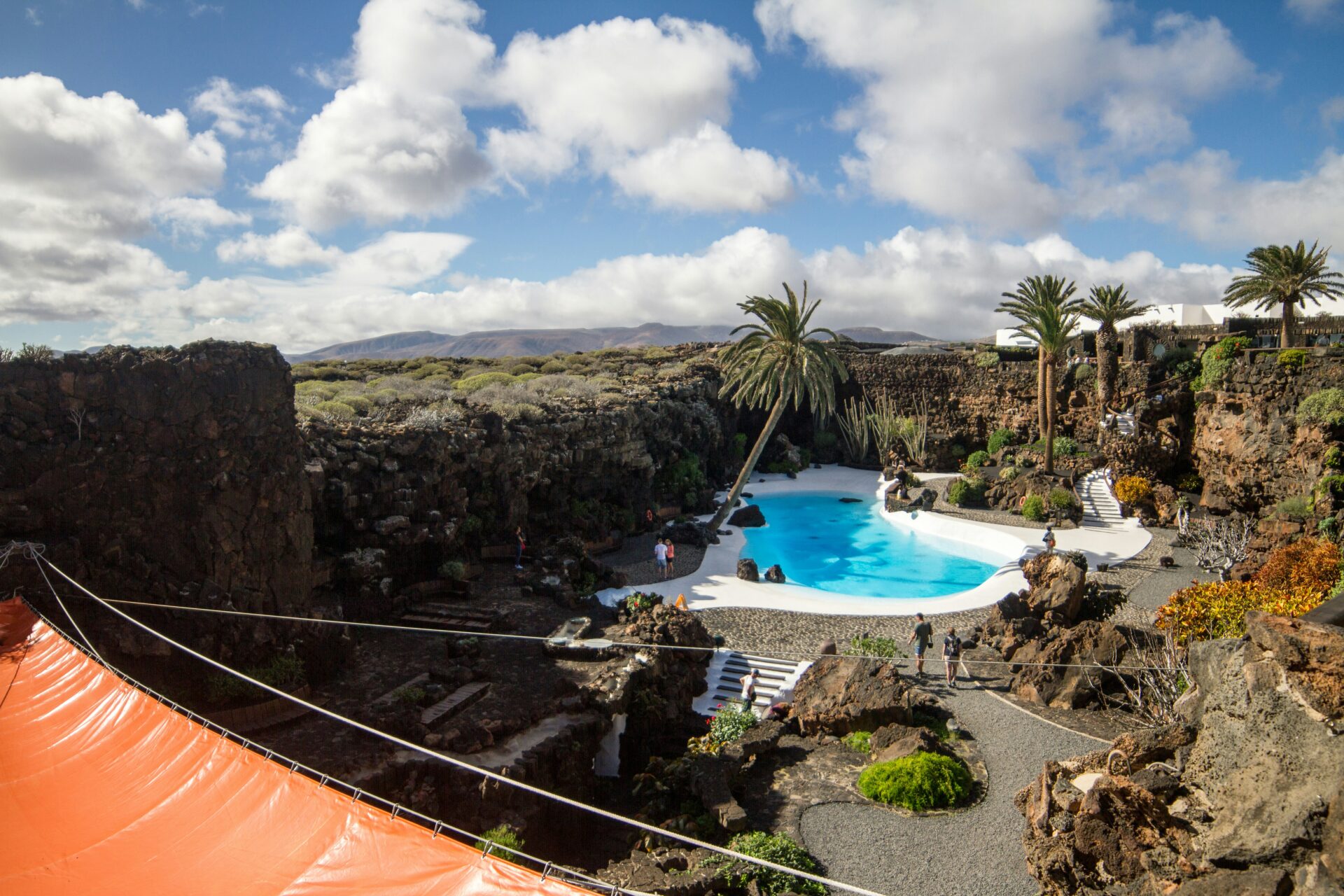
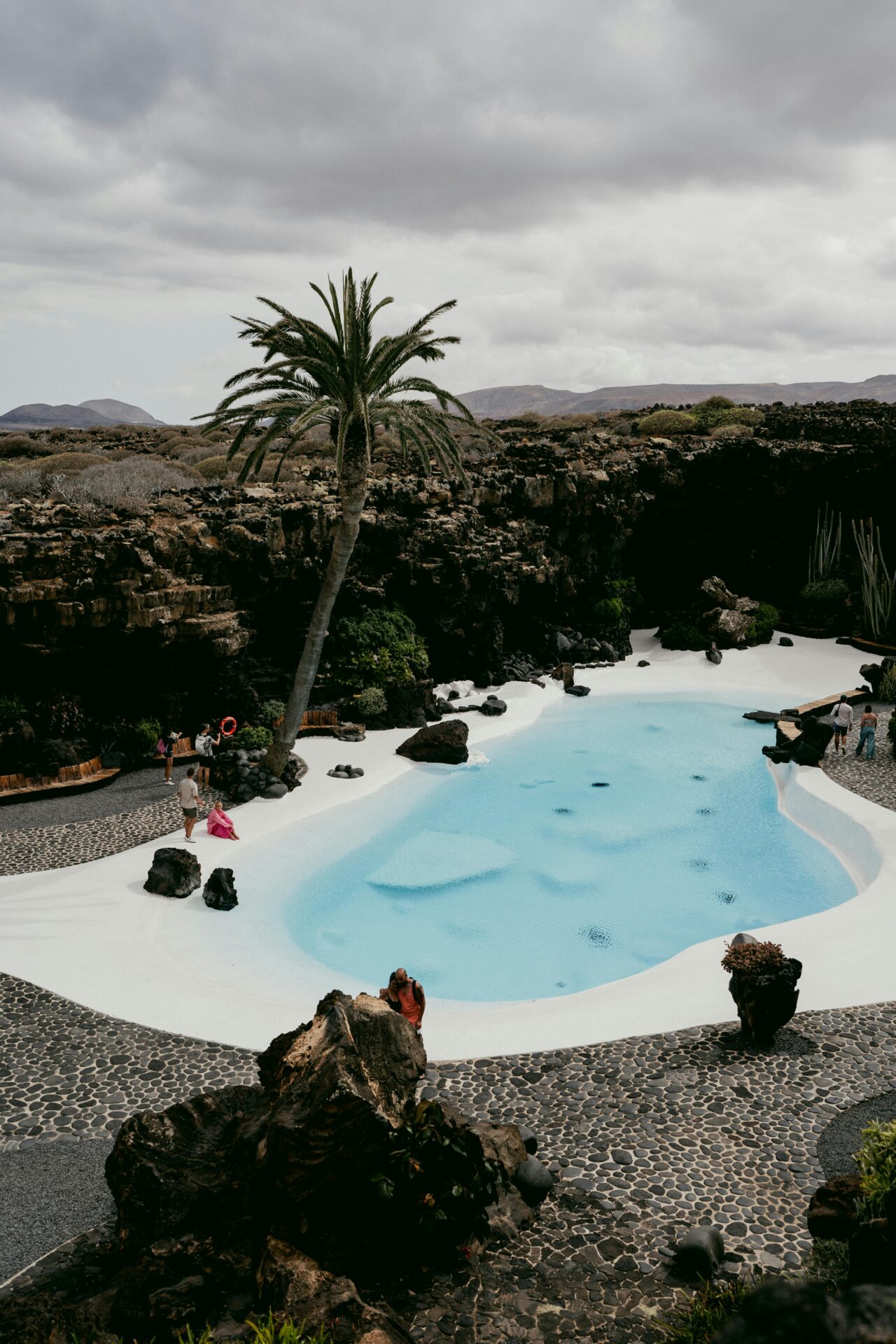
Suddenly, the space opens up into Jameo Grande, where Manrique’s striking white pool steals the show. He designed it to highlight, not hide, the wild shapes of the volcanic rock.
Here’s what stands out:
- The pool’s water, so clear it mirrors the cave walls
- Tropical plants bursting from cracks in the lava
- Skylights where the roof collapsed, letting the sun in
- Pathways winding through the lush gardens
Swimming in the pool isn’t allowed—it’s more of a visual treat than a place to cool off.
The gardens feel almost wild, with palms and other plants rooted right in volcanic soil. The contrast between green leaves and black stone is just gorgeous.
There’s also an auditorium here with 600 seats, hosting concerts and cultural events. The acoustics? Pretty unforgettable.
The Underground Lake: Filtration and Unique Ecosystem
Deeper inside, I come across a hidden lake. This pool connects to the ocean through the volcanic tunnels, and seawater filters in through the porous rock.
The lake’s temperature stays steady all year, thanks to the constant flow of Atlantic salt water.
What makes this ecosystem so rare:
- Blind albino crabs (Munidopsis polymorpha)
- Seawater so clear it’s almost unreal
- Stable, sheltered conditions
- A world protected from the weather above
Locals call the tiny white crabs “jameitos.” They evolved here, losing their eyes and color because of the darkness.
These little guys are less than a centimeter long and feed on whatever drifts in through the tunnels. They play a big role in keeping the ecosystem balanced.
Visitors have to keep quiet near the lake. Even small noises can stress out the crabs, who are super sensitive.
The Blind Albino Crabs: Marvels of Adaptation
The blind albino crabs at Jameos del Agua are honestly some of nature’s weirdest and most wonderful survivors. They’ve adapted to a world of darkness, showing just how creative evolution can get.
Munidopsis Polymorpha: Endemic Species of Lanzarote
I find these Munidopsis polymorpha crabs endlessly fascinating. You won’t spot them anywhere else—just here, in this underground lake.
They’re tiny, barely two centimeters long, and their pearly white shells come from generations spent far from sunlight.
Locals affectionately call them “jameitos,” meaning “little Jameos.” It’s a name that fits, considering how deeply tied they are to this spot.
What’s wild is that their closest relatives live in the deep sea around the Canary Islands, thousands of meters down. Scientists think an ancient eruption trapped a few here, and over time, they changed to fit their new home.
These crabs don’t use their eyes anymore, but their sense of touch and smell is off the charts. They use their antennae to feel their way around and sniff out tiny bits of food.

Habitat and Ecological Significance
The ecosystem in Jameos del Agua is perfect for these crabs. The saltwater lake stays at a steady temperature and connects to the ocean through hidden channels.
I watch them thrive in total darkness, where most creatures wouldn’t last a day. There aren’t any predators, and food drifts in with the tide.
These crabs are incredibly sensitive to changes in their environment. Pollution or too much noise can quickly impact their numbers.
Scientists study these crabs to learn about evolution and survival in extreme places. They even offer clues about the kind of life that might exist on other planets.
Unfortunately, tourism puts them at risk. People used to toss coins into the water or bring in contaminants, which threatened the crabs. Now, strict rules and heavy fines protect them.

Cultural Spaces and Visitor Experiences
Jameos del Agua isn’t just about geology—it’s a place where Manrique’s vision for blending art and volcanic rock really comes alive. You’ll find a natural auditorium, places to eat, and stunning architecture wrapped around the underground lagoons.
Auditorium: Volcanic Concert Venue
The natural auditorium here blew me away. This volcanic cave can seat up to 550 people, with rows of basalt stone benches following the cave’s natural slope.
Seats start near Jameo Grande and descend toward the next opening, working with the land instead of against it.
The stage sits right inside the volcanic tube, so the acoustics are just wild—sound bounces off the stone in ways you won’t hear anywhere else.
Musicians from all over come to play here. The combination of rock walls and clever lighting makes every performance feel magical.

On-site Restaurant and Bar
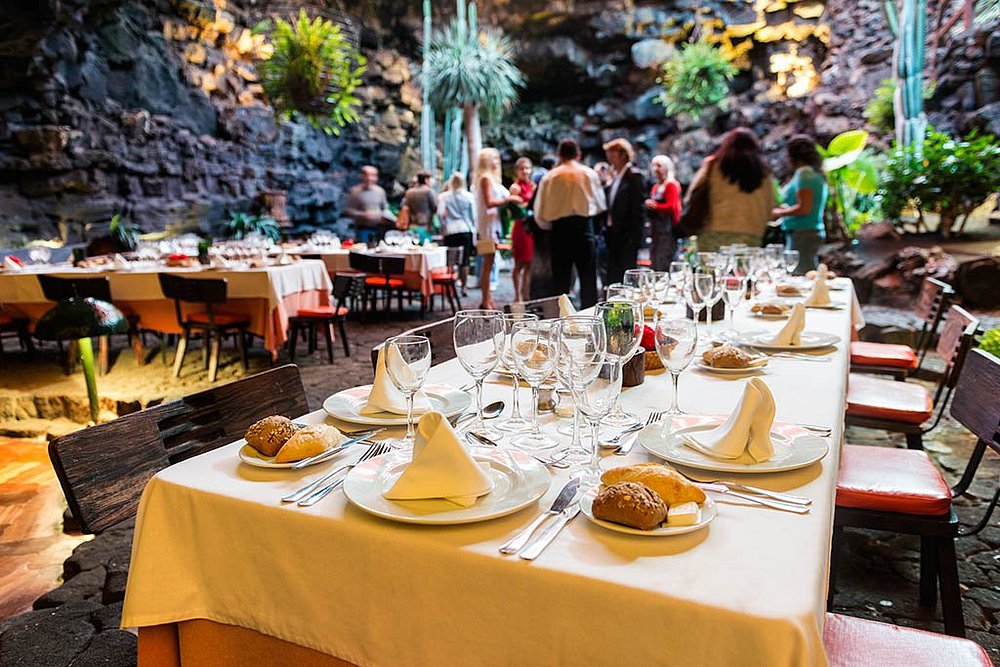
You’ll find the restaurant tucked inside Jameo Chico, the smallest volcanic opening. It keeps the natural cave vibe, with volcanic stone everywhere you look.
The menu covers local Canarian favorites and some international dishes. The lighting and rock walls make it feel cozy, almost like a secret hideaway.
There’s a bar attached, serving drinks all day. It’s a great spot to pause and soak in the atmosphere between exploring the tunnels and lagoons.
Gardens, Pool, and Architectural Highlights
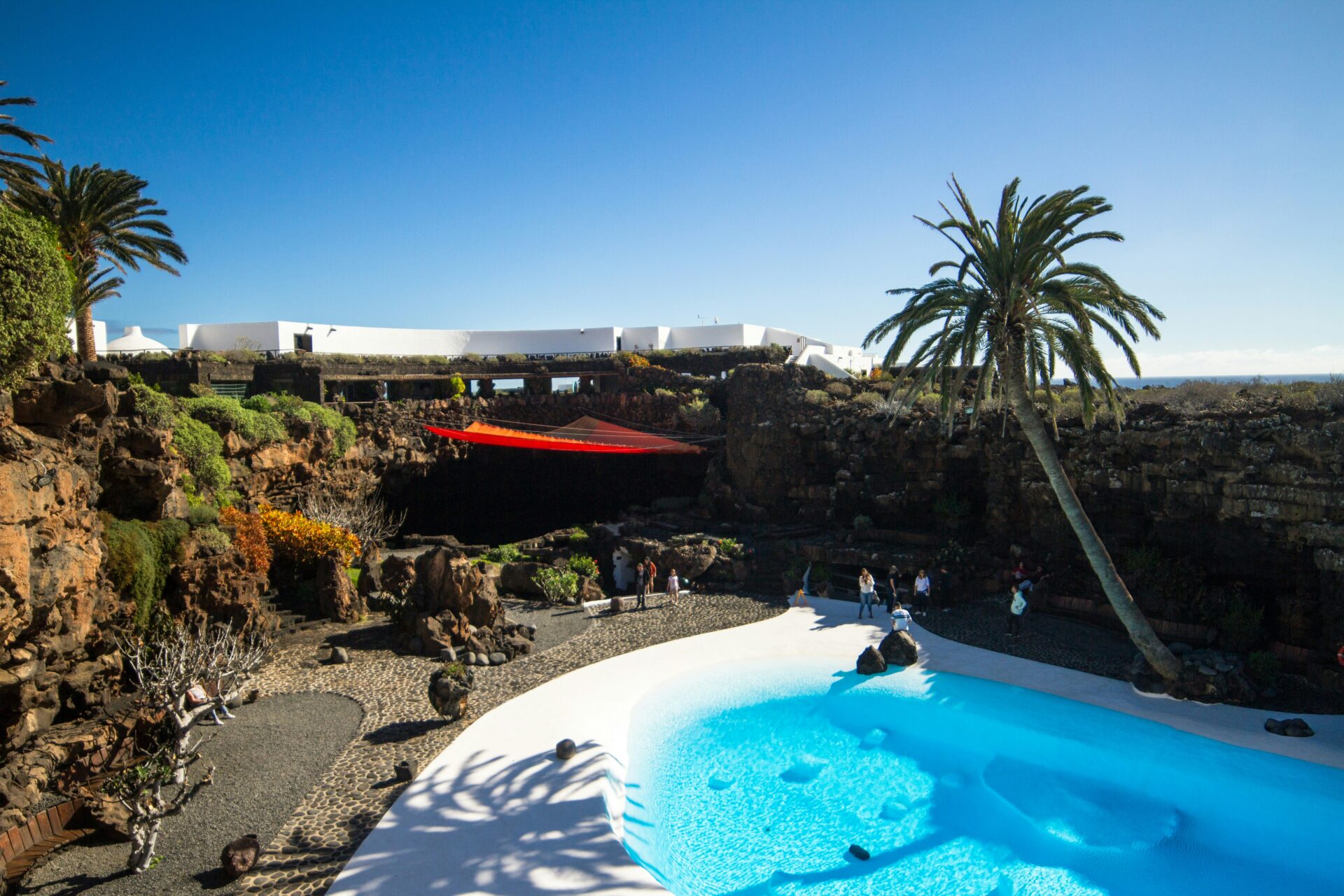
Manrique’s white pool in Jameo Grande is one of those things you just have to see in person. Against the black volcanic rock, it almost glows.
Lush gardens wrap around the pool, filled with plants that seem to thrive in the volcanic soil. Palms and tropical greenery soften the edges, making the whole place feel like an oasis.
Natural light pours in from above, shifting throughout the day and changing how everything looks. The interplay of light, water, and stone really shows off Manrique’s artistic side.
The lagoon here stretches about seven meters deep and connects to the sea. It’s home to the famous blind crabs and dozens of other species you won’t find anywhere else.
Casa de los Volcanes and Volcanology
Casa de los Volcanes is Lanzarote’s go-to spot for learning about volcanoes. It mixes high-tech exhibits, VR experiences, and hands-on displays to show how volcanic forces shaped the island’s wild landscape.
Interactive Exhibits and Volcanic Science
When I wandered through the museum’s ten specialized rooms, I felt like a kid again—everything invited hands-on learning about volcanic processes. The exhibits mix original equipment with modern tech, showing how lava tubes actually form.
You’ll find interactive displays that bring the Corona volcanic tube system to life. It’s wild to see how these underground passages slowly developed over thousands of years.
The museum has teamed up with top scientists to keep things accurate. Dr. Jesús Martínez Frías from CSIC lends his planetary geology and astrobiology know-how, while Dr. Inés Galindo from IGME adds deep research on Canary Islands geology.
Thanks to these collaborations, visitors get a real grip on volcanic processes that would otherwise feel pretty abstract. You’ll see how magma flows carved out the cave systems beneath Lanzarote.
Touch screens and models break down different volcanic activities. I saw firsthand how these tools make tricky geology ideas surprisingly easy for everyone—even the kids.
Insights into Lanzarote’s Volcanic Origins
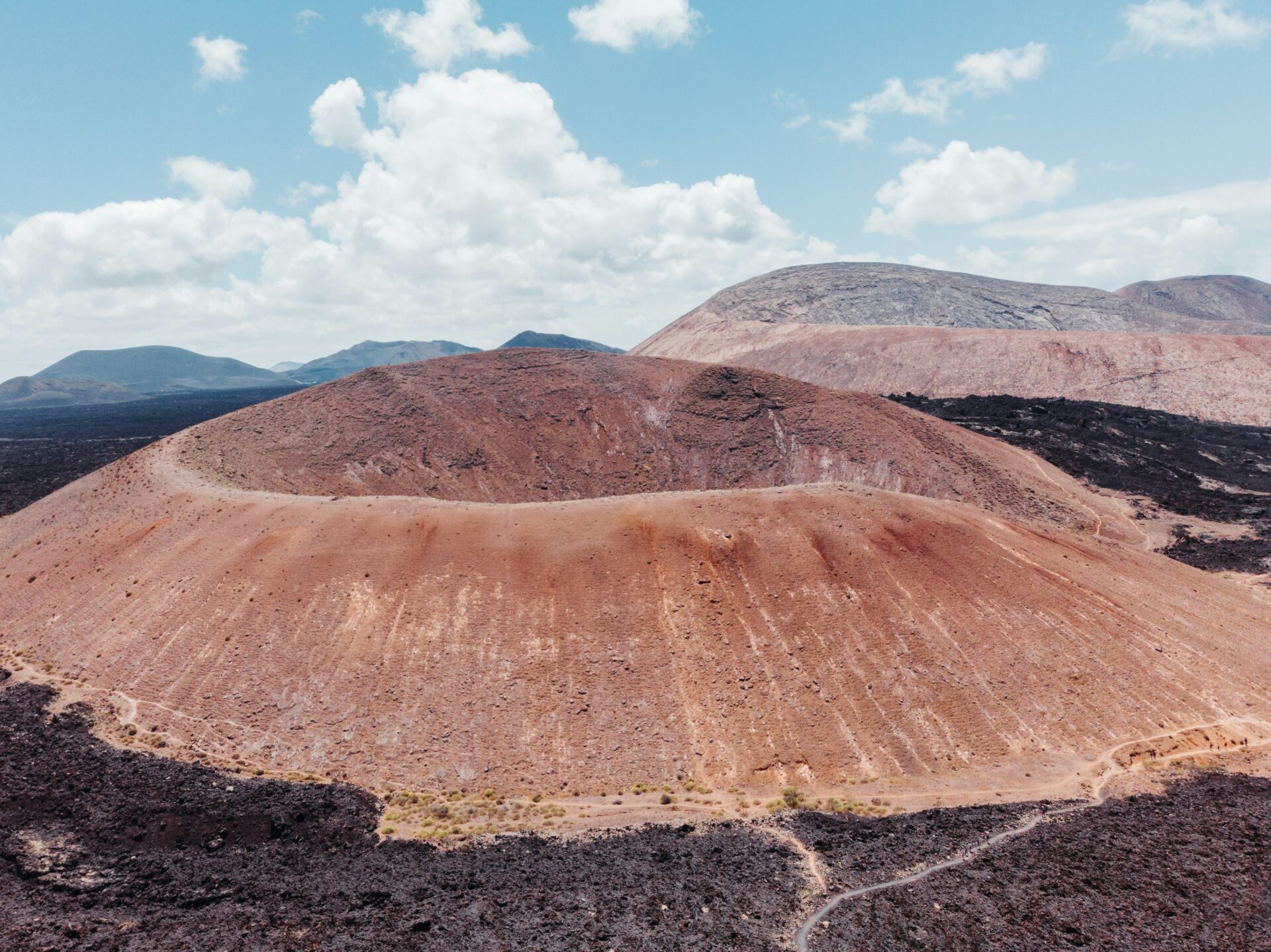
The museum lays out how volcanic eruptions shaped Lanzarote’s one-of-a-kind landscape. Most of the focus falls on the Malpaís de la Corona volcanic field, right where Jameos del Agua sits.
There are displays showing the island’s wild geological timeline, stretching back millions of years. You learn about the big eruption periods that really sculpted this place.
The Corona volcano created the sprawling lava tube network. These tunnels run for miles under the island, and it’s honestly hard to picture just how vast they are.
I loved discovering how César Manrique turned raw volcanic formations into art spaces. The museum shares his vision—blending human creativity with the raw power of geology.
Educational materials dig into the Lanzarote Geopark designation. It’s a big deal, highlighting the island’s role in volcanic research.
Temperature and pressure data give you a peek into the wild conditions during lava tube formation. It’s one thing to read about it, but seeing the numbers drives home just how extreme those forces get.

Augmented Reality and Educational Technology
Virtual reality experiences drop you right inside active volcanic systems—no hiking boots needed. I watched simulations of lava flows and gas emissions playing out in front of me.
Augmented reality displays layer digital info onto physical exhibits. Suddenly, you’re seeing volcanic processes that happened millions of years ago, right before your eyes.
The “Planetary Analogues” section totally surprised me. Here, the museum compares Lanzarote’s volcanic features with similar spots on Mars. It’s a little mind-bending.
Digital mapping reveals the full Corona lava tube system, including the stretches that run beneath the ocean. You can trace the underground passages and imagine what’s hidden below your feet.
Interactive timelines show volcanic activity patterns over the ages. This tech even helps scientists predict what might come next in the region.
With virtual tours, you get to explore dangerous volcanic zones safely. It’s the only way most of us will ever “visit” these wild places.
Nearby Attractions and Practical Information
Northern Lanzarote packs in several César Manrique gems close to Jameos del Agua. Cueva de los Verdes and Mirador del Río offer totally different takes on the island’s volcanic landscape and creative spirit.
Visiting Cueva de los Verdes
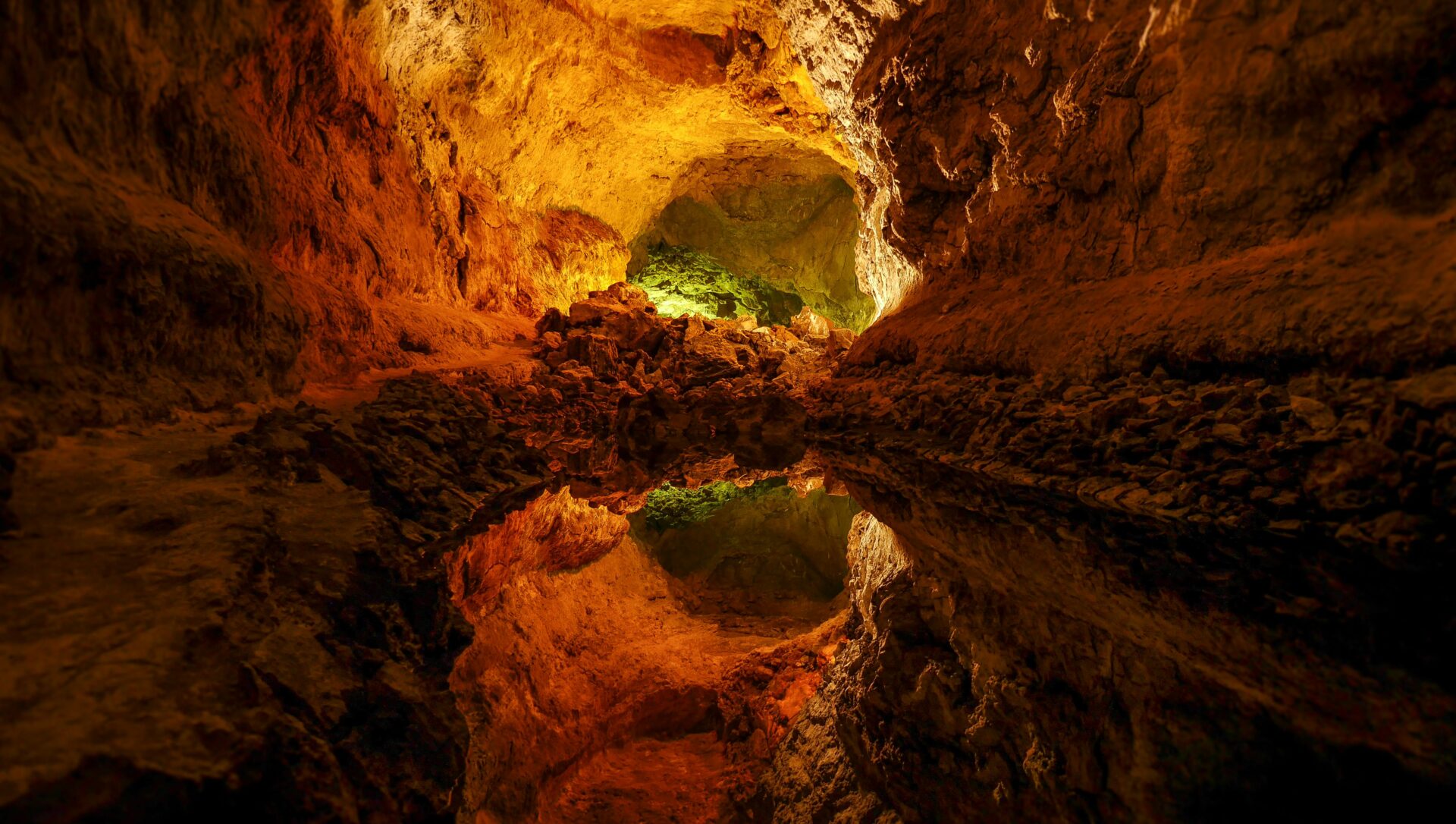
Cueva de los Verdes lies just a quick drive from Jameos del Agua, running along the same ancient lava tube system. Both sites owe their existence to the La Corona Volcano eruption from about 5,000 years ago.
The cave tour winds you through a 1-kilometer stretch of the lava tunnel. If you can, visit both places in a single day—they’re two sides of the same geological coin.
Key differences from Jameos del Agua:
- Focus on raw, natural cave formations (no big art installations)
- Guided tours last around 50 minutes
- No underground lake or concert hall here
- Deeper dive into geological history
The lighting inside highlights the volcanic rock’s natural colors and textures. Guides explain how the tubes formed and why they matter.
Tickets run about €10 for adults. If you’re planning to hit several Manrique sites, grab a combined CACT ticket for better value.
Exploring Mirador del Río
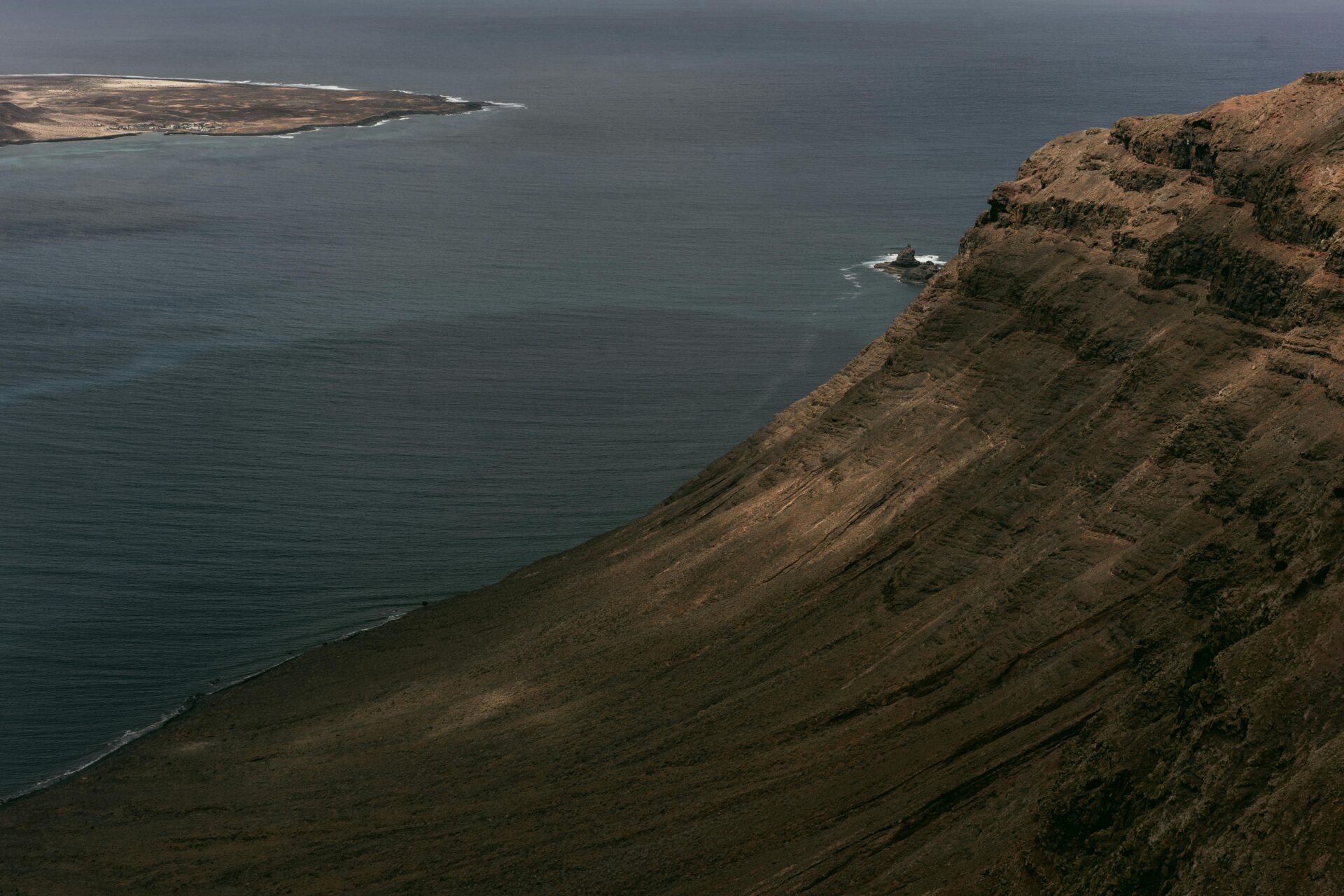
Mirador del Río sits 475 meters up on the Famara cliffs. From here, you get sweeping views of La Graciosa and a scattering of smaller islets.
Manrique designed the visitor center to melt into the cliff face. From outside, the building almost disappears—it just peeks out from the volcanic rock.
What you’ll find:
- Café with floor-to-ceiling windows looking out over the ocean
- Art gallery with rotating exhibitions
- Gift shop full of local crafts and books
- Multiple viewing platforms set at different heights
The 8-kilometer drive from Jameos del Agua only takes about 15 minutes. The road twists through dramatic volcanic scenery, and honestly, I found the drive itself worth the trip.
If you can, swing by in the late afternoon. That’s when the light hits the cliffs just right, and the blue Atlantic pops against the dark volcanic rock—perfect for photos.
Accessibility, Hours, and Tips for Visitors
Jameos del Agua opens its doors every day from 10:00 AM to 6:30 PM. On Fridays and Saturdays, you’ll find the place buzzing with special events and concerts that stretch all the way to 2:00 AM.
Honestly, accessibility isn’t great here if you use a wheelchair. The natural cave structure means there are a lot of stairs and bumpy, uneven paths. Navigating it can be tricky for anyone with mobility challenges.
A few tips I wish someone had told me:
- Slip on comfy walking shoes with solid grip—trust me, you’ll thank yourself later.
- Toss a light jacket in your bag since it stays cool underground, even in summer.
- Please don’t throw coins in the lagoon. The blind crabs living here are delicate, and coins really mess with their environment.
- Snap all the photos you want, but skip the flash. The wildlife doesn’t love the spotlight.
Parking’s a breeze—there’s a free lot right outside the entrance. If you get hungry, the restaurant serves up classic Canarian dishes, and the view of the volcanic garden is honestly worth lingering over.
For tickets, you can grab a combined pass for Jameos del Agua, Cueva de los Verdes, and Mirador del Río for about €24 if you’re an adult. If you prefer to visit just one spot, expect to pay around €10-12 per attraction.
