
January in North America? It’s wild. Winter takes over and, suddenly, the country feels split in two. Folks up in Minnesota brace for sub-zero temps and snowdrifts that swallow driveways, while people in Florida wander around in shorts, wondering what all the fuss is about. This year, January 2025, has felt even more dramatic. Arctic air pushed way down south—snow showed up in places like New Orleans and Mobile. Honestly, when does that ever happen?
In January, North America feels like two separate climate worlds. Up north, winter rules everything. Down south, life keeps rolling outside as if winter’s just a rumor. You notice it everywhere—from the coats people grab in the morning to the crops that actually survive. The polar vortex often stirs things up, blasting cold air south and, just for a moment, making winter feel like it’s everywhere.
I can’t help but marvel at how one month can show off so much climate variety. You’ve got icy winds in Canada, then a few hours on a plane later, you’re dipping your toes in the Pacific. It’s geography and weather teaming up to give everyone a different season, even if the calendar says it’s January for all.

Why January Divides America’s Climate
January brings out the biggest climate swings across North America. Geography, latitude, and those unpredictable weather patterns all play their parts. Sometimes, you’ll see temps swing over 100 degrees between the coldest and warmest spots.
The Role of Latitude and Geography
America’s size alone creates wild January differences. The country stretches over 2,500 miles north to south and 4,500 miles across. That’s a lot of room for weather to get creative.
Northern states—think Minnesota, North Dakota—sit up high, close to southern Canada. In January, daylight barely hangs on. The sun barely climbs, so warmth? Not much of that.
Southern states—Florida, Texas, you name it—hang out closer to the equator. They get longer days and sunlight that actually matters. Just this latitude gap can mean a 40-degree difference.
Mountains get in on the action too. The Rockies block Pacific air from reaching the Great Plains. The Appalachians mess with how Arctic blasts move through the east.
Coastal places have their own January story. Oceans warm and cool slower than land, so winters by the coast usually feel a bit softer than those deep inland.

Temperature Contrasts Across the United States
The January temperature gap? It’s huge. Miami averages 68°F while International Falls, Minnesota, shivers at 8°F.
Coldest regions:
- Northern Minnesota and Wisconsin
- North Dakota and northern Montana
- Northern Maine and Vermont
- High parts of Colorado and Wyoming
Warmest regions:
- South Florida and the Keys
- Gulf Coast Texas
- Southern California and Arizona
- Hawaii (which, let’s be honest, is always cheating at winter)
You could be sunbathing in Phoenix and, on the same day, someone in Minneapolis is scraping frost from their eyelashes. Swings of 80-100 degrees? Totally normal.
Interior states usually freeze hardest in late December and early January. Coasts lag behind, catching their coldest days a bit later thanks to that slow-moving ocean warmth.

Influence of Prevailing Weather Patterns
Weather systems love to stir things up in January. The polar jet stream, in particular, decides who gets toasty and who gets frozen.
Arctic air masses regularly swoop down from Canada. They bring the kind of cold that makes your teeth hurt. When the jet stream dips low enough, even Texas wakes up to ice.
Pacific storms hit the West differently. California gets rain, the mountains get snow, and the Rockies block a lot of that from heading further east.
El Niño and La Niña? Those ocean cycles can flip the script—sometimes January is a soggy mess, other times it’s dry as a bone.
Storms don’t always follow the same schedule. Up north, January is peak snow season. Down south, it might be the wettest month, but snow is still a rare guest.
Understanding Seasons: Northern vs. Southern Hemisphere
Earth’s 23.5-degree tilt is the reason we have seasons at all. The winter solstice brings the shortest day up north, while folks down south are living their longest, sunniest days. That’s why January means winter for us, and summer for, say, Australians.
Earth’s Tilt and the Reason for the Seasons
Earth tilts at 23.5 degrees as it orbits the sun. That tilt? It’s everything.
When a hemisphere tilts toward the sun, it soaks up more direct rays. The other side? It gets less and cools down.
What the tilt does:
- More direct sun = warmer temps
- Less direct sun = cooler temps
- Longer days for the tilted-toward side
- Shorter days for the other
Both hemispheres never tilt the same way at once. While one’s sweating through summer, the other’s shivering in winter.
This back-and-forth sets our yearly rhythm. Every six months, the sun’s angle flips the script.
Winter Solstice and Summer Solstice Explained
The solstices are the big turning points. They mark when Earth leans furthest toward or away from the sun.
December Solstice (around Dec 21):
- Winter solstice up north
- Summer solstice down south
- Shortest day in the north
- Longest in the south
June Solstice (around June 22):
- Summer solstice up north
- Winter solstice down south
- Longest day in the north
- Shortest in the south
It’s pretty wild—same date, totally opposite vibes. One side’s breaking out the swimsuits, the other’s stacking firewood.
Solstices happen when Earth’s tilt maxes out. That’s when the daylight gap gets huge.

Why January Is Winter in the North, Summer in the South
January lands right after the December solstice. That means the northern hemisphere is deep in winter. The sun barely climbs, days stay short, and cold settles in.
January up north:
- Short days
- Low sun
- Cold temps
- Winter storms
Meanwhile, the southern hemisphere tilts toward the sun. Australia and Argentina? They’re sweating through their hottest stretch.
January down south:
- Long, sunny days
- High sun angle
- Warm temps
- Summer weather
It’s such a strange split. While I’m piling on layers in New York, someone in Sydney is probably grabbing sunscreen.

Northern America in January: Winter’s True Face
January hits northern regions hard. Temperatures drop 20-40 degrees below what the south sees. Arctic air brings cold snaps that sting, and daylight shrinks to just a handful of hours.
Regional Variations in Temperature and Daylight
Up north, January means temperatures that sit 15-30°F colder than the southern states. Minnesota and North Dakota? Highs around 20°F. Florida laughs with 70°F afternoons.
Daylight’s a different beast too. Minneapolis gets maybe 9 hours of sun in January. Miami gets about 10.5, which doesn’t sound like a lot more, but you feel it.
Typical January highs up north:
- Great Lakes: 15-25°F
- Northern Plains: 10-20°F
- Northern New England: 20-30°F
- Near Canada: Sometimes below 10°F
The jet stream acts like a bouncer, letting Arctic air crash the party when it dips south. That’s when you see those insane temperature drops on the news.
Wind chill? It makes everything worse. A 20°F day with a stiff wind can feel like 2°F on your face.
Effects of Winter on Cities and Rural Areas
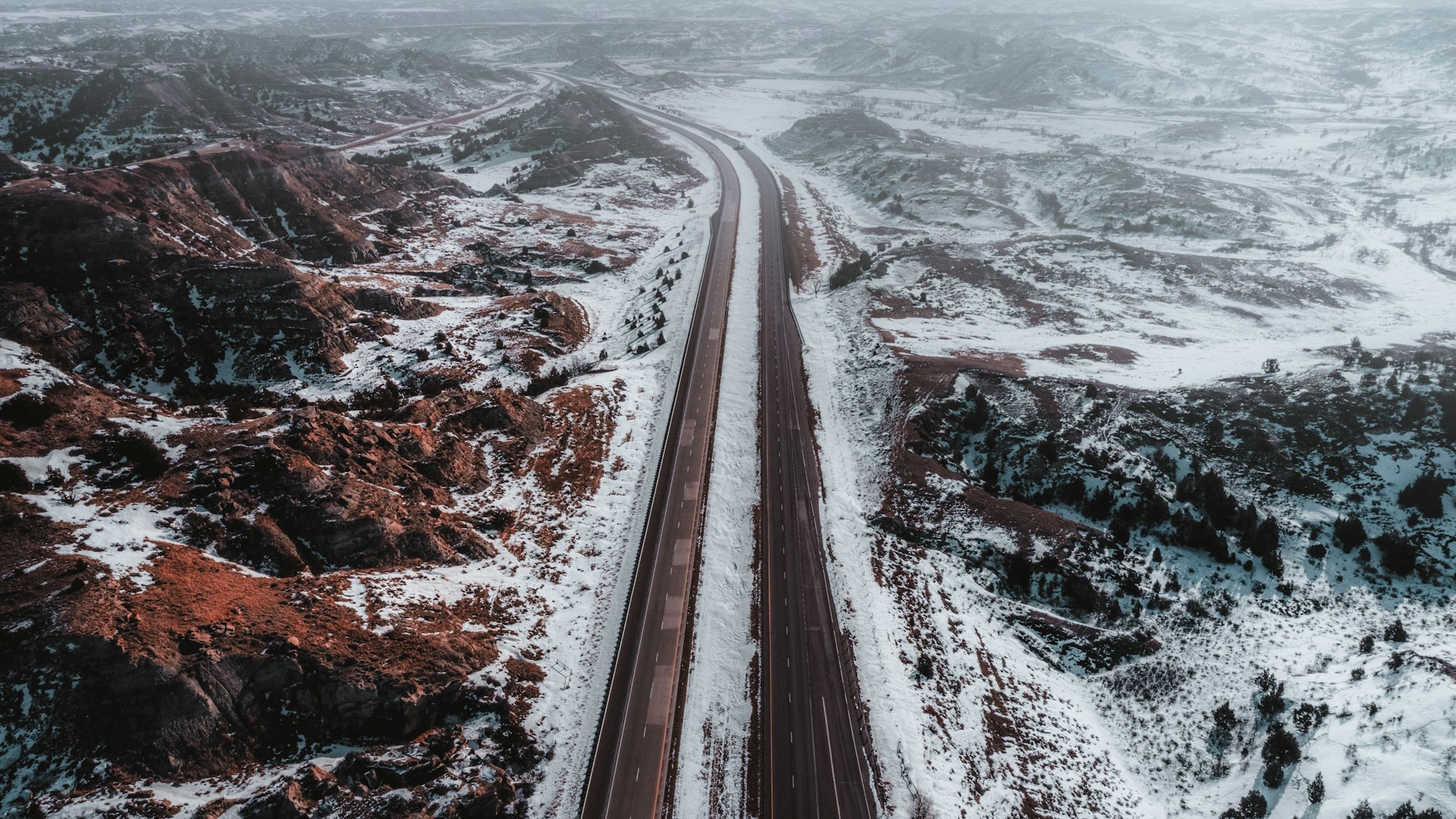
Cities and rural spots handle January differently. The urban heat island effect makes downtowns 5-10°F warmer than the outskirts.
Rural areas deal with open fields and zero wind protection. The wind bites harder, and snow removal isn’t as quick.
Urban vs Rural January:
- Cities: Slightly warmer, plows hit the streets fast
- Rural: Colder, snow lingers, power outages last longer
- Suburbs: Kind of in between
Energy bills spike up north. Gas usage can double during cold snaps. I’ve definitely noticed the pain in my own winter bills.
Transportation’s a mess everywhere, just in different ways. Cities run out of salt, buses run late. Rural places? Sometimes roads just disappear under snow.
Patterns of Snowfall, Arctic Air, and Extreme Events
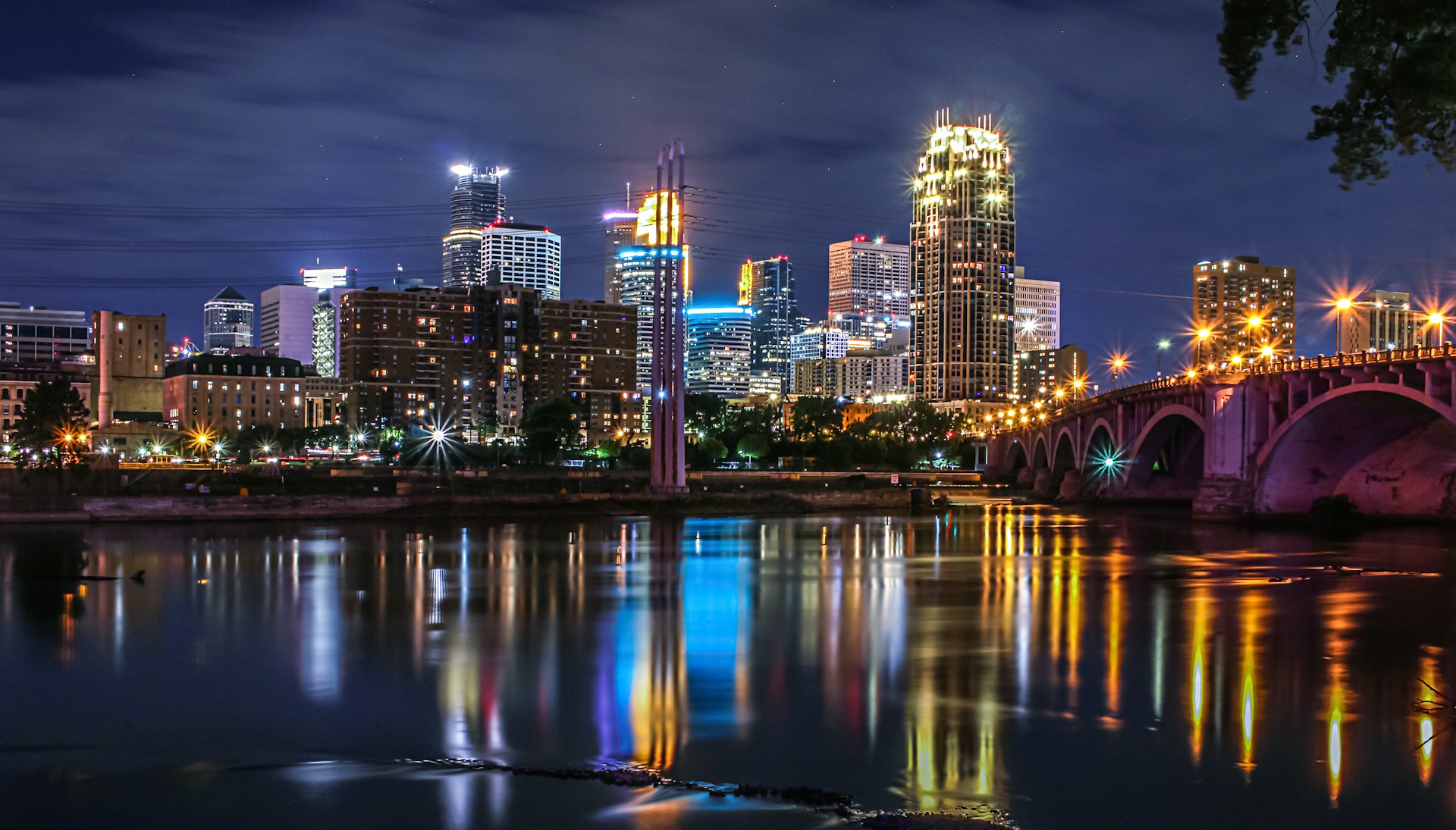
January brings the polar vortex into play. When it weakens, Arctic air dives south, freezing places that usually don’t see that kind of cold.
Lake-effect snow can dump two feet on Buffalo, while Rochester, just down the road, barely gets a dusting.
Common January weather:
- Arctic blasts every week or so
- Lake-effect snow near the Great Lakes
- Ice storms in those in-between zones
- Blizzards sweeping the northern Plains
The jet stream gets jumpy, drawing sharp lines where temps flip by 40°F in just a hundred miles.
Extreme events ramp up in January. This year, the Gulf Coast got hit with record cold—snow in New Orleans, freezing temps in spots that rarely see frost.
Wind can flip everything in hours. A strong northwest wind after a front can drop temps by 30°F before you even finish your coffee. It’s tough on people and even tougher on infrastructure.

The Other Side: January Summer in the Southern Hemisphere
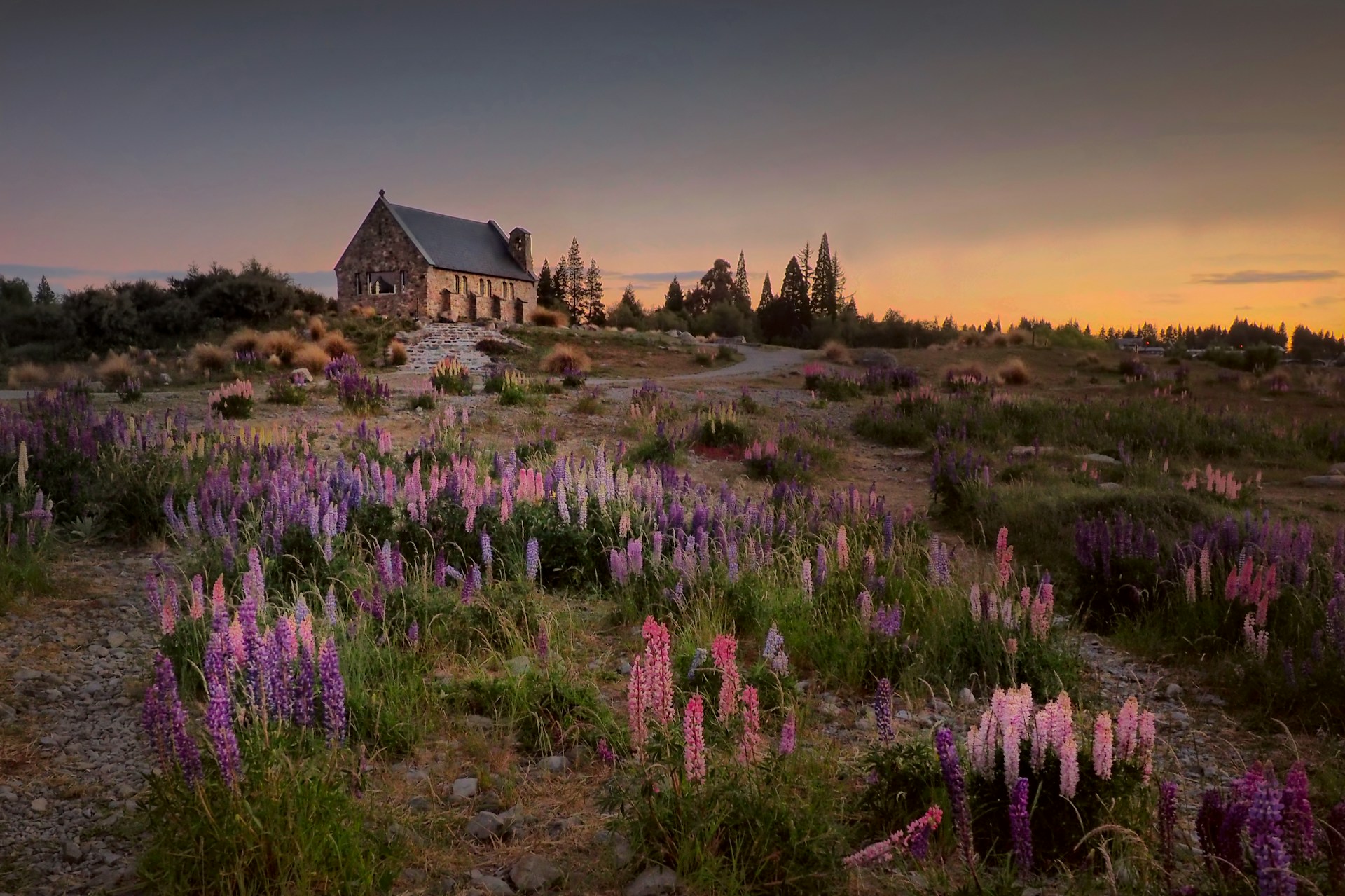
While Americans are shoveling driveways, folks below the equator are soaking up summer. Australia and New Zealand hit their warmest days, and the sun just keeps hanging in the sky.
Australia and New Zealand’s Warm Season
January is prime summer in Australia and New Zealand. Temps often climb above 85°F (30°C) in most Aussie cities.
Sydney? 86°F (30°C) is pretty standard. Melbourne’s right there too. Perth sometimes feels like a furnace.
New Zealand stays a bit cooler but still lovely. Auckland averages 75°F (24°C), Wellington around 70°F (21°C).
Daylight lasts forever—Sydney gets about 14 hours each day. Compare that to New York’s 9 and you start to get jealous.
The intense summer heat brings bushfire season to Australia. Fire management becomes a daily concern. Most outdoor fun shifts to early mornings or late evenings to dodge the worst of it.

Cultural Traditions and Celebrations
January’s summer brings a different energy down under. Australia Day lands on January 26th, right in the middle of the heat.
Beach parties are the norm. Barbecues happen outside, and everyone’s either swimming or surfing.
The Australian Open tennis tournament takes over Melbourne, and players often battle through temps above 95°F (35°C).
New Zealand’s summer means festivals and concerts. Rhythm and Alps is a January favorite.
School holidays line up with summer. Kids spend January swimming and camping, not sledding or building snowmen.
Cricket season peaks—Boxing Day Test matches roll into January, and stadiums fill with fans.
Contrasting Seasonal Experiences with America
It’s almost surreal. While Chicago freezes at 20°F (-7°C), Sydney’s beaches are packed.
Temperature gaps can hit 60°F (33°C) between cities. Boston might get a snowstorm; Melbourne’s worried about drought.
Americans hunker down indoors or hit the ski slopes. Aussies are outside, hiking, swimming, and rocking out at open-air concerts.
Daylight flips too. America’s on its shortest days; Australia’s got sunlight to spare. It changes daily routines, work, and play.
Farmers flip their calendars. Americans prep for spring planting. Australians harvest summer crops.
Energy use? Total opposites. Americans crank the heat, Australians blast the AC.

How January Shapes Everyday Life, Activities, and Ecosystems
January really shakes things up across America. Winter weather forces people and animals to change their routines, and the month brings new challenges and habits depending on where you are.
Adaptations to Extreme Temperatures
I’ve noticed how Americans really change up their routines depending on where they live in January. Up north, folks start piling on layers and swap their sneakers for heavy winter boots—especially when it gets brutally cold, sometimes dipping below zero.
Heating bills? They shoot up fast as families crank up the heat just to stay comfortable. You’ll see people pulling on thick coats, gloves, and hats before even thinking about stepping outside.
Northern Winter Gear:
- Insulated jackets that actually keep you warm in sub-zero weather
- Waterproof boots with chunky treads (trust me, you need them)
- Thermal underwear and cozy wool socks
- Ice scrapers and snow brushes stashed in every car
Down south, winter looks totally different. People might toss on a light jacket or a sweater if it gets down to the 40s or 50s. Air conditioning finally takes a break after those sweltering summer months.
Some southern spots barely ever get close to freezing. So, you won’t see folks spending much on heavy coats or fancy heating systems.

Impacts on Travel and Daily Routines
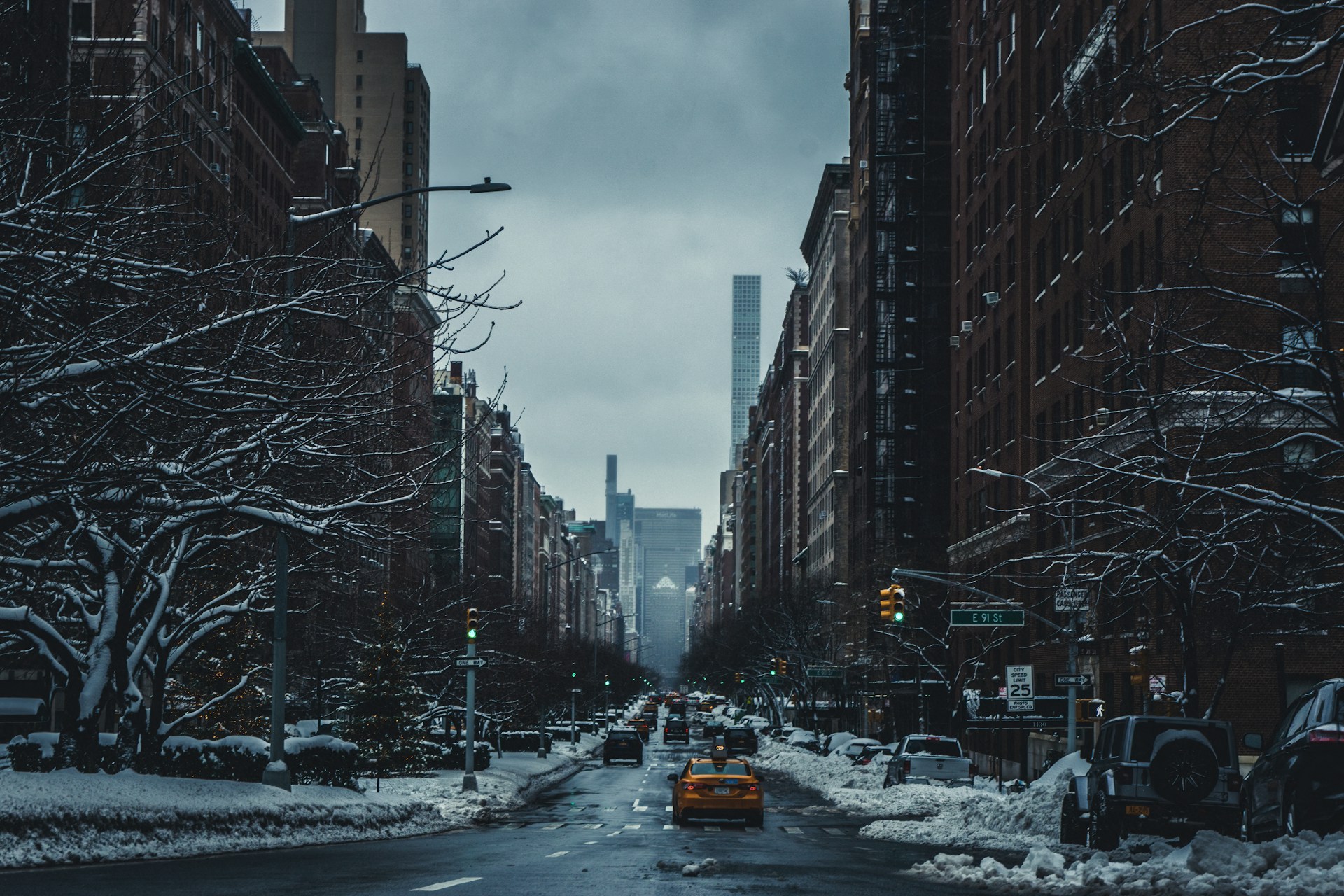
Winter weather really messes with how Americans get around. In northern cities, snowplows and salt trucks become a daily sight, and icy roads can turn a quick drive into a slow crawl.
People start leaving for work earlier, just to play it safe on those slippery streets. Lots of drivers stash emergency kits in their cars—just in case.
Common Winter Travel Changes:
- Snow tires or chains—yeah, you’ll need those in the mountains
- Salt and sand trucks working through the night
- More flight delays (weather loves to mess with travel plans)
- Schools closing left and right when storms hit
The south faces its own kind of chaos. When rare ice storms roll in, whole cities can grind to a halt since they just don’t have the equipment to deal with it.
Even a thin layer of ice can make driving downright dangerous. It’s not unusual for schools and businesses to shut down until things thaw out.
Seasonal Changes in Nature and Wildlife
January always seems to shake up animal routines across America. As food gets scarce and the cold creeps in, animals really kick into survival mode.
Some creatures, like raccoons, foxes, and gray squirrels, start their mating season right in the thick of winter. It’s wild to watch them stay busy when most of us would rather be curled up indoors.
Wildlife Winter Strategies:
- Bears tuck themselves away in dens and hibernate until spring.
- Birds either head south or switch up their feeding habits.
- Deer grow thicker coats and search for sheltered spots.
- Squirrels and other small mammals dig into their food stashes.
I love spotting animal tracks in fresh snow or muddy patches—it’s like nature’s own scavenger hunt. January actually turns out to be a great month for tracking which animals brave the winter in your area.
Red-tailed hawks sometimes leave snowy breeding grounds, but if the winter’s mild, they’ll stick around. Up north, plant life pretty much goes to sleep, while down south, you might notice things still growing.
