
When I first stepped into the Jewish Museum Berlin, I felt immediately surrounded by a powerful blend of history and modern architecture. Daniel Libeskind designed a building that’s so much more than a place to look at artifacts—it’s a living, breathing story of Jewish life in Germany that stretches back over 2,000 years.
The museum’s design and exhibits didn’t just show me the tragedies faced by the Jewish community; they brought their strength and culture to the forefront. Every twist and turn in the building felt like flipping to a new chapter, nudging me to reflect, question, and really learn.
I realized my visit wasn’t just about seeing displays. It turned into an emotional, educational journey that challenged me to think about history, memory, and the ways we honor the past.

Exploring the Jewish Museum Berlin: A Vital Landmark
The Jewish Museum Berlin stands as a key place for understanding Jewish life in Germany and the tangled threads of German history. Its thoughtful design, moving exhibits, and central spot in Berlin make it a must for anyone eager to learn or reflect.
History and Founding of the Museum
The museum first welcomed visitors in 2001, and it quickly became one of Berlin’s most important cultural spaces. Its founding came from a need to face the long, complicated relationship between Jews and Germany—moments of flourishing, but also deep tragedy, especially during the Holocaust.
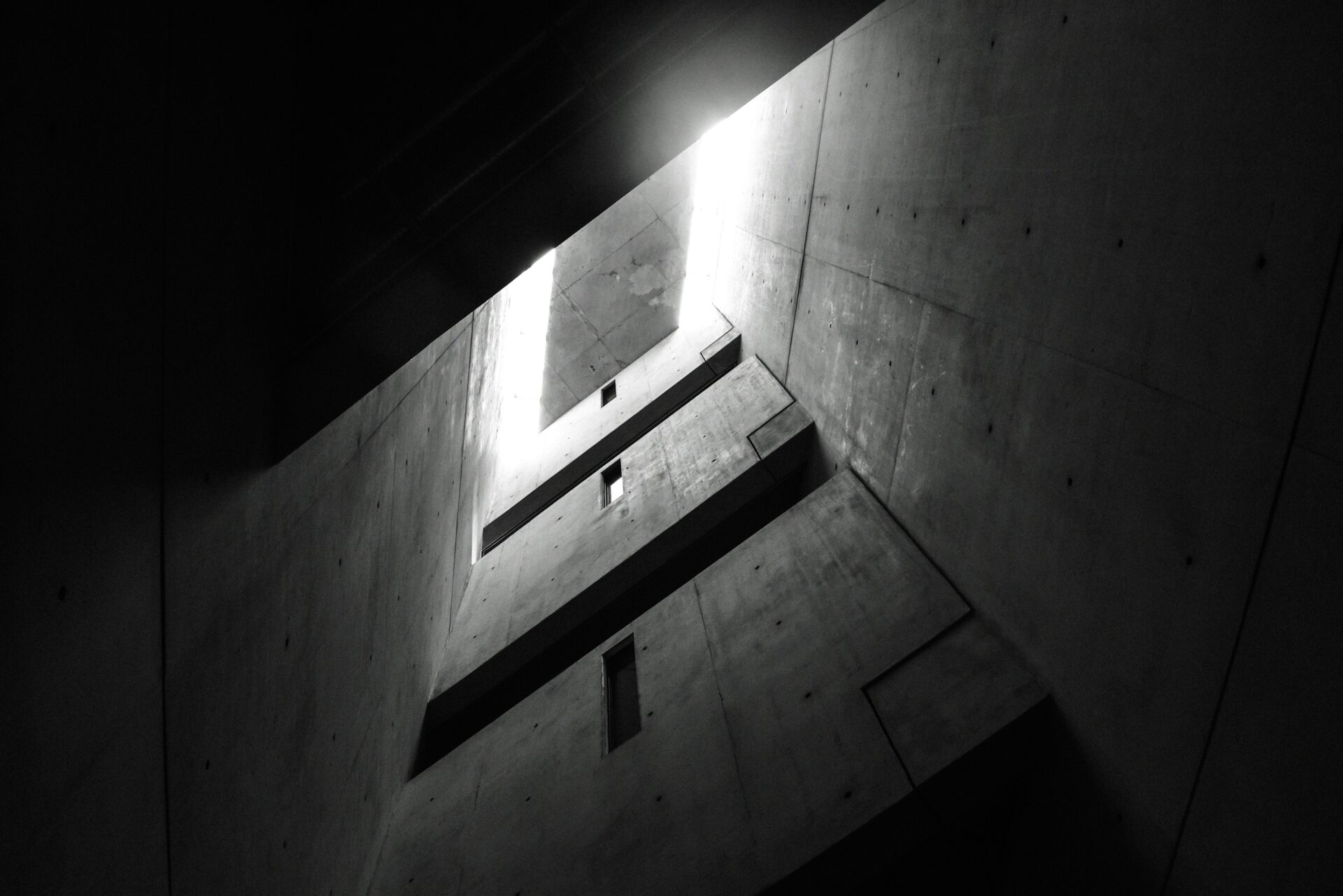
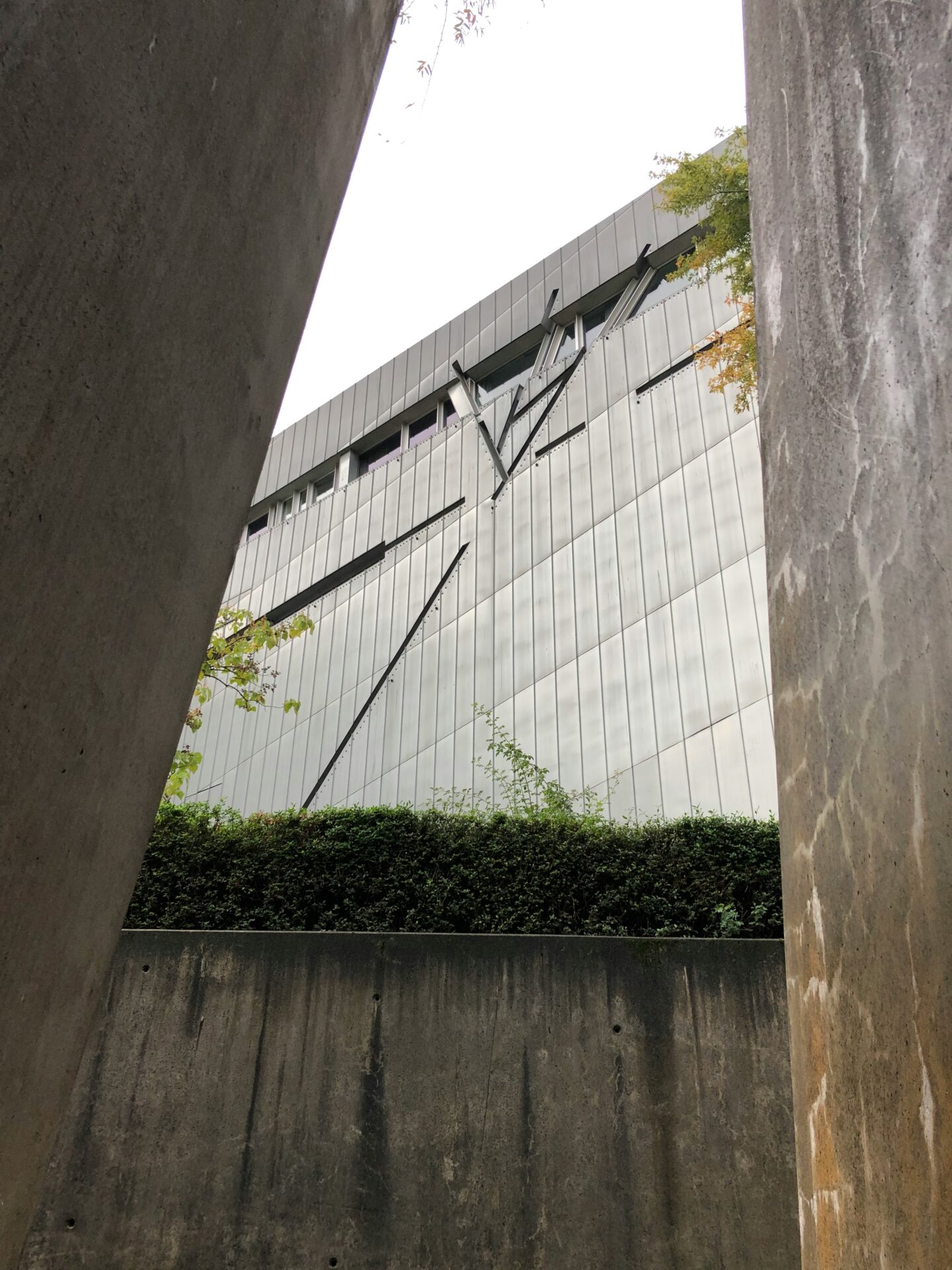
You’ll find the museum on Lindenstraße in Kreuzberg. Libeskind’s bold, zigzagging building stands out, with empty “voids” running through it to symbolize the broken history of Jews in Germany. Next to it sits the original Baroque Kollegienhaus, a former courthouse, now serving as part of the entrance.
Today, the Jewish Museum is the largest of its kind in Europe.
Mission and Cultural Importance
The museum sets out to present 1,700 years of Jewish life, culture, and history in Germany. Through artifacts, documents, art, and interactive displays, it shares stories that reveal how Jews have shaped German society—facing both acceptance and persecution.
I noticed the way personal stories and historical objects help visitors connect with real experiences, not just dry facts or dates. The exhibitions are organized so you can see major themes running through Jewish history, not just a timeline.
Education sits at the heart of what the museum does. Events, guided tours, and talks (sometimes with eyewitnesses) invite people of all ages to learn and think about the past and present.
Visitor Experience and Area
There’s plenty to see, from the permanent collection to rotating exhibitions. The displays cover several floors, and each room felt carefully arranged.
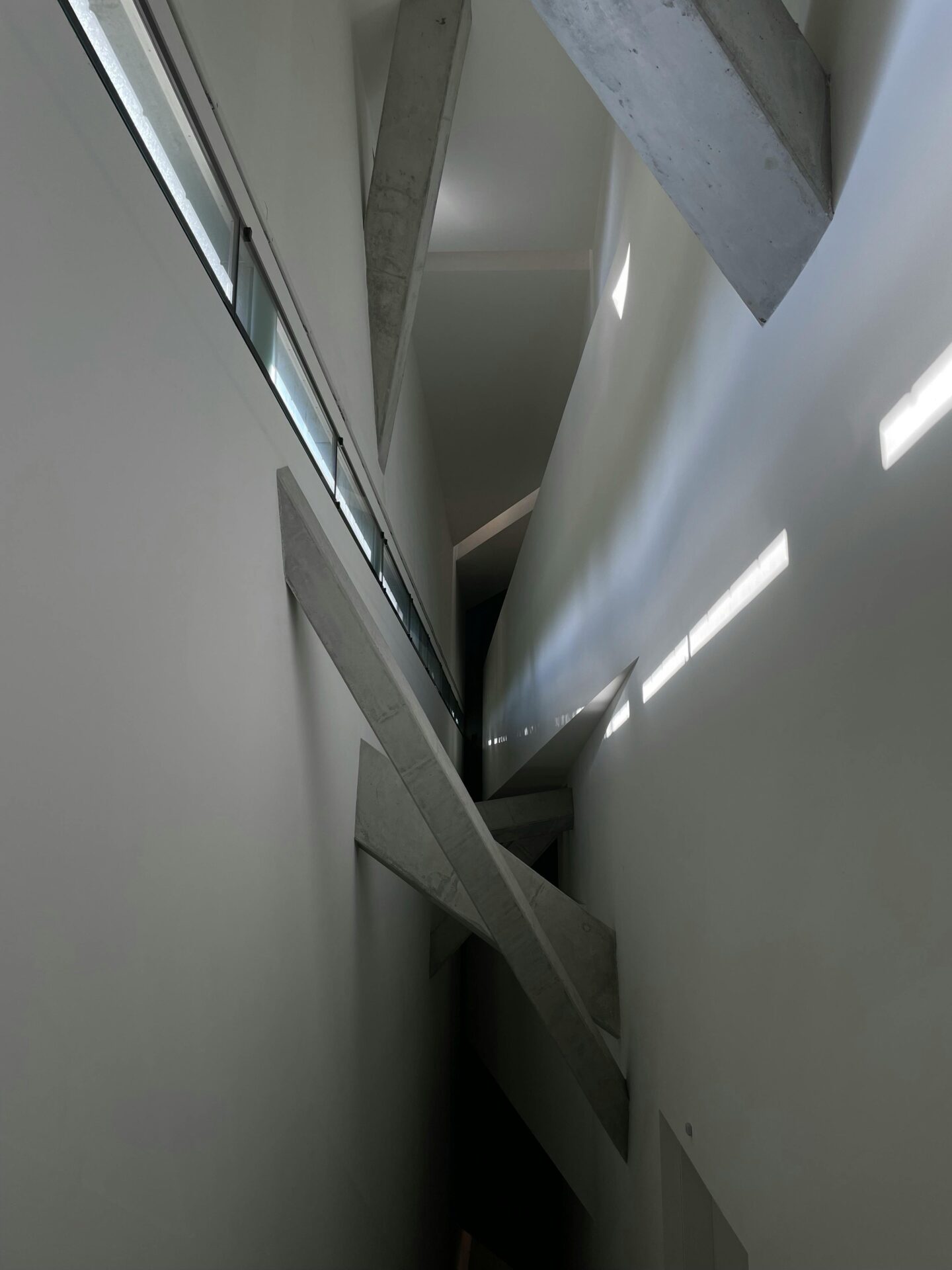
The building itself left a big impression on me. Libeskind’s architecture uses empty spaces, sharp angles, and narrow windows to stir emotion and encourage quiet thought. The Garden of Exile and Holocaust Tower—wow, those spaces are unforgettable.
Kreuzberg, the surrounding area, is lively but peaceful. Most people take the U6 line to Kochstraße and then walk about ten minutes to the entrance. The museum usually offers long opening hours, so you can fit it into a packed Berlin itinerary.
Quick Information Table
| Location | Lindenstraße 9-14, 10969 Berlin |
|---|---|
| Area | Kreuzberg, near public transport (U6 line) |
| Opening Hours | Typically open daily, with extended hours |

Daniel Libeskind’s Architectural Vision
Daniel Libeskind’s design for the Jewish Museum Berlin grabs your attention and doesn’t let go. It’s bold, symbolic, and deeply respectful of history. By blending the new building with the historic Baroque Kollegienhaus, Libeskind pushes visitors to reflect on memory, loss, and hope.
Design Philosophy and Libeskind’s Inspiration
When I first saw the museum’s angular, zigzagging shape, I knew Libeskind wanted to challenge expectations. He drew inspiration from Berlin’s fractured history and the memory of the city’s Jewish community.
The floor plan looks like a lightning bolt—people call it “The Blitz.” Those sharp angles aren’t just for show; they represent the interruptions and voids in Jewish-German history, especially during the Holocaust.
Libeskind designed this building before the World Trade Center competition, but I noticed a similar use of voids and symbolic spaces in both. He scattered empty spaces—“voids”—throughout the museum. These voids serve as permanent reminders of what’s been lost and what can never be fully recovered.
The Baroque Kollegienhaus
The museum actually combines two buildings: the original Baroque Kollegienhaus and Libeskind’s modern addition. The Kollegienhaus, dating from the 18th century, grounds the museum in history. It was once a courthouse, and its classic design stands in stark contrast to Libeskind’s bold lines.
Libeskind didn’t just blend the two buildings together. Instead, he linked them only by an underground passage. This move makes the shift from old to new feel intentional and meaningful. For me, it shows respect for the past while acknowledging the breaks caused by history.
Visitors start their journey through the Kollegienhaus before moving into Libeskind’s wing. That transition—old to new—is a journey through time, both physically and emotionally.

Iconic Architectural Elements
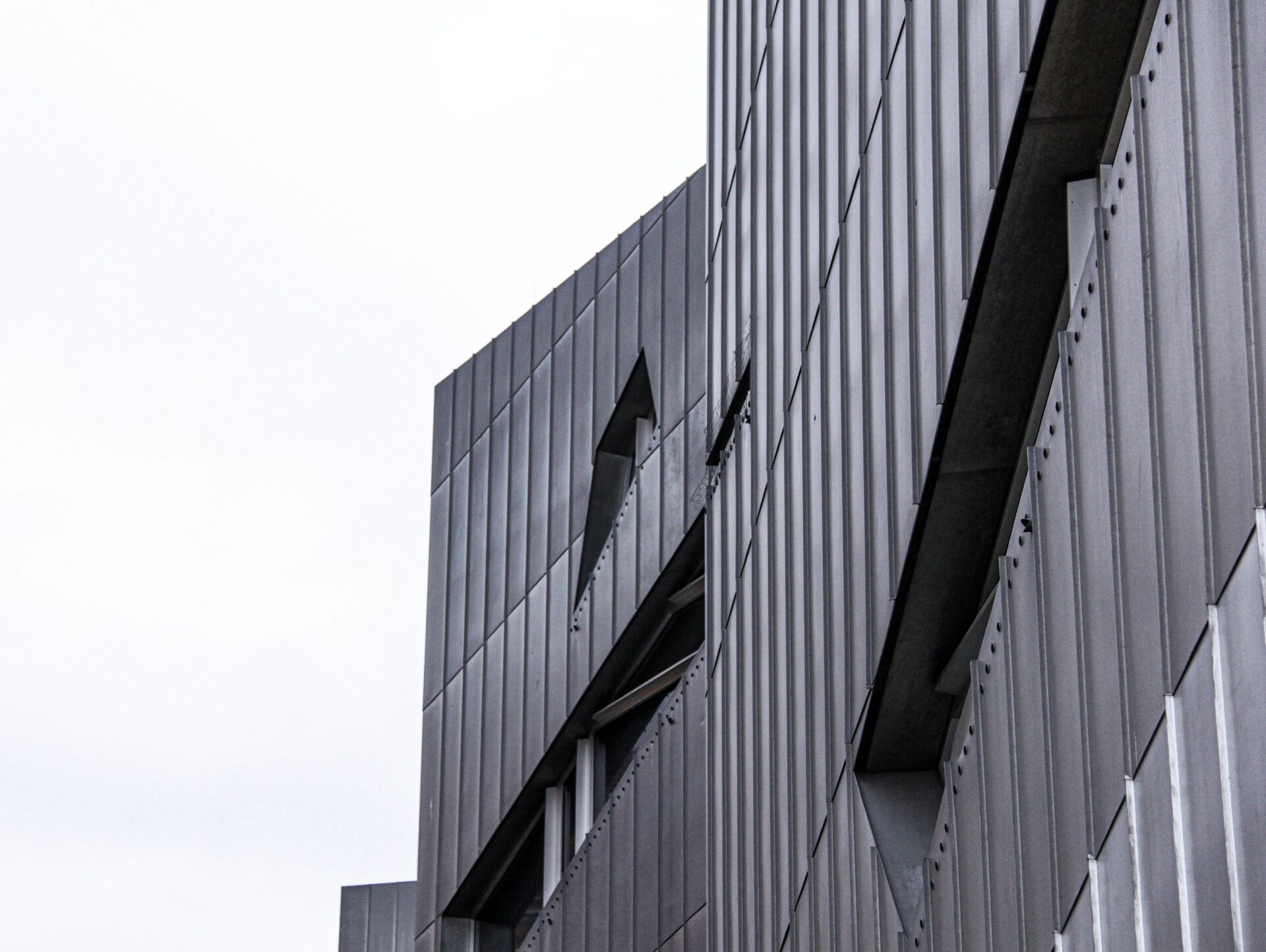
A few features of Libeskind’s design really stuck with me. The façade, covered in titanium-zinc, looks modern and a bit somber, echoing themes of memory and tragedy. The odd window slits aren’t random—they trace the addresses of prominent Jewish Berliners.
Inside, nothing is straightforward. Unexpected angles and tilted walls made me feel the instability of the history being told. Three main routes—the Axis of Exile, the Axis of Continuity, and the Axis of the Holocaust—guide you through the museum, leading to spaces like the Garden of Exile and the Holocaust Tower.
Libeskind’s play with light and shadow, empty spaces, and abrupt dead-ends shapes how you experience Jewish history in Berlin. The voids, especially, stand out. They’re architectural scars—reminders of absence that you just can’t ignore.

German-Jewish History and the Permanent Exhibition
The Jewish Museum Berlin covers over 1,700 years of German-Jewish history. The permanent exhibition felt both educational and deeply moving, with stories told through artifacts, interactive displays, and vivid photographs.
Timeline of Jews in Germany
As I wandered through the exhibition, I followed the path of Jewish communities in Germany from the Middle Ages to today. The timeline isn’t strictly linear—it jumps between eras and themes. Each section highlights moments like Jewish settlement, cultural contributions, periods of persecution, and rebuilding after the Holocaust.
The medieval Jewish quarters, the rise of Jewish life in cities, and the devastation of the Nazi era all get space. The exhibition pays special attention to the impact of National Socialism and the massive changes after 1945. Stories from everyday families and key historical figures show resilience and adaptation over centuries.

Key Historical Artifacts and Photographs
The permanent exhibition showcases a wide range of historical items and striking images. I spotted a Torah wimpel that was charred during the November pogroms of 1938, plus everyday objects from Jewish families before World War II. Each artifact comes with clear explanations in both German and English.
Photos capture milestones, celebrations, and tragedies. I remember being moved by images of destroyed synagogues, family portraits, and scenes from postwar Jewish life. Multimedia stations let visitors listen to personal accounts and dive into digital photo archives for even more context.

Profound Spaces: Holocaust Remembrance and the Architecture of Memory
Moving through the Jewish Museum Berlin, I realized the building itself guides you to feel the weight of history. Every area serves a purpose, mixing symbolism, emotion, and education about the Holocaust and the broader Jewish experience.
Holocaust Tower
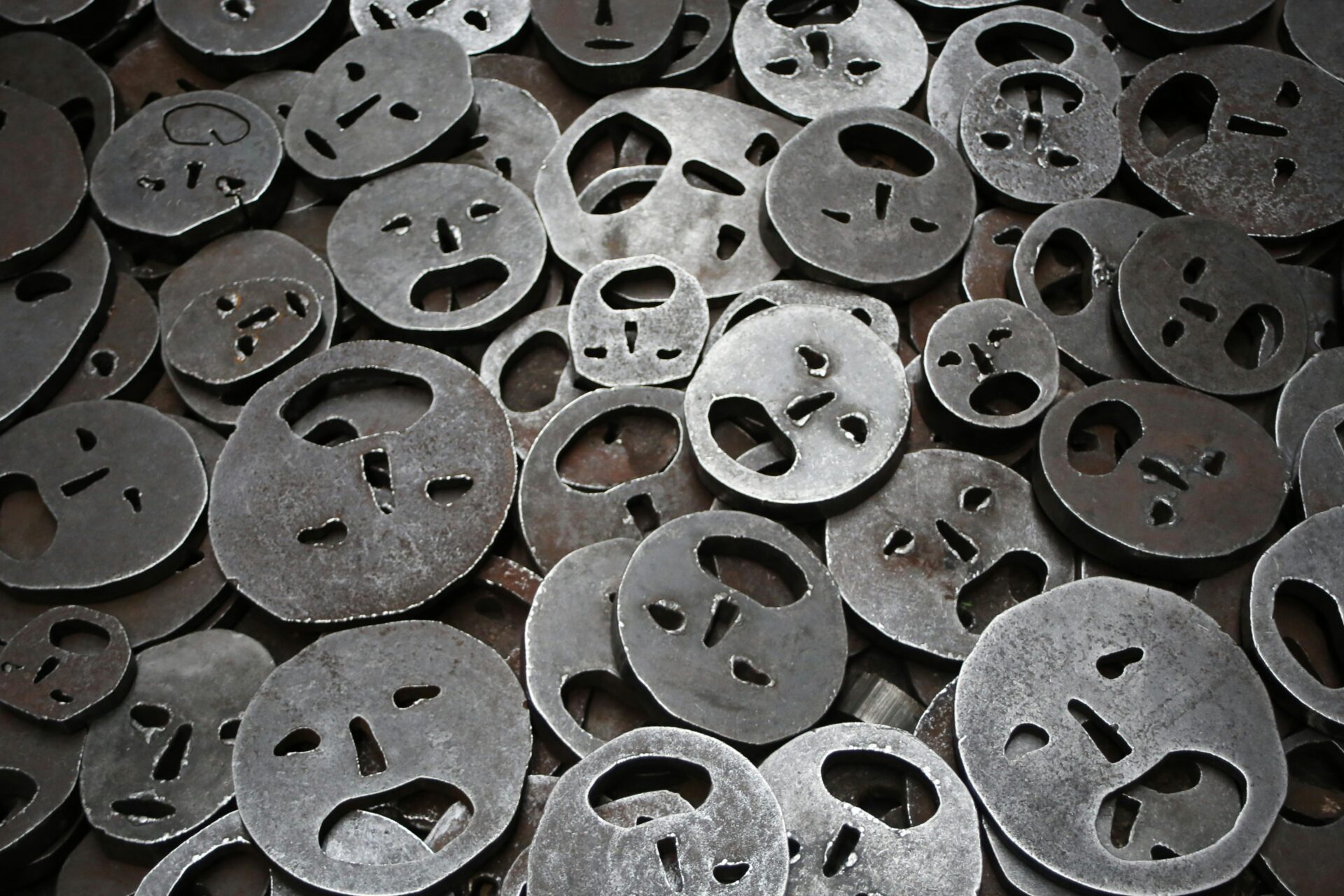
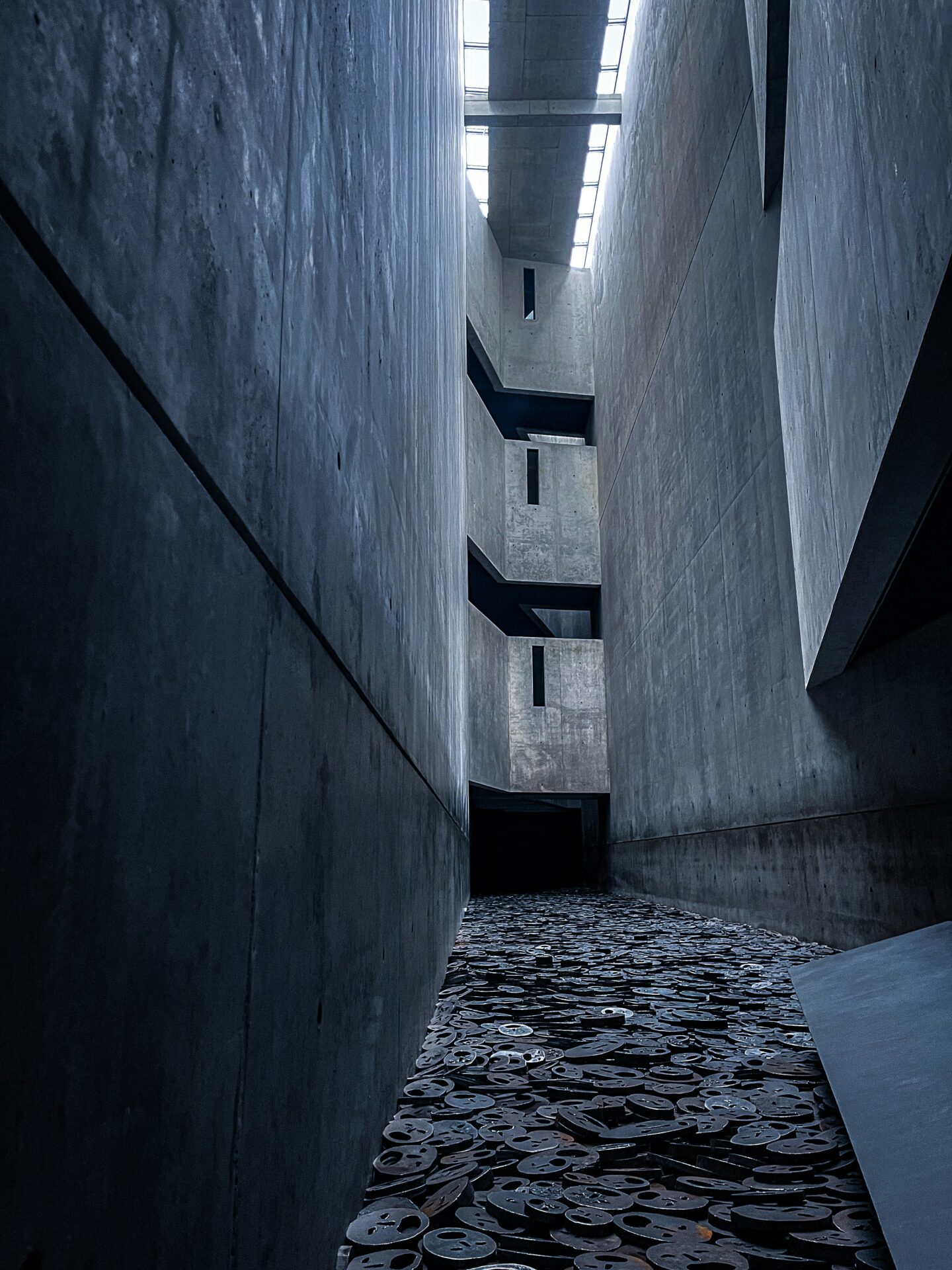
I walked into the Holocaust Tower and immediately felt the coldness of the bare concrete walls. The space is tall, empty, and dimly lit, with just a thin slice of daylight coming from above.
Inside, silence dominates. Every sound echoes, amplifying a sense of loneliness and isolation. This room represents the loss and absence left behind by the Holocaust.
Libeskind designed the Holocaust Tower to unsettle and invite meditation. For me, it became a physical reminder of lives cut short and a space for quiet, personal reflection.
Garden of Exile
Outside, I wandered through the Garden of Exile—a tilted grid of forty-nine concrete columns filled with earth from Berlin and Jerusalem. Olive willows shoot up from the tops, reaching for the sky.
The uneven ground made me feel off-balance. This garden speaks to the confusion and loss so many Jewish people faced when fleeing persecution during the Holocaust. The earth from both cities hints at longing for home and the hope of new beginnings.
Even though the garden looks harsh, the willows and open sky above offer a sense of hope and growth. I felt its message about survival and resilience, even in tough times.

The Three Axes: Exile, Holocaust, Continuity
Inside, three main axes—Axis of Exile, Axis of the Holocaust, and Axis of Continuity—lead you through the building. Each one comes alive with artifacts, stories, and architecture that echo its theme.
Axis of Exile shows displays about emigration and displacement. The Axis of the Holocaust ends at the Holocaust Tower, driving home the reality of loss. The Axis of Continuity winds toward renewal and the ongoing story of Jewish life in Germany.
These routes help me see the complexity and endurance of Jewish history. The design doesn’t just show history—it asks you to walk through it and reflect on what it all means.
Evolving Jewish Life and Interactive Exhibitions
The Jewish Museum Berlin explores Jewish life in Germany with exhibitions that mix historical artifacts, personal stories, and modern technology. There’s insight into both past and present, plus plenty of chances for hands-on learning.
Temporary and Thematic Exhibitions
During my visit, I found a blend of temporary and core exhibitions. Each one highlights a different part of Jewish life in Germany—from the Middle Ages to today. Topics range from migration and religious traditions to cultural achievements.
One exhibit focused on changes in Jewish life after the fall of the Berlin Wall. Artifacts, photos, and multimedia guides brought the challenges and hopes of Germany’s Jewish population to life. Some temporary exhibitions spotlight individual stories, like those of artists or writers, making history feel personal and immediate.
Exhibition formats include:
- Objects and documents with straightforward explanations
- Multimedia stations for listening to oral histories
- Interactive elements for hands-on learning
Jewish Life in Contemporary Berlin
Jewish life in Berlin today is vibrant and diverse. The museum’s permanent exhibition covers how communities have changed since World War II and after reunification. You’ll find sections on religious practice, family traditions, holidays, and art.
Modern photos and video interviews show how people keep Jewish culture alive. I saw profiles of Berlin’s Jewish residents and learned about their daily routines. Topics included new synagogues, Jewish schools, and community festivals.
A timeline traces how the community rebuilt itself over time. These exhibits ground history in real-life experiences, showing both the normalcy and challenges of being Jewish in present-day Germany.
Anoha Children’s World and Interactive Games
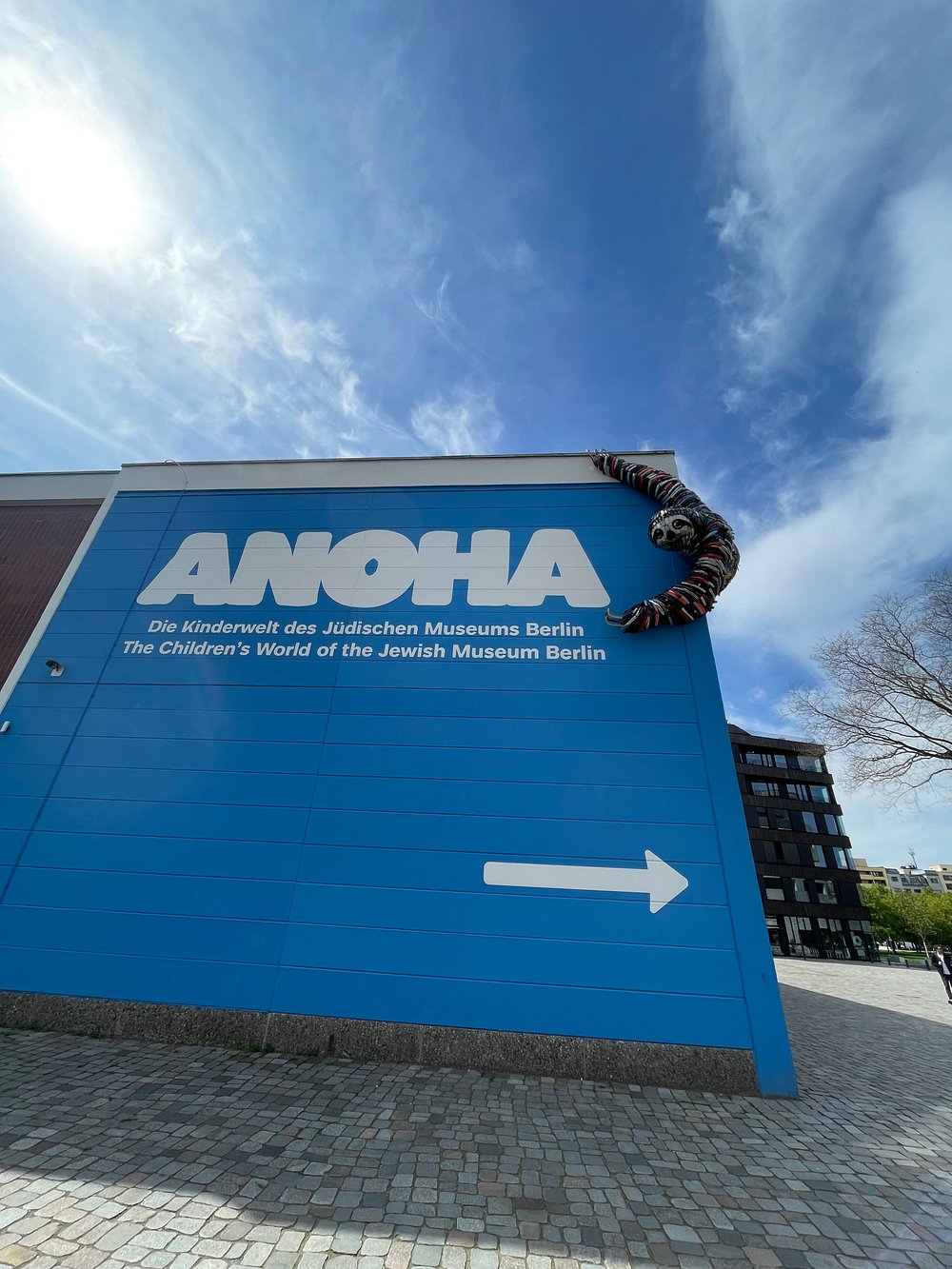
Anoha, the museum’s children’s area, is based on the story of Noah’s Ark. It’s designed for kids, but honestly, I found it pretty engaging as an adult, too. Everything is interactive—life-sized animal sculptures made from recycled materials, spaces to climb and play, all while learning about community, diversity, and cooperation.
Interactive games help visitors learn about Jewish culture by solving puzzles and taking on different roles. One game asks you to pack a suitcase for a journey, teaching about migration and change.
In Anoha, stories come alive through play and hands-on activities, making Jewish history and values accessible for younger visitors. This section really shows the museum’s commitment to active, meaningful learning for everyone.
Leadership, Legacy, and Enduring Impact
The Jewish Museum Berlin stands as a testament to strong leadership and a real commitment to education. Its influence goes far beyond Germany, thanks to its innovative architecture and programs that welcome visitors from all over the world.
W. Michael Blumenthal’s Contribution
W. Michael Blumenthal really shaped the museum’s vision and set it on the path to success. As the first director, he took what started out as a big idea and turned it into a respected institution.
He was born in Germany, but as a child, he had to flee the Nazis. Years later, he came back to help build a space for dialogue about Jewish history in Germany.
Blumenthal brought together historical exhibits and bold, modern architecture. He made sure the stories of the Jewish community were told with honesty and respect.
He always pushed for open conversations, even when the topics were tough. Blumenthal wanted the museum to feel welcoming and relevant, not just for Jewish visitors, but for everyone who walked through the doors.
Honestly, his leadership made the museum a place where people could learn, reflect, and connect with history in a meaningful way.

Global Influence and Educational Role
The Jewish Museum Berlin stands out as a leading site for exploring Jewish identity and German history. People from all over—visitors, researchers, students—seem to find their way here.
You’ll find exhibitions, workshops, and educational events that really dig into complicated histories. I’ve noticed the building itself, crafted by Daniel Libeskind, sparks conversation; it almost teaches you, showing how architecture can capture memory and loss.
The museum runs programs that encourage interfaith dialogue and push back against prejudice. It’s not just a Berlin thing either—the museum teams up with institutions across the globe, turning Berlin into a real meeting point for conversations about tolerance, diversity, and our shared stories.


