
Kastoria sits quietly beside Lake Orestiada, and honestly, it feels like something straight out of a storybook. The calm lake throws back the colors of old churches and homes, and I often found myself just pausing to soak it all in.
Kastoria brings together natural beauty and deep Byzantine history, perfect if you’re searching for a different side of Greece.
As I wandered the cobblestone streets, I ran into centuries-old churches and grand buildings from the Byzantine and Ottoman times at nearly every turn.
The city’s architecture and those lake views—what a combo. Swans glide along the water, and ducks always seem to be tagging along.
And then there’s the fur industry, which is woven into so many local stories and traditions. Kastoria doesn’t just look magical; it really feels that way, especially when you’re out for a stroll, catching those lake reflections.
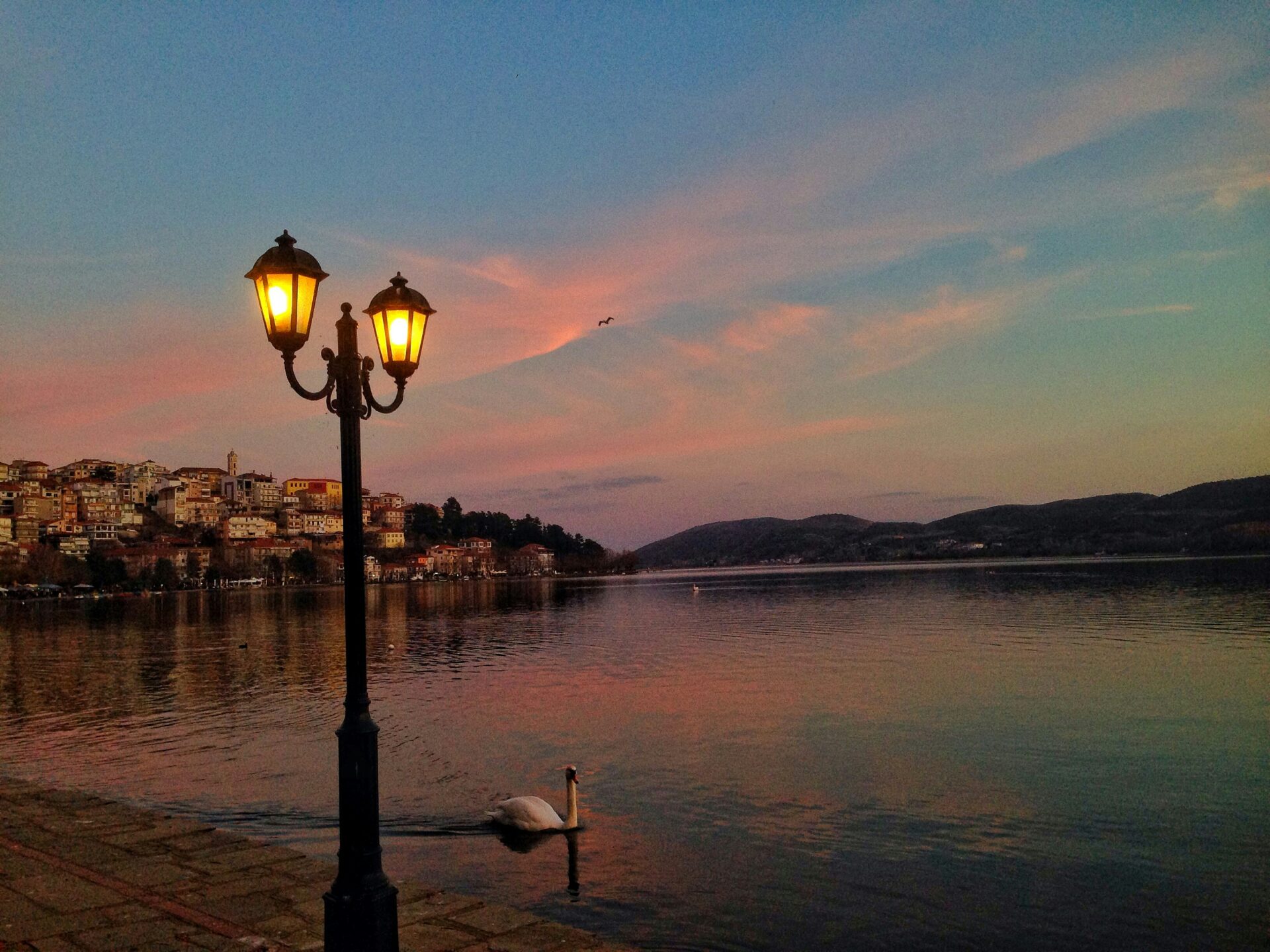
Discovering Kastoria’s Fairytale Charm
Kastoria almost feels like a secret. The peaceful lake views and hidden corners invite you to slow down and reflect.
Walking here, I felt like every step was a new story—some old, some just beginning.
A Town Reflected in Lake Orestiada
Lake Orestiada wraps around the town, acting like a giant mirror and giving Kastoria its dreamlike look.
Every evening, I’d watch golden light spill over the water. The mountains and sky doubled themselves on the lake’s glassy surface.
I found benches scattered along the edge where people gathered for snacks or a good chat. These spots made perfect photo ops, especially at sunset when the red-roofed houses started to glow.
Boat rides were easy to catch, and they offered a gentle way to see Kastoria from another angle.
Even the air felt different by the water. Every breath brought a hint of wet stone and fresh flowers.
It’s calm here, but never empty—a kind of peace where the city’s pace just slows down.
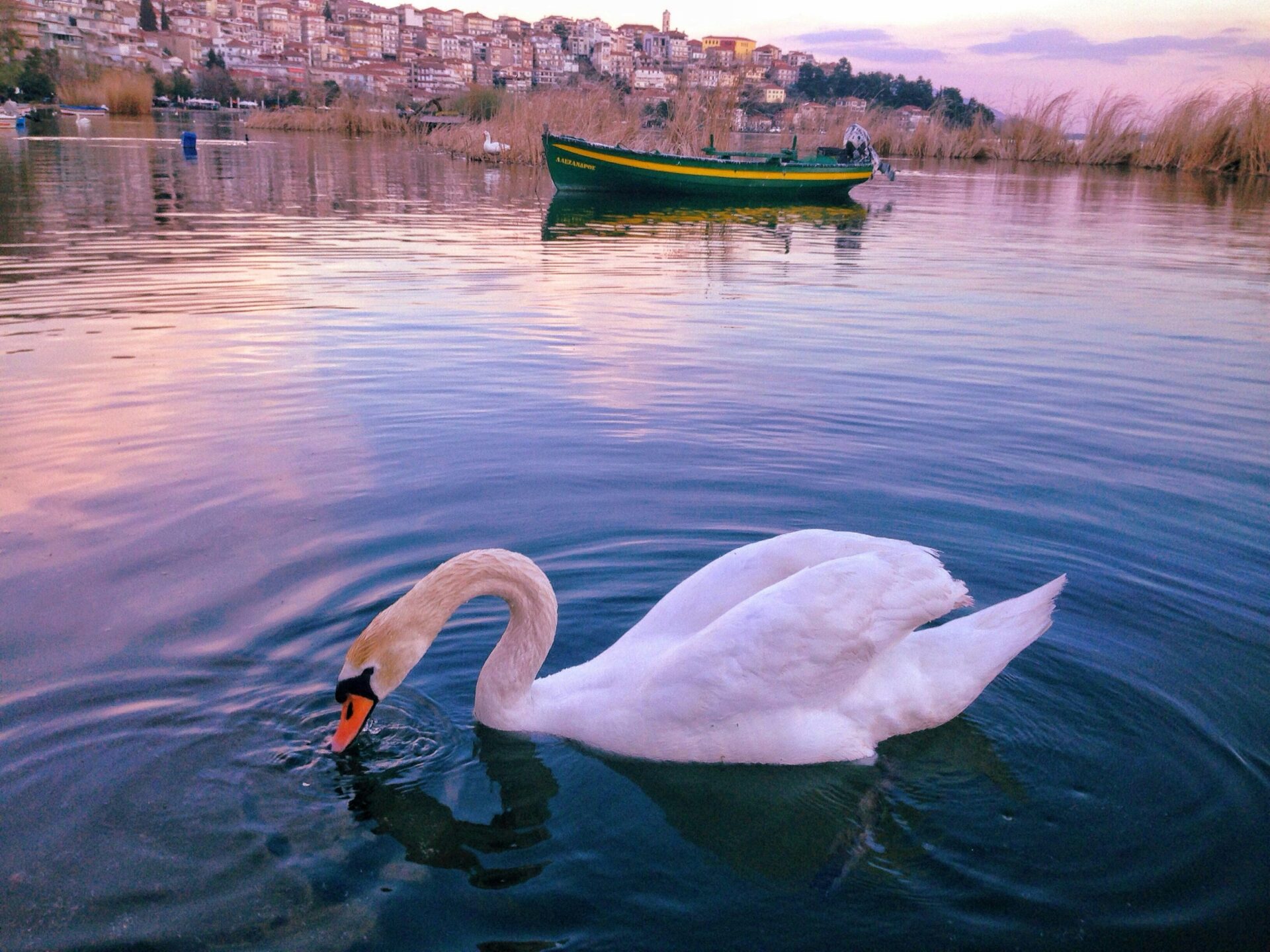
Hidden Nooks Along the Lakeshore
Exploring the lakeshore, I followed winding paths beneath tall plane trees and past old stone walls.
I stumbled onto tiny wooden docks, quiet hideaways, and even a café perched right above the water.
Locals nudged me toward the narrow streets behind the lakefront. These little alleys often ended with secret viewpoints or tucked-away gardens.
I found tiny churches squeezed between tall houses and listened to shopkeepers share Byzantine legends while they sold handmade furs.
Wildlife popped up now and then—swans drifting by, turtles basking on rocks, birds singing from the reeds.
Evenings brought fishermen out with their nets, calling softly to each other. It all felt like a story from another time, just with a camera in my hand.

Byzantine History Encircling the Water
Stories of emperors, monks, and traders fill Kastoria’s past. Every walk along Lake Orestiada took me past ancient churches, stone mansions, and relics that have survived for centuries.
Exploring Monasteries and Frescoed Churches
Wandering through Kastoria’s ancient churches, I always felt close to a story.
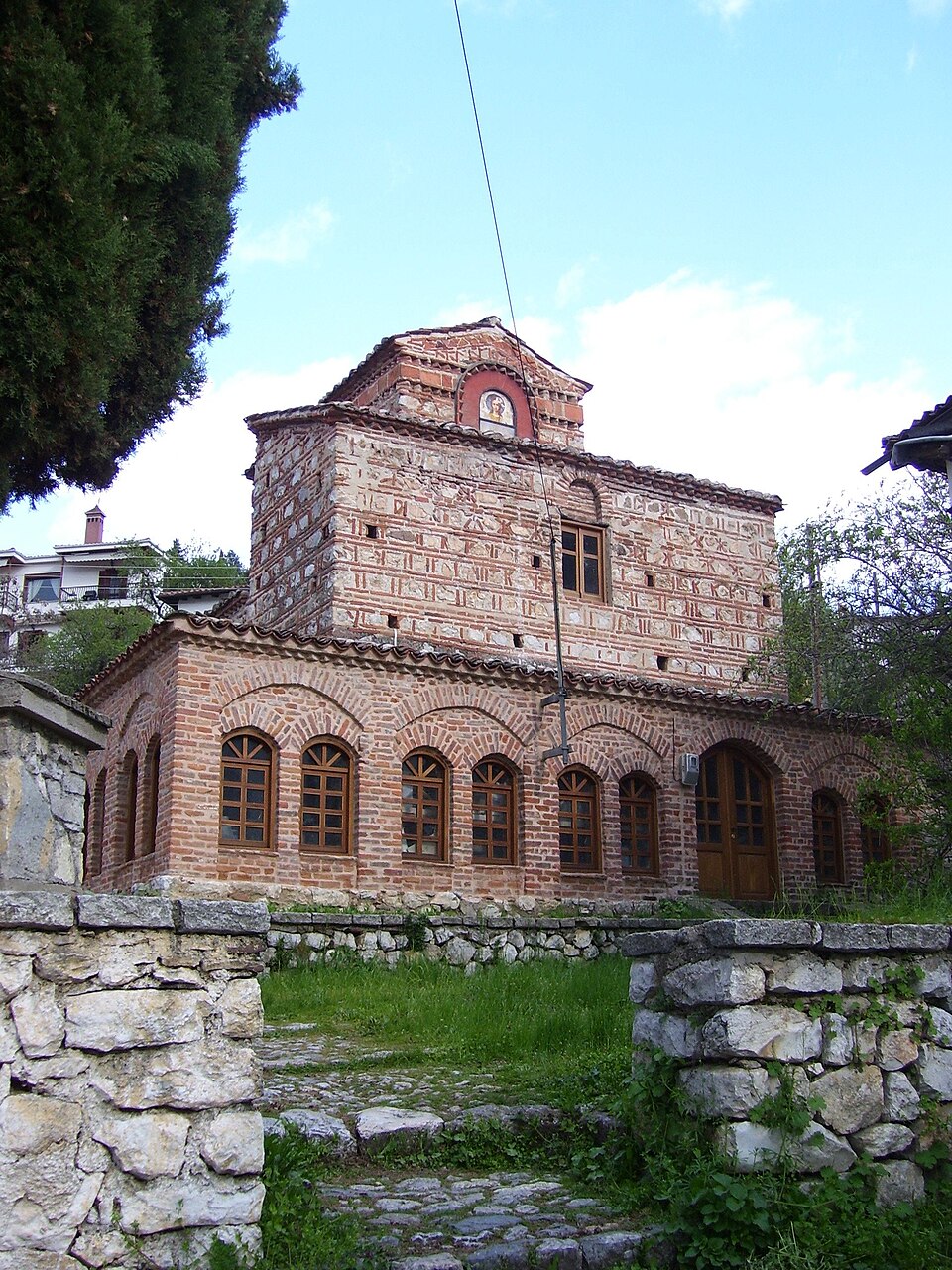
The town is packed with Byzantine churches—over 70, actually. Narrow lanes led me to quiet monasteries like Panagia Mavriotissa, right on the lakeshore, where faded frescoes still catch the morning light.
Inside, the air stayed cool and still. Colorful frescoes covered the walls, telling stories of saints and old miracles.
St. Stephanos is another one I love—smaller, but packed with intricate relics.
I always tell people to pop into as many churches as they can. You never know if you’ll find a gold mosaic, a peaceful courtyard, or just a perfect view of Lake Orestiada through an old doorway.
Kastoria’s Enchanting Mansions and Architecture
The old neighborhoods in Kastoria show off mansions called “archontika”—big houses built by wealthy fur traders during Ottoman and late Byzantine times.
Tall stone walls and wooden balconies hint at the city’s fur trading past. I love wandering Doltso and Apozari, where these elegant houses line twisting, quiet streets.
Some mansions now open as boutique hotels or museums, so you can peek at wood-carved ceilings and old furniture.
The architecture mixes Byzantine, Ottoman, and Macedonian touches. Every street feels like a walk through a living museum, with each house whispering stories of trade and tradition.

Important Byzantine Landmarks and Museums
The church of Taxiarchis of Mitropoleos and the Monastery of Panagia Koumpelidiki stand out among Kastoria’s Byzantine landmarks. These places feel like time machines, filled with ancient icons and altars.
I always make time for the Byzantine Museum of Kastoria. It sits on a hill with a great lake view, and inside, you’ll find rare icons, coins, and textiles from the 12th to 17th centuries.
Here are the sites I remember most:
- Panagia Mavriotissa
- St. Stephanos Church
- Byzantine Museum of Kastoria
- Panagia Koumpelidiki
Each visit adds another layer to my sense of this lakeside city.

Walking the Lakeside Promenade
Lake Orestiada hugs Kastoria, reflecting not just the skyline but layers of history and daily life. Mornings and afternoons here are gentle—ideal for a quiet walk or just soaking in the scenery.
Favorite Morning Walks Around Lake Orestiada
I like to start my day early, just as the sun begins to hit the rooftops and Lake Orestiada turns smooth as glass.
The path along the water is easy to walk, shaded by beech and plane trees that keep things cool, even in summer.
Photographers, take note—sometimes the houses, mansions, and domed churches line up just right in the lake’s reflection.
Locals and tourists cross paths here. Some walk dogs, others sip coffee on benches.
I love stopping to watch little fishing boats glide by. Sometimes, I jot notes about every old stone house I pass—each feels like a reminder that Kastoria is full of stories.
The air carries a sweet mix of lake breeze and early leaves, and it always slows me down.
If you’re planning a morning walk, here are my tips:
- Start early for the best light and quiet
- Bring a camera or sketchbook; the views change fast
- Grab a local pastry from a bakery near the lake
- Pause at the shaded promenade to watch life unfold
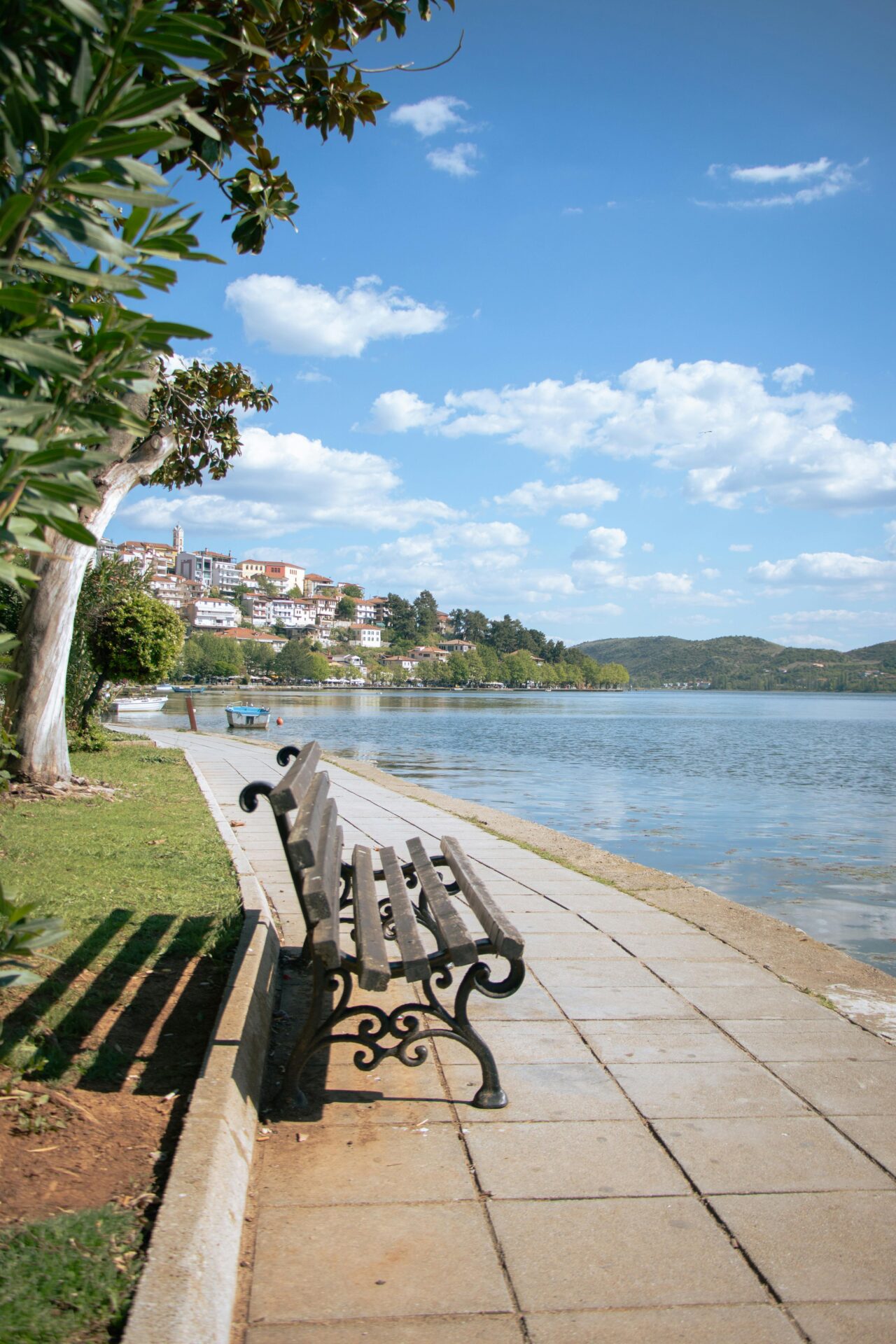
Wildlife Encounters in a Serene Setting
Walking the promenade, I never know what animal I’ll spot next.
Ducks, swans, and herons gather near the banks, especially in the early hours before the path gets crowded.
Sometimes, turtles peek from the rocks or little fish dart just under the surface. Swans drift close to shore, their feathers bright against the water.
Benches under the plane trees make it easy to sit and watch the birds. I often bring binoculars—it’s the best way to spot rare waterfowl that make Lake Orestiada a quiet paradise for birdwatchers.
The lakeside always feels peaceful, far from any city noise. It’s common to see fishers standing still by the edge, with a few stray cats hoping for scraps.
In spring, frogs and birds add their voices to the sound of leaves overhead.
Here’s a quick list of wildlife I’ve seen here:
- Swans and ducks
- Herons and gulls
- Turtles
- Small fish
- Sometimes otters
- Songbirds in the trees
Every day brings a new surprise, and I always finish my walk feeling calmer.

The Furry Tales of Kastoria’s Furrier Heritage
Kastoria built its reputation on fur-making for over five centuries. Furs shaped the city’s identity, supported families, and drew visitors from everywhere.
A Legacy of Fur Craftsmanship
Walking through Kastoria’s old neighborhoods, I spotted elegant stone houses that belonged to fur traders. This city earned fame across Europe for its skilled furriers.
Families passed down their craft, generation after generation.
By the 18th and 19th centuries, Kastoria’s fur craftsmen sent coats, hats, and stoles to Paris, Moscow, and London. The wealth from fur trading funded churches and grand mansions.
Today, a stroll through the streets still reveals luxury left behind by the fur trade.
Some key features of Kastoria’s fur tradition:
- Old workshops that have survived for centuries
- Hand-stitched fur techniques
- A mix of natural and dyed pelts
Global demand has changed, but fur shops still line some main streets. Their windows blend new designs with classic touches, keeping the tradition alive.

Behind the Scenes: Visiting Fur Workshops
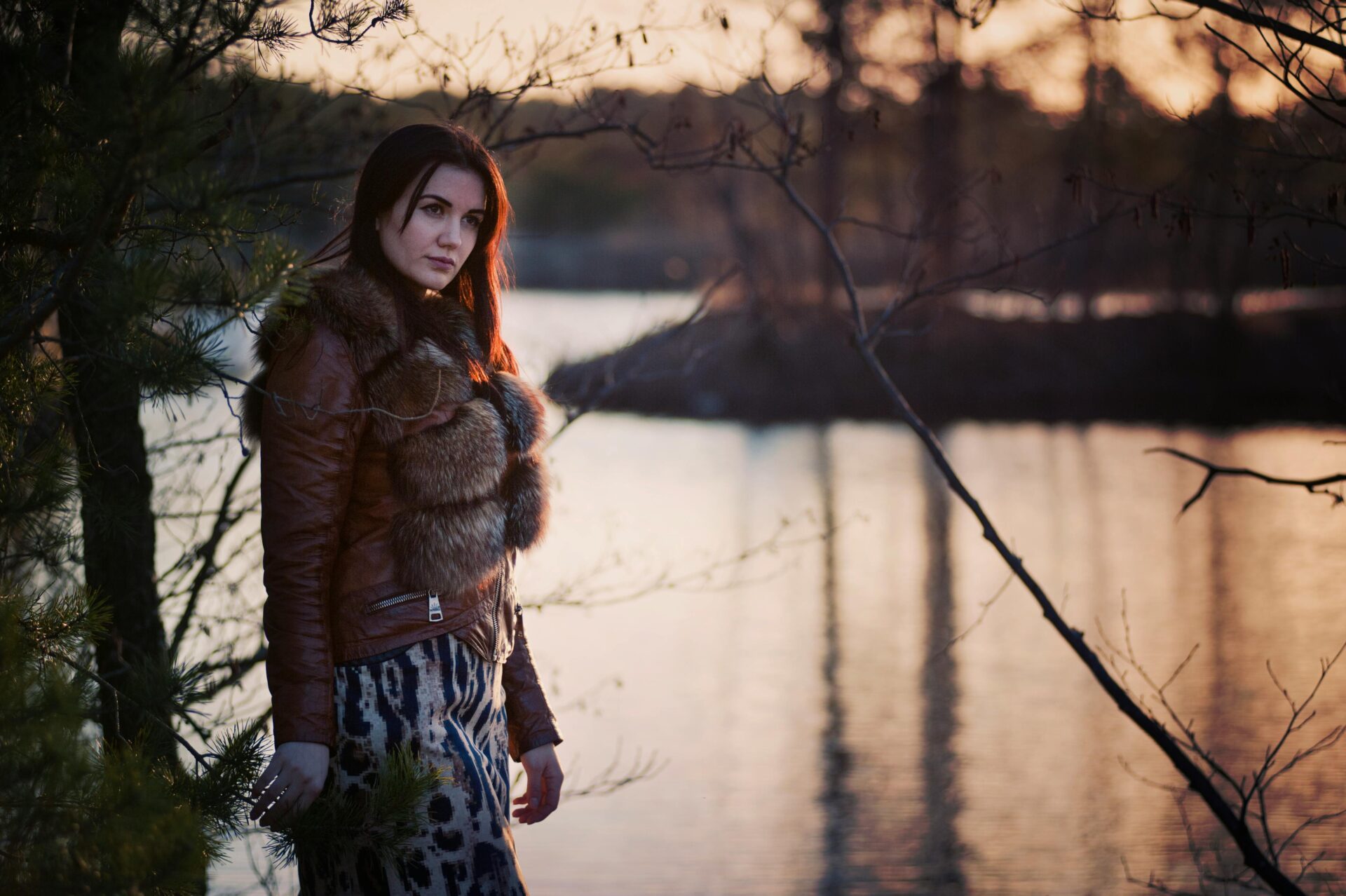
I found a workshop tucked behind a little café. Inside, the air held a faint scent of leather and dye.
Craftsmen hunched over tables, sorting, cutting, and sewing pelts by hand. They worked patiently, paying attention to every detail.
Many workshops now let visitors peek in for short tours. I watched as fur pieces were measured, trimmed, and stitched together with old tools.
Some furriers explained how designs change with trends, but most old techniques remain the same.
A quick visit taught me how to tell mink, fox, and beaver fur apart. Some places even let you touch the different textures or try on pieces still in progress.
I left with a new respect for the skill that keeps Kastoria’s fur tradition alive.
Seasonal Magic and Cultural Festivities
Kastoria changes with the seasons, each bringing new sights and traditions. I think the city feels even more magical as winter settles in and festivals fill the streets with energy and old customs.
Winter Reflections and Snow-Dusted Streets
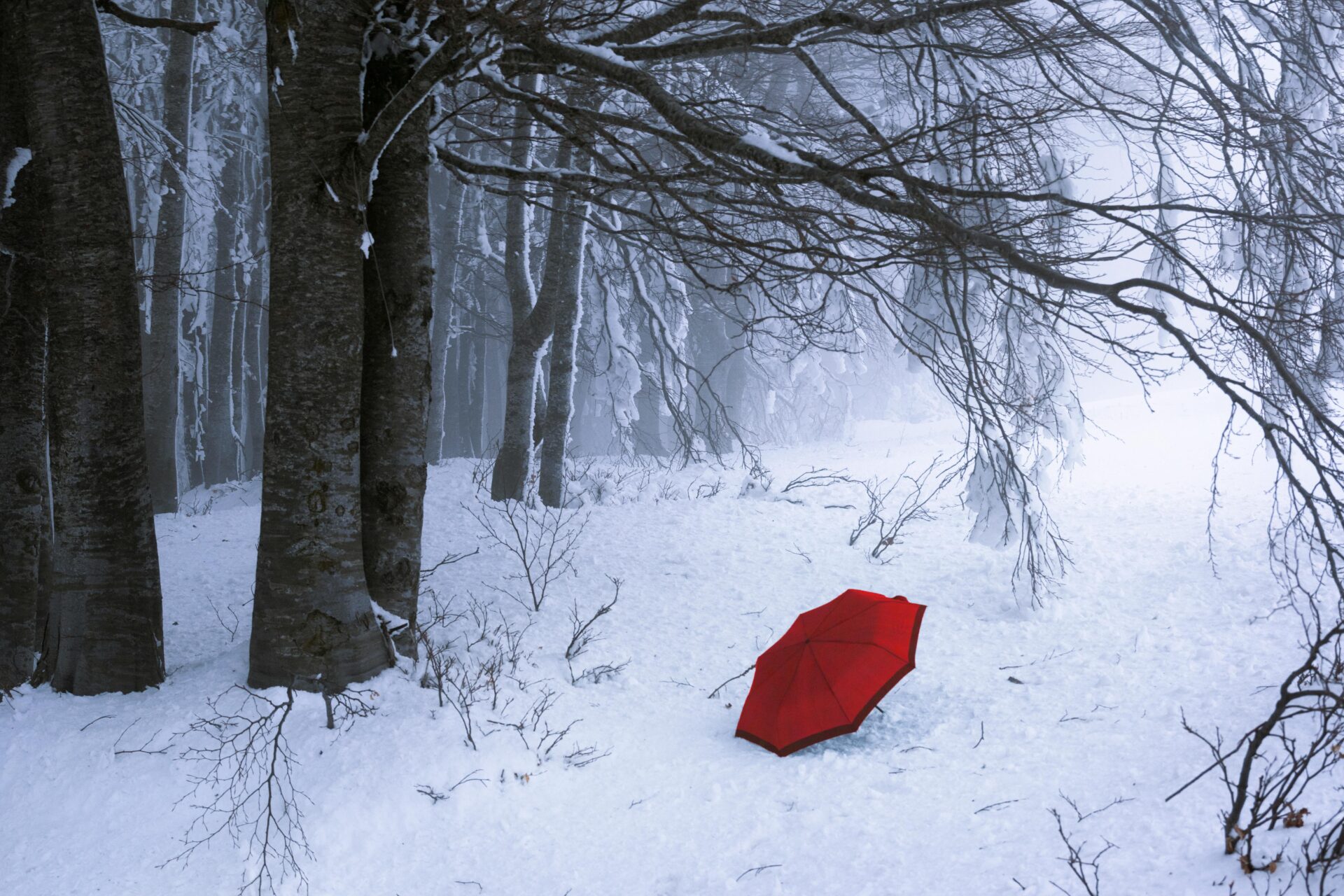
When winter hits, the air turns sharp and rooftops sparkle with frost. Early mornings by Lake Orestiada turn the water into a shimmering mirror.
I love walking the lakeside paths as the city glows under gentle snowfall.
Old stone mansions and narrow alleys in Doltso and Apozari look straight out of a fairytale. Locals stroll slowly, bundled in coats and scarves, greeting each other.
Cafés serve hot drinks, and I can’t resist pausing to warm my hands. Swans glide between patches of ice, and everything feels peaceful and hushed—a perfect time to just take it all in.
Celebrating Ragoutsaria and Other Local Traditions
Ragoutsaria is honestly my favorite winter tradition in Kastoria.
Every January, the whole city bursts into life with wild costumes, singing, and street parades.
For three days straight, music pours out everywhere, and people just dance in the streets—anyone who feels like it can jump right in.
This festival started with ancient Dionysian rituals, meant to ring in the New Year and chase away bad luck.
I always spot locals in masks and flashy outfits wandering from house to house, spreading wishes for joy and good fortune.
Besides Ragoutsaria, I get a kick out of the smaller traditions that pop up all year—things like local feasts or religious processions.
These gatherings always mean music, food, and a lot of laughter.
It’s hard not to feel like you belong here, honestly; there’s just such a strong sense of community, no matter when I come by.


.JPG)