
Kythnos isn’t as famous as some other Greek islands, and honestly, that’s exactly why I keep coming back. Tucked in among the Cyclades, this peaceful island feels like a secret retreat. Hot springs bubble right by the sea, and quiet double beaches stretch out in both directions.
Kythnos is my go-to escape when I want real Cycladic simplicity, warm hospitality, and those unique natural wonders you just don’t find all together anywhere else in Greece.
Whenever I arrive, I feel an instant sense of calm. The pace of life slows down, the villages welcome me in, and the views seem endless.
You’ll even find thermal springs right at the water’s edge—just steps from a sandy beach. It’s the perfect spot to soak and unwind.
Most days, I end up wandering traditional lanes, swimming in hidden coves, and letting go of any rush or plans. There’s no pressure here.
If you’re searching for a quiet getaway or a place where relaxation comes easy, Kythnos is a Cycladic hideaway you shouldn’t miss.
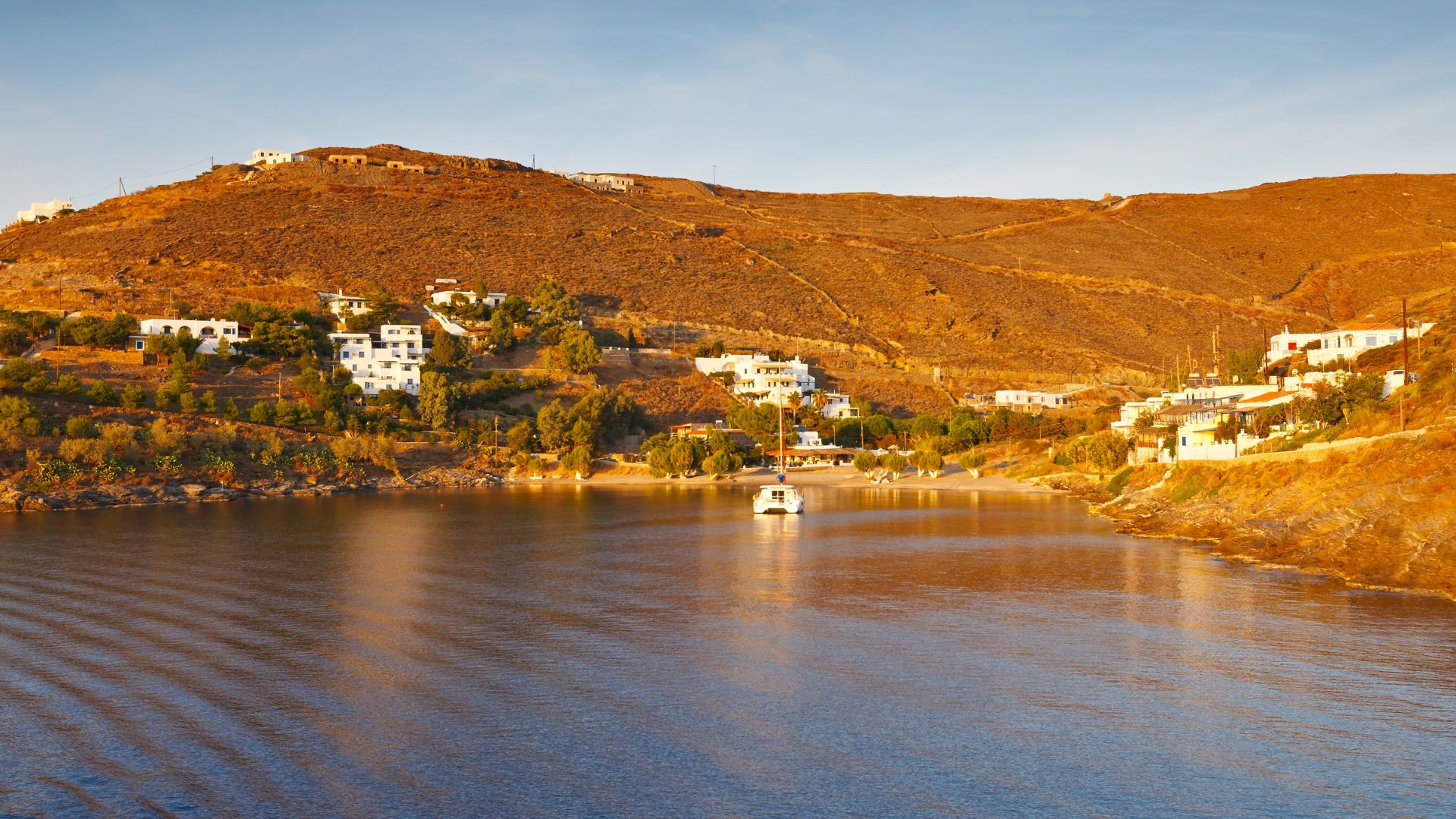
Why Kythnos Is My Authentic Cycladic Hideaway
Kythnos really feels like a secret among the Greek islands. Simplicity, peaceful beaches, and warm healing waters set it apart from the crowded tourist hot spots.
Embracing Blissful Simplicity
Life on Kythnos moves gently. I noticed right away how quiet the villages feel, with locals greeting me as I wandered the stone-paved paths.
There’s no loud crowd or flashy shop in sight.
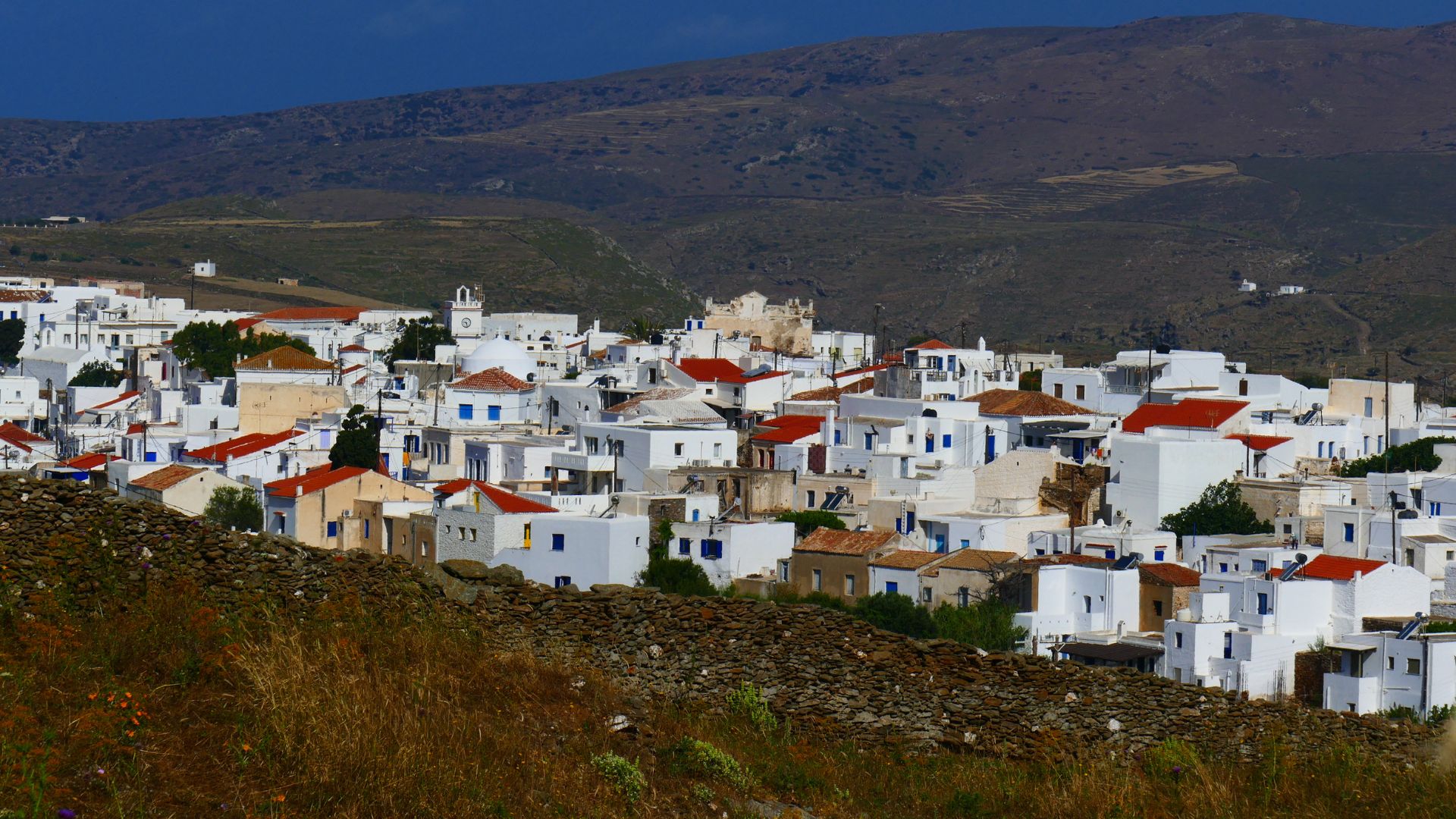
The whitewashed houses and blue shutters just glow under the sun. I’d watch fishermen fixing their nets by the harbor, old men playing backgammon, and women baking bread in their courtyards.
Everything here is simple, but it’s all genuine. Meals come straight from the sea or the land—drizzled with olive oil and local honey over warm bread.
Without big resorts or noisy nightlife, nature and village life take the spotlight. It’s an atmosphere that makes health and peace feel possible, even if you’re only here for a few days.
The Allure of Double Beaches
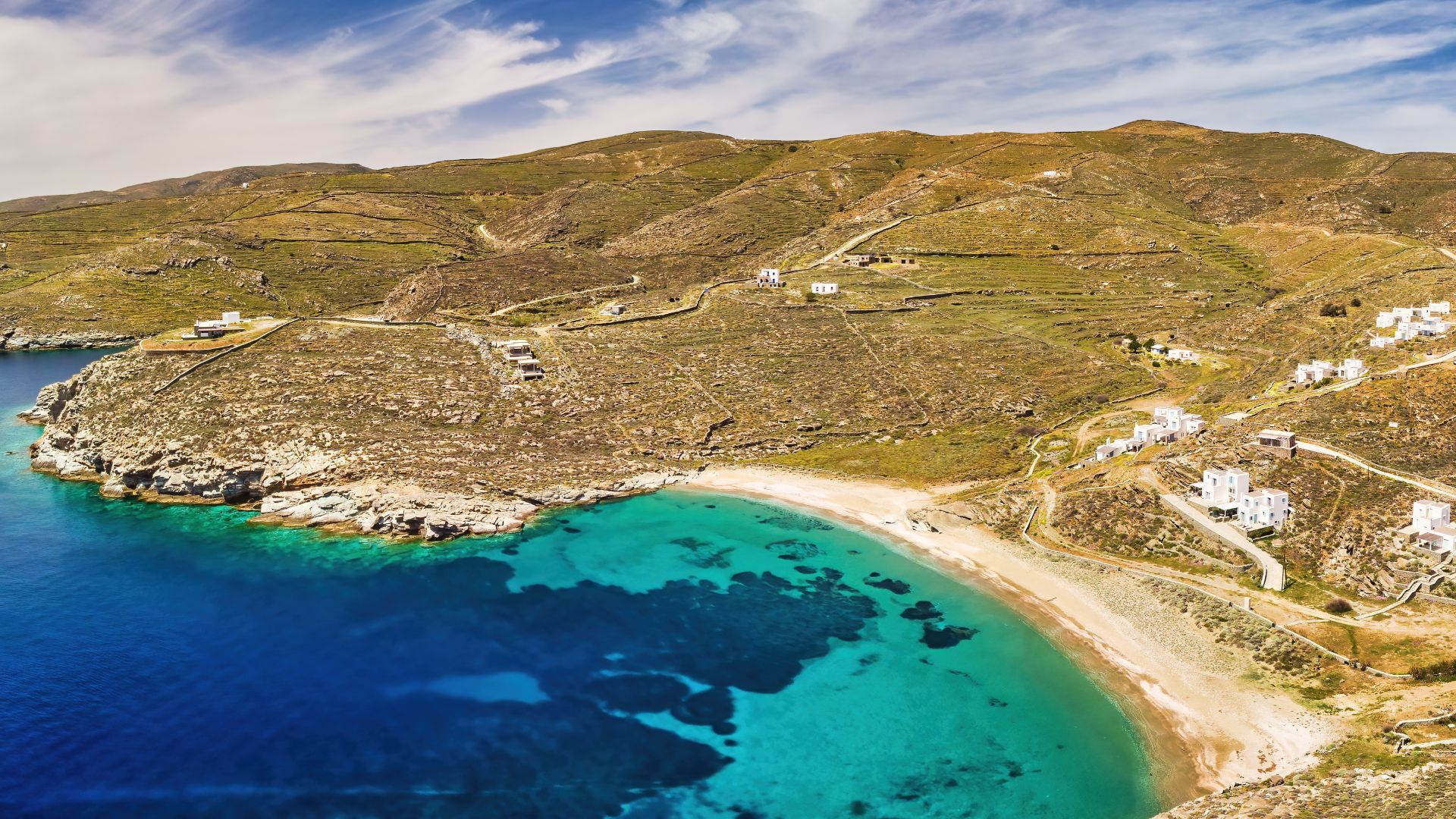
Kolona Beach stands out as one of Kythnos’ most stunning features. Two strips of golden sand create this unique double-sided beach.
Walking barefoot across the narrow sandbar, I dipped my toes in the water on both sides. The sea here looks almost unreal—clear turquoise and blue, shifting with the sun.
| Beach Name | Unique Feature | Best Activity |
|---|---|---|
| Kolona | Double beach | Swimming |
| Apokrousi | Calm waters | Snorkeling |
| Agios Sostis | Secluded & quiet | Sunbathing |
Most of Kythnos’ beaches stay uncrowded, even in the heart of summer. I can actually relax, far away from busy beach bars and rows of umbrellas.
You usually get to these beaches after a short walk or drive, which makes every visit feel like a little discovery.
Thermal Springs and Natural Healing
Kythnos is famous for its thermal springs, especially in Loutra village. These hot mineral waters have been known for their healing properties since ancient times.
Locals and visitors come to ease aching muscles, soothe skin, and relax after exploring.
I tried the open-air spring where hot water meets the cool Aegean Sea. That feeling is both calming and refreshing, with steam rising in the morning air.
Health and wellness aren’t just about fancy spas here—they’re part of everyday life. Some people come for the springs, but many end up staying for the sense of well-being Kythnos inspires.
The thermal baths are simple, not fancy resorts, and the natural setting makes the experience feel truly authentic.
Exploring Kythnos’ Unique Hot Springs
Kythnos draws people in with its natural hot springs. The healing waters, beautiful settings, and old Greek traditions all come together to make this Cycladic island feel special.
Loutra: Spa Town on the Sea
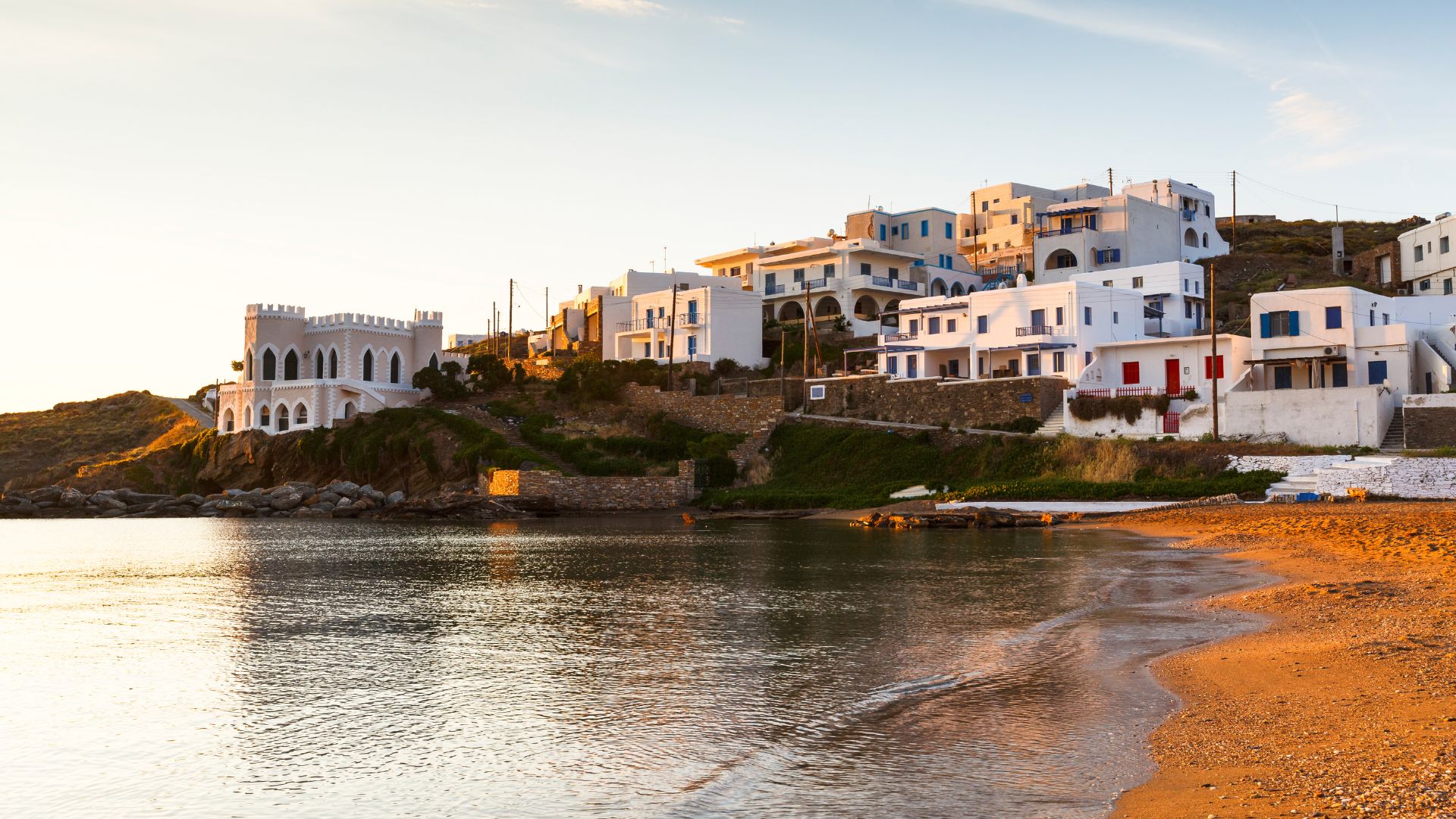
When I got to Loutra, the sea breeze greeted me in this quiet spa town. Loutra sits at the northern edge of Kythnos and is known all over Greece for its historic thermal baths.
The springs run straight into the bay, so I could literally soak just a few steps from the water’s edge.
The town feels easygoing and simple. A few tavernas line the waterfront, and locals hang out at small cafés, especially in the evenings.
There’s a modest public bathhouse from the 19th century, with mosaic floors and spacious soaking rooms. Modern travelers can try the old facilities or go for sleek hotel spas right above the waves.
If you want wellness with a real sense of place, Loutra gives you both. After a dip, I liked to walk along the pebbled beach, watch the fishermen, and let the fresh air do its thing.
Natural Thermal Pools and Local Traditions
Honestly, my favorite hot spring experiences didn’t happen behind spa walls, but right on the shoreline. Outside Loutra, I found spots where hot mineral water bubbled up at the sea’s edge, mixing with the cool Aegean.
Locals often gather in these natural pools—sometimes at sunset for a soak and a chat. Some say the water helps with joint pain and skin issues, which fits with Greece’s long tradition of health through bathing.
I joined a few villagers who showed me how to bring an old towel, test the water temperature, and just sit back as the minerals worked their magic. There’s no need for fancy treatments here.
Travel tip: Bring a swimsuit you don’t mind getting a bit stained and always check the water before stepping in, since it can get pretty hot near the springs.
The Double Beaches: Kolona and More
Kythnos is packed with places where sand and sea meet in the coolest ways. Some beaches stand out for their unique shapes, while others are quiet coves perfect for peaceful swims and sunbathing.
Kolona Beach: A Stunning Natural Wonder
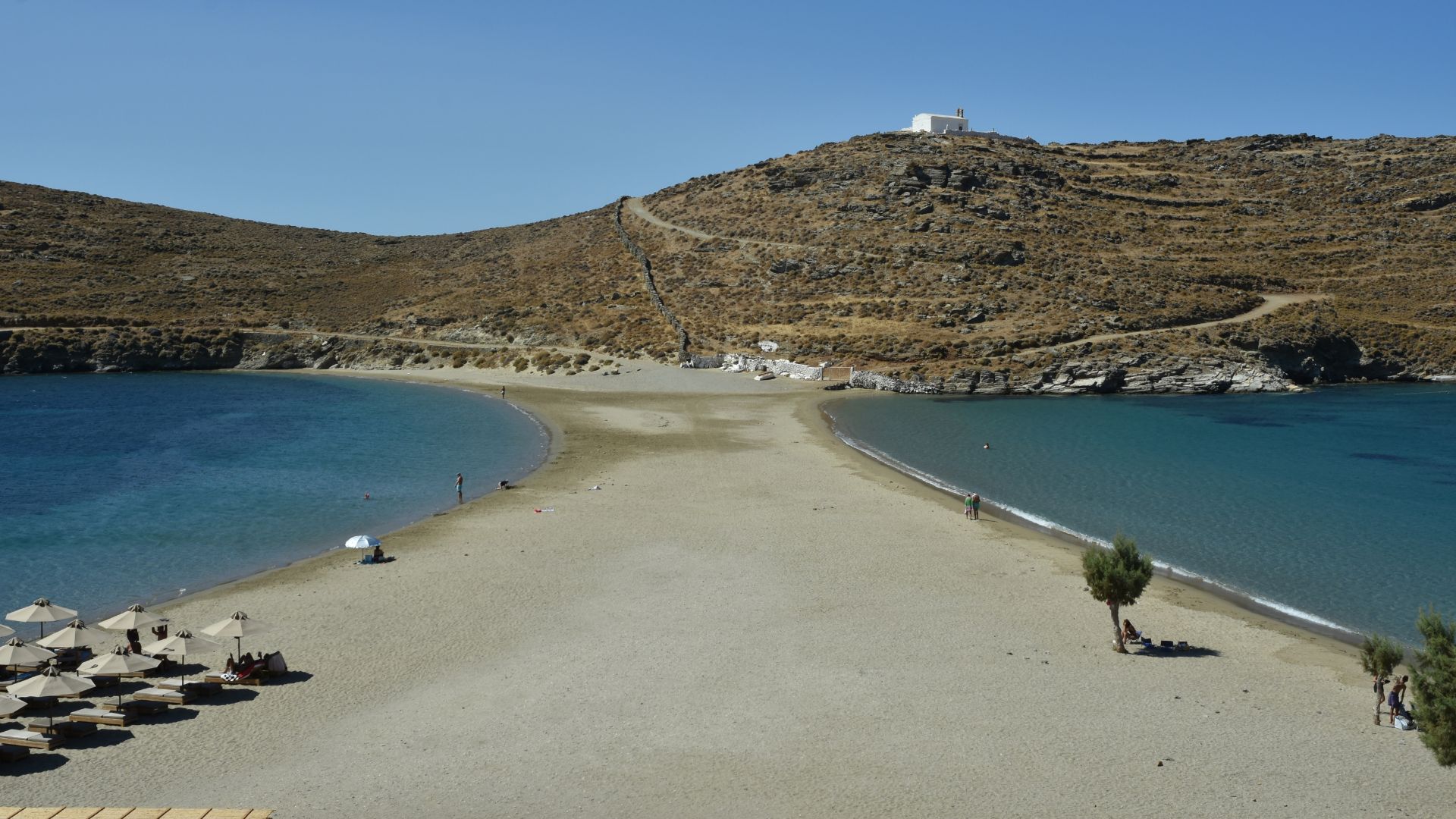
Kolona Beach is like nowhere else I’ve seen in Greece. It’s this narrow ribbon of golden sand stretching between two calm, clear bays, so you feel like you’re walking on water.
The first time I set foot on Kolona, I had ocean views on both sides—a sight that still surprises me.
The beach forms a sandbar, linking Kythnos to a tiny islet. Swimming here feels special—the water is warm and super clean.
On busy days, sailboats anchor nearby, but I always find a spot for my towel.
Why visit Kolona Beach?
- Unique sandbar setting
- Calm, clear waters
- Perfect for photos and relaxing
Tip: Kolona is only reachable by boat or a rugged dirt road. I took a short boat ride from Merichas port, and honestly, that trip was half the fun.
Hidden Coves and Secret Sands
Beyond Kolona, Kythnos is scattered with quiet coves and tiny beaches that are easy to miss. Some of my favorites don’t even have names, so I can swim and relax without any crowds.
Fikiada Beach, right next to Kolona, is peaceful and has soft sand with a gentle slope into the sea.
I always pack water, snacks, and an umbrella when heading to these secret spots, since they usually don’t have any facilities.
If you like adventure, exploring these beaches is simple—just follow narrow paths or ask locals for tips. Every cove offers a new view and a different vibe, from pebbly shores to soft sand.
Must-visit hidden beaches:
| Beach | Features | How To Get There |
|---|---|---|
| Fikiada | Quiet, soft sand, clear water | Walk from Kolona or boat |
| Apokrousi | More lively, café nearby | Short drive from Merichas |
| Secret coves | Peaceful, natural shade | Ask locals, explore by foot |
Wandering along Kythnos’ coastlines is easy, and the reward is finding a perfect beach that feels like it’s yours alone.
Authentic Cycladic Experiences Beyond the Beach
Kythnos isn’t just about golden beaches and thermal springs. Exploring its villages, joining local festivals, and stepping inside ancient ruins helped me understand the real spirit of the island.
Traditional Villages and Local Life
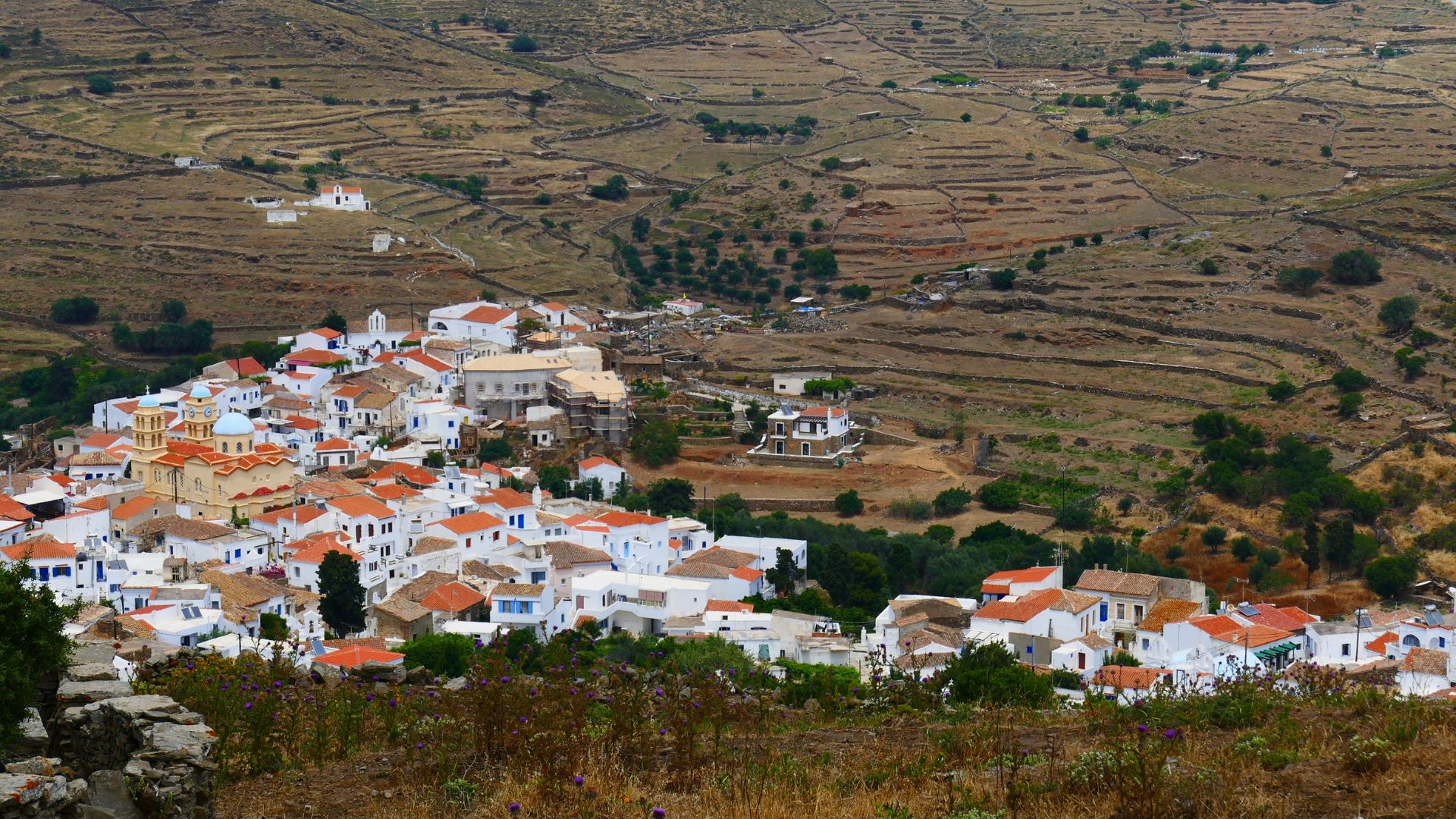
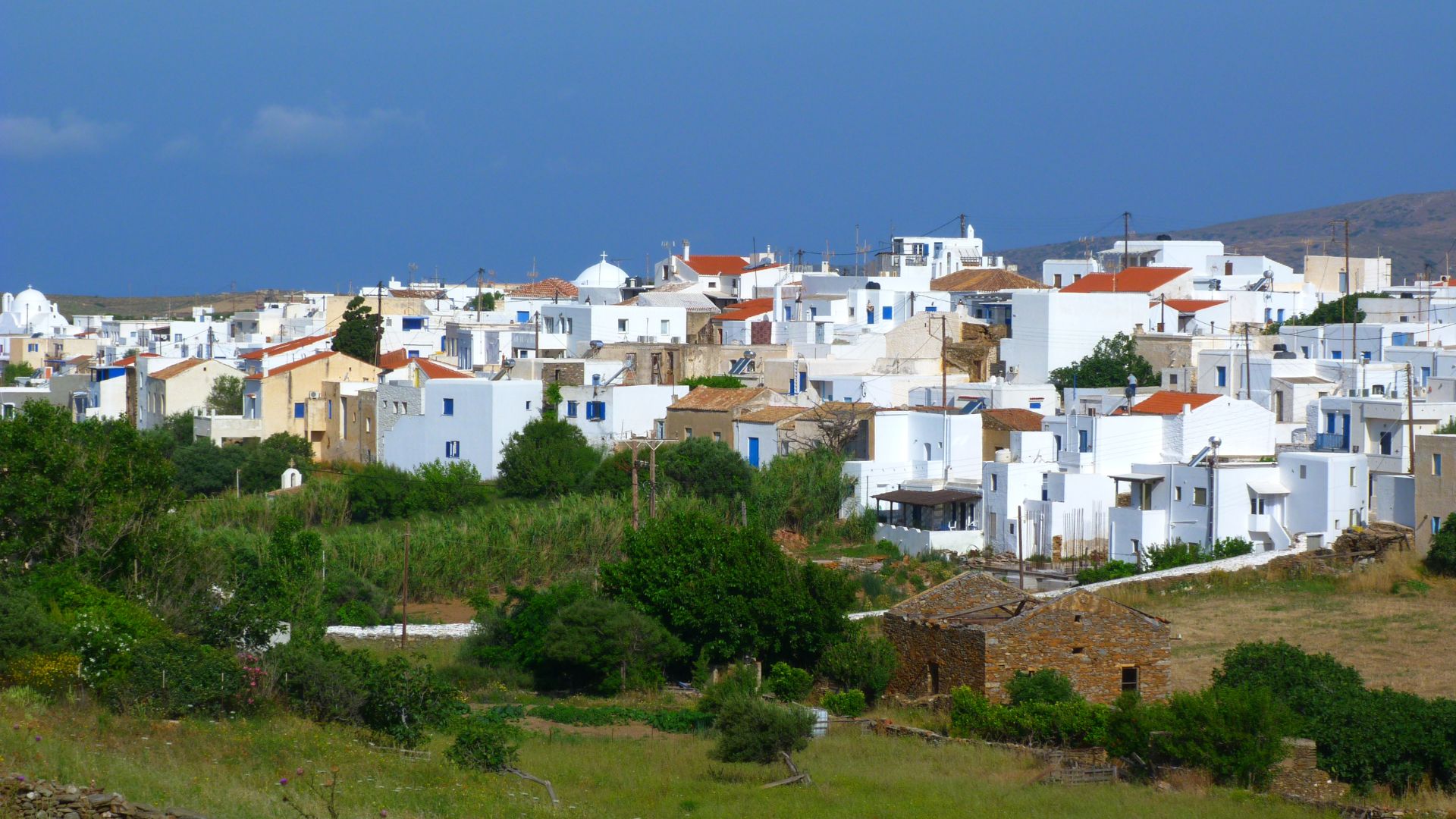
Walking through Kythnos’s villages feels like stepping back in time. In Chora, I wandered narrow, flagstone lanes lined with whitewashed houses and pots bursting with red geraniums.
Locals greeted me with a warm “kalimera.” I quickly learned that sitting at a tiny café was the best way to watch daily life unfold.
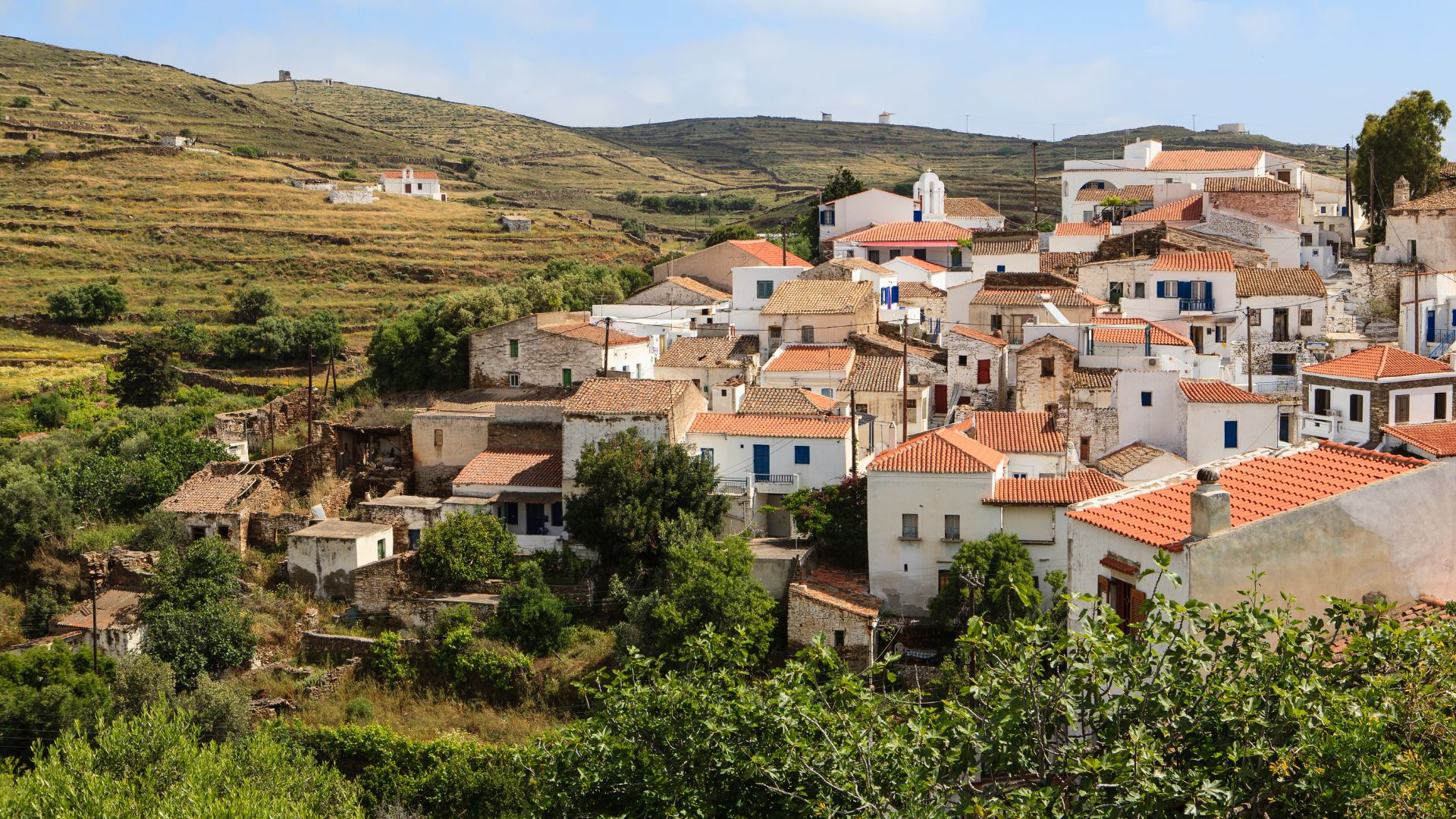
Dryopida stood out with its unique tiled rooftops, unlike anywhere else in the Cyclades. I loved seeing artisans weave baskets or bake bread in old stone ovens.
On market days, village squares fill with vendors selling honey, cheese, and figs—products that are a big part of local tradition.
Evenings often bring everyone together in central courtyards for lively conversation.
Meeting residents is easy, and their pride in old customs and island rhythms shines through. It just makes the island’s simplicity and authenticity stand out even more.
I always end the day feeling like I’m part of something genuine.
Artistic Events and Festivities
Spring and summer fill Kythnos with music. During Easter celebrations, I watched locals parade through candlelit streets, singing songs passed down for generations.
In August, I was lucky enough to catch a panigiri (religious festival), where people honor patron saints with dancing, lyra music, and endless plates of grilled lamb. These community feasts really bring out the island’s spirit.
Kythnos also hosts art exhibitions and small theater shows in Chora’s open plazas. Local artists often find inspiration in stories of ancient gods or the rugged landscape.
I found flyers in village cafés listing upcoming festivities or art shows, so it was easy to join in, even as a visitor.
These gatherings showed me how art and faith are still at the heart of Kythnos life.
Historical Sites and Ancient Greece
History lovers will find plenty of hidden gems on Kythnos. The ancient city of Vryokastro took me on a walk among temple ruins and old stone foundations that once honored the gods of classical Greece.
With every step, I tried to imagine ancient rituals happening in the Meltemi wind.
Medieval touches surprised me too, like the stone-built Castle of Oria perched above the Aegean.
Exploring its gates and old lookout points, I learned about the island’s role during the Byzantine era.
The quiet churches dotting the hillsides reveal more stories through bright frescoes and centuries-old icons.
To make the most of these sites, I grabbed a simple sightseeing map from the main port and asked locals for tips. Their stories brought the stones to life and made my visit to Kythnos so much richer.
How to Get to Kythnos and Enjoy Island Life
Traveling to Kythnos is pretty straightforward if you plan ahead. Most people arrive via Athens, then catch a ferry to reach this less-traveled Cycladic island.
Once you’re here, exploring beaches, villages, and hot springs is best if you mix public transport, walking, and a bit of planning.
Getting There from Athens and Athens International Airport
When I landed at Athens International Airport, my trip to Kythnos already felt like a bit of an adventure. The island doesn’t have its own airport, so I had to get creative.
The quickest way from the airport? I grabbed a taxi (though you could take the metro) into the city, then made my way to the port.
Athens has two main ferry ports for Kythnos: Lavrio and Piraeus. I went with Lavrio since the ferry ride is a little shorter—about two hours.
Ferries leave several times a week, especially during high season. I bought my ticket online without any hassle, but you can also pick one up at the port.
Entry to Greece is usually straightforward with a valid passport. If you’re from an EU country, you’ll barely notice any requirements.
Here’s a quick comparison:
| Port | Travel Time to Kythnos | Ferry Frequency | Note |
|---|---|---|---|
| Lavrio | ~2 hours | Up to 2/day | Shortest route |
| Piraeus | ~3 hours | Fewer options | Longer journey |
Make sure you double-check ferry schedules—weather and seasons can change things up. Watching Athens slip away and the Aegean open up turned the journey into something special.
Getting Around Kythnos
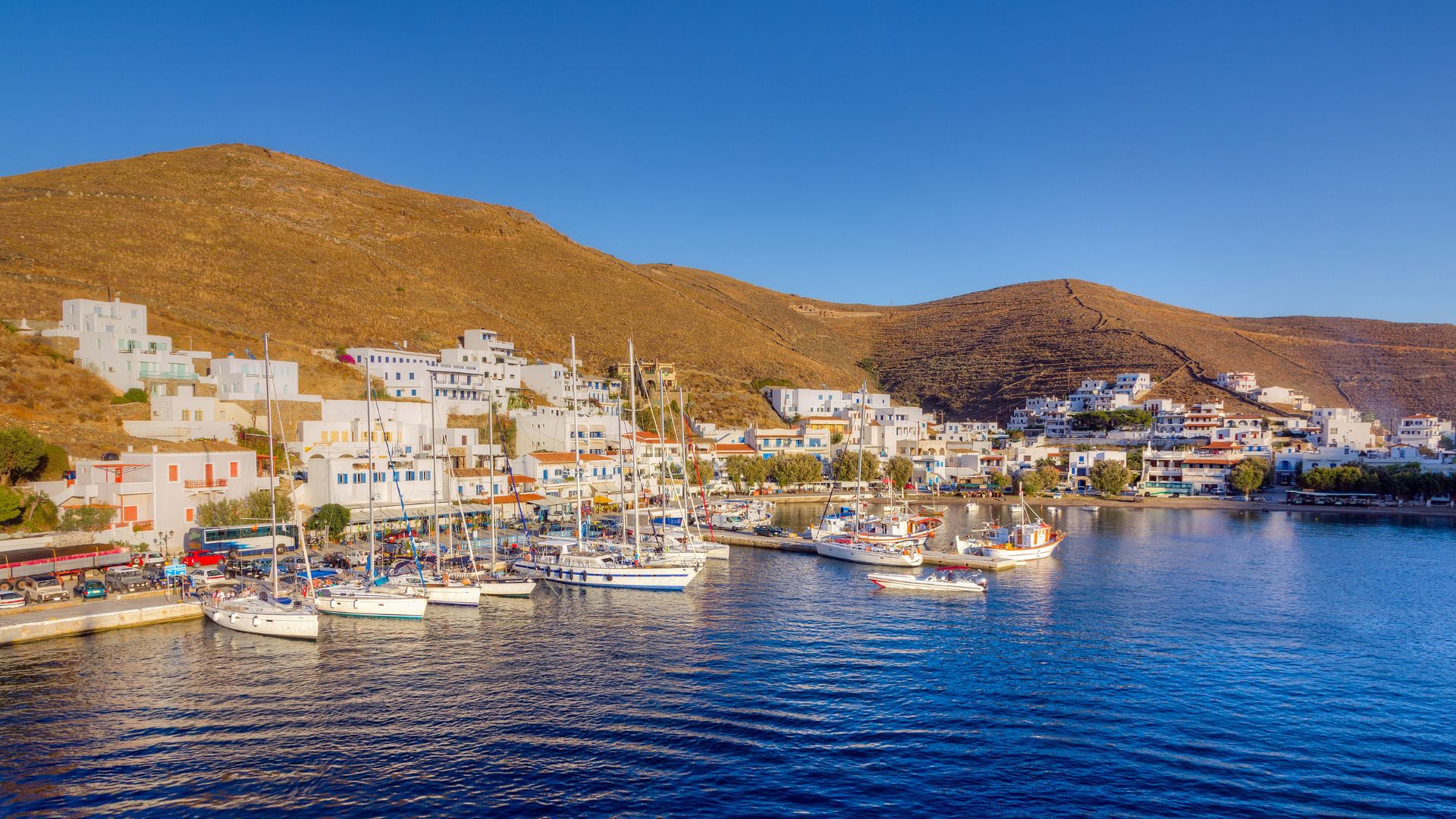
When I arrived at Merichas port, the peaceful vibe of Kythnos hit me right away. Local buses do exist, but they’re limited—so I just rented a small car at the harbor.
Scooters and ATVs are everywhere and let you reach out-of-the-way spots like Flabouria or Kolona beach.
In the main villages, especially Chora and Dryopida, walking really is part of the whole experience. The narrow streets and local bakeries pull you in, and you get to watch daily life unfold around you.
Taxis are an option, but I liked having the freedom to walk or drive myself.
Tip: The roads twist and turn, and some are pretty narrow—so take it slow. If you’re into eco-friendly travel, ask about electric bikes; they’re starting to pop up here and there.
Sustainable Tourism and Responsible Travel
Kythnos really rewards careful travelers. I do my best to cut down on waste by bringing a reusable water bottle and skipping plastic when I shop at the little markets.
Supporting local businesses—like family-run tavernas or artisan shops in Chora—means my money goes straight to the people who make the island special. It’s easy to chat with locals and pick up tips about hidden beaches or upcoming events.
Respecting the island’s traditions is important. I follow the signs on hiking trails, leave beaches just as I found them, and keep the noise down at night to match the calm atmosphere.
With more tourists coming to the Cyclades every year, it feels even more crucial to travel sustainably if we want to keep Kythnos authentic and beautiful.
Travel Essentials: Where to Stay, Eat, and Explore
Kythnos greeted me with whitewashed villages, amazing food, and places to stay that are right by the sea.
From easygoing hotels in Loutra to cozy taverns and lively night spots, every day felt relaxed and real.
Best Hotels and Resorts
I picked Loutra for my stay, mostly because of the natural hot springs. I found a small hotel right on the shoreline, which made early morning dips in the warm water a breeze.
Most hotels on Kythnos are simple, clean, and have that classic Cycladic look—white walls, blue doors, you know the vibe.
Top picks:
- Kythnos Bay Hotel: Just steps from the beach, modern rooms, and genuinely friendly staff.
- Porto Klaras: Comfy suites and a shady terrace—perfect after a day in the sun.
- Chora Suites: Right in the heart of Chora, close to shops and cafés, and it’s got a calm atmosphere.
You won’t find big resorts here, which I actually loved. Guesthouses and small boutique hotels are everywhere.
It’s smart to book ahead, especially in summer, since rooms fill up fast.
Best Restaurants and Local Cuisine
Eating on Kythnos is honestly a highlight. I found little family-run taverns serving up classic Cycladic dishes.
Fresh seafood is everywhere—octopus, grilled fish, calamari. I couldn’t get enough of the cheese pies and local thyme honey at breakfast.
Places I loved:
- Arapis: Huge seafood platters and a view over the harbor.
- Ostria: Traditional Greek food with daily specials—sometimes lamb or goat stew.
- To Steki tou Ntetzi: Don’t miss the spicy cheese dip or the homemade desserts.
Most taverns offer both indoor and outdoor seating. I always felt welcome, and the staff seemed happy to explain any local specialties.
Portion sizes are generous, so sharing is actually a great way to try more dishes.
Nightlife and Shopping
Evenings in Kythnos have this relaxed vibe, but honestly, they’re never boring. I wandered into waterfront bars in Loutra and Chora, where locals and travelers just hang out over drinks and decent music.
Don’t expect massive clubs here—it’s more about easygoing, genuine fun.
If you want a taste of the island’s nightlife, here’s where I ended up:
- En Lefko Bar: Laid-back cocktails, plus you get those killer sunset views.
- Kythnos Club: Sometimes there’s live music and a little dancing on weekends.
Shops in Chora sell handmade pottery, jewelry, and embroidered linens. I grabbed a hand-painted plate for myself—couldn’t resist.
Most stores stay open late, so it’s easy to poke around after dinner. Shopping here feels personal, since a lot of the owners actually make the crafts they sell.
