
La Gomera sits quietly in the Canary Islands. It’s the second smallest island in the chain, with a laid-back vibe and about 20,000 people who share 650 kilometers of hiking trails with forests that once blanketed all of Europe.
This volcanic island just popped up from the Atlantic 12 million years ago. Over time, nature carved it into deep ravines and steep cliffs, giving it two faces—one dry and rocky, the other lush and shrouded in cool laurel forest mists.
During my week wandering La Gomera, I finally understood why hikers call it the Canaries’ most unspoiled paradise. You can walk ancient, UNESCO-protected forests, hear the world’s only whistled language still used today, and sometimes find yourself in absolute silence on trails that haven’t changed for millions of years.
The island’s wild geography inspired Silbo Gomero, a whistling language that echoes across ravines for up to 7 kilometers. Its cloud forests collect fresh water, keeping this whole ecosystem alive.
From volcanic cliffs to peaceful valleys by the ocean, La Gomera serves up experiences you just won’t find anywhere else. Trails wind through Garajonay National Park’s living fossil forests, down to secret beaches in Valle Gran Rey, and up to viewpoints where you can spot Tenerife’s Mount Teide floating above the clouds.
La Gomera: The Heart of the Canary Islands
La Gomera sits out in the western Canary Islands, just 146 square miles in size, and enjoys a gentle subtropical climate all year. The island’s villages still keep old traditions alive, including the rare Silbo Gomero whistling language. Its UNESCO Biosphere Reserve status protects some truly unique ecosystems.
Geographical Overview and Climate
La Gomera is the second smallest of the Canary Islands. You’ll find it tucked between Tenerife and La Palma in the Atlantic.
It stretches just 15 miles at its widest. The island’s round shape forms a natural bowl, with deep ravines radiating from the mountains down to the sea.
Climate highlights:
- Average temperature: 68-75°F, all year
- Wet season: November to March
- Dry season: April to October
- Trade winds keep things comfortable
The north gets more rain and stays green, while the south feels drier and warmer. I noticed the weather shifts fast as you climb into the hills.
Alto de Garajonay rises to 4,869 feet, the highest point. The central plateau creates its own little weather system—mist and clouds drift in, feeding those ancient forests.

Villages, Traditions, and Local Life
San Sebastián is the capital and main port. Around 8,000 people live there, which makes it the biggest town on the island.
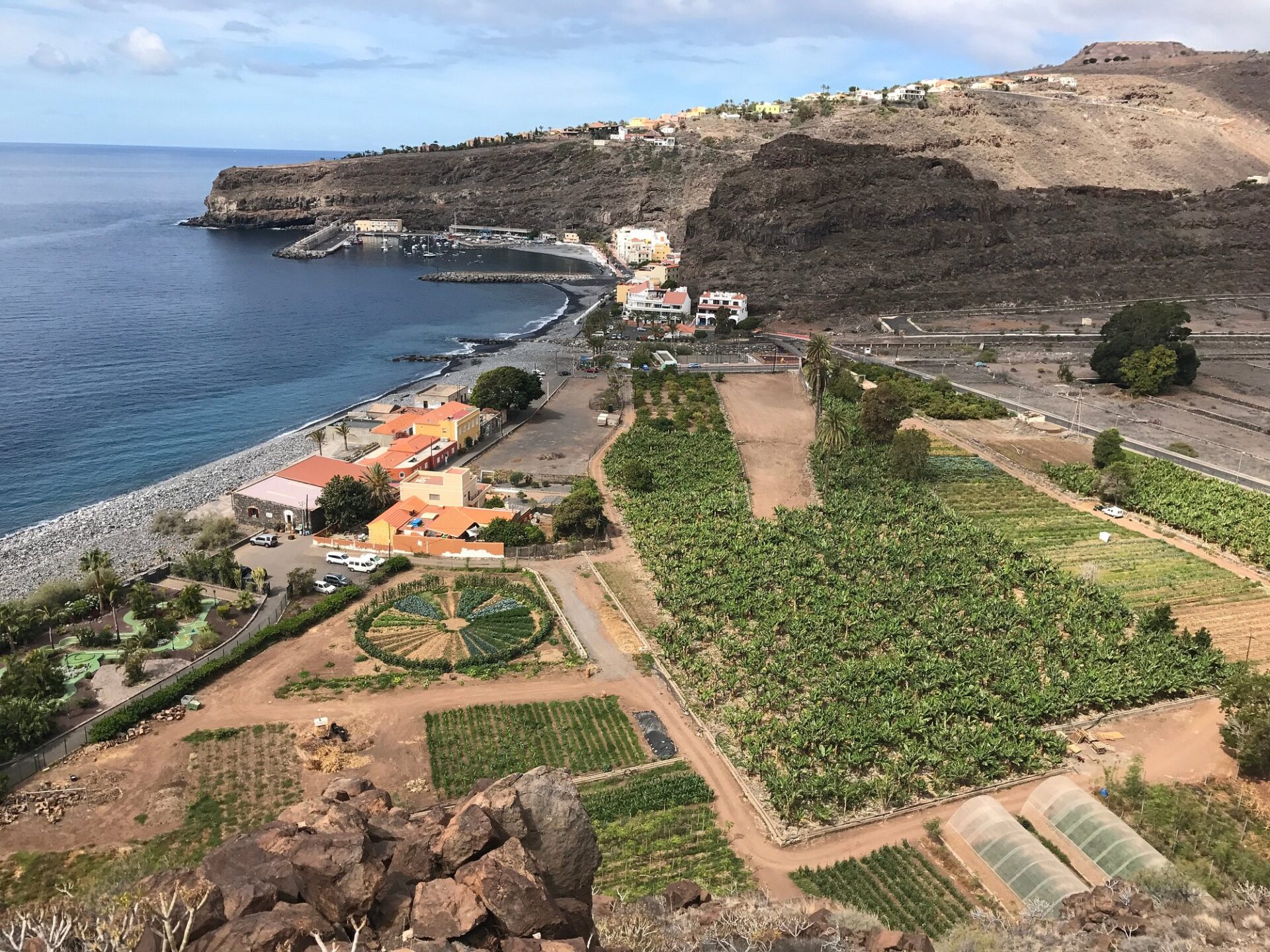
Valle Gran Rey draws plenty of visitors for its stunning cliffs and black sand beaches. The valley holds a handful of small villages, all linked by winding roads.
Traditional villages include:
- Agulo—famous for colonial architecture
- Vallehermoso—renowned for palm honey
- Hermigua—center for pottery
- Chipude—known for basket weaving
The most unusual tradition here is Silbo Gomero, the whistling language. Locals invented it to talk across valleys and ravines. UNESCO named it a cultural treasure in 2009.
Only about 22,000 people live on the whole island. Lots of families have roots stretching back centuries. They keep old customs going through festivals, crafts, and recipes handed down over generations.
UNESCO Biosphere Reserve Status
La Gomera became a UNESCO Biosphere Reserve in 2012. This protects rare plants and animals, while helping local communities thrive.
The reserve covers the entire island and nearby seas. Garajonay National Park forms the heart of it, sheltering ancient laurel forests.
Three protection levels shape the reserve:
- Core areas—nature gets strict protection
- Buffer zones—limited human activity
- Transition areas—sustainable development allowed
The biosphere reserve shelters over 1,000 plant species. Many grow nowhere else. I learned that 150 species are unique to the Canary Islands.
The program supports traditional farming and eco-tourism, so locals earn a living without harming nature. Fishing communities follow sustainable rules in the marine reserve.
Scientists study how climate change affects these ecosystems. The reserve status brings research funding and conservation efforts that help both nature and people.
A Hiker’s Paradise: Trails, Ravines, and Hidden Valleys
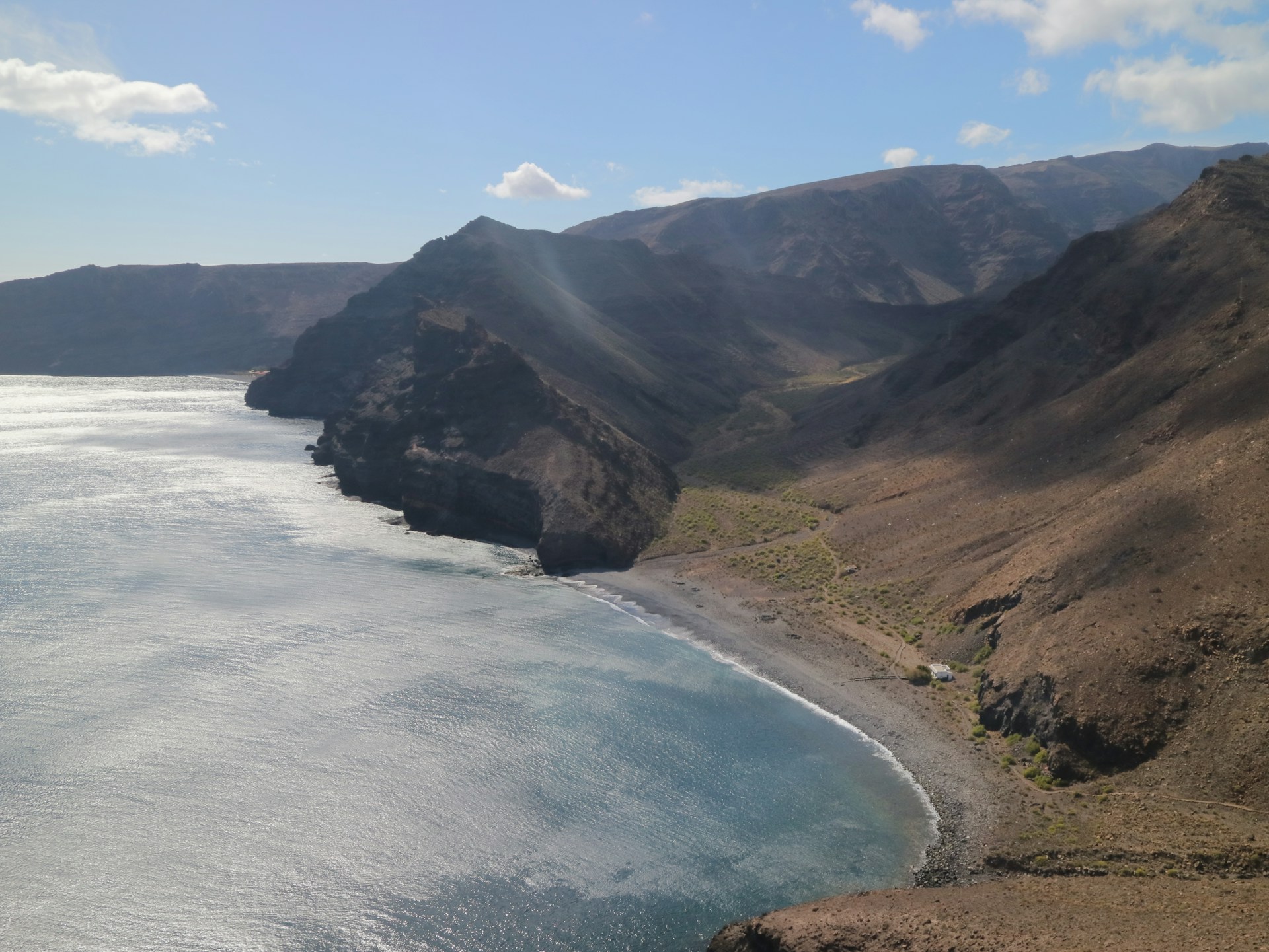
La Gomera offers more than 600 kilometers of marked trails. These paths snake through deep ravines, link ancient villages, and drop from mountain peaks down to the ocean.
The network has something for everyone. Dramatic gorges like Barranco de Tapahuga create some of the most jaw-dropping landscapes I’ve ever explored.
Top Hiking Routes for All Levels
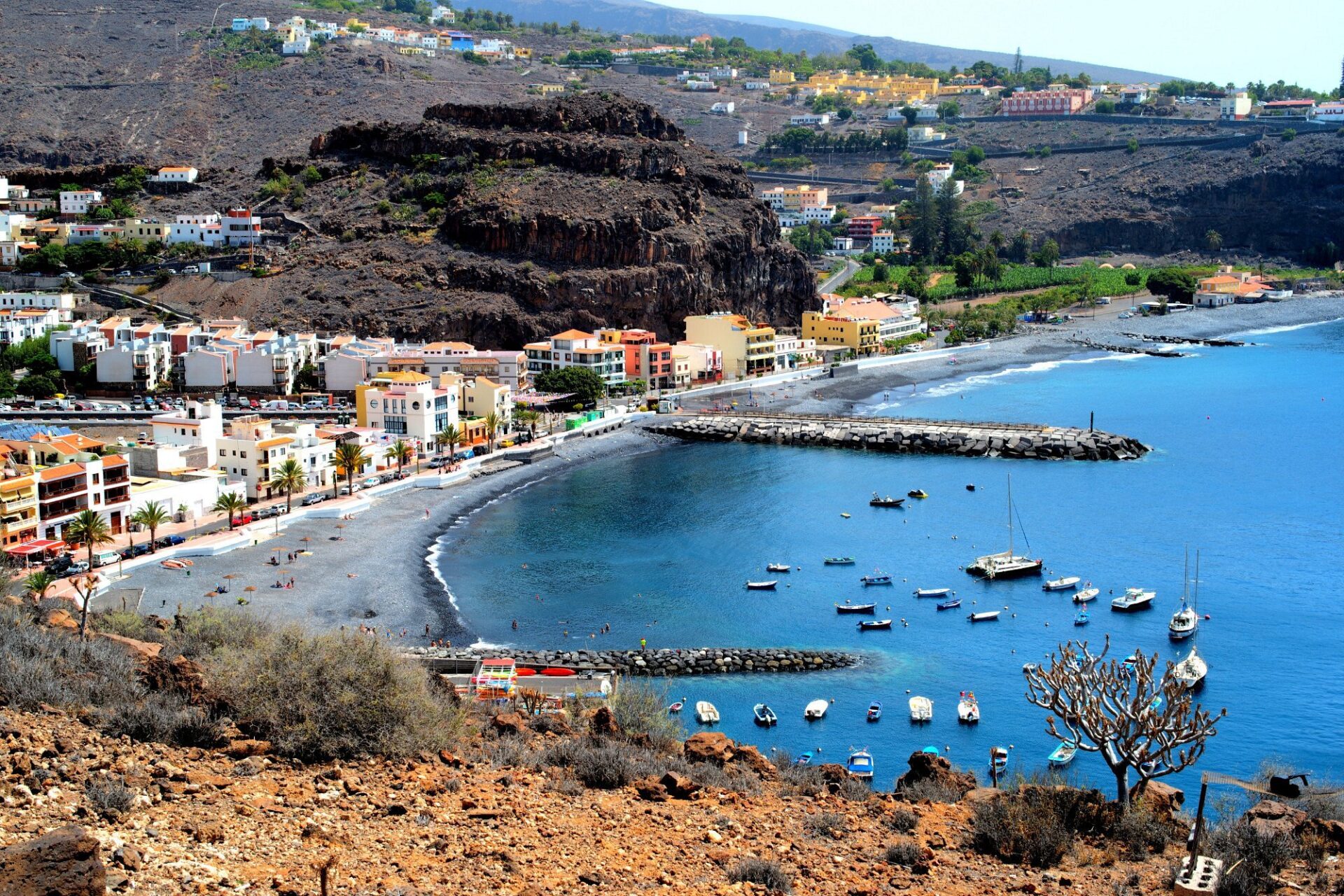
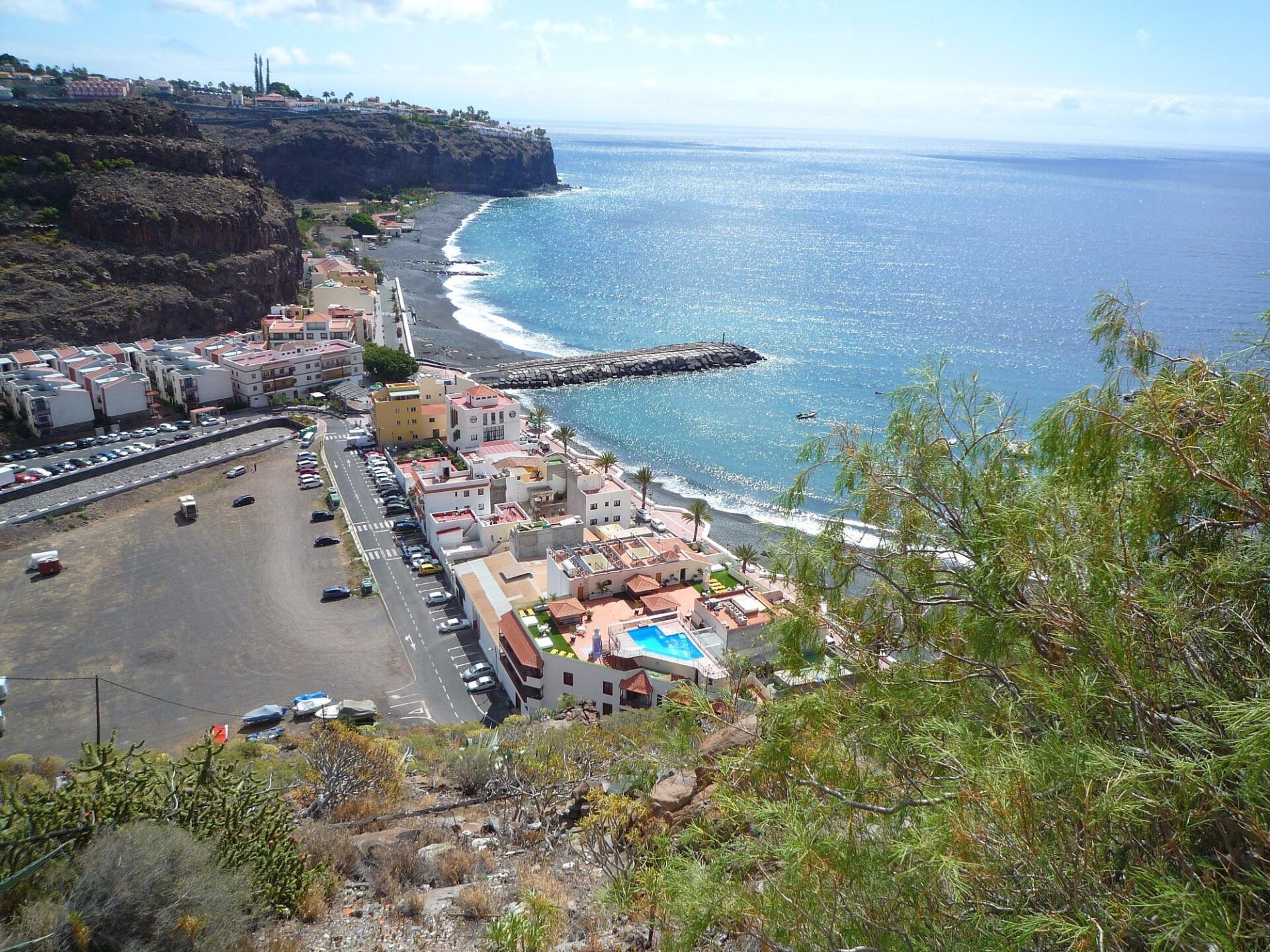
I found trails for every fitness level. The coastal path from Playa de Santiago takes about two hours and offers easy walking with endless sea views.
Valle Gran Rey has some great moderate hikes. The main valley trail links several villages and takes four to six hours, depending on your pace. I loved how the route winds through farmland and forest.
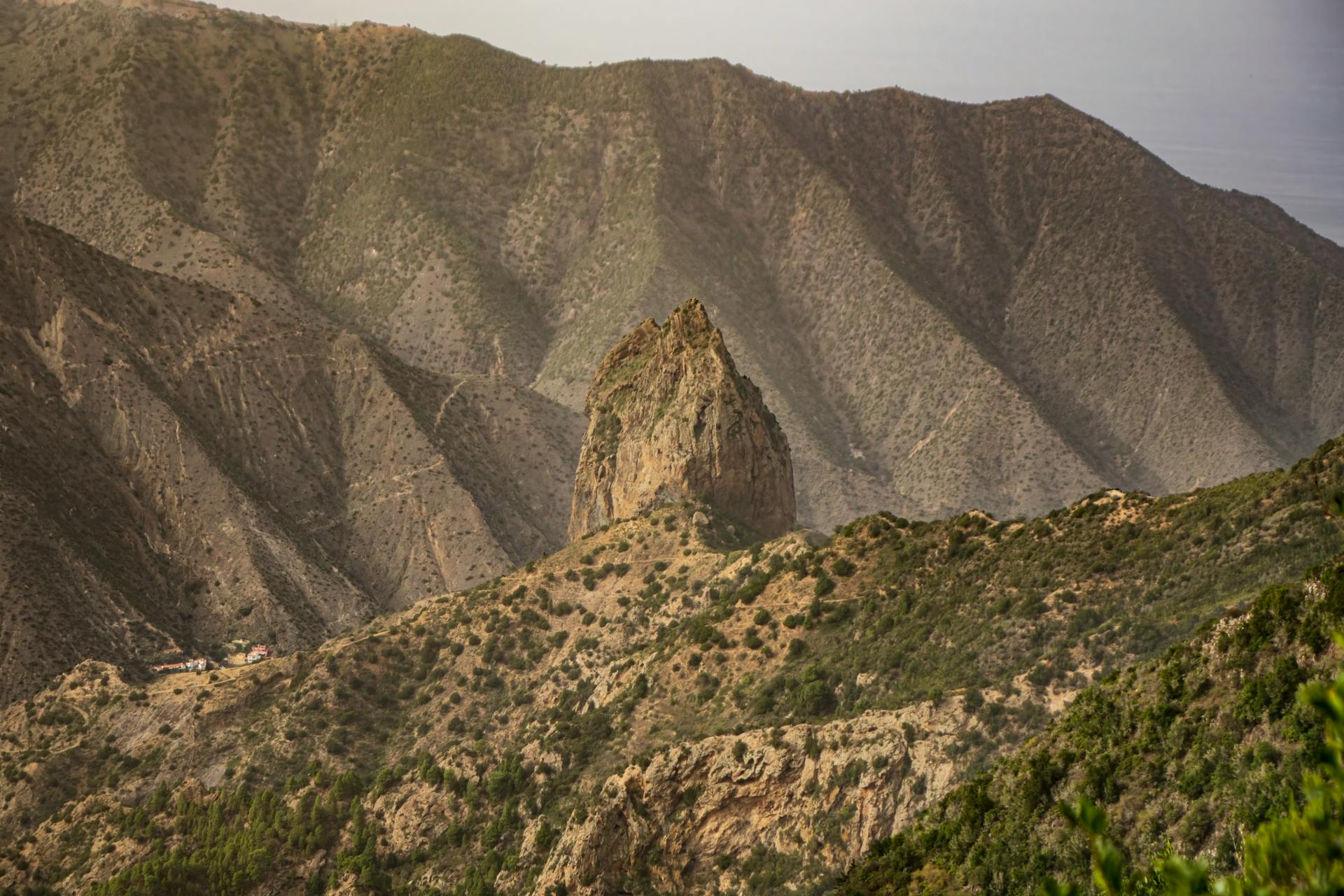
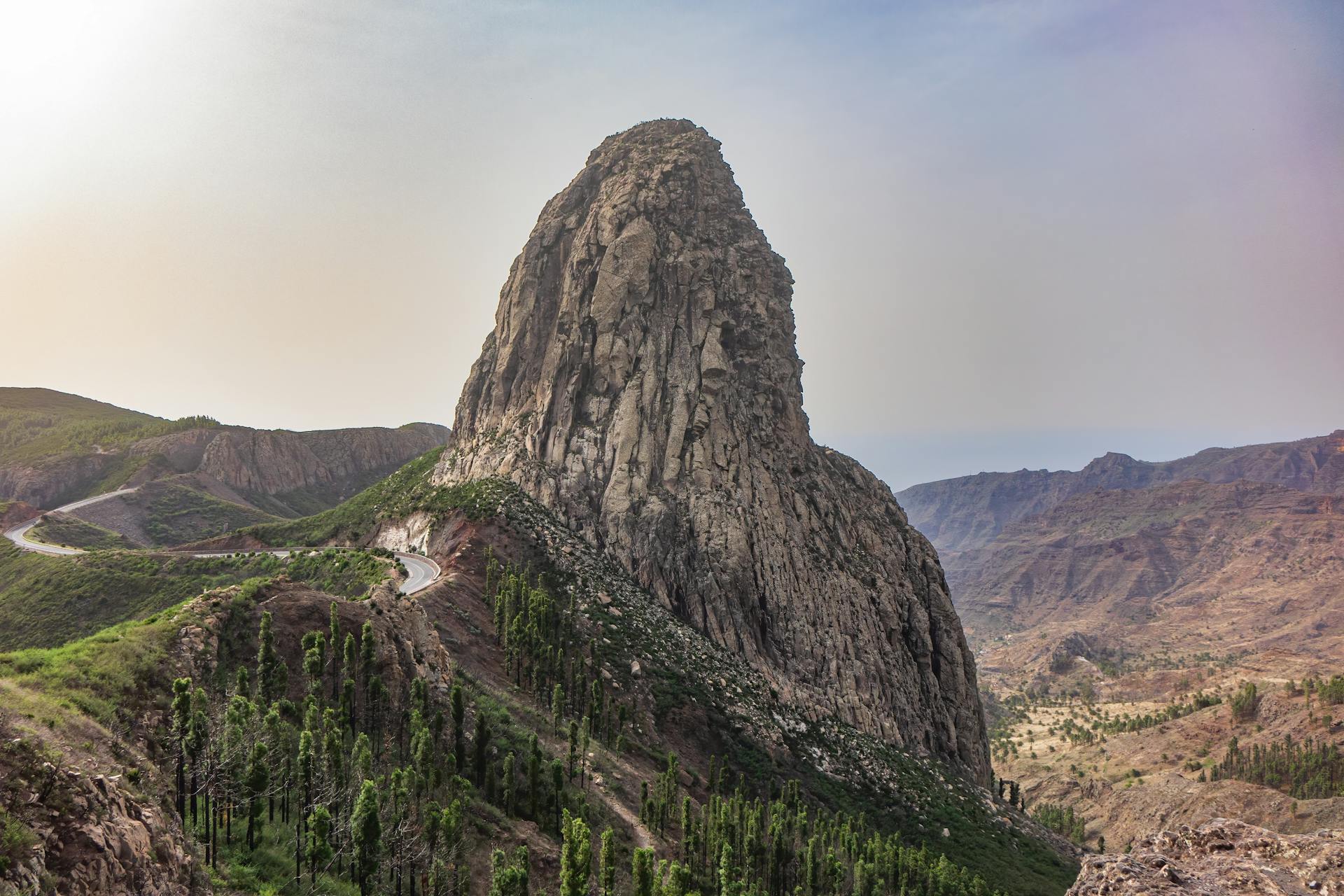
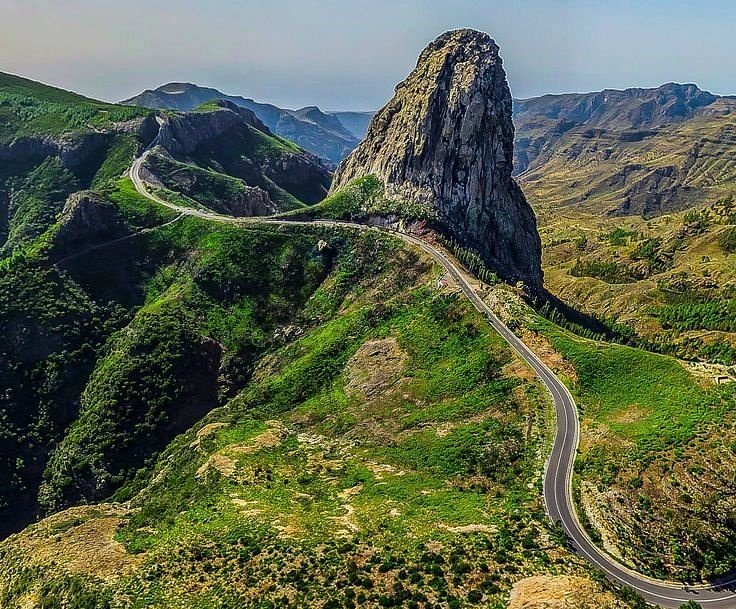
If you’re up for a challenge, the Roque Agando trail is a beast—six to eight hours of steep climbing. The views from that volcanic rock stretch across the island.
| Trail Difficulty | Time Needed | Best Examples |
|---|---|---|
| Easy | 1-3 hours | Coastal walks, village connections |
| Moderate | 3-6 hours | Valle Gran Rey routes, forest paths |
| Hard | 6+ hours | Mountain peaks, cross-island routes |
Garajonay National Park trails really do offer something for everyone. I wandered gentle laurel forest paths one day, then tackled steep climbs to panoramic viewpoints the next.

Deep Ravines and Unique Landscapes
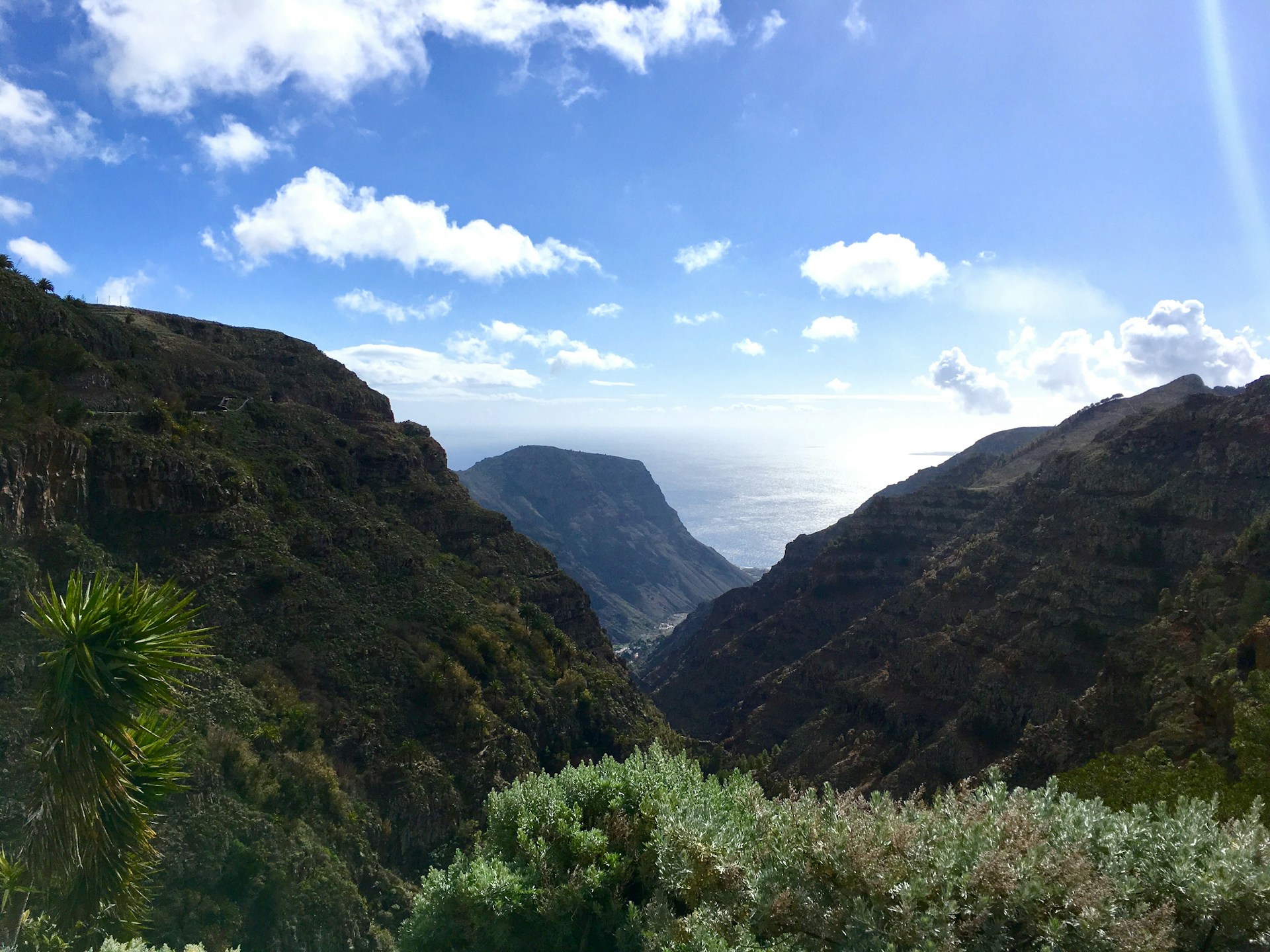
La Gomera’s ravines split the island into wild, dramatic sections. Some gorges plunge hundreds of meters, creating scenery that’s just unreal.
Barranco de la Villa near Valle Gran Rey shows how water shaped the land over ages. I hiked down into the ravine and stumbled on hidden waterfalls and thick green growth.
The Hermigua gorge runs from the mountains to the sea. This trail winds through banana plantations and ancient terraces built right into the cliffs.
Some ravines hide tiny villages that feel frozen in time. I found little clusters of houses where people still farm the narrow valley floors.
Volcanic rock shapes the valleys in strange ways. Los Órganos on the north coast looks like giant organ pipes jutting straight out of the sea.
Signposted Trails and Trail Networks
La Gomera’s trails use clear yellow and white markers. I never got lost—signs pop up every 50 to 100 meters on main routes.
The GR-132 long-distance path loops around the whole island. It links all the big villages and takes five to seven days if you do the full circuit. I sampled a few sections to reach remote corners.
Shorter trails marked with PR signs connect villages and cool spots. These helped me explore valleys and find the best viewpoints.
Trail maps show difficulty and estimated times. I relied on the official park maps—they mark water points, rest areas, and emergency contacts.
The whole network connects mountain trails with coastal walks. I could start in Valle Gran Rey and end up on a hidden beach or in a mountain hamlet, just by following the markers.
Garajonay National Park: The Ancient Forests
Garajonay National Park covers 4,000 hectares of La Gomera’s central highlands. It protects the best surviving laurel forests in Europe—remnants of woods that once covered the continent. UNESCO recognized the park in 1986 for its unique laurisilva ecosystem. The park’s name comes from a tragic Guanche legend about two lovers, Princess Gara and Prince Jonay.
Laurisilva and Monteverde Ecosystems
The ancient forests in Garajonay feel like stepping back 65 million years. These laurisilva forests are living fossils—subtropical woods that survived the ice ages only on a few islands like this.
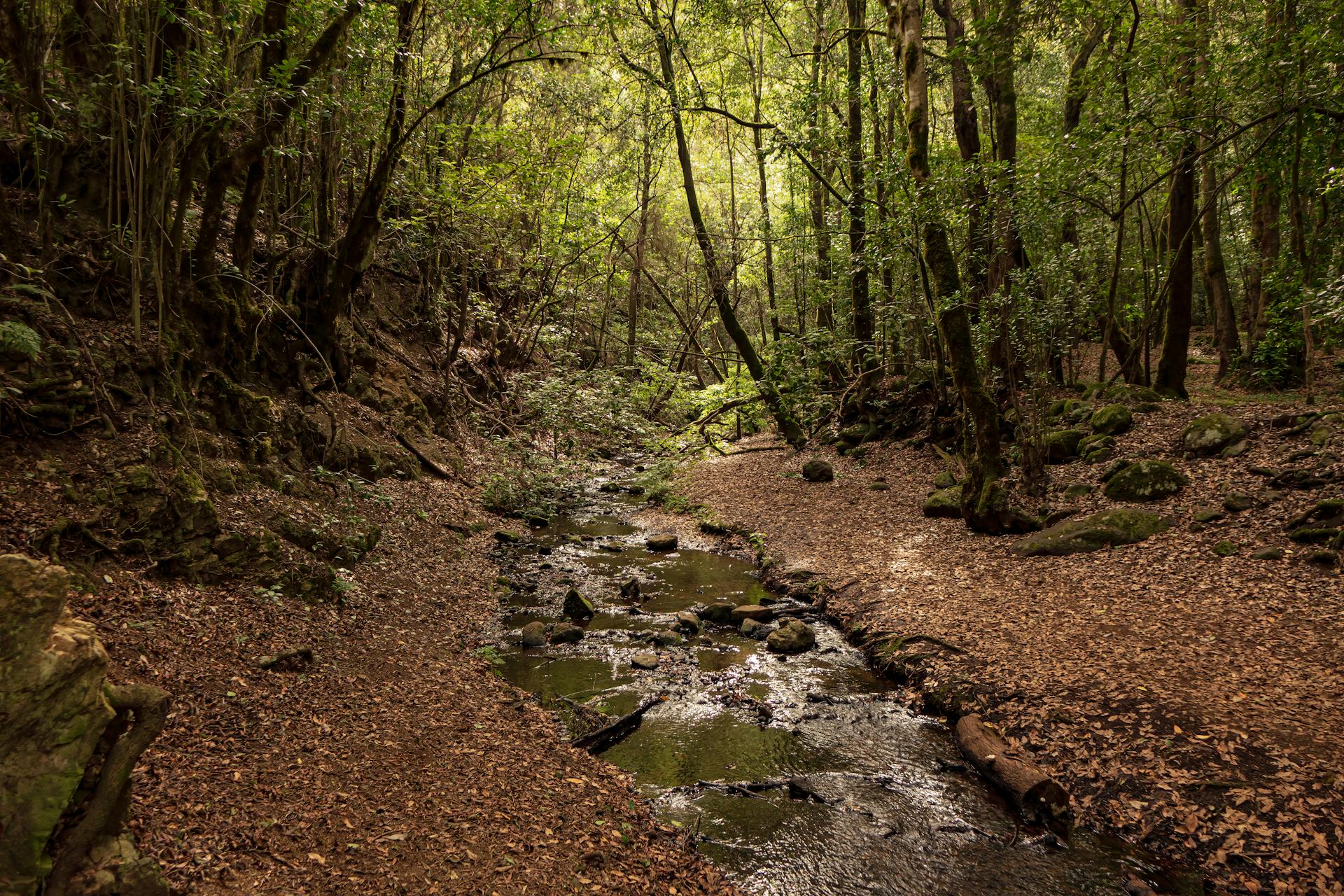
The misty monteverde forests thrive in the constant humidity from trade winds. Fog wraps around mossy trees, giving the place an almost prehistoric vibe. Sometimes I’d walk for ages under a canopy so thick, sunlight barely made it through.
El Cedro Forest is the park’s real treasure. This foggy woodland has clear streams and a riot of plant life. The 4.8-kilometer trail from El Contadero to El Cedro is the best way to see this ancient world up close.
Wildlife here is something else. Endemic species like the Gomera giant lizard and rare birds such as Bolle’s pigeon live in these woods. Some plants exist nowhere else.
UNESCO World Heritage Recognition
UNESCO named Garajonay National Park a World Heritage Site in 1986. The park holds the world’s best-preserved Canarian laurisilva forest.
It ticks several UNESCO boxes—it shows a big stage in Earth’s evolutionary story, and the forests reveal how ancient ecosystems shaped Europe and North Africa.
The park also gives a home to threatened species. Dense woods shelter rare reptiles, birds, and plants found only here. This makes Garajonay crucial for global conservation.
Spain protected these forests as a national park in 1981. Five years later, UNESCO recognized their value. Now, strict rules keep these ancient woods safe for the future.
Gara and Jonay Legend
The park’s name comes from a Guanche love story older than Spanish rule. Princess Gara from La Gomera met Prince Jonay from Tenerife during a festival, and they fell hard for each other.
But disaster struck—the day they celebrated their engagement, Mount Teide erupted. The Guanches took this as a bad omen. Both families broke off the match and forced the lovers apart.
Jonay refused to give up. He swam all the way from Tenerife back to La Gomera to find Gara. When their families came after them, the couple fled to the island’s highest peak.
Rather than be separated forever, Gara and Jonay chose to die together atop the mountain that now bears their names. The summit stands at 4,869 feet, with views that feel worthy of such a legend.

Seaside Wonders: Valle Gran Rey, Beaches, and Coastline
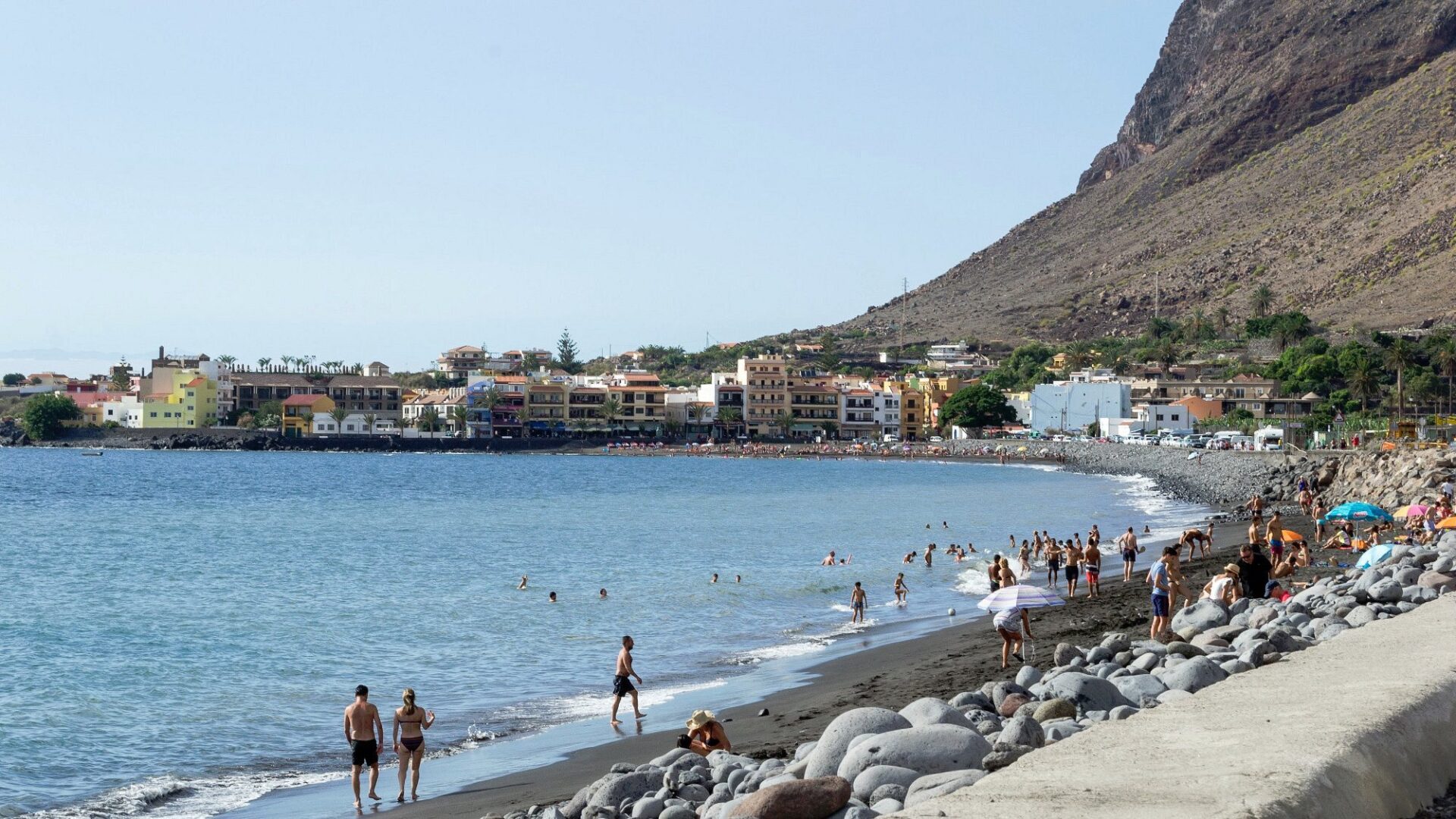
National Geographic once called Valle Gran Rey the most beautiful village in the Canary Islands. This western valley combines dramatic cliffs, seven unique black sand beaches, and palm groves that make for some of the best coastal hikes you’ll ever find.
Valle Gran Rey Highlights
Valle Gran Rey sits in La Gomera’s southwest corner. It’s the island’s main tourist hub, but it doesn’t feel overrun.
The valley opens straight out to the sea, with cliffs that shoot up nearly 900 meters. I loved how you can relax on the beach one minute, then hike up into the mountains the next.
Trade winds barely touch the valley, so it stays warmer and calmer than much of the island.
The town is a great base for cliff-edge hikes. Trails here hug the coast and offer endless ocean views.
Despite its popularity, Valle Gran Rey keeps its Canarian soul. Restaurants and shops cluster near the beaches, making it easy to grab a bite or stock up for the next adventure.

Beaches and Black Volcanic Sand
Valle Gran Rey has seven main beaches, each shaped by the island’s volcanic past.
Charco del Conde is right in the center of town and perfect for families. Natural rock walls create a calm, lagoon-like pool. There’s soft sand, shady spots, and restaurants just steps away.
Playa de Vueltas sits next to the harbor but still has clean, clear water. The breakwater keeps waves down, so it’s a good swimming spot. Plus, the view of boats and cliffs never gets old.
Playa del Ingles is where everyone goes for sunset. It’s got a laid-back, bohemian vibe, but you need to be careful—the currents here can be dangerous.
| Beach | Swimming Safety | Road Access | Key Features |
|---|---|---|---|
| Charco del Conde | Very Safe | Yes | Family-friendly, calm water |
| Playa de Vueltas | Safe | Yes | Harbor views, sandy |
| Playa del Ingles | Dangerous | Yes | Sunsets, naturist area |
Most beaches here have black volcanic sand, not white. It soaks up the sun and gets warm, so don’t forget your sandals if you’re visiting on a hot day.
Palm Groves and Coastal Trails
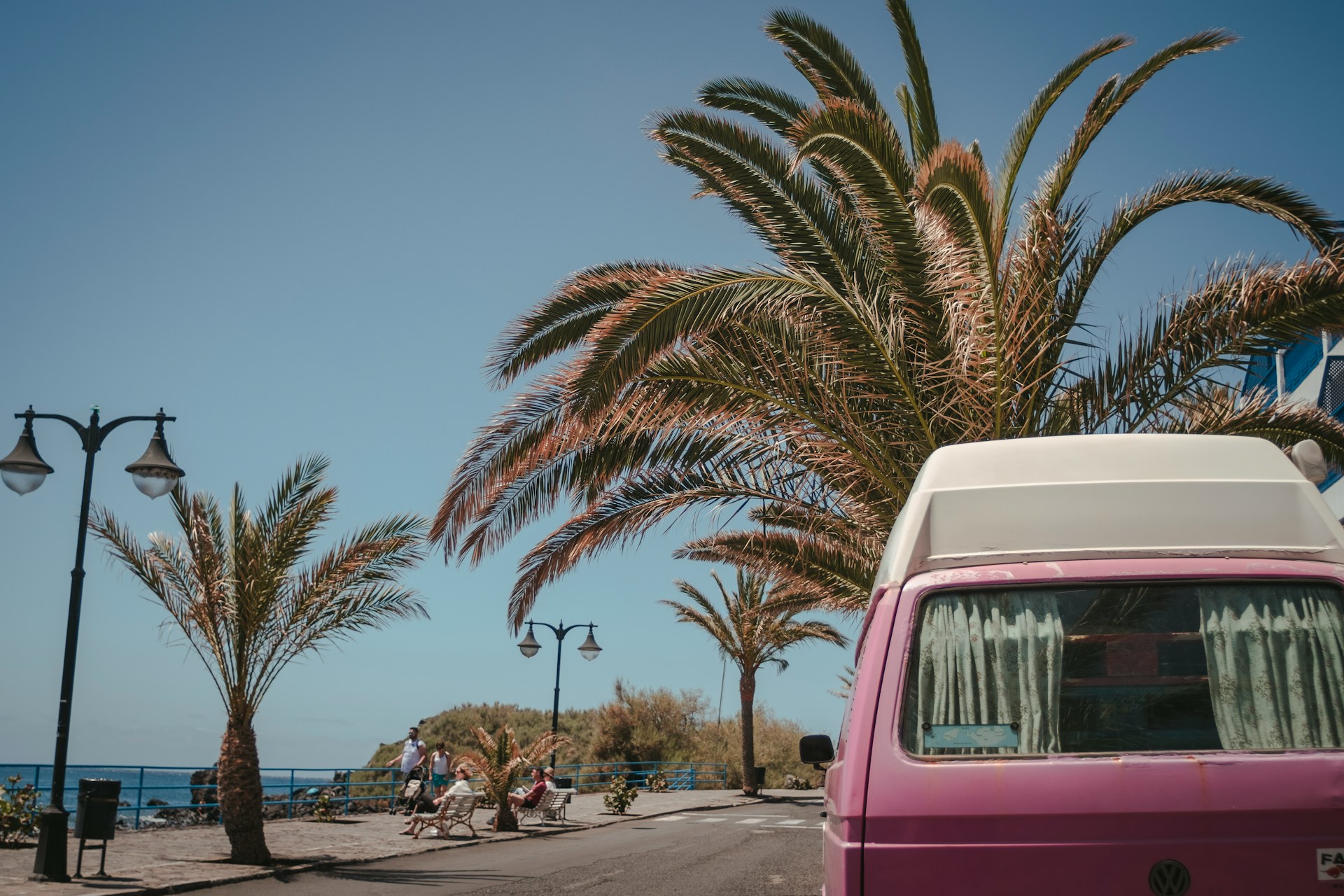
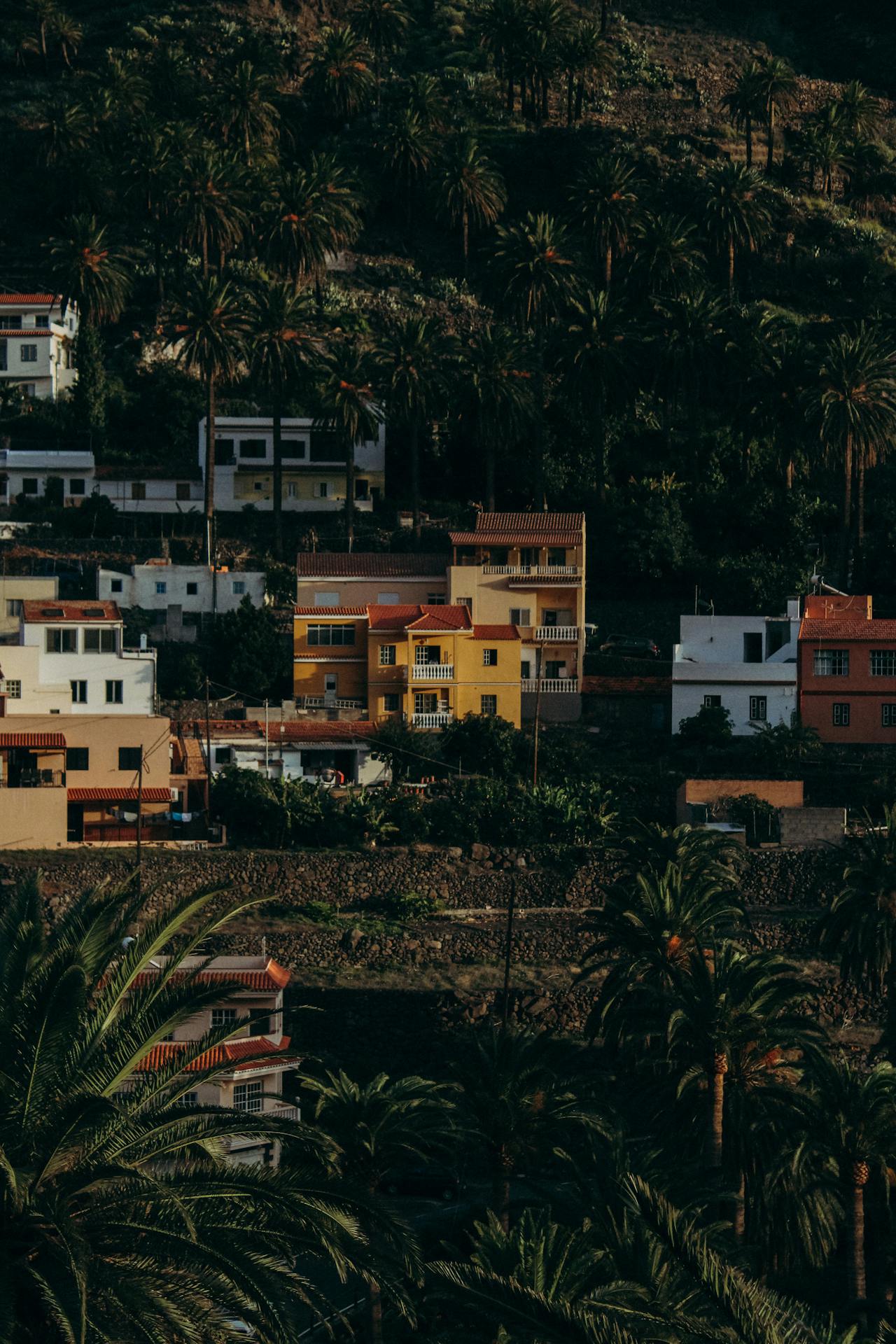
Palm trees line Valle Gran Rey’s lower valley, popping up everywhere and setting a tropical vibe against the island’s rugged, volcanic backdrop. These groves throw cool shade over the coastal walking paths, and honestly, they make every stroll feel a bit more magical.
I stumbled onto a handful of trails weaving through these palms right by the sea. The paths link up different beaches and give you those “wow” moments with views of both the ocean and the lush green valley.
If you’re up for a little adventure, you’ll find coastal hiking trails hugging the cliff edges—some reaching up to 900 meters above sea level. These routes lead to secret viewpoints and quiet spots you’d never find from the main beaches.
There’s something special about the way palm trees and volcanic rocks mix together here. I couldn’t resist snapping photos, especially when the morning sun filtered through the fronds and lit up the black sand beaches.
A lot of these trails kick off right from Valle Gran Rey’s streets. It’s ridiculously easy to blend a lazy beach day with a spontaneous nature walk. Thanks to the island’s mild weather all year, these coastal routes stay open no matter when you visit.
The Mysterious Whistled Language: Silbo Gomero
La Gomera hides one of the world’s quirkiest communication systems—a whistled language called Silbo Gomero. Locals turn Spanish words into sharp whistles that bounce across the island’s deep ravines and wild terrain.
Origins and Cultural Significance
Silbo Gomero goes back over 500 years, back to when the first settlers landed on La Gomera. The landscape here is so dramatic that regular shouting or talking just didn’t cut it—you’d never get a message across those ravines and cliffs.
Farmers and shepherds came up with this whistled language simply because they had to. If you wanted to tell your family something and they lived on the other side of a valley, whistling was the only way.
The technique uses four tones and two types of breaks to mimic Spanish sounds. Skilled whistlers manage to send surprisingly complex messages up to 3 miles away—pretty wild, right?
Parents taught their kids to whistle just like they taught them to talk. Everyone in the family picked it up, so daily life, work, and even emergencies could be handled by a quick whistle.
Whistling became part of the island’s DNA. People announced births, deaths, or parties, and the whole valley knew within minutes.
How the Whistled Language Works
I found out Silbo Gomero swaps out Spanish vowels and consonants for specific whistle patterns. Instead of speech, it’s all about pitch, duration, and intensity.
The five Spanish vowels turn into unique whistle tones:
- A = low, continuous tone
- E = medium-low tone
- I = high, sharp tone
- O = medium tone
- U = very low tone
Consonants show up as breaks or shifts between the vowels. To the untrained ear, it sounds like birds calling, but locals catch entire sentences.
Say you want to call someone home for dinner—that’s just a quick string of rising and falling whistles, maybe 10 seconds long. On La Gomera, you can hear these whistles echo for miles.
Silbo Gomero Today
In 2009, UNESCO named Silbo Gomero a Masterpiece of Oral and Intangible Heritage. That move really helped keep the tradition alive, especially as phones and radios made whistling less crucial.
Now, every kid in La Gomera learns Silbo Gomero at school. Teachers spend hours each week helping students master the whistles and tune their ears.
I got to watch a few demonstrations where locals still use Silbo for real. Farmers shout across valleys, and some hiking guides even whistle to each other on the trails.
The island throws annual Silbo competitions, and people come from all over to listen. It’s honestly something you have to hear for yourself.
Around 22,000 people on La Gomera understand Silbo Gomero, but only about 2,000 can actually whistle fluently. These days, the younger generation mostly learns it to keep the culture alive.
Discovering San Sebastián and Iconic Sights
San Sebastián de La Gomera makes a great base for exploring the island. It’s got a dash of Columbus history, traditional Canarian cuisine (think fresh seafood and local wines), and lively festivals that blend religious traditions with the town’s role in the Age of Discovery.
Historical Landmarks and Architecture
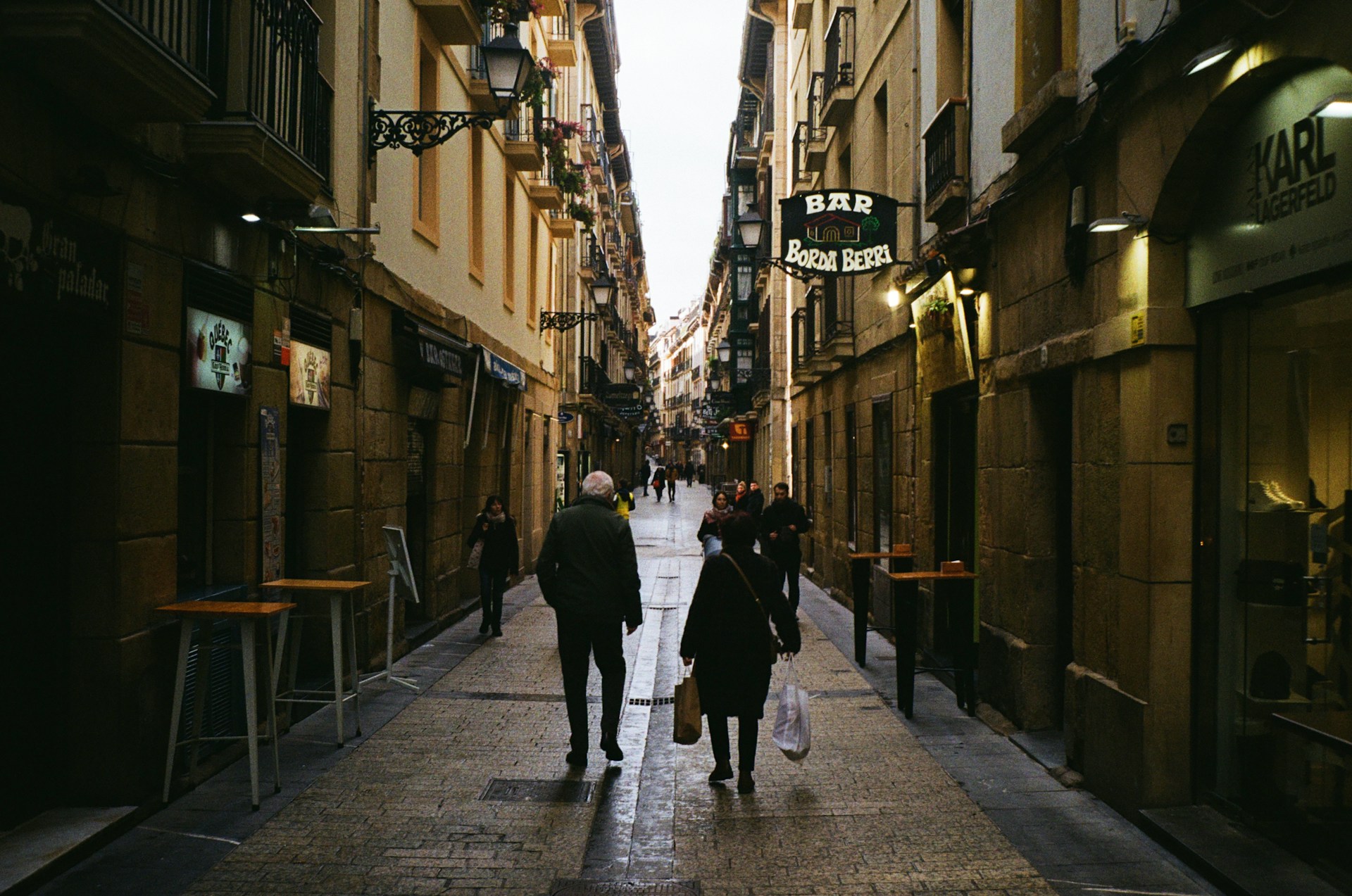
I loved wandering San Sebastián’s historic quarter on foot. The colorful houses and those classic wooden balconies give the place a laid-back Canarian charm.
Torre del Conde is easily the star of the town. This stone fortress from the 15th century once sheltered nobles during uprisings. It’s the last piece left from the old complex.
Declared a Historic and Artistic Monument in 1990, the tower offers panoramic ocean views if you climb to the top. Worth the effort, trust me.
Columbus House Museum marks the spot where Christopher Columbus stayed in 1492. He made his final European stop here before heading across the Atlantic. The museum features Pre-Columbian art from Peru and exhibits about Columbus’s voyage.
Aguada Well holds a special place in local lore. People say Columbus drew water from this well to christen America when he landed. Nearby, a bust of the “faceless admiral” keeps watch.
The Church of Asunción dates back to the 15th century too. Its modest design fits the island’s humble colonial roots, and it sits just steps from the Torre del Conde in the old town.
Local Cuisine and Gastronomy
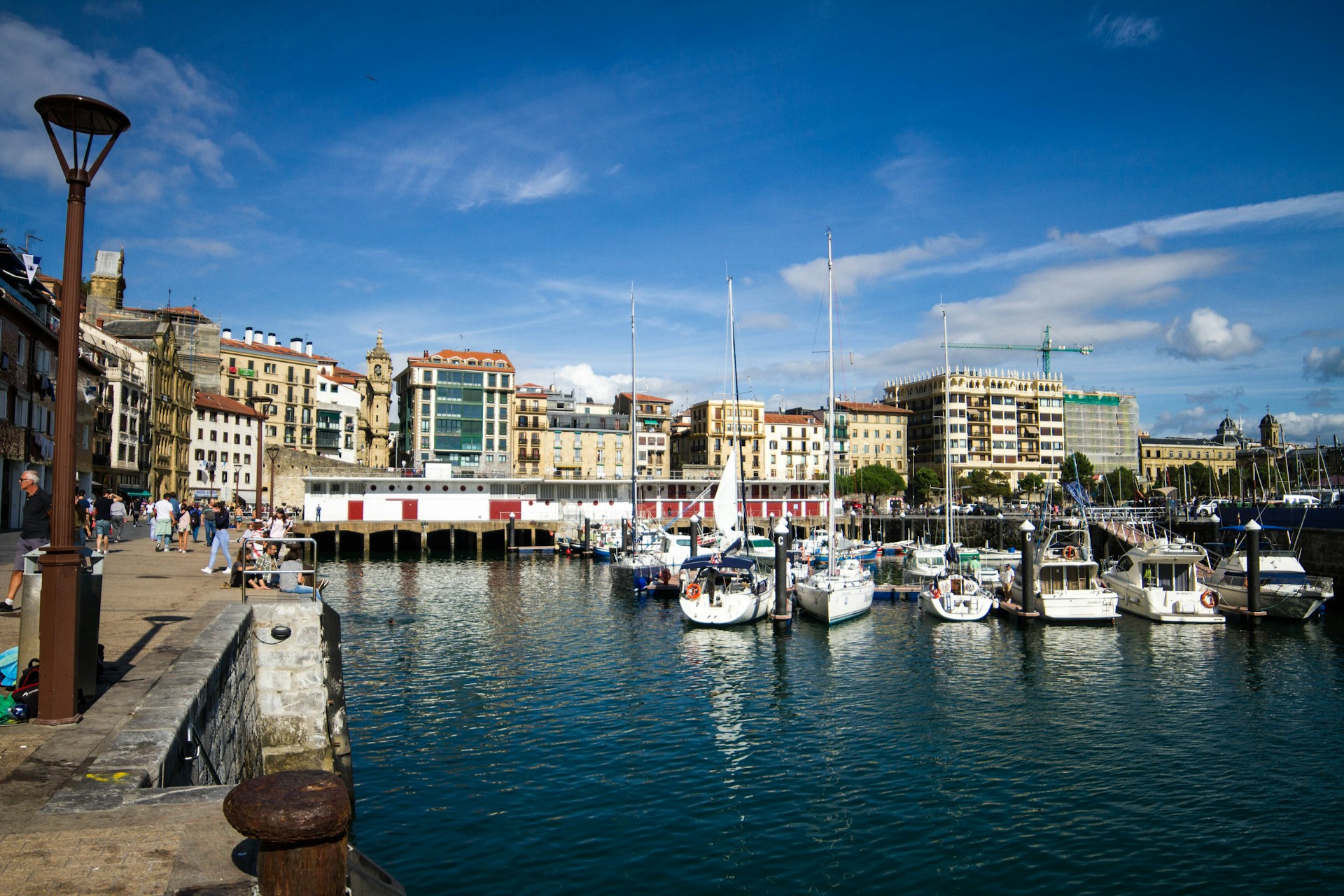
San Sebastián’s restaurants dish up classic Canarian fare, with seafood front and center. The port brings in fresh catches every day, so the menus stay exciting.
I couldn’t resist trying papas arrugadas—those wrinkly little potatoes—served with mojo sauce at a few spots. It’s a staple here, made with small local potatoes boiled in salty water.
Fish is everywhere. The favorites?
- Vieja (parrotfish)
- Cherne (wreckfish)
- Sama (sea bream)
Most places grill fish simply with a touch of garlic and herbs. Down by the port, you’ll find seafood restaurants with views of the harbor.
Canarian wines make a nice match for the food. The volcanic soil gives the grapes a unique twist. Most restaurants serve wines from other Canary Islands, since La Gomera’s own production is pretty small.
You’ll spot Gofio in plenty of traditional dishes. This roasted grain flour has kept Canarians going for centuries. Locals mix it into soups, desserts, or use it instead of bread.
Festivals and Events
San Sebastián throws some pretty lively celebrations all year long. September stands out, though—there’s just something about the town’s deep connection to Columbus that makes the month feel extra festive.
Columbus Week usually kicks off around September 6th. Locals and visitors alike gather to remember Columbus’s 1492 stopover and La Gomera’s surprising role in the story of America’s discovery. The town bursts into life with parades, concerts, and a few enthusiastic historical reenactments.
Shops and restaurants jump in on the fun, rolling out special menus just for the occasion. You’ll see the historic quarter dressed up with colorful decorations, and honestly, the festive energy is contagious.
Fiestas Lustrales is a big deal, but it only happens every five years. The festival honors the Virgen de Guadalupe, drawing pilgrims from all over the Canary Islands. It usually takes over the town on the first Monday of October.
Music spills into the streets, and you’ll catch traditional dances and religious processions winding through the old town. Many local families cook up special dishes and open their doors to guests—there’s a real sense of community.
Saint Sebastian Day falls on January 20th and feels a bit more intimate. Folks celebrate the town’s patron saint with Canarian music and lively dance performances. By evening, everyone’s out in the main square, sharing in the festivities.
During most of these festivals, processions snake through the historic streets. The sight of traditional costumes, the sound of folk music—there’s no better way to soak up authentic local culture.
