
As Labor Day weekend rolls around, millions of Americans gear up for what feels like summer’s last big hurrah. It’s not just another random break from work or school, either. Labor Day weekend stands as both the unofficial end of summer and a nod to American workers who’ve built the nation’s prosperity.
Honestly, it’s wild how this holiday started as a workers’ rights demonstration back in 1882 New York but now blends serious origins with backyard barbecues, crazy retail sales, and those last-chance summer getaways.
The story behind Labor Day says a lot about how Americans think about work, free time, and the turning of the seasons. Its disputed founders and its place in the national calendar show just how much history, business, and culture all mix together in this one weekend.

Significance of Labor Day Weekend
Labor Day Weekend is a double whammy: it marks summer’s end and honors American workers for building the country’s success. The three-day break mixes old-school labor movement traditions with modern American ways of relaxing.
The Unofficial End of Summer
For most folks, Labor Day Weekend means a final goodbye to summer. Schools usually kick off right after this, and families squeeze in that last vacation.
The timing just fits. Pools close up. Beach towns see their last big crowds. Summer sports leagues finish up.
Roughly 7% of Americans who take two-week vacations pick the stretch ending with Labor Day. That makes it one of the most hectic travel weekends all year.
Hotels and vacation spots pack out. Destinations cash in on the rush.
Right after, fall takes over. Football season gets underway. Back-to-school shopping hits its peak. Businesses swap out their summer hours for fall schedules.
Social and Economic Recognition of American Workers
Labor Day Weekend isn’t just about time off—it’s a public holiday that salutes American workers. Congress made the first Monday in September a legal holiday back in 1894.
Workers built the backbone of the country. They powered up the world’s largest economy. This holiday gives a shout-out to everyone from factory crews to office teams.
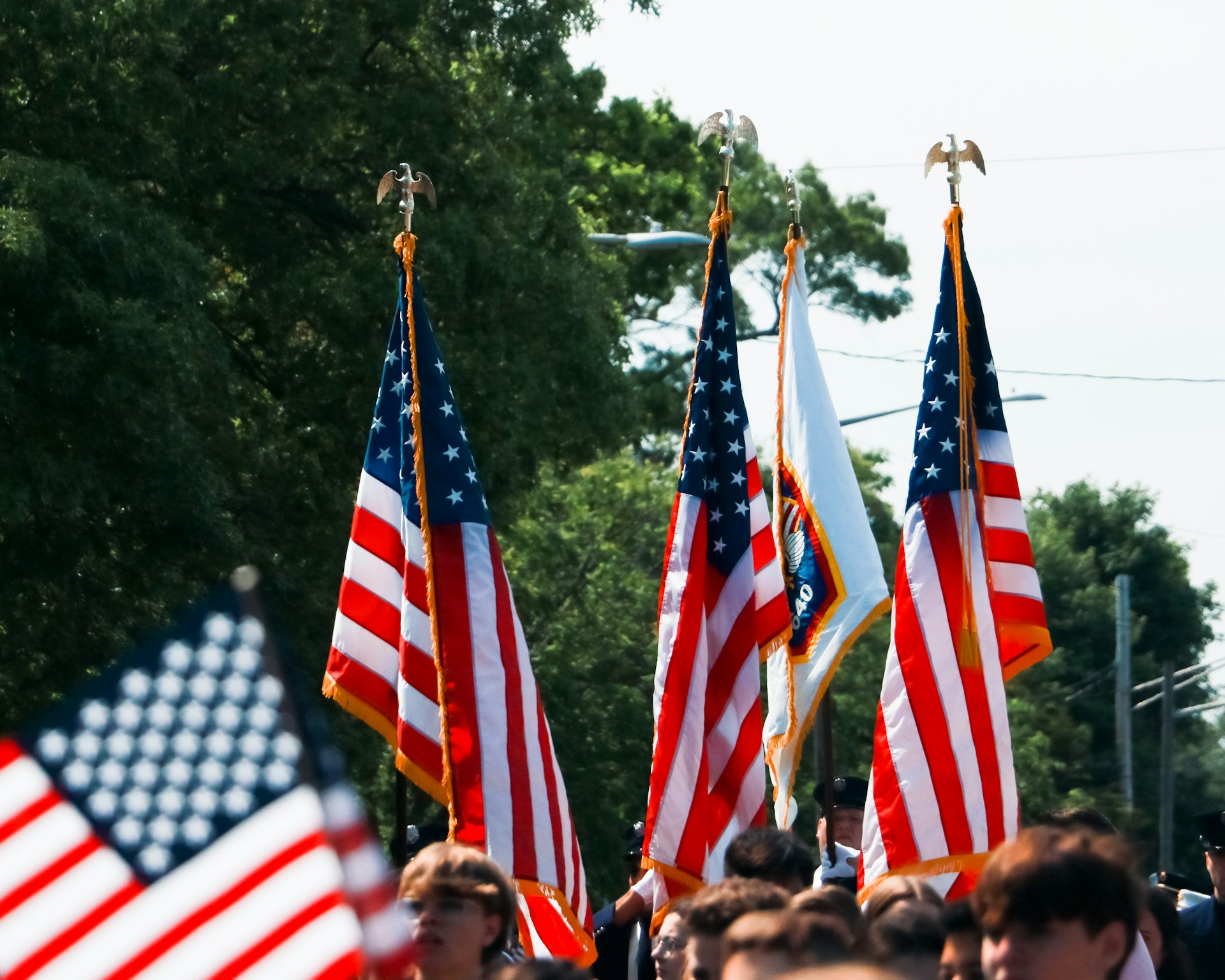
Cities throw parades. Trade and labor groups show up in force. Speeches underline how workers keep the country running.
Key worker contributions we celebrate:
- Industrial development
- Economic growth
- Innovation and productivity
- Community building
Labor Day Weekend reminds us: the nation’s progress rests on the shoulders of its workers.
Origins in the American Labor Movement
Labor Day Weekend came out of decades of labor activism. The first one happened on September 5, 1882, in New York City, thanks to the Central Labor Union.
Two guys, Peter McGuire and Matthew Maguire, both wanted credit for coming up with the idea. McGuire pushed for a day for the “laboring classes.” Maguire, working with the Central Labor Union, also made his case.
Oregon jumped in first, making it a state holiday in 1887. By 1894, 23 states had joined in. President Grover Cleveland signed it into federal law that same year.
The labor movement used the holiday to push for workers’ rights and recognition. They organized parades and big gatherings to bring people together.
Early celebrations had street parades and family picnics. The American Federation of Labor later added Labor Sunday in 1909, giving the weekend a spiritual and educational twist.
Historical Development and Founders
Labor Day grew out of the labor movement in the 1880s, thanks to two rival founders, and expanded from one New York City parade to a nationwide federal holiday by 1894.
The First Labor Day Parade and Celebration
New York City hosted the first Labor Day on September 5, 1882. The Central Labor Union pulled it together to show worker solidarity.
About 10,000 workers marched from City Hall to Union Square, waving banners and signs. Plenty of them took unpaid time off just to join in.
After the parade, everyone headed to a picnic. There were speeches, food, and some good old-fashioned entertainment. This mix of protest and party set the tone for future Labor Days.
Other cities noticed and quickly copied the idea. Soon, September parades popped up all over the country.
Knights of Labor and Central Labor Union
The Central Labor Union in New York played a huge role in getting Labor Day off the ground. They brought together different worker groups to plan the first bash.
The Knights of Labor backed the holiday too. Their support helped spread Labor Day to more cities and states.
Both groups wanted a day to honor workers and flex their collective muscle. They figured a public holiday would win workers some respect and better conditions.
Sometimes they disagreed, but they still teamed up. That teamwork got Labor Day started and made it stick.
Peter J. McGuire vs. Matthew Maguire
So, who really founded Labor Day? Peter J. McGuire and Matthew Maguire both claim the title. Both showed up at the first parade, but their roles get debated.
Peter McGuire co-founded the United Brotherhood of Carpenters and helped launch the American Federation of Labor. He supposedly pitched Labor Day to the Central Labor Union in May 1882.
Matthew Maguire, as the Central Labor Union’s secretary, sent out the invites for the first parade. He even rode in the first carriage that day.
Recent evidence leans toward Maguire:
- A 1917 burial card reads “This man founded Labor Day”
- Newspapers from the 1890s gave Maguire the credit
- History books from 1898 and 1912 called Maguire the founder
McGuire might’ve gotten the spotlight because Maguire had socialist leanings. Labor leaders probably wanted a less controversial figure.
From State Holiday to Federal Recognition
Oregon officially recognized Labor Day first in 1887. Colorado, Massachusetts, New Jersey, and New York quickly followed suit.
By 1894, thirty states had Labor Day on the books. The groundswell showed Americans wanted to honor workers everywhere.
President Grover Cleveland signed the federal Labor Day law on June 28, 1894—just days after the Pullman Strike ended.
That timing wasn’t random. Cleveland hoped the new holiday would patch things up between the government and workers.
The law put the first Monday in September on the calendar. That locked in the three-day weekend and made the holiday appealing to both workers and their bosses.
Labor Day Traditions and Modern Observances
Labor Day weekend brings a big shift—from summer’s freedom to autumn’s routines. Millions of Americans hit the road, fire up the grill, and get ready for the school year. The holiday mixes old traditions like parades with newer customs like family barbecues and epic shopping trips.
Three-Day Weekend Travel and Family Gatherings
Labor Day’s three-day stretch creates one of the busiest travel windows of the year. Airports and highways get jam-packed with folks squeezing in a last summer trip.
Families use the break to visit relatives or throw reunions. The timing is perfect—kids aren’t back in school yet and adults get a rare Monday off.
Beaches, national parks, and lake houses fill up fast. Hotels and resorts roll out special Labor Day deals for those chasing one more summer adventure.
Some families pack up for camping trips or snag a cabin in the mountains. Others hit amusement parks or check out local festivals.
With three days, people can travel farther than a regular weekend allows. It’s a golden chance to connect with family you don’t see often.
Barbecues, Picnics, and Parades
Backyard barbecues have become the classic way to celebrate Labor Day. Grilling out feels right—it’s casual, communal, and a little bit nostalgic.
Burgers, hot dogs, and grilled veggies rule the menu. Neighbors and friends often drop by for a laid-back feast.
Community picnics pop up in parks everywhere. There are games for the kids and sometimes live music.
Labor Day parades still happen, especially in cities with strong union roots. Chicago’s parade in the Pullman neighborhood stands out, given its ties to the holiday’s history.
Marching bands, local leaders, and labor groups all show up. These events keep the focus on workers and the holiday’s roots.

Back-to-School and Seasonal Transitions
Labor Day weekend is the big handoff from summer break to the school year. Most schools start classes right after, so this is the last real breather for students and teachers.
Families dive into back-to-school shopping. Stores slash prices on clothes, supplies, and electronics.
There’s also that old rule about not wearing white after Labor Day—a tradition from the early 1900s, back when white clothes meant summertime.
A lot of summer businesses wrap up after this weekend. Seasonal restaurants, beach clubs, and attractions close until spring rolls around again.
Pools and beach clubs usually shut their doors. Summer camps end, and fall sports fire up at schools and rec centers.

Labor Day’s Relationship to Other Holidays and Movements
Labor Day sits at a crossroads: it’s rooted in worker advocacy, but it’s also a uniquely American tradition. Its September timing and focus on economic achievement set it apart from other labor holidays and U.S. celebrations.
Comparison to International Workers’ Day (May Day)
Most countries celebrate International Workers’ Day on May 1st, but the U.S. went its own way. May Day traces back to the 1886 Haymarket Affair in Chicago, where workers fought for an eight-hour workday.
The violence at Haymarket made U.S. leaders wary of May Day. They saw it as too radical and tied to socialism.
So, America picked the first Monday in September for Labor Day. That move sidestepped the politics of May Day but still honored workers.
Main differences:
- May Day focuses on worker solidarity and activism
- Labor Day highlights economic achievement and patriotism
- May Day often means protests
- Labor Day leans into parades and family time
Having Labor Day in September also lined up with the end of summer vacation, which made it a lot more appealing for families.

Differences from Memorial Day
Memorial Day and Labor Day might both be federal holidays, but they’re worlds apart. Memorial Day remembers military service members who died serving the country. Labor Day celebrates living workers and their achievements.
Memorial Day lands in late May, kicking off summer. Labor Day, in early September, wraps summer up.
The mood couldn’t be more different. Memorial Day is somber and reflective.
Labor Day is upbeat and focused on progress. People head to picnics, parades, and festivals instead of cemeteries or memorials.
Both holidays have parades, but the focus shifts: Memorial Day honors the fallen; Labor Day spotlights workers and unions.
The Role of the American Federation of Labor and Unions
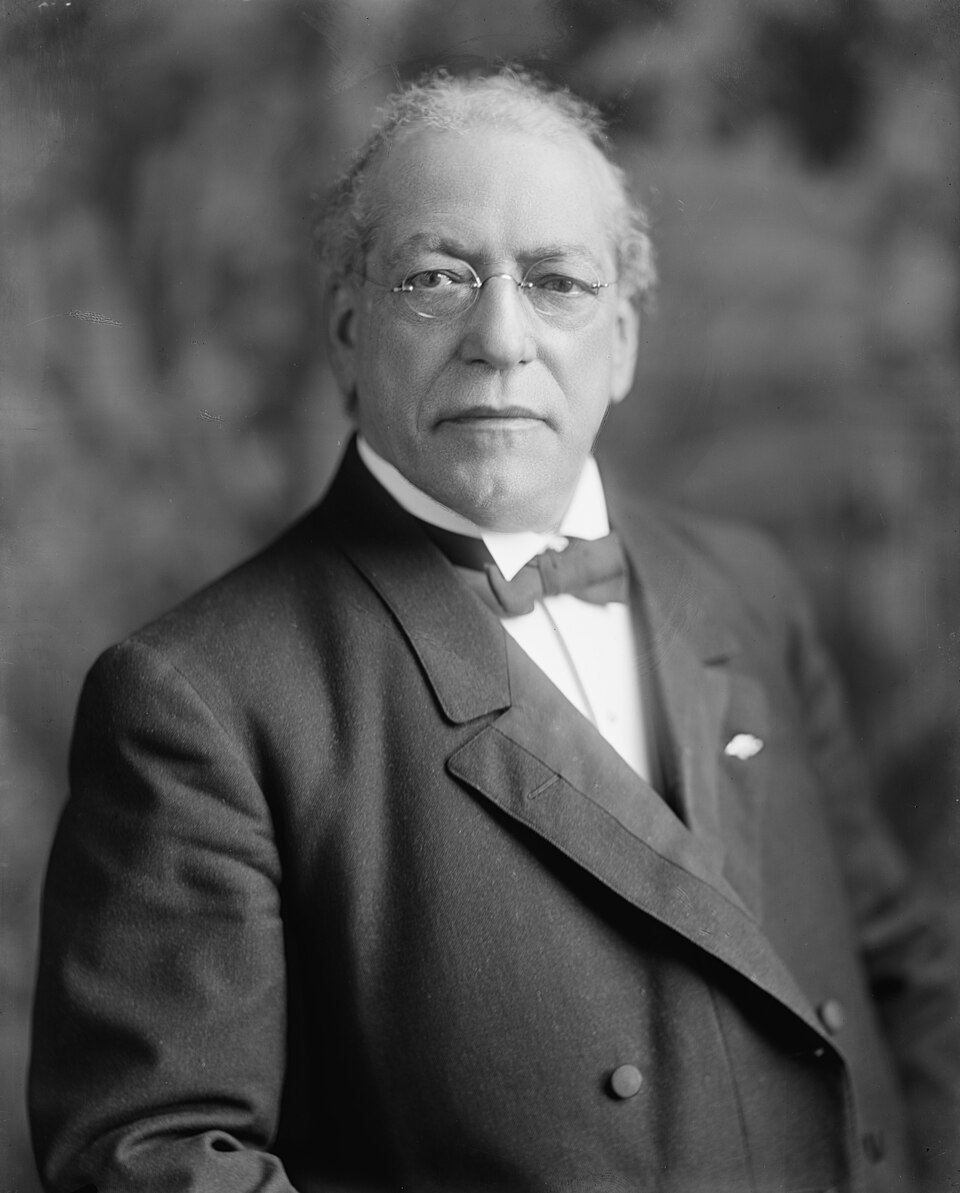
The American Federation of Labor played a huge part in making Labor Day a national thing. Samuel Gompers, the AFL’s first president, really pushed for federal recognition.
Unions organized the first Labor Day events in the 1880s. They used the day to show their numbers and rally support for workers’ rights.
The AFL kept things practical—better pay, shorter hours. That helped make Labor Day more mainstream than the sometimes fiery May Day.
Unions packed the parades, proving their strength to politicians and employers.
These days, union membership isn’t what it used to be, but you still see unions in Labor Day parades. Now, they’re joined by all sorts of community groups.
The holiday’s still a platform for talking about issues like minimum wage, workplace safety, and benefits.
Cultural Impact and Modern Debates
Labor Day Weekend has grown way beyond its labor roots. Now, it shapes American fashion, retail, and holiday traditions. The holiday stirs up debates over what it really means and how commercial it’s become.
The ‘White After Labor Day’ Fashion Rule
You’ve probably heard someone mention the “no white after Labor Day” rule. It’s one of those old-school American traditions that just won’t quit.
Way back in the early 1900s, wealthy Americans used their clothing to show off their status. White outfits, especially, screamed summer and privilege.
When Labor Day rolled around, it signaled the end of the summer social scene. People packed away their white pants, shoes, and handbags—almost like a ritual.
Funny enough, this rule never really applied to white shirts or things you’d wear year-round. Just the obvious “summer” stuff.
These days, fashion experts mostly shrug off the old rule. I mean, who’s really policing your closet anymore?
Designers now love breaking seasonal boundaries. You’ll see white on runways in every season, and honestly, it looks great.
Still, the tradition lingers. Lots of people hesitate before buying white jeans in September, and stores notice those patterns.

Labor Day as a Major Shopping Event
Labor Day Weekend? It’s a retail circus. Stores everywhere roll out massive sales, and shoppers go wild for deals on everything from school supplies to sofas.
Here’s what people usually hunt for:
- Back-to-school clothes and supplies
- Summer patio sets and grills
- Appliances and home essentials
- Even cars—no joke, dealerships get busy
Retailers rake in billions over just three days. The timing’s no accident; families are scrambling to get ready for the new school year.
Some stores even stretch the sales for a whole week. It’s tempting, right?
But here’s the weird part—Labor Day was meant to celebrate American workers. Yet, so many retail employees end up working the holiday.
It’s a bit of a paradox, honestly. The holiday’s supposed to be about taking a break, but for many, it’s just another busy shift. Makes you wonder about work-life balance in America, doesn’t it?

Ongoing Evolution of the Holiday
Labor Day keeps shifting as American work culture changes around us. With remote work and flexible schedules, the old-school meaning of the holiday can feel a bit fuzzy.
Honestly, a lot of people don’t even notice a clear line between summer and fall anymore. Routines just sort of blur together.
Younger generations? They mostly treat Labor Day Weekend as a big social bash. The original connection to labor rights and American workers seems to fade a little more every year.
Some labor advocates keep trying to bring back the holiday’s roots, hoping people will remember what it’s really about.
These days, Labor Day wears a few hats at once. Unions still use it to rally and recognize workers.
But it’s also a cultural marker for seasonal transitions and a great excuse for family get-togethers.
All of this kind of mirrors bigger shifts in how Americans see work and free time. Isn’t it wild how fast things change?

