
Every time I visit Lacock Village and Lacock Abbey, I find myself wandering through real-life Harry Potter filming sites and the birthplace of modern photography. This National Trust gem blends movie magic with fascinating history, and honestly, there’s nowhere else quite like it in England.
Walking the cloisters of Lacock Abbey, I can’t help but picture Hogwarts scenes filmed right here. The village streets and abbey’s ancient stonework feel oddly familiar—especially if you’re a Harry Potter fan.
But Lacock isn’t just about wizards and wands. It’s where William Henry Fox Talbot made the first photographic negative back in 1835. The Abbey now hosts a museum celebrating his work. That mix of movie wonder and scientific innovation? It makes every visit stand out.
Exploring Lacock Village: Timeless Charm and Landmarks
Lacock Village, tucked away in Wiltshire, is famous for its preserved medieval vibe, film history, and a surprising number of friendly local businesses. As I wander its narrow lanes, it’s easy to see why both visitors and film crews keep coming back.
Picturesque Streets and Historic Architecture
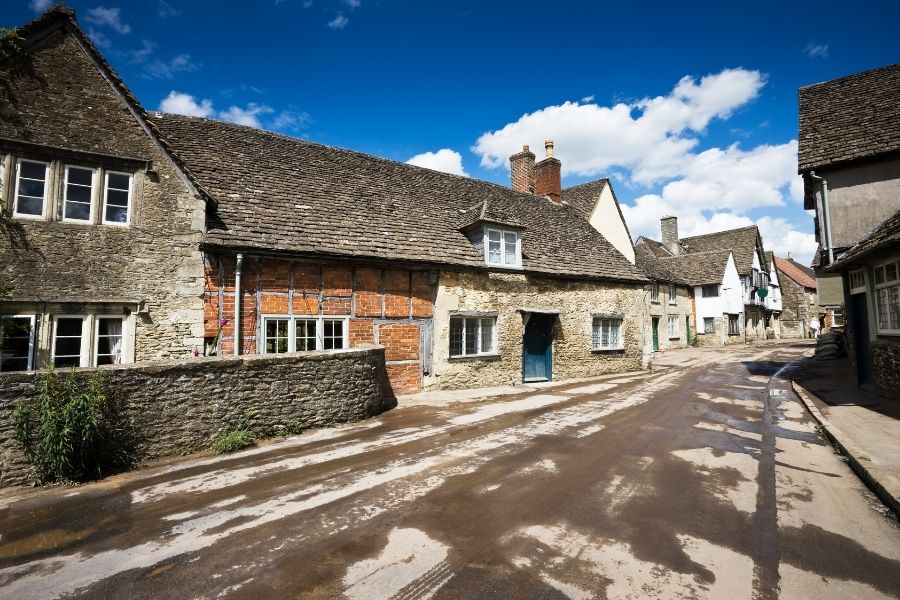
Cobbled streets like Church Street and Cantax Hill greet you as soon as you arrive. The cottages, all stone walls and timber frames, look almost untouched by time.
Modern updates? Practically invisible. That careful preservation makes Lacock feel like a time capsule.
The village green and old stone bridges are perfect for a lazy stroll. The Church of St. Cyriac is just around the corner, and the whole village oozes classic English charm.
Even compared to the Cotswolds, Lacock’s got something special.
Iconic Local Spots and Period Drama Locations
Lacock isn’t just pretty—it’s a star in its own right. The Abbey and village have popped up in all sorts of period dramas and movies.
“Harry Potter” filmed several scenes here, but you’ll also spot Lacock in “Downton Abbey,” “Cranford,” and “The Hollow Crown.” Fans often retrace their favorite scenes, snapping photos by familiar doorways and corners.

You can’t miss the old red postbox, the Tithe Barn, or the Abbey’s medieval cloisters. Even small touches—like lanterns and hand-painted signs—help keep Lacock’s movie magic alive.
It’s easy to imagine daily life here centuries ago, not just actors in costume.
Places to Eat, Drink, and Stay
Eating in Lacock always feels like a treat. I usually start at Lacock Bakery for fresh bread or a sweet pastry.
For a pint or a hearty meal, the Babberton Arms and Sign of the Angel Pub are hard to beat.
If you’re staying over, the Sign of the Angel offers cozy rooms with that old-world touch. Tearooms and small inns line the main street, tempting you with homemade cakes and afternoon tea.
Shops like Watlings Gift Shop sell handmade crafts and souvenirs. Whether you want a big lunch, a quiet drink, or a comfy bed, Lacock’s local spots add real warmth to any visit.
Lacock Abbey: From Nunnery to Iconic Filming Location
Lacock Abbey is a rare blend of medieval roots and modern-day fame. It fascinates me because it’s both a centuries-old religious site and a film star.
Medieval Origins and William Sharington
Back in 1232, Ela, Countess of Salisbury, founded Lacock Abbey as a nunnery. It stayed that way until 1539, when Henry VIII dissolved the monasteries.
William Sharington bought the abbey in 1540 and turned it into a grand Tudor home. He kept many medieval features but added his own touches—think staircases, new rooms, and plenty of decorative flourishes.
Today, you can spot Sharington’s handiwork everywhere. Gothic arches sit right next to Tudor details, and the transition from sacred to stylish feels seamless.
Architectural Wonders and Unique Rooms
It’s no wonder filmmakers love Lacock Abbey. The Cloisters—with their stone columns and covered walkways—are especially striking. They doubled as Hogwarts corridors in the Harry Potter films.
Other rooms, like the Warming Room and Chapter House, still feel steeped in history. The Sacristy has kept its ancient stonework too.
The Abbey also houses the Fox Talbot Museum, which is a must for anyone curious about photography’s early days.
The National Trust keeps the site in great shape, though opening hours change with the seasons. It’s always smart to check times before you go, just in case.
Harry Potter Film Magic at Lacock Abbey
Lacock Abbey isn’t just a historic monument—it’s a real-life Hogwarts set. Walking its halls, I kept spotting places straight out of the movies.
Famous Harry Potter Scenes and Filming Locations
The Abbey’s medieval cloisters became Hogwarts corridors in both The Philosopher’s Stone and The Chamber of Secrets. Those long, echoing walkways look even more magical in person.
The Sacristy room? That’s where they filmed Professor Snape’s Potions Classroom, bubbling cauldrons and all.

The Warming Room doubled as Professor Quirrell’s Defence Against the Dark Arts classroom in the first film. The Chapter House—with its stone benches—appears in the scene where Harry first discovers the Mirror of Erised.
Here’s a quick table for movie buffs:
| Movie | Lacock Abbey Filming Location | Scene Filmed |
|---|---|---|
| Philosopher’s Stone | Cloisters, Sacristy, Warming Room | Hogwarts corridors, Potions class, Quirrell’s class |
| Chamber of Secrets | Cloisters | Second year hallway scenes |
| Half-Blood Prince | Cloisters | More Hogwarts corridor scenes |
Film Characters and Magical Moments
It’s easy to imagine Snape teaching potions here or Dumbledore gliding down the halls. Professor Quirrell’s classroom, with its hidden secrets, feels just as mysterious as in the film.
Harry, Ron, and Hermione sneak through these corridors, plotting and whispering after hours. The Mirror of Erised scene, filmed right here, still gives me chills.
You can almost picture Filch lurking around a corner or students hurrying to class.
Other Productions Filmed at Lacock Abbey
Lacock Abbey pops up in plenty of other movies and shows too. Pride and Prejudice (the 1995 version with Colin Firth) filmed here, as did BBC’s Wolf Hall and The Other Boleyn Girl.
Even Fantastic Beasts: The Crimes of Grindelwald used some exterior shots from the area. Each production chose Lacock for its authentic medieval feel.
Signs around the abbey point out these filming spots, so you can easily connect the dots if you’re a fan.
Special Harry Potter Connections and Visitor Experiences
Lacock Village and Abbey bring Harry Potter’s world to life in a way few places can. I loved spotting real-life locations for Godric’s Hollow, Budleigh Babberton, and Hogwarts itself.
Slughorn’s House and Horace Slughorn’s Hideaway
One standout moment? Finding the house used as Horace Slughorn’s hideout in “Harry Potter and the Half-Blood Prince.” Dumbledore and Harry visit him here, hoping to lure him back to Hogwarts.
It’s right in the center of Lacock, and you’ll see plenty of fans stopping for photos. The movie calls it “Budleigh Babberton,” but it’s pure Lacock in real life.
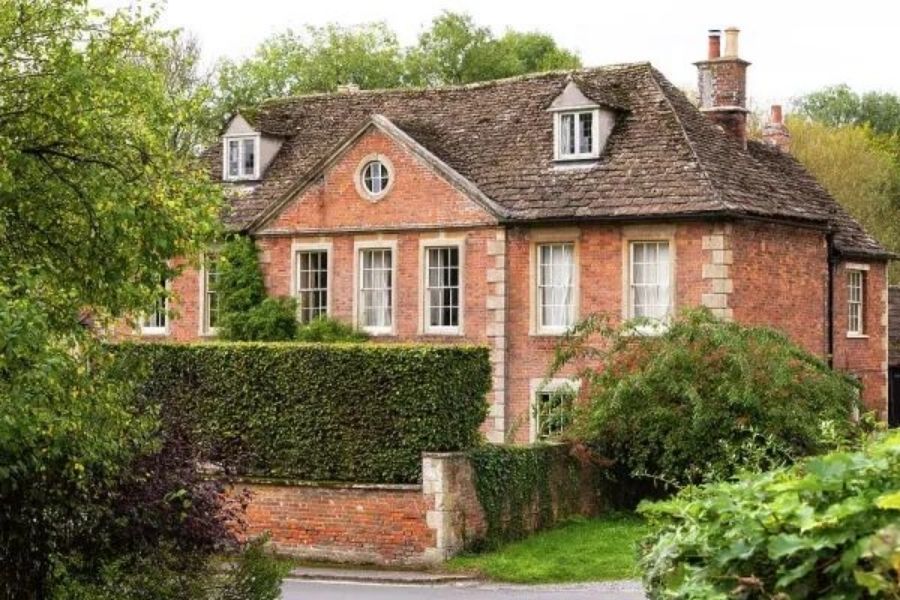
Standing outside, I half-expected Professor Slughorn to answer the door.
Mirror of Erised and Iconic Filming Rooms
Inside the Abbey, the Harry Potter connections keep coming. The medieval cloisters and halls played Hogwarts corridors in several films.
The Mirror of Erised scene—where Harry glimpses his heart’s desire—was shot in one of the Abbey’s stone-walled rooms.
Snape’s Potions Class and the Defence Against the Dark Arts classroom both used Abbey spaces. Long tables, shelves stacked with bottles, and those big arched windows bring the films to life.
You can walk through these rooms when the Abbey’s open. Signs and displays make it easy to match scenes to real places.
Souvenirs and Gifts for Harry Potter Fans
For fans, there’s no shortage of magical souvenirs. The National Trust gift shop at Lacock Abbey stocks official merchandise—think mugs, wands, scarves, and postcards featuring the Abbey’s film moments.
Village shops carry Harry Potter gifts too, including handmade items and limited-edition prints you won’t find elsewhere.
Here’s a quick list of favorites:
- Wands and replica props
- Clothing with Hogwarts logos
- Photobooks or postcards
- Handmade jewelry with magical themes
Fox Talbot and the Dawn of Photography
Lacock Abbey isn’t just about movies or medieval history. It’s also ground zero for one of photography’s biggest breakthroughs.
The story of William Henry Fox Talbot and his photographic discoveries draws visitors with a passion for science and art.
William Henry Fox Talbot and His Legacy
William Henry Fox Talbot, a mathematician and scientist, lived at Lacock Abbey in the 1800s. He invented the calotype process in 1835—a way to make paper photographs using light and chemicals.
The calotype was a game-changer. Unlike earlier methods, it let people make multiple copies from a single negative.
French inventor Louis Daguerre had his daguerreotype, which made unique images on metal. But Talbot’s invention paved the way for film and the kind of photography we know today.
His home became a hub for early camera experiments. The Fox Talbot Museum at Lacock, run by the National Trust, now displays old cameras, early photos, and Talbot’s original tools.
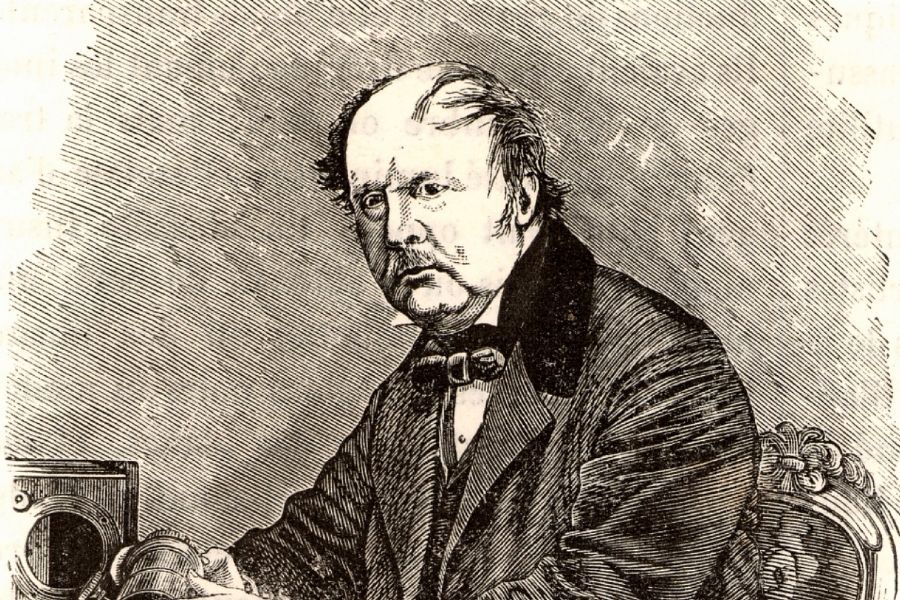
It’s wild to think how much work went into capturing just one image back then.
Lacock Abbey as a Photographic Landmark
Lacock Abbey isn’t just important because Fox Talbot lived there. Honestly, what grabs me is knowing he snapped some of the world’s first photographs here—including that iconic latticed window shot from 1835.
That tiny, almost unassuming photo? It’s actually one of the oldest negatives still around. Pretty wild to think about, right?
Talbot wandered these same rooms and gardens, turning them into his early photographic experiments. Every time I walk those creaky hallways, I can’t help but imagine the buzz of discovery that once filled the place.
The Abbey’s architecture hasn’t really changed much since Talbot’s time. There’s something magical about being able to see it much as he did, almost like history is pressing in from every side.
The National Trust does a solid job preserving not just the building, but Talbot’s whole legacy. Inside the photography museum, their displays lay out his experiments in a way that actually makes the science feel approachable.
Standing there, I get this sense that Lacock Abbey isn’t just a relic—it’s a living reminder of how photography began. If you’re even a little curious about the roots of cameras and images, this place will absolutely spark your imagination.