
Tucked away in a volcanic crater in Guatiza, the Jardín de Cactus stands as César Manrique’s last artistic gift to Lanzarote.
This isn’t your average botanical garden. The Cactus Garden transforms a former quarry into a swirling, living artwork, home to over 4,500 cactus specimens from all over the globe.
I honestly didn’t expect to find so much peace here. Manrique somehow blended nature and architecture so naturally, it just works.
The terraced design pulls you right into the volcanic landscape. You can wander and watch hundreds of cactus species, all while feeling totally connected to Lanzarote’s raw, volcanic beauty.
The dark volcanic stone sits in dramatic contrast with the wild shapes and colors of the cacti. It’s unlike anything else I’ve seen.
I want to share what makes this place special—from the plant collection and striking architecture to the surprisingly zen atmosphere.
There’s more too: the café serves up cactus-inspired dishes, and I’ll include the practical tips you actually need to plan your visit.
Why Jardín de Cactus is Unique Among Cactus Gardens
Jardín de Cactus stands out thanks to Manrique’s wild vision. He took an abandoned quarry and turned it into something that feels more like an art installation than a garden.
Manrique’s Vision and Legacy
Manrique really believed in merging art and nature. He didn’t just arrange plants—he built a living sculpture.
The garden opened in 1991, marking his final masterpiece on Lanzarote. He took an old volcanic ash quarry, basically a dumping ground, and created a place that now bursts with life.
This transformation says a lot about his mission: protect the island’s beauty, but don’t be afraid to add a little creative magic.
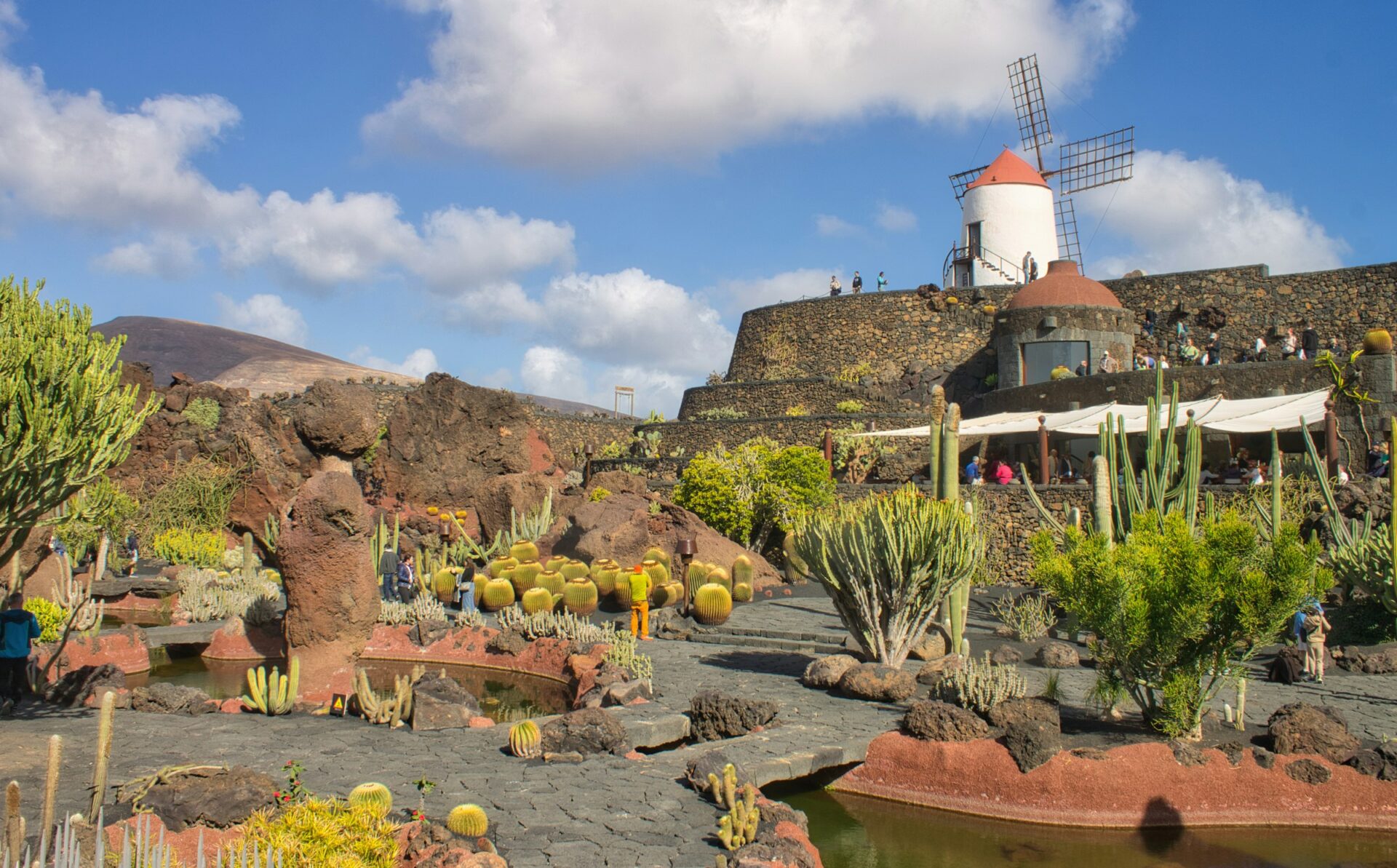
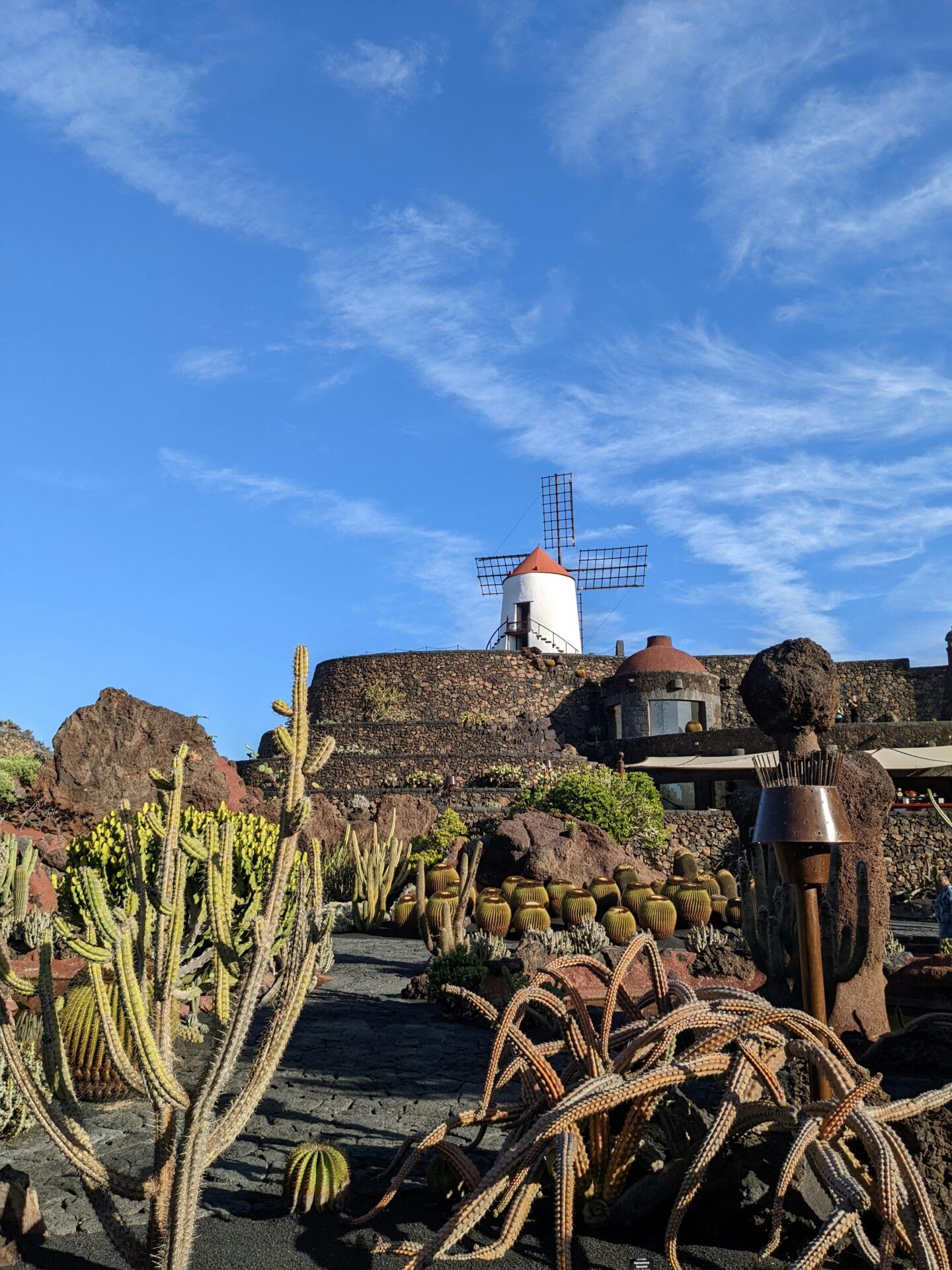
He left his mark everywhere. A traditional 19th-century windmill looks out over the garden, offering sweeping views from above.
Water features made from lava stone and quirky wind spinners add artistic flourishes that somehow feel right at home.
Even the restrooms show his attention to detail. Volcanic stones, shaped and arranged just so, turn a practical space into a tiny work of art.

The Amphitheater Design and Volcanic Setting
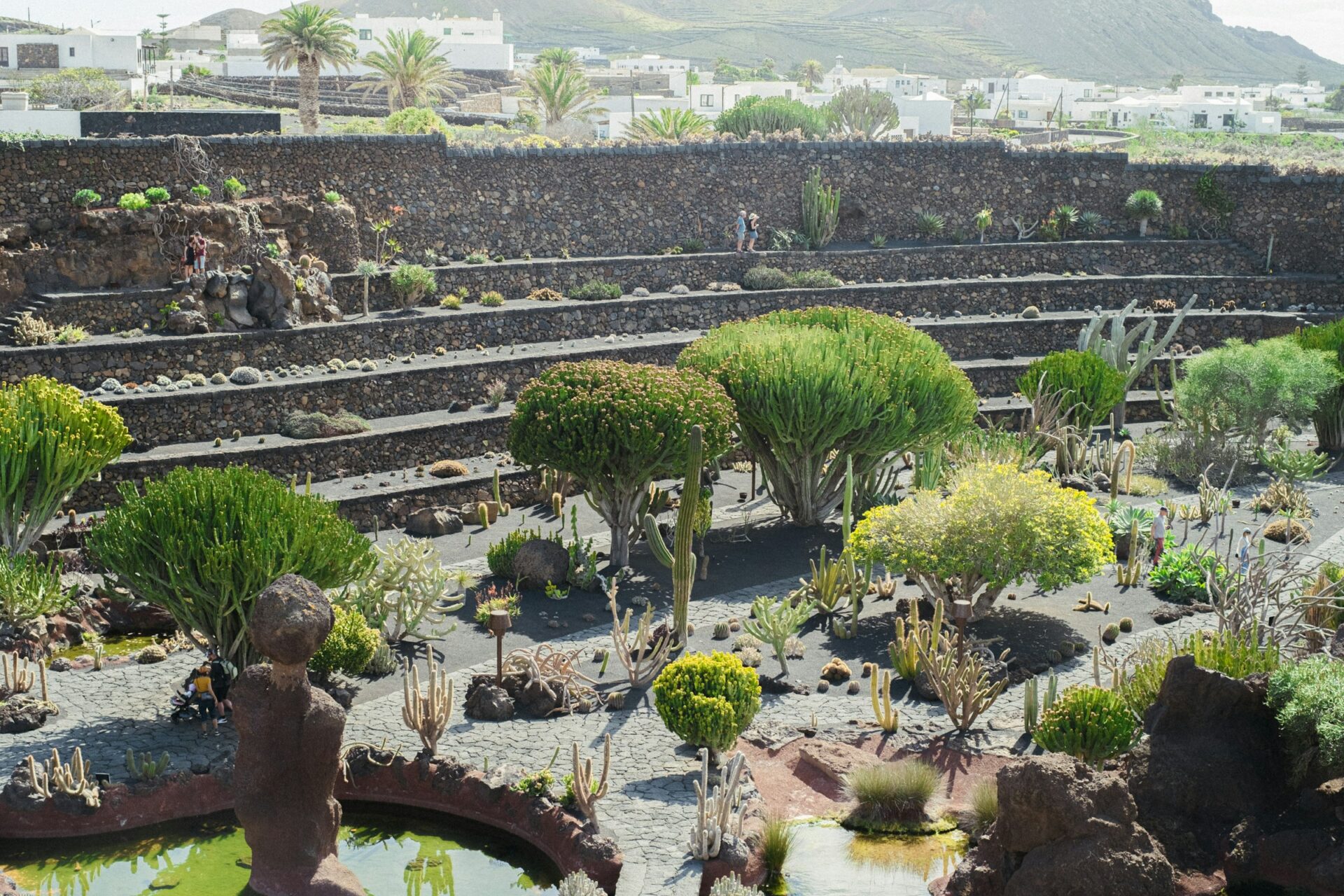
The bowl-shaped, amphitheater layout is such a clever move. Instead of a flat garden, you step down into the center, then climb terraces for new views.
The volcanic setting just cranks up the drama. Black and red soil, green cacti, white buildings—it all pops.
Pathways twist and rise through different levels. From down below, the cacti tower over you, making the space feel intimate.
Climb up, and you see Manrique’s design in full, with the garden nestled right into the volcanic landscape.
The garden doesn’t feel dropped here—it feels like it grew out of the island itself.
Contrasts with Other Global Cactus Gardens
Most cactus gardens focus on plants and labels. Jardín de Cactus invites you into an experience that’s as much about art as it is about botany.
Elsewhere, gardens can feel like outdoor museums. Here, the plants help tell a bigger story about harmony between creativity and the wildness of nature.
The restaurant even serves cactus-based dishes—think vegetarian cactus burgers. That’s something you don’t see every day.
Other gardens usually stick to flat, grid-like layouts. The terraced amphitheater here gives you a three-dimensional adventure, with new sights around every bend.
Exploring the Collection: A World of Cacti and Succulents
Jardín de Cactus holds around 4,500 specimens, with about 450 species from five continents. Each cactus has its own story, and Manrique arranged them to highlight their quirks and textures.
Signature Species: From Cojines de Suegra to Euphorbia Candelabrum
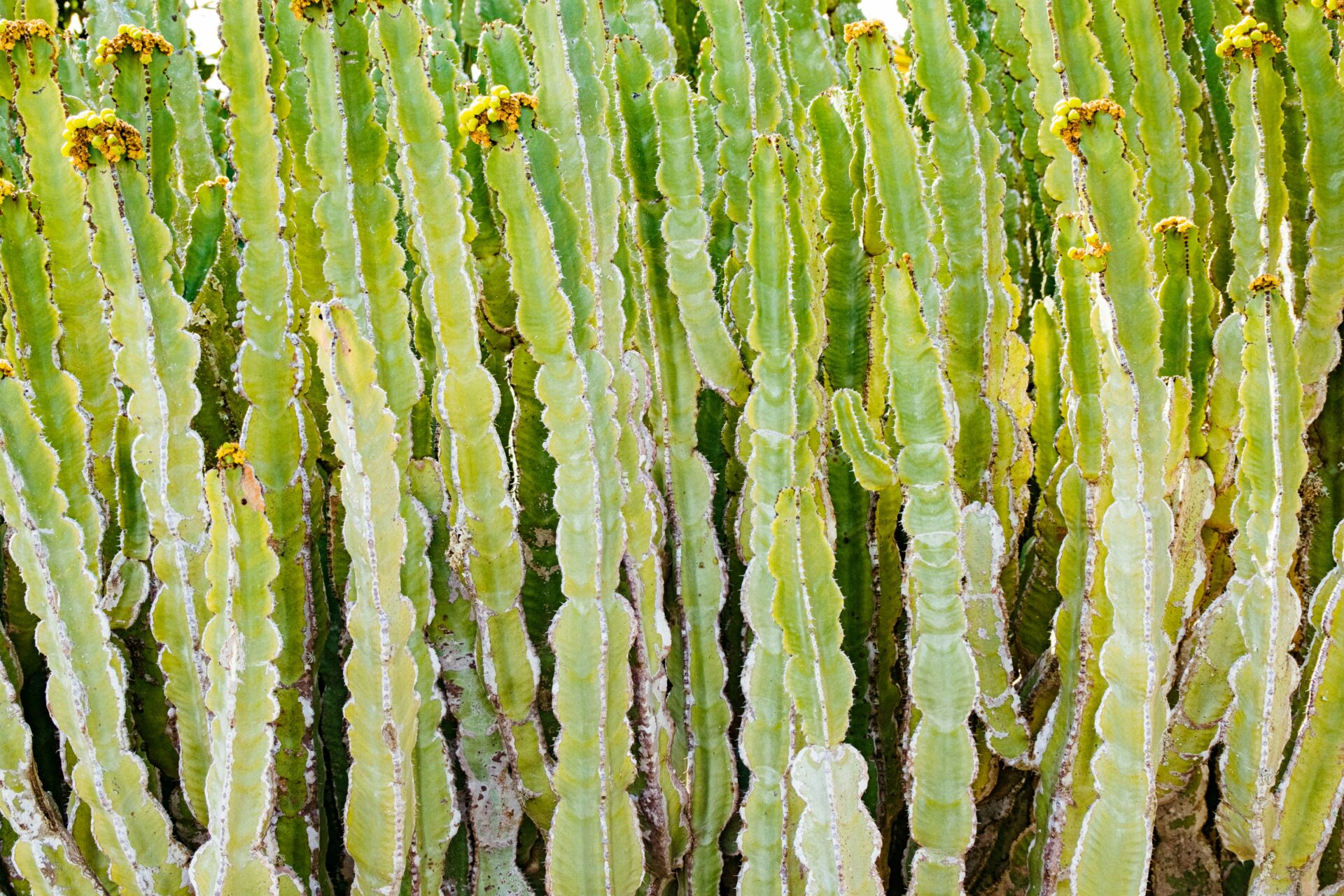
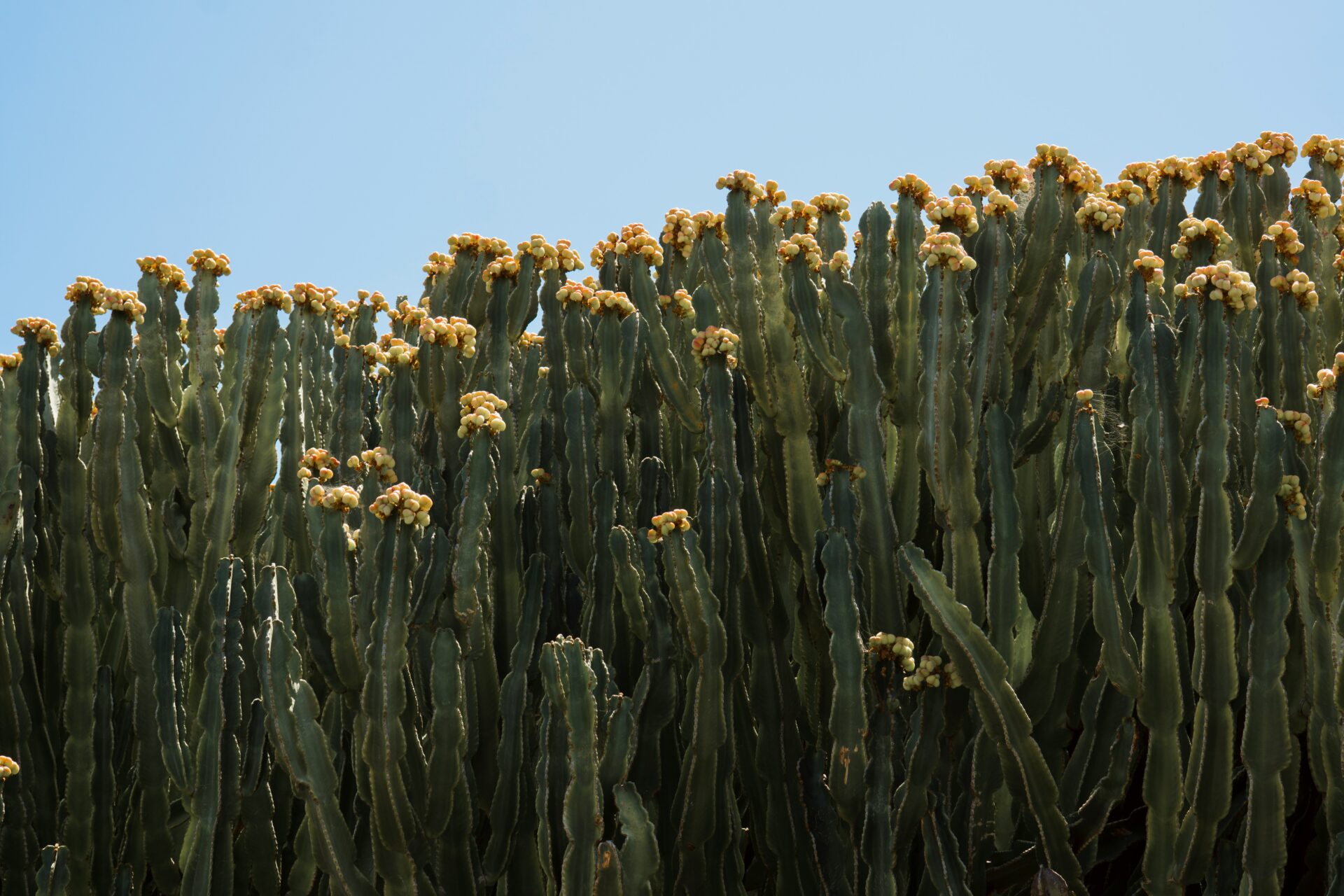
The Euphorbia Candelabrum takes center stage here. This massive African plant stands 6-7 meters tall and was actually the first cactus Manrique planted back in January 1989.
You can’t miss it—it stands proudly near the shop, setting the tone for everything else.
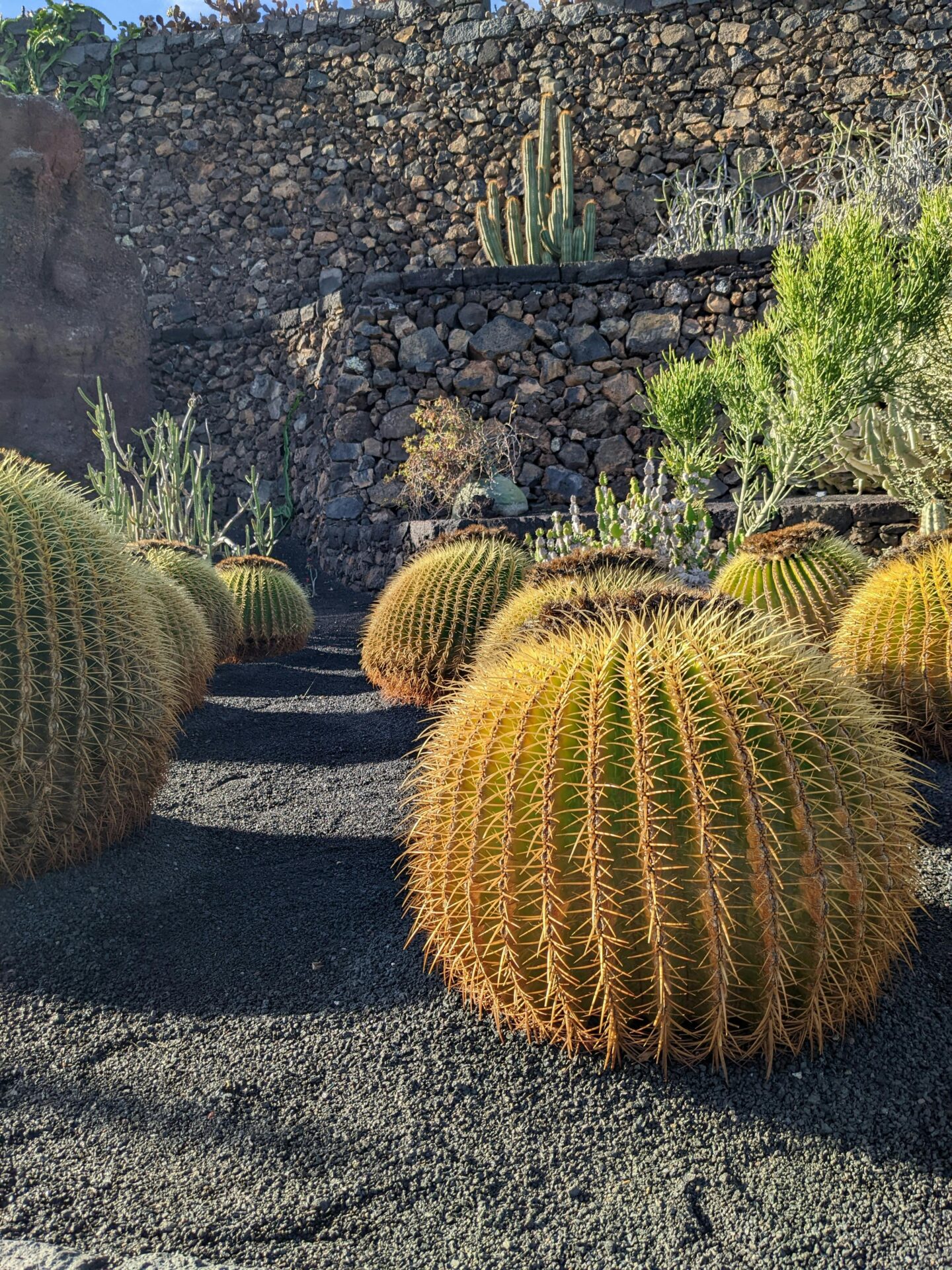
Then there are the Cojines de Suegra. These are squat, round Mexican cacti, and the name translates cheekily to “mother-in-law’s cushions.”
Their playful shape creates fun patterns around the garden. It’s a little joke, but one that fits the spiky vibe perfectly.
Manrique picked signature plants to anchor the garden and give it dramatic flair.
Cactus Varieties from Five Continents
This place is a world tour in cactus form. You’ll find species from Africa, America, Asia, Australia, and Europe.
North and South American cacti dominate—think barrel cacti, prickly pears, and those tall, columnar types.
African succulents bring a different kind of beauty, with thick, waxy leaves built to survive months without rain.
Asian varieties add a delicate touch. Some only bloom at night, others have strange growth habits.
Manrique didn’t group them by continent or family. He mixed them up, creating surprising combinations that keep things interesting.
Every plant here had to survive the journey to Lanzarote and then adapt to the volcanic soil. It’s a real testament to resilience.
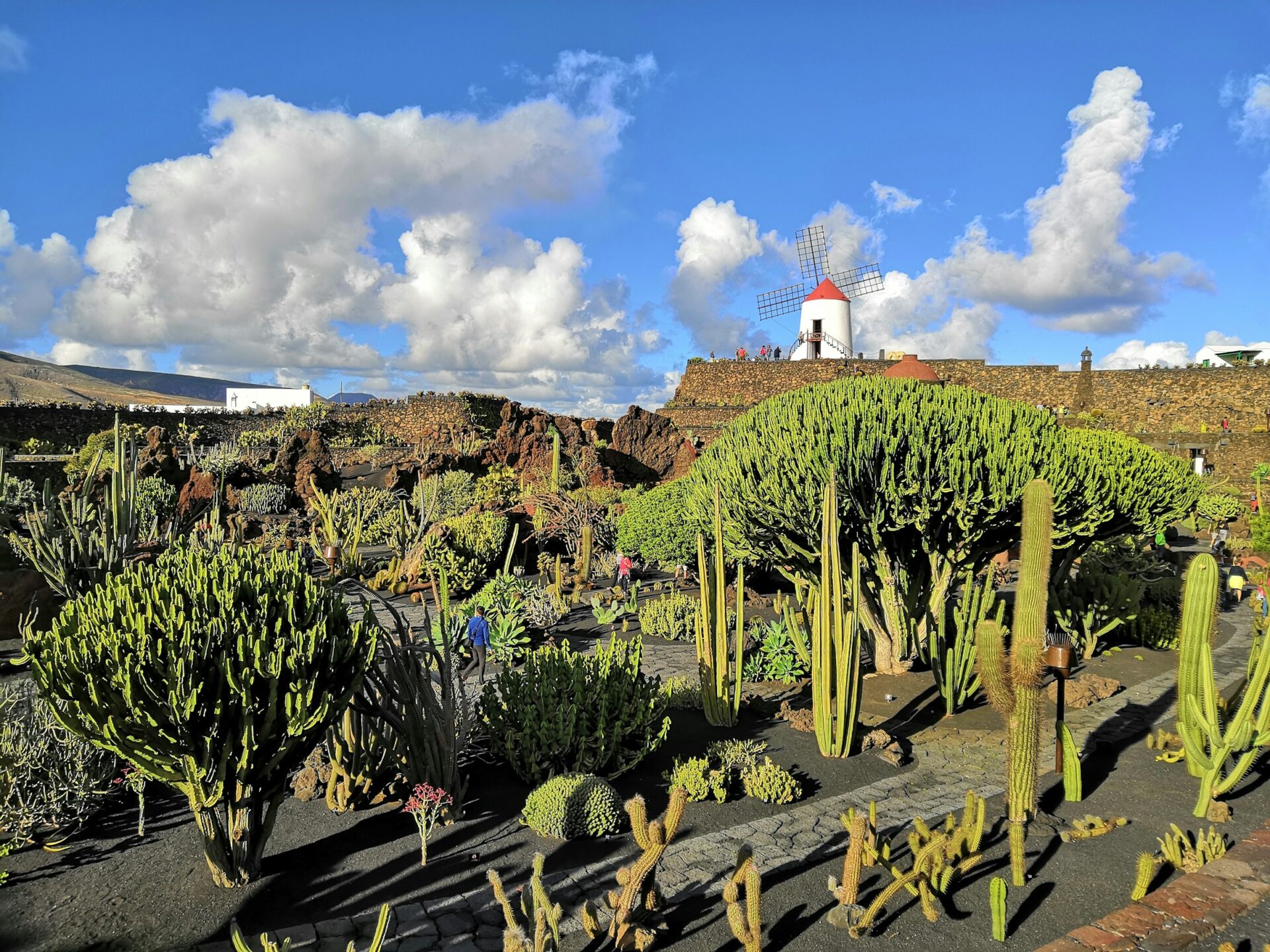
The Artistry of Cactus Display
Manrique used the old quarry’s terraces to showcase each cactus at its best. The volcanic stone backdrop sets off every plant.
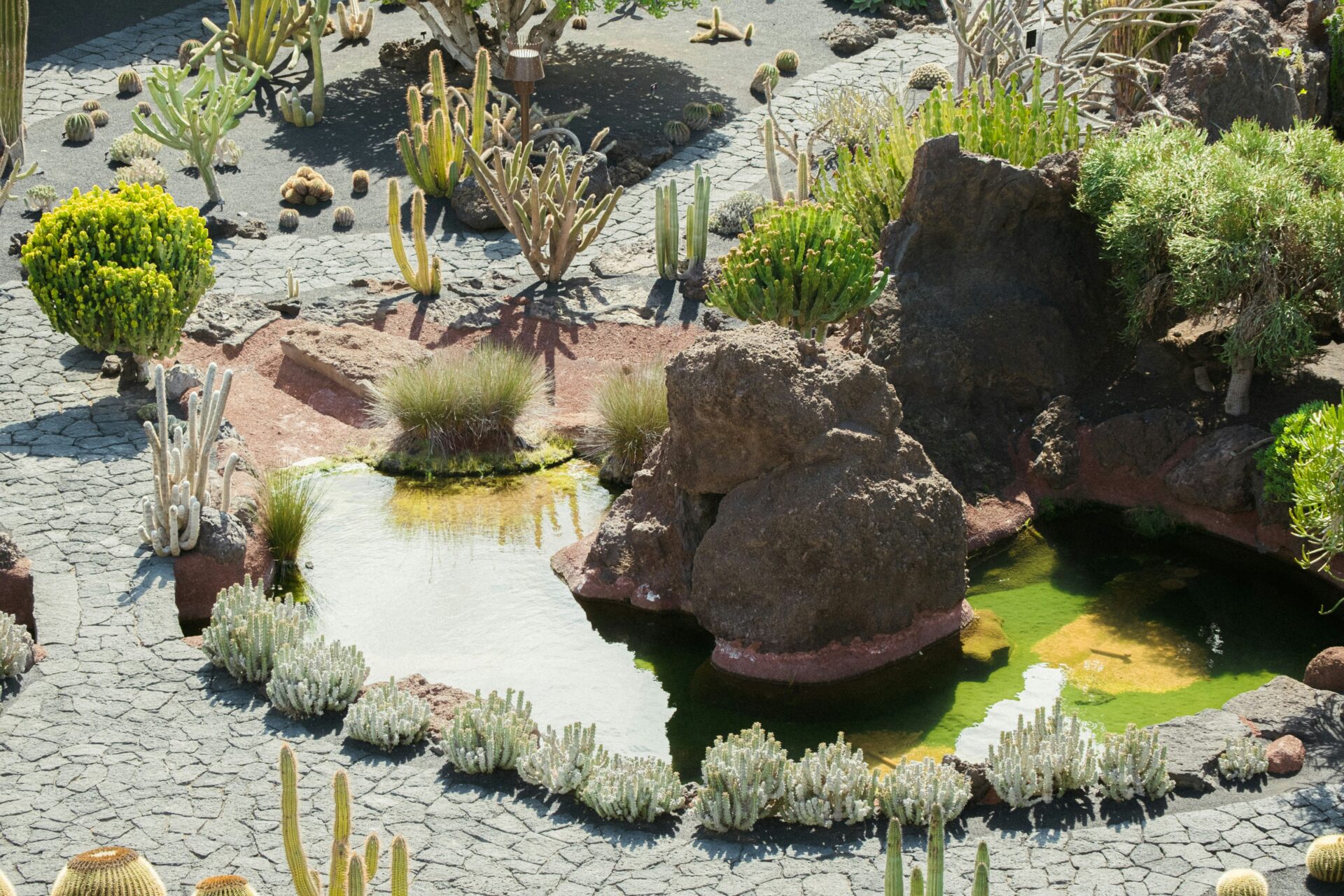
Basaltic monoliths—leftovers from the quarry—now act as natural sculptures, framing the cacti.
Spiral pathways wind you through the garden, offering new angles at every turn.
He gave each plant enough space to grow into its own shape. Nothing feels crowded.
A central pond reflects the cacti and even has orange fish darting around, adding a bit of life to the stillness.
Instead of focusing purely on education, the displays highlight texture, color, and form. The plants really do become living art here.
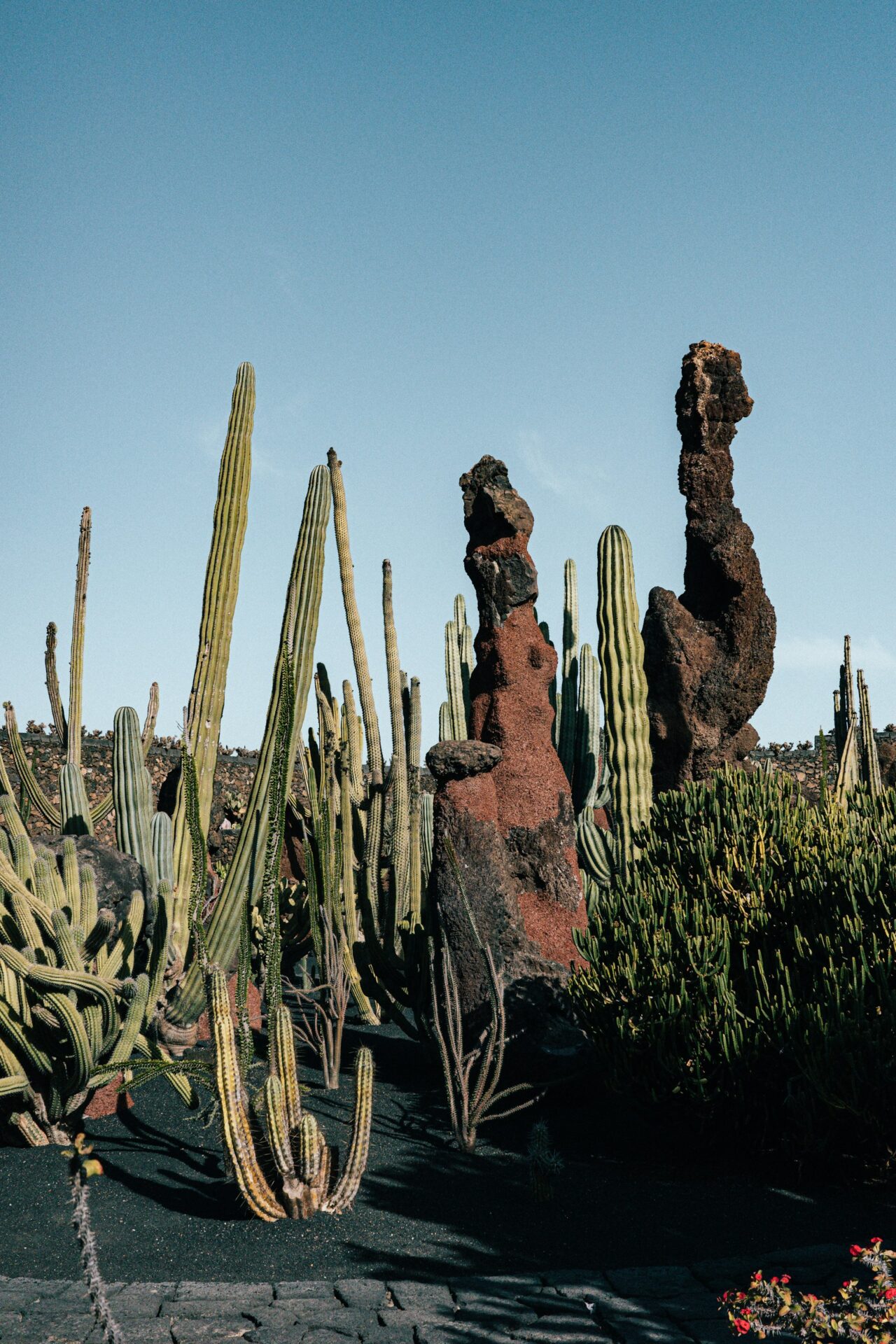
Architectural Features and Manrique’s Final Masterpiece
Manrique took a scarred volcanic sand quarry and turned it into his crowning achievement. His style—natural materials, sculptural touches, seamless landscape integration—shines everywhere you look.
Repurposing the Volcanic Sand Quarry
I find it amazing how Manrique saw potential where others saw a ruined patch of earth. He took the quarry’s natural terraces and built stepped stone walkways that follow the land’s curves.
He left most of the volcanic rock walls untouched. These walls now create natural barriers and little microclimates for different plants.
The depth of the quarry shields the garden from Lanzarote’s fierce winds. That shelter makes it possible to grow delicate cacti from around the globe.
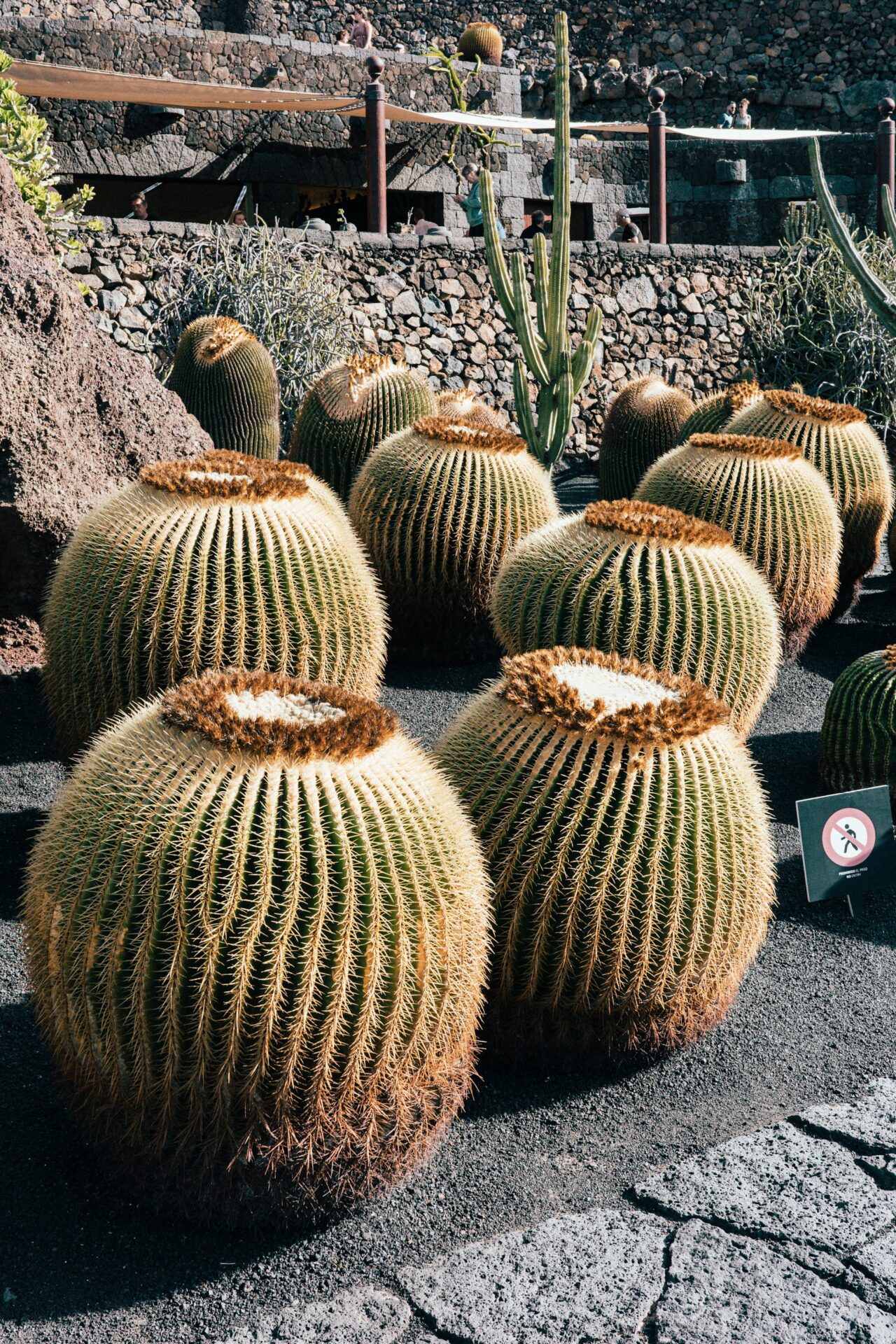
Iconic Sculptures and Manrique’s Murals
Manrique’s artistic flair pops up everywhere, but never overwhelms the plants.
The restored Guatiza windmill is a standout. You can climb up and get a panoramic view of the whole garden and beyond.
He designed custom lighting inspired by prickly pear thorns. These fixtures blend right in, giving the garden a gentle glow at night.
Sturdy gates built from local materials mark the entrances, nodding to Canarian tradition but with Manrique’s modern twist.
Metal sculptures line the pathways. They echo the spiky shapes of the cacti without stealing the show.
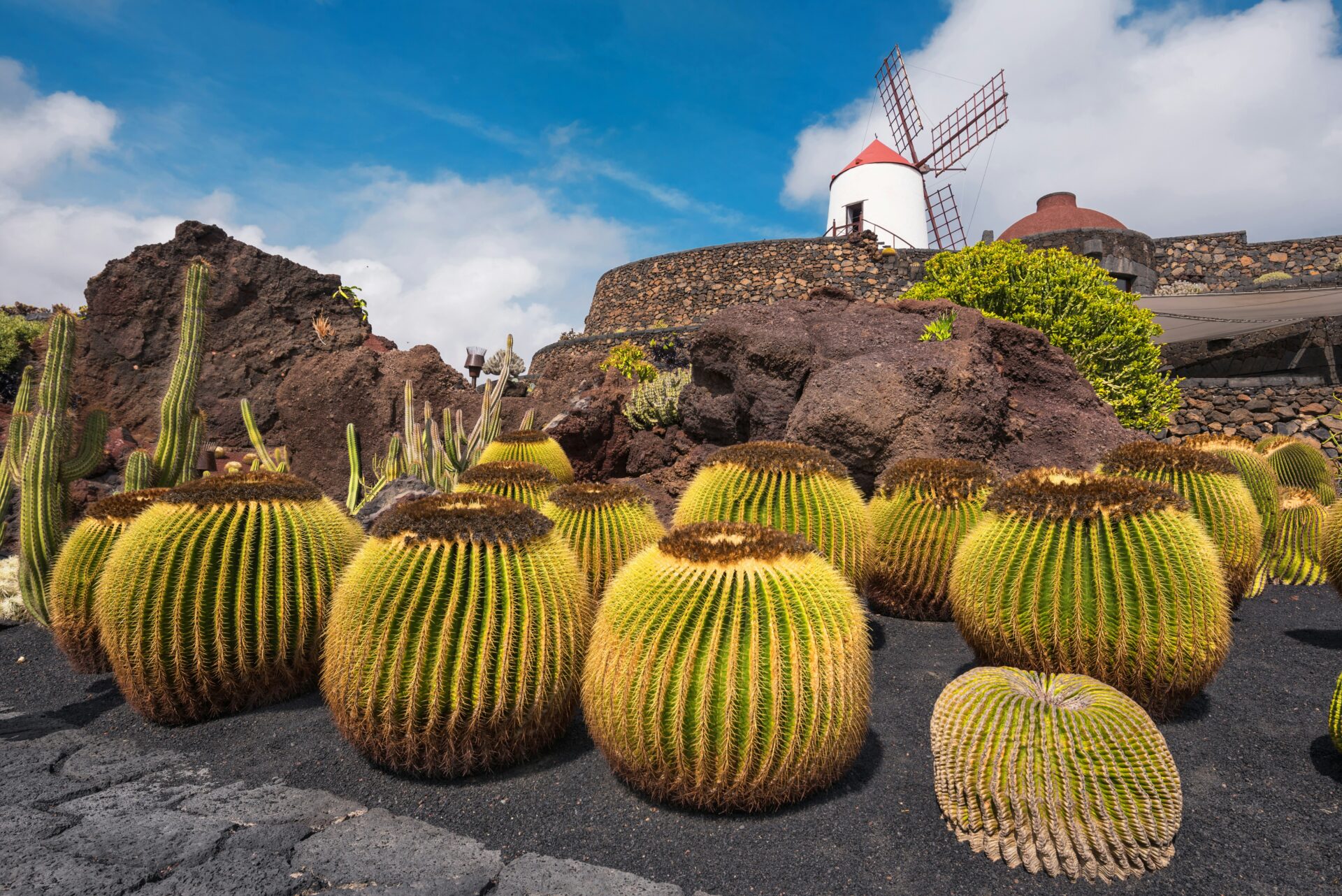
Integration of Art, Landscape, and Nature
What I love most is how the architecture almost disappears into the landscape. Every built feature serves both the plants and the visitors.
Natural stone walkways use volcanic rock dug right from the site, tying everything together visually.
Some seating areas are carved straight into the rock walls. They feel like little hideaways, perfect for soaking in views of the 4,500 specimens.
Water features are subtle, using just enough to create a bit of humidity and add a gentle sound.
Manrique planned the layout so shade-loving plants get shelter, while sun-seekers bask on open terraces. It’s thoughtful, and it works.
A Zen Experience: Highlights and Sights Within the Cactus Garden
Jardín de Cactus feels peaceful from the moment you step in. The design and layout encourage you to slow down and soak up the atmosphere.
Every section offers something different—a new view, a quiet moment, or a surprising detail.
The View from the Mirador and Terraces
The mirador gives you the best panoramic view of the whole garden. From up here, the terraces look like a green amphitheater carved into black volcanic rock.
Each terrace becomes its own little viewing platform. The garden spreads out below, thousands of cacti arranged like an audience.
Stone pathways wind gently between levels. Walking here feels relaxed—never rushed.
The volcanic stone walls blend right into the landscape. The restored windmill at the edge ties the garden back to Lanzarote’s farming history.
The Central Pond and Sculptural Focal Points
In the garden’s heart, a small pond reflects the sky and the cacti. It’s a peaceful spot that draws your eyes as you wander.
You’ll spot stone sculptures and creative touches throughout. Manrique’s vision shines through, mixing wild plants with human-made art.
The sculptures use the same dark volcanic stone as the walls. They don’t feel out of place—they’re part of the story.
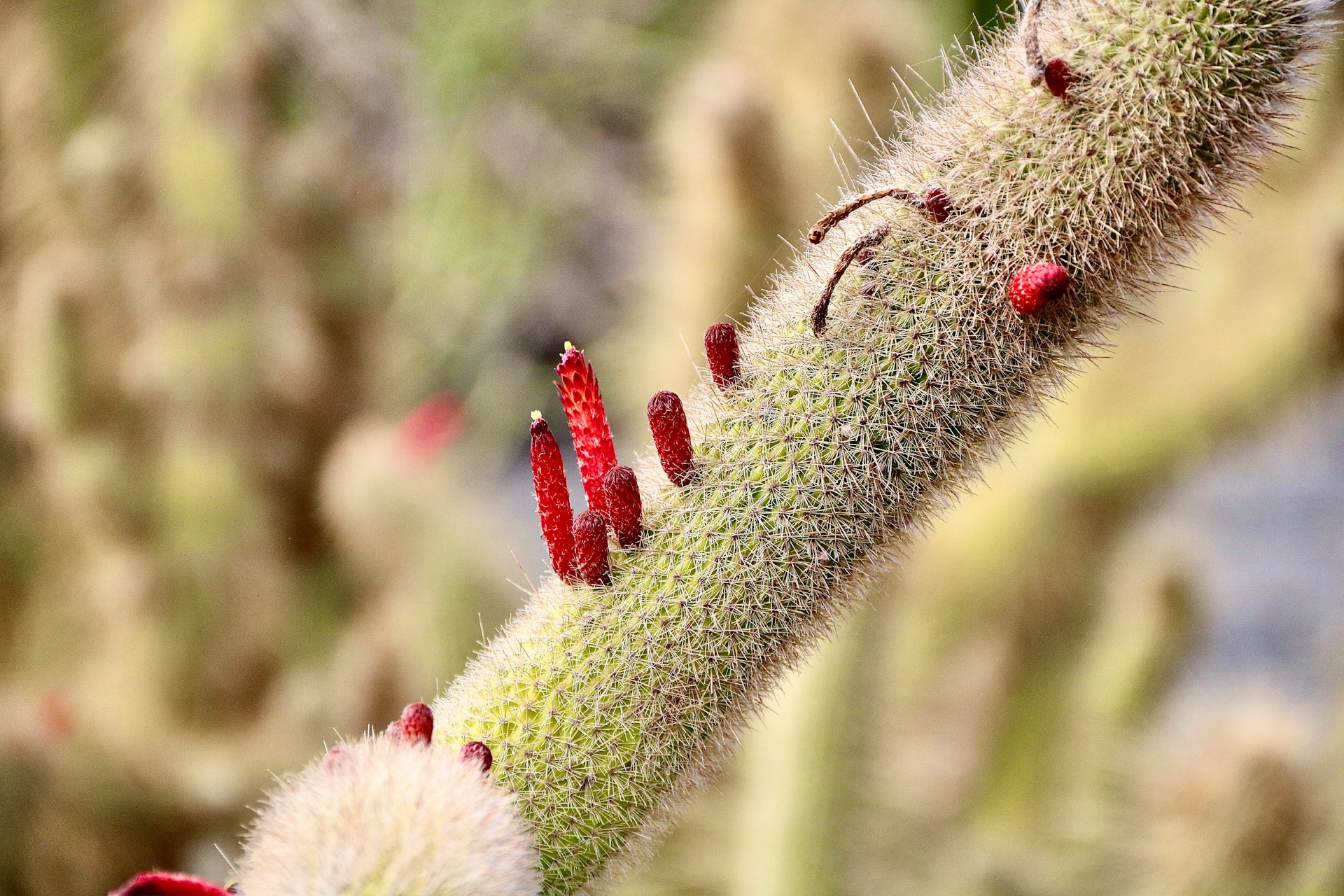
Some cacti themselves become natural sculptures. Tall columns and fat barrels stand out along the paths, their shapes playing off the smooth stone.
Curved benches give you spots to sit and soak up the view. Each faces a different part of the garden, so you can get up close with all sorts of species.
Visitor Pathways and Tranquil Spaces
The stone paths follow the crater’s natural lines. Wide sections let you pause and check out plants without blocking anyone else.
Steps between terraces are built right into the volcanic rock. The paths use local stone, which feels right underfoot and stays grippy even if it’s damp.
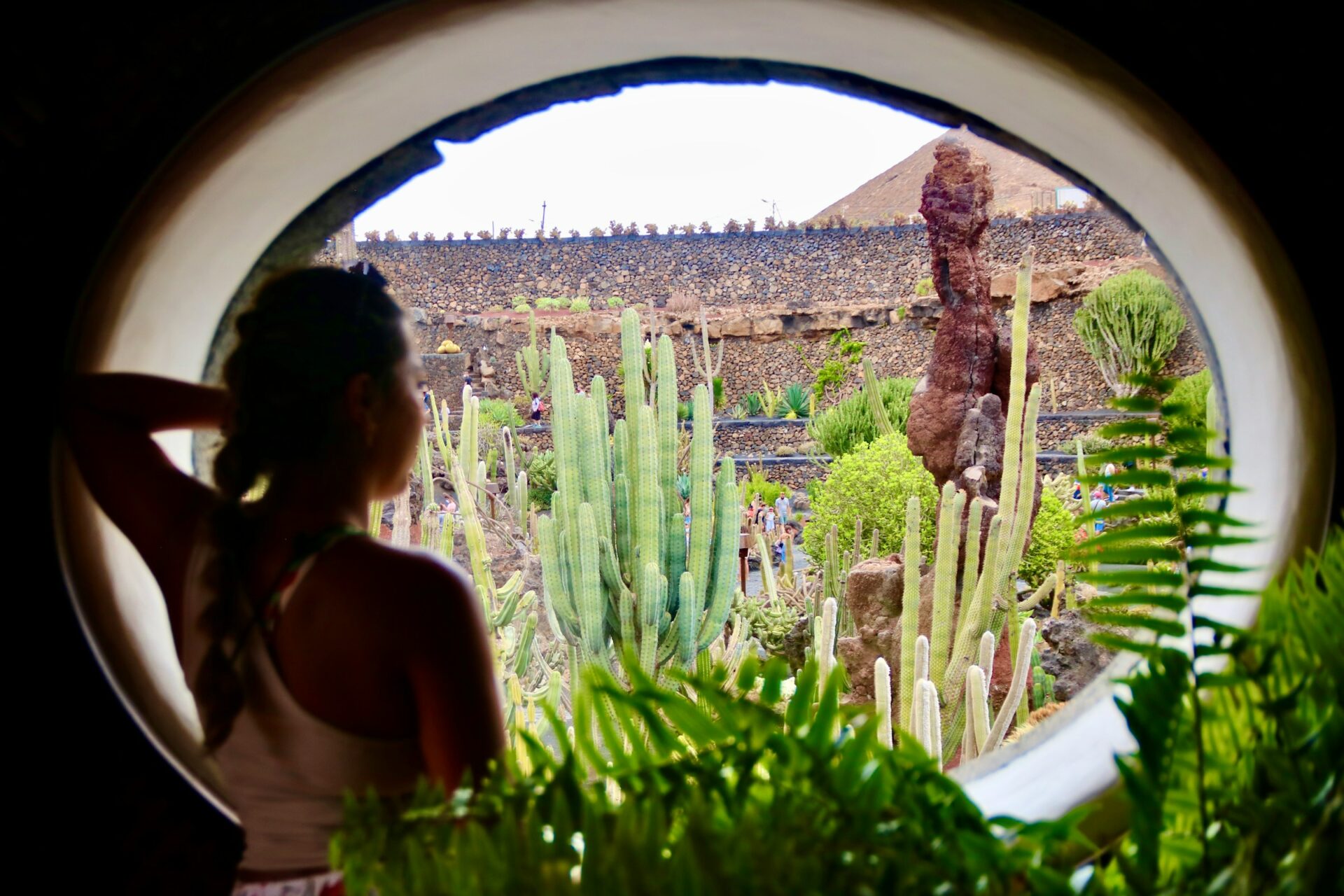
Along the way, you’ll find quiet alcoves—little semi-private corners with partial walls for shelter. They’re ideal for photos, a rest, or just enjoying the calm.
The design spreads people across the terraces. Even on busy days, it rarely feels crowded or noisy.
Culinary Delights: Savoring Local Flavors at the Cactus Garden
The Cactus Garden’s restaurant gets creative with nopal cactus, serving up dishes you won’t find elsewhere. You can also try traditional Canary Islands favorites.
There’s even a historic millet mill on-site, grinding fresh gofio for the kitchen. It’s a tasty way to connect with Lanzarote’s food traditions.
Cactus-Inspired Dishes and Local Cuisine
This place really celebrates nopal cactus—it’s the star of the menu and the thing that sets dining here apart. I tried their Cactus Hamburger and honestly, the tender baby nopal cooked in olive oil surprised me in the best way.
They get creative with dishes like cactus maki and creamy croquettes, always spotlighting local produce. For vegetarians, you won’t feel left out—the vegan Ropa Vieja chickpea stew gives a fun, plant-based spin to a Canary Islands classic.
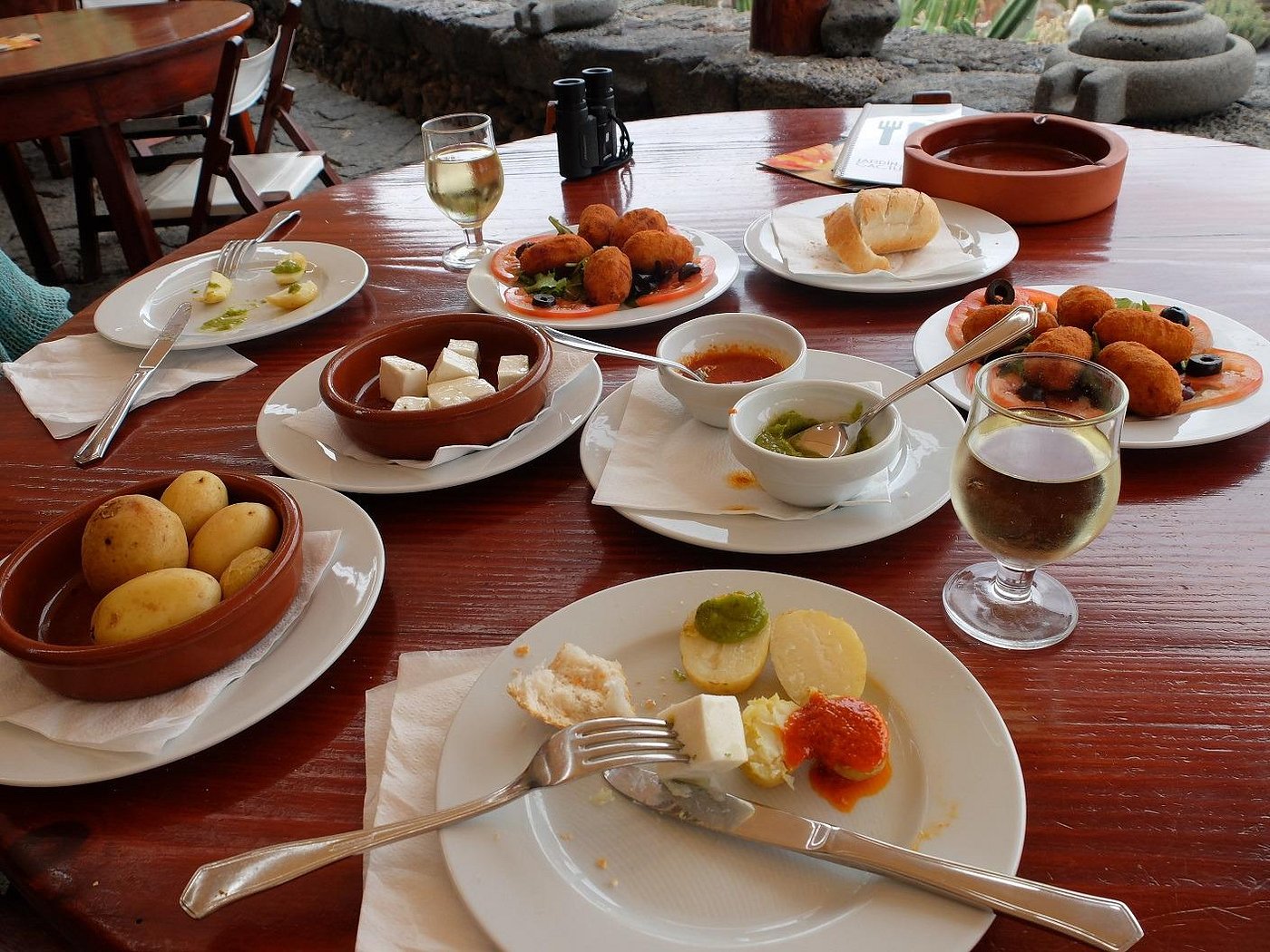
You’ll spot traditional Canary Islands flavors all over the menu. They serve up papas arrugadas (those wrinkly potatoes) with local mojos, and pour Malvasía wine straight from Lanzarote’s vineyards.
Brunch service runs from 11:00 to 13:30, and here’s what you’ll find:
- Canary Island rosquillas (doughnut rings)
- Avocado and tomato toast
- Vegetable pie with local cured cheese
- Granola with prickly pear
- Fresh orange juice and coffee

The Role of the Millet Mill and Gofio
You’ll find a working millet mill at the Cactus Garden, where they still grind millet into gofio. This traditional flour is a real staple in Canary Islands cooking.
Gofio pops up everywhere—mixed into soups, rolled into appetizer balls, or just eaten as a warm, porridge-like dish. I didn’t expect to like it as much as I did, but it’s tasty and filling.
Watching the mill in action connects you to the island’s agricultural roots. You can actually see the grinding process and get a sense of how simple traditions have nourished people here for centuries.
Dining at the Restaurant with Panoramic Views
The terrace here gives you a front-row seat to 4,500 cacti from around the world. I loved sitting there, soaking in Manrique’s bold architecture and the stark, beautiful desert views.
A few things to know:
- They don’t take reservations
- You’ll need a garden admission ticket to eat here
- Tables are first-come, first-served
The dining room echoes Manrique’s style, blending right into the volcanic crater. Big windows look out over the cactus displays, keeping the whole place bright and connected to the landscape.
They stick to fresh, local ingredients and keep things simple. It’s all about letting those natural flavors stand out, and it works.
Visitor Essentials and Lanzarote Connections
The Cactus Garden sits in Guatiza village, right in Teguise municipality. It’s a breeze to pair with Jameos del Agua or Cueva de los Verdes if you’re chasing Manrique’s creative legacy for a day.
Getting There: Guatiza, Teguise, and Accessibility
You’ll find the Cactus Garden in Guatiza village within Teguise municipality. I usually drive over from Arrecife—it takes about 20 minutes.
That drive winds through classic Lanzarote scenery, with rows of prickly pear cactus stretching out on both sides. It’s oddly calming.
Bus routes connect Guatiza to the big towns. Line 7 runs from Arrecife to Orzola and stops close to the garden.
Definitely check the current bus schedule before you go. They tend to shift with the seasons.
There’s parking right on-site, and I’ve never had trouble getting a spot—even when things get busy.
Walking paths inside are mostly accessible, but you’ll hit a few steps and some uneven volcanic stones.
I’d wear sturdy shoes—those rocky paths aren’t sandal-friendly, and you’ll want to wander comfortably.

Entry, Facilities, and Gift Shop
Entry tickets cost around €7 for adults. You can buy them at the door or book ahead online.
The garden opens daily, but hours change with the season. I always double-check before heading out, just in case.
There’s a café inside serving up cactus-based dishes and some local specialties with prickly pear.
The gift shop is a fun stop for cactus-themed souvenirs and local goodies. You can even pick up a little cactus to take home.
Restrooms are clean and easy to find, right near the entrance.
I usually spend about an hour exploring, but if you’re into photography, you might want to linger longer.
Don’t skip the restored windmill—it’s a fantastic spot for panoramic shots of the volcanic landscape. I always climb up for the view.

Nearby Attractions: Jameos del Agua and Cueva de los Verdes
Jameos del Agua sits just minutes from the Cactus Garden. This natural cave system really shows off how Manrique blended nature with architecture in such a unique way.
You can easily squeeze in both attractions in a single morning. The underground lake at Jameos hides tiny blind crabs you won’t find anywhere else on Earth.
Cueva de los Verdes rounds out the northern Lanzarote triangle of must-see spots. Guided tours take you deep into this lava tube cave, winding past some truly wild rock formations.
Together, these three sites create what many call the Manrique trail. As you move from one to the next, you start to see just how the artist turned volcanic landscapes into living art.
The drive between these places? It barely takes 5-10 minutes. Honestly, you could just walk from Jameos del Agua over to Cueva de los Verdes if you feel like stretching your legs.
If you’re looking to save a bit, grab one of the combination tickets for multiple attractions. Those packages usually cost less than buying each ticket on its own.
