
Most Greek islands make you catch a ferry, but Lefkada? It skips the whole boat routine. This gorgeous place connects straight to mainland Greece by a simple causeway—no schedules, no waiting, just drive right in.
Honestly, I couldn’t believe how easy it was. I just rolled across and suddenly, I was on an island that feels like its own world.
Lefkada gives you the full Greek island fantasy. The beaches here? Unreal—think crystal-clear water, bold cliffs, and sand that feels almost too perfect.
The mountains, though, surprised me most. They rise up behind the coast, offering hiking trails and views that made me stop in my tracks.
But Lefkada’s magic goes deeper than scenery. The island keeps its authentic Greek character even as it welcomes travelers from everywhere.
You’ll stumble across traditional villages, local food, and a laid-back vibe that just feels…right.
Getting to Lefkada: Accessible Paradise
Lefkada stands out as Greece’s easiest island to reach. A floating bridge connects it to the mainland, so you can skip the ferry shuffle entirely.
The closest airports are in Preveza and Corfu. Both make it pretty simple to reach this slice of paradise.
Driving Across the Floating Bridge
That floating bridge at Lefkada Town? It’s a game changer. I just drove across—no tickets, no timetables.
Every hour, the bridge opens to let boats through. When that happens, traffic on both sides pauses for about 10-15 minutes.
Bridge Opening Times:
- Every hour from 6:00 AM to 10:00 PM
- No openings from 10:00 PM to 6:00 AM
- Expect longer delays during summer rush
If you can, try to time your arrival outside the hourly opening. The wait isn’t awful, just a little unexpected.
The bridge gets narrow and busy, especially in July and August. When camper vans show up, things slow down even more.
Closest Airports and Transfers
Preveza Airport is only 20 kilometers from Lefkada Town. For me, that’s the best airport option—just a 25-minute drive if traffic’s light.
Preveza Airport (PVK):
- Distance: 20 km to Lefkada Town
- Transfer time: 25-30 minutes
- Rental cars right at the airport
- Taxi: €25-35
Corfu Airport has more international flights, but getting to Lefkada takes longer. You have to drive south through the mainland for about 2.5 hours.
Corfu Airport (CFU):
- Distance: 150 km to Lefkada Town
- Transfer time: around 2.5 hours
- More flights from big cities
- Best with a rental car
Athens Airport is another option, but it’s a solid 4-hour drive. I only choose this if flights are much cheaper or I’m in the mood for a mainland road trip.
Travel Tips for Arriving by Car
Before heading over, I always fill up on gas. Stations on Lefkada are few and pricier than the mainland.
Pack These Essentials:
- Driver’s license
- GPS or offline maps
- Emergency numbers
- Cash for tolls (€3-5 from Preveza)
The main road from Preveza to Lefkada is smooth and well-marked. I just follow the signs for “Lefkada” after leaving the airport.
Parking in Lefkada Town tests your patience in summer. I usually park just outside the old center and walk the rest.
The island’s mountain roads twist and turn, especially on the way to Porto Katsiki or Egremni. I take it slow, especially if it’s raining or dark.
Jaw-Dropping Beaches of Lefkada
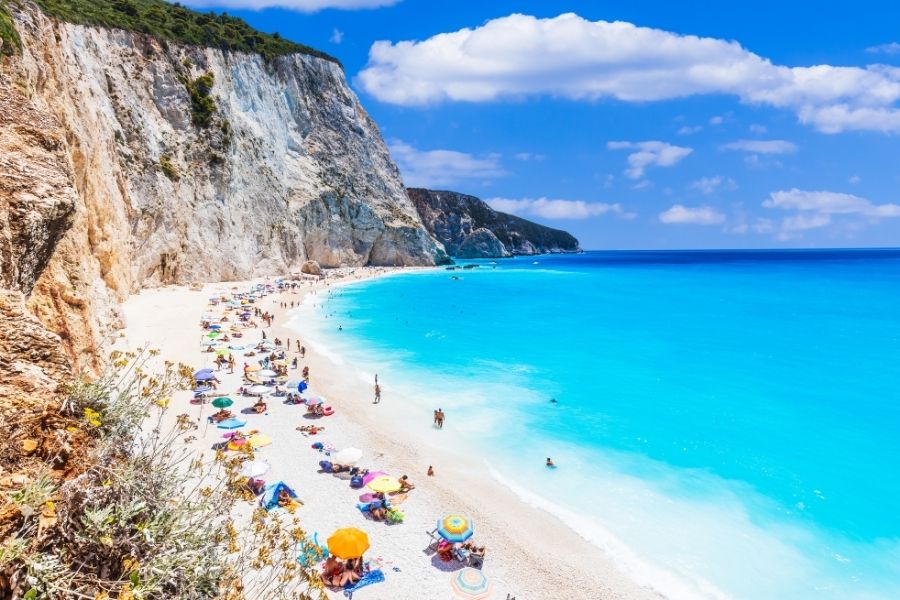
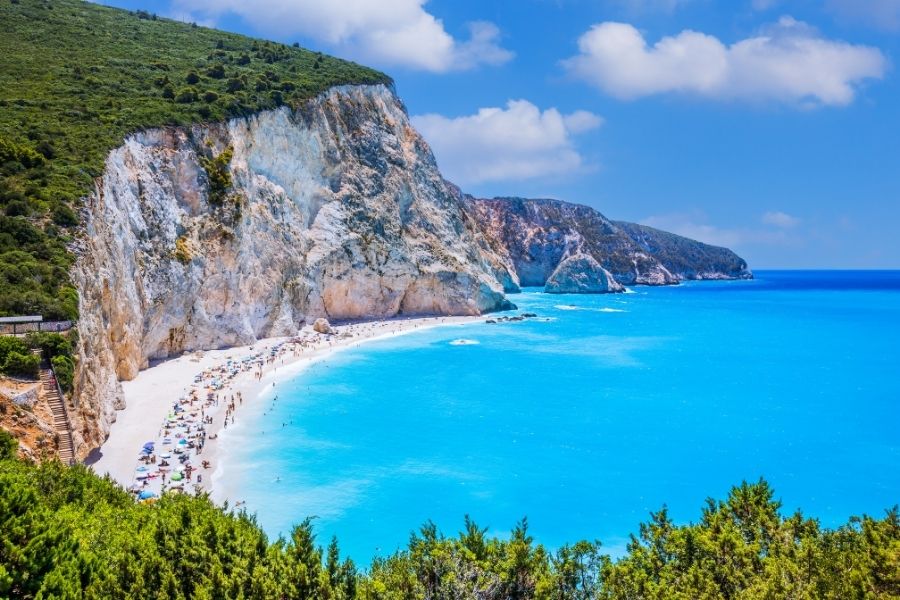
Lefkada’s beaches belong in a dream. Porto Katsiki’s white cliffs, Egremni’s turquoise waters—each one feels like its own little universe.
Porto Katsiki: Iconic White Cliffs
Porto Katsiki is the beach everyone photographs. Those massive limestone cliffs loom over golden sand and impossibly blue water.
The drive down? Honestly, it’s just as jaw-dropping as the beach itself. At the top, the viewpoint is perfect for that can’t-miss photo.
Getting There:
- 45 minutes by car from Lefkada Town
- Steep stairs down to the sand
- Parking up top
In summer, crowds pack the place. I go early or late for the best light and a bit of peace.
The water stays shallow for a while, so even nervous swimmers can relax here.
Egremni: Turquoise Waters and Dramatic Views
Egremni Beach runs for over two kilometers along the west coast. The turquoise water pops against the white pebbles and cliffs.
Getting down takes some effort—a rocky, steep path that takes about 15-20 minutes each way. It can get slippery, so I wear real shoes.
Bring With You:
- Good shoes for hiking
- Plenty of water
- Umbrella (no shade here)
- Snacks (no facilities)
There are zero services at Egremni. That keeps it quieter but means you need to plan ahead.
The waves can get strong, making it a hit with body surfers. The water gets deep fast, so swim with caution.
Kathisma: Lively Beach Scene
Kathisma strikes a balance between natural beauty and beach buzz. It’s long and sandy, with space for families and party-lovers alike.
Beach bars line the shore, pumping out music and pouring drinks all day. The vibe shifts from chill mornings to lively afternoons.
Facilities:
- Tons of beach bars and restaurants
- Sunbeds and umbrellas for rent
- Easy parking
- Showers and changing rooms
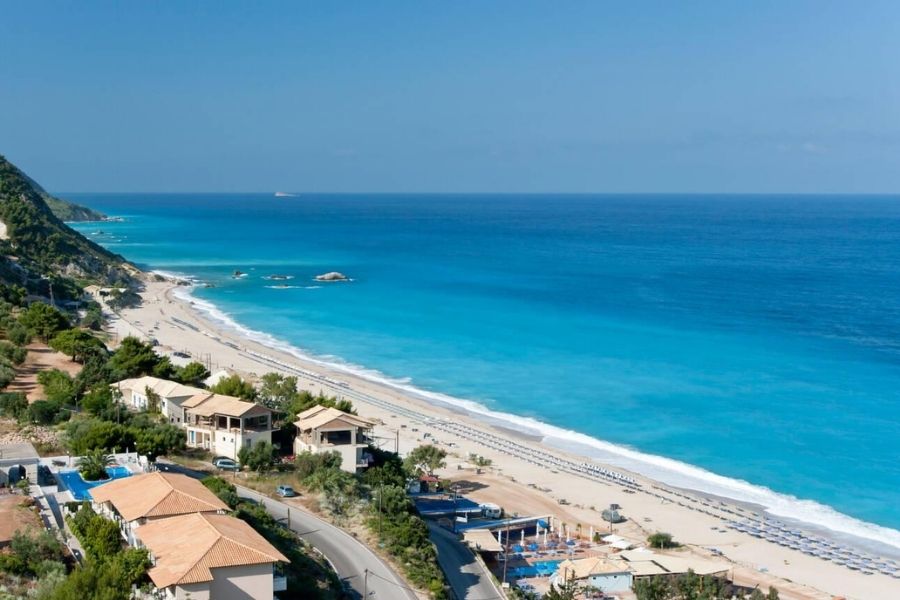
Sunsets at Kathisma are unreal. People stick around just to watch the sun melt into the Ionian Sea.
You can rent jet skis, paddleboards, or snorkeling gear. The beach is big enough that you can always find your own corner.
Hidden Coastal Gems
Beyond the famous spots, Lefkada hides quieter beaches along its coast. I stumbled on a few that felt like secret escapes.
Milos Beach has wild rock formations and little caves. The white clay cliffs are fun for a DIY spa treatment—just don’t expect a shower after!
Gialos Beach near Vassiliki draws windsurfers from all over. The steady winds and sheltered bay make it a hotspot for the sport.
Pefkoulia Beach sits north of Porto Katsiki. It offers similar stunning views but with far fewer people and easier access.
Each hidden beach has its own personality. Some need a short hike; others are just steps from the car.
Local tavernas near these spots serve up fresh seafood and classic Greek dishes. Prices are usually better than at the big tourist beaches.
Lush Mountains and Outdoor Adventures
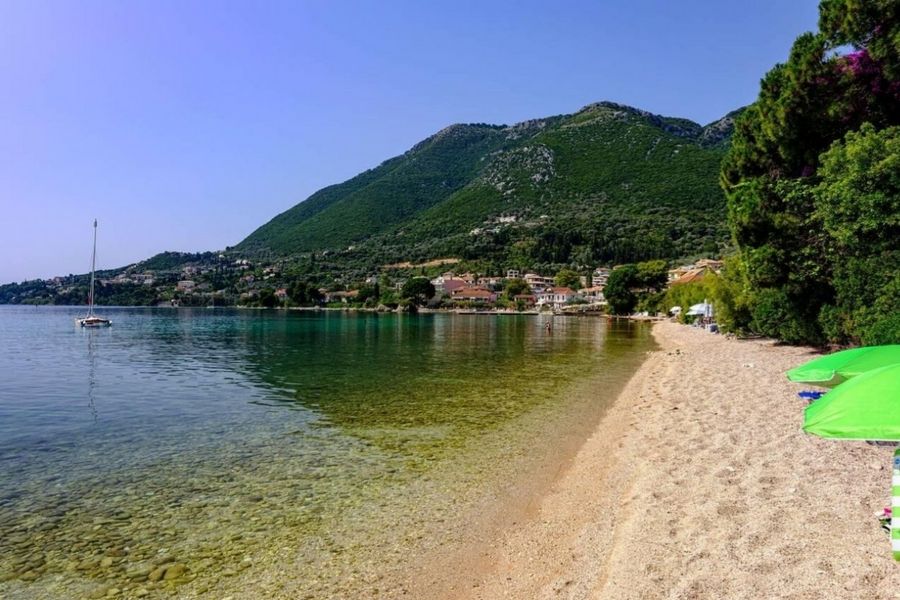
Lefkada’s mountainous heart surprised me. Trails wind through thick forests, stone villages, and hidden waterfalls with crystal-clear pools.
The island’s peaks climb over 1,100 meters. The views stretch out over the Ionian and all the way back to mainland Greece.
Scenic Hiking Trails
The Melissa Gorge Trail quickly became my favorite. It’s a three-kilometer hike near Exanthia village, winding through a canyon shaded by plane trees and wild herbs.
Wooden bridges cross rushing streams. The whole walk takes about two hours round trip and stays cool, even in summer.
Mount Elati offers the biggest challenge. At 1,158 meters, it’s Lefkada’s highest point. The trail starts in Karya village and heads up through pine forests for about four hours.
From up top, I spotted the whole western coastline. If the sky’s clear, you can even see Kefalonia and Ithaca. The last stretch is steep, so I always bring extra water.
The Dimosari Gorge trail is easier and great for families. It’s a two-kilometer stroll through olive groves and cypress, with little waterfalls popping up in spring.
Traditional Mountain Villages
Karya village sits 500 meters above sea level. Stone houses line its narrow streets, and you can still see women doing traditional embroidery called karsaniki.
I popped into the folklore museum to check out old weaving tools and costumes. The village tavernas serve up lamb and local wine. Even in midsummer, Karya stays cool and breezy.
Exanthia looks out over the eastern coast. Only about 200 people live here, mostly farming olives and keeping goats. The stone buildings haven’t changed much in centuries.
The village church, Agios Nikolaos, dates back to the 1500s. Inside, I found hand-painted icons and wooden carvings. There’s a tiny kafeneio serving strong Greek coffee and sweets.
Vournikas is perfect for hiking and horseback riding. Local guides lead tours through the forest, and the village keeps trail markers and rest stops in good shape.
Waterfalls and Natural Pools
Dimosari Waterfalls create some of Lefkada’s most beautiful swimming holes. Water tumbles 15 meters into turquoise pools surrounded by limestone.
It took me about 45 minutes to hike in from Nydri. The water is always cold, which feels amazing after a sweaty hike. Smooth rocks make natural diving platforms.
Swimming here is the best reward after a long walk. The pools stay clear thanks to underground springs. I always bring water shoes since the rocks get slippery.
Melissa Gorge has smaller falls and shallow pools, perfect if you’re with kids. The water flows strongest in spring after the snow melts.
Not many people hike out here, so you often get the place to yourself. I spotted butterflies, little fish, and even a wild goat or two coming down to drink.
Local Culture and Unique Island Vibe
Lefkada blends classic Greek island charm with its own twist, shaped by centuries of Venetian and British rule. The island’s easygoing spirit shines in its colorful capital, cozy tavernas, and lively festivals.
Charming Lefkada Town
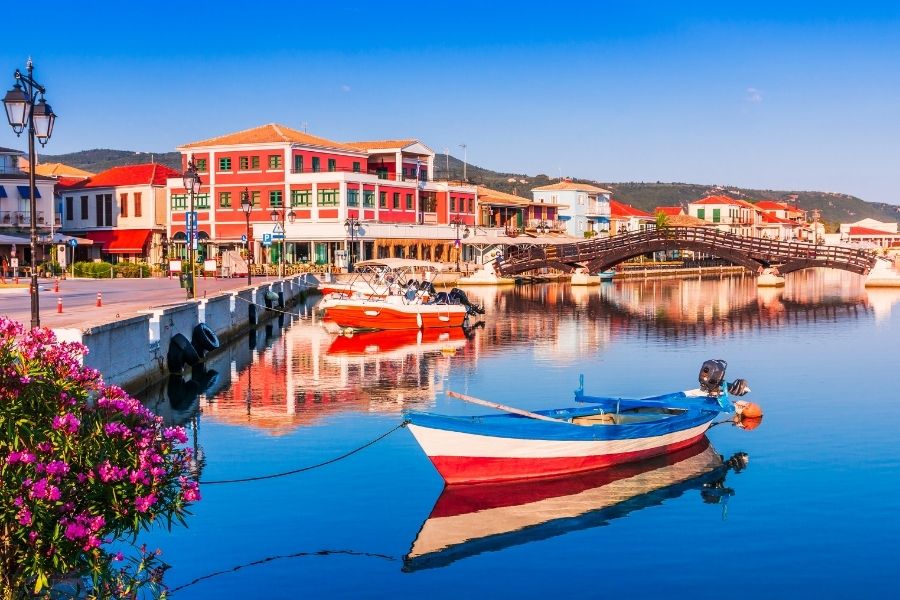
Lefkada Town grabbed me right away. The buildings pop with pastel colors and have quirky metal upper floors.
That style? Locals built it after earthquakes—wood and metal flex instead of crumbling.
The main drag, Ioannou Mela, buzzes with cafes and little shops. I wandered the alleys for hours, admiring houses painted yellow, pink, and blue.
Don’t miss:
- The central square and old church
- Bakeries selling local sweets
- Tiny galleries with Lefkada artists
- The waterfront promenade looking out to the mountains
The town feels genuinely Greek, not overrun by tourists. In the evening, locals fill the outdoor cafes, creating a real sense of community.
Local Cuisine and Tavernas
Lefkada’s food scene is all about fresh, local ingredients. The olive oil, wine, and veggies here are top-notch.
Souvlaki here tastes different—maybe it’s the wild herbs from the mountains. I’m not totally sure, but I can taste the difference.
Try these:
- Ladotyri—cheese preserved in olive oil
- Revithada—chickpeas slow-baked in clay pots
- Fresh fish, straight from the sea
- Family-made wines

Most tavernas are family-run, with three generations working together. The hospitality feels real, not staged.
Prices are fair, especially compared to more famous Greek islands. Portions are generous, so come hungry.
Festivals and Traditions
Lefkada throws some memorable festivals. Locals go all out for these traditions.
The Speech and Arts Festival in August draws writers, musicians, and artists from all over Greece.
Other big ones:
- Carnival with wild costumes
- Easter processions through the old town
- Wine festivals in harvest season
- Traditional dance shows in summer
Tradition runs deep here. I watched older folks teaching kids the dances and songs they grew up with.
Festivals feel made for the community, not just for tourists. Visitors are welcome, but the heart of it all is local.
Planning Your Lefkada Adventure
If you’re thinking about a Lefkada trip, aim for May through October. That’s when the weather actually feels like summer and the beaches open up for swimming. I’d say 4-7 days is a sweet spot for seeing the highlights. Don’t forget to pack light layers and all your beach gear—you’ll thank yourself later.
Best Time to Visit
Honestly, May through October just works best for Lefkada. July and August crank up the heat and, yeah, the crowds too.
Peak Season (July-August):
- Temperatures hit 85-90°F (29-32°C)
- Every beach and restaurant buzzes with life
- Prices spike, and crowds swell
- Swimming? Absolutely perfect
Shoulder Season (May-June, September-October):
- Temperatures stay between 70-85°F (21-29°C)
- Fewer tourists and lower prices
- Some beach bars might be closed
- Hiking feels amazing
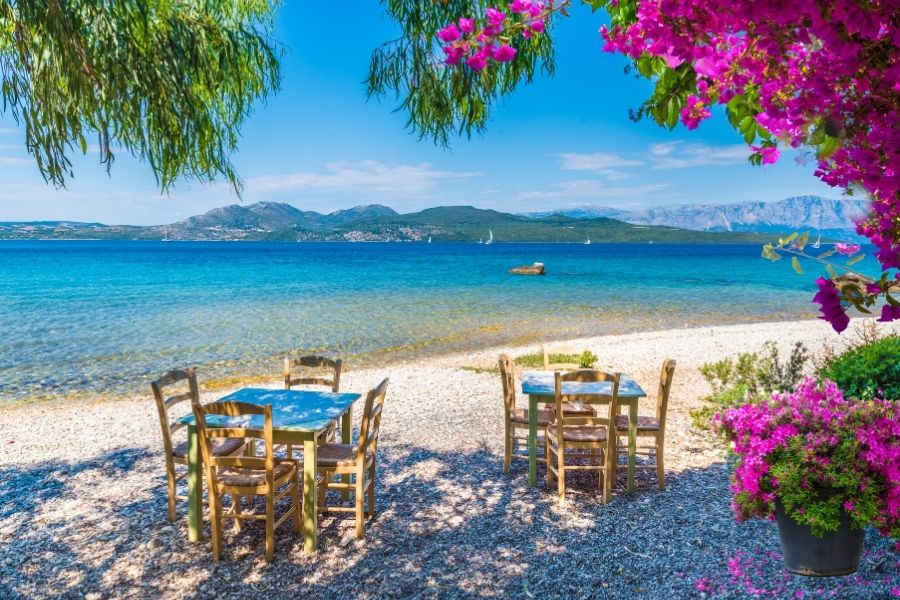
I usually go in late May or early September. The weather’s still warm, but things mellow out. Even in October, the sea doesn’t feel chilly.
Winter, though? Most businesses shut down. The sea turns rough, and those famous beaches lose their charm.
Recommended Itineraries
4-Day Itinerary:
- Day 1: Lefkada Town, then Agiofili Beach
- Day 2: Porto Katsiki and Egremni beaches
- Day 3: Kathisma Beach, plus a quick stop at a mountain village
- Day 4: Nydri and a boat trip to the nearby islands
7-Day Itinerary:
- Days 1-2: West coast stunners—Porto Katsiki, Egremni, Kathisma
- Days 3-4: East coast fun—Nydri, Sivota, and island hopping
- Days 5-6: Mountain villages and some hiking trails
- Day 7: Lefkada Town, maybe just relax
If you want the east coast, stay in Nydri. For the west, Agios Nikitas is perfect. Lefkada Town sits in the middle, so you can reach everything pretty easily.
If you’re coming in July or August, book your place early. Seriously, things fill up fast.
Packing Essentials
Beach Items:
- Reef-safe sunscreen (SPF 30+)
- Beach umbrella or tent (I never skip this)
- Water shoes (the beaches can get rocky)
- Snorkeling gear
Clothing:
- Lightweight, breathable stuff
- A light sweater for the evenings
- Good walking shoes
- Sandals or flip-flops
Other Essentials:
- Reusable water bottle
- Portable phone charger
- Cash (some places just don’t take cards)
- Basic first aid kit
I always toss a day backpack in for beach days and hikes. The sun bounces off those white cliffs, so I pack extra sun protection.
Shade can be a rare find, so that beach umbrella is a must. Water shoes? They make those pebbly beaches a breeze.
Frequently Asked Questions
Every time I talk about Lefkada, people have questions. How’s the bridge access? What’s so special about Porto Katsiki? Is it easier to reach than those ferry-only islands?
What are the top attractions to visit in Lefkada?
Porto Katsiki Beach always stuns me—those white cliffs, that turquoise water. It’s a steep hike down, but the photos? Worth it.
Egremni Beach feels just as magical, but with fewer people. The sandy stretch seems to go on forever.
Nydri town makes a great base for boat trips. I love grabbing seafood right on the water with mountain views in the background.
Lefkada Town has its own charm—colorful buildings, pedestrian streets, and those little shops and cafes you can’t help but wander into.
If you can, catch sunset at the Cape Lefkatas lighthouse. The drive from town only takes about half an hour, and the views are unreal.
Can you recommend an itinerary for exploring the Ionian Islands with a focus on Lefkada?
I’d start with 4-5 days in Lefkada as your home base. Cross the bridge on day one and get to know Lefkada Town.
On day two, head out to Porto Katsiki and Egremni. Pack your own lunch—options are slim at those remote beaches.
Book a boat trip from Nydri for day three. You’ll hit Meganisi, Skorpios, and Madouri for swimming and a laid-back lunch.
Day four is perfect for checking out mountain villages like Karya. Driving through the olive groves takes about 45 minutes.
If you have a fifth day, try a day trip to Kefalonia. The ferry from Nydri runs twice a day in summer.
Are there any bridge-connected islands similar to Lefkada in terms of accessibility and beauty?
Evia links to mainland Greece with two bridges. The Chalkida bridge crosses a narrow strait with wild currents.
Evia’s got mountains, beaches, even thermal springs. It’s much bigger than Lefkada, so you’ll find a lot more variety.
Salamis, near Athens, connects by bridge too, but honestly, it doesn’t have Lefkada’s beaches. People go for the history, mostly.
Corfu sits close to the mainland—almost counts—but you still need a ferry or flight to get there.
In my opinion, no other Greek island offers Lefkada’s combo of bridge access and world-class beaches. That’s what makes it so special.
How does Lefkada ensure the safety of tourists visiting the island?
Lifeguards watch over popular beaches like Kathisma during the summer. Red flags warn swimmers when it’s not safe.
The bridge has weight limits for big vehicles. They check it regularly to keep things safe for cars and motorcycles.
Local police keep an eye on tourist spots and beaches. If something happens, emergency services respond quickly.
You’ll see warning signs where beach paths get steep. I always wear decent shoes when hiking to the more remote beaches.
Most hotels and rentals meet EU safety standards. They post emergency info in several languages.
What is the location of Lefkada within the Greek archipelago?
Lefkada sits in the Ionian Sea, just off Greece’s west coast. You’ll find it between Corfu to the north and Kefalonia to the south.
A narrow channel separates Lefkada from the mainland, and a floating bridge stretches across just 50 meters of water.
The island measures about 35 kilometers long and 15 wide. Mountains run down the middle, and beaches line both sides.
Lefkada belongs to the Ionian Islands group—think Corfu, Zakynthos, Kefalonia, Ithaca, Paxi, and Kythira.
Preveza is the closest big city on the mainland. The drive from Preveza airport to Lefkada takes about half an hour.
What unique experiences does Lefkada offer that distinguish it from other Greek islands?
You don’t have to mess with ferry schedules or worry about getting seasick—there’s a bridge connecting Lefkada to the mainland. I just drove my little rental straight from Athens, and honestly, four hours on the road felt like nothing with all that anticipation.
Egremni and Porto Katsiki? Those beaches are something else. The white cliffs almost trick you into thinking you’re somewhere in the Caribbean, not Greece.
Up in the mountains, the villages feel frozen in time. I wandered through Karya and watched women crafting embroidery by hand, the same way their grandmothers did.
If you’re into windsurfing, Vasiliki is the spot. The thermal winds pick up every afternoon, and you’ll see world champions out on the water.
What really sets Lefkada apart, though, is this mix of mountains and beaches. I love that I can start my day hiking through pine-scented trails and end it with a swim in that turquoise sea.
