
Walking through the cobblestone streets of Leipzig, I instantly felt the creative energy that pulses through this German city. Often overshadowed by Berlin and Munich, Leipzig offers a fascinating blend of history, music, and artistic innovation that makes it truly special.
This dynamic city boasts Europe’s oldest opera venue, picturesque alleyways, and a thriving arts scene.
Leipzig’s musical heritage alone makes it worth the trip. As Europe’s City of Music, it was home to Bach, Mendelssohn, and Wagner. But what really captured my attention was how Leipzig embraces both its rich history and modern creativity.
The city transformed abandoned industrial spaces into art galleries and creative workshops where a new generation of artists and cultural pioneers thrive.
Beyond arts and music, Leipzig played a crucial role in recent German history as the birthplace of the Peaceful Revolution. I spent hours exploring the city center on foot, where every street seems to tell a story. In the evenings, I joined locals at the popular Karl Liebknecht Street, where the city’s social scene comes alive with unique bars and cafés perfect for experiencing authentic Leipzig culture.
The Historical Heart of Leipzig
When strolling through Leipzig’s center, you can feel centuries of history beneath your feet. This remarkable city has witnessed musical genius, political transformation, and defining moments that shaped not just Germany, but Europe as a whole.
Tracing the Steps of Musical Greats
I was awestruck standing inside St. Thomas Church, where Johann Sebastian Bach served as cantor for 27 years. His remains rest here, and the Bach Museum nearby offers fascinating insights into his life and work. The church’s boys’ choir still performs Bach’s cantatas, continuing a tradition spanning centuries.
Leipzig’s musical heritage extends beyond Bach. Felix Mendelssohn conducted the renowned Gewandhaus Orchestra, while Richard Wagner was born here in 1813. The Leipzig Opera, one of Germany’s oldest musical institutions, continues this rich tradition.
Walking these streets, I felt connected to these musical giants who once called Leipzig home. Their influence remains palpable in the concert halls and musical events that still define the city’s cultural landscape.
Witnessing the Winds of Change
The peaceful 1989 revolution that helped bring down the Berlin Wall began with Monday demonstrations at St. Nicholas Church. I stood in the same square where thousands gathered with candles, demanding freedom without violence.
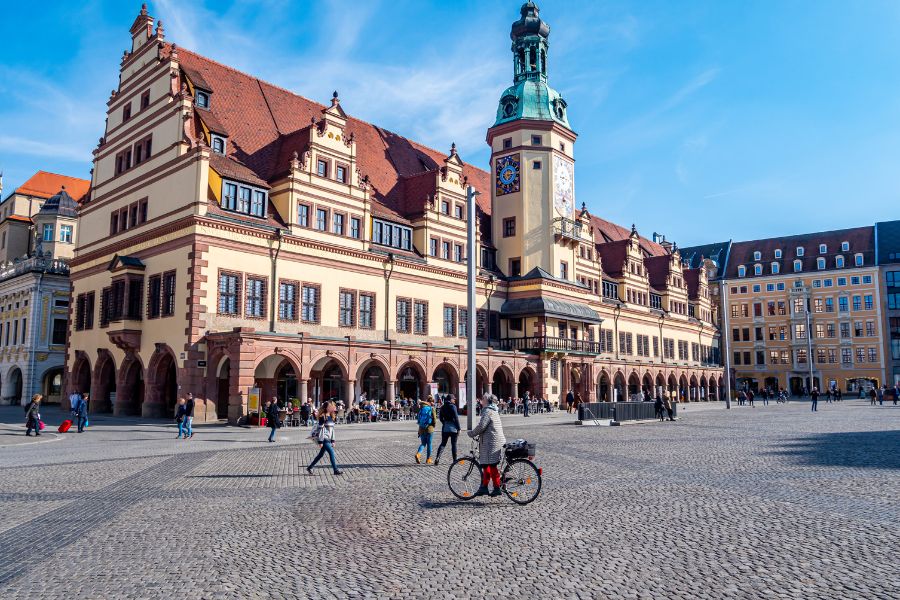
Leipzig’s Old Town Hall, a stunning Renaissance building, has watched over these political transformations since 1556. The city also played a pivotal role in Napoleon’s defeat at the 1813 Battle of Leipzig, commemorated by the massive Monument to the Battle of the Nations.
This 91-meter monument left me speechless. It marks where European forces defeated Napoleon in what was then history’s largest battle, involving over 600,000 soldiers.

The contrast between Leipzig’s violent past and its peaceful revolution creates a powerful narrative of transformation that you can physically trace through the city’s historic center.
Cultural Beacons and Architectural Marvels
Leipzig’s creative soul shines through its remarkable cultural institutions and historic buildings. The city has preserved its artistic heritage while embracing modern creative expression, making it a fascinating destination for culture enthusiasts.
Prestigious Performance Venues
The Gewandhaus stands proudly on Augustusplatz as one of Europe’s most revered concert halls. I was mesmerized by its exceptional acoustics during a performance by the world-famous Gewandhaus Orchestra, which has a legacy dating back to 1743.
Leipzig’s Opera House nearby is equally impressive, representing one of Europe’s oldest opera traditions. The striking modern architecture of the current building contrasts beautifully with its rich musical heritage.

Leipzig University’s campus buildings also contribute to this cultural quarter. Walking through Augustusplatz, I felt surrounded by the city’s commitment to arts and education, with students, musicians, and visitors creating a vibrant atmosphere.
Museums and Galleries
The Museum of Fine Arts (Museum der bildenden Künste) houses an outstanding collection spanning from medieval paintings to contemporary works. Its striking cube-shaped building is an architectural marvel itself.
I spent hours wandering through exhibitions featuring German masters alongside international artists. The museum’s collection of works by Max Klinger and Neo Rauch particularly stands out.
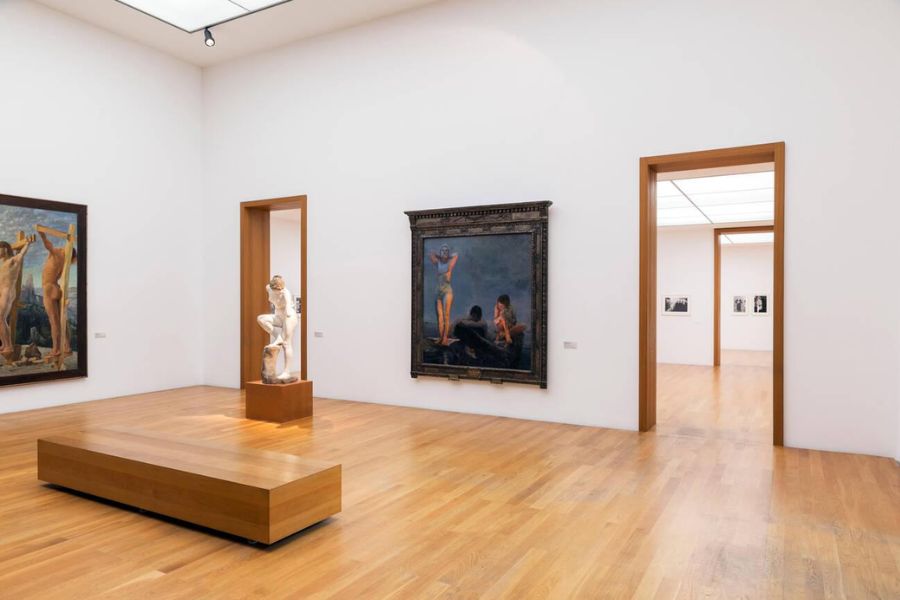
Throughout Leipzig, smaller galleries and art spaces showcase the city’s thriving contemporary art scene. Former industrial buildings have been transformed into creative hubs, reflecting Leipzig’s reputation as “the new Berlin” for artists seeking affordable studios and exhibition spaces.
A Walk through Auerbachs Keller
Stepping into Auerbachs Keller feels like entering a literary time capsule. This historic restaurant in the elegant Mädler Passage was immortalized in Goethe’s “Faust,” making it a cultural landmark as much as a dining venue.
The entrance features bronze sculptures depicting scenes from Faust, while inside, the vaulted ceilings and wood-paneled walls transport visitors to another era. I enjoyed a traditional Saxon meal surrounded by murals depicting Goethe’s famous work.

The restaurant dates back to the 16th century, making it one of Germany’s oldest continuously operating taverns. Exploring the Mädler Passage before or after visiting Auerbachs Keller reveals beautiful architecture and upscale shops in one of Leipzig’s most elegant arcades.
The Creative Pulse of Plagwitz
Walking through Plagwitz feels like discovering Leipzig’s beating creative heart. This former industrial district has transformed into one of the city’s most vibrant neighborhoods, where art studios, cafes, and galleries now occupy spaces that once housed factories and warehouses.
From Industrial Past to Artistic Present
Plagwitz once stood as Leipzig’s industrial powerhouse, filled with factories and smokestacks that defined the landscape. After Germany’s reunification, many buildings fell into disrepair as manufacturing declined. But this abandonment created an opportunity that artists quickly recognized.
I was struck by how completely the neighborhood has reinvented itself. Former factory buildings now house creative collectives, innovative startups, and cozy cafes. Karl Heine Strasse serves as the main artery of this transformation, lined with independent shops, galleries, and restaurants.

The canal that once transported industrial goods now offers peaceful walking paths. Watching boats glide by while artists sketch in outdoor cafes perfectly captures Plagwitz’s remarkable evolution from gritty industrial zone to creative paradise.
The Legacy of Cotton Mill
The Spinnerei (Cotton Mill) stands as Plagwitz’s crown jewel. This massive former cotton spinning factory has become one of Europe’s most impressive art centers. I was amazed by its sheer scale—over 20 acres of industrial architecture now dedicated to creativity.
More than 100 artists maintain studios here, including Neo Rauch, one of Germany’s most celebrated contemporary painters. His dreamlike, surrealist works have helped put Leipzig on the international art map.
The Spinnerei houses:
- 14 galleries and exhibition spaces
- Artist studios and workshops
- Cafes and restaurants
- Architecture firms and design studios
What makes the Spinnerei special isn’t just the art but how it honors the building’s industrial heritage. Original machinery and architectural elements remain, creating a unique dialogue between past and present.
Exploring Leipzig’s Vibrant Art Scene
Wandering Plagwitz’s streets reveals art everywhere you look. Colorful murals and graffiti transform ordinary buildings into extraordinary canvases. The neighborhood embraces street art as a legitimate expression, not vandalism.
I discovered several hidden gems by simply getting lost in Plagwitz’s narrow side streets. Small galleries pop up in unexpected places, and weekend art markets showcase local creators selling everything from handmade jewelry to avant-garde sculptures.
The district’s creative energy doesn’t end with visual arts. On warm evenings, impromptu concerts spill from renovated factory spaces. Theater companies stage experimental performances in unconventional venues.
What surprised me most about Plagwitz was its authenticity. Unlike some “artsy” neighborhoods that feel manufactured, this creative renaissance grew organically from Leipzig’s unique history and the genuine artistic community that calls it home.
Festivities and Traditions: Leipzig’s Year-Round Celebrations
Leipzig truly comes alive through its festivals and traditional celebrations that showcase the city’s rich cultural heritage throughout the seasons.
The Magic of Leipzig’s Christmas Market
I’ve rarely experienced a holiday atmosphere as enchanting as Leipzig’s Christmas Market. Dating back to 1458, it’s one of Germany’s oldest Christmas markets and transforms the historic city center into a winter wonderland.
The market spreads across the magnificent Marktplatz, where over 250 twinkling stalls offer handcrafted ornaments, traditional wooden toys, and regional delicacies. Don’t miss trying the local specialties – I particularly recommend the warm Glühwein and freshly baked Stollen.
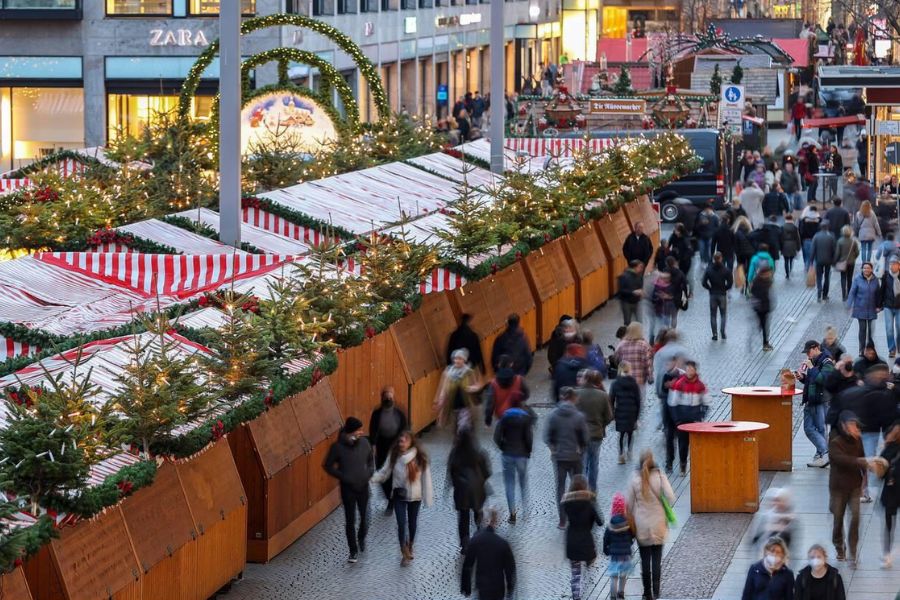
What makes this market special is the unique Finnish village with its open fires and the medieval market section where craftspeople demonstrate historical techniques. The towering Christmas tree and nightly concerts by the famous St. Thomas Boys Choir create an unforgettable atmosphere.
Märchenhaft Schön: Fairy Tale Events
Leipzig embraces its connection to fairy tales through enchanting year-round events that transport visitors into storybook settings. The annual Fairy Tale Festival in spring features interactive performances, storytelling sessions, and character parades through the city parks.
I was delighted to discover the summer fairy tale nights in Clara-Zetkin Park, where local actors perform classic German stories under the stars. Children and adults alike sit spellbound on blankets as tales come to life.
The fairy tale trail through Leipzig’s historic district is perfect for families. It features bronze statues of beloved characters from the Brothers Grimm. Each statue has a QR code that activates audio narrations of the stories.
These magical events showcase Leipzig’s commitment to preserving cultural traditions while creating new memories for visitors of all ages.
Why Leipzig’s Local Life Captivates
Leipzig’s everyday life offers a special charm that draws visitors in and makes them want to stay. The city hums with creative energy while maintaining its authentic Saxon character.
Meet the Creative People
I’ve found that Leipzig’s residents make this city truly special. Artists, musicians, and entrepreneurs have flocked here, attracted by affordable living costs and abundant space for creative pursuits.
Walking through the Spinnerei, a former cotton mill turned art hub, I chatted with painters working in their studios. Many told me they moved from Berlin seeking Leipzig’s collaborative atmosphere and genuine community spirit.
The local university students bring youthful energy to cafés like Café Grundmann, where I witnessed animated discussions about philosophy and art over coffee. What makes these encounters memorable is how welcoming locals are to visitors.
Creative hotspots worth visiting:
- Karl-Heine-Straße (bustling with independent shops)
- Plagwitz district (home to numerous artist collectives)
- Westwerk (creative space hosting workshops and exhibitions)
Exploring the Quaint Streets of Saxony
Leipzig’s historic streets tell stories at every turn. The Old Town Hall stands majestically in the market square. Its Renaissance architecture is a testament to Saxony’s proud history.
I love wandering through the passages called “Höfe.” They are charming courtyards hidden between buildings. Barthels Hof, dating back to the 16th century, offers a glimpse into Leipzig’s trading past.
The cobblestone streets of the city center lead to unexpected discoveries. One morning, I stumbled upon a small weekly market. Locals sold handmade crafts and regional specialties.
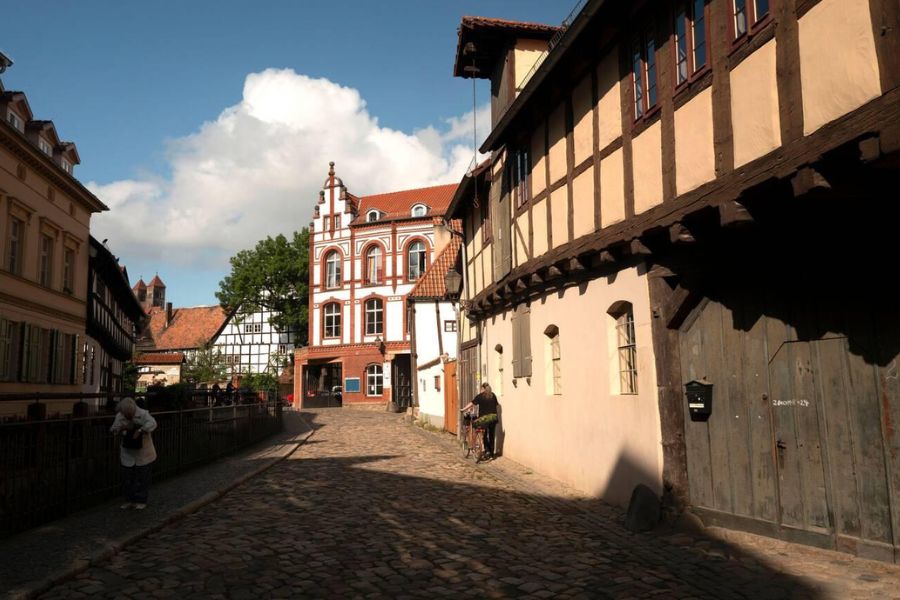
In the Waldstraßenviertel district, I admired the beautifully preserved Gründerzeit buildings with their ornate facades. This neighborhood feels worlds away from tourist crowds yet represents authentic Saxon urban life.
