
Trying to squeeze London, Paris, and Rome into just two weeks? Absolutely doable, as long as you plan smart and keep your expectations realistic. Each city has its own spark—world-class museums, iconic landmarks, and those little cultural moments that stick with you long after you’re home.
You won’t see everything. But you’ll hit the highlights and still have time to wander, snack, and soak it all in.
Here’s the trick: Spend 3-4 solid days in each city, and use quick, efficient transport between them. That way, you’ll catch the big sights, maybe a day trip, and still find time for a pastry or two in a quiet neighborhood. London, Paris, and Rome line up nicely—trains and flights keep travel days short and sweet.
Let’s break it down, day by day. You’ll see what to focus on, how to get around, and a few practical tips I wish I’d known sooner. Ready for an adventure?
1) Day 1-3: Explore iconic landmarks in London—Tower of London, Buckingham Palace, and the British Museum
Kick things off in London with three jam-packed days. Don’t try to do it all—just pick the best bits.
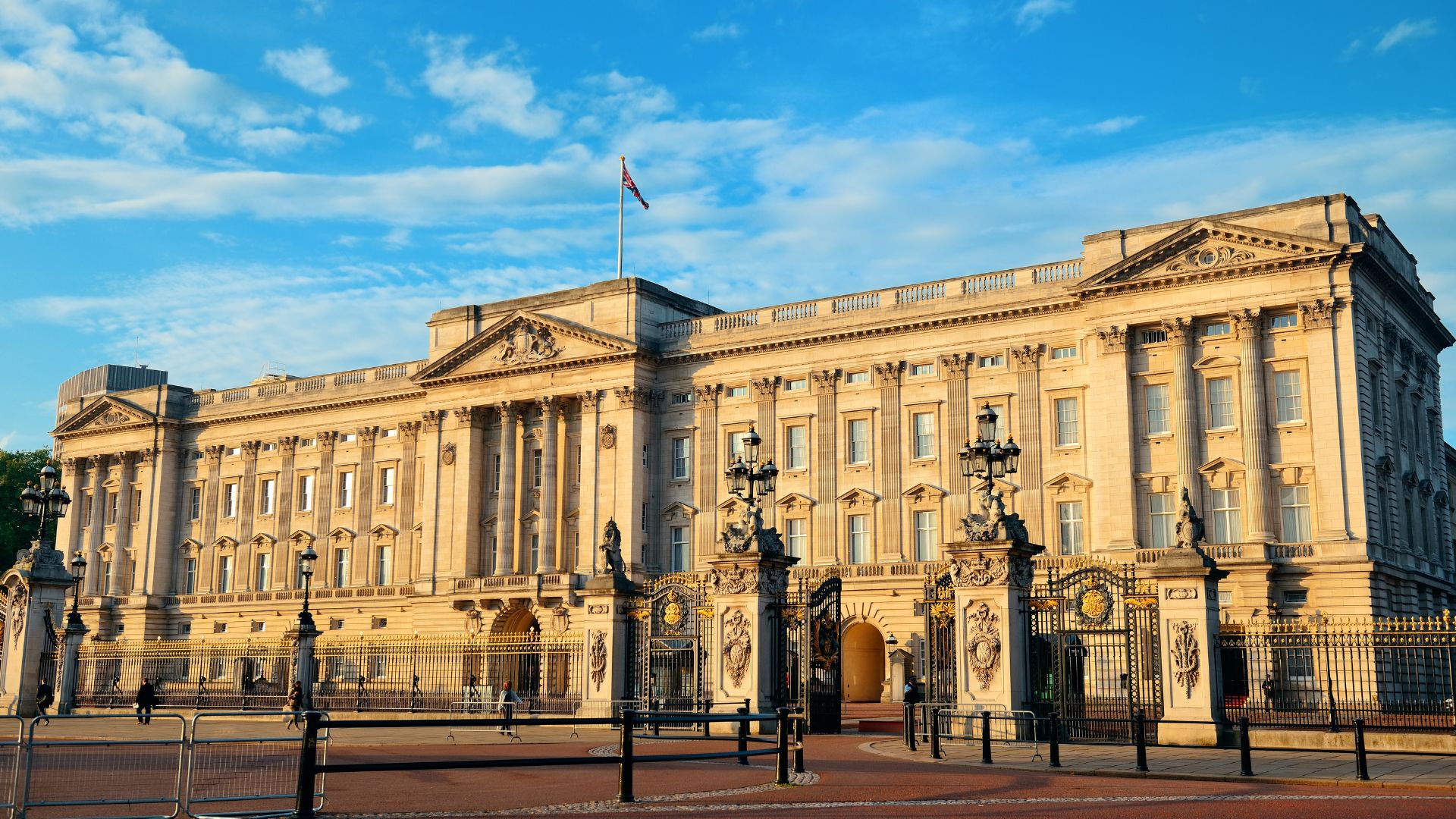
Head to Buckingham Palace first and catch the Changing of the Guard at 11:00 AM. It’s touristy, but honestly, it’s a classic for a reason.
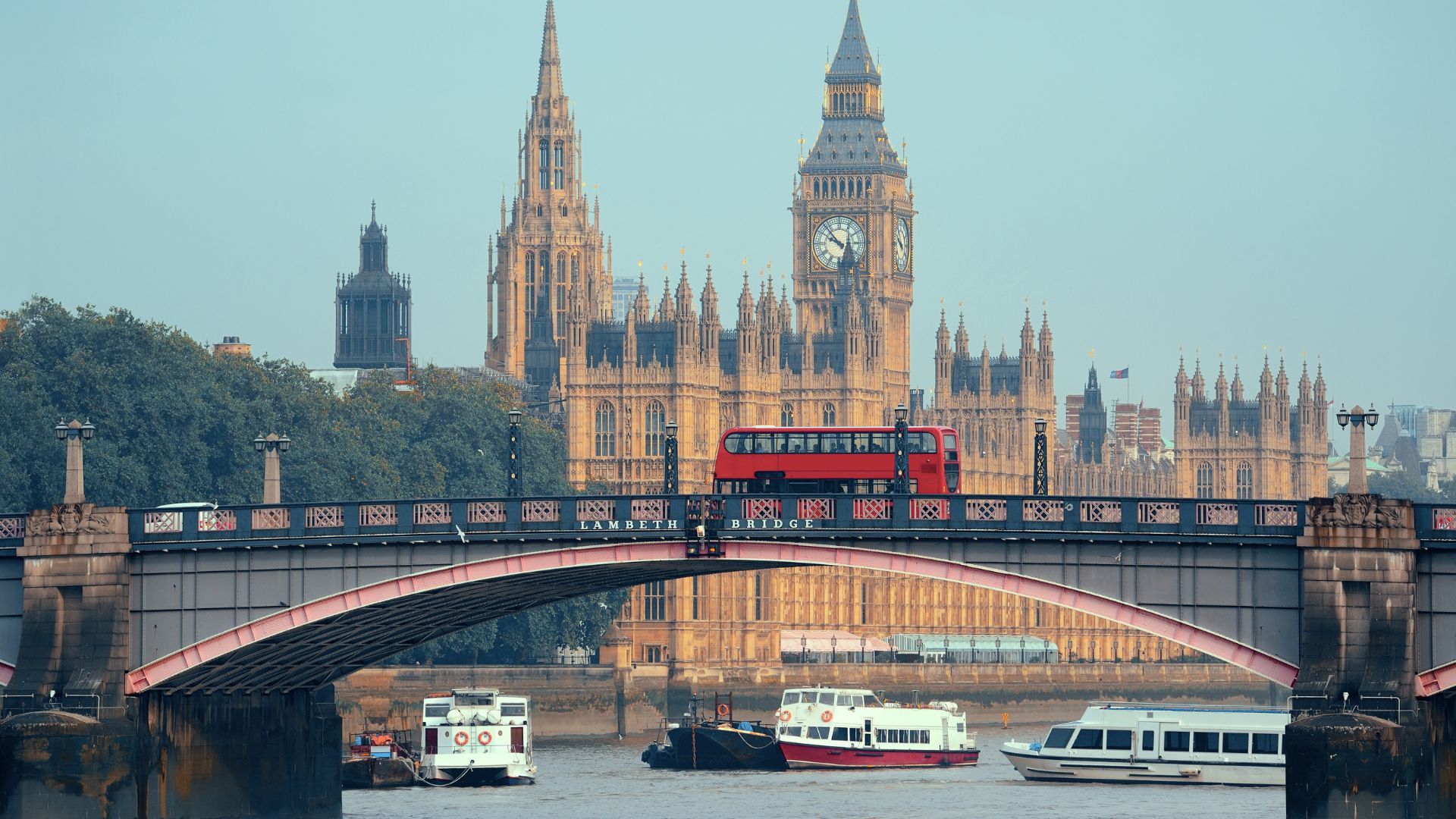
Stroll through Westminster and snap a photo of Big Ben and the Houses of Parliament. You can’t miss them.
The Tower of London deserves a couple of hours—see the Crown Jewels and get a dose of that wild medieval history. Grab tickets online so you’re not stuck in a queue.
Next up: The British Museum. It’s free and absolutely massive. You could spend all day, but two hours is enough to see the Rosetta Stone and a few other treasures.
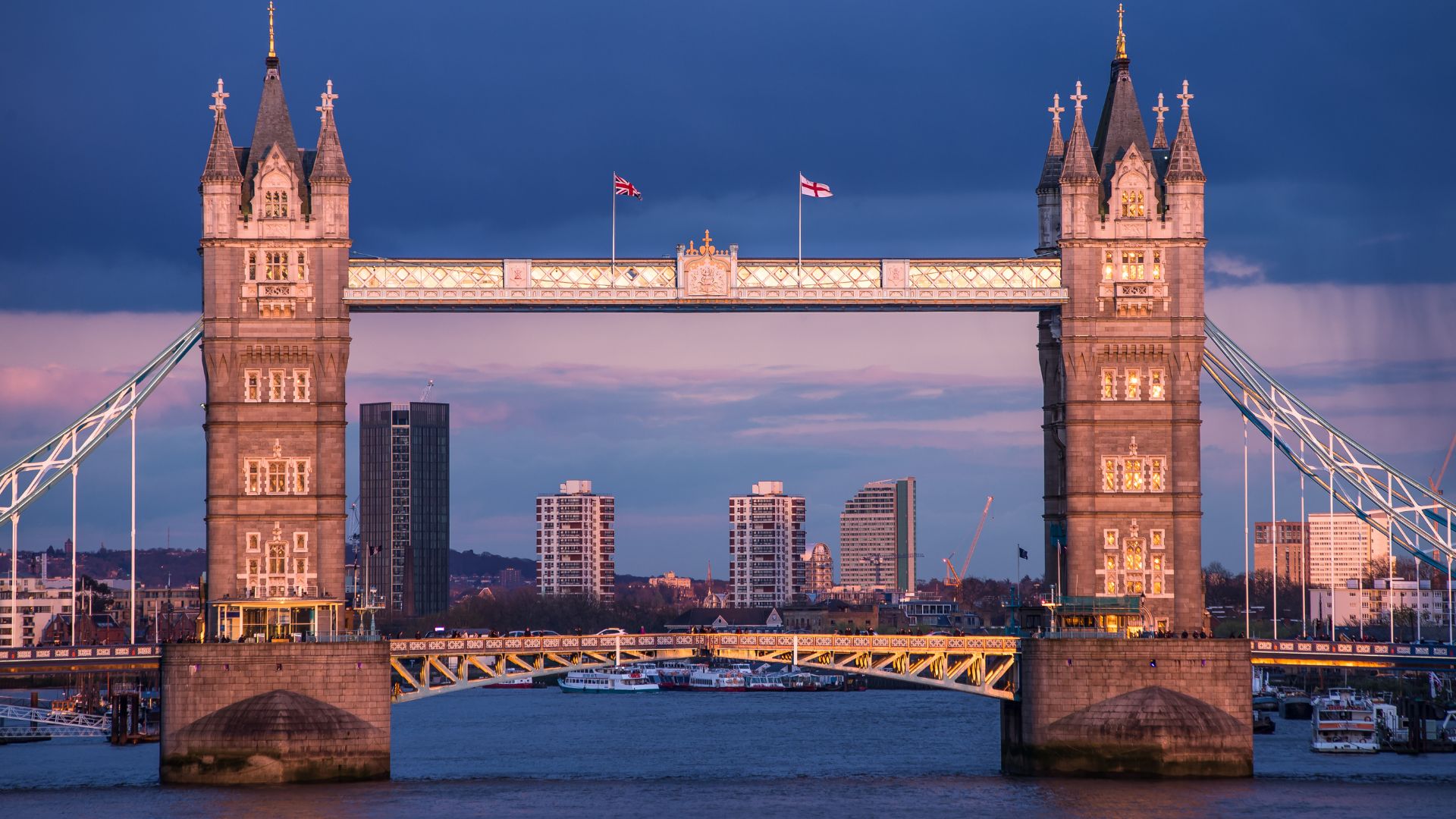
If you’ve got energy, add the London Eye, Tower Bridge, or St. Paul’s Cathedral. The Tube makes zipping around pretty painless.
Save at least one evening for Covent Garden or a West End show. The vibe is unbeatable.

2) Day 4: Travel from London to Paris by Eurostar—make the most of your travel day
Hop on the Eurostar for a quick jump from London to Paris. It’s just over two hours, and you’ll barely notice the Channel Tunnel if you’re busy planning your Paris stops.
Book an early train—first departures are around 6:00 AM. That way, you’ll be in Paris by mid-morning, ready to dive in.
Travel light today. Check out early, and show up at St. Pancras about 45 minutes before departure for security and passport checks.
Use the train ride to rest or sketch out your Paris game plan. Once you roll into Gare du Nord, you’re smack in the heart of Paris.
If your hotel’s not ready, stash your bags at the front desk. Then get out there and start exploring.
Stick close to your hotel for your first few hours. It’s the easiest way to squeeze in some Paris landmarks without getting lost.

3) Day 5-7: Visit Paris highlights—Eiffel Tower, Louvre Museum, and Montmartre
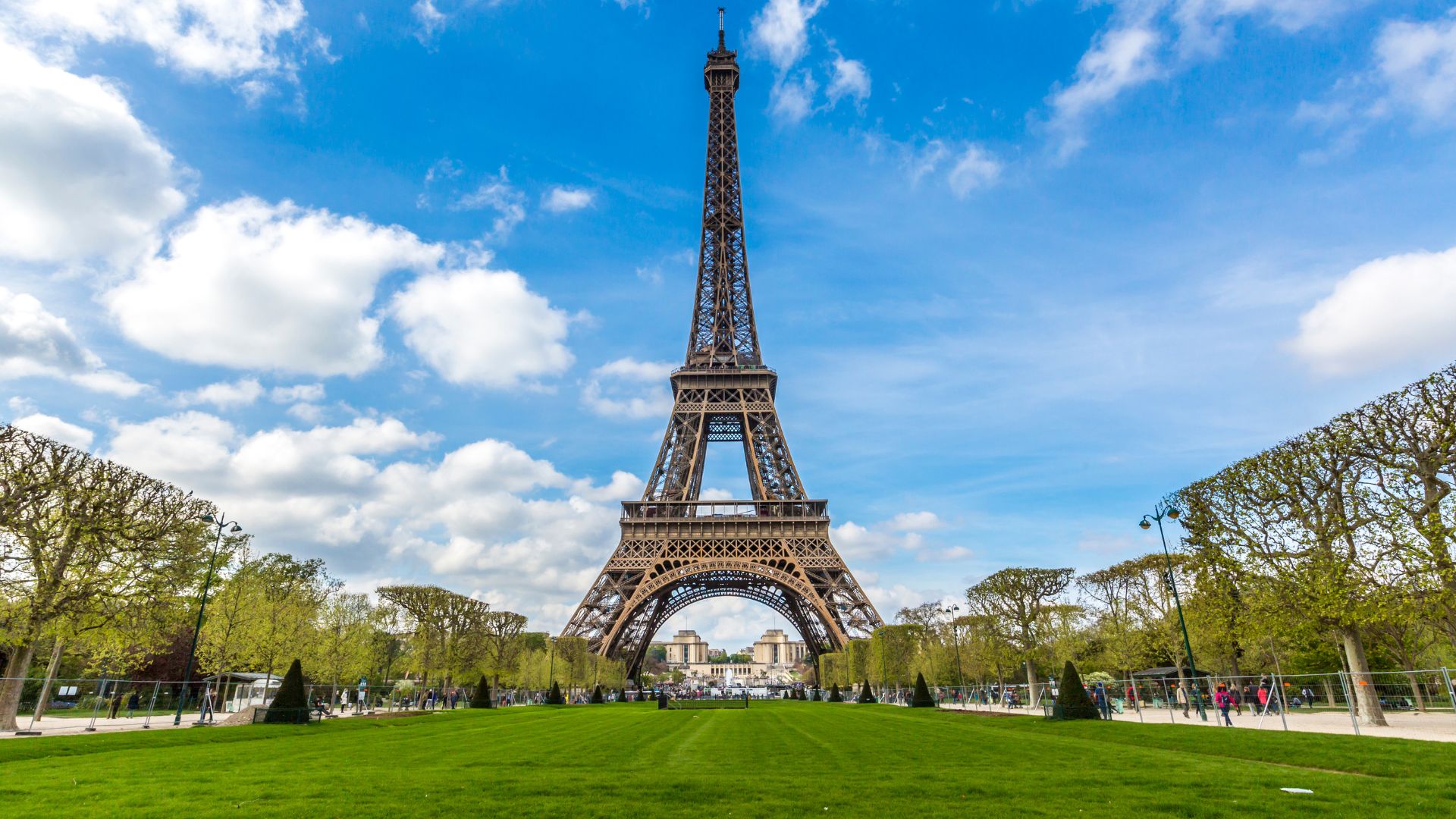
First morning in Paris? Head straight for the Eiffel Tower. Get there early, ride the elevator up, and soak in those views. Two hours is plenty.
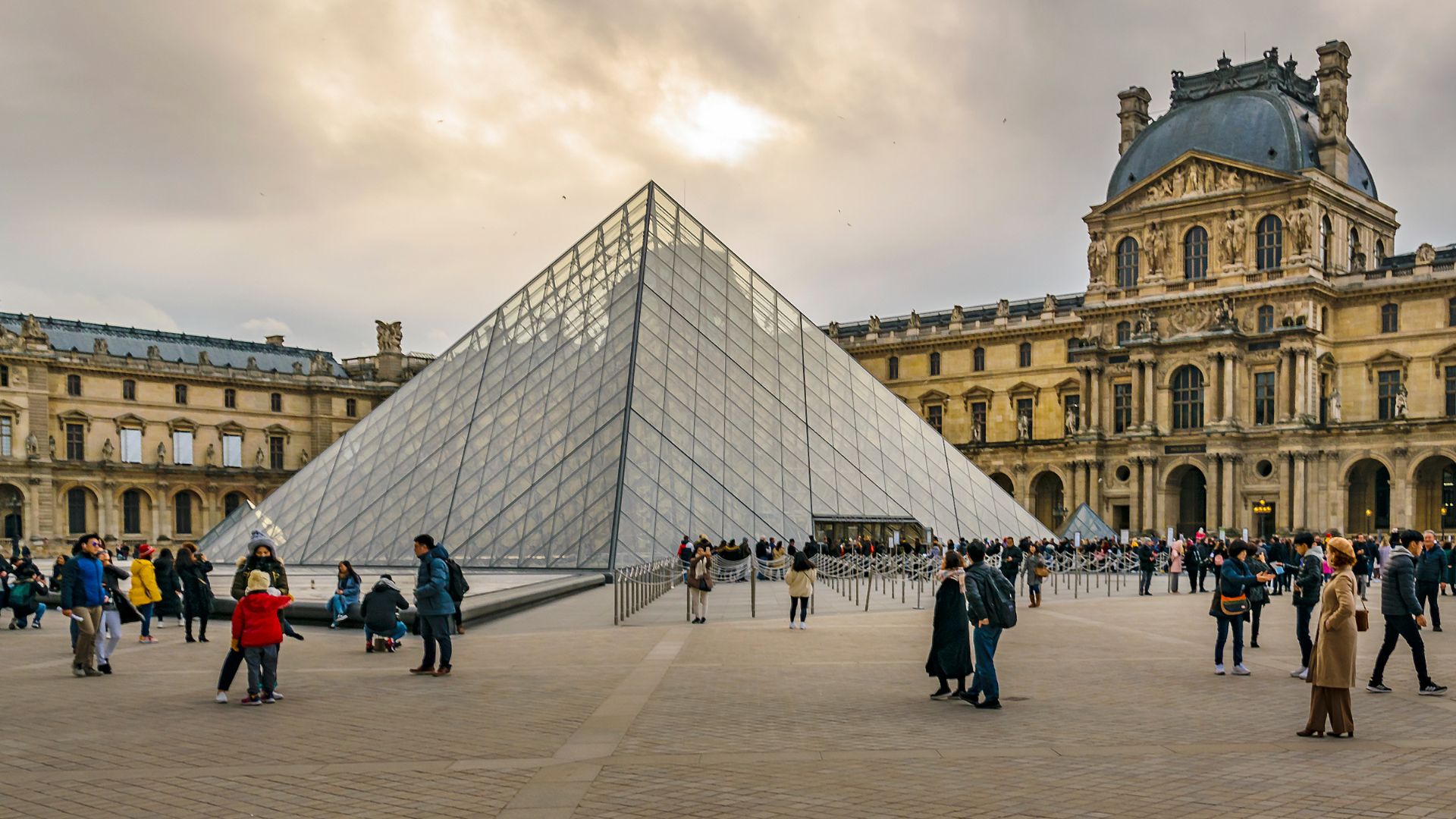
Next, the Louvre Museum. It’s enormous, so don’t try to see it all. Pick a few must-sees like the Mona Lisa and Venus de Milo, and then escape before you get museum fatigue.
Spend an afternoon wandering Montmartre. The vibe here is totally different—narrow lanes, artists everywhere, and the Sacré-Cœur basilica perched on top of the hill.
Mix in Notre-Dame, Arc de Triomphe, or a Seine River cruise if you’ve got time. The Musée d’Orsay is a good backup if you’re craving more art.
Always book tickets online for the big attractions. It’s a lifesaver.
4) Day 8: Take a day trip from Paris—Palace of Versailles or Monet’s Giverny gardens
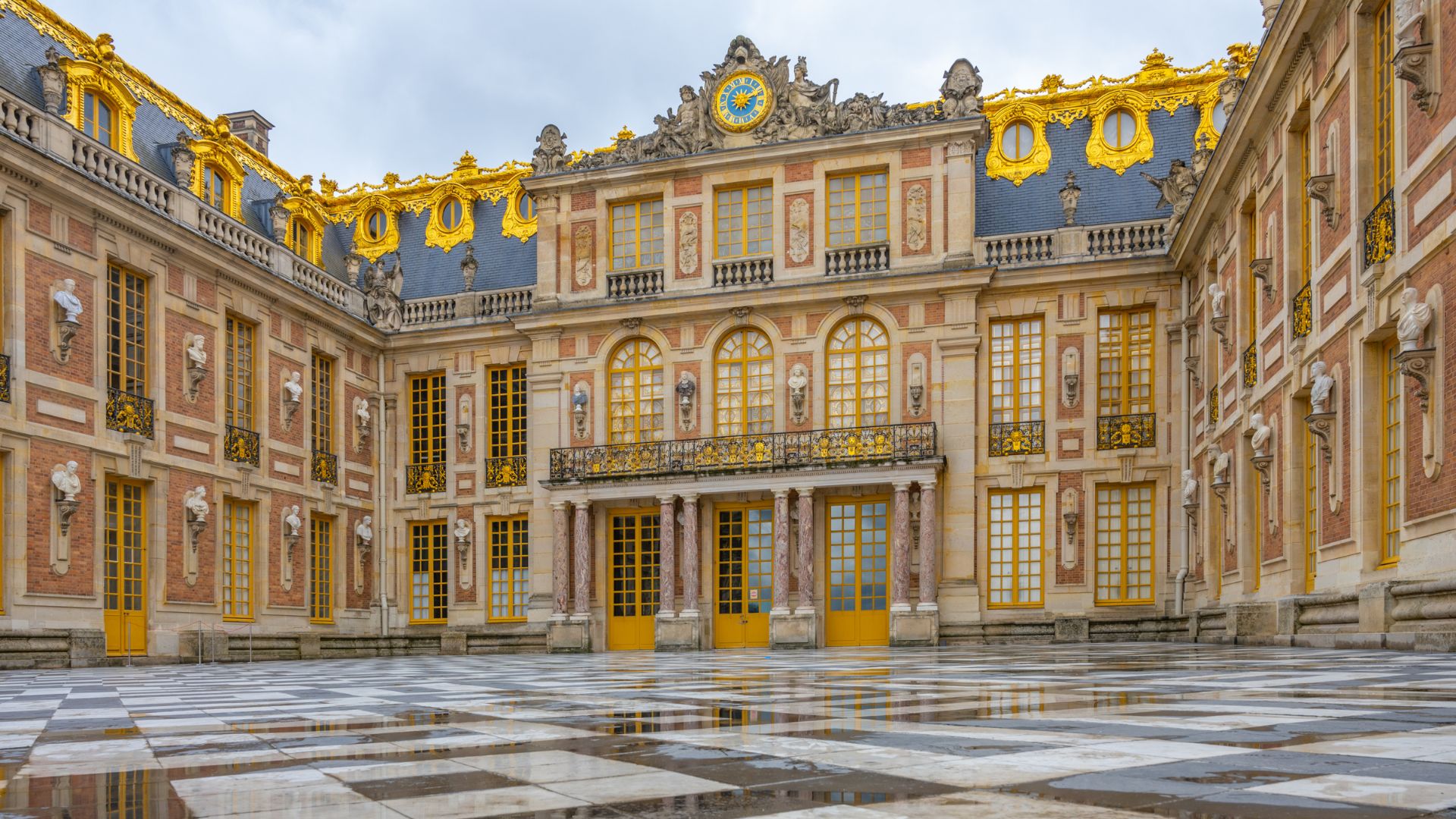
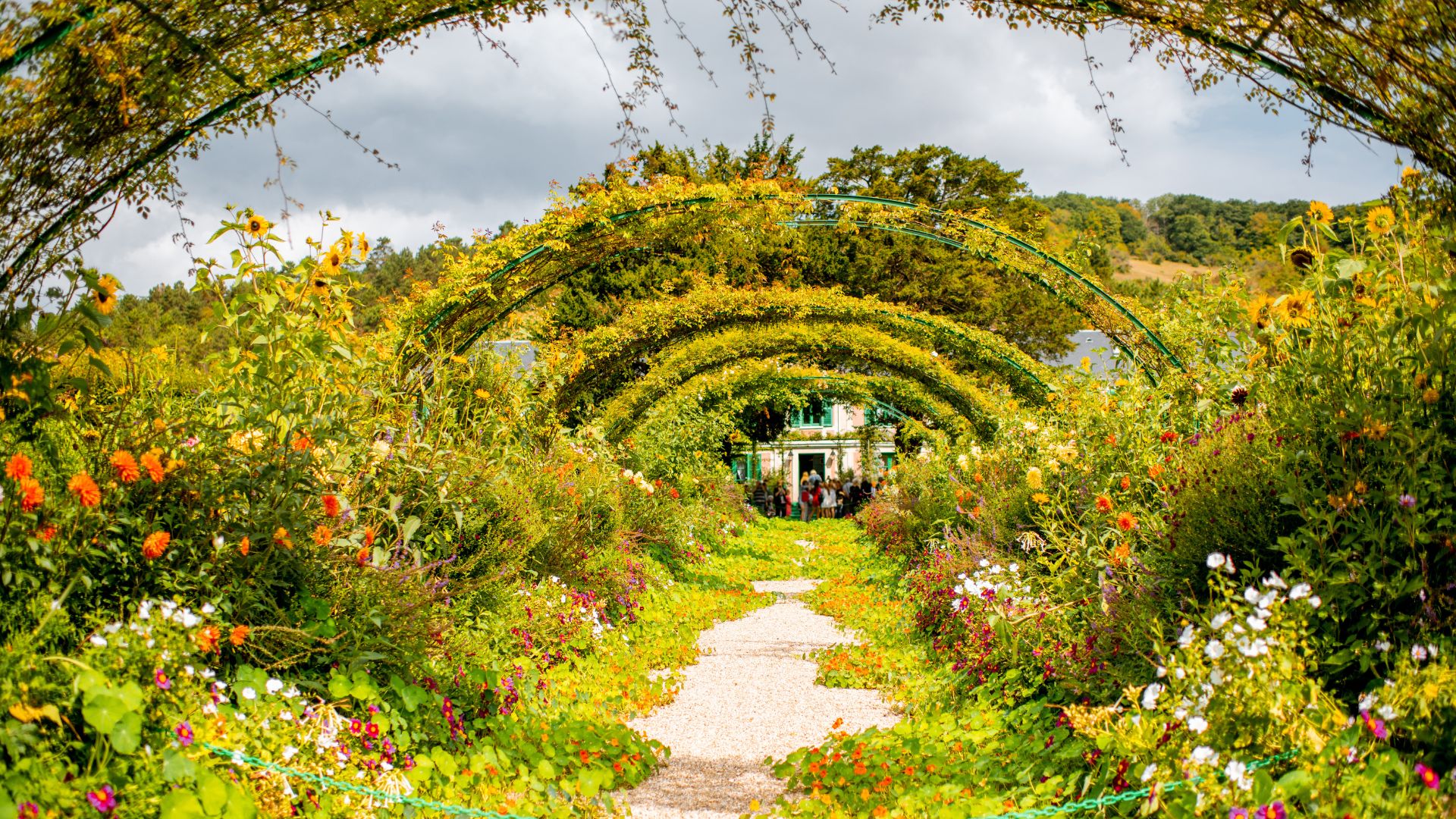
Time for a break from the city. On Day 8, pick either the Palace of Versailles or Monet’s Giverny gardens.
Versailles is the showstopper—gold, mirrors, and the kind of gardens you can get lost in for hours. It’s about an hour by train from Paris. Skip-the-line tickets are a must, especially when crowds swell.
Craving something quieter? Monet’s gardens at Giverny are peaceful and beautiful, especially if you love Impressionist art. It’s about 50 miles from Paris, and you’ll feel like you stepped into one of his paintings.
You can do both in a day with a guided tour, but honestly, picking one lets you enjoy it without rushing.
5) Day 9: Fly or take a high-speed train from Paris to Rome—arrive early if you can
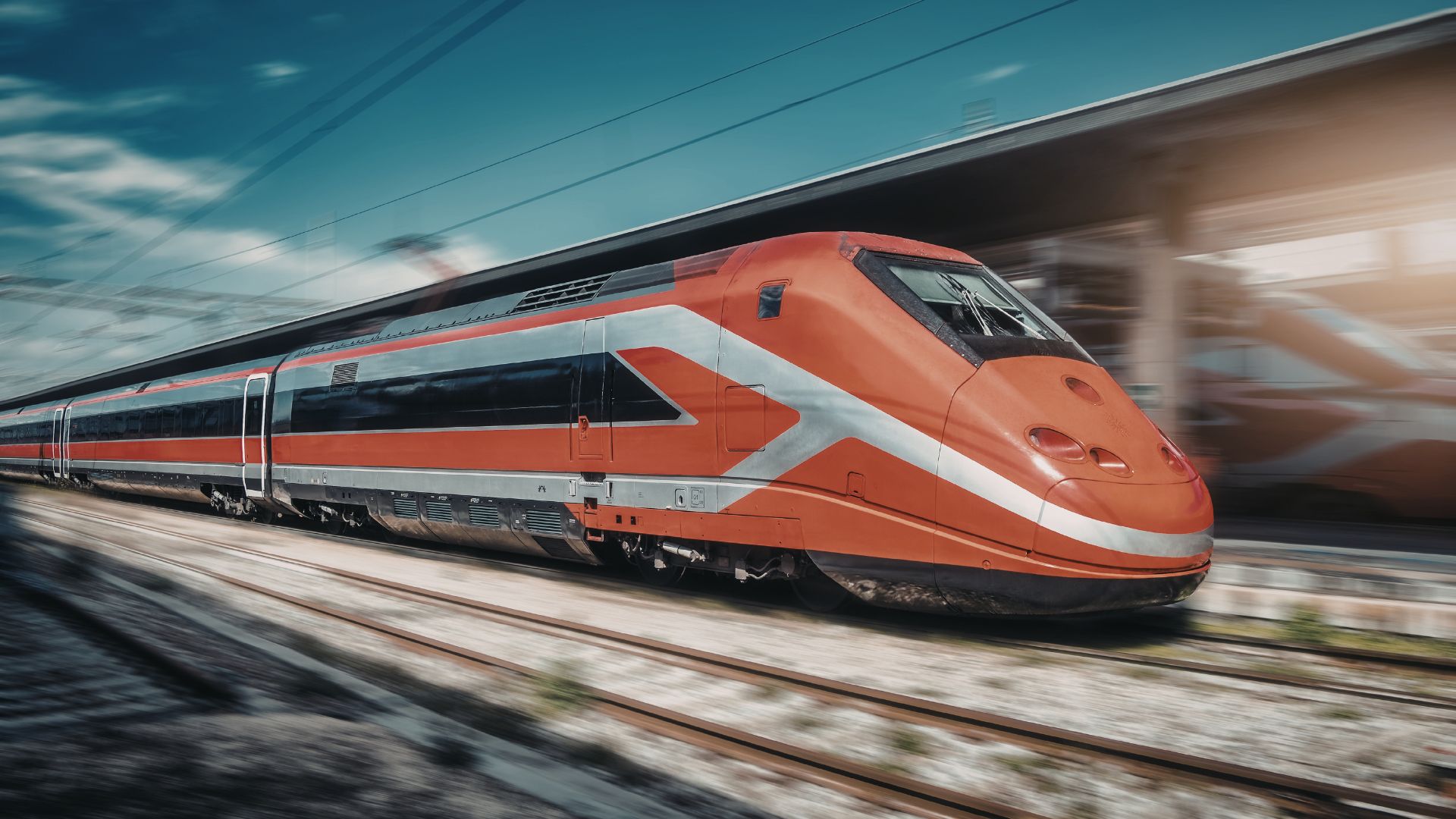
Day 9 is a travel day. You’ve got two solid options: fly or take the train.
Flights are quick—just two hours in the air, and budget airlines often have deals. Don’t forget the time you’ll spend getting to and from airports, though.
If you’d rather see the countryside, grab a TGV from Paris to Milan, then switch to an Italian high-speed train to Rome. It’ll take most of the day, but the scenery is worth it.
Book tickets ahead for the best prices. Sometimes you’ll snag a train seat for as low as $65.
Try to get to Rome by early afternoon. Drop your bags, stretch your legs, and maybe wander a local piazza.
Don’t overdo it today. Save the big sights for tomorrow.
6) Day 10-12: Tour Rome’s top sites—Colosseum, Vatican Museums, and Trevi Fountain
Three days in Rome means you can actually breathe between sights.
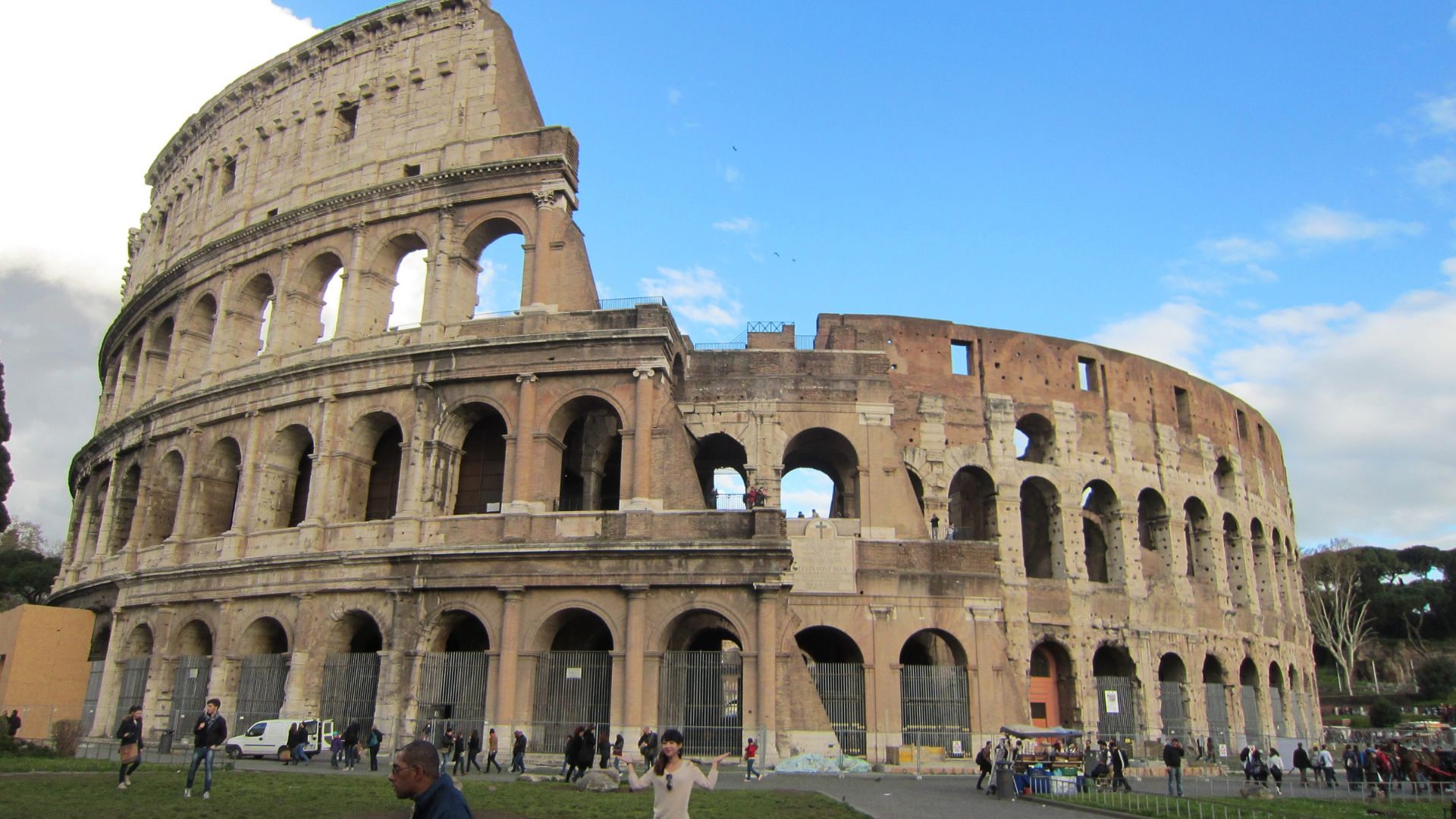
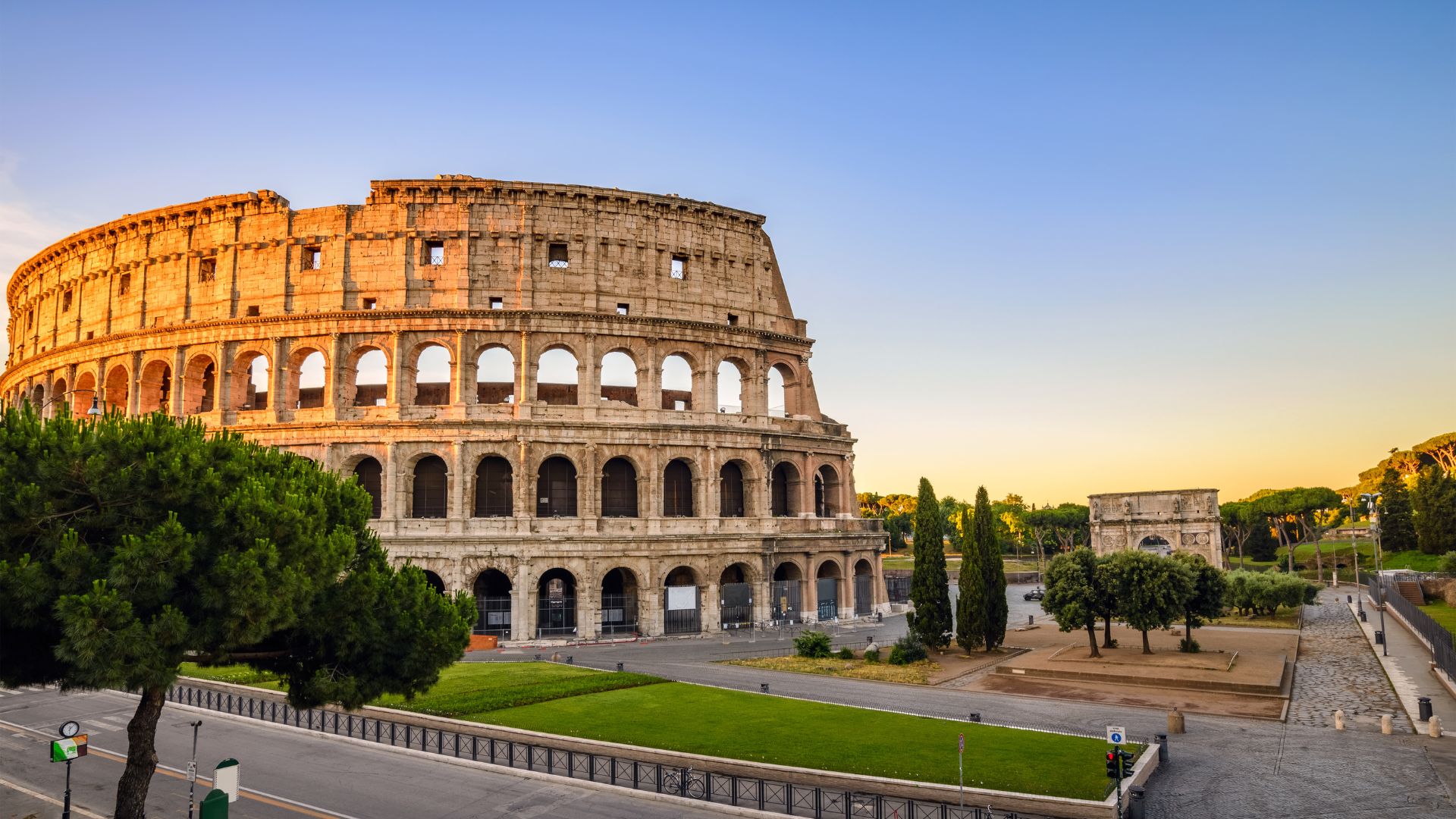
Start at the Colosseum—walking through this ancient arena is a thrill, especially if you imagine the history. Right next door, the Roman Forum gives you a real sense of old Rome.
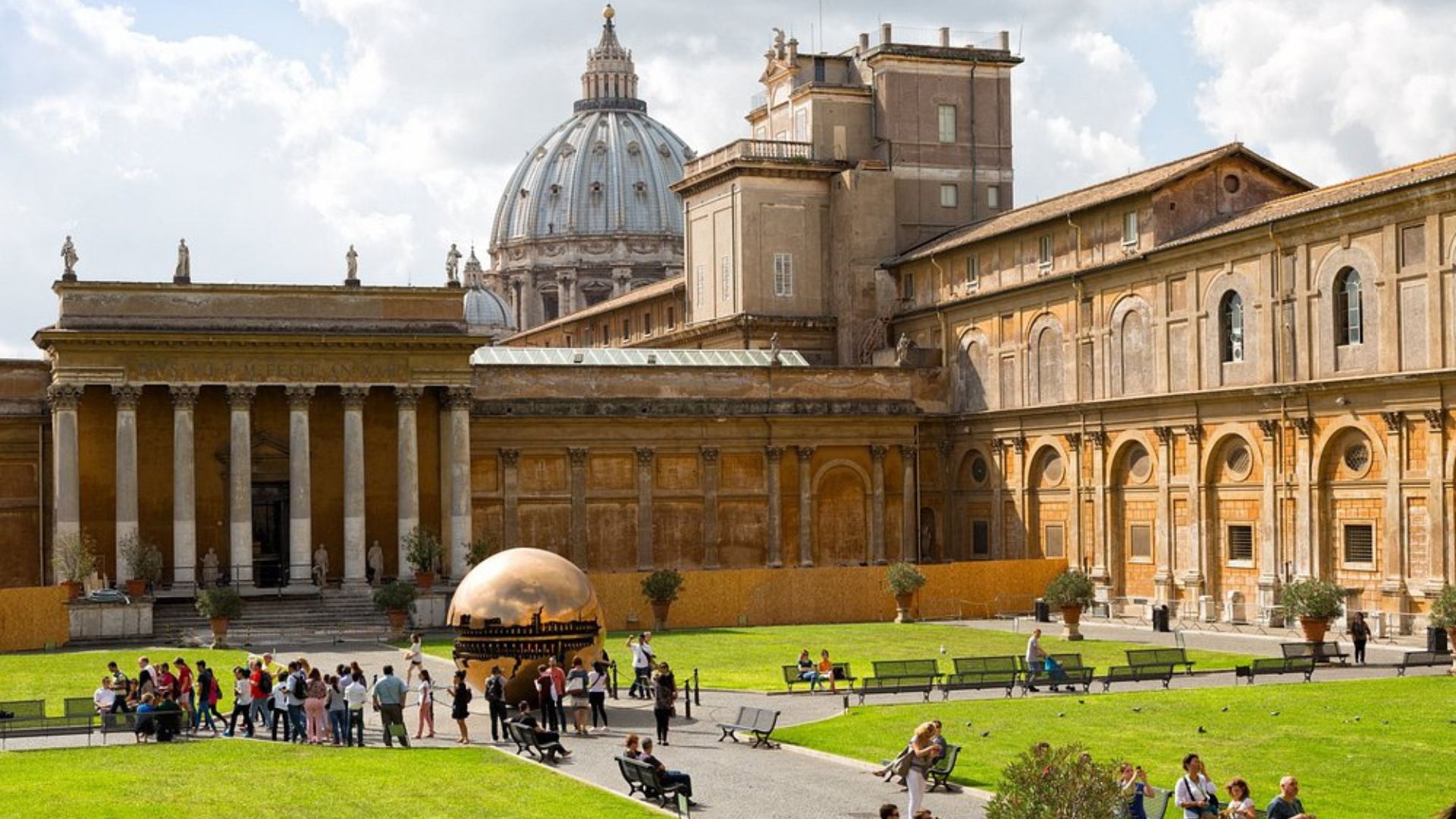
Next, the Vatican Museums and the Sistine Chapel. You’ll want at least half a day for all the art, the ceiling, and St. Peter’s Basilica. Book skip-the-line tickets or you’ll spend your morning in a queue.
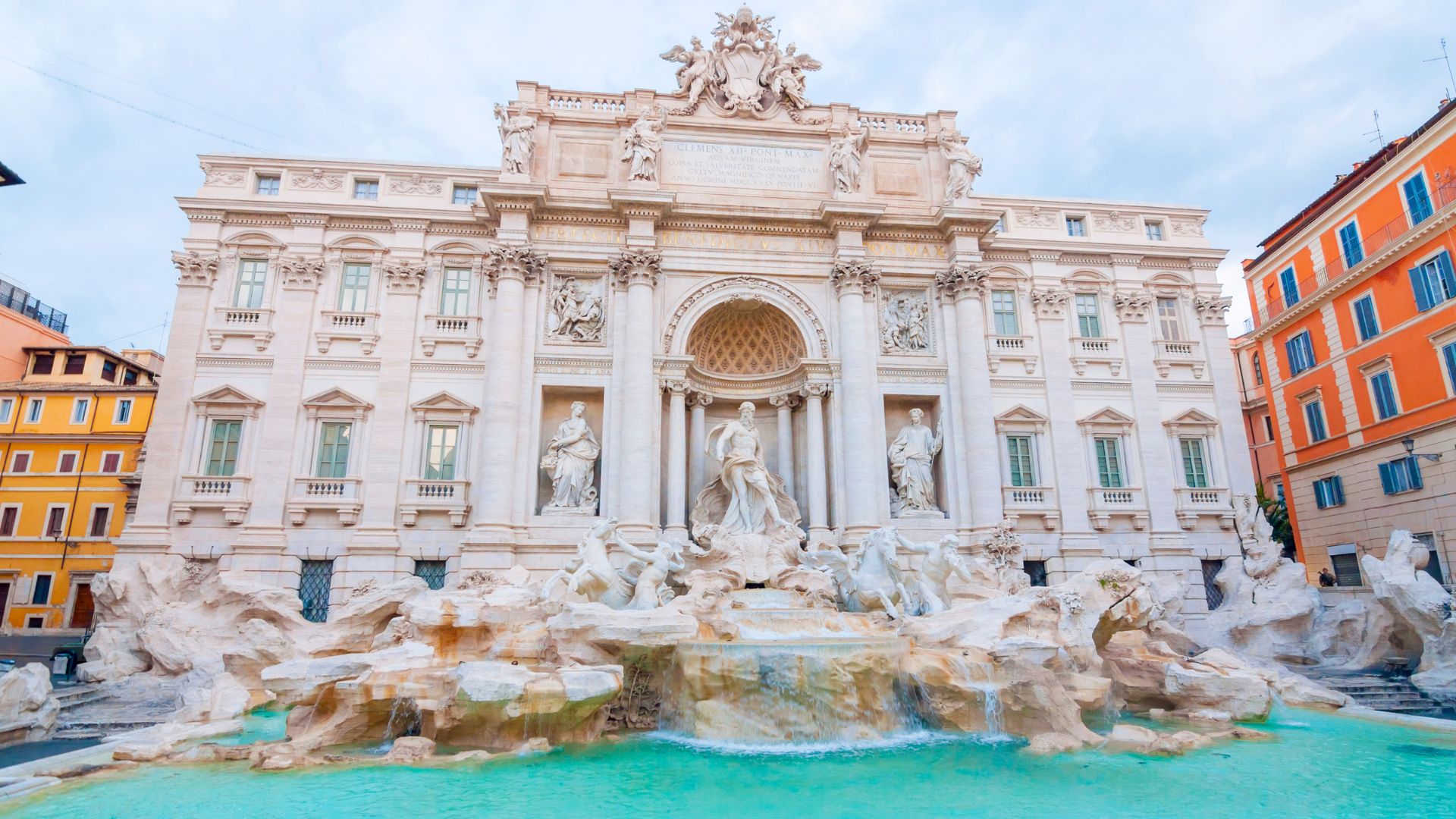
Rome’s historic center is walkable. The Trevi Fountain, Pantheon, and Piazza Navona are all close together. Toss a coin in the fountain—everyone does it, and hey, maybe it works.
You’ll find guided tours that bundle these highlights, but if you prefer to wander, that works too. Use your extra day to explore a neighborhood, try Roman gelato, or revisit your favorite spot.
7) Day 13: Explore lesser-known Rome neighborhoods—Trastevere for authentic dining
After twelve days of sightseeing, take it slow. Day 13 is for living like a Roman.
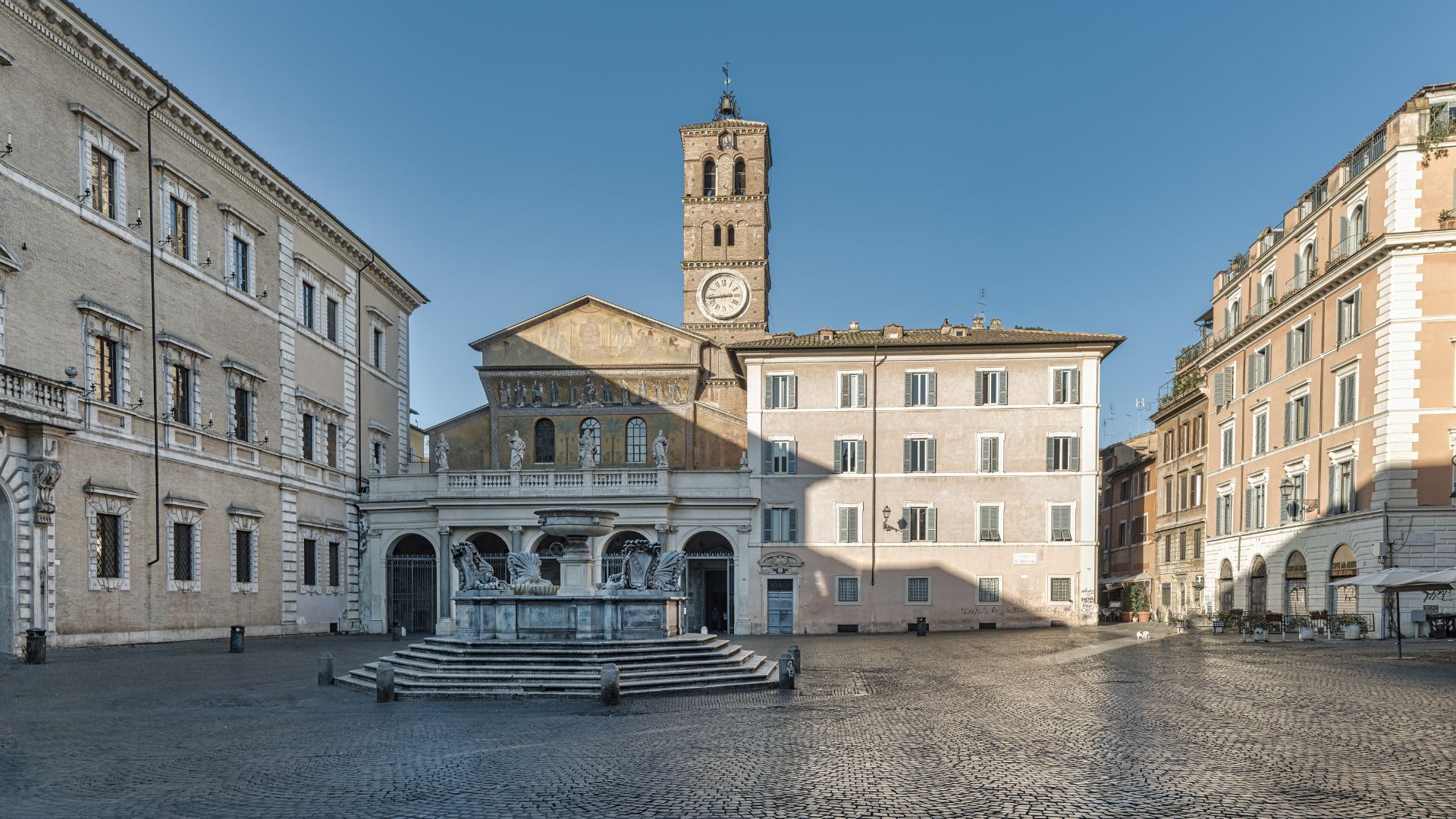
Head to Trastevere, just across the river. The name literally means “beyond the Tiber,” and you’ll notice the difference right away.
Trastevere’s got those winding cobblestone streets and tiny piazzas where life moves at a gentler pace. It feels miles away from the crowds at the Colosseum.
The food here? It’s the real deal. Family-run trattorias serve up classic Roman dishes, and the area buzzes with locals, especially at night.
Spend your day strolling, stopping for coffee, and maybe picking up a bottle of local wine. Watch the world go by in a piazza and let yourself slow down.
Dinner is the main event. Skip the multilingual menus—if locals are eating there, you’re in the right place.
8) Day 14: Depart from Rome—or squeeze in some last-minute shopping at Campo de’ Fiori
Last day! Depending on your flight time, you might have a few hours to soak up Rome one last time.
Campo de’ Fiori is a great final stop. The market buzzes in the morning, with everything from olive oil to handmade pasta and spices. Perfect for souvenirs that actually taste good.
Wander the side streets for ceramics or leather goods. Most shops open by 9 or 10 AM, so you can squeeze in a little shopping before heading out.
Keep an eye on the clock—Rome’s airports get busy, and you’ll want to arrive three hours before your flight.
If you’re flying out early, skip the shopping and head straight to the airport. No shame in that—sometimes the best souvenir is just making your flight home.

9) Book accommodations centrally in each city to cut down on transit and maximize sightseeing
Where you stay can really make or break a short city trip. I’ve learned the hard way—choosing a hotel near the main attractions saves hours you’d rather spend exploring, not commuting.
In London, try to find a spot near the Tube stations in zones 1 or 2. Places like Westminster, Covent Garden, or South Bank put you right in the heart of the action. You’ll end up walking to most landmarks, which is honestly the best way to see the city.
For Paris, stick with the 1st to 7th arrondissements if you can swing it. These central neighborhoods keep you close to the Eiffel Tower, Louvre, and Notre-Dame. Less time on the Metro, more time wandering those dreamy Parisian streets.
Rome’s historic center—think Termini Station or Trastevere—makes it easy to reach the Colosseum, Vatican, and other must-sees. Sure, central hotels cost more, but the time saved is almost always worth it.
On a tighter budget? Book a central hotel for just a night or two to blitz through the main attractions. Then, move to a cheaper place farther out for the rest of your stay.
10) Buy skip-the-line tickets in advance for major attractions
Want to save hours during your two-week adventure? Buy skip-the-line tickets before you even leave home. Places like the Louvre, the Colosseum, and the Tower of London get packed—really packed—especially in high season.
Skip-the-line tickets let you breeze past the regular queues and use special entrances. You can usually buy them online through official sites or trusted sellers. Many attractions offer timed entry slots, so you can plan your days without the stress of waiting around.
The hours you save add up fast. Instead of standing in line for two hours, you could be sipping coffee or exploring a side street. That’s a game-changer when you’re city-hopping in a tight window.
Remember to buy your tickets at least a few days before your visit. Some places—especially in peak season—sell out weeks ahead. Always double-check cancellation policies in case your plans shift.
Planning Your Multi-City Itinerary
Trying to see three European capitals in two weeks? It takes a bit of strategy. Timing, routes, and even how you pack can make or break your trip.
The right season can help you dodge crowds and save cash. Choosing smart transportation lets you squeeze every last minute out of your days.
Best Time to Visit London, Paris, and Rome
April to June and September to October hit the sweet spot for weather and crowds. Expect temps between 60-75°F and slightly shorter lines at the big sights.
Summer (July-August) is peak chaos—prices jump 30-40%, and lines get wild at places like the Colosseum and Eiffel Tower. It’s not my favorite unless you love the buzz.
Winter (November-March) brings the best deals, but the trade-offs are real. Rome stays mild, but London and Paris get chilly and wet. Some attractions cut hours, and daylight disappears by 5 PM.
I try to book flights and hotels 2-3 months out for shoulder season. For summer, aim for 4-5 months in advance if you want to avoid sticker shock.

Transportation Options Between Cities
Flying between cities takes 2-2.5 hours—best for the London-Rome stretch. Budget airlines like Ryanair and EasyJet sell tickets for $50-150 if you book early. Don’t forget you’ll need 2-3 extra hours for airport security and transfers, though.
The Eurostar train whisks you from London to Paris in just over 2 hours. It leaves from city center to city center, which is a huge bonus. Tickets usually run $60-200, depending on when you book. Plus, you can haul more luggage than on flights without extra fees.
High-speed trains between Paris and Rome take about 10-11 hours overnight. You could also fly in 2 hours. The overnight train saves you a hotel night, but expect to pay $100-300 per person.
Book train tickets 60-90 days ahead for the best deals. Sometimes, multi-city flight tickets cost less than piecing together separate flights.
Tips for Efficient Packing
Pack everything in a 22-inch carry-on—it’s a lifesaver. You’ll dodge checked bag fees and skip the airport wait. Budget airlines charge $30-60 per checked bag each way, so the savings add up.
Bring versatile clothes you can mix and match. I usually go with 5-7 tops, 2-3 bottoms, a light jacket, and comfy walking shoes. You’ll walk 6-8 miles most days, so trust me, your feet will thank you.
Packing cubes keep things organized and squeeze out extra space. I roll soft stuff and fold structured pieces. A small day bag for sightseeing is key—it needs to fit under airplane seats.
Limit yourself to 3-4 pairs of shoes: walking sneakers, something dressier, sandals if it’s summer, and maybe rain boots. Wear your bulkiest pair when you travel.
Cultural Insights and Local Etiquette
Every city’s got its own rhythm and rules. Picking up basic greetings and knowing how meals work helps you blend in—and makes the trip more fun.
Navigating Language Differences
In London, everyone speaks English, but the slang might trip you up. “Queue” means line, “lift” is elevator, and “cheers” doubles as thanks. Accents change a ton across the city, so don’t stress if you don’t catch every word.
In Paris, locals warm up when you try a little French. Always start with “Bonjour” before switching to English. Pick up “s’il vous plaît” (please), “merci” (thanks), and “pardon” (excuse me). Many Parisians speak English, but they’ll appreciate your effort.
In Rome, Italian rules the day, and fewer people speak English. Learn “buongiorno” (good morning), “grazie” (thank you), and “per favore” (please). In touristy spots, staff usually know enough English to help, but a few Italian words go a long way.
Dining Customs in Each City
London dining feels familiar if you’re used to Western restaurants. Tip 10-12% if service isn’t included. In pubs, order at the bar. And eating on public transport? Big no-no.
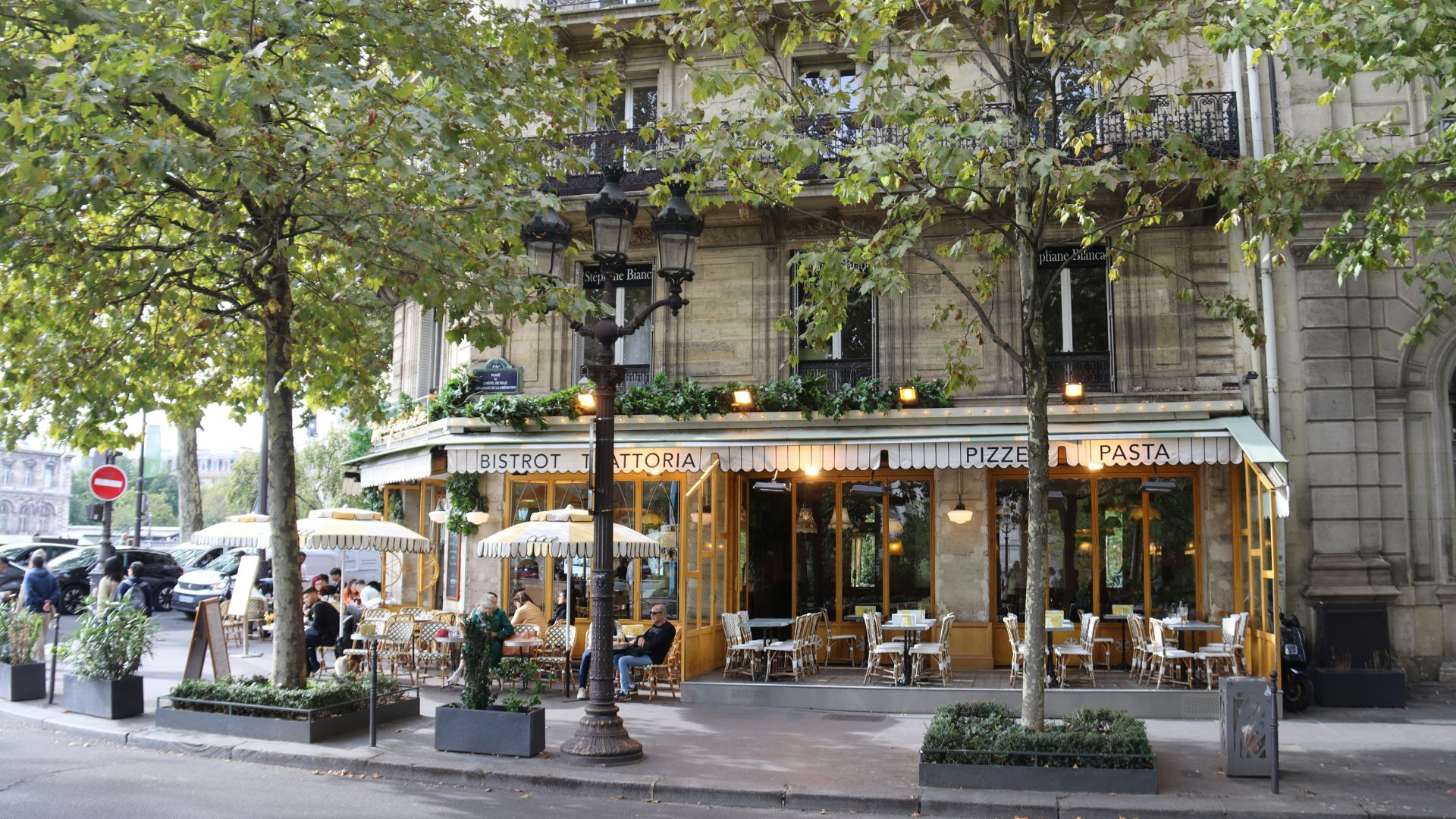
Paris meals are meant to be savored. Don’t rush. Wait to be seated, and always say “bonjour” when entering a shop or café. Tipping isn’t required—service is included—but leaving small change is a nice gesture. Keep your hands on the table, not in your lap.
Rome dining starts later—lunch from 1-3 PM, dinner after 8. Order cappuccino only in the morning. Don’t ask for menu substitutions. Service charges usually show up on your bill, so extra tipping is totally optional.
Frequently Asked Questions
Planning a three-city European trip takes a lot of juggling—timing, transport, and budget can get overwhelming fast. Here are the questions I get asked the most about visiting London, Paris, and Rome in two weeks.
Split your time: 4 days in London, 4-5 in Paris, and 4-5 in Rome. That’s the sweet spot for seeing the highlights without burning out.
Kick off in London—hit the Tower of London, Buckingham Palace, and the British Museum. On day four, hop on the Eurostar to Paris. There, wander the Eiffel Tower, Louvre, and Montmartre. Save a day for Versailles or Giverny if you’re up for a side trip.
Head to Rome on day 9. That leaves 5-6 days to dive into the Colosseum, Vatican City, and ancient sites. This plan builds in travel days and some downtime, so you’re not just racing from one attraction to the next.
The Eurostar takes you from London to Paris in about 2 hours and 15 minutes. Trains leave from St Pancras International and arrive at Gare du Nord. Book tickets up to 180 days ahead for the best deals.
Paris to Rome offers two main train routes. The direct high-speed train runs overnight in about 10-11 hours. Or opt for a daytime trip with a connection—usually in Milan or Turin—which takes 11-15 hours total.
Snag tickets early for real savings. Advance bookings can cut your costs in half compared to buying last-minute.
Plan to spend $3,000 to $5,000 per person for mid-range hotels, trains or flights, meals, and attractions.
Stay just outside the city centers for cheaper rates. London’s King’s Cross, Paris’s 11th or 18th arrondissements, and Rome’s Trastevere all offer good value. If you’re traveling with friends or family, booking an apartment or vacation rental can save money.
Look into city passes if you’ll visit lots of attractions. Make lunch your main meal—restaurants offer better deals at midday. Stick to public transport and book everything early to lock in the best prices.
Guided packages bundle hotels, some meals, city transfers, and tours. Prices usually range from $2,500 to $6,000 per person, depending on hotel quality and what’s included.
Independent packages let you combine flights, hotels, and activities for a discount. You get flexibility and can save 10-20% over booking everything separately. Multi-city flight tickets are often cheaper than three one-ways.
Rail passes offer unlimited train travel for a set period, but only buy one if you’ll take extra train trips beyond these three cities. Always compare single ticket prices to the pass before deciding.
Go for 4 days in London, 5 in Paris, and 5 in Rome. That gives you 12 full sightseeing days and 2 for travel.
London needs at least 3 days for the biggies—Tower of London, British Museum, Westminster Abbey, Buckingham Palace. Paris shines with 4-5 days for the Louvre, Eiffel Tower, Notre-Dame, and maybe a day trip to Versailles. Rome deserves 4-5 days for the Colosseum, Vatican, Roman Forum, and neighborhoods like Trastevere.
Tweak the schedule if you’ve got a favorite city or want to keep things more relaxed. After all, it’s your adventure.
Let’s talk flying first. The flight itself zips by in about two hours, but honestly, the whole process takes more like four or five. You’ve got to factor in getting to the airport, waiting through security, and then trekking back into the city once you land.
I’ve snagged budget airline tickets for as low as $50—sometimes up to $150 if I didn’t plan ahead. Booking early really pays off.
Now, the train is a whole different vibe. It takes longer—think 10 to 15 hours—but you roll right into the city center. No airport chaos, no extra transfers.
Overnight trains are kind of awesome. You drift off to sleep and wake up in a new country, plus you save a night’s hotel bill. Day trains aren’t exactly cheap though; expect to pay $100–200 for a second-class seat if you book early enough.
So, what’s best? If you want to squeeze every minute out of Paris and Rome, flying might win. But if you love a good window view, hate airports, or want to combine travel with your night’s sleep, the train’s a solid choice. I’ve tried both, and honestly, it comes down to what kind of adventure you want.
