
Exploring the Forest of Dean in Gloucestershire, UK, feels like stepping into a different world—ancient woodland, dramatic viewpoints, and hidden wonders all rolled into one. I wandered among centuries-old trees, following winding trails, never quite sure what surprise would pop up around the next bend. There’s this unexpected blend of nature, history, and art that just sneaks up on you.
My route took me from the heights of Symonds Yat, where I gazed out over the River Wye and watched birds of prey circling above, to quiet sculpture trails where creative displays hid among the greenery. I stumbled on secret caves echoing with old stories, making the whole forest feel alive and a bit mysterious.
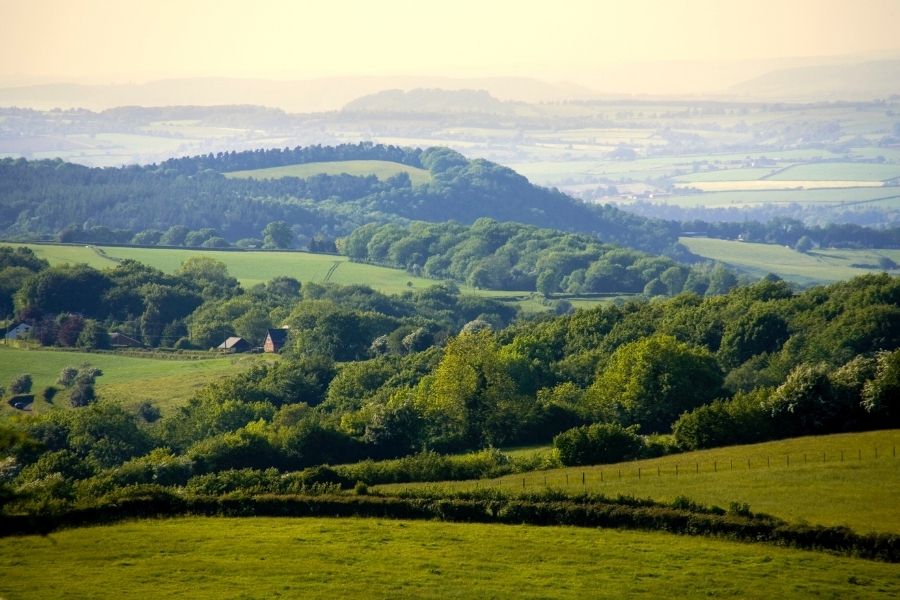
As I ventured deeper into the Forest of Dean, something new seemed to pop up with every step—a hidden path, a flash of wildlife, or just a peaceful spot under the leafy canopy. It was easy to lose myself (in the best way) in one of the UK’s most fascinating ancient woodlands.
Planning Your Ancient Woodland Adventure
Exploring the Forest of Dean goes a lot smoother with a bit of planning. Weather, transport, and a few practical essentials really do make a difference, especially if you want to catch the best sights or just enjoy outdoor adventure without hiccups.
Best Times to Visit
If you ask me, late spring and early autumn are just about perfect—comfortable temps, fewer people, and a forest bursting with life. May brings wildflowers everywhere. Come autumn, the whole place turns into a patchwork of gold and red.
Summer means long days and family outings, but the Sculpture Trail can get crowded.
Key events and tips:
- Spring: Bluebells everywhere, great for spotting wildlife
- Summer: Long daylight, good for families
- Autumn: Quiet trails, amazing leaf colors
- Winter: Super peaceful, but expect muddy paths
If you’re into photography or want to poke around hidden caves, try heading out early—the light’s softer and the trails are quieter.
How to Get There
Getting to the Forest of Dean is pretty straightforward. If I drive, the A40 or A48 gets me in from Gloucester, Chepstow, or South Wales. There’s parking at main spots like Symonds Yat Rock, Puzzlewood, and the Sculpture Trail start.
Lydney is the closest train station—just a quick 10-minute taxi ride from the main attractions. Buses run from Gloucester and Chepstow, but they can thin out outside peak times, so I always double-check the timetables.
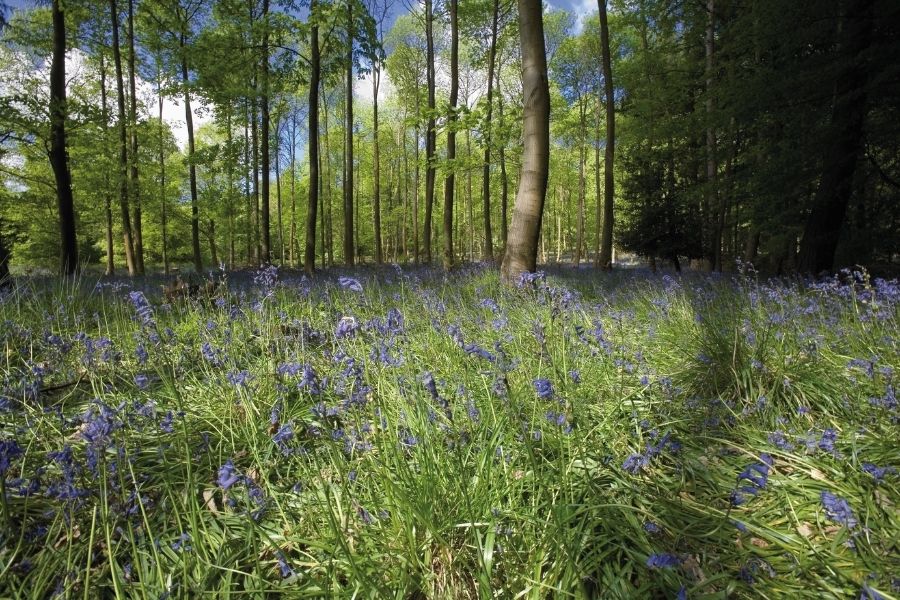
Table: Main Access Points
| Transport | Details |
|---|---|
| Car | Easy access, on-site parking |
| Train | Lydney station (nearest) |
| Bus | Routes from Gloucester/Chepstow, limited service |
Essentials for Exploring the Forest
Trust me, good shoes are non-negotiable. The terrain can be a mix of everything. I always pack a waterproof jacket, snacks, water, and a map or GPS—phone signal likes to disappear in the deep woods.
If I’m planning a longer hike or going cave-hunting, I throw in a torch and an extra layer or two.
Family days out take a bit more prep. I bring extra drinks, sun cream, and a mini first aid kit. For wildlife fans, binoculars are a game changer—spotting deer or birds from afar is half the fun.
Picnic spots pop up along the main trails, but bins are rare, so I carry my rubbish home. Most trails keep away from roads, which means peace and quiet as you wander.
Exploring Symonds Yat and Its Stunning Views
Symonds Yat gave me way more than a walk in the woods. I found dramatic views, rare birds wheeling overhead, and well-marked trails that led to ancient secrets.
Symonds Yat Rock and the River Wye
I kicked things off at Symonds Yat Rock, perched high above the River Wye. The view is wild—the river snakes through deep, green valleys, with cliffs rising on either side and woodland stretching to the horizon.
The main viewpoint has information boards and sturdy railings. I spotted canoes drifting far below and that iconic river bend everyone raves about. There’s a small café and picnic benches, perfect for a quick break.

Arriving early meant I beat the crowds. Morning sunlight made the forests glow and picked out the rocky outcrops. Even on popular trails, I found quiet moments if I avoided busy weekends.
Birdwatching: Peregrine Falcons and Merlin
Symonds Yat Rock draws birdwatchers for good reason. There’s a viewing area with telescopes, and I joined others hoping to glimpse the peregrine falcon. I didn’t have to wait long—soon, a pair swooped along the cliffs.
Peregrine falcons nest here every year. Their fast dives and sharp calls break the woodland silence. Volunteers and rangers often help visitors spot birds and answer questions.
I also saw buzzards circling and, if I’m not mistaken, caught a glimpse of a merlin—the UK’s tiniest falcon. Spring and early summer are the best times for bird action. Birdwatchers share tips and sometimes even lend binoculars, which makes the whole thing feel friendly.
Hiking and Walking Routes
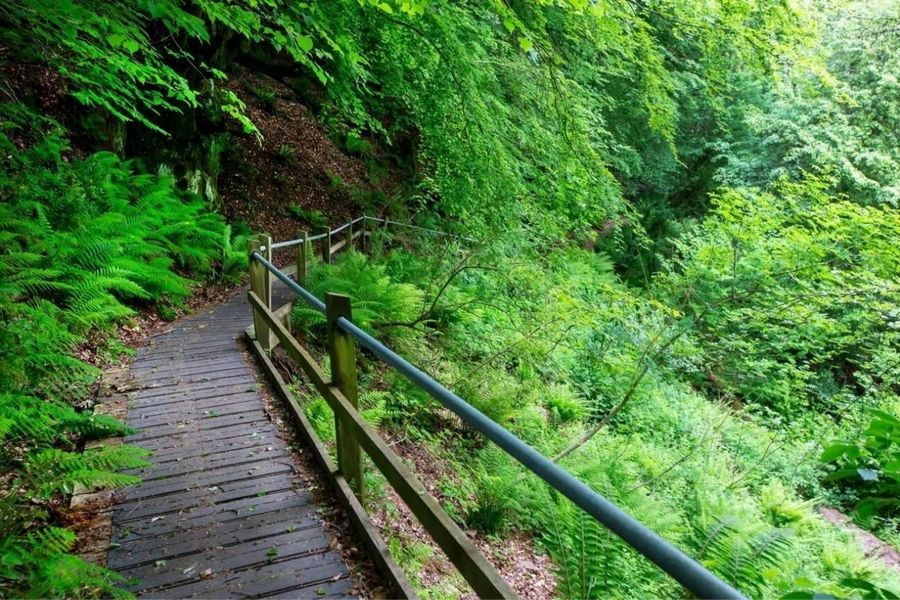
Several way-marked trails start from the main car park. I picked the yellow trail and wandered through ancient woodland with mossy oaks and tall beeches. The forest was alive with woodpeckers, squirrels, and the sound of distant water.
A few popular routes:
| Trail Name | Distance | Features |
|---|---|---|
| Short Viewpoint Loop | 1 mile | Panoramic views |
| Woodland Trail | 3 miles | Sculptures, quiet woods |
| River Wye Descent | 2.5 miles | Riverside path, steep climb |
Trail maps sit at the start, and colored arrows keep you on track. The steeper walks down to the river are a workout, so I’m always glad for sturdy shoes. Each trail offers a fresh angle on the forest and those dramatic river views.
Discovering the Sculpture Trail and Hidden Artworks
The Forest of Dean Sculpture Trail surprised me. As I walked, artworks popped up in the trees, turning clearings into little galleries.
Forest of Dean Sculpture Trail Highlights
Starting at Beechenhurst, the trail runs about 4.8 miles through mixed woodland. Over 15 big art installations dot the route, each inspired by the forest’s landscape, history, or wildlife.
Some sculptures blend right in, while others shout for attention with bold shapes or odd materials. I found the dome-shaped Cathedral and quirky carved benches, perfect for a rest. The artworks change over time, so there’s always something new or a familiar favorite.
Most sculptures don’t have labels or much info next to them. That mystery made me wonder what each piece meant or how it tied into the woods.
Interactive and Family-Friendly Features
The trail is super family-friendly, and people of all ages enjoy exploring art and nature together. Wide paths and purple arrows make it easy to follow from Beechenhurst Lodge.
Some artworks invite you to touch, sit, or even walk through them, making it a hands-on experience. I saw families using sculptures as meeting spots, while kids dashed ahead to see what was next.
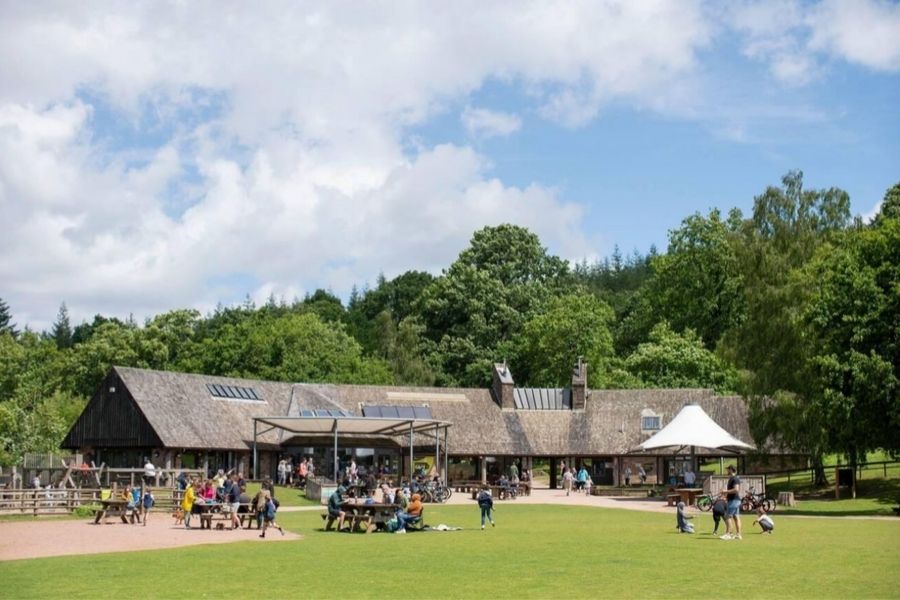
Beechenhurst offers a map, picnic areas, and a café, so it’s easy to spend the whole day here. The mix of art, woodland, and helpful signs creates a welcoming vibe for everyone.
Underground Adventures and Mysterious Caves
The Forest of Dean isn’t just about what’s above ground. I found a whole other world underground—ancient mines, twisting passages, and caves that reveal how people once lived and worked beneath the trees.
Clearwell Caves and Mining History
Clearwell Caves, close to Coleford, are some of the oldest iron ore mines around. For thousands of years, miners dug deep, carving out huge caverns and tunnels. The iron they pulled out built tools and weapons that shaped history.
Now, visitors can wander through nine big show caverns. Natural rock formations and signs of old mining are everywhere. Displays and old tools give a glimpse into the tough, dark work miners did.
The mix of history and geology really stands out. Colored ochre still stains some walls, showing what miners once collected. The cool, damp air and echoes make the place feel mysterious. The site is well-lit and open to all ages, so it’s easy to appreciate both the beauty and the miners’ grit.
Puzzlewood’s Hidden Wonders
Puzzlewood, not far from Coleford, is known for its maze-like paths, twisted trees, and secret caves. Water shaped the limestone over millions of years, leaving behind rocky hollows and mossy passageways.
Locals have explored these caves for ages, sometimes using them as hideouts. The strange shapes and sudden drops add a sense of adventure. Some say Puzzlewood inspired scenes in movies and books—it’s easy to see why.
A few cave entrances are easy to spot from the main trail, but most hide in plain sight unless you’re looking closely. Signs point the way, and some sections are for those ready for a bit of a scramble.
Underground Exploration Tips
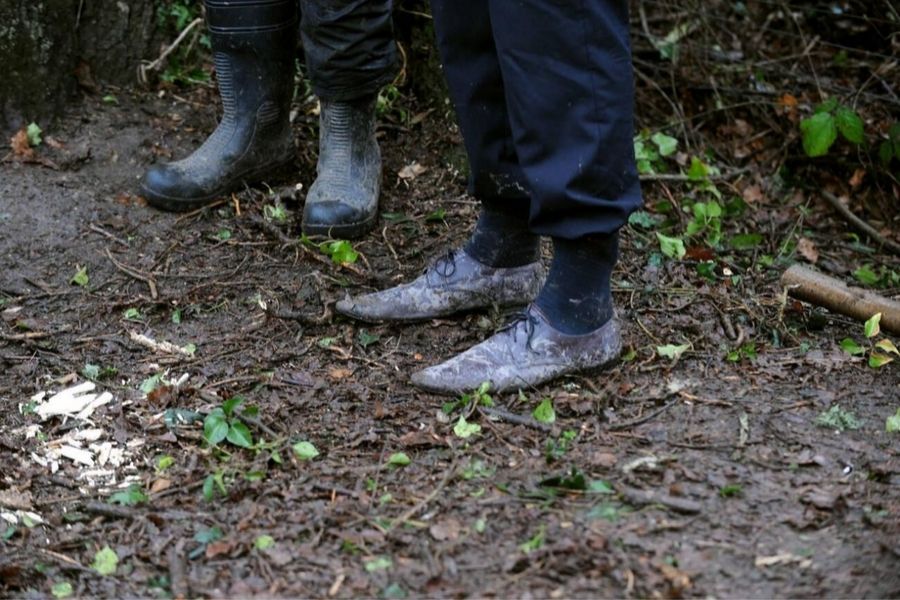
If you’re heading underground, a few pointers help a lot. Wear sturdy, non-slip shoes—floors can be slick and uneven. Bring a flashlight or headlamp for peeking into side tunnels or dark corners.
If you’re with kids, keep them close. Some cave sections are tight or have low ceilings. Always stick to marked paths and check signs. Guided tours are available for those who want extra info or a bit more safety.
I carry a small backpack with water, a snack, and my phone. Cell signal disappears in some spots, especially underground. Always check opening times and age limits before you go, as they can change with the seasons.
Outdoor Activities for Adventure Seekers
The Forest of Dean is a playground for outdoor lovers. Trails, water sports, and high ropes courses kept me busy and challenged every single day.
Cycling and Mountain Biking Trails
I kicked off my adventure by cycling through the ancient woodland. The Family Cycle Trail, a favorite among locals and visitors, is well-marked and beginner-friendly.
Some stretches roll gently, while others ramp up with steeper slopes if you’re after a bit more thrill. Honestly, it’s a nice mix.
Mountain bikers get their own set of paths. The Verderers’ Trail really stands out—twists, jumps, tight corners—it’s got everything to test your skills.
Plenty of spots offer bike hire and maps, so you don’t need to lug your own gear. That’s a relief, right?
Tall trees cast cool shade over the trails, and the quiet of the forest makes every ride feel peaceful. I found picnic spots and viewpoints along the way, perfect for a quick snack or just soaking in the view.
Trails stay open year-round, though I’ll admit, winter can get muddy and a bit more challenging.
High Ropes and Go Ape Experiences
Climbing up into the treetops, I decided to give the Go Ape high ropes course a go. Rope ladders, zip wires, wobbly bridges—the whole lot.
They handed out safety gear and gave us a solid safety talk before we started. That put my mind at ease.
From up high, the views over the forest felt completely different than anything on the ground. Each section of the course ramps up in difficulty, so whether you’re a first-timer or a seasoned climber, there’s a challenge for you.

Go Ape draws families with older kids, groups of friends, and anyone keen to test their balance and nerves. It’s a bit of a local rite of passage.
The final zip wire? Easily my favorite. Flying above the treetops is a rush I won’t forget anytime soon.
If you’re thinking of going, definitely book ahead—weekends and school holidays get busy fast.
Kayaking, Canoeing, and Paddleboard
The River Wye hugs the edge of the Forest of Dean, and its calm waters make it famous for good reason. I joined a guided canoe trip near Symonds Yat, where the river just drifts along at a relaxed pace.
Renting kayaks, canoes, or paddleboards is a breeze—plenty of places offer gear. Guided trips help newcomers, but if you know your way around a paddle, you can just head out on your own.
Paddling quietly, I spotted kingfishers and herons along the banks. Wildlife seems less shy when you’re out on the water.
On sunny days, paddleboarding gets really popular. The river’s gentle flow lets you drift along, taking in high cliffs and old trees—sometimes you just want to stop and stare.
In summer, it’s wise to book ahead, since rentals can disappear quickly.
Wildlife Watching and Nature Walks
Wildlife thrives in the Forest of Dean. Early morning or just before dusk, wild boar and deer sometimes cross the trails.
I always bring binoculars for birdwatching—woodpeckers, jays, buzzards, you name it. There’s something special about spotting birds you’d never notice otherwise.
Walking trails twist through thick woods and open glades. The Sculpture Trail, one of my favorites, winds past hidden art and offers plenty of nature along the way.
Trail signs share tidbits about trees, plants, and animal tracks. I love pausing to read them, even if I don’t always remember every fact.

If you walk quietly and wear neutral colors, you’ll spot rabbits, foxes, and sometimes bats at dusk. I usually stop by streams or in clearings just to listen—rustling leaves and birdsong remind me how alive the forest is.
Hidden Gems, Local Culture, and Heritage
Exploring the Forest of Dean, I stumbled into ancient woodland history, friendly local businesses, and peaceful corners the community cherishes.
From heritage railways and old pubs to lively festivals and quiet lakes, the area has layers you can’t see at first glance.
Local History, Heritage Railways, and Museums
Wandering through the Forest, I quickly realized how deep the roots go here. The Dean Heritage Centre in Soudley pulls you into local life—coal mining, crafts, the whole story.
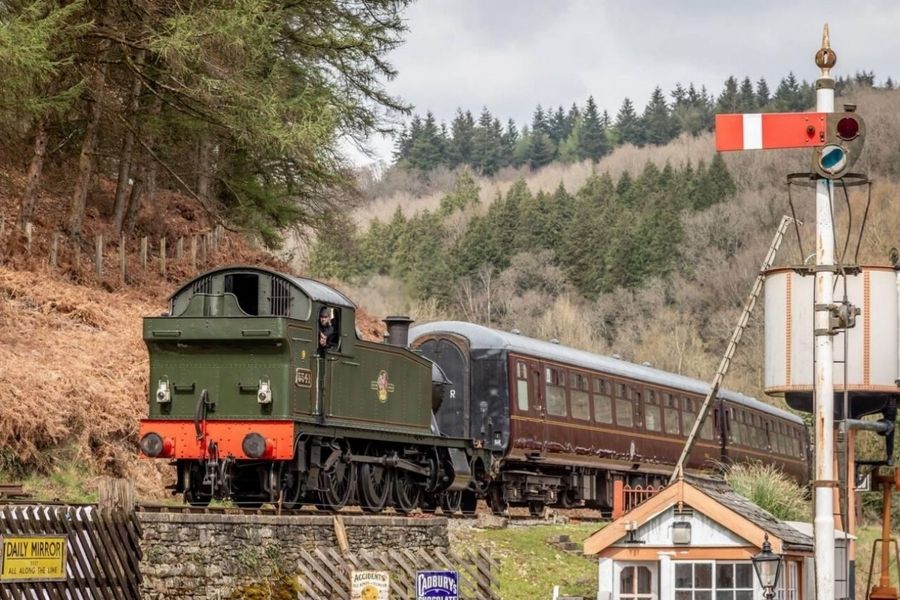
I hopped aboard the Dean Forest Railway in Lydney. Riding the old steam train through leafy tracks felt like stepping back in time.
Families waved from platforms, and the carriages rattled past wildflowers and woods. For a slower pace, the Perrygrove Railway near Coleford offered a charming miniature train ride, winding through fields and forest.
Villages like Cinderford and Lydney have tiny museums and boards with stories about timber, iron, and ancient rights. I kept stopping to read about Roman settlements and even smuggling tales from Lydney Harbour.
You can tell the locals are proud of their heritage—it’s everywhere.
Traditional Pubs, Independent Shops, and Local Produce
Stopping for a pint or a bite to eat is part of the fun here. The Speech House, a grand old inn, oozes history.
Smaller pubs like The New Inn or The Rising Sun serve up real ales, ciders, and hearty local dishes. It’s hard to find a more welcoming spot.
Independent shops in Coleford and Lydney make it easy to pick up local cheeses, bread, and jams. I tracked down the famous Stinking Bishop cheese at Forest Deli, along with meats and cakes from the Wye Valley.
Everywhere you go, local produce pops up—from farm stands to café menus. I tried homemade pies stuffed with wild game and fresh veg, and honestly, you can taste the woods in every bite.
Picnic Spots, Cafés, and Community Events
I set out looking for a peaceful place to unwind, so I wandered over to Mallards Pike Lake and Wenchford. Both spots had easy trails, picnic tables, and those classic views of water and woodland that just invite you to linger.
Honestly, I kept pausing to watch the wildlife. Squirrels darted through the trees, deer sometimes appeared if you got lucky, and once, I even caught a fox slipping through the morning mist. That felt like a little bit of magic.
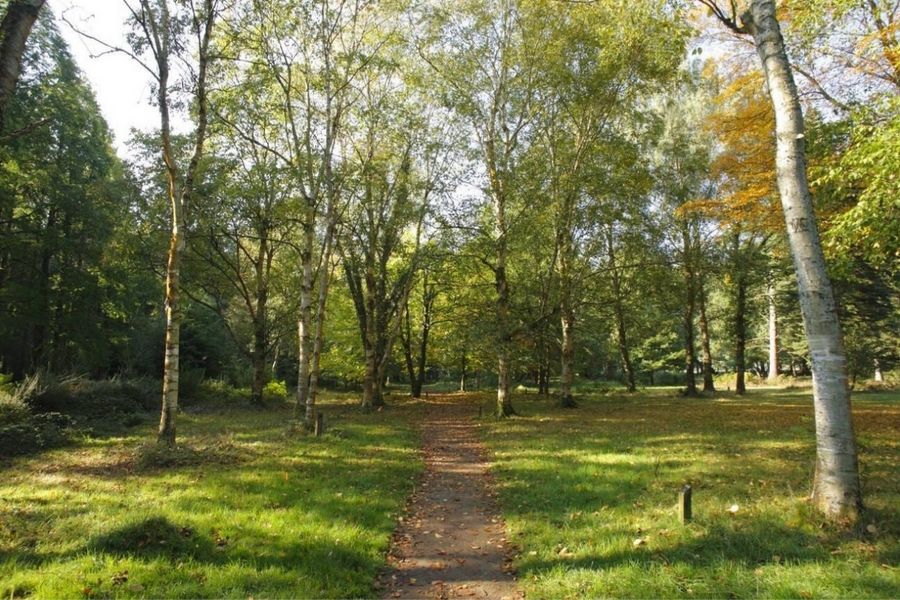
When hunger hit, I checked out a few cafés by Nagshead Nature Reserve and the Cyril Hart Arboretum. They served up fresh coffee and homemade cakes—nothing fancy, but exactly what you want after a walk. A couple of them had outdoor seating, so I could sip coffee and watch the birds flit around.
I didn’t plan on joining any community events, but I happened to find a craft fair tucked inside a village hall. Another day, I stumbled into a summer picnic by Soudley Ponds. There was music, laughter, and locals mixing with visitors like me.
Those gatherings made the Forest feel less like a destination and more like a place you could belong, even if just for a day.
